

Best Places to Visit in Hong Kong, China
Hong Kong is one of Asia’s most exciting travel destinations, offering an extraordinary combination of modern skyscrapers, traditional Chinese culture, dramatic mountains, beautiful islands, historic neighbourhoods, world-class shopping and unforgettable food. Located on the southern coast of China, Hong Kong is famous for its spectacular Victoria Harbour skyline, busy streets, historic temples, efficient transportation and distinctive blend of Chinese and international influences. For travellers searching for the best places to visit in Hong Kong, the city offers far more than its famous skyline. From the heights of Victoria Peak and the peaceful surroundings of Lantau Island to the lively markets of Kowloon and the beaches of the southern coast, Hong Kong can provide a completely different experience in almost every district.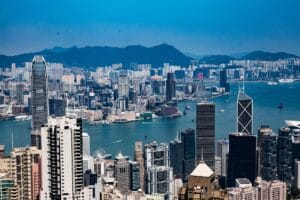
The Hong Kong Tourism Board describes the destination as a place where modern urban life exists alongside beaches, hiking trails, cultural attractions and historic sites. Its current attraction guide includes more than 100 places across Hong Kong Island, Kowloon, the New Territories and the outlying islands. This makes Hong Kong particularly attractive for travellers who want to combine sightseeing, food, culture, shopping, nature and entertainment within one trip.
Why Hong Kong Is One of Asia’s Best Travel Destinations
Hong Kong has a unique geographical advantage. A visitor can spend the morning surrounded by skyscrapers in Central, take a ferry across Victoria Harbour at lunchtime, explore a traditional market in Kowloon during the afternoon and finish the day watching the city lights from Victoria Peak. Beyond the urban core, mountains, hiking trails, fishing villages, beaches and islands provide a completely different side of Hong Kong.
The city’s compact geography also makes sightseeing relatively convenient. Hong Kong’s extensive public transportation network connects major districts and attractions, allowing travellers to experience many different parts of the destination without spending the entire holiday travelling between locations. This combination of accessibility, cultural diversity and visual beauty is one of the major reasons Hong Kong remains a favourite destination for international travellers.
Victoria Harbour: The Heart of Hong Kong
Victoria Harbour is arguably the most iconic attraction in Hong Kong and should be at the top of almost every Hong Kong travel itinerary. The harbour separates Hong Kong Island from Kowloon and creates the spectacular setting for the city’s famous skyline. During the day, visitors can watch ferries, cruise boats and commercial vessels moving across the water while skyscrapers rise dramatically on both sides.
The harbour becomes even more impressive after sunset when Hong Kong’s buildings illuminate the waterfront. The Hong Kong Tourism Board describes Victoria Harbour as a must-visit destination combining spectacular views, history and vibrant events. For photographers, Victoria Harbour provides countless opportunities to capture Hong Kong’s distinctive combination of mountains, skyscrapers and water.
A leisurely walk along the waterfront is one of the best free things to do in Hong Kong. Visitors can explore the Tsim Sha Tsui waterfront, watch the skyline from Kowloon, cross the harbour by ferry or simply sit beside the water and enjoy the atmosphere.
The Peak: The Best Panoramic View of Hong Kong
The Peak, commonly known as Victoria Peak, is one of the most famous places to visit in Hong Kong. Located on Hong Kong Island, it provides an extraordinary elevated view across Victoria Harbour, Kowloon and the surrounding mountains. At approximately 552 metres, The Peak is the highest point on Hong Kong Island according to Hong Kong government tourism information.
The Peak is particularly spectacular around sunset. During daylight hours, visitors can see the dense urban landscape extending toward the harbour and distant New Territories. As evening approaches, the city gradually transforms into a sea of lights. This makes Victoria Peak one of the best places in Hong Kong for photography, romantic experiences and panoramic sightseeing.
The Peak is more than a viewpoint. The area includes walking paths, gardens, restaurants, shops and attractions. The Peak Circle Walk, particularly around Lugard Road and Harlech Road, offers some of the most impressive skyline views without requiring an extremely demanding hike.
Peak Tram: A Historic Hong Kong Experience
For many visitors, travelling to The Peak is almost as important as reaching the viewpoint itself. The Peak Tram is one of Hong Kong’s most recognizable transportation experiences. The historic funicular has been operating since the nineteenth century and takes visitors up the steep mountainside from the Central area toward The Peak.
The journey offers a fascinating perspective as the buildings and landscape appear to rise dramatically around the tram. The Hong Kong Tourism Board currently recommends the Peak Tram as one of Hong Kong’s iconic experiences.
Travellers should check the official operating information before visiting because services can occasionally be temporarily suspended for maintenance. The Tourism Board currently notes that temporary service interruptions can occur while Peak Tower and Sky Terrace remain accessible by alternative transportation.
Sky Terrace 428 and Peak Tower
Peak Tower is one of the most recognizable structures at The Peak and contains shopping, restaurants and entertainment facilities. One of its best-known attractions is Sky Terrace 428, an observation platform offering elevated views over Hong Kong.
The observation deck is particularly popular around sunset and after dark. Visitors can see the skyscrapers of Central, Victoria Harbour, Kowloon and the surrounding mountains from a single location. The Peak Tourism Board guide identifies Sky Terrace 428 among the major attractions at The Peak.
Lugard Road Lookout for Photographers
Travellers looking for a less commercial viewpoint should consider Lugard Road Lookout. Located along the Peak Circle Walk, this area provides a classic perspective across Hong Kong’s skyline.
Unlike some observation decks, the lookout allows visitors to experience the landscape while walking through a natural mountain environment. The combination of tropical vegetation, mountain paths and enormous views makes this one of the best places to photograph Hong Kong.
Victoria Peak Garden for a Peaceful Escape
Victoria Peak Garden offers another side of The Peak. Instead of focusing entirely on the skyline, visitors can explore landscaped gardens and enjoy a quieter environment surrounded by greenery.
This is an excellent choice for travellers who want to combine sightseeing with relaxation. The government tourism portal notes that Victoria Peak Garden provides views toward Mount High West, Pok Fu Lam Reservoir and Lamma Island.
Star Ferry: One of Hong Kong’s Most Iconic Experiences
The Star Ferry is one of the most recognizable symbols of Hong Kong. Connecting Hong Kong Island and Kowloon across Victoria Harbour, the ferry offers a simple but memorable way to experience the city from the water.
The Star Ferry has been operating for more than a century and remains part of Hong Kong’s everyday transportation culture. The Hong Kong Tourism Board describes it as an iconic journey and highlights its long history of connecting the two sides of the harbour.
For visitors, the ferry provides an inexpensive sightseeing experience with views of Hong Kong’s skyline. Riding during the evening can be particularly beautiful because the illuminated buildings create reflections across the harbour.
Tsim Sha Tsui Promenade
Tsim Sha Tsui is one of the best places to visit in Hong Kong for first-time travellers. Its waterfront promenade provides a direct view toward Hong Kong Island and some of the city’s most recognizable skyscrapers.
The promenade begins near the Star Ferry area and connects several major attractions, including the historic Clock Tower and Avenue of Stars.
A walk along the promenade is especially enjoyable during the late afternoon when the sunlight begins to soften. Staying into the evening allows visitors to experience the illuminated skyline and Hong Kong’s famous nightly light show.
Avenue of Stars: Hong Kong’s Movie Heritage
Avenue of Stars celebrates Hong Kong’s remarkable film industry and honours some of the region’s most influential performers and filmmakers. Located along the Tsim Sha Tsui waterfront, it combines entertainment history with one of the city’s best harbour views.
Visitors can discover celebrity handprints, sculptures and references to major figures from Hong Kong cinema. The attraction is particularly appealing to travellers interested in Asian cinema and popular culture.
A Symphony of Lights
A Symphony of Lights is one of Hong Kong’s best-known nighttime attractions. The multimedia show uses illuminated buildings on both sides of Victoria Harbour to create a coordinated visual experience.
The Hong Kong Tourism Board states that the show takes place every night at 8pm, subject to relevant conditions, and involves buildings and attractions around Victoria Harbour.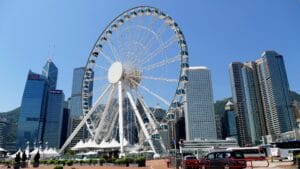
One of the best ways to experience the show is from the Tsim Sha Tsui waterfront. Another option is to watch it from a harbour cruise, where the skyline surrounds you from the water.
Central Hong Kong: The Modern Face of the City
Central is the financial and commercial heart of Hong Kong and one of the best areas for travellers interested in architecture, shopping, dining and urban culture. Towering skyscrapers stand beside colonial-era structures, temples, historic streets and traditional businesses.
Walking through Central provides a strong sense of Hong Kong’s unique identity. Modern office towers occupy the same neighbourhood as historic buildings and traditional markets, creating the East-meets-West atmosphere for which Hong Kong is famous.
Central-Mid-Levels Escalator
The Central-Mid-Levels Escalator is an unusual but fascinating Hong Kong attraction. It connects Central with the Mid-Levels and passes through a lively mixture of shops, restaurants, cafés and residential streets.
Rather than treating it simply as transportation, visitors can use the escalator as a way to explore the neighbourhood. The Hong Kong Tourism Board identifies it as the world’s longest outdoor covered escalator system.
Old Town Central
Old Town Central is one of the most interesting areas for travellers who want to experience historic Hong Kong. The neighbourhood contains old streets, temples, galleries, cafés, restaurants, traditional shops and heritage architecture.
It provides an excellent contrast to the skyscrapers of Central. Exploring the district on foot allows travellers to discover smaller details that may be missed when visiting only major landmarks.
Tai Kwun Centre for Heritage and Arts
Tai Kwun is an important heritage and cultural complex in Central. It occupies the former Central Police Station compound, including historic police, judicial and prison buildings.
The Hong Kong government describes Tai Kwun as a major heritage conservation and revitalisation project containing historic buildings, contemporary cultural spaces, exhibitions and performances.
For travellers interested in Hong Kong history, architecture and contemporary art, Tai Kwun is one of the city’s most rewarding cultural attractions.
Man Mo Temple
Man Mo Temple on Hollywood Road is one of Hong Kong’s most atmospheric historic religious sites. The temple is dedicated primarily to Man Cheong, the God of Literature, and Mo Tai, the God of War.
Inside, incense coils hang from the ceiling and create a distinctive visual atmosphere. Visitors should behave respectfully because this remains an active place of worship rather than simply a tourist attraction.
Kowloon: A Different Side of Hong Kong
Kowloon provides a more energetic and densely populated experience of Hong Kong. Neighbourhoods such as Tsim Sha Tsui, Jordan, Yau Ma Tei and Mong Kok offer busy streets, restaurants, markets, temples and shopping areas.
For travellers searching for the best places to visit in Hong Kong, Kowloon is essential because it offers an excellent combination of food, shopping, culture and nightlife.
Temple Street Night Market
Temple Street Night Market is one of Hong Kong’s most famous evening attractions. Located in the Jordan and Yau Ma Tei area, the market becomes particularly lively after dark.
Visitors can explore stalls selling souvenirs, clothing, accessories and various everyday products while sampling local food. The atmosphere is an important part of the experience, with bright signs, street vendors and busy pedestrian traffic creating a classic Hong Kong night scene.
The Hong Kong Tourism Board currently lists Temple Street Night Market among the city’s popular attractions.
Mong Kok: Hong Kong’s Energetic Shopping District
Mong Kok is one of the best places in Hong Kong for travellers who enjoy shopping and urban photography. Its busy streets are filled with shopping centres, small stores, restaurants and distinctive street markets.
The area is particularly famous for its dense urban environment and enormous illuminated signs. Photographers can capture some of the most recognizable images of contemporary Hong Kong here.
Ladies’ Market
Ladies’ Market on Tung Choi Street is a popular shopping area in Mong Kok. Visitors can browse a wide variety of clothing, accessories, souvenirs and inexpensive merchandise.
The market is best experienced without rushing. Walking through the surrounding streets also allows travellers to discover cafés, local restaurants and other neighbourhood attractions.
Yau Ma Tei and Traditional Hong Kong
Yau Ma Tei is an excellent neighbourhood for travellers wanting to explore a more traditional urban side of Hong Kong. The area combines historic streets, markets, temples, restaurants and local businesses.
The Hong Kong Tourism Board describes Yau Ma Tei as a district carrying a century of commercial and popular cultural memories.
Hong Kong Museum of History
The Hong Kong Museum of History is one of the best places to visit in Hong Kong for understanding the city’s past. Its collections explain the development of Hong Kong from earlier settlements through major periods of social, economic and cultural transformation.
The Hong Kong government describes the museum as documenting Hong Kong’s development from a small fishing community into one of Asia’s major cities. Its collection contains more than 70,000 items related to local history.
Hong Kong Palace Museum
Located in the West Kowloon Cultural District, the Hong Kong Palace Museum is an important destination for travellers interested in Chinese art and history. Its galleries present major collections and exhibitions connected with Chinese civilisation.
The museum can be combined with a visit to the wider West Kowloon cultural area, making it particularly suitable for visitors interested in art, architecture and modern cultural spaces.
West Kowloon Cultural District
West Kowloon Cultural District has transformed part of Hong Kong’s waterfront into a major cultural destination. The district combines museums, performance spaces, public art, open areas and harbour views.
The Hong Kong Tourism Board currently identifies West Kowloon as one of Hong Kong’s premier arts and cultural hubs.
M+ Museum
M+ is one of the most important contemporary visual culture museums in Hong Kong. Its exhibitions cover design, architecture, moving image and visual art.
For visitors who want to understand modern Asian creativity, M+ provides an excellent alternative to traditional sightseeing. Its location beside Victoria Harbour also makes it easy to combine with a waterfront walk.
Hong Kong Disneyland
Hong Kong Disneyland is one of the best places to visit in Hong Kong for families, Disney fans and travellers looking for a full day of entertainment. Located on Lantau Island, the resort combines themed attractions, entertainment, restaurants and character experiences.
The Hong Kong Tourism Board lists Hong Kong Disneyland among the city’s major family-friendly attractions.
Families should generally dedicate most of a day to the park rather than attempting to combine it with too many distant attractions.
Ocean Park Hong Kong
Ocean Park Hong Kong combines amusement park attractions with marine life, wildlife experiences and family entertainment. It is one of Hong Kong’s most established attractions and remains a popular choice for visitors travelling with children.
The Hong Kong government notes that Ocean Park is also home to giant pandas and has become an important panda attraction outside mainland China.
Giant Pandas in Hong Kong
Hong Kong has developed a growing attraction around giant panda conservation and public education. Ocean Park is home to several giant pandas, making it an interesting destination for families and wildlife enthusiasts.
The current Hong Kong government tourism factsheet highlights resident pandas as part of the city’s tourism offering.
Lantau Island
Lantau Island provides one of the biggest contrasts to central Hong Kong. Although the island contains Hong Kong International Airport and major tourism developments, it also has mountains, villages, beaches, Buddhist sites and natural landscapes.
A visit to Lantau Island can easily become a full-day experience, particularly when combining Ngong Ping, the Big Buddha, Po Lin Monastery and Tai O.
Ngong Ping 360
Ngong Ping 360 is a scenic cable car experience connecting Tung Chung with the Ngong Ping area. The journey provides elevated views of Lantau Island, mountains and the surrounding landscape.
The cable car is particularly popular because the journey itself becomes part of the sightseeing experience. The Hong Kong Tourism Board describes Ngong Ping 360 as a memorable way to reach the Big Buddha and Ngong Ping.
Tian Tan Buddha or Big Buddha
The Big Buddha, also known as Tian Tan Buddha, is one of Hong Kong’s most recognizable religious landmarks. Located near Po Lin Monastery on Lantau Island, the large bronze seated Buddha dominates the landscape.
Visitors reach the statue by climbing a long staircase, after which they can explore the surrounding religious complex and enjoy views over the island. Hong Kong government information states that the statue was completed in 1993 and is approximately 26.4 metres high in body height, with the full structure reaching around 34 metres from the lotus throne and base.
Po Lin Monastery
Po Lin Monastery is one of Hong Kong’s most important Buddhist sites. Founded in the early twentieth century, the monastery developed into a major religious and cultural centre at Ngong Ping.
The complex includes major halls, religious architecture and landscaped surroundings. It provides a peaceful contrast to the busy streets of Hong Kong Island and Kowloon.
Visitors should remember that Po Lin Monastery remains an active religious site. Modest behaviour, respectful photography and quiet conduct are appropriate.
Wisdom Path
Wisdom Path is located close to the Big Buddha and Po Lin Monastery. It consists of large timber columns displaying calligraphy from the Heart Sutra.
The columns are arranged in an infinity-shaped configuration, creating a distinctive landscape installation. The Hong Kong government describes the installation as a cultural and philosophical attraction connected to the Heart Sutra.
Tai O Fishing Village
Tai O is one of the most fascinating places to visit on Lantau Island. Unlike the skyscraper-filled central districts, Tai O is known for its traditional fishing heritage, waterways, stilt houses and seafood culture.
Walking through Tai O gives visitors an opportunity to experience a slower side of Hong Kong. The village is especially attractive for photographers because its architecture and waterways create scenes that are very different from the modern city centre.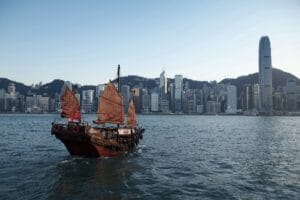
Hong Kong’s Traditional Stilt Houses
One of the defining features of Tai O is its traditional stilt-house architecture. Homes are constructed above waterways, creating a distinctive settlement pattern that reflects the village’s fishing heritage.
Exploring the narrow streets and waterways provides a glimpse into an older Hong Kong that is difficult to experience in the central business districts.
Dragon’s Back Hiking Trail
Hong Kong is often associated with skyscrapers, but the destination also offers excellent hiking. Dragon’s Back is one of the city’s best-known hiking routes and provides impressive coastal and mountain views.
The Hong Kong Tourism Board specifically recommends Dragon’s Back as an outdoor experience, with the route offering the opportunity to continue toward Big Wave Bay and nearby coastal areas.
Dragon’s Back is particularly appealing for travellers who want to combine physical activity with sightseeing. The landscape provides a refreshing break from the density of the city.
Big Wave Bay
Big Wave Bay is one of Hong Kong’s popular coastal destinations and can be combined with a Dragon’s Back hiking experience. The beach provides a relaxing environment after exploring the surrounding hills.
Depending on the season and conditions, visitors can enjoy swimming, surfing, sunbathing or simply relaxing beside the sea.
Shek O Beach
Shek O is another popular beach destination on Hong Kong Island. Its relaxed atmosphere and coastal scenery make it a good choice for travellers who want to escape the urban centre.
The village also contains restaurants and small local businesses, making it possible to combine a beach visit with a casual meal.
Repulse Bay
Repulse Bay is one of Hong Kong Island’s best-known beaches. Its broad waterfront, surrounding hills and attractive residential landscape make it a popular recreational destination.
Visitors can combine Repulse Bay with nearby attractions on the southern side of Hong Kong Island, creating an itinerary that is very different from the skyscrapers of Central.
Stanley Market and Stanley Village
Stanley offers a relaxed seaside experience with shops, restaurants, markets and waterfront views. Stanley Market is popular with visitors searching for souvenirs, clothing and small gifts.
The area is particularly enjoyable for travellers who want a slower afternoon away from the central business districts.
Cheung Chau Island
Cheung Chau is one of Hong Kong’s most popular outlying islands for a day trip. The island combines beaches, seafood restaurants, temples, walking routes and traditional village life.
Travelling to Cheung Chau by ferry is part of the experience. Once on the island, visitors can explore at a relaxed pace and enjoy seafood by the waterfront.
Lamma Island
Lamma Island is another excellent destination for travellers who want nature and village life. The island is known for hiking trails, seafood restaurants, beaches and a more relaxed atmosphere.
Yung Shue Wan and Sok Kwu Wan are among the best-known areas, while the island’s walking trails offer scenic views over the South China Sea.
Sai Kung: Hong Kong’s Natural Side
Sai Kung is one of the best destinations for travellers who want to experience Hong Kong’s natural beauty. The region includes mountains, beaches, islands, hiking routes and coastal landscapes.
The area is sometimes described as one of Hong Kong’s natural escapes because it feels dramatically different from the skyscrapers of Kowloon and Hong Kong Island.
Sai Kung Town and Seafood
Sai Kung Town is particularly famous for seafood. Visitors can explore the waterfront, look at fishing boats and choose from restaurants serving freshly prepared seafood.
It is an excellent destination for travellers who want to combine sightseeing with Hong Kong’s famous food culture.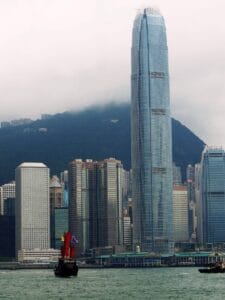
Hong Kong Wetland Park
Hong Kong Wetland Park provides a different type of nature experience. Located in the New Territories, it focuses on wetlands, wildlife and environmental education.
The park is suitable for families, photographers and travellers who want to discover Hong Kong’s ecosystems rather than its skyscrapers.
New Territories and Hong Kong’s Countryside
The New Territories contain many attractions that international visitors overlook. Historic villages, temples, hiking trails, country parks and natural landscapes provide an opportunity to see a more residential and rural side of Hong Kong.
Travellers with several days in the city should consider spending at least one day beyond the central tourist districts.
Ten Thousand Buddhas Monastery
Ten Thousand Buddhas Monastery is one of the most unusual religious attractions in Hong Kong. Visitors climb a staircase surrounded by golden Buddha statues before reaching the monastery complex.
The journey itself is part of the attraction, and the location provides a combination of religious art, hiking and panoramic views.
Chi Lin Nunnery and Nan Lian Garden
Chi Lin Nunnery and Nan Lian Garden provide an oasis of calm amid Hong Kong’s dense urban environment. The traditional Chinese architecture and carefully designed gardens create a peaceful setting for visitors.
Nan Lian Garden is especially attractive for photography because of its landscaped ponds, bridges, rocks, trees and classical Chinese design.
Wong Tai Sin Temple
Wong Tai Sin Temple is one of Hong Kong’s best-known temples and is famous for its connection with traditional Chinese religious practices and fortune-telling culture.
The temple provides an opportunity to observe local religious traditions and architectural details. Visitors should be respectful because it remains an active place of worship.
Hong Kong Observation Wheel
Located near Central and the harbourfront, the Hong Kong Observation Wheel provides another way to view the city’s skyline.
The attraction is especially appealing around sunset when visitors can observe the transition from daylight to the illuminated cityscape.
Happy Valley Racecourse
Happy Valley Racecourse is a distinctive Hong Kong experience for visitors interested in sports and local culture. Horse racing has a long history in Hong Kong, and race nights can create an energetic atmosphere.
The Hong Kong Tourism Board currently lists Happy Valley Racecourse among the city’s notable attractions.
Lan Kwai Fong Nightlife
Lan Kwai Fong is one of Hong Kong’s best-known nightlife districts. The area is filled with restaurants, bars and entertainment venues, making it popular with visitors looking for evening entertainment.
The Hong Kong Tourism Board describes Lan Kwai Fong as a major nightlife destination with more than 100 dining and nightlife venues.
Hong Kong Food Culture
No guide to the best places to visit in Hong Kong would be complete without discussing food. Hong Kong is one of Asia’s great culinary destinations, combining Cantonese traditions with influences from across China and the wider world.
Travellers should try dim sum, roast goose, wonton noodles, congee, egg tarts, pineapple buns, milk tea and traditional Cantonese barbecue. Street food and casual restaurants can be just as memorable as high-end dining establishments.
Dim Sum in Hong Kong
Dim sum is one of the essential culinary experiences in Hong Kong. Restaurants serve small portions of steamed, baked and fried dishes, allowing diners to sample several flavours during a single meal.
Popular choices include steamed dumplings, rice noodle rolls, barbecue pork buns and egg custard pastries.
Hong Kong Milk Tea
Hong Kong-style milk tea is another local speciality. Traditionally strong black tea is combined with evaporated milk to produce a rich and smooth drink.
It is particularly enjoyable alongside breakfast dishes or Hong Kong-style café food.
Hong Kong Street Food
Hong Kong street food provides an affordable way to experience local flavours. Egg waffles, fish balls, siu mai, tofu desserts and other snacks can be found in busy neighbourhoods.
Mong Kok, Yau Ma Tei and other traditional districts are particularly suitable for travellers interested in local food.
Shopping in Hong Kong
Hong Kong is one of Asia’s major shopping destinations. Visitors can find luxury brands, international retailers, department stores, local designers, electronics, traditional products and street-market bargains.
The best shopping experience depends on the traveller. Tsim Sha Tsui is excellent for major shopping centres, Central is ideal for luxury shopping, while Mong Kok and Temple Street are better suited to markets and smaller purchases.Responsible Tourism in Hong Kong
Responsible tourism means respecting local communities, religious sites, wildlife and natural environments. Visitors should avoid leaving rubbish on hiking trails, respect temple rules and follow local guidance when visiting beaches, country parks and villages.
Travellers should also remember that popular destinations can become crowded. Visiting outside peak periods can create a more comfortable experience while reducing pressure on particularly busy attractions.
What Makes Hong Kong Different from Other Asian Cities
Hong Kong’s greatest strength is its extraordinary contrast. It is simultaneously a global financial centre, a Chinese cultural destination, a shopping capital, a food destination, a mountain landscape and an island getaway.
Few major cities allow travellers to move so quickly between skyscrapers, beaches, temples, fishing villages and mountain trails. This is why Hong Kong appeals to such a broad range of travellers.
Most Beautiful Places to Visit in Hong Kong
The most visually impressive destinations include Victoria Harbour, Victoria Peak, Lugard Road, Ngong Ping, Tai O, Dragon’s Back, Sai Kung and the southern beaches.
Each provides a different interpretation of Hong Kong’s beauty. The harbour represents the modern city, The Peak represents the relationship between mountains and skyscrapers, while Tai O and the islands reveal traditional coastal landscapes.
Best Places to Visit in Hong Kong for Instagram and Social Media
For travellers interested in social media photography, Victoria Peak, Victoria Harbour, Tsim Sha Tsui, Mong Kok, the Central-Mid-Levels Escalator, Ngong Ping, Tai O and the colourful streets of Kowloon offer excellent opportunities.
The key is to photograph Hong Kong from different perspectives rather than relying only on the classic skyline view.
Best Places to Visit in Hong Kong During a Short Trip
If time is limited, prioritise Victoria Peak, Victoria Harbour, Star Ferry, Tsim Sha Tsui, Central and one major cultural or entertainment attraction.
A short trip should not attempt to cover every district. Instead, travellers should choose experiences that represent different sides of Hong Kong, such as one skyline attraction, one historic area, one food district and one natural or cultural destination.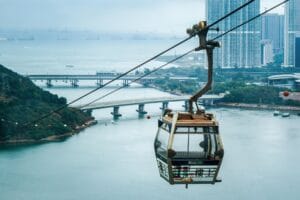
Conclusion
Hong Kong is much more than a city of skyscrapers. It is a destination where dramatic mountains meet a world-famous harbour, where modern shopping districts exist beside historic temples, and where busy markets are only a short journey from quiet beaches and hiking trails.
The best places to visit in Hong Kong range from internationally famous landmarks such as Victoria Peak, Victoria Harbour, Star Ferry and the Big Buddha to less obvious destinations such as Tai O, Sai Kung, Cheung Chau, Lamma Island and the New Territories. The Hong Kong Tourism Board itself promotes a broad range of attractions covering harbour and skyline experiences, cultural sites, hiking, island hopping, markets, museums, theme parks and historic neighbourhoods.
- Hong Kong Tourism Board — Official Travel Guide — the primary official tourism resource for attractions, neighbourhoods, events, dining, hiking and travel planning.
- Hong Kong Tourism Board — Attractions — official information on major Hong Kong attractions.
- GovHK — Touring Hong Kong — Hong Kong government information on attractions, culture, history and tourism.
- Hong Kong Museums — Tourist Guide — official information on Hong Kong’s public museums and cultural venues.
- Hong Kong Government — Hong Kong Tourism Factsheet — useful for official tourism background and current attractions.
Author

Related posts
Best Places to Visit in Dinant
- 0
- 4,895 words
Best Places to Visit in Dinant, Belgium Dinant is one of the most beautiful small towns in Belgium and one of the...
Read out all
Best Places to Visit in Mont-Saint-Michel
- 0
- 4,974 words
Best Places to Visit in Mont-Saint-Michel , France Mont-Saint-Michel is one of the most extraordinary destinations in France and one of the...
Read out all
UNGA
- 0
- 5,649 words
UNGA (United Nations General Assembly ) The United Nations General Assembly, commonly known as the UN General Assembly or UNGA, is one...
Read out all
Best Places to Visit in Kathmandu
- 0
- 4,089 words
Best Places to Visit in Kathmandu , Nepal Kathmandu, the capital of Nepal, is one of South Asia’s most fascinating travel destinations....
Read out all
Best Places to Visit in Vilnius
- 0
- 5,246 words
Best Places to Visit in Vilnius , Lithuania Vilnius, the capital of Lithuania, is one of the most fascinating destinations in the...
Read out all
Best Places to Visit in Riga
- 0
- 6,005 words
Best Places to Visit in Riga , Latvia Riga, the capital of Latvia, is one of the most fascinating destinations in the...
Read out all