

United Kingdom
The United Kingdom, commonly known as the UK, is one of Europe’s most fascinating travel destinations. Officially called the United Kingdom of Great Britain and Northern Ireland, the country is made up of four nations: England, Scotland, Wales and Northern Ireland. Each has its own character, landscapes, traditions and cultural attractions, making a trip to the UK feel like a journey through several distinct destinations.
From the historic streets of London and the ancient university cities of Oxford and Cambridge to the rugged Scottish Highlands, the mountains of Wales and the dramatic coastline of Northern Ireland, the United Kingdom offers remarkable variety within a relatively compact geographical area.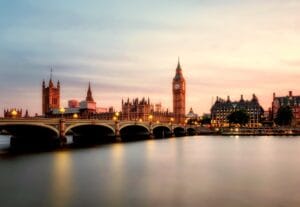
The UK is particularly attractive for travelers interested in history and heritage. Medieval castles, royal palaces, Roman ruins, ancient monuments, Victorian architecture, historic churches and centuries-old villages can be found throughout the country. UNESCO currently recognizes 35 World Heritage properties associated with the United Kingdom, including Stonehenge, the Tower of London, the English Lake District, the Giant’s Causeway and Causeway Coast, the Old and New Towns of Edinburgh and the Slate Landscape of Northwest Wales.
The country’s natural beauty is equally impressive. England offers rolling countryside, national parks and spectacular coastlines; Scotland is famous for mountains, lochs and islands; Wales combines mountains with rugged coastal scenery; and Northern Ireland is known for dramatic geological formations and green landscapes.
For international visitors, the official VisitBritain tourism organization provides travel information covering England, Scotland, Wales and Northern Ireland, making it an excellent starting point when planning a United Kingdom vacation.
Understanding the United Kingdom
Understanding the difference between the United Kingdom, Great Britain and the individual nations is useful for anyone planning a UK trip. Great Britain refers geographically to the island containing England, Scotland and Wales. The United Kingdom includes those three nations plus Northern Ireland.
England is the largest and most populous of the four nations and contains the capital, London. Scotland occupies the northern part of Great Britain and is famous for its Highlands, islands, castles and lochs. Wales lies to the west of England and is known for mountains, castles, coastal scenery and Welsh culture. Northern Ireland occupies the northeastern part of the island of Ireland and offers historic cities, spectacular coastline and natural landmarks.
Together, these four nations create a travel destination with extraordinary cultural variety.
London: The Gateway to the United Kingdom
London is usually the first destination for international visitors to the United Kingdom and one of the world’s most recognizable cities. The capital combines centuries of history with modern architecture, global cuisine, shopping, entertainment, museums and cultural attractions.
The city is built around the River Thames and contains some of Britain’s most famous landmarks. Visitors can explore Westminster, the Tower of London, Buckingham Palace, St Paul’s Cathedral, the British Museum and numerous historic neighborhoods.
London is also one of the world’s great multicultural cities. Restaurants, markets and communities from around the world have contributed to the city’s distinctive identity.
For travelers searching for the best places to visit in the UK, London is an essential starting point because it provides an introduction to British history, monarchy, politics, art, literature and contemporary culture.
Buckingham Palace and British Royal Heritage
Buckingham Palace is one of the most recognizable symbols of the British monarchy. Located in central London, the palace serves as an important royal residence and a major tourist attraction.
The surrounding area includes St James’s Park, Green Park, The Mall and other landmarks connected with Britain’s royal heritage.
Visitors interested in royal history can also explore Windsor Castle, Kensington Palace and other royal sites around the country. Together, these locations provide a deeper understanding of Britain’s long relationship with the monarchy.
Royal heritage remains one of the strongest attractions for international travelers visiting the United Kingdom.
Westminster and Big Ben
Westminster is one of the most important historic districts in London. The area contains the Houses of Parliament, Westminster Abbey and the famous Elizabeth Tower, whose clock bell is commonly known as Big Ben.
The Palace of Westminster and Westminster Abbey are part of a UNESCO World Heritage property, demonstrating the international historical significance of the area.
Walking around Westminster allows visitors to see several major landmarks within a relatively small area. The River Thames, Westminster Bridge and nearby parks also provide excellent opportunities for sightseeing and photography.
Tower of London
The Tower of London is one of Britain’s most important historic landmarks. The fortress has played many roles throughout British history, including royal residence, prison, armory and treasury.
Today, visitors can explore its historic buildings and learn about events that shaped the monarchy and the country.
The Tower is part of the UNESCO-listed property that includes the Tower of London and remains one of the most popular historical attractions in the UK.
For travelers interested in medieval history, royal stories and British heritage, the Tower of London is one of the most rewarding places to visit in London.
British Museum and Cultural Travel
The British Museum is one of London’s most internationally recognized cultural institutions. Its collections cover thousands of years of human history and include objects from civilizations around the world.
London has many other major museums and galleries, including the Natural History Museum, Victoria and Albert Museum, Science Museum, National Gallery and Tate Modern.
The concentration of museums makes London particularly attractive for travelers interested in art, archaeology, science, history and culture.
London Parks and Green Spaces
Despite its reputation as a major global city, London contains numerous parks and green spaces. Hyde Park, Regent’s Park, St James’s Park, Greenwich Park and Richmond Park provide opportunities to escape the city’s busiest streets.
London’s parks are especially attractive during spring and summer when gardens, trees and open spaces become vibrant with seasonal color.
Green spaces also provide excellent opportunities for walking, photography and relaxing between visits to major attractions.
London as a Food Destination
London has evolved into one of the world’s most diverse food destinations. Traditional British dishes coexist with cuisines from almost every region of the world.
Visitors can experience British classics such as fish and chips, Sunday roast, pies and afternoon tea while also exploring Indian, Middle Eastern, Chinese, Japanese, African, Caribbean and European cuisines.
Markets such as Borough Market provide another way to explore London’s food culture.
Bath: Roman Heritage and Georgian Architecture
Bath is one of the most beautiful historic cities in England. Famous for its Roman Baths, Georgian architecture and natural hot springs, the city combines history with elegant architecture.
The Roman Baths provide an extraordinary glimpse into ancient Roman Britain. The city later became fashionable during the Georgian period, resulting in elegant streets and buildings constructed from distinctive honey-colored Bath stone.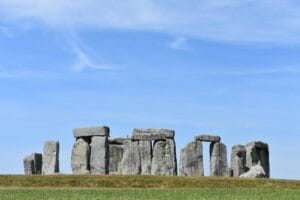
Bath is also part of a UNESCO World Heritage property known as the City of Bath.
For travelers looking for historic places to visit in England, Bath is one of the country’s strongest choices.
Stonehenge and Ancient Britain
Stonehenge is one of the world’s most famous prehistoric monuments. Located in Wiltshire, the enormous stone circle attracts travelers interested in archaeology, ancient history and mysterious prehistoric landscapes.
Stonehenge forms part of the UNESCO World Heritage property known as Stonehenge, Avebury and Associated Sites.
A visit to Stonehenge can also be combined with exploring the surrounding English countryside and historic towns.
The site provides an important reminder that Britain’s history extends far beyond the medieval period and monarchy.
Oxford: The City of Dreaming Spires
Oxford is famous for its historic university, medieval architecture, libraries and beautiful college buildings.
Walking through Oxford feels like entering a living history book. Historic colleges, stone courtyards, libraries and churches dominate the city center.
The River Cherwell and surrounding countryside add to the city’s atmosphere.
Oxford is particularly popular among travelers interested in literature, education, architecture and British history.
Cambridge and Academic Heritage
Cambridge provides another extraordinary university-city experience. Its historic colleges, chapels, bridges and river landscapes make it one of England’s most attractive destinations.
Punting along the River Cam is one of the city’s classic experiences. Visitors can admire historic college buildings from the water while learning about the city’s academic traditions.
Oxford and Cambridge are often visited together by travelers exploring England because both provide different interpretations of Britain’s historic university culture.
York: Medieval England
York is one of the UK’s most atmospheric historic cities. Its medieval streets, ancient walls, timber-framed buildings and York Minster provide a strong connection with Britain’s past.
The Shambles is particularly famous for its narrow historic streets and traditional architecture.
York also contains Roman and Viking heritage, making it especially interesting for travelers who want to understand the many layers of English history.
The English Lake District
The Lake District is one of England’s most beautiful natural regions. Mountains, lakes, valleys and picturesque villages create a landscape that has inspired generations of writers and artists.
The region is particularly associated with William Wordsworth and English Romantic poetry.
Outdoor travelers can enjoy hiking, boating, photography and scenic drives throughout the area.
The English Lake District is also a UNESCO World Heritage property, recognized for its cultural landscape and relationship between people, nature and artistic traditions.
The Cotswolds and Traditional English Countryside
The Cotswolds are famous for rolling hills, stone villages, country lanes and historic cottages.
Villages built from warm-colored local stone create the quintessential image of the English countryside.
The region is particularly attractive for travelers who want to experience rural England rather than major cities.
Walking through small villages, visiting traditional pubs and exploring countryside gardens can provide a slower and more relaxing side of a United Kingdom vacation.
Cornwall and the English Coast
Cornwall is one of England’s most popular coastal destinations. The region is known for dramatic cliffs, sandy beaches, fishing villages and rugged Atlantic scenery.
Places such as St Ives, Padstow, Newquay and the Lizard Peninsula attract visitors throughout the year.
Cornwall is also famous for its connection with surfing, coastal walking and maritime heritage.
The Cornwall and West Devon Mining Landscape is a UNESCO World Heritage property, reflecting the region’s important industrial history.
Brighton and the English Seaside
Brighton provides a completely different experience from traditional rural England. Located on the south coast, the city combines seaside attractions with independent shops, restaurants, nightlife and cultural venues.
The Royal Pavilion is one of Brighton’s most distinctive landmarks, while the famous seafront and Brighton Palace Pier provide classic British seaside experiences.
Brighton is particularly popular with younger travelers and visitors looking for a lively coastal city.
Liverpool: Music and Maritime Heritage
Liverpool is internationally famous as the birthplace of The Beatles and a major center of music and popular culture.
The city also has a strong maritime history connected with its historic port.
Visitors can explore music attractions, museums, galleries, waterfront areas and historic neighborhoods.
Liverpool demonstrates how modern cultural identity can become an important part of a city’s tourism appeal.
Manchester: Industrial History and Modern Culture
Manchester played a major role in Britain’s Industrial Revolution and remains one of England’s most important cities.
Its industrial heritage can still be seen through canals, warehouses and historic buildings, while the modern city is known for football, music, shopping, restaurants and cultural attractions.
Football fans can visit famous stadiums and learn about the city’s two globally recognized football clubs.
Manchester is an excellent destination for travelers interested in British cities, football, music, industrial history and modern culture.
The Scottish Highlands
The Scottish Highlands are among the most spectacular landscapes in the United Kingdom. Mountains, lochs, glens, waterfalls and remote roads create a landscape that feels dramatically different from southern England.
The region is ideal for road trips, hiking, photography and wildlife experiences.
The Highlands are also closely associated with Scottish history, clans and traditional culture.
For many travelers, exploring the Highlands is one of the highlights of visiting the UK.
Edinburgh: Scotland’s Historic Capital
Edinburgh combines medieval streets, Georgian architecture, dramatic hills and a famous castle.
Edinburgh Castle dominates the city’s skyline from its position on Castle Rock. The Royal Mile connects the castle with the Palace of Holyroodhouse and contains historic buildings, shops and traditional pubs.
The Old and New Towns of Edinburgh are a UNESCO World Heritage property, reflecting the city’s outstanding architectural and urban heritage.
Edinburgh is particularly attractive during its famous festivals, when the city becomes one of the world’s major cultural destinations.
Edinburgh Castle
Edinburgh Castle is one of Scotland’s most recognizable landmarks. Its strategic location provides impressive views over the city.
The castle has played a central role in Scottish history and contains historic buildings, military displays and royal associations.
Visitors interested in Scottish history should allow sufficient time to explore the castle and surrounding Old Town.
Loch Ness and Scottish Legends
Loch Ness is one of Scotland’s most famous destinations, largely because of the legend of the Loch Ness Monster.
Even visitors who do not believe the legend are attracted by the scenery. The long freshwater loch is surrounded by hills and dramatic landscapes.
Cruises on Loch Ness provide an opportunity to experience the landscape from the water.
The nearby ruins of Urquhart Castle add a historic dimension to the visit.
Isle of Skye
The Isle of Skye is one of Scotland’s most visually spectacular destinations.
Its mountains, cliffs, sea views and remote landscapes make it particularly popular with photographers and hikers.
The Quiraing, Old Man of Storr and Fairy Pools are among the island’s best-known natural attractions.
Skye is ideal for travelers seeking beautiful places in Scotland, dramatic landscapes, hiking and scenic road trips.
Scottish Islands
Scotland contains hundreds of islands, each with its own character.
The Hebrides are particularly famous for rugged landscapes, beaches and traditional communities.
The Orkney Islands combine spectacular coastline with ancient archaeological sites. UNESCO recognizes the Heart of Neolithic Orkney as a World Heritage property.
The Scottish islands are ideal for travelers seeking remote landscapes, wildlife, archaeology and a slower pace of travel.
Wales: Mountains, Castles and Coastline
Wales offers a remarkable combination of mountains, castles, valleys and coastline.
The country’s national identity is strongly connected with the Welsh language, music, rugby and traditional culture.
Snowdonia, officially known as Eryri, is one of the country’s best-known mountain regions.
Wales is also famous for its historic castles. UNESCO recognizes the Castles and Town Walls of King Edward in Gwynedd as World Heritage and also lists the Slate Landscape of Northwest Wales.
For travelers who want outdoor adventure combined with history, Wales is one of the UK’s most rewarding destinations.
Eryri and Welsh Mountain Landscapes
Eryri National Park contains some of the most spectacular mountain scenery in Wales.
Mount Snowdon, known in Welsh as Yr Wyddfa, attracts hikers from around the world.
The surrounding region offers hiking trails, lakes, valleys and scenic villages.
Travelers should check weather and trail conditions before undertaking mountain walks because conditions can change rapidly.
Cardiff: The Capital of Wales
Cardiff is the capital of Wales and a lively modern city with historic architecture, cultural attractions, restaurants and sporting venues.
Cardiff Castle is one of the city’s most important attractions. The waterfront area around Cardiff Bay provides another popular destination.
The city is particularly appealing during major sporting events and cultural festivals.
Pembrokeshire Coast
The Pembrokeshire Coast is famous for dramatic cliffs, sandy beaches and coastal walking trails.
The Pembrokeshire Coast National Park provides some of the most beautiful coastal scenery in Wales.
Walking sections of the coastal path is an excellent way to experience the landscape at a slower pace.
Northern Ireland and the Giant’s Causeway
Northern Ireland provides some of the most dramatic scenery in the United Kingdom.
The Giant’s Causeway is the region’s most famous natural attraction. The coastline contains thousands of interlocking basalt columns formed through ancient volcanic activity.
The Giant’s Causeway and Causeway Coast are recognized by UNESCO as a World Heritage property.
The surrounding coastline contains cliffs, beaches and scenic viewpoints, making it one of the UK’s best areas for landscape photography.
Belfast: History and Modern Culture
Belfast is the capital of Northern Ireland and a city with a fascinating industrial and maritime history.
The city is closely associated with shipbuilding, including the construction of the Titanic.
Titanic Belfast is one of the city’s most important visitor attractions and explores the story of the famous ship and the city’s shipbuilding heritage.
Belfast also offers restaurants, cultural venues, historic architecture and lively neighborhoods.
The Dark Hedges and Northern Irish Landscapes
The Dark Hedges became internationally famous after appearing in television and film productions.
The avenue of beech trees creates a distinctive atmospheric landscape and demonstrates how popular culture can influence tourism.
Northern Ireland offers many other scenic destinations, including coastal cliffs, beaches, valleys and rural landscapes.
The United Kingdom’s Historic Castles
Castles are among the most distinctive attractions in the United Kingdom.
England has Windsor Castle, Warwick Castle, Dover Castle and numerous medieval fortifications.
Scotland contains Edinburgh Castle, Stirling Castle, Eilean Donan Castle and many historic ruins.
Wales is particularly famous for its medieval castles, including Caernarfon, Conwy and Harlech.
Northern Ireland also contains historic castles and fortified estates.
Exploring castles is one of the best ways to understand the political and military history of Britain.
British Gardens and Parks
The UK has a long tradition of gardens and landscape design.
Royal Botanic Gardens, Kew is one of the most important botanical attractions in the country and is included within the UNESCO World Heritage system.
Across England, Scotland, Wales and Northern Ireland, travelers can find historic gardens, country estates and public parks.
Spring and summer are particularly attractive seasons for garden tourism.
British National Parks
The United Kingdom’s national parks protect some of its most beautiful landscapes.
England’s national parks include the Lake District, Yorkshire Dales, Peak District and New Forest.
Wales contains Eryri and the Brecon Beacons, now known as Bannau Brycheiniog.
Scotland contains expansive protected landscapes and national scenic areas.
Northern Ireland provides additional mountain and coastal landscapes.
National parks are ideal for hiking, cycling, photography and wildlife experiences.
British Beaches and Coastal Travel
The UK may not be the first country people associate with beach holidays, but it has an extraordinary coastline.
Cornwall offers sandy beaches and surfing.
Devon contains dramatic cliffs and traditional seaside towns.
Wales provides the Pembrokeshire Coast.
Scotland offers remote beaches and rugged islands.
Northern Ireland combines cliffs and beaches along the Causeway Coast.
Coastal travel is therefore an important part of a complete UK itinerary.
British Food and Traditional Cuisine
British cuisine has evolved considerably, but traditional dishes remain an important part of the travel experience.
Fish and chips, Sunday roast, steak and kidney pie, shepherd’s pie and full English breakfast remain popular.
Afternoon tea is another classic British experience involving tea, sandwiches, cakes and scones.
Modern British cuisine is much more diverse, with influences from South Asia, the Middle East, Europe, Africa and other parts of the world.
London and other major cities offer particularly diverse culinary experiences.
Afternoon Tea in the United Kingdom
Afternoon tea is one of Britain’s most recognizable culinary traditions.
Visitors can experience afternoon tea in historic hotels, department stores, country houses and specialist tea rooms.
The experience is particularly popular with international visitors because it combines food, tradition and British social history.
British Pubs and Local Culture
Traditional pubs are an important part of British social culture.
Historic pubs can be found in cities, villages and countryside communities across the UK.
A pub visit can provide an opportunity to experience local food, regional drinks and everyday British culture.
Travelers should remember that individual pubs have their own atmosphere and traditions, so exploring beyond famous tourist locations can sometimes provide a more authentic experience.
Literature and the United Kingdom
The UK has had an enormous influence on world literature.
William Shakespeare, Jane Austen, Charles Dickens, William Wordsworth, the Brontë sisters, J.K. Rowling and many other writers are connected with Britain.
Literary travelers can visit Shakespeare’s birthplace in Stratford-upon-Avon, explore the landscapes associated with Wordsworth in the Lake District or discover literary London.
The country’s historic landscapes have influenced countless novels, poems and plays.
British Music and Popular Culture
Britain has produced some of the world’s most influential musicians and musical movements.
Liverpool is associated with The Beatles, Manchester with major bands and music scenes, and London with countless genres and artists.
Music tourism has therefore become an important part of UK travel.
Visitors can explore museums, recording studios, concert venues and neighborhoods associated with famous musicians.
Football in the United Kingdom
Football is one of Britain’s most popular sports and a major part of British culture.
England’s Premier League attracts a global audience, while Scotland, Wales and Northern Ireland have their own football traditions and competitions.
Visitors can attend matches, tour stadiums and explore football museums.
Manchester, Liverpool and London are particularly important destinations for football tourism.
British Festivals and Events
The United Kingdom hosts thousands of festivals and cultural events throughout the year.
Edinburgh’s festivals are internationally famous, while London hosts major arts, music and cultural events.
Wales has a strong tradition of music and cultural festivals, and Northern Ireland hosts events celebrating music, heritage and local traditions.
The official VisitBritain tourism website provides current information on events and travel experiences across England, Scotland, Wales and Northern Ireland.
Best Time to Visit the United Kingdom
The best time to visit the UK depends on the type of experience you want.
Spring is popular because gardens, parks and countryside become colorful with flowers and fresh greenery.
Summer generally offers longer daylight hours and is particularly attractive for hiking, coastal travel and outdoor sightseeing.
Autumn provides colorful landscapes and can be especially beautiful in Scotland, Wales and northern England.
Winter offers Christmas markets, festive events and atmospheric city travel, although daylight hours are shorter.
The UK has a changeable climate, so travelers should be prepared for rain and fluctuating temperatures throughout the year.
Spring Travel in the UK
Spring is one of the most beautiful times to explore the United Kingdom.
London’s parks and gardens become colorful, while the countryside develops fresh green landscapes.
Spring is also an excellent time for visiting historic houses and gardens before the busiest summer travel period.
Summer Travel in the UK
Summer is the busiest travel season in many parts of the UK.
Longer daylight hours allow visitors to spend more time sightseeing and hiking.
Scotland’s Highlands, Welsh mountains and English coastal regions are particularly attractive during summer.
However, popular destinations can become crowded, so travelers should book accommodation and major attractions in advance.
Autumn Travel in the UK
Autumn brings changing foliage and atmospheric weather to much of the United Kingdom.
The Lake District, Scottish Highlands, Welsh valleys and English countryside can become particularly scenic.
Autumn is also a good season for city breaks, museums and cultural attractions.
Winter Travel in the UK
Winter offers a different experience of Britain.
London becomes famous for Christmas lights and festive shopping, while historic cities create atmospheric winter scenes.
Scotland and northern England can experience snow, particularly in mountainous areas.
Travelers should check weather and transport conditions when planning winter journeys.
How Long Should You Spend in the United Kingdom?
A first-time international visitor should ideally allow at least one to two weeks to experience several parts of the United Kingdom.
A three-day trip can focus on London.
A seven-day itinerary can combine London with one or two English destinations.
A two-week itinerary can include London, northern England, Scotland and Wales.
Travelers with three weeks or more can add Northern Ireland and explore more rural destinations.
Because the UK contains four distinct nations, longer trips provide more opportunities to experience regional differences.
Seven-Day United Kingdom Itinerary
A seven-day UK itinerary can begin with several days in London.
The journey can then continue to Oxford, Bath or another historic English destination.
Travelers can finish in Edinburgh or another Scottish city, depending on transportation and personal interests.
This itinerary is ideal for visitors who want an introduction to British history and major cities.
Fourteen-Day United Kingdom Itinerary
A two-week UK itinerary provides considerably more flexibility.
Travelers can spend several days in London before visiting Bath, the Cotswolds or Oxford.
The journey can continue north toward York and the Lake District before entering Scotland.
Several days can then be spent in Edinburgh and the Scottish Highlands.
Travelers who want to include Wales or Northern Ireland should consider reducing the time spent in individual cities.
Traveling Around the United Kingdom
The UK has an extensive transportation network.
Rail travel is particularly useful for connecting major cities such as London, Birmingham, Manchester, Liverpool, York and Edinburgh.
Buses and coaches can provide economical alternatives.
Rental cars are particularly useful for exploring rural regions such as the Scottish Highlands, Welsh mountains and parts of Cornwall.
Travelers should choose transportation based on their itinerary rather than assuming that one method will work equally well everywhere.
UK Travel for Families
The United Kingdom is an excellent family destination.
Children can explore castles, museums, historic railways, zoos, science centers and outdoor attractions.
London offers numerous family-friendly attractions, while rural destinations provide opportunities for walking and exploring.
Scotland, Wales and Northern Ireland also contain castles and landscapes that can appeal to younger travelers.
UK Travel for Couples
The UK provides many romantic travel experiences.
Couples can enjoy afternoon tea, historic hotels, countryside walks, scenic train journeys and coastal escapes.
Edinburgh, the Cotswolds, the Lake District, the Scottish Highlands and Bath are particularly attractive for romantic vacations.
London provides a more urban experience with restaurants, theaters, galleries and evening entertainment.
UK Travel for Solo Travelers
The UK’s extensive public transportation network makes many destinations accessible to solo travelers.
London is particularly easy to explore independently because of its extensive transportation system and concentration of attractions.
Historic cities such as Bath, York, Edinburgh and Cambridge are also well suited to solo exploration.
Outdoor destinations require more preparation, especially when hiking in remote areas.
United Kingdom Travel for Nature Lovers
Nature lovers can explore mountains, forests, lakes, islands and coastlines throughout the country.
The Lake District provides mountain and lake scenery.
The Scottish Highlands offer remote wilderness.
Wales provides mountain landscapes and coastal paths.
Northern Ireland combines cliffs, beaches and geological formations.
England’s national parks offer extensive opportunities for hiking and outdoor recreation.
United Kingdom Travel for History Lovers
History is one of the UK’s greatest tourism strengths.
Roman ruins, medieval castles, royal palaces, historic universities, industrial heritage and ancient monuments are spread across the country.
Stonehenge demonstrates Britain’s prehistoric heritage.
Roman sites such as Hadrian’s Wall reveal the country’s ancient history.
Medieval castles illustrate centuries of political and military conflict.
Industrial cities such as Manchester and Liverpool demonstrate Britain’s role in the Industrial Revolution and maritime trade.
UNESCO Heritage in the United Kingdom
The UK’s heritage importance is internationally recognized. UNESCO currently lists 35 World Heritage properties associated with the United Kingdom, covering cultural, natural and mixed heritage.
These include the Tower of London, Stonehenge, Bath, the English Lake District, the Old and New Towns of Edinburgh, Giant’s Causeway and Causeway Coast, the Heart of Neolithic Orkney and several Welsh heritage landscapes.
For travelers interested in heritage tourism, UNESCO’s database is an excellent way to identify destinations with international cultural or natural significance.
Sustainable Tourism in the United Kingdom
Responsible tourism is increasingly important throughout the United Kingdom.
Visitors can support local businesses, use public transportation when practical, respect historic buildings and monuments, remain on designated paths in protected landscapes and avoid leaving waste in natural areas.
Coastal and mountain environments can be fragile, particularly during busy seasons.
Travelers can also contribute to local communities by staying in locally owned accommodation, eating at independent restaurants and purchasing locally made products.
UK Travel Requirements
Travel requirements depend on nationality, passport and the purpose and duration of the trip.
The official UK government immigration rules state that the Standard Visitor route is generally used for tourism and other permitted short-term activities, normally for visits of up to six months. Visa requirements vary according to nationality and circumstances.
Travelers should therefore check the current official GOV.UK requirements before booking their trip rather than relying on older travel articles.
The UK government also advises visitors to demonstrate that they are genuine visitors, can support themselves during their stay and intend to leave the UK at the end of their visit when applying under the relevant visitor rules.
Why the United Kingdom Is Worth Visiting
The United Kingdom is one of the world’s most diverse travel destinations because it combines an extraordinary amount of history and natural beauty with modern cities and global culture.
Few countries allow travelers to move from a global capital such as London to peaceful countryside, ancient castles, rugged mountains and dramatic coastlines within relatively short distances.
The four nations also provide distinctive experiences. England offers royal heritage, historic cities, literary traditions and diverse countryside. Scotland offers mountains, islands, castles and lochs. Wales offers dramatic landscapes, Welsh culture and medieval castles. Northern Ireland offers spectacular coastlines, historic cities and geological wonders.
This diversity makes the United Kingdom suitable for almost every type of traveler.
Conclusion
The United Kingdom is far more than London and the famous landmarks usually associated with Britain. It is a country of four nations, countless historic destinations, extraordinary landscapes and diverse cultural traditions.
London provides the ideal introduction, with royal landmarks, museums, galleries, theaters and global cuisine. England beyond London offers Stonehenge, Bath, Oxford, Cambridge, York, the Cotswolds, Cornwall and the Lake District.
Scotland introduces travelers to Edinburgh’s historic streets, the Scottish Highlands, Loch Ness, the Isle of Skye and the country’s remarkable islands.
- VisitBritain — official UK tourism website: VisitBritain — covers England, Scotland, Wales and Northern Ireland and provides official destination and trip-planning information.
- UNESCO — United Kingdom: UNESCO United Kingdom — authoritative information on the UK’s World Heritage and other UNESCO designations.
- UNESCO World Heritage — United Kingdom: UK World Heritage List — detailed information on the UK’s 35 World Heritage properties.
- GOV.UK — UK Visitor Immigration Rules: UK Visitor Immigration Rules — use for current visitor and visa information.
- GOV.UK — Visiting the UK Supporting Documents: UK visitor supporting documents — useful when explaining visitor visa documentation and eligibility.
Author

Related posts

OPEC
- 0
- 5,679 words
OPEC OPEC stands for the Organization of the Petroleum Exporting Countries. It is an intergovernmental organization created by major oil-producing countries to...
Read out all
How Do I Find Reliable Wholesale Suppliers
- 0
- 9,103 words
How Do I Find Reliable Wholesale Suppliers ? Finding reliable wholesale suppliers is one of the most important tasks for anyone starting...
Read out all
What Is Happening in the World?
- 0
- 5,355 words
What Is Happening in the World? The world is currently experiencing a period of overlapping crises and opportunities. Political disputes, military conflicts,...
Read out all
BRICS
- 0
- 5,794 words
BRICS : History, Members, Economy, Goals, Expansion and Global Influence BRICS is an international grouping of major emerging economies and developing countries...
Read out all
Bhutan
- 0
- 4,154 words
Bhutan Travel Guide Bhutan is one of the most fascinating travel destinations in Asia, offering an extraordinary combination of Himalayan landscapes, Buddhist...
Read out all
What Are the Best Places to Visit in Europe
- 0
- 5,498 words
What Are the Best Places to Visit in Europe ? Europe is one of the most fascinating travel destinations in the world,...
Read out all