
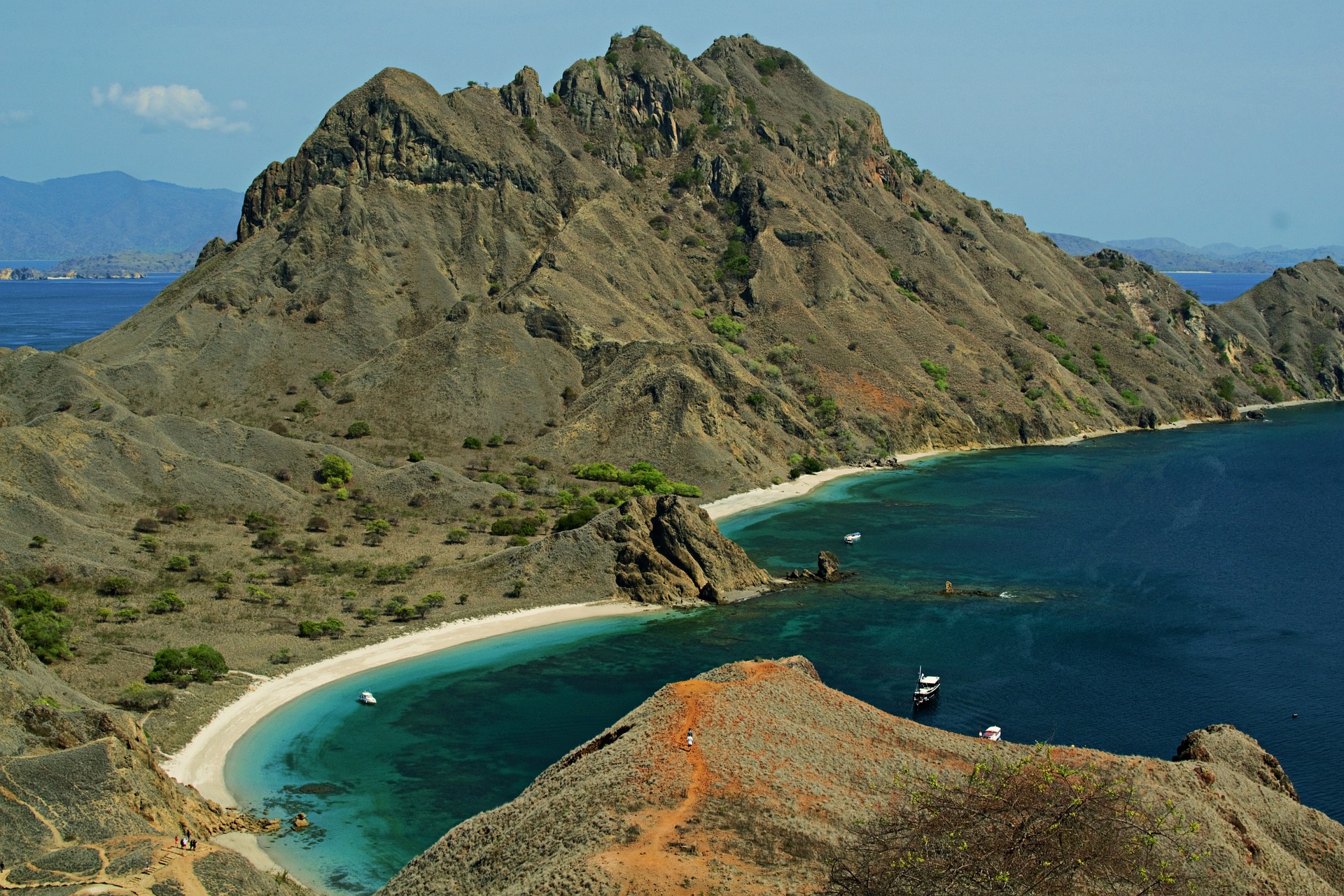
Visit in Komodo Island , Indonesia: Discover the Natural Beauty of Komodo Island
Komodo Island is one of Indonesia’s most extraordinary travel destinations, famous for its legendary Komodo dragons, dramatic volcanic landscapes, turquoise waters, colourful coral reefs and beautiful tropical beaches. Located in East Nusa Tenggara, between the islands of Flores and Sumbawa, it forms part of Komodo National Park, a UNESCO World Heritage Site and one of Southeast Asia’s most remarkable natural attractions.
But the best places to visit in Komodo Island extend far beyond seeing the giant lizards. The surrounding national park includes spectacular viewpoints on Padar Island, the famous Pink Beach, secluded sandbanks, manta ray habitats, world-class diving locations and traditional coastal communities. The nearby harbour town of Labuan Bajo is the main gateway for boat trips and island-hopping adventures.
Komodo National Park is internationally recognised for its unique combination of terrestrial and marine ecosystems. Its rugged islands support the world’s most famous population of Komodo dragons, while the surrounding waters contain coral reefs, tropical fish, sea turtles, manta rays, dolphins and other marine species. The contrast between dry savannah hills, white and pink beaches, mangrove forests and deep blue water creates a landscape unlike almost anywhere else in Indonesia. UNESCO describes the park as a conservation area of exceptional natural beauty and biodiversity. Read the official UNESCO World Heritage description of Komodo National Park.
Understanding Komodo National Park
Komodo National Park is situated in the Indonesian province of East Nusa Tenggara, between western Flores and Sumbawa. The protected area includes three principal islands: Komodo, Rinca and Padar, together with numerous smaller islands and surrounding marine habitats. The national park was established in 1980 and was inscribed on the UNESCO World Heritage List in 1991 because of its unique wildlife, dramatic scenery and exceptional ecological importance. <a href=”https://whc.unesco.org/en/list/609/“>UNESCO’s official description</a> explains the importance of the park’s terrestrial and marine environments.
The landscape is different from the lush tropical forests commonly associated with Indonesia. Many of the islands have dry savannah hills, grass-covered slopes, thorny vegetation and pockets of tropical forest. During the rainy season, hillsides can become green and colourful, while the dry season often creates golden-brown scenery. The surrounding sea provides a striking contrast, with turquoise bays, coral reefs, rocky coastlines and white sandy beaches.
Labuan Bajo: The Gateway to Komodo Island
Labuan Bajo is the main starting point for exploring Komodo National Park. Located on the western coast of Flores, this harbour town has developed into one of Indonesia’s most popular adventure tourism destinations. It provides access to boat tours, diving trips, island excursions and liveaboard journeys through the surrounding archipelago.
The town is particularly attractive because it combines a relaxed coastal atmosphere with modern tourism services. Visitors can explore the waterfront, enjoy views of fishing boats and tour vessels, visit local restaurants and organise their trips to the national park. The harbour becomes especially lively in the morning when boats depart for Komodo, Padar, Rinca and nearby islands.
Labuan Bajo also offers a growing selection of hotels, guesthouses, restaurants, cafés and travel agencies. Travellers can choose from budget accommodation, boutique hotels and luxury resorts overlooking the sea. It is a convenient base for people who want to explore the national park during the day while returning to comfortable accommodation at night.
For official destination information, explore Indonesia Travel’s Labuan Bajo and Komodo National Park guide.
Komodo Island: Meet the World’s Largest Living Lizard
Komodo Island is the destination that gives the national park its name and is one of the most important places to visit in the region. It is famous for its population of Komodo dragons, the world’s largest living lizard species. These powerful reptiles are native to Indonesia and naturally inhabit several islands in the Komodo region.
Komodo dragons can grow to impressive lengths and possess strong bodies, muscular tails, sharp claws and powerful jaws. Their natural habitat includes dry forests, savannah grasslands and open areas where they can search for food. They are carnivorous predators and feed on animals such as deer and wild pigs. Their presence makes the island one of the most unusual wildlife destinations in the world.
Visitors generally explore the island through guided trekking routes that begin at the authorised visitor area. A trained park ranger accompanies visitors and explains the behaviour, habitat and conservation importance of the animals. Depending on the route and conditions, visitors may encounter Komodo dragons resting in shaded areas, moving through grassland or searching for food.
Loh Liang: The Main Wildlife Observation Area on Komodo Island
Loh Liang is the principal visitor and trekking area on Komodo Island. It is one of the best-known locations for guided wildlife observation and provides access to designated trails through the island’s natural landscape.
Visitors normally arrive by boat and meet authorised park personnel before beginning their trek. Rangers explain the safety procedures, the behaviour of Komodo dragons and the importance of staying within designated routes. The walks may pass through dry woodland, grassland and areas where other wildlife can be observed.
The surrounding environment provides opportunities to see more than Komodo dragons. Depending on the conditions, visitors may encounter Timor deer, wild pigs and different bird species. These animals form part of the wider ecosystem and are important to the survival of the dragon population.
Loh Liang is an essential stop for first-time visitors who want to understand the wildlife and conservation work of Komodo National Park. A guided walk is more informative and safer than attempting to explore independently.
Rinca Island: Another Excellent Place to See Komodo Dragons
Rinca Island is one of the most important wildlife destinations in Komodo National Park. It is often included in island-hopping itineraries because it offers opportunities to observe Komodo dragons while exploring a landscape of dry hills, savannah and coastal scenery.
The island is particularly interesting for wildlife enthusiasts because Komodo dragons live naturally in its forests and grasslands. Visitors may also encounter deer, wild pigs, monkeys and birds. The exact wildlife sightings vary depending on the season, weather and animal behaviour, so no encounter should be guaranteed.
Loh Buaya is the main visitor area on Rinca Island. From here, guided walks follow designated trails through the landscape. Rangers provide information about the animals and the ecosystem while ensuring that visitors maintain a safe distance.
Rinca’s scenery is another reason to visit. The island has beautiful hills and coastal views, and some trekking routes provide excellent panoramas across the surrounding islands. Visitors interested in both wildlife and photography may find Rinca especially rewarding.
The island can be included in a day trip or a multi-day boat journey from Labuan Bajo. Travellers should confirm the route and current entry arrangements with their tour operator. Indonesia Travel’s Rinca Island guide provides further information about this important wildlife destination.
Padar Island: Enjoy One of Indonesia’s Most Famous Viewpoints
Padar Island is one of the most photographed destinations in Komodo National Park. It is famous for its dramatic hilltop viewpoint, where visitors can admire several curved bays separated by rugged green and brown hills. The panoramic scenery has become one of the most recognisable images of Indonesia.
The island has a distinctive landscape of steep hills, dry grassland and rocky ridges. Unlike Komodo and Rinca, Padar is not primarily visited for Komodo dragon encounters. Its main attraction is the extraordinary natural panorama visible from the summit.
Reaching the famous viewpoint involves a hike along a designated trail. The route includes steps and uneven sections, and the climb can feel challenging in hot weather. Visitors should wear comfortable footwear, carry drinking water and allow enough time for the walk. The views become increasingly impressive as the trail rises above the bays.
Sunrise is one of the most popular times to visit Padar Island. Early morning light creates beautiful colours across the hills and surrounding sea. The viewpoint is especially attractive to landscape photographers, although the number of visitors can increase during popular entry sessions.
Padar Island is an essential part of many Komodo National Park tours. However, visitor access is managed through designated entry arrangements, and travellers should check current booking requirements before their trip.
Pink Beach: Discover the Famous Pink Sand of Komodo
Pink Beach is one of the most unusual and beautiful beaches in Indonesia. Located within Komodo National Park, it is famous for its distinctive pinkish sand, turquoise water and surrounding hills. The beach is a popular stop on island-hopping tours and is one of the most recognisable attractions in the region.
The pink colour comes from a mixture of white sand and tiny fragments of red or pink marine organisms, including coral-related material. When these fragments mix with pale sand, they create the beach’s distinctive colour. The appearance can vary depending on sunlight, water conditions and the exact section of the shoreline.
Pink Beach is also an excellent destination for swimming and snorkelling when sea conditions are suitable. The surrounding water contains coral habitats and tropical fish, providing opportunities to observe the underwater environment. Visitors should avoid standing on coral, collecting marine material or disturbing sea life.
The beach is particularly attractive for photography because the pink sand contrasts with the turquoise sea and green hills. It is a wonderful place to relax after a morning of hiking or wildlife observation.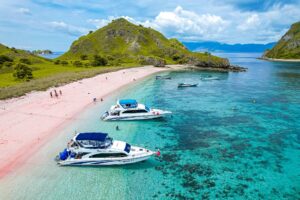
Pink Beach is accessible by boat from Labuan Bajo and is commonly included in multi-stop Komodo tours. Visitors should check the weather and sea conditions before travelling. For official destination information, see Indonesia Travel’s Pink Beach guide.
Long Beach: A Beautiful Coastal Escape
Long Beach is another attractive beach destination within the Komodo National Park area. Known for its sandy shoreline and clear tropical water, it provides a peaceful environment for visitors who want to enjoy the coast away from the main wildlife trails.
The beach is suitable for relaxing, swimming when conditions are safe and enjoying the surrounding scenery. Its natural setting makes it attractive for photography, particularly when the light reflects across the water and the nearby hills.
Long Beach is also associated with snorkelling opportunities in the wider area. The surrounding marine environment supports coral reefs and tropical fish, although visibility and underwater conditions vary throughout the year.
As with other beaches in the park, visitors should avoid leaving rubbish, walking on coral or disturbing wildlife. A responsible visit helps protect the coastline and the marine ecosystem.
Taka Makassar: A Small Sandbank in Turquoise Water
Taka Makassar is one of the most distinctive natural attractions in Komodo National Park. It is a small sandbank surrounded by shallow turquoise water, creating a beautiful contrast between white sand and the deep blue sea beyond.
The sandbank’s appearance changes with tides and sea conditions. At certain times, it appears as a curved strip of pale sand in the middle of the ocean. Its unusual shape and clear surrounding water make it a popular photography destination.
Visitors often stop at Taka Makassar during boat tours that also include Manta Point and other snorkelling locations. Depending on the weather and sea conditions, travellers may swim or snorkel in nearby waters.
The sandbank is a fragile natural feature. Visitors should not leave rubbish, remove sand or disturb marine life. Boat operators should also follow the park’s anchoring rules and avoid damaging coral habitats.
Manta Point: Experience the Underwater World of Komodo
Manta Point is one of the most famous marine attractions in Komodo National Park. It is known for opportunities to observe manta rays moving through the water, particularly in areas where currents bring nutrient-rich water and marine organisms.
Manta rays are large, graceful marine animals that move through the sea using their broad pectoral fins. Watching them glide through clear tropical water can be an unforgettable experience for snorkellers and divers. Their movements are especially impressive when they swim around cleaning stations or feed in suitable conditions.
Manta sightings are not guaranteed. Their presence depends on natural conditions, food availability, water movement and seasonal patterns. Visitors should never attempt to chase, touch or block a manta ray’s path.
Snorkelling at Manta Point should only take place when the operator considers the conditions safe. The currents in Komodo National Park can be strong and unpredictable, so visitors should follow professional instructions and use suitable flotation equipment where recommended.
For travellers interested in marine life, Manta Point is one of the most exciting reasons to visit Komodo. It demonstrates that the national park is not only a destination for terrestrial wildlife but also an internationally important marine environment.
Kanawa Island: A Tropical Paradise for Snorkelling
Kanawa Island is a beautiful tropical island near Labuan Bajo and is popular with visitors looking for clear water, sandy beaches and easy snorkelling opportunities. Its relatively accessible location makes it an attractive addition to shorter island-hopping trips.
The island is surrounded by coral reefs and shallow marine habitats where visitors may see colourful tropical fish. Snorkelling can be particularly enjoyable when the water is calm and visibility is good. The sandy shoreline also provides a relaxing place to swim or enjoy the scenery.
Kanawa has small hills that provide elevated views of the surrounding sea and nearby islands. Visitors who enjoy light hiking can explore suitable paths and admire the coastal landscape from above.
The island is a good choice for travellers who want a quieter beach experience without travelling as far as some of the more distant parts of the national park. It is commonly included in boat excursions from Labuan Bajo, although routes vary between operators.
Kelor Island: A Short Hike with Beautiful Sea Views
Kelor Island is a small island close to Labuan Bajo and is frequently included in short boat tours. It is known for its sandy beach, clear water and a hill that provides attractive views of the surrounding islands.
The island is particularly suitable for visitors who want a combination of swimming, snorkelling and a short hike. The climb to the viewpoint can be steep in places, but the panoramic scenery makes the effort worthwhile.
From the higher ground, visitors can see the surrounding turquoise sea and the small islands scattered across the coastline. The view is especially attractive in clear weather, when the different shades of blue become visible.
Kelor Island is often combined with Menjerite Bay and Kalong Island in a day trip from Labuan Bajo. It is a convenient choice for travellers who have limited time but still want to experience the natural beauty of the archipelago.
Kalong Island: Watch Thousands of Flying Foxes at Sunset
Kalong Island is famous for its large population of flying foxes, also known as fruit bats. The island is a popular sunset destination because visitors may observe groups of bats leaving their roosting areas and flying across the evening sky.
The sight can be remarkable, particularly when large numbers of bats move together above the water. The silhouettes against the sunset create an unusual natural spectacle and provide excellent photography opportunities.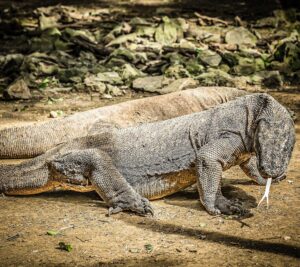
Boat tours often stop near Kalong Island in the late afternoon. Visitors usually remain on their boats to observe the bats from a suitable distance without disturbing their habitat.
Kalong Island is a good example of the variety of wildlife found in Komodo National Park. While the Komodo dragon receives most of the attention, the wider ecosystem also supports mammals, reptiles, birds and marine species that contribute to the park’s ecological importance.
Gili Lawa: Explore a Beautiful Hilltop Viewpoint
Gili Lawa, also known as Gili Laba in some travel descriptions, is a scenic island in the northern part of Komodo National Park. It is known for its dry hills, beautiful bays and panoramic viewpoints overlooking the surrounding sea.
The island is popular with hikers and photographers because its elevated viewpoints provide wide views across the archipelago. The hills are covered with grassland and low vegetation, creating a landscape that changes colour with the seasons.
The hike can be physically demanding in hot weather, particularly where the trail is steep or exposed. Visitors should follow designated routes, carry water and use a guide when required. The reward is a remarkable view of the surrounding islands and deep blue water.
Gili Lawa is also associated with snorkelling and diving locations in the wider northern park. However, sea conditions and currents can be challenging, so water activities should only be undertaken with experienced operators.
Siaba Island: A Popular Snorkelling and Diving Destination
Siaba Island is known for its attractive marine environment and is often included in diving and snorkelling itineraries. Its surrounding waters contain coral habitats and tropical marine life, making it an interesting destination for underwater exploration.
The area is sometimes associated with sea turtle sightings, although wildlife encounters depend on natural conditions. Visitors may also observe schools of tropical fish and colourful coral formations.
Snorkelling is a good way for beginners to experience the underwater environment, while certified divers can explore suitable dive locations with professional operators. Visitors should never touch coral or chase marine animals.
Siaba Island is a useful addition to a multi-day Komodo itinerary because it provides a different experience from the famous land-based attractions. It demonstrates the importance of protecting the park’s marine habitats as well as its terrestrial wildlife.
Sebayur Island: Discover Quiet Beaches and Coral Reefs
Sebayur Island is another beautiful destination in the Komodo archipelago. It is known for its coastal scenery, clear water and marine habitats, making it attractive to travellers who enjoy snorkelling and diving.
The island’s surroundings include coral reefs and underwater landscapes that support a variety of tropical fish. Depending on the chosen location and conditions, visitors may experience colourful reef environments and clear views beneath the surface.
Sebayur is often included in longer boat tours and diving itineraries from Labuan Bajo. It is particularly suitable for travellers who want to spend more time exploring the marine environment rather than focusing exclusively on the main islands.
The area is also appealing for photography because of its quiet beaches, blue water and natural island scenery.
Batu Bolong: Explore One of Komodo’s Famous Dive Sites
Batu Bolong is one of the best-known diving locations in Komodo National Park. The name refers to a rocky formation that rises from the sea, surrounded by underwater slopes and coral habitats.
The site is famous for its marine biodiversity and impressive underwater scenery. Divers may encounter schools of fish, reef sharks, turtles and other marine animals, depending on the conditions. The coral environment is an important part of the wider marine ecosystem.
Batu Bolong is not suitable for every diver. Currents can be strong, and conditions may change quickly. It should only be visited with a reputable dive operator who understands the site and can assess the experience level of participants.
For experienced divers, Batu Bolong can be one of the highlights of a Komodo diving holiday. The site demonstrates why the national park is internationally recognised as an exceptional marine destination.
Manta Alley: Another Important Location for Manta Ray Encounters
Manta Alley is a well-known diving area in the southern part of Komodo National Park. It is associated with opportunities to observe manta rays in a natural marine environment.
The location’s underwater conditions attract marine life, and divers may see manta rays moving through the area. Their presence can create a memorable underwater experience, although sightings are never guaranteed.
Because the southern park can experience challenging sea conditions, visitors should choose operators with appropriate vessels, equipment and local knowledge. Divers should follow safety instructions carefully and avoid entering the water if conditions are unsuitable.
Manta Alley is best suited to visitors with appropriate diving experience. Travellers who are not certified divers can ask operators about alternative snorkelling experiences in locations where conditions are suitable.
Menjerite Bay: A Relaxing Snorkelling Stop
Menjerite Bay is a scenic marine destination often included in short excursions from Labuan Bajo. Its coastal setting and surrounding islands make it a pleasant place to stop during an island-hopping trip.
The bay is known for its calm-looking waters in suitable weather and is often used for snorkelling. Visitors may explore shallow marine habitats and observe tropical fish around coral areas.
Menjerite Bay is particularly convenient for travellers who want a shorter trip rather than a full-day journey to the more distant islands. It is sometimes combined with Kelor Island and Kalong Island.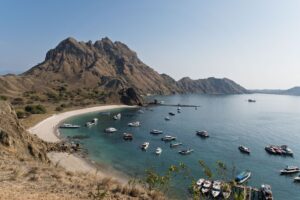
The quality of a snorkelling experience depends on water visibility, weather and marine conditions. Visitors should follow the boat crew’s instructions and avoid touching the reef.
Bidadari Island: A Convenient Island Escape Near Labuan Bajo
Bidadari Island is a convenient island destination close to Labuan Bajo. Its proximity makes it suitable for visitors who want to enjoy a tropical beach and clear water without spending a full day travelling through the national park.
The island has attractive coastal scenery, sandy areas and surrounding marine habitats. Visitors can enjoy swimming, snorkelling and relaxing by the sea when conditions are safe.
Bidadari Island can be included in short excursions or private boat trips. It is especially suitable for travellers with limited time, families and visitors who prefer a relaxed day on the water.
Although it is outside the main Komodo Island wildlife experience, it helps demonstrate the variety of island destinations available around Labuan Bajo.
Wae Rebo: Discover a Traditional Village in the Flores Mountains
Wae Rebo is one of the most distinctive cultural destinations on Flores Island. Although it is not inside Komodo National Park, it is a rewarding extension for travellers who want to explore the wider region.
The village is known for its traditional cone-shaped houses, called Mbaru Niang. These distinctive structures are built using traditional materials and reflect the cultural identity of the Manggarai people.
Reaching Wae Rebo involves a journey through the Flores countryside followed by a trek through forested mountain scenery. The walk can be challenging, so visitors should prepare suitable footwear and allow enough time.
The village provides an opportunity to learn about local traditions, architecture and community life. Visitors should approach respectfully, follow community guidance and ask permission before photographing residents or private spaces.
Wae Rebo is an excellent addition to a longer Flores itinerary for travellers interested in cultural tourism and traditional architecture.
Cunca Wulang Waterfall: Explore the Natural Landscape of Flores
Cunca Wulang Waterfall is a natural attraction near Labuan Bajo and provides a different experience from the islands and beaches of Komodo National Park. It is known for its rocky canyon, freshwater pools and waterfall scenery.
Visitors can explore the surrounding landscape and enjoy the cooler atmosphere of the forested area. The location is particularly attractive for travellers who want to combine coastal activities with inland nature excursions.
The route and water conditions should be checked before visiting. Rocks can be slippery, and swimming should only take place where local guides confirm that it is safe. Visitors should also avoid jumping into unknown water or approaching dangerous edges.
A visit to Cunca Wulang can be organised as a day excursion from Labuan Bajo, depending on transport and local conditions.
Mirror Stone Cave: A Unique Attraction Near Labuan Bajo
Mirror Stone Cave, known locally as Goa Batu Cermin, is an interesting natural and geological attraction near Labuan Bajo. The cave is known for the way sunlight enters through openings and reflects from certain surfaces, creating a mirror-like effect.
The cave contains rock formations and geological features that make it an appealing stop for visitors interested in natural history. Guided visits can help explain the cave’s formation and the features found inside.
Because the cave has narrow sections and uneven surfaces, visitors should follow the guide’s instructions and use suitable footwear. It can be a good short excursion for travellers who have additional time in Labuan Bajo before or after a boat trip.
Rangko Cave: Discover a Natural Saltwater Pool
Rangko Cave is a fascinating natural attraction in the wider Labuan Bajo region. It is known for its clear water pool inside a cave, creating a distinctive setting for visitors interested in natural swimming spots.
Reaching the cave generally involves a road journey followed by a boat transfer or local access arrangement, depending on the route and conditions. The experience is quite different from visiting the open beaches of the national park.
Sunlight entering the cave can create attractive reflections on the water, making it a popular photography location. Visitors should check local conditions and access arrangements before travelling. Swimming should only take place when guides confirm that the water and surroundings are safe.
Komodo National Park’s Coral Reefs: Discover an Underwater Paradise
The marine environment is one of the most important reasons to visit Komodo National Park. Its waters contain coral reefs, seagrass habitats, mangroves and deep channels that support a remarkable variety of marine life.
The region’s position between major oceanic systems contributes to its nutrient-rich waters. Strong currents move water through the channels between islands, helping sustain productive marine habitats. These conditions support a wide range of fish, invertebrates, sea turtles and marine mammals.
Snorkelling is one of the easiest ways to experience the underwater environment. Visitors can explore suitable shallow reefs and observe tropical fish in clear water. Scuba diving provides access to deeper locations and more complex underwater landscapes, but it requires appropriate certification and experience.
Some of the park’s best-known dive sites include Batu Bolong, Manta Point, Manta Alley and locations around the northern islands. Each site has different conditions, and not all are suitable for beginners.
The park’s marine environment is sensitive. Visitors should avoid touching coral, collecting shells, feeding fish or standing on reefs. Responsible snorkelling and diving help protect the natural attractions that make Komodo internationally famous.
Wildlife Beyond Komodo Dragons
Although Komodo dragons are the main attraction, the national park contains many other fascinating animals. The islands support Timor deer, wild pigs, macaques and several bird species. These animals form part of the food web and contribute to the ecological balance of the region.
Birdwatchers may be interested in species such as the orange-footed scrubfowl and the lesser sulphur-crested cockatoo. The park also contains reptiles and smaller animals adapted to its dry island environments.
The marine environment is equally rich. Sea turtles, manta rays, dolphins and different species of reef fish inhabit the surrounding waters. Whales may also pass through the wider region. Wildlife sightings depend on season, location and natural conditions.
Visitors should observe animals quietly and from a safe distance. Feeding wildlife can change natural behaviour and create risks for both animals and people. The park’s official visitor protocol prohibits feeding wildlife and requires visitors to follow ranger instructions. Read the official Komodo National Park visitor protocol.
Traditional Communities and Local Culture Around Komodo
The Komodo region is not only a natural destination; it is also home to communities with distinctive cultural traditions. Local populations include people connected with the Komodo, Bima, Manggarai, Bajo and Bugis communities. Their histories, languages, livelihoods and traditions contribute to the cultural diversity of East Nusa Tenggara.
Fishing has traditionally played an important role in the local economy. Many communities depend on the surrounding sea for food and livelihoods, and traditional knowledge of tides, fishing grounds and weather remains valuable.
Visitors can learn about local culture by exploring Labuan Bajo, joining community-based tourism experiences and visiting traditional villages where tourism is appropriately organised. Supporting local guides, accommodation providers and restaurants can help ensure that tourism benefits the communities living around the park.
Respectful cultural tourism means asking permission before photographing people, observing local customs and avoiding activities that disrupt daily life. Travellers should remember that the islands are living landscapes, not simply scenery created for tourism.
Best Time to Visit Komodo Island
The best time to visit Komodo Island depends on the type of experience you want. The dry season, generally from April to October, is popular for island-hopping, hiking and beach activities. During this period, visitors often experience sunnier weather and conditions that are more suitable for many boat excursions.
April, May and June can be attractive months because the landscape may still have some green vegetation after the rainy season. These months can be particularly beautiful for photography, with a combination of green hills and clear coastal scenery.
July and August are popular travel months, especially for international visitors. The weather is often dry, but tourism demand can be high. Visitors should book boat trips and accommodation in advance and check park entry arrangements.
September and October can also be good months for exploring the islands. Conditions vary from year to year, and travellers should confirm sea conditions before booking diving or snorkelling activities.
The rainy season generally occurs from November to March, although exact weather patterns can vary. Some boat trips may be affected by rain, wind and rough seas. The landscape can become greener, but visitors should remain flexible because weather conditions may change travel plans.
The Indonesian tourism authority also highlights the dry season as a commonly recommended period for visiting the national park. See Indonesia Travel’s Komodo first-timer guide for destination and itinerary information.
How to Reach Komodo Island
The main gateway to Komodo National Park is Labuan Bajo, which is located on Flores Island. Travellers generally arrive through Komodo International Airport, which has connections with other Indonesian destinations. Flight availability and schedules can vary, so visitors should check their preferred dates before planning the rest of the journey.
After arriving in Labuan Bajo, visitors continue to the national park by boat. Depending on the selected itinerary, trips may include Komodo Island, Rinca Island, Padar Island, Pink Beach and several snorkelling locations.
Boat options range from shared day-trip vessels to private speedboats and multi-day liveaboard boats. A shared trip can be more affordable, while a private charter offers greater flexibility. Liveaboard tours allow visitors to spend several days travelling through the archipelago and exploring more distant locations.
The best option depends on budget, time and travel preferences. Visitors who only have one day can choose a day trip that includes a selection of major attractions. Those who want to explore the national park more deeply should consider a two-day or three-day boat journey.
Boat Tours and Liveaboard Experiences in Komodo National Park
Boat travel is the essential way to explore Komodo National Park. The islands are spread across a large marine area, and many of the best attractions can only be reached by water. A boat trip allows visitors to experience the scenery, wildlife and beaches in a single journey.
Day tours are suitable for travellers with limited time. They often include Padar Island, Pink Beach and a wildlife observation stop on Komodo or Rinca, although the exact itinerary depends on the operator and conditions.
The Indonesian tourism authority provides sample multi-day routes that combine Kelor Island, Rinca, Padar, Komodo Island, Pink Beach, Manta Point and other destinations. These routes are useful for understanding how different attractions can be combined. Explore the official Indonesia Travel Komodo itinerary guide.
Snorkelling in Komodo National Park
Snorkelling is one of the most enjoyable activities in Komodo National Park. The surrounding waters contain colourful coral reefs, tropical fish and other marine life, making the region attractive to beginners and experienced snorkellers.
Popular snorkelling stops include Pink Beach, Kanawa Island, Siaba Island and selected areas around the smaller islands. The exact experience depends on visibility, weather, currents and the condition of the reef.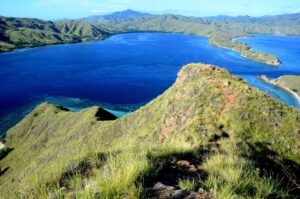
Beginners should choose sheltered locations and follow the boat crew’s advice. Wearing a properly fitted mask, snorkel and flotation aid can make the experience more comfortable. Visitors should never enter the water in strong currents without professional guidance.
Protecting coral reefs is essential. Even small contact with coral can cause damage, and sunscreen ingredients may affect marine environments. Reef-safe sun protection, rash guards and careful swimming techniques can help reduce environmental impact.
Scuba Diving in Komodo: Explore One of Indonesia’s Famous Marine Regions
Komodo National Park is internationally recognised among diving enthusiasts because of its rich marine biodiversity and dramatic underwater landscapes. Its dive sites include coral slopes, underwater pinnacles, channels and areas where larger marine animals may be observed.
Batu Bolong is known for its coral and fish diversity, while Manta Point and Manta Alley are associated with manta ray encounters. Other locations provide opportunities to observe reef fish, sea turtles and different marine species.
The diving environment can be challenging because currents may be strong and conditions can change rapidly. Some sites are suitable only for experienced divers. Visitors should select a certified dive centre, provide accurate information about their experience and follow the instructor’s safety advice.
Divers should never touch coral, chase marine animals or take souvenirs from the sea. Responsible diving protects the underwater environment and helps preserve the national park for future generations.
Traditional Food to Try in Labuan Bajo and Flores
Food is an enjoyable part of visiting Labuan Bajo and the wider Flores region. Local cuisine reflects the coastal environment, regional agricultural traditions and the cultural diversity of East Nusa Tenggara.
Fresh seafood is widely available in Labuan Bajo. Visitors can try grilled fish, squid, prawns and other seafood dishes, often served with rice, vegetables and spicy sambal. Restaurants near the waterfront are popular places to enjoy dinner while looking across the harbour.
Se’i is a traditional smoked meat dish associated with East Nusa Tenggara. It is commonly prepared using pork or beef and served with rice and local sauces. Visitors who eat meat may find it an interesting introduction to regional cuisine.
Jagung bose is another traditional food of the region, made using corn and other ingredients. It reflects the importance of locally grown crops in the traditional diet.
Visitors can also try Indonesian favourites such as nasi goreng, mie goreng, satay and fresh tropical fruit. Supporting local restaurants and food businesses is a good way to contribute to the region’s tourism economy.
Responsible Tourism and Wildlife Conservation in Komodo National Park
Responsible tourism is essential in Komodo National Park because its wildlife and marine ecosystems are sensitive to human disturbance. The Komodo dragon is a protected species, and visitors must follow the rules established by the park authority.
Visitors should never approach, touch, feed or provoke Komodo dragons. All wildlife observation should take place with authorised rangers and along designated routes. These rules protect visitors as well as the animals.
Marine conservation is equally important. Visitors should not stand on coral reefs, collect shells, remove marine organisms or throw rubbish into the water. Boat operators should follow authorised navigation and anchoring rules to avoid damaging coral habitats.
The official visitor protocol also prohibits feeding wildlife, entering restricted trekking areas and ignoring instructions from park staff or naturalist guides. Certain activities, including diving, require appropriate certification and compliance with park rules. Read the official Komodo National Park visitor protocol.
Supporting local communities is another important part of responsible travel. Choosing locally operated guesthouses, guides, restaurants and boat services can help ensure that tourism benefits the people who live around the park.
Practical Travel Tips for Visiting Komodo Island
A successful trip to Komodo National Park requires some preparation. The islands have a hot tropical climate, and many hiking routes are exposed to direct sunlight. Visitors should bring drinking water, sunscreen, sunglasses and a hat.
Comfortable hiking shoes are recommended for Padar Island and the ranger-guided trails on Komodo and Rinca. Some paths include steep slopes, loose gravel and uneven surfaces, so ordinary beach sandals may not provide enough support.
Is Komodo Island Safe for Tourists?
Komodo National Park can be visited safely when travellers follow the park’s rules and use responsible operators. However, the natural environment contains real risks, including wild Komodo dragons, steep hiking trails, strong ocean currents, hot weather and changing sea conditions.
The most important wildlife safety rule is to remain with the authorised ranger during all dragon-viewing activities. Komodo dragons are powerful wild predators and should never be approached or fed. Visitors should maintain the distance instructed by the ranger and avoid sudden movements or attempts to attract the animals.
Marine activities require similar care. Strong currents can occur between the islands, and some dive sites are suitable only for experienced divers. Snorkellers should stay with their group and follow the boat crew’s instructions.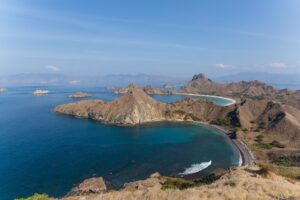
Visitors should also take care on hiking trails. Padar’s viewpoint involves an uphill walk in exposed conditions, so travellers should wear suitable footwear, carry water and avoid rushing. People with mobility limitations should check the difficulty and accessibility of the route before booking.
Conclusion
Komodo Island and the surrounding national park are among the most spectacular destinations in Indonesia. From the extraordinary Komodo dragons of Komodo and Rinca to the panoramic hills of Padar Island, every part of the region offers a different natural experience. Pink Beach, Taka Makassar, Manta Point, Kanawa Island and Gili Lawa provide beautiful coastal and underwater attractions, while Labuan Bajo offers a convenient base for organising excursions and discovering the culture of Flores.
For first-time visitors, a three-day boat trip is an excellent way to experience the highlights of Komodo National Park. Travellers with more time can enjoy a four- or five-day journey that includes additional islands, snorkelling locations and inland attractions on Flores.
UNESCO World Heritage Centre – Komodo National Park
https://whc.unesco.org/en/list/609/
UNESCO Man and the Biosphere Programme – Komodo
https://www.unesco.org/en/mab/komodo
Komodo National Park – Official Park Authority Website
https://tnkomodo.ksdae.kehutanan.go.id/
Komodo National Park – Official Visitor Protocol
https://tnkomodo.ksdae.kehutanan.go.id/protokol-tnkomodo/
Indonesian Ministry of Forestry – 2026 Visitor Quota Announcement
https://www.kehutanan.go.id/news/jaga-keberlanjutan-ekologi-ekonomi-kemenhut-batasi-kuota-wisatawan-di-tn-komodo
Author

Related posts

Best Places to Visit in Ephesus
- 0
- 6,242 words
Best Places to Visit in Ephesus, Turkey Ephesus is one of the most fascinating historical destinations in Turkey, attracting visitors with its...
Read out all
Danube Delta, Romania
- 0
- 6,212 words
Danube Delta, Romania : A Complete Travel Guide The Danube Delta is one of the most extraordinary natural destinations in Europe, offering...
Read out all
Chaco Culture, New Mexico
- 0
- 5,921 words
Chaco Culture, New Mexico : A Complete Travel Guide to Ancient Puebloan Heritage Chaco Culture is one of the most remarkable archaeological...
Read out all
Places to Visit in Bisotun
- 0
- 5,002 words
Places to Visit in Bisotun , Iran Bisotun, also spelled Behistun or Bistoun, is one of the most important archaeological destinations in...
Read out all
Places to Visit in Pirin National Park
- 0
- 5,730 words
Places to Visit in Pirin National Park , Bulgaria Pirin National Park is one of the most remarkable destinations in Bulgaria for...
Read out all
Best Places to Visit in Dinant
- 0
- 4,895 words
Best Places to Visit in Dinant, Belgium Dinant is one of the most beautiful small towns in Belgium and one of the...
Read out all