

Best Things to Do in Jakarta , Indonesia
Jakarta is a city of extraordinary contrasts. Indonesia’s enormous capital combines historic neighborhoods, colonial architecture, modern skyscrapers, religious landmarks, shopping districts, traditional markets, museums, entertainment centers, contemporary restaurants and a fascinating multicultural population. For travelers searching for the best things to do in Jakarta, Indonesia, the city offers far more than a short stopover between flights. Jakarta rewards visitors who take time to understand its history, explore its neighborhoods and experience the everyday life of one of Southeast Asia’s great metropolitan centers.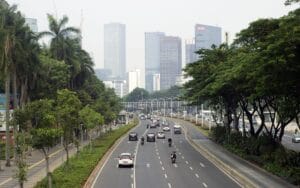
Jakarta’s identity has been shaped by centuries of trade and migration. The city developed from earlier settlements around the Ciliwung River and became an important trading center before the Dutch colonial period transformed it into Batavia. Today, traces of those different eras can still be found throughout the capital. Historic Kota Tua preserves colonial-era buildings, Sunda Kelapa reflects Jakarta’s maritime heritage, while districts such as Sudirman, Thamrin, Kuningan and SCBD represent the city’s modern business and commercial identity.
The official Jakarta tourism portal emphasizes this combination of historical heritage, metropolitan modernity and Betawi culture, describing the capital as a destination with numerous attractions and a large culinary tradition.
Jakarta is also a useful introduction to Indonesia’s enormous cultural diversity. Although the city is strongly associated with Betawi culture, its population includes communities from across the Indonesian archipelago as well as Chinese-Indonesian, Indian-Indonesian, Arab-Indonesian and other cultural communities. This diversity is particularly visible in Jakarta’s food, religious buildings, festivals, neighborhoods and markets.
Whether you are interested in Jakarta tourist attractions, Indonesian history, museums, shopping, food, architecture, nightlife, family activities or cultural tourism, this guide explores the major experiences that should be considered when planning a trip to the Indonesian capital.
Explore Kota Tua Jakarta
One of the most important places to visit in Jakarta is Kota Tua Jakarta, or Jakarta Old Town. This historic district represents the city’s connection with Batavia and the Dutch colonial period and is one of the most recognizable heritage areas in the capital.
The district contains historic buildings, museums, public squares, canals and streets that provide a very different atmosphere from modern Jakarta. The official Indonesian tourism portal identifies Kota Tua as one of Jakarta’s principal historical destinations and explains that the area was once a major center of trade during the Dutch colonial period.
For first-time visitors, Kota Tua is an excellent place to begin understanding Jakarta because several attractions can be experienced within the same general area. Rather than simply visiting one museum, travelers can spend several hours walking through the historic district, observing architecture, visiting museums and enjoying the atmosphere around Fatahillah Square.
Discover Fatahillah Square
Fatahillah Square is the central public space of Kota Tua and one of the most photographed locations in historic Jakarta. The open square is surrounded by colonial buildings and provides an excellent setting for understanding how Batavia functioned as a historical administrative and commercial center.
The square is also associated with community performances, cultural activities, vintage bicycles and local food. Indonesia’s official tourism portal notes that cultural performances and community activities have been organized around the historic square, including traditional dance, music and other cultural presentations.
Visitors should take time to look beyond the most obvious photo opportunities. The architecture surrounding the square, the movement of local residents and the nearby museums make this one of the best places in Jakarta to observe the relationship between historical heritage and contemporary city life.
Visit the Jakarta History Museum
The Jakarta History Museum, commonly associated with the old Batavia City Hall building, is located in Fatahillah Square. It is an important stop for anyone interested in the development of Jakarta.
The museum introduces visitors to different periods of the city’s history and helps explain how the settlement developed into an important trading city. Exploring the museum before walking around Kota Tua can make the surrounding architecture easier to understand because visitors gain historical context for the buildings and streets.
Travelers researching Jakarta history and historical attractions in Indonesia should consider combining the museum with the nearby Wayang Museum, Museum Seni Rupa dan Keramik and other heritage attractions.
Visit the Wayang Museum
The Wayang Museum is one of the most distinctive cultural museums in Kota Tua. Wayang, Indonesia’s traditional puppet theater tradition, is an important element of Indonesian cultural heritage, and the museum provides an opportunity to learn about different forms of puppetry.
The collection and displays make this a particularly interesting attraction for visitors who want to move beyond colonial history and explore Indonesian artistic traditions.
The museum is also located directly in the historic Kota Tua area, making it convenient to combine with other attractions during a walking tour.
Explore Sunda Kelapa Harbour
Jakarta’s history is inseparable from maritime trade, and Sunda Kelapa Harbour provides an opportunity to see a traditional side of the city’s relationship with the sea.
Sunda Kelapa has been used as a port for centuries and remains associated with traditional wooden sailing vessels that transport goods between Indonesian islands. Jakarta’s official government tourism information identifies Sunda Kelapa as a historic port with roots reaching back to the medieval period.
The traditional vessels are visually distinctive and create excellent photography opportunities. Travelers interested in maritime history should visit Sunda Kelapa after exploring Kota Tua because the two destinations help explain the historical importance of Jakarta as a trading center.
Visit the Maritime Museum
The Jakarta Maritime Museum is another important attraction for understanding the city’s relationship with the Indonesian archipelago. The museum is located near Sunda Kelapa and focuses on maritime history, shipping and the role of the sea in connecting Indonesia’s many islands.
For travelers interested in Indonesian maritime history, this museum provides context that complements a visit to the port itself.
The museum can also be combined with Kota Tua and other historic attractions in northern Jakarta, making it suitable for a full day of heritage exploration.
Visit the National Monument, Monas
The National Monument, universally known as Monas, is perhaps the most recognizable landmark in Jakarta. Located in the center of Merdeka Square, the monument symbolizes Indonesia’s struggle for independence.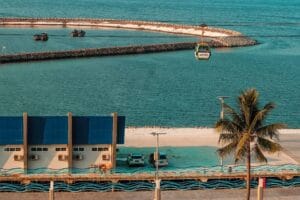
The monument rises prominently above the surrounding city and is topped by a flame representing the spirit of independence. Indonesia’s official tourism website explains that the monument contains a museum with dioramas presenting Indonesia’s struggle for independence, while an observation platform provides views across Jakarta.
Jakarta’s official government information similarly identifies Monas as a symbol of the Indonesian people’s struggle for independence.
Visiting Monas is therefore not simply about taking a photograph beside a famous landmark. The monument provides an introduction to one of the most important periods in modern Indonesian history.
Walk Around Merdeka Square
Merdeka Square surrounds Monas and is one of the largest and most important open spaces in central Jakarta. Walking around the area provides an opportunity to observe the monumental character of the capital.
The surrounding district contains major government buildings, museums and religious landmarks. Indonesia Travel notes that the area historically served as an important administrative center and was previously known as Koningsplein during the Dutch colonial era.
For travelers interested in architecture and political history, Merdeka Square is an important part of any Jakarta sightseeing itinerary.
Visit the National Museum of Indonesia
The National Museum of Indonesia, often called the Elephant Museum or Gedung Gajah, is one of the country’s most important museums.
Its collections cover Indonesian archaeology, anthropology, history, art and cultural heritage. The museum is particularly valuable for travelers who want to understand Indonesia beyond Jakarta itself because its collections represent cultures and traditions from across the archipelago.
Jakarta’s official government website describes the National Museum as one of the oldest and largest museums in Southeast Asia and explains the origin of the nickname Gedung Gajah from the bronze elephant statue in front of the building.
A visit here can transform a Jakarta vacation from a simple city break into a broader introduction to Indonesian civilization.
Explore Istiqlal Mosque
Istiqlal Mosque is one of Jakarta’s most important religious and architectural landmarks. Its name means “independence,” reflecting its connection with Indonesia’s independence.
Indonesia Travel identifies Istiqlal as the largest mosque in Southeast Asia and describes its historical significance in relation to Indonesian independence.
The mosque is notable not only for its scale but also for its modern architectural design and symbolic importance. Visitors should dress respectfully and follow local guidelines when entering religious areas.
Istiqlal is particularly interesting because it stands close to Jakarta Cathedral, creating a striking example of religious coexistence in the capital.
Visit Jakarta Cathedral
Across from Istiqlal Mosque stands Jakarta Cathedral, a historic Catholic church with distinctive neo-Gothic architecture.
The close physical relationship between the mosque and cathedral is one of Jakarta’s most recognizable examples of religious diversity and coexistence.
For travelers interested in Jakarta architecture, religion and cultural heritage, visiting both landmarks together provides a meaningful experience.
Discover the National Gallery of Indonesia
Art lovers should visit the National Gallery of Indonesia, located in central Jakarta.
The gallery provides opportunities to explore Indonesian art and changing exhibitions. It is particularly useful for visitors who want to understand how Indonesian artists interpret national identity, society, tradition and contemporary life.
The National Gallery is also conveniently positioned near other central Jakarta landmarks, making it possible to include art and history in the same sightseeing route.
Explore Jakarta’s Modern Skyline
Modern Jakarta looks dramatically different from Kota Tua.
The central business districts around Sudirman, Thamrin, Kuningan and the Golden Triangle contain high-rise offices, hotels, shopping centers and contemporary residential developments.
Walking or driving through these districts demonstrates how quickly Jakarta has transformed into a major Southeast Asian business center.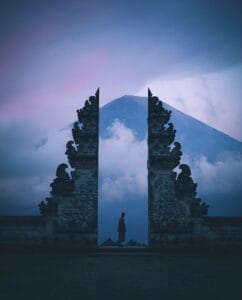
For travelers interested in modern architecture in Jakarta, the contrast between the old colonial buildings and glass skyscrapers is one of the city’s most interesting visual characteristics.
Walk Along Jalan Thamrin and Sudirman
Jalan M.H. Thamrin and Jalan Jenderal Sudirman form some of Jakarta’s best-known urban corridors.
These areas contain major commercial buildings, hotels, shopping destinations and public spaces.
The streets are especially interesting during evenings and weekends, when the city takes on a different atmosphere.
Travelers interested in modern Jakarta should include these districts alongside historical Kota Tua rather than seeing them as separate destinations.
Visit Bundaran HI
Bundaran Hotel Indonesia, commonly called Bundaran HI, is one of Jakarta’s best-known urban landmarks.
The roundabout and its surrounding skyline represent the modern commercial heart of the city. It is particularly recognizable because of the landmark fountain and the high-rise buildings surrounding the area.
Bundaran HI is also a useful reference point for exploring central Jakarta, with major shopping and dining destinations nearby.
Experience Jakarta’s Shopping Culture
Shopping is one of the most popular things to do in Jakarta because the city offers an enormous range of shopping environments.
Modern malls provide international brands, luxury boutiques, restaurants and entertainment, while traditional markets offer clothing, crafts, food and everyday goods.
Jakarta’s shopping culture reflects the city’s combination of international influence and Indonesian traditions.
Visit Grand Indonesia
Grand Indonesia is one of the major shopping and lifestyle complexes in central Jakarta.
It is a convenient destination for travelers who want international fashion brands, Indonesian products, restaurants, cafés and entertainment under one roof.
For visitors staying in central Jakarta, Grand Indonesia can easily be combined with Bundaran HI and other attractions around Thamrin.
Explore Plaza Indonesia
Plaza Indonesia provides another high-end shopping experience in central Jakarta.
The complex is particularly associated with luxury retail, international brands, dining and upscale entertainment.
Travelers interested in shopping in Jakarta can compare Plaza Indonesia with Grand Indonesia and the city’s many other major malls.
Discover Menteng
Menteng is one of Jakarta’s most attractive established neighborhoods.
The district is known for leafy streets, historic houses, embassies, parks and a quieter atmosphere compared with the major commercial corridors.
Menteng provides an opportunity to see a more residential and elegant side of Jakarta.
Relax at Suropati Park
Suropati Park is one of the city’s best-known green spaces.
Located in Menteng, the park provides a pleasant environment for walking, sitting and observing local life.
It is a good destination for travelers who want to take a break from Jakarta’s traffic and dense urban environment.
The park also demonstrates that Jakarta is not entirely defined by skyscrapers and busy roads; there are numerous public green spaces throughout the capital.
Explore Taman Mini Indonesia Indah
Taman Mini Indonesia Indah, commonly known as TMII, is one of Jakarta’s most distinctive cultural attractions.
The large cultural park is designed to introduce visitors to the diversity of Indonesia’s provinces, traditions, architecture and cultural heritage.
A visit to TMII is particularly useful for travelers who have limited time to explore other parts of Indonesia but still want to see representations of the country’s enormous cultural diversity.
The attraction includes traditional architectural representations, museums and cultural facilities.
Visit the Indonesia Museum at TMII
The Indonesia Museum within the Taman Mini complex provides another opportunity to explore Indonesian cultural heritage.
The museum presents objects and traditions representing different parts of the country.
For international visitors, this can be one of the most educational places in Jakarta because it provides context for the cultural diversity encountered throughout Indonesia.
Experience Ancol Dreamland
Ancol Taman Impian, or Ancol Dreamland, is a major recreational area in northern Jakarta.
The complex combines entertainment, waterfront recreation, attractions and family-oriented activities.
The official Jakarta tourism portal identifies Ancol as one of the capital’s major attractions, with beaches, Dufan and Sea World among its attractions.
For families, Ancol can provide an entire day of entertainment without requiring travel outside Jakarta.
Spend Time at Ancol Beach
Although Jakarta is not primarily known as a beach destination, Ancol provides access to waterfront recreation within the city.
The beaches are more suitable for a relaxed urban outing than for travelers seeking pristine tropical beaches. Nevertheless, the waterfront can be enjoyable for families, couples and visitors who want a change from museums and city streets.
Visit Dunia Fantasi
Dunia Fantasi, commonly known as Dufan, is a large amusement park within Ancol.
The attraction offers rides and entertainment suitable for families and groups.
Visitors traveling with children may find Dufan to be one of the most enjoyable family attractions in Jakarta.
Explore Sea World Ancol
Sea World Ancol offers an aquarium experience within the Ancol complex.
It can be combined with other attractions in the area, making Ancol particularly convenient for families who want several activities in one destination.
Discover Museum MACAN
Museum MACAN is Jakarta’s contemporary art museum and is an excellent destination for travelers interested in modern and contemporary art.
The museum’s exhibitions provide an alternative perspective on Indonesian and international artistic expression.
Its contemporary focus makes it a useful addition to an itinerary that otherwise emphasizes Jakarta’s historical attractions.
Visit the Museum of Textiles
Indonesia’s textile traditions are an important part of the country’s cultural heritage, and Jakarta’s Museum of Textiles provides an opportunity to learn about fabrics, weaving, batik and related traditions.
Travelers interested in Indonesian batik and traditional textiles should consider including this museum in their itinerary.
Learn About Indonesian Independence
Jakarta contains numerous locations connected with Indonesia’s independence movement.
The Proclamation Monument and other historical sites help visitors understand the political and social events surrounding independence.
The city’s official heritage information identifies several historical locations connected with the independence movement, including Tugu Proklamasi and monuments commemorating Indonesia’s independence.
These places are particularly meaningful for visitors who want to understand the history behind the national symbols encountered throughout Jakarta.
Explore Chinatown in Glodok
Glodok is Jakarta’s historic Chinatown and one of the city’s most interesting neighborhoods for food, culture and history.
The district has long been associated with Chinese-Indonesian communities and remains known for traditional shops, food businesses, temples and busy streets.
Walking through Glodok offers a different perspective on Jakarta’s multicultural identity.
Visit Jin De Yuan Temple
The historic temple in the Glodok area provides another opportunity to explore Chinese-Indonesian religious heritage.
Visitors should approach religious sites respectfully, especially during ceremonies and periods of worship.
Combining Glodok with Kota Tua is particularly effective because both areas are located in western Jakarta and can be incorporated into a broader historical itinerary.
Explore Jakarta’s Traditional Markets
Traditional markets offer some of the best opportunities to experience everyday Jakarta.
Markets can be noisy, crowded and intensely energetic, but that is precisely what makes them interesting.
Visitors can observe local food preparation, traditional ingredients, clothing, household goods and interactions between sellers and customers.
For travelers who want authentic cultural experiences rather than only major tourist attractions, Jakarta’s markets deserve attention.
Explore Jakarta’s Street Food
Jakarta’s street food culture is enormous.
From satay and fried snacks to noodles, rice dishes and traditional desserts, street food provides a practical and affordable way to explore Indonesian flavors.
Visitors should use sensible food hygiene practices, especially when eating at busy roadside stalls.
Experience Jakarta at Night
Jakarta changes dramatically after sunset.
The skyscrapers illuminate, restaurants become busy and entertainment districts come alive.
The city offers sophisticated rooftop bars, live music venues, restaurants, shopping centers and nightlife districts.
Travelers looking for things to do in Jakarta at night have many options depending on whether they prefer food, entertainment, nightlife or relaxed evening walks.
Visit a Jakarta Rooftop
Jakarta’s modern skyline creates excellent opportunities for rooftop dining and drinks.
From elevated restaurants and hotel rooftops, visitors can see the capital’s enormous concentration of skyscrapers.
A rooftop experience is particularly memorable around sunset, when daylight fades and the city begins to illuminate.
Explore Kemang
Kemang is one of South Jakarta’s best-known lifestyle and entertainment areas.
The neighborhood has restaurants, cafés, bars, boutiques and creative spaces.
It is particularly popular among younger residents and international communities.
Travelers interested in Jakarta nightlife and restaurants may enjoy exploring Kemang after visiting the city’s major historical attractions.
Explore Senopati
Senopati has developed into one of Jakarta’s popular dining and lifestyle districts.
The area contains contemporary restaurants, cafés, dessert shops and nightlife venues.
It is a good choice for visitors looking for modern Indonesian cuisine and international dining.
Discover Jakarta’s Café Culture
Jakarta has a sophisticated café scene ranging from traditional coffee shops to modern specialty coffee establishments.
Coffee lovers can explore different neighborhoods and experience the city’s growing specialty coffee culture.
A café stop is also an easy way to take a break from Jakarta’s heat and traffic.
Visit Jakarta’s Cultural Performances
Travelers should check local cultural calendars for traditional dance, music, theater and festival events.
Cultural performances provide opportunities to experience Indonesian traditions in a live setting rather than only through museum displays.
The official Jakarta tourism portal regularly highlights cultural attractions and events throughout the capital.
Explore Jakarta’s Religious Diversity
Jakarta is home to mosques, churches, temples and other religious institutions representing different communities.
Istiqlal Mosque and Jakarta Cathedral are the most famous example for tourists, but the city’s religious landscape extends far beyond these landmarks.
Exploring religious architecture can provide a deeper understanding of Jakarta’s multicultural history.
Visit the National Library of Indonesia
The National Library of Indonesia is an impressive modern institution in central Jakarta.
Its contemporary architecture and elevated spaces make it interesting even for visitors who are not planning extensive research.
The building also offers perspectives over parts of central Jakarta.
Explore Jakarta’s Museums
Jakarta has a remarkably broad museum scene.
The city government maintains information about museums covering history, culture and heritage, while other institutions focus on art, textiles, maritime history and contemporary culture.
Museum visits are particularly valuable during rainy periods, when outdoor sightseeing may be less comfortable.
Discover the Museum of Bank Indonesia
The Museum Bank Indonesia explores the history of money, banking and economic development in Indonesia.
Its historic location near Kota Tua makes it convenient to combine with other museums in the old city.
Visitors interested in economics and trade can use the museum to understand another dimension of Jakarta’s development as a major commercial center.
Visit Museum Mandiri
Museum Mandiri is another historical museum located near Kota Tua.
The museum provides insight into the development of banking and commercial institutions during the colonial period and later eras.
Its architecture is also interesting for travelers fascinated by historic buildings.
Explore Jakarta’s Architecture
Jakarta’s architecture is one of the city’s most interesting characteristics.
Colonial buildings, traditional houses, religious monuments, Art Deco structures, modernist government buildings and contemporary skyscrapers all coexist within the metropolitan landscape.
Architecture enthusiasts should therefore treat Jakarta as an open-air history lesson.
Photograph Jakarta’s Contrasts
Jakarta is particularly photogenic because of its contrasts.
A traditional market can exist close to a modern shopping mall. Historic warehouses can stand within sight of high-rise offices. Traditional wooden ships operate near enormous modern infrastructure.
These contrasts are central to Jakarta’s identity and create excellent opportunities for travel photography.
Explore Jakarta With Children
Families can find plenty of activities in Jakarta.
Taman Mini Indonesia Indah, Ancol Dreamland, Dufan, Sea World, museums and parks all provide different types of experiences.
The city can be challenging with children because of traffic and heat, so planning fewer attractions per day is generally more comfortable.
Getting Around Jakarta
Jakarta is a huge metropolitan area, so transportation planning is important.
Public transportation, including rail services and TransJakarta buses, can be useful for reaching major areas, while ride-hailing services and taxis can help when destinations are less conveniently connected.
Traffic can be heavy, particularly during peak periods, so visitors should allow substantial travel time between attractions.
The most efficient Jakarta itinerary is generally organized geographically, with attractions in nearby districts visited on the same day.
Where to Stay in Jakarta
Central Jakarta is convenient for first-time visitors who want access to Monas, the National Museum, Istiqlal Mosque, shopping centers and major business districts.
South Jakarta offers a more lifestyle-oriented atmosphere, particularly around Kemang, Senopati and surrounding areas.
North Jakarta is useful for travelers interested in Ancol and the historic Kota Tua and Sunda Kelapa areas.
Choosing accommodation according to the attractions you plan to visit can reduce time spent in traffic.
Jakarta Travel Tips for First-Time Visitors
Jakarta can feel overwhelming at first because of its enormous size, traffic and density.
The best approach is to slow down and avoid attempting too many attractions in a single day.
Early mornings are useful for outdoor sightseeing, while afternoons can be reserved for museums, shopping malls, cafés and other indoor activities.
Respectful clothing is important when visiting religious buildings, and travelers should follow local rules regarding photography and access.
Trying local food is highly recommended, but visitors should choose reputable establishments and take normal precautions with drinking water and food hygiene.
Why Jakarta Is Worth Visiting
Jakarta is sometimes overlooked by travelers who immediately continue to Bali, Yogyakarta or other Indonesian destinations.
However, the capital offers something that many other Indonesian destinations cannot provide: an opportunity to experience the country’s enormous political, economic, cultural and historical diversity in one metropolitan environment.
Jakarta’s greatest attraction is not a single monument. It is the contrast between different eras and cultures.
You can begin your morning among colonial buildings in Kota Tua, visit a major Islamic architectural landmark, explore an Indonesian history museum, eat traditional Betawi food and finish the day looking at modern skyscrapers from a rooftop restaurant.
That combination makes Jakarta a fascinating destination for travelers who want to understand contemporary Indonesia.
A Suggested Jakarta Itinerary
A first day in Jakarta can begin around Merdeka Square and Monas. After visiting the National Monument, continue toward the National Museum and then explore Istiqlal Mosque and Jakarta Cathedral. Spend the evening around Thamrin, Bundaran HI or one of the city’s major shopping and dining districts.
The second day can focus on northern and western Jakarta. Begin at Kota Tua and Fatahillah Square before visiting the Jakarta History Museum and Wayang Museum. Continue toward Sunda Kelapa Harbour and the Maritime Museum before exploring Glodok and its food culture.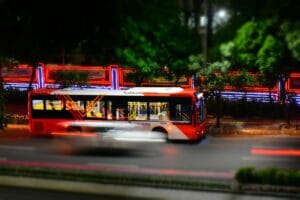
The third day can focus on Indonesian cultural diversity at Taman Mini Indonesia Indah or on entertainment and recreation at Ancol Dreamland.
Travelers with a fourth day can explore Menteng, Suropati Park, museums, contemporary art galleries, Kemang and Senopati.
Conclusion
Jakarta is a destination that becomes more rewarding the longer you spend exploring it. At first glance, the capital can appear dominated by traffic, skyscrapers and endless urban development, but beneath that metropolitan surface is a city with centuries of history and a remarkable cultural mixture.
The best things to do in Jakarta, Indonesia include visiting the iconic National Monument, walking through historic Kota Tua, exploring Fatahillah Square, learning about Indonesian history at the National Museum, discovering the maritime heritage of Sunda Kelapa, visiting Istiqlal Mosque and Jakarta Cathedral, exploring Taman Mini Indonesia Indah, enjoying Ancol Dreamland, discovering Glodok, tasting Betawi cuisine and experiencing the modern skyline around Thamrin and Sudirman.
Authentic Official Links for Jakarta Travel
For planning attractions and current tourism information, use the Official Jakarta Tourism Portal
For official destination information from Indonesia’s national tourism platform, visit Indonesia Travel
For city landmarks, museums and historical information, consult the Official Jakarta Government Website
Author

Related posts
Best Places to Visit in Dinant
- 0
- 4,779 words
Best Places to Visit in Dinant, Belgium Dinant is one of the most beautiful small towns in Belgium and one of the...
Read out all
Best Places to Visit in Mont-Saint-Michel
- 0
- 4,964 words
Best Places to Visit in Mont-Saint-Michel , France Mont-Saint-Michel is one of the most extraordinary destinations in France and one of the...
Read out all
UNGA
- 0
- 5,649 words
UNGA (United Nations General Assembly ) The United Nations General Assembly, commonly known as the UN General Assembly or UNGA, is one...
Read out all
Best Places to Visit in Kathmandu
- 0
- 4,089 words
Best Places to Visit in Kathmandu , Nepal Kathmandu, the capital of Nepal, is one of South Asia’s most fascinating travel destinations....
Read out all
Best Places to Visit in Vilnius
- 0
- 5,246 words
Best Places to Visit in Vilnius , Lithuania Vilnius, the capital of Lithuania, is one of the most fascinating destinations in the...
Read out all
Best Places to Visit in Riga
- 0
- 6,005 words
Best Places to Visit in Riga , Latvia Riga, the capital of Latvia, is one of the most fascinating destinations in the...
Read out all