

Best Places to Visit in South America
South America is a continent of extraordinary contrasts. In one region, travelers can explore ancient Inca ruins surrounded by towering Andes Mountains. In another, they can relax on tropical beaches, walk through colorful colonial streets, cruise through the Amazon rainforest, or watch enormous glaciers break into turquoise lakes. The continent combines natural beauty, rich history, diverse cultures, world-famous cuisine, exciting cities, and unforgettable outdoor adventures.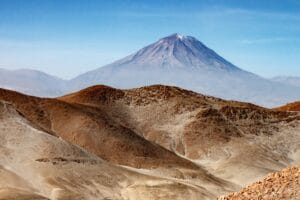
The best places to visit in South America include iconic destinations such as Machu Picchu in Peru, Rio de Janeiro in Brazil, Patagonia in Argentina and Chile, the Galápagos Islands in Ecuador, the Uyuni Salt Flats in Bolivia, Iguazú Falls on the border of Argentina and Brazil, and Cartagena in Colombia. However, South America offers far more than its most famous attractions. Visitors can also discover charming towns, high-altitude lakes, wine regions, remote islands, wildlife reserves, historic cities, and peaceful coastal communities.
Planning a trip to South America requires careful consideration because the continent is enormous. Traveling between countries can involve long flights, mountain roads, river journeys, or multi-day excursions. The best itinerary depends on your interests, budget, travel season, and the amount of time available. A traveler interested in ancient civilizations may prefer Peru and Bolivia, while someone seeking beaches and nightlife may choose Brazil and Colombia. Nature lovers may want to combine Patagonia, the Amazon, the Galápagos Islands, and the Atacama Desert.
This South America travel guide explores the most beautiful and interesting destinations across the continent. It explains what makes each location special, what travelers can see and do there, when to visit, and how to include it in a wider South America itinerary.
Machu Picchu, Peru: The Most Iconic Ancient Wonder in South America
Machu Picchu is one of the most famous places to visit in South America and one of the world’s most recognizable archaeological sites. Hidden high in the Peruvian Andes, this extraordinary Inca citadel is surrounded by steep green mountains, deep valleys, and dramatic clouds. Its combination of ancient stone architecture and breathtaking scenery makes it a must-visit destination for history lovers, photographers, hikers, and adventure travelers.
The site was built during the fifteenth century and is associated with the Inca civilization. Its original purpose remains the subject of historical and archaeological study, but the complex is widely believed to have had royal, religious, and ceremonial importance. Visitors can explore stone terraces, temples, plazas, stairways, agricultural areas, and carefully constructed buildings that demonstrate the engineering skills of the Inca people.
One of the most impressive features of Machu Picchu is the way its architecture fits into the natural landscape. The stone structures follow the contours of the mountain, while the agricultural terraces helped control erosion and support cultivation. The surrounding peaks, including Huayna Picchu and Machu Picchu Mountain, create a spectacular setting that changes with the weather and light.
Exploring Machu Picchu and the Sacred Valley
Most travelers visit Machu Picchu after spending time in Cusco and the Sacred Valley. Cusco was once the capital of the Inca Empire and remains one of the best cultural destinations in Peru. Its historic center combines Inca stonework, Spanish colonial churches, museums, markets, and lively public squares.
The Sacred Valley is filled with archaeological sites, mountain villages, agricultural terraces, and traditional communities. Pisac is known for its ruins and craft market, while Ollantaytambo features impressive Inca terraces and a historic settlement with narrow stone streets. Chinchero is famous for weaving traditions, and Moray contains unusual circular agricultural terraces that may have been used for experimentation.
Travelers can reach Machu Picchu by train, by organized trekking routes, or through alternative hiking experiences. The Inca Trail is the best-known route, but other trails provide different scenery and levels of difficulty. Because access to Machu Picchu and its hiking circuits is controlled, travelers should make reservations well in advance.
Machu Picchu is located at a lower elevation than Cusco, but altitude can still affect visitors during the wider journey. Spending several days acclimatizing in Cusco or the Sacred Valley is often helpful. Visitors should also respect the site’s conservation rules, remain on authorized paths, and avoid touching or climbing protected structures.
Rio de Janeiro, Brazil: Beaches, Mountains, and Brazilian Energy
Rio de Janeiro is one of the best places to visit in South America for travelers who want a mixture of beaches, dramatic scenery, music, culture, food, and nightlife. The city is famous for its spectacular location between forest-covered mountains and the Atlantic Ocean. Its most recognizable landmarks include Christ the Redeemer, Sugarloaf Mountain, Copacabana Beach, Ipanema Beach, and the colorful neighborhoods that spread across the coastal landscape.
Christ the Redeemer stands on Corcovado Mountain and offers panoramic views across Rio de Janeiro. From the summit, visitors can see the city’s beaches, bays, mountains, urban districts, and forested areas. The monument is one of Brazil’s most important symbols and is especially impressive when viewed early in the morning or near sunset.
Sugarloaf Mountain provides another unforgettable viewpoint. Travelers can take a cable car to the summit and enjoy views of Guanabara Bay, the city center, Copacabana, and the surrounding mountains. The changing light creates excellent opportunities for photography, particularly in the late afternoon.
Copacabana and Ipanema Beaches
Copacabana Beach is one of the most famous urban beaches in the world. Its long crescent-shaped shoreline is lined with hotels, restaurants, cafés, walking paths, and lively public spaces. Visitors can swim when conditions are safe, enjoy beachside refreshments, walk along the promenade, or simply observe the rhythm of daily life in Rio.
Ipanema Beach offers a different atmosphere, with fashionable cafés, restaurants, boutiques, and beautiful views toward the surrounding hills. The beach is associated with Brazilian music and popular culture, and it remains a favorite place for both residents and visitors.
Rio de Janeiro is also known for its neighborhoods. Santa Teresa has steep streets, artistic spaces, restaurants, and historic architecture. Lapa is famous for nightlife, music, and the Arcos da Lapa aqueduct. Jardim Botânico provides a peaceful environment filled with tropical plants, shaded pathways, and impressive views of Corcovado Mountain.
Travelers should allow several days to experience Rio properly. The city is large, and its attractions are spread across different districts. A balanced itinerary can include major viewpoints, beaches, museums, historic neighborhoods, local food, and a cultural evening.
Buenos Aires, Argentina: European Architecture and Argentine Culture
Buenos Aires is one of the best cities to visit in South America for architecture, food, literature, music, shopping, and urban culture. Often described as one of Latin America’s most European-influenced capitals, Buenos Aires combines grand avenues, historic cafés, elegant theaters, colorful neighborhoods, and a strong local identity.
The city’s central area includes the Plaza de Mayo, Casa Rosada, Metropolitan Cathedral, and Cabildo. Plaza de Mayo has played an important role in Argentina’s political history and remains one of the city’s most significant public spaces. The nearby Casa Rosada, with its distinctive pink façade, is one of the country’s best-known buildings.
Avenida 9 de Julio is one of the city’s most impressive avenues, while the Teatro Colón is celebrated for its architecture and acoustics. Visitors interested in culture can explore museums, galleries, bookstores, and historic cafés throughout the city.
San Telmo, Recoleta, and Palermo
San Telmo is one of Buenos Aires’ most atmospheric neighborhoods. Its cobbled streets, antique shops, traditional markets, tango performances, and historic buildings create a strong sense of place. On market days, visitors can browse crafts, vintage items, artwork, clothing, and local food.
Recoleta is known for elegant architecture, museums, parks, and the famous Recoleta Cemetery. The cemetery contains elaborate mausoleums and is associated with many important Argentine figures. The surrounding neighborhood offers cafés, cultural attractions, and peaceful public spaces.
Palermo is a lively district with restaurants, design shops, nightlife, parks, and creative spaces. Palermo Soho and Palermo Hollywood are especially popular with younger travelers and visitors interested in contemporary Argentine culture.
Food is a major part of the Buenos Aires experience. Travelers should try Argentine steak, empanadas, milanesa, medialunas, traditional pastries, and mate. Buenos Aires is also one of the best places in South America to experience tango, whether through a professional performance or a smaller neighborhood event.
Patagonia, Argentina and Chile: Glaciers, Lakes, and Mountain Landscapes
Patagonia is one of the best places to visit in South America for dramatic wilderness and outdoor adventure. This vast region stretches across southern Argentina and Chile and includes snow-covered mountains, turquoise lakes, glaciers, windswept plains, forests, fjords, and remote coastal landscapes.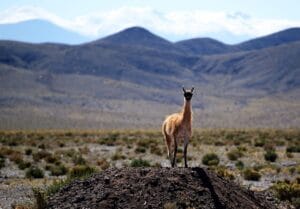
Patagonia is not a single city or attraction. It is a huge geographical region with many destinations, each offering different experiences. Travelers may visit El Calafate and Los Glaciares National Park in Argentina, El Chaltén for hiking, Ushuaia near the southern tip of the continent, or Torres del Paine National Park in Chile.
Perito Moreno Glacier in Argentina
Perito Moreno Glacier is one of Patagonia’s most spectacular natural attractions. Located in Los Glaciares National Park, the glacier flows into the waters of Lago Argentino and is famous for its immense blue ice walls. Visitors can observe the glacier from viewing platforms, take boat excursions, or join guided ice-trekking experiences.
The glacier’s scale is difficult to understand until it is seen in person. The sound of cracking ice and the sight of large pieces breaking into the lake create a powerful and unforgettable experience. The viewing platforms provide several perspectives and are suitable for travelers who do not want to undertake a strenuous hike.
El Calafate is the main gateway to Perito Moreno Glacier. The town has hotels, restaurants, tour operators, and transportation services. It is often combined with El Chaltén, another important Patagonian destination.
El Chaltén: Argentina’s Hiking Capital
El Chaltén is a small mountain town known for some of the finest hiking opportunities in Argentina. The surrounding landscape includes Mount Fitz Roy, Cerro Torre, glaciers, rivers, forests, and open valleys.
Popular hiking routes range from shorter walks to demanding full-day treks. Trails toward Laguna Capri, Laguna Torre, and Laguna de los Tres provide impressive views of the mountain scenery. Weather conditions can change quickly, so hikers should carry suitable clothing, water, food, navigation equipment, and emergency supplies.
El Chaltén is ideal for travelers who enjoy walking through wild landscapes without needing technical climbing skills. However, some routes are long and physically demanding. Travelers should choose hikes according to their fitness level and check local trail conditions before setting out.
Torres del Paine National Park in Chile
Torres del Paine National Park is one of the most famous national parks in South America. Located in Chilean Patagonia, it is known for enormous granite towers, glacial lakes, rugged mountains, grasslands, waterfalls, and diverse wildlife.
The park offers short walks, day hikes, multi-day trekking routes, boat trips, scenic drives, and wildlife-viewing opportunities. The W Trek and the longer O Circuit are among the best-known trekking experiences, but visitors do not need to complete a multi-day trek to appreciate the park. Viewpoints, lakes, and accessible trails provide spectacular scenery for travelers with limited time.
Guanacos, foxes, condors, and other wildlife may be seen in the region. Visitors should follow park regulations, keep a safe distance from animals, avoid leaving waste behind, and respect fire restrictions.
Iguazú Falls, Argentina and Brazil: One of the World’s Great Waterfalls
Iguazú Falls is one of the most extraordinary natural wonders in South America. Located on the border between Argentina and Brazil, the waterfall system consists of hundreds of cascades spread across a vast area of tropical forest. The falls are surrounded by national parks that protect important ecosystems and wildlife.
The Argentine side provides a closer and more immersive experience. Visitors can follow a network of walkways and trails leading to different viewpoints. The Devil’s Throat, known as Garganta del Diablo, is one of the most dramatic sections of the waterfall system. The sound, mist, and force of the water create an unforgettable atmosphere.
The Brazilian side offers broad panoramic views of the falls. From this perspective, travelers can appreciate the full scale of the waterfall system and capture excellent photographs. Many visitors choose to experience both sides because they provide different viewpoints.
Wildlife and Rainforest Experiences Around Iguazú
The forests surrounding Iguazú Falls are home to a variety of birds, butterflies, mammals, and plant species. Visitors may encounter colorful toucans, coatis, monkeys, and other wildlife, although sightings are never guaranteed.
The region is hot and humid for much of the year, so lightweight clothing, comfortable walking shoes, insect protection, drinking water, and rain protection are useful. Trails can become slippery, especially during wet weather.
Puerto Iguazú in Argentina and Foz do Iguaçu in Brazil are the main bases for visiting the falls. Both towns offer accommodation, restaurants, transport, and guided excursions.
Salar de Uyuni, Bolivia: A Surreal Landscape of Salt and Sky
The Salar de Uyuni is one of the best places to visit in South America for unusual landscapes and photography. Located in Bolivia’s high-altitude Altiplano, it is one of the world’s largest salt flats. The surface forms an enormous white expanse that seems to merge with the horizon.
During the dry season, the salt flats develop geometric patterns that create a striking visual effect. Four-wheel-drive tours cross the hardened surface and often include visits to unusual rock formations, cactus-covered islands, historic sites, and high-altitude lagoons.
During the rainy season, a thin layer of water can cover the salt flats and transform them into a giant natural mirror. The sky is reflected on the surface, making it difficult to distinguish the horizon from the ground. This mirror effect is one of the most famous photographic experiences in Bolivia.
Uyuni Tours and High-Altitude Travel
Most visitors explore the Salar de Uyuni through organized multi-day tours. These journeys may include the salt flats, Isla Incahuasi, colorful lagoons, volcanic landscapes, geysers, deserts, and wildlife habitats.
The region is located at high altitude, and travelers may experience headaches, fatigue, dizziness, or shortness of breath. It is important to acclimatize gradually, drink water, avoid excessive alcohol, and inform tour operators about any health concerns.
Uyuni is often combined with the Eduardo Avaroa National Park and, in some itineraries, the Atacama Desert in northern Chile. Because the roads can be rough and remote, travelers should choose reputable operators and confirm the itinerary, accommodation, meals, safety procedures, and vehicle standards.
Cartagena, Colombia: Colonial Streets and Caribbean Charm
Cartagena is one of the best places to visit in South America for history, colorful architecture, Caribbean culture, beaches, and romantic atmosphere. Located on Colombia’s Caribbean coast, the city is famous for its walled historic center, flower-filled balconies, narrow streets, plazas, churches, and lively restaurants.
The Old Town is the heart of Cartagena’s tourism experience. Visitors can walk along the historic walls, explore public squares, admire colonial buildings, and discover cafés, galleries, boutiques, and restaurants. The city is particularly beautiful in the early morning or late afternoon when the light highlights its colorful façades.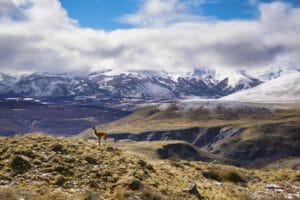
The Castillo San Felipe de Barajas is one of Cartagena’s most important historical landmarks. The fortress was designed to defend the city and contains tunnels, passageways, and elevated viewpoints. It provides an excellent introduction to Cartagena’s military history.
Getsemaní and Cartagena’s Caribbean Atmosphere
Getsemaní is one of Cartagena’s most vibrant neighborhoods. It is known for street art, colorful umbrellas, lively squares, music, cafés, bars, and restaurants. The area has a strong local character and is especially popular with travelers seeking a more informal and creative atmosphere.
Cartagena’s food culture reflects its Caribbean location and diverse history. Visitors can try fresh seafood, coconut rice, fried fish, arepas, tropical fruit, ceviche, plantains, and local desserts.
Travelers who want to visit the beach can take boat trips to nearby islands and coastal areas. The Rosario Islands are popular for snorkeling, swimming, diving, and relaxing on tropical beaches. Conditions vary by season, and travelers should select responsible operators that respect marine ecosystems.
Bogotá, Colombia: Museums, Food, and High-Altitude Culture
Bogotá is one of the best cities to visit in South America for museums, gastronomy, art, history, and contemporary Colombian culture. Located high in the Andes, the capital combines historic neighborhoods with modern districts, creative restaurants, universities, parks, galleries, and cultural institutions.
La Candelaria is the city’s historic center and one of its most interesting areas. Its colorful buildings, churches, museums, cafés, and narrow streets make it a popular place for walking tours. The Gold Museum is especially important because it contains an impressive collection of pre-Columbian goldwork and cultural artifacts.
The Botero Museum is another major attraction. It displays works by Colombian artist Fernando Botero alongside pieces from his personal collection. Visitors interested in art can also explore galleries and cultural centers throughout the city.
Monserrate and Bogotá’s Food Scene
Monserrate is a mountain overlooking Bogotá and one of the city’s most famous viewpoints. Visitors can reach the summit by cable car, funicular, or on foot through a designated route. From the top, the view across the enormous capital is impressive, although clouds and weather can affect visibility.
Bogotá has a diverse culinary scene. Traditional dishes include ajiaco, a hearty soup made with chicken, potatoes, and herbs; arepas; tamales; empanadas; and a variety of regional Colombian specialties. The city also has modern restaurants that reinterpret ingredients from Colombia’s Caribbean, Pacific, Amazonian, and Andean regions.
Because Bogotá is at high altitude, some travelers need time to adjust. Taking the first day slowly, drinking water, and avoiding excessive physical exertion can make the visit more comfortable.
The Galápagos Islands, Ecuador: A World-Class Wildlife Destination
The Galápagos Islands are among the best places to visit in South America for wildlife, marine experiences, and nature conservation. Located in the Pacific Ocean and administered by Ecuador, the archipelago is famous for its unique species, volcanic landscapes, clear waters, and connection to Charles Darwin’s studies of evolution.
The islands are home to giant tortoises, marine iguanas, sea lions, blue-footed boobies, frigatebirds, penguins, sea turtles, and many other animals. Several species are endemic, meaning they are found naturally in this region and nowhere else.
Santa Cruz, San Cristóbal, and Isabela are among the most visited islands. Each has a different character. Santa Cruz offers access to wildlife sites, highland landscapes, beaches, and conservation centers. San Cristóbal is known for sea lions, coastal scenery, and visitor-friendly excursions. Isabela features volcanic landscapes, lagoons, beaches, and opportunities to observe marine life.
Snorkeling, Diving, and Responsible Tourism in the Galápagos
The Galápagos Islands provide outstanding opportunities for snorkeling and diving. Travelers may swim near sea lions, observe sea turtles, see colorful fish, and explore underwater volcanic environments. Water temperatures vary throughout the year, so a wetsuit may be useful during cooler periods.
Wildlife protection is central to the Galápagos experience. Visitors should never feed animals, touch wildlife, remove rocks or shells, or leave waste behind. Travelers should follow official park instructions and use licensed guides when required.
The Galápagos Islands can be expensive because of flights, park fees, accommodation, guided excursions, and transportation between islands. However, the opportunity to observe wildlife in its natural environment makes the destination exceptional.
The Amazon Rainforest: South America’s Greatest Wilderness
The Amazon rainforest is one of the best places to visit in South America for biodiversity, adventure, and immersive nature experiences. The rainforest extends across several countries, including Brazil, Peru, Colombia, Ecuador, Bolivia, and Venezuela. It contains rivers, wetlands, dense forests, Indigenous territories, wildlife habitats, and an extraordinary variety of plants and animals.
Travelers can explore the Amazon through river cruises, eco-lodges, guided forest walks, canoe trips, birdwatching tours, fishing excursions, and nighttime wildlife expeditions. The experience differs depending on the country and gateway.
Manaus in Brazil is a major entry point for Amazon journeys. Visitors can take boat trips along the Amazon River and explore surrounding forest areas. In Peru, Iquitos is a popular gateway to rainforest lodges and river excursions. In Ecuador, destinations connected to Yasuní National Park provide opportunities for wildlife observation and community-based tourism. Colombia’s Leticia is another important access point.
Wildlife and Indigenous Communities in the Amazon
The Amazon is home to monkeys, sloths, macaws, river dolphins, caimans, anacondas, jaguars, insects, amphibians, and countless plant species. Wildlife sightings depend on the season, location, guide, and length of stay.
A responsible Amazon trip should prioritize conservation and local communities. Travelers should choose operators that employ local guides, support protected areas, avoid exploiting wildlife, and respect Indigenous customs and territories.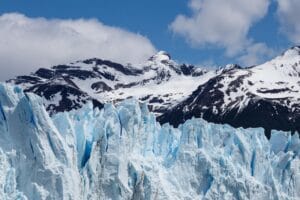
The rainforest is hot, humid, and physically demanding. Visitors should bring breathable clothing, waterproof bags, insect protection, comfortable shoes, drinking water, and any necessary medication. A multi-day stay is generally more rewarding than a short excursion because it allows more time for wildlife observation and forest activities.
Atacama Desert, Chile: The Driest Desert Landscapes
The Atacama Desert in northern Chile is one of the best places to visit in South America for dramatic scenery, astronomy, and unusual geological formations. The desert is famous for its dry climate, salt flats, volcanoes, lagoons, sand dunes, geysers, and landscapes that appear almost otherworldly.
San Pedro de Atacama is the main tourist base. The town has adobe-style buildings, restaurants, hotels, tour agencies, and access to the desert’s major attractions. From here, visitors can explore Valle de la Luna, Valle de la Muerte, high-altitude lagoons, geyser fields, and salt formations.
Valle de la Luna is especially popular around sunset. The landscape contains ridges, dunes, salt-covered surfaces, and unusual rock formations. The changing colors of the desert create a memorable visual experience.
Stargazing in the Atacama Desert
The Atacama Desert is internationally recognized for astronomy because of its clear skies, dry climate, and low levels of light pollution. Stargazing tours allow visitors to observe planets, constellations, galaxies, and other celestial objects through professional telescopes.
The high-altitude landscapes can be cold at night even when daytime temperatures are warm. Travelers should bring layers, a warm jacket, gloves, and suitable footwear.
Altitude is another important consideration. Some excursions travel to elevations above 4,000 meters, where visitors may experience altitude-related symptoms. Travelers should acclimatize gradually and avoid rushing into strenuous activities.
Quito, Ecuador: Colonial History Near the Equator
Quito is one of the best places to visit in South America for colonial architecture, art, history, mountain scenery, and Ecuadorian culture. The capital is located high in the Andes and is known for its historic center, churches, plazas, museums, and views of surrounding mountains.
Quito’s historic center is one of the best-preserved colonial areas in Latin America. Visitors can explore Plaza Grande, the Metropolitan Cathedral, the Church of San Francisco, La Compañía de Jesús, and historic streets filled with shops and cafés.
La Compañía de Jesús is particularly famous for its richly decorated interior. The city’s religious architecture reflects a mixture of European artistic traditions and local influences. Museums and cultural centers provide further insight into Ecuador’s history and identity.
TelefériQo and Mitad del Mundo
The TelefériQo carries visitors up the slopes of Pichincha Volcano and provides spectacular views over Quito. The upper area offers walking routes, mountain scenery, and opportunities to experience the high-altitude environment.
Mitad del Mundo, located outside the central city, is associated with the equator and is a popular attraction for visitors interested in geography and science. Travelers can learn about the equator through exhibitions, demonstrations, and cultural displays.
Quito is located at a high elevation, so visitors should allow time to adjust. The city can be explored through museums, walking tours, viewpoints, markets, and day trips to nearby natural attractions.
Lima, Peru: Gastronomy and Pacific Coast Culture
Lima is one of the best places to visit in South America for food, history, museums, and coastal city life. Peru’s capital combines Spanish colonial architecture, pre-Columbian archaeological sites, modern neighborhoods, oceanfront parks, and one of the continent’s most celebrated culinary scenes.
The historic center includes Plaza Mayor, the Cathedral of Lima, government buildings, churches, and colonial streets. Visitors can learn about Peru’s complex history through museums, monuments, and guided tours.
Miraflores and Barranco are two of Lima’s most popular neighborhoods. Miraflores offers ocean views, parks, restaurants, shopping centers, and coastal walking routes. Barranco is known for its artistic atmosphere, colorful buildings, galleries, cafés, and the famous Bridge of Sighs.
Peruvian Cuisine in Lima
Lima is widely considered one of the leading food destinations in South America. Travelers should try ceviche, causa, lomo saltado, anticuchos, ají de gallina, and a variety of Peruvian desserts.
The city’s restaurants range from traditional family-run establishments to internationally recognized fine-dining venues. Peru’s culinary identity reflects Indigenous, Spanish, African, Chinese, Japanese, and other cultural influences.
Lima is also a convenient starting point for exploring other parts of Peru. Travelers often combine the capital with Cusco, the Sacred Valley, Machu Picchu, Arequipa, Lake Titicaca, or the northern archaeological sites.
Santiago, Chile: Urban Life Beneath the Andes
Santiago is one of the best cities to visit in South America for museums, modern urban culture, restaurants, shopping, wine, and access to the Andes Mountains. Chile’s capital offers a mixture of historic buildings, contemporary neighborhoods, parks, cultural centers, and mountain viewpoints.
The Plaza de Armas is the historic heart of Santiago. Nearby attractions include the Metropolitan Cathedral, Central Market, museums, and historic streets. The city’s cultural institutions provide insight into Chilean history, art, and politics.
Cerro San Cristóbal offers panoramic views over Santiago, especially on clear days when the Andes are visible in the distance. Parque Metropolitano provides green spaces, walking paths, viewpoints, and recreational areas.
Wine Regions and Day Trips from Santiago
Santiago is an excellent base for visiting Chile’s wine regions. The Maipo Valley is known for vineyards and wine production, while the Casablanca Valley is associated with cool-climate wines. Organized wine tours often include vineyard visits, tastings, food pairings, and explanations of Chilean winemaking.
Travelers can also take trips toward the Andes, coastal cities, and historic towns. Valparaíso is famous for its colorful hills, street art, historic funiculars, and Pacific Ocean views. Viña del Mar is known for beaches, gardens, and seaside attractions.
La Paz, Bolivia: A Dramatic Andean Capital
La Paz is one of the most visually striking cities in South America. Located in a deep valley surrounded by high mountains, the city is known for its steep streets, cable cars, markets, Indigenous culture, and spectacular urban landscape.
The city’s cable-car system is not only a practical form of transportation but also a major tourist experience. From above, visitors can observe dense neighborhoods, mountains, valleys, and the unusual geography of La Paz.
The Witches’ Market is a famous attraction where visitors can find traditional items, herbs, crafts, textiles, and objects connected to local beliefs. Travelers should approach cultural traditions respectfully and avoid treating sacred practices as entertainment.
Valle de la Luna and Tiwanaku
Valle de la Luna near La Paz contains eroded clay formations that create a maze of spires and narrow pathways. The landscape is very different from the city’s surrounding mountains and offers an interesting short excursion.
Tiwanaku, located outside La Paz, is one of the most important archaeological sites in Bolivia. The ancient ceremonial center provides insight into a civilization that existed before the rise of the Inca Empire.
La Paz is located at very high altitude. Visitors should plan time for acclimatization, drink water, avoid intense exercise during the first days, and be aware of altitude-related symptoms.
Montevideo, Uruguay: Relaxed Coastal Culture
Montevideo is one of the best places to visit in South America for relaxed urban life, coastal walks, historic architecture, and a slower travel experience. Uruguay’s capital is located along the Río de la Plata and combines beaches, cafés, public markets, museums, and traditional neighborhoods.
The Ciudad Vieja, or Old City, contains historic streets, plazas, galleries, museums, and the Mercado del Puerto. The market is a popular place to experience Uruguayan grilled meat and local food traditions.
The Rambla is one of Montevideo’s defining features. This long coastal promenade is used by residents for walking, cycling, jogging, fishing, and socializing. It provides beautiful views of the water and is particularly enjoyable around sunset.
Punta del Este and Uruguay’s Coast
Travelers visiting Uruguay may also explore Punta del Este, a popular coastal resort known for beaches, restaurants, art, and nightlife. The destination becomes especially busy during the summer season.
Colonia del Sacramento is another important destination. Its historic quarter contains cobbled streets, old buildings, a lighthouse, and peaceful riverside views. It is a popular side trip from Montevideo or Buenos Aires.
Salvador da Bahia, Brazil: Music, History, and Afro-Brazilian Culture
Salvador da Bahia is one of the best places to visit in South America for cultural heritage, music, colorful architecture, food, and coastal scenery. The city has a strong Afro-Brazilian identity that influences its religion, dance, music, cuisine, and festivals.
Pelourinho is the historic center and is famous for its brightly colored colonial buildings, churches, plazas, and cultural performances. Visitors can explore museums, artisan shops, restaurants, and historic streets.
Salvador’s food culture includes acarajé, moqueca, vatapá, coconut-based dishes, seafood, and tropical fruit. Music and dance are central to the city’s atmosphere, and visitors may encounter capoeira performances and local cultural events.
The city also offers beaches and coastal excursions. Travelers should plan carefully, use reliable transportation, and ask local accommodation providers about areas and times that are best for walking.
Fernando de Noronha, Brazil: Protected Island Beauty
Fernando de Noronha is one of Brazil’s most beautiful island destinations and one of the best places to visit in South America for beaches, diving, snorkeling, and marine wildlife. The archipelago is known for clear water, volcanic landscapes, dramatic cliffs, sea turtles, dolphins, and protected ecosystems.
Because Fernando de Noronha is environmentally sensitive, visitor numbers and activities are regulated. Travelers may need to pay environmental fees and obtain access to protected areas. These requirements can change, so visitors should consult official information before traveling.
The island is best suited to travelers who appreciate nature and are willing to follow conservation rules. Activities include boat trips, snorkeling, diving, hiking, wildlife observation, and beach visits.
The Pantanal, Brazil: South America’s Wildlife Haven
The Pantanal is one of the best places to visit in South America for wildlife watching. This enormous tropical wetland is located mainly in Brazil, with parts extending into Bolivia and Paraguay. It contains rivers, grasslands, seasonal wetlands, forests, and a rich variety of animals.
The region is especially known for opportunities to observe jaguars, caimans, capybaras, giant otters, macaws, herons, monkeys, and many other species. Wildlife experiences are usually organized through lodges, boat trips, safari vehicles, horseback rides, and guided walks.
The dry season is often favorable for wildlife viewing because animals gather around remaining water sources. However, the best time depends on the region and the specific species travelers hope to see.
The Pantanal is remote, and transport can be complicated. Visitors should use experienced operators, carry suitable clothing and insect protection, and respect wildlife-viewing distances.
Arequipa and Colca Canyon, Peru
Arequipa is one of Peru’s most attractive cities and an excellent destination for architecture, history, food, and access to the surrounding mountains. The city is known for buildings made from pale volcanic stone, elegant plazas, churches, monasteries, and views of nearby volcanoes.
The Santa Catalina Monastery is one of Arequipa’s most famous attractions. Its colorful streets, courtyards, walls, and religious history make it an atmospheric place to explore.
Arequipa is also a gateway to Colca Canyon, one of the deepest canyons in the world. Visitors can admire dramatic landscapes, traditional villages, terraced hillsides, and the flight of Andean condors. Because the region is mountainous, travelers should plan carefully and allow time for altitude adjustment.
Easter Island, Chile: Ancient Moai and Polynesian Heritage
Rapa Nui, also known as Easter Island, is one of the most remote and culturally fascinating destinations in South America. Although geographically isolated in the Pacific Ocean, it is part of Chile and is famous for its monumental moai statues.
The moai were created by the Rapa Nui people and remain symbols of the island’s cultural heritage. Visitors can explore archaeological sites, volcanic craters, ceremonial platforms, beaches, caves, and traditional cultural attractions.
Travel to Rapa Nui requires additional planning because flights are limited and the island is far from mainland South America. Visitors should respect archaeological restrictions, avoid climbing protected monuments, and learn about Rapa Nui culture through responsible local guides and cultural institutions.
Asunción, Paraguay: An Emerging Cultural Destination
Asunción is one of the best places to visit in South America for travelers interested in lesser-known capitals, local culture, historic buildings, markets, and a relaxed atmosphere. Paraguay’s capital is situated along the Paraguay River and offers a mixture of colonial heritage, modern cafés, public parks, and traditional neighborhoods.
Visitors can explore the historic center, government buildings, museums, markets, and riverside areas. Paraguayan food includes dishes based on corn, cassava, cheese, meat, and local herbs. Travelers should try sopa paraguaya, chipa, mbejú, and other regional specialties.
Asunción is often overlooked by international travelers, which makes it attractive for visitors who want to explore beyond the continent’s most famous destinations.
Best Time to Visit South America
There is no single best time to visit all of South America because the continent contains several climate zones and lies across both tropical and temperate regions. The ideal travel season depends on the countries and activities included in an itinerary.
The Andes and southern Patagonia are often most accessible during the warmer months, generally from late spring through early autumn in the Southern Hemisphere. Patagonia’s summer season is popular for hiking, although weather can change quickly.
Peru’s Andes are commonly visited during the drier months, but conditions vary between Cusco, Machu Picchu, the Amazon, and the coast. The Amazon remains warm and humid throughout the year, while water levels influence river travel and wildlife experiences.
Brazil’s coastal destinations are popular during the Southern Hemisphere summer, but major cities and natural attractions can be visited throughout the year. The Galápagos Islands are also open year-round, although wildlife activity, water temperatures, and weather vary by season.
Travel Safety in South America
South America offers extraordinary travel experiences, but visitors should take normal precautions and research the conditions of each destination. Safety conditions vary between countries, cities, neighborhoods, and transport routes.
Travelers should keep valuables secure, avoid displaying expensive electronics, use reliable transportation, and ask local accommodation providers about areas to avoid. In large cities, it is often better to use registered taxis, reputable ride-hailing services, or transportation recommended by hotels.
Visitors should also keep copies of important documents, purchase suitable travel insurance, and maintain access to emergency contact information. Remote destinations require additional planning because medical facilities, mobile coverage, and transportation may be limited.
Suggested Three-Week South America Itinerary
A three-week itinerary could combine Peru, Bolivia, and Chile. Travelers might begin in Lima, continue to Cusco and Machu Picchu, travel through the Sacred Valley, and then move toward Bolivia.
La Paz and the Uyuni Salt Flats can provide an unforgettable Bolivian experience. The journey may then continue to San Pedro de Atacama in Chile, followed by Santiago.
Another three-week route could focus on Argentina and Chilean Patagonia. Travelers could explore Buenos Aires, fly to El Calafate, visit Perito Moreno Glacier, hike in El Chaltén, and continue toward Torres del Paine in Chile.
Conclusion
The best places to visit in South America depend on the type of experience you want. Machu Picchu is ideal for ancient history and mountain scenery, while Rio de Janeiro is perfect for beaches, nightlife, and iconic views. Buenos Aires offers architecture, tango, and food, while Patagonia provides extraordinary wilderness and hiking. The Galápagos Islands and the Amazon are exceptional for wildlife, and the Uyuni Salt Flats and Atacama Desert offer landscapes unlike anywhere else.
South America is not a destination that can be fully experienced in one short trip. Its distances, cultures, ecosystems, and landscapes are too varied. The most rewarding approach is to choose a region, plan carefully, and leave enough time to enjoy each destination without rushing.
- Peru Travel – Official tourism information
- Brazil Travel – Official Brazilian tourism information
- Argentina Travel – Official tourism information
- Chile Travel – Official Chilean tourism information
- Colombia Travel – Official Colombian tourism information
- Ecuador Travel – Official tourism information
- Bolivia Travel – Official tourism information
- UNESCO World Heritage Centre
- South America destination overview from Lonely Planet
- South America destination recommendations from Travel + Leisure
Author

Related posts
Best Places to Visit in Mont-Saint-Michel
- 0
- 4,964 words
Best Places to Visit in Mont-Saint-Michel , France Mont-Saint-Michel is one of the most extraordinary destinations in France and one of the...
Read out all
UNGA
- 0
- 5,649 words
UNGA (United Nations General Assembly ) The United Nations General Assembly, commonly known as the UN General Assembly or UNGA, is one...
Read out all
Best Places to Visit in Kathmandu
- 0
- 4,089 words
Best Places to Visit in Kathmandu , Nepal Kathmandu, the capital of Nepal, is one of South Asia’s most fascinating travel destinations....
Read out all
Best Places to Visit in Vilnius
- 0
- 5,246 words
Best Places to Visit in Vilnius , Lithuania Vilnius, the capital of Lithuania, is one of the most fascinating destinations in the...
Read out all
Best Places to Visit in Riga
- 0
- 6,005 words
Best Places to Visit in Riga , Latvia Riga, the capital of Latvia, is one of the most fascinating destinations in the...
Read out all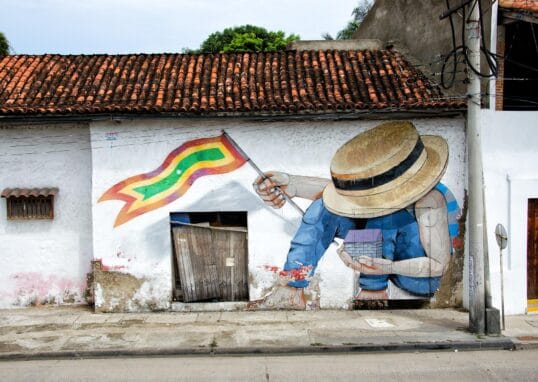
Best Places to Visit in Cartagena
- 0
- 4,522 words
Best Places to Visit in Cartagena , Colombia Cartagena de Indias is a historic Caribbean city on Colombia’s northern coast and one...
Read out all