

Best Things to Do in Cape Town , South Africa
Cape Town is one of the world’s most spectacular city destinations, combining dramatic mountains, Atlantic Ocean beaches, historic neighborhoods, wildlife, botanical gardens, vineyards, contemporary culture, and an exceptionally diverse food scene. Often called the Mother City, Cape Town sits beneath the unmistakable silhouette of Table Mountain and provides an unusual combination of urban experiences and natural landscapes. Cape Town Tourism describes the city as a modern, cosmopolitan destination surrounded by nature, with major attractions ranging from Table Mountain and Robben Island to beaches, wine estates, cultural districts, and outdoor adventures.
For travelers searching for the best things to do in Cape Town, the city offers far more than a conventional sightseeing itinerary. You can take the cableway to the top of Table Mountain, explore the historic streets of Bo-Kaap, visit Robben Island, see African penguins at Boulders Beach, drive along the Cape Peninsula, explore Cape Point, walk through Kirstenbosch National Botanical Garden, taste wine in Constantia, enjoy sunset at Camps Bay, shop and dine at the V&A Waterfront, and discover some of South Africa‘s finest restaurants.
Cape Town is particularly appealing because attractions are not isolated from one another. A single day can combine mountain scenery, ocean views, historical sites, local cuisine, and neighborhood exploration. The city’s geography makes this possible: the central urban area is surrounded by mountains, coastline, beaches, and the Cape Peninsula.
Why Cape Town Is Worth Visiting
Cape Town is worth visiting because very few major cities offer such immediate access to dramatic natural scenery. In many destinations, travelers need to leave the city before finding mountains, beaches, wildlife, vineyards, or hiking trails. In Cape Town, these experiences are woven directly into the urban landscape.
Table Mountain dominates the skyline, while the Atlantic Ocean provides a spectacular backdrop along the western side of the city. The Cape Peninsula extends southward into a landscape of cliffs, beaches, fynbos vegetation, nature reserves, and historic coastal settlements.
Cape Town Tourism highlights the city’s combination of biodiversity, beaches, food, wine, culture, and outdoor experiences as key reasons for its international popularity.
The city is also an excellent base for exploring the Western Cape. Travelers can take day trips to Stellenbosch, Franschhoek, Paarl, Hermanus, or other destinations in the Cape Winelands and surrounding region.
Visit Table Mountain
No visit to Cape Town is complete without experiencing Table Mountain. The flat-topped mountain is the city’s most recognizable natural landmark and provides extraordinary views across Cape Town, Table Bay, the Atlantic Ocean, and surrounding mountains.
Table Mountain is part of the Cape Floral Region and is recognized for its remarkable biodiversity. Cape Town Tourism describes the mountain as a World Heritage Site and one of the city’s defining attractions.
For first-time visitors, the most convenient way to reach the summit is the Table Mountain Aerial Cableway. The rotating cable cars provide panoramic views during the ascent, turning the journey itself into a sightseeing experience.
Once at the summit, visitors can walk along several paths and viewpoints. The landscape is much larger than the cableway station area, so it is worth allowing enough time to explore rather than simply taking a photograph and immediately returning.
Take the Table Mountain Cableway
The Table Mountain Cableway is one of the most popular tourist experiences in Cape Town.
The cable cars rotate during the journey, allowing passengers to enjoy changing views of the city and surrounding mountains. From the upper station, visitors can see the Cape Town City Bowl, Signal Hill, Lion’s Head, Robben Island, Table Bay, and the Atlantic coastline on clear days.
Weather is extremely important. Strong wind, clouds, or poor visibility can affect operations and views, so travelers should check the official operating information on the day they intend to visit.
Cape Town Tourism lists the Table Mountain Aerial Cableway among its leading attractions and describes the cable car as a state-of-the-art experience.
Hike Table Mountain
Travelers who prefer adventure can hike to the top of Table Mountain rather than using the cableway.
Several routes provide access to the mountain, with difficulty varying considerably. Platteklip Gorge is among the best-known routes and provides a direct ascent, but the climb can be demanding because of the steep elevation gain.
Hiking Table Mountain should not be treated as a casual stroll. Conditions can change rapidly, and hikers should carry sufficient water, wear appropriate footwear, check weather conditions, and avoid unfamiliar routes without proper preparation.
For experienced hikers, reaching the summit under your own power can be one of the most rewarding things to do in Cape Town.
Explore the Table Mountain Summit
The summit of Table Mountain offers more than a single viewpoint.
Walking along the plateau reveals different perspectives of Cape Town, the Atlantic Ocean, surrounding mountains, and the rugged landscape of the national park.
The plateau’s distinctive vegetation is also part of the attraction. The Cape Floral Region contains an extraordinary variety of plant species, making Table Mountain interesting for nature lovers as well as photographers.
Hike Lion’s Head
Lion’s Head is another iconic Cape Town mountain and is especially popular for sunrise and sunset hikes.
Unlike the flat summit of Table Mountain, Lion’s Head has a distinctive rounded peak. The trail provides spectacular views toward Table Mountain, Camps Bay, the Atlantic coastline, and the city.
The hike is particularly famous around full-moon periods, when people attempt evening or nighttime climbs. However, visitors should take additional care after dark and should not underestimate the terrain.
Lion’s Head is one of the best places in Cape Town for panoramic photography.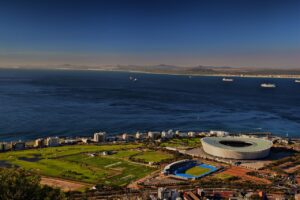
Watch the Sunset from Signal Hill
Signal Hill provides another spectacular viewpoint over Cape Town.
The mountain is easier to access by road than many hiking destinations, making it particularly popular for sunset viewing.
From the slopes and viewpoints, visitors can see the City Bowl, Table Bay, Robben Island, the Atlantic coastline, and the surrounding mountains.
A sunset at Signal Hill is one of the simpler ways to experience Cape Town’s dramatic geography without committing to a strenuous hike.
Explore the V&A Waterfront
The V&A Waterfront is one of Cape Town’s most popular visitor destinations and an excellent place to combine shopping, dining, entertainment, history, museums, and waterfront scenery.
The destination is located around the historic working harbor and offers restaurants, hotels, shops, museums, entertainment venues, and attractions. Cape Town Tourism states that the Waterfront has more than 500 retail stores, more than 80 eateries, five museums, and year-round entertainment.
The V&A Waterfront is also the departure point for Robben Island ferries and provides access to attractions such as the Two Oceans Aquarium and Zeitz MOCAA.
Because of the number of activities available, it is easy to spend several hours or an entire day here.
Ride the Cape Wheel
The Cape Wheel offers panoramic views across the V&A Waterfront, Table Mountain, Cape Town’s harbor, and the surrounding city.
It is particularly suitable for travelers who want impressive views without hiking.
The wheel is located at the Waterfront and is also a good option for families and photographers.
The attraction is currently listed among the Waterfront’s major experiences and operates into the evening on selected days.
Visit Zeitz MOCAA
The Zeitz Museum of Contemporary Art Africa, usually called Zeitz MOCAA, is one of Cape Town’s most distinctive museums.
The museum occupies a converted historic grain silo complex at the V&A Waterfront. The architecture itself is a major attraction, with the original industrial structure transformed into an impressive contemporary art space.
South African Tourism describes Zeitz MOCAA as the first major museum dedicated to contemporary art from Africa and its diaspora on the African continent.
The museum is an excellent choice for travelers interested in contemporary African artists, architecture, design, photography, and modern cultural movements.
Visit the Two Oceans Aquarium
The Two Oceans Aquarium is another major V&A Waterfront attraction.
The aquarium introduces visitors to marine life associated with the Atlantic and Indian Ocean environments around southern Africa.
It is particularly popular with families but also provides an interesting educational experience for adults interested in marine ecosystems.
The aquarium’s location makes it easy to combine with the Waterfront’s restaurants, shops, museums, and harbor attractions.
Explore the Watershed
The Watershed is a creative retail and design space where visitors can discover locally made crafts, fashion, jewelry, homeware, art, and design products.
It is a particularly good place to look for souvenirs that are more distinctive than conventional tourist merchandise.
Cape Town Tourism describes the Watershed as a major center for craft and design with hundreds of local brands.
Visit Robben Island
A visit to Robben Island is one of the most important historical experiences in Cape Town.
The island is internationally associated with South Africa’s apartheid history and with Nelson Mandela, who spent many years imprisoned there.
Tours generally include a ferry journey from the V&A Waterfront and a guided experience on the island.
The experience is more than a conventional tourist attraction because it connects visitors directly with one of the most important chapters of South African history.
South African Tourism recommends booking Robben Island in advance because demand can be high.
Learn About Nelson Mandela’s Prison Years
One of the most significant parts of the Robben Island experience is learning about Nelson Mandela’s imprisonment.
The site provides historical context about apartheid, political imprisonment, resistance, and South Africa’s eventual transition toward democracy.
For international visitors who want to understand South African history, Robben Island is one of the most meaningful attractions in Cape Town.
Explore the Bo-Kaap
The Bo-Kaap is one of Cape Town’s most recognizable neighborhoods.
It is famous for brightly colored houses, cobbled streets, Islamic heritage, Cape Malay culture, and distinctive architecture.
Walking through Bo-Kaap provides an opportunity to see a different side of Cape Town’s cultural history.
The neighborhood is particularly popular with photographers because of its colorful façades and views toward Table Mountain.
Learn About Cape Malay Culture
Bo-Kaap has deep connections to Cape Malay history and Muslim communities in Cape Town.
The neighborhood’s food, architecture, religious heritage, and traditions reflect centuries of cultural development.
Visitors should approach the neighborhood respectfully because it is a living residential community rather than simply an open-air museum.
Visit the Bo-Kaap Museum
The Bo-Kaap Museum provides additional historical context about the neighborhood and the people who have lived there.
A museum visit can make a walking tour much more meaningful because it explains the cultural history behind the colorful architecture.
Travelers interested in Cape Town history should consider combining Bo-Kaap with District Six and other historical sites.
Explore the Company’s Garden
The Company’s Garden is a historic green space in the heart of Cape Town.
The garden provides a peaceful contrast to the busy city center and is surrounded by important cultural institutions, historic buildings, museums, and government landmarks.
It is a convenient place to include in a walking itinerary through central Cape Town.
Visit the South African Museum
The South African Museum provides insight into South Africa’s natural and cultural history.
Its collections include subjects related to archaeology, anthropology, paleontology, zoology, and the country’s diverse heritage.
For families and travelers interested in science and history, the museum can complement outdoor attractions such as Table Mountain and Kirstenbosch.
Explore District Six
District Six is one of Cape Town’s most important historical areas.
The neighborhood became internationally known because of the forced removals that took place under apartheid.
The District Six Museum preserves memories and stories connected with the community that was displaced.
Visiting the museum can provide important context about Cape Town’s twentieth-century history and the lasting effects of apartheid-era policies.
Walk Along the Boomslang Canopy Trail
The Boomslang Canopy Trail is one of Kirstenbosch’s most memorable experiences.
The elevated walkway passes through the trees and provides views across parts of the garden and surrounding landscape.
It is a wonderful location for photography and gives visitors a different perspective of the vegetation.
Attend a Kirstenbosch Summer Concert
Kirstenbosch is also famous for outdoor concerts.
During suitable seasons, performances take place against the backdrop of Table Mountain.
Combining live music, gardens, sunset scenery, and a picnic creates one of the most atmospheric evening experiences in Cape Town.
Explore the Cape of Good Hope
The Cape of Good Hope is one of the most famous locations on the Cape Peninsula.
The rocky coastline, rugged hills, native vegetation, and ocean views create a dramatic landscape.
Visitors can explore viewpoints and walking trails while looking for wildlife.
It is important to remember that the Cape of Good Hope is not simply a geographical curiosity; it is part of a protected natural environment with important biodiversity.
Drive Chapman’s Peak Drive
Chapman’s Peak Drive is one of the most scenic coastal roads near Cape Town.
The road winds between mountains and the Atlantic Ocean, creating dramatic viewpoints throughout the journey.
It is especially popular among photographers and road-trip travelers.
Weather and road conditions can affect access, so check current conditions before setting out.
Explore Simon’s Town
Simon’s Town is a historic coastal settlement near Boulders Beach.
The town has a strong maritime and naval heritage and offers restaurants, cafés, harbor scenery, historic buildings, and access to nearby beaches.
It is a pleasant place to stop for lunch during a Cape Peninsula road trip.
Relax at Camps Bay Beach
Camps Bay is one of Cape Town’s most famous beaches.
The beach is backed by the dramatic Twelve Apostles mountain range and offers a classic combination of sand, ocean, mountains, restaurants, and cafés.
Camps Bay is especially popular around sunset.
Although the beach can become busy, its spectacular setting makes it worth visiting.
Visit Clifton Beaches
The Clifton beaches are among Cape Town’s most beautiful urban beaches.
The four beaches are separated by large granite boulders and provide shelter from different wind conditions.
Clifton is particularly attractive during summer when visitors want to combine beach time with city sightseeing.
Visit Groot Constantia
Groot Constantia is one of South Africa’s most historically significant wine estates.
Cape Town Tourism describes it as South Africa’s oldest wine-producing estate and includes it among the city’s Big Six attractions.
Visitors can explore the historic estate, taste wines, learn about winemaking, and enjoy meals in the surrounding area.
For travelers interested in Cape Town wine tours, Groot Constantia is an obvious starting point.
Enjoy Cape Town’s Food Scene
Cape Town has developed into one of Africa’s leading culinary destinations.
The city’s food scene combines South African ingredients with influences from Cape Malay, African, European, Asian, and contemporary global cuisines.
Travelers can choose between traditional neighborhood restaurants, food markets, modern tasting menus, seafood restaurants, wine-estate dining, and internationally acclaimed establishments.
The V&A Waterfront alone has more than 80 eateries, according to Cape Town Tourism.
Experience Local Cape Malay Cuisine
Cape Malay cuisine is an essential part of experiencing Cape Town’s cultural identity.
Dishes often combine aromatic spices, meat, vegetables, rice, and traditional cooking methods.
Visitors can explore Cape Malay food in Bo-Kaap and other parts of the city.
Trying local cuisine provides a much deeper connection to Cape Town than eating only familiar international dishes.
Try Fine Dining in Cape Town
Cape Town has an impressive fine-dining scene.
Travelers seeking a special occasion meal can explore restaurants in the City Bowl, Constantia, the V&A Waterfront, and surrounding wine estates.
For example, La Colombe Restaurant is located at Silvermist Wine Estate in Constantia and offers a high-end dining experience surrounded by the Cape landscape.
Reservations are strongly recommended for popular fine-dining restaurants.
Explore the Cape Winelands
Although Constantia is within Cape Town, the wider Cape Winelands provide an even larger wine-tourism experience.
Stellenbosch, Franschhoek, Paarl, and surrounding areas offer historic wine estates, mountain scenery, tasting rooms, restaurants, and accommodation.
A dedicated wine tour is preferable if you intend to taste multiple wines because it avoids the need to drive after drinking.
Explore the Cape Flats and Township Culture
Cape Town’s cultural story extends beyond the tourist center.
Areas such as Khayelitsha and Langa provide insight into contemporary community life and the city’s complex history.
Travelers should choose responsible tours that work with local communities rather than treating residential areas as spectacles.
Community-led experiences can provide meaningful perspectives on South African culture, entrepreneurship, food, music, and history.
Enjoy a Sunset Cruise
A sunset cruise from the V&A Waterfront is one of the best romantic things to do in Cape Town.
The boat provides views back toward Table Mountain and the city while the sun sets over the Atlantic.
Different operators offer different styles of cruises, from casual harbor trips to more luxurious sailing experiences.
Try Stand-Up Paddleboarding
Stand-up paddleboarding is another popular water activity.
The V&A Waterfront’s Canal District provides opportunities for paddling in a more sheltered urban environment, while more experienced participants may choose coastal locations when conditions permit.
Cape Town Tourism specifically highlights kayaking and stand-up paddling around the Waterfront’s Canal District.
Take a Helicopter Flight
For travelers seeking a luxury experience, a helicopter flight over Cape Town offers extraordinary aerial views.
Flying above the city provides a perspective that combines Table Mountain, the Atlantic coastline, Robben Island, the City Bowl, and surrounding mountains.
It is one of the most memorable photography experiences available in the city.
Explore Cape Town by Bicycle
Cycling can be a rewarding way to explore Cape Town’s coastal areas.
The Sea Point Promenade, Green Point, Waterfront, and other relatively accessible areas can be explored by bike.
For longer cycling trips, dedicated tours can take visitors along the peninsula or surrounding countryside.
Visit the Cape Peninsula by Car
A Cape Peninsula road trip is one of the best ways to experience the diversity of Cape Town.
A classic route can include Camps Bay, Hout Bay, Chapman’s Peak Drive, Noordhoek, Simon’s Town, Boulders Beach, Cape Point, and the Cape of Good Hope.
Because there are so many viewpoints and attractions, travelers should start early and allow plenty of time.
Visit Noordhoek
Noordhoek provides a more rural coastal atmosphere than central Cape Town.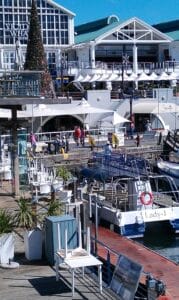
The area is known for its long beach, mountain scenery, horses, restaurants, and relaxed lifestyle.
It is an excellent place to slow down during a Cape Peninsula drive.
Explore Cape Town’s Art Scene
Cape Town has become one of Africa’s leading contemporary art centers.
Zeitz MOCAA is the most obvious major museum, but galleries throughout the city showcase established and emerging artists.
Woodstock, the city center, and the Waterfront are particularly interesting for art lovers.
Explore Woodstock
Woodstock is known for creative businesses, design studios, street art, cafés, and converted industrial spaces.
The neighborhood has undergone substantial change and provides a different perspective on Cape Town’s contemporary urban culture.
Visitors interested in design, photography, street art, and creative industries should consider including Woodstock in their itinerary.
Discover Cape Town Street Art
Street art is particularly prominent in parts of Woodstock and surrounding neighborhoods.
Guided street-art tours can explain the stories, artists, social issues, and cultural references behind murals.
This is a good option for travelers who want an alternative to conventional museums.
Visit the Iziko Museums
Cape Town’s Iziko museum network includes several major cultural institutions.
These museums cover subjects ranging from natural history and South African history to art and cultural heritage.
For travelers interested in understanding the country rather than simply photographing its scenery, museums are essential.
Walk Through Greenmarket Square
Greenmarket Square is one of Cape Town’s historic public spaces.
The square and surrounding streets provide opportunities to browse crafts, souvenirs, clothing, and local products.
It is located close to many central attractions, making it easy to incorporate into a walking itinerary.
Visit St George’s Cathedral
St George’s Cathedral has an important place in Cape Town’s modern history.
It became associated with Archbishop Desmond Tutu and resistance to apartheid.
For visitors interested in South Africa’s political and religious history, the cathedral provides another perspective on the country’s transition.
Best Things to Do in Cape Town for Families
Cape Town is an excellent family destination because it combines beaches, wildlife, museums, gardens, aquariums, mountains, and interactive attractions.
The Two Oceans Aquarium is particularly convenient for younger children.
The V&A Waterfront also provides restaurants, entertainment, and family-friendly activities in one location.
Older children and teenagers may enjoy Table Mountain, kayaking, surfing lessons, cycling, and the Cape Peninsula.
Best Things to Do in Cape Town for Couples
Cape Town is one of the most romantic destinations in South Africa.
Couples can watch sunset from Signal Hill, take a sunset cruise, enjoy a wine tasting in Constantia, walk through Kirstenbosch, explore the Cape Peninsula, or dine at one of the city’s acclaimed restaurants.
A combination of mountains, beaches, vineyards, and excellent restaurants makes Cape Town particularly suitable for honeymoons and anniversary trips.
Day One: Table Mountain and City Center
Begin with Table Mountain if weather conditions are favorable.
After visiting the mountain, explore the Company’s Garden, museums, Bo-Kaap, Greenmarket Square, and the city center.
End the day with dinner around Bree Street or Kloof Street.
Day Two: Cape Peninsula
Start early and drive toward Hout Bay and Chapman’s Peak.
Continue to Noordhoek, Simon’s Town, and Boulders Beach before exploring Cape Point and the Cape of Good Hope.
Return to Cape Town in the evening.
How to Get Around Cape Town
Cape Town can be explored using a combination of rental cars, ride-hailing services, organized tours, sightseeing buses, and public transportation.
A rental car is particularly useful for the Cape Peninsula and Cape Winelands.
For city-center sightseeing, walking and organized transport can be more convenient.
Visitors should avoid leaving valuable belongings visible inside vehicles and should follow local safety advice when traveling.
Where to Stay in Cape Town
The best area to stay depends on your travel style.
The City Bowl is convenient for museums, restaurants, Bo-Kaap, nightlife, and central sightseeing.
V&A Waterfront is excellent for first-time visitors who want easy access to restaurants, shopping, entertainment, and Robben Island.
Camps Bay is ideal for travelers prioritizing beaches, ocean views, and upscale restaurants.
Sea Point offers a balance between coastal scenery and access to the city.
Constantia is particularly appealing to wine lovers and travelers looking for a quieter environment.
Cape Town Travel Tips
Weather should influence your daily itinerary. Table Mountain and other outdoor attractions are best visited when visibility is good.
Start major road trips early, particularly during busy seasons.
For Robben Island, book ahead and allow flexibility because ferry operations can be affected by weather.
When hiking, use appropriate routes, carry water, check conditions, and avoid hiking alone in unfamiliar areas.
When visiting wildlife locations such as Boulders Beach, observe animals from designated areas and never attempt to touch or feed them.
Is Cape Town Worth Visiting?
Absolutely. Cape Town is one of the most diverse destinations in South Africa and arguably one of the most visually spectacular cities in the world.
Its combination of Table Mountain, beaches, wildlife, wine, history, food, culture, and outdoor adventure makes it suitable for almost every type of traveler.
The city can be relaxing or adventurous depending on how you plan your itinerary.
You can spend the morning hiking a mountain and the afternoon drinking wine in a historic vineyard. You can visit a former prison associated with Nelson Mandela and then eat at a modern African restaurant. You can watch African penguins at Boulders Beach and later watch the sunset over the Atlantic Ocean.
That extraordinary variety is what makes Cape Town so memorable.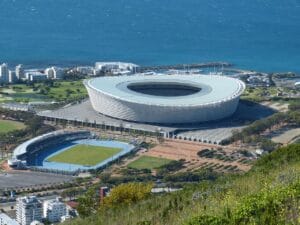
Conclusion
Cape Town is much more than a beautiful city beneath Table Mountain. It is a destination where nature, history, culture, food, wine, wildlife, and adventure come together in a remarkably compact region. For first-time visitors, Table Mountain should be near the top of the itinerary. Whether you take the cableway or hike to the summit, the views provide an immediate understanding of why Cape Town is so famous. Robben Island offers a completely different experience, giving travelers an opportunity to understand South Africa’s political history and the struggle against apartheid.
For current opening hours, weather-related closures, ticket information, transportation details, and official visitor information, use authoritative sources before publishing or planning your trip.
Cape Town Tourism – Top Attractions
Author

Related posts
Best Places to Visit in Dinant
- 0
- 4,895 words
Best Places to Visit in Dinant, Belgium Dinant is one of the most beautiful small towns in Belgium and one of the...
Read out all
Best Places to Visit in Mont-Saint-Michel
- 0
- 4,974 words
Best Places to Visit in Mont-Saint-Michel , France Mont-Saint-Michel is one of the most extraordinary destinations in France and one of the...
Read out all
UNGA
- 0
- 5,649 words
UNGA (United Nations General Assembly ) The United Nations General Assembly, commonly known as the UN General Assembly or UNGA, is one...
Read out all
Best Places to Visit in Kathmandu
- 0
- 4,089 words
Best Places to Visit in Kathmandu , Nepal Kathmandu, the capital of Nepal, is one of South Asia’s most fascinating travel destinations....
Read out all
Best Places to Visit in Vilnius
- 0
- 5,246 words
Best Places to Visit in Vilnius , Lithuania Vilnius, the capital of Lithuania, is one of the most fascinating destinations in the...
Read out all
Best Places to Visit in Riga
- 0
- 6,005 words
Best Places to Visit in Riga , Latvia Riga, the capital of Latvia, is one of the most fascinating destinations in the...
Read out all