

K2 : A Complete Guide to Skardu, Concordia, Baltoro and the Karakoram
K2 is one of the most extraordinary mountain destinations on Earth, rising to 8,611 metres in the Karakoram Range of northern Pakistan on the Pakistan–China border. Known as the world’s second-highest mountain after Mount Everest, K2 is famous not only for its enormous height but also for its dramatic shape, technical climbing routes, glaciers, enormous surrounding peaks and remote wilderness. For travelers interested in mountain tourism, trekking, photography, adventure and cultural exploration, the area surrounding K2 offers much more than the mountain itself.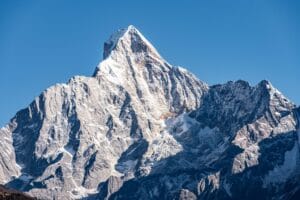
The best places to visit near K2 include Skardu, Shigar Valley, Askole, Concordia, Baltoro Glacier, K2 Base Camp, Broad Peak Base Camp, Deosai National Park, Khaplu Valley, Hushe Valley, Upper Kachura Lake, Satpara Lake, Katpana Cold Desert and several traditional Balti villages. These destinations provide different experiences, ranging from relatively accessible sightseeing around Skardu to demanding high-altitude trekking deep inside the Karakoram. The Government of Gilgit-Baltistan identifies Skardu as the gateway to K2 and describes the traditional K2 route as running from Skardu through Shigar, Dassu and Askole toward Concordia and the Baltoro Glacier.
K2 tourism is therefore best understood as a regional journey rather than a single attraction. A traveler may spend several days exploring Skardu and its lakes, deserts and historic sites before traveling through Shigar Valley toward Askole. Trekkers then enter a completely different world of glaciers, granite towers and high-altitude camps. Those who are not prepared for a K2 Base Camp trek can still experience remarkable scenery through destinations around Skardu and Shigar without undertaking the full expedition.
K2 and the Extraordinary Karakoram Landscape
The geographical setting around K2 is one of the main reasons the region attracts adventurous travelers from around the world. The Karakoram contains some of the highest mountains and most spectacular glaciers on the planet, and the area around Concordia is particularly remarkable because several enormous peaks rise around the meeting point of major glaciers.
K2 itself dominates the landscape, but it is surrounded by other famous mountains including Broad Peak and the Gasherbrum group. Pakistan’s Ministry of Foreign Affairs notes that K2, Nanga Parbat, Rakaposhi, Broad Peak and Gasherbrum I and II are among the major high mountains located in the wider Gilgit-Baltistan region. The same government source highlights Deosai National Park, Skardu, Hunza, Shigar, Khaplu and other destinations as major attractions in the region.
This concentration of mountains makes the K2 region especially attractive to trekkers and landscape photographers. Unlike many famous mountain destinations where the main attraction is visible from a road or viewpoint, K2 becomes increasingly impressive as travelers move deeper into the Karakoram. The journey itself becomes part of the destination.
Skardu: The Main Gateway to K2
For most travelers asking where to go near K2, Skardu should be the first answer. Skardu is the principal gateway for expeditions and trekking routes toward K2, and it is also a major tourist destination in its own right. The Government of Gilgit-Baltistan describes Skardu as a route toward some of the world’s highest peaks and highlights attractions including Kharpocho Fort, Manthal Buddha Rock, Sadpara Lake, Kachura Lakes, Shangrila, Basho Valley, Satpara and Katpana Cold Desert.
Skardu is especially useful because it combines spectacular natural scenery with relatively accessible tourism infrastructure. Visitors can stay in hotels and guesthouses, arrange local transportation, prepare for trekking and explore nearby attractions before beginning a longer journey toward K2.
The town sits in a high mountain valley surrounded by dramatic landscapes. The combination of the Indus River, rocky mountains, cultivated fields, glacial water and surrounding peaks creates a distinctive environment that feels very different from the major cities of Pakistan.
For visitors who have limited time, Skardu itself can provide a rewarding mountain holiday without going all the way to K2 Base Camp. A traveler can combine Kachura Lakes, Satpara Lake, Katpana Cold Desert and Kharpocho Fort in a relatively short itinerary while still experiencing the character of Baltistan.
Kharpocho Fort: Historic Views Over Skardu
Kharpocho Fort, also known as Skardu Fort, is one of the most interesting cultural attractions near K2. Located above Skardu, the historic fort provides views across the valley and demonstrates that the region is more than a wilderness destination.
The fort is particularly valuable for travelers who want to combine cultural tourism with mountain scenery. From elevated positions around the fort, the landscape of Skardu opens into a broad mountain valley, providing excellent opportunities for photography.
The Government of Gilgit-Baltistan lists Kharpocho Fort among the principal tourist attractions of Skardu. Its location also makes it convenient to combine with other attractions around the town.
A visit to Kharpocho Fort can therefore add historical depth to a K2 itinerary. Instead of spending every day looking at mountains, visitors can learn about the history and traditional settlements of Baltistan before beginning an expedition deeper into the Karakoram.
Upper Kachura Lake: One of the Most Beautiful Places Near K2
Upper Kachura Lake is one of the most popular natural attractions near Skardu and one of the best places to visit before or after a K2 adventure. Its clear mountain water, surrounding cliffs and high-altitude setting create an exceptionally scenic landscape.
The Kachura Lakes are officially listed among the major tourist attractions of Skardu by the Government of Gilgit-Baltistan. The lakes are particularly appealing to photographers because the water and surrounding mountains create changing reflections throughout the day.
Upper Kachura is also a useful destination for travelers who want a relatively relaxing experience after a demanding trek. Sitting beside a mountain lake, taking photographs and enjoying the landscape can provide a completely different experience from walking across the Baltoro Glacier.
For SEO searches such as “best lakes near K2,” “best places to visit in Skardu” and “beautiful places near K2 Pakistan,” Upper Kachura Lake is one of the strongest destinations to include.
Shangrila Lake and Resort
Shangrila Lake is another famous destination around Skardu and is frequently included in itineraries for visitors exploring the K2 region. The lake is surrounded by mountains and has become one of the recognizable tourism images associated with Skardu.
The attraction is particularly suitable for travelers who want mountain scenery without committing to a multi-day trek. It can be visited as part of a Skardu sightseeing itinerary together with Kachura Lakes and other nearby attractions.
Shangrila demonstrates an important feature of tourism around K2: not every memorable experience requires entering the remote wilderness. Some of the most beautiful landscapes can be enjoyed before the expedition even begins.
Satpara Lake: A Scenic Mountain Lake Near Skardu
Satpara Lake is another important destination close to Skardu. The lake is surrounded by high mountains and is as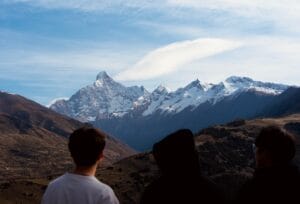 rces of the region.
The Government of Gilgit-Baltistan lists Sadpara Lake among Skardu’s tourist destinations and describes it as one of the major freshwater lakes in the area.
Satpara is especially attractive for visitors interested in landscape photography and peaceful mountain scenery. Its location also makes it a practical stop when planning a longer journey toward Deosai.
A day around Satpara can therefore be combined with other attractions south of Skardu, allowing travelers to experience several contrasting landscapes without traveling deep into the K2 trekking corridor.
Katpana Cold Desert: A Unique Landscape Near K2
One of the most unusual places to visit near K2 is Katpana Cold Desert. A desert surrounded by high mountains may sound contradictory, but the combination of sand dunes, cold temperatures and snow-covered peaks is precisely what makes this place special.
The Government of Gilgit-Baltistan identifies Katpana Cold Desert, also called Nakpo Biama in Balti, as a high-altitude desert near Skardu at approximately 2,226 metres above sea level.
The landscape becomes particularly dramatic when golden sand dunes are contrasted against the surrounding Karakoram mountains. Sunrise and sunset are excellent times for photography because the low-angle light creates strong shadows across the dunes.
Katpana is also one of the easiest ways for a visitor to experience the unusual geography of the Skardu region. You do not need to undertake a high-altitude trek to see it, making it suitable for families, photographers and travelers with limited time.
Sarfaranga Cold Desert and Shigar Valley
Sarfaranga Cold Desert is another fascinating destination on the route toward Shigar. The combination of barren sand, mountain scenery and traditional settlements creates an extraordinary landscape.
The Government of Gilgit-Baltistan lists Sarfaranga Cold Desert among the tourist destinations of Shigar District.
Sarfaranga is particularly interesting because it can form part of a larger cultural and scenic journey to Shigar Fort. Rather than visiting a single attraction and returning immediately to Skardu, travelers can experience a sequence of landscapes as they move through the valley.
This makes the Skardu-to-Shigar route one of the most rewarding short road journeys in the K2 region.
Shigar Valley: The Gateway to the K2 Trek
Shigar Valley is one of the most important places to visit near K2 because it is directly connected to the traditional approach toward Askole and the K2 trekking route.
The Government of Gilgit-Baltistan describes Shigar as the gateway to the great Karakoram and notes that the valley stretches from Skardu toward Askole. The region contains orchards, traditional settlements and historic heritage sites, while the upper valley leads toward the Baltoro Glacier and K2.
Shigar offers travelers a chance to experience Balti culture before entering the remote mountain environment. Fruit orchards, traditional architecture, rivers and dramatic mountain backgrounds make the valley an important destination even for people who do not intend to trek to K2 Base Camp.
For an SEO-focused travel guide, Shigar should be included under keywords such as “places to visit near K2,” “Shigar Valley Pakistan,” “K2 trekking route,” “K2 gateway” and “things to do near Skardu.”
Shigar Fort: A Major Cultural Attraction Near K2
Shigar Fort is one of the most significant heritage attractions in the K2 region. The historic structure reflects the architectural and cultural traditions of Baltistan and has been restored as a heritage property.
The Government of Gilgit-Baltistan describes the fort as approximately 400 years old and highlights its restoration and conservation. It also notes the importance of Amburiq Mosque as another heritage site in the district.
Shigar Fort is especially worthwhile for travelers who want to understand the human history of the Karakoram. Before the modern era of international mountaineering, communities in Baltistan developed distinctive architectural traditions, agricultural systems and trading connections across the mountains.
Visiting the fort provides a useful cultural contrast to the enormous glaciers and peaks that dominate the K2 trekking route.
Amburiq Mosque and Balti Heritage
Amburiq Mosque is another heritage attraction in Shigar Valley. Its traditional construction and historical significance provide an opportunity to explore the cultural identity of the region.
Travelers often focus so heavily on K2 that they overlook the communities through which the expedition routes pass. Visiting historic mosques, villages, forts and traditional homes helps provide a broader understanding of Baltistan.
The Government of Gilgit-Baltistan highlights Amburiq Mosque as an important example of heritage preservation in Shigar.
For cultural travelers, this makes Shigar one of the best places to visit near K2 even if they have no intention of entering the high mountains.
Askole: The Last Major Settlement Before K2 Wilderness
Askole is one of the most important locations for anyone undertaking a K2 Base Camp trek. It is commonly described as the last village or settlement before the trail enters the remote mountain wilderness.
According to the Government of Gilgit-Baltistan, the traditional K2 route travels from Skardu through Shigar and Dassu toward Askole, after which trekkers enter increasingly remote terrain and glaciers.
Askole is therefore different from destinations such as Katpana or Kachura. It is not primarily a conventional sightseeing destination. Instead, its importance comes from its position at the beginning of one of the world’s great trekking routes.
The settlement represents a psychological transition for trekkers. Roads and ordinary transportation gradually give way to walking trails, porters, camps, glaciers and enormous mountain walls.
Travelers should not approach Askole as an improvised day-trip destination. Access conditions, road conditions, weather and expedition arrangements need to be considered carefully.
Concordia: One of the Greatest Mountain Landscapes on Earth
Concordia is arguably the most spectacular destination on the route to K2. It is the area where major glaciers and valleys come together and where trekkers are surrounded by some of the world’s highest mountains.
The traditional K2 trekking route reaches Concordia after crossing the Baltoro Glacier system. The Government of Gilgit-Baltistan describes the route from Askole through Paiyu, Urdukas and Gore to Concordia before continuing toward Broad Peak Base Camp and K2 Base Camp.
Concordia is famous because the surrounding mountain landscape is extraordinarily concentrated. Instead of seeing a single major summit, travelers encounter a panorama of enormous peaks rising around the glacier-covered landscape.
For experienced trekkers and mountaineers, Concordia is one of the strongest reasons to visit the K2 region. Even travelers who do not reach K2 Base Camp may consider Concordia itself a major objective.
Baltoro Glacier: The Great Glacier Route Toward K2
Baltoro Glacier is one of the defining natural features of the K2 trekking experience. The glacier forms part of the approach route toward Concordia and K2 Base Camp.
The Government of Gilgit-Baltistan identifies the Baltoro Glacier as a major feature of the Shigar region and places it at the head of the Braldu Valley.
Walking across a glacier is completely different from ordinary hiking. The terrain can include ice, rocks, streams, uneven surfaces and changing conditions. The visual experience, however, is extraordinary. Trekkers move through a landscape dominated by enormous granite towers, snow-covered peaks and glaciers extending deep into the Karakoram.
A Baltoro Glacier trek should therefore be treated as a serious expedition rather than an ordinary sightseeing tour.
K2 Base Camp: The Ultimate Destination for Trekkers
K2 Base Camp is the ultimate objective for many adventure travelers visiting this region. Reaching the base camp requires a demanding trek through remote mountain terrain and is not comparable to visiting a normal tourist attraction.
The official Gilgit-Baltistan tourism information describes the traditional route from Skardu through Shigar and Askole, followed by the approach to Concordia, Broad Peak Base Camp and K2 Base Camp.
The attraction of K2 Base Camp comes from the journey as much as the final destination. Trekkers experience the Braldu Valley, Baltoro Glacier, Concordia and the surrounding peaks before reaching the mountain’s base.
Visitors should use experienced trekking operators, appropriate equipment and proper logistical planning. Altitude, weather, remoteness and glacier conditions make professional preparation extremely important.
Broad Peak Base Camp
Broad Peak is another major mountain in the K2 region and is located close to the traditional K2 trekking corridor. The approach toward Broad Peak Base Camp is connected to the Concordia area.
The Government of Gilgit-Baltistan specifically describes the route from Concordia toward Broad Peak Base Camp before the final approach to K2 Base Camp.
For mountaineering enthusiasts, the opportunity to see Broad Peak alongside K2 and other major Karakoram mountains makes the region exceptional. The concentration of giant peaks gives the trek an almost unreal scale.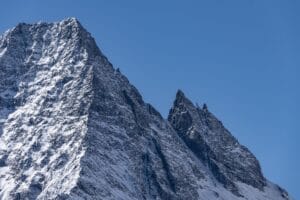
Even travelers primarily interested in K2 will find the surrounding mountains to be a major part of the experience.
Deosai National Park: A Completely Different Side of the Region
Deosai National Park is one of the best places to visit near K2 if you want to experience a landscape completely different from glaciers and vertical mountain walls.
Deosai is a vast high-altitude alpine plateau located between Skardu and Astore. The Government of Gilgit-Baltistan states that the plateau has an average elevation of approximately 4,114 metres and is famous for Himalayan marmots, brown bears, wildflowers and Sheosar Lake.
The landscape of Deosai is remarkable because it feels unusually open at such a high altitude. Instead of narrow valleys and enormous cliffs, travelers encounter broad grasslands and rolling alpine terrain surrounded by distant mountains.
Deosai is especially attractive for wildlife enthusiasts and photographers. The Himalayan brown bear is one of the region’s most famous animals, although seeing wildlife in its natural environment is never guaranteed.
Sheosar Lake: The Beautiful Lake of Deosai
Sheosar Lake is one of the highlights of Deosai National Park. Its high-altitude location and surrounding alpine landscape make it one of the most photogenic places in the wider Skardu region.
The Government of Gilgit-Baltistan identifies Sheosar Lake as a major attraction within Deosai and notes the wildflowers and butterflies that can appear during the warmer season.
A visit to Sheosar Lake is best combined with a larger Deosai journey rather than treated as an ordinary lake excursion. The high-altitude road and weather conditions mean travelers should plan carefully and use suitable vehicles.
The contrast between Deosai and the rocky landscapes around K2 is one of the reasons a longer Baltistan itinerary can be so rewarding.
Khaplu Valley: Culture, Mountains and Historic Architecture
Khaplu Valley is another excellent destination for travelers exploring the region around K2. Located farther east from Skardu, Khaplu provides a mixture of mountain scenery, traditional Balti culture, orchards and historic architecture.
The Government of Gilgit-Baltistan describes Khaplu as the administrative and commercial center of Ghanche District and highlights its cultural richness, natural scenery, fruit orchards and role as a gateway to Hushe Valley.
Khaplu is particularly suitable for travelers who want to slow down after an adventure-focused journey. Instead of focusing exclusively on trekking, visitors can explore villages, traditional architecture and local food while enjoying views of the surrounding mountains.
Khaplu Palace: A Historic Royal Residence
Khaplu Palace is one of the most important cultural attractions in Baltistan. The historic palace has been restored and now operates as a heritage property.
The palace provides insight into the traditional political and architectural history of the region. Its location above the Shyok River also gives visitors beautiful views of the surrounding landscape.
The Government of Gilgit-Baltistan specifically highlights Serena Khaplu Fort as a restored former royal residence and notes that it functions as a heritage hotel serving local Balti cuisine.
For visitors searching for “historic places near K2” or “cultural attractions in Gilgit-Baltistan,” Khaplu Palace is one of the strongest destinations to include.
Chaqchan Mosque in Khaplu
Chaqchan Mosque is another important cultural site in Khaplu. Its traditional architecture reflects the long history of Islamic culture in Baltistan.
A visit to Chaqchan Mosque can be combined with Khaplu Palace and a wider exploration of the town. This makes Khaplu particularly appealing for travelers who want to combine architecture, culture, food and mountain scenery.
The destination also provides a valuable reminder that the K2 region has a rich human history extending far beyond modern mountaineering.
Hushe Valley: A Gateway to High Mountain Adventures
Hushe Valley is one of the most spectacular destinations in the wider K2 region for serious trekkers and mountain travelers. It provides access toward the Masherbrum region and other high-altitude landscapes.
The Government of Gilgit-Baltistan describes Khaplu as a gateway to Hushe Valley and highlights the valley’s access to lakes, hiking trails, peaks and glaciers.
Hushe is particularly suitable for travelers interested in trekking rather than conventional sightseeing. The valley provides access to remote mountain scenery and is closely associated with the climbing culture of Baltistan.
Because roads and weather can make access challenging, Hushe should be planned as part of a proper itinerary with local transportation and knowledgeable guides.
Thalley Valley: A Quiet Alternative Near K2
Thalley Valley is a less internationally famous destination but can be a rewarding choice for travelers who want a quieter experience.
The Government of Gilgit-Baltistan describes Thalley as a green valley in Ghanche District at approximately 2,647 metres and highlights Thalley Broq as a place for camping and hiking. The valley also provides a route toward Shigar through Thalley La and has views of snow-covered mountains.
Thalley is particularly interesting for visitors who want to escape the busiest tourist routes. Its combination of agriculture, mountain scenery, traditional villages and camping opportunities provides a slower alternative to the major K2 trekking corridor.
Keris Valley: Green Landscapes and Historic Villages
Keris Valley is another lesser-known destination in the wider Baltistan region. The Government of Gilgit-Baltistan describes Keris as a gateway to Ghanche and highlights its green fields, historic houses, traditional culture and the confluence of the Indus and Shyok Rivers.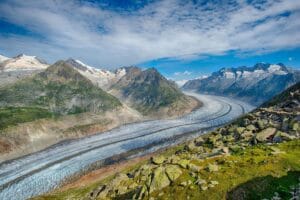
Keris can be particularly beautiful during cherry blossom season and summer. For travelers interested in local life, traditional architecture and scenic road journeys, it can be a worthwhile addition to a longer Baltistan itinerary.
Manthal Buddha Rock: Ancient Heritage Near Skardu
Manthal Buddha Rock is an important historical attraction near Skardu. It represents an older layer of the region’s history and demonstrates that the Karakoram was historically connected to different religious and cultural traditions.
The Government of Gilgit-Baltistan lists Manthal Buddha Rock among the major tourist attractions of Skardu.
For travelers interested in history, this site provides a valuable contrast to the modern image of the area as a destination for mountaineering.
Basho Valley: Forests, Meadows and Mountain Scenery
Basho Valley offers a different landscape from the barren high-altitude environment immediately surrounding K2. Forests, meadows, streams and mountain scenery make the valley attractive for nature lovers and photographers.
The Government of Gilgit-Baltistan includes Basho Valley among the tourist destinations of Skardu District.
Basho is especially suitable for travelers who want a quieter nature experience after exploring Skardu. Camping and short hikes can be combined with the scenic drive into the valley.
Blind Lake and the Route Toward Shigar
Blind Lake, also known locally as Jarba Zhou Lake, is a smaller scenic attraction located along the route toward Shigar. The Government of Gilgit-Baltistan describes it as a hidden scenic lake surrounded by sand, rocks and green vegetation and notes its location on the route toward K2.
Although it does not have the international fame of K2 or Deosai, Blind Lake can be an interesting stop for travelers exploring the Skardu-Shigar road.
Its appeal lies partly in the contrast between the surrounding dry landscape and the water and greenery around the lake.
The Braldu Valley: Entering the K2 Wilderness
The Braldu Valley becomes increasingly important as travelers move from Shigar toward Askole and the K2 trekking corridor. The landscape becomes more remote and dramatic as the road follows the river and approaches the mountains.
The valley is part of the traditional route toward K2, with Askole serving as the transition point between road travel and trekking. The official Gilgit-Baltistan tourism department identifies the Skardu–Shigar–Dassu–Askole route as the traditional approach toward Concordia and K2 Base Camp.
For adventure travelers, this section of the journey is itself a major attraction. The road, river, cliffs and mountains create a feeling of entering a truly remote region.
Paiyu and the Early Stages of the K2 Trek
Paiyu is one of the traditional camps along the K2 Base Camp trekking route. According to the Government of Gilgit-Baltistan, trekkers typically travel from Askole toward Paiyu before continuing toward Urdukas, Gore and Concordia.
Paiyu is therefore more relevant to trekkers than conventional tourists. It forms part of the gradual progression into the Baltoro landscape.
The journey illustrates why the K2 trek should not be viewed simply as a walk to a viewpoint. It is a multi-stage expedition through increasingly high and remote terrain.
Urdukas: A High Mountain Camp on the Baltoro Route
Urdukas is another important stage on the traditional K2 Base Camp route. From the lower camps, trekkers continue deeper into the glacier environment before eventually reaching Concordia.
The official Gilgit-Baltistan tourism description includes Urdukas as one of the traditional stages of the K2 approach.
For trekkers, each stage provides a different perspective of the surrounding mountains. The changing terrain and increasing altitude make the route physically demanding but visually extraordinary.
Gore and the Journey Toward Concordia
Gore is another traditional stage before Concordia. The Government of Gilgit-Baltistan describes the journey from Urdukas to Gore and then onward to Concordia as part of the standard K2 trekking route.
This section of the trek takes travelers deeper into the glacier landscape and closer to the great mountains of the central Karakoram.
For anyone planning a K2 Base Camp trek, understanding these stages is important because the experience involves gradual acclimatization and careful management of physical effort.
The Trango Towers and the Granite Giants
The Karakoram around the Baltoro Glacier is famous for enormous granite formations. Among the most visually impressive are the Trango Towers, which rise dramatically above the surrounding landscape.
These rock towers have become famous among climbers and photographers because of their extraordinary vertical walls. Even visitors who are not climbers can appreciate their scale from the trekking route.
The presence of such formations makes the journey toward K2 one of the world’s great mountain photography experiences.
Why Concordia Is Different From K2 Base Camp
Many travelers assume that K2 Base Camp is automatically the most beautiful place on the trek. While reaching the base camp is a major achievement, Concordia offers one of the most extraordinary panoramic environments on the entire journey.
At K2 Base Camp, the focus is primarily on K2 itself. At Concordia, the experience is broader. Mountains rise in several directions, glaciers converge and the landscape feels enormous.
For photographers and trekkers, this distinction is important. Someone interested primarily in panoramic mountain scenery may consider Concordia just as important as the final K2 Base Camp objective.
Best Time to Visit the K2 Region
The best time to visit the K2 region depends heavily on the type of trip. Travelers exploring Skardu, Shigar, Khaplu and nearby valleys generally plan their journeys around the warmer tourism season, while high-altitude trekking and mountaineering depend on specialized seasonal conditions.
The Ministry of Foreign Affairs of Pakistan states that Gilgit-Baltistan is generally open for tourism from April to October, while mountain climbing and trekking activities can take place throughout the year depending on the activity and conditions.
For K2 Base Camp trekking, summer is particularly important because access to high mountain routes depends on snow, glacier and weather conditions. Travelers should always check current local conditions before departing.
Deosai is also strongly seasonal. The Government of Gilgit-Baltistan explains that Deosai is accessible during the summer because of its high elevation and winter conditions.
How to Reach K2 From Skardu
Skardu is the logical starting point for most K2 journeys. Travelers can reach Skardu from Islamabad by air or road depending on schedules, weather and current transport conditions.
From Skardu, the traditional K2 route proceeds toward Shigar and then deeper into the Braldu Valley toward Askole. The Government of Gilgit-Baltistan explicitly identifies Skardu as the gateway to K2 and describes the route through Shigar, Dassu and Askole toward Concordia.
Travelers should not assume that the route to K2 is a normal tourist road. Beyond the accessible sections, roads become rough and eventually disappear into trekking routes.
How Difficult Is a K2 Base Camp Trek?
A K2 Base Camp trek is a serious high-altitude adventure. It involves long walking days, remote terrain, glacier crossings and high elevations.
The official tourism description makes clear that after Askole, the route enters wilderness and glaciers before reaching Concordia and eventually K2 Base Camp.
This means travelers should prepare physically and logistically. High-altitude trekking can involve risks related to altitude sickness, extreme weather, dehydration, cold, exhaustion and difficult terrain.
People without suitable trekking experience should work with reputable operators and experienced guides rather than attempting the route independently.
Is K2 Suitable for Regular Tourists?
K2 itself is not a conventional sightseeing destination. However, the wider K2 region is suitable for different categories of travelers.
A regular tourist can explore Skardu, Kachura Lakes, Satpara Lake, Katpana Cold Desert, Kharpocho Fort, Manthal Buddha Rock and Shigar Valley without attempting the K2 Base Camp trek.
A more adventurous traveler can explore Deosai, Basho, Khaplu and Hushe.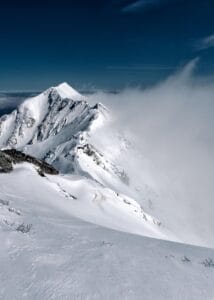
Experienced trekkers can undertake the Concordia and K2 Base Camp route with proper preparation.
This variety makes the K2 region attractive even for people who are not mountaineers.
Photography Around K2
The K2 region is one of the world’s strongest destinations for landscape photography. Photographers can capture completely different environments within a relatively compact travel region.
Skardu provides lakes, deserts, forts and broad mountain valleys. Shigar provides orchards and historic architecture. Deosai provides enormous open alpine landscapes. The Baltoro route provides glaciers and granite towers. Concordia provides a spectacular panorama of high peaks.
Early morning and late afternoon often provide the most dramatic light for mountain photography. Weather can change rapidly, however, so photographers should protect cameras and electronic equipment from dust, moisture and cold.
Balti Culture Around K2
A trip to K2 should not be reduced to mountain scenery. Baltistan has its own distinctive culture, language, food, architecture and traditions.
Skardu, Shigar and Khaplu provide opportunities to experience Balti communities and traditional architecture. The Government of Gilgit-Baltistan emphasizes the cultural richness and traditions of places such as Khaplu and Shigar.
Travelers should respect local customs, dress appropriately when visiting religious sites and ask permission before photographing people.
Supporting local guides, guesthouses, restaurants and transport providers can also help tourism contribute directly to local communities.
Balti Food to Try During a K2 Journey
Food is another important part of traveling through the K2 region. Visitors can experience traditional Balti dishes as well as broader Pakistani cuisine.
Local meals may include hearty soups, breads, dumplings, meat dishes, vegetables, rice and apricot-based foods. In cold mountain environments, warm and filling meals are especially welcome after long days outdoors.
Khaplu and Shigar are particularly interesting places to experience local cuisine because traditional culture remains an important part of the visitor experience.
A Three-Day Skardu Itinerary Before K2
Travelers with only a short amount of time can begin with three days around Skardu.
The first day can focus on Skardu town, Kharpocho Fort and Manthal Buddha Rock. This provides an introduction to the area’s history and landscape.
The second day can focus on Kachura Lakes and Shangrila. These destinations provide some of the most recognizable lake scenery around Skardu.
The third day can combine Satpara Lake and Katpana Cold Desert. This creates a fascinating contrast between blue mountain water and high-altitude desert landscapes.
This itinerary is particularly suitable for travelers who want to experience the K2 region without undertaking a multi-day trek.
A Five-Day Skardu and Shigar Itinerary
A five-day itinerary allows travelers to go beyond the immediate Skardu attractions.
The first two days can cover Kharpocho Fort, Manthal Buddha Rock, Kachura Lakes, Shangrila and Satpara.
The third day can be dedicated to Katpana and Sarfaranga Cold Deserts.
The fourth day can focus on Shigar Valley and Shigar Fort, with time to explore local villages and heritage sites.
The fifth day can provide additional time around Shigar or Skardu before beginning a longer expedition.
This is a strong option for travelers who want culture, nature and mountain scenery without committing to the K2 Base Camp trek.
A Longer K2 Adventure Itinerary
Travelers undertaking the full K2 Base Camp experience need substantially more time. The official Gilgit-Baltistan tourism information describes the route through Skardu, Shigar, Dassu and Askole before the trek continues through Paiyu, Urdukas, Gore and Concordia toward Broad Peak Base Camp and K2 Base Camp.
A proper expedition itinerary should include preparation and acclimatization time. It should also account for weather delays, transportation conditions and possible changes to trekking plans.
Rather than treating the trek as a fixed sightseeing schedule, travelers should allow flexibility.
Safety Considerations for Visiting K2
Safety should be one of the highest priorities when planning a trip to K2. The region contains high mountains, glaciers, difficult roads and remote areas where emergency assistance may not be immediately available.
Altitude is one of the major concerns. Travelers moving rapidly from low elevations to areas above 4,000 or 5,000 metres can experience altitude-related illness. A responsible itinerary should allow adequate acclimatization.
Weather can also change quickly. Snow, rain, strong winds, rockfall, glacier conditions and road damage can affect travel plans.
Visitors should monitor official local information and consult experienced local guides before entering remote areas.
Checking Official Tourism Information Before Traveling
The Government of Gilgit-Baltistan Tourism, Sports, Culture, Archaeology and Museums Department is one of the most useful official resources for planning a trip to the K2 region. It provides information about districts, tourist destinations, trekking routes and tourism services.
For current regional tourism information, visitors should consult the official Gilgit-Baltistan Tourism Department before traveling. The department also lists tourist information offices in Skardu, Shigar, Khaplu, Astore and other areas.
The official tourism website is particularly important because mountain access can change according to weather and road conditions.
Why Skardu Should Be the Base for a K2 Holiday
For most travelers, Skardu provides the best balance between accessibility, scenery, tourism facilities and proximity to K2 routes.
The city allows visitors to spend several days acclimatizing and exploring before entering remote terrain. It also provides access to Shigar, Deosai, Kachura, Satpara and Katpana.
The Government of Gilgit-Baltistan explicitly describes Skardu as the gateway to K2.
This makes Skardu the natural starting point for both ordinary tourists and serious adventurers.
Best Places to Visit Near K2 for Nature Lovers
Nature lovers have an exceptional range of choices. Kachura Lakes offer clear mountain water, Deosai provides alpine plains, Basho provides forests and meadows, Shigar provides river valleys and orchards, while the Baltoro region provides glaciers and high peaks.
The diversity is one of the strongest reasons to spend more than a couple of days in the region.
Instead of viewing K2 as the only attraction, travelers should consider the entire Karakoram landscape as their destination.
Best Places to Visit Near K2 for Adventure Travelers
Adventure travelers should focus on Askole, Concordia, Baltoro Glacier, K2 Base Camp, Broad Peak Base Camp, Hushe Valley, Thalley Valley and Deosai.
These destinations offer trekking, camping, glacier travel, mountain photography and, where appropriate, mountaineering.
The official Gilgit-Baltistan tourism department recognizes trekking, mountaineering, rock climbing, fishing and other outdoor activities as important parts of tourism in the region.
Best Places to Visit Near K2 for Families
Families and travelers who prefer easier sightseeing can focus on Skardu, Kachura Lakes, Shangrila, Satpara Lake, Katpana Cold Desert, Kharpocho Fort and Shigar Valley.
These locations allow visitors to experience the beauty of the Karakoram without undertaking an extreme trek.
Families should nevertheless consider altitude, weather, road conditions and children’s ability to handle long journeys.
Best Places to Visit Near K2 for History Lovers
History enthusiasts should prioritize Kharpocho Fort, Shigar Fort, Amburiq Mosque, Manthal Buddha Rock, Khaplu Palace and Chaqchan Mosque.
These sites demonstrate that the K2 region is a cultural landscape as well as a natural one.
The combination of ancient religious heritage, royal architecture, traditional villages and mountain geography makes Baltistan particularly interesting for cultural tourism.
Best Places to Visit Near K2 for Photographers
Photographers should consider Katpana Cold Desert for unusual desert-and-mountain compositions, Kachura Lakes for reflections, Shigar for architecture and orchards, Deosai for wildlife and wide landscapes, and the Baltoro route for glaciers and granite peaks.
Concordia is arguably the ultimate destination for high-mountain photography because of its panoramic setting among some of the world’s most famous peaks.
The Best Overall K2 Travel Experience
The best K2 travel experience combines several different destinations rather than concentrating exclusively on the mountain.
A strong itinerary can begin in Skardu, continue to Kachura and Satpara, explore Katpana and Shigar, travel toward Askole and then undertake the trek to Concordia and K2 Base Camp.
Travelers with more time can add Deosai, Khaplu or Hushe.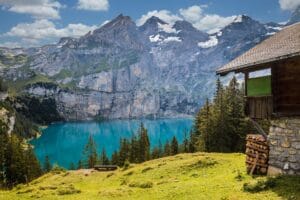
This approach allows visitors to experience the natural, cultural and adventurous sides of the region.
Conclusion
The best places to visit near K2 extend far beyond K2 Base Camp itself. Skardu provides the gateway, Kachura Lakes provide peaceful mountain scenery, Katpana provides an unusual cold-desert landscape, Shigar provides heritage and access toward the great Karakoram, Askole marks the beginning of remote trekking, and Concordia provides one of the world’s greatest high-mountain panoramas.
Deosai adds a completely different alpine environment, while Khaplu and Hushe provide deeper cultural and mountain experiences. Baltoro Glacier and K2 Base Camp remain the ultimate objectives for serious trekkers, but they are part of a much larger journey through Baltistan.
- Government of Gilgit-Baltistan Tourism Department — official regional tourism information.
- Government of Gilgit-Baltistan – K2 information — official information on the traditional K2 route.
- Government of Gilgit-Baltistan – Skardu destinations — official Skardu attractions and activities.
- Government of Gilgit-Baltistan – Shigar destinations — official Shigar and K2 gateway information.
- Government of Pakistan – Tourism in Pakistan — broader official information about tourism in Gilgit-Baltistan and major mountain destinations.
Author

Related posts
Best Places to Visit in Dinant
- 0
- 4,895 words
Best Places to Visit in Dinant, Belgium Dinant is one of the most beautiful small towns in Belgium and one of the...
Read out all
Best Places to Visit in Mont-Saint-Michel
- 0
- 4,974 words
Best Places to Visit in Mont-Saint-Michel , France Mont-Saint-Michel is one of the most extraordinary destinations in France and one of the...
Read out all
UNGA
- 0
- 5,649 words
UNGA (United Nations General Assembly ) The United Nations General Assembly, commonly known as the UN General Assembly or UNGA, is one...
Read out all
Best Places to Visit in Kathmandu
- 0
- 4,089 words
Best Places to Visit in Kathmandu , Nepal Kathmandu, the capital of Nepal, is one of South Asia’s most fascinating travel destinations....
Read out all
Best Places to Visit in Vilnius
- 0
- 5,246 words
Best Places to Visit in Vilnius , Lithuania Vilnius, the capital of Lithuania, is one of the most fascinating destinations in the...
Read out all
Best Places to Visit in Riga
- 0
- 6,005 words
Best Places to Visit in Riga , Latvia Riga, the capital of Latvia, is one of the most fascinating destinations in the...
Read out all