

Best Places to Visit in Mumbai , India
Mumbai is one of the most fascinating cities to visit in India, combining historic landmarks, Arabian Sea views, colonial architecture, religious monuments, modern skyscrapers, colorful markets, Bollywood, beaches and some of the country’s most distinctive food. Located on India’s western coast, Mumbai is the capital of Maharashtra and one of the country’s most important financial, commercial and cultural centers. The city developed from a historic group of seven islands into the enormous metropolitan destination that visitors experience today. Maharashtra Tourism describes Mumbai as India’s economic capital and a major center for industry, culture, finance and entertainment.
For travelers searching for the best places to visit in Mumbai, the city offers an extraordinary variety of experiences. You can begin the morning beside the Arabian Sea at the Gateway of India, explore historic neighborhoods around Fort and Kala Ghoda, visit a UNESCO World Heritage Site, walk along Marine Drive at sunset, discover ancient rock-cut caves, visit temples and mosques, taste Mumbai street food and finish the evening surrounded by the energy of one of India’s most famous cities.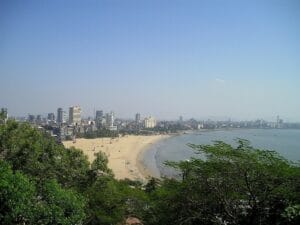
Mumbai is sometimes called the City of Dreams, a name connected with its opportunities, entertainment industry and ability to attract people from across India and around the world. The city is also home to Bollywood, India’s globally recognized Hindi-language film industry. Yet Mumbai is much more than Bollywood. Its history, architecture, religious diversity, coastline, museums, markets and neighborhoods make it one of the most rewarding destinations for travelers who want to experience contemporary India alongside its historical heritage.
Gateway of India: Mumbai’s Most Iconic Landmark
The Gateway of India is arguably the first place most international visitors associate with Mumbai. Standing beside the Arabian Sea at Apollo Bunder in South Mumbai, the monumental arch is one of the city’s most recognizable landmarks. The monument was built in the early twentieth century to commemorate the visit of King George V and Queen Mary to India in 1911. Its foundation stone was laid in 1911 and construction was completed in 1924.
The architecture of the Gateway of India combines Indo-Saracenic influences with Indian and Islamic architectural elements. Constructed primarily from basalt, the monumental arch rises approximately 26 meters and dominates the waterfront. Its position beside the harbor gives visitors a particularly impressive view of the structure against the Arabian Sea.
The Gateway is more than a historic monument. It is also one of the busiest meeting points for visitors exploring South Mumbai. From here, travelers can easily continue toward the Taj Mahal Palace area, Colaba Causeway, Chhatrapati Shivaji Maharaj Vastu Sangrahalaya and the waterfront.
The Gateway of India is also an important departure point for boat trips. Visitors can take boats across Mumbai Harbour toward attractions such as Elephanta Island. This makes the Gateway a natural starting point for a full day of sightseeing in South Mumbai.
Early morning can be a pleasant time to visit if you want photographs with fewer crowds. Evening is also attractive because the surrounding waterfront becomes lively and the Arabian Sea provides a beautiful backdrop.
Taj Mahal Palace: Mumbai’s Legendary Hotel Landmark
Directly opposite the Gateway of India stands the Taj Mahal Palace, one of Mumbai’s most recognizable luxury hotels. Even travelers who are not staying at the hotel can appreciate its historic architecture and its important visual relationship with the Gateway.
The hotel forms one of the most famous architectural combinations in Mumbai: the monumental Gateway facing the harbor and the distinctive domes and façades of the Taj Mahal Palace behind it. Together they create one of the city’s most photographed scenes.
Visitors can include the hotel area in a walking tour of Colaba, particularly when exploring the Gateway, Colaba Causeway and surrounding heritage architecture.
Colaba Causeway: Shopping and Street Life
Colaba Causeway is one of the best places to visit in Mumbai for travelers interested in shopping, street life and local atmosphere. Official Mumbai City tourism information identifies Colaba Causeway as a major commercial street in the Colaba and Fort area.
The street is known for its mixture of shops, cafés, restaurants, fashion stores, accessories, souvenirs and street vendors. It provides a very different experience from Mumbai’s monumental attractions because the emphasis here is on everyday urban activity.
Visitors can spend time browsing clothing, jewelry, handicrafts and small souvenirs before stopping at a café or restaurant. Bargaining is common in many street-shopping situations, although prices and practices vary between individual shops.
Colaba Causeway is particularly convenient because it can be combined with the Gateway of India, Taj Mahal Palace and several museums and galleries in the surrounding South Mumbai area.
Chhatrapati Shivaji Maharaj Terminus: A UNESCO World Heritage Landmark
The Chhatrapati Shivaji Maharaj Terminus, commonly known as CSMT, is one of Mumbai’s most extraordinary buildings. It is both a functioning railway station and a UNESCO World Heritage Site, making it one of the most important examples of historic railway architecture in India.
The station was completed in 1887 and combines Victorian Gothic Revival architecture with Indian architectural traditions. Maharashtra Tourism identifies its elaborate façade, carvings and architectural details as major reasons it remains one of Mumbai’s essential attractions.
For travelers interested in architecture, CSMT is particularly fascinating because the building was designed as both an important transportation facility and an impressive civic monument. Its domes, towers, arches, stone details and sculptural elements create an enormous contrast with the modern traffic and commercial activity surrounding it.
The station also illustrates an important characteristic of Mumbai: historic architecture is not isolated from modern life. Millions of journeys take place around these historic structures, creating a constantly changing scene of commuters, trains, vendors, taxis and pedestrians.
Photography enthusiasts should consider visiting the area during different times of day because the building looks dramatically different in changing light.
Marine Drive: The Queen’s Necklace of Mumbai
Marine Drive is one of the most famous places to visit in Mumbai and one of the city’s defining coastal experiences. The broad boulevard curves along the Arabian Sea and is particularly attractive at sunset and after dark.
Marine Drive is commonly known as the Queen’s Necklace because the illuminated streetlights along its curved coastline resemble a necklace when viewed from an elevated position. Maharashtra Tourism identifies Marine Drive as one of Mumbai’s signature attractions and describes it as a popular place for walking, sunsets and enjoying views of the coastline.
The attraction of Marine Drive is not based on a single monument. Instead, the experience comes from the combination of sea, skyline, promenade, traffic, Art Deco architecture and Mumbai’s distinctive urban atmosphere.
A walk along Marine Drive is especially enjoyable in the evening. Local residents gather along the promenade, couples sit beside the sea, photographers capture the sunset and the city’s lights gradually become visible.
For travelers looking for free things to do in Mumbai, Marine Drive is an excellent choice because walking along the promenade and enjoying the sea views does not require an expensive attraction ticket.
Mumbai’s Art Deco Architecture
The buildings around Marine Drive and nearby South Mumbai neighborhoods reveal another fascinating part of the city’s architectural history. Mumbai has one of the world’s significant collections of Art Deco architecture, and its historic urban landscape demonstrates how twentieth-century design became integrated into India’s growing commercial metropolis.
Travelers interested in architecture can explore the streets around Marine Drive, Oval Maidan and Fort to see how Art Deco and colonial-era buildings exist alongside modern towers.
This architectural contrast is one reason Mumbai is such an interesting city for photographers and architecture enthusiasts. A short walk can take you from Gothic Revival buildings to Art Deco façades and then toward contemporary glass towers.
Kala Ghoda: Mumbai’s Art and Cultural District
Kala Ghoda is one of the best areas in Mumbai for art, culture, galleries and historic architecture. Mumbai City tourism describes Kala Ghoda as an important art district where galleries, museums, educational institutions and cinemas are concentrated.
The neighborhood takes its name from the historic black horse statue associated with the area. Today, Kala Ghoda is particularly attractive for travelers who want to experience Mumbai’s cultural side.
The district contains several important institutions and heritage buildings, making it an excellent area for walking. Art lovers can spend several hours moving between museums, galleries, cafés and architectural landmarks.
Kala Ghoda is also associated with the annual Kala Ghoda Arts Festival, which brings together artists, performers, designers and cultural organizations.
Chhatrapati Shivaji Maharaj Vastu Sangrahalaya
The Chhatrapati Shivaji Maharaj Vastu Sangrahalaya, formerly known as the Prince of Wales Museum, is one of Mumbai’s most important museums.
The museum contains collections covering archaeology, art, natural history and anthropology. Maharashtra Tourism describes it as a major repository of Indian cultural heritage, with more than 50,000 artifacts. Its building is also architecturally significant, incorporating Indo-Saracenic influences.
A visit here is particularly useful for travelers who want to understand the wider cultural history of India rather than simply see individual monuments.
The museum is conveniently located near the Gateway of India, Kala Ghoda and Colaba, making it easy to include in a South Mumbai sightseeing itinerary.
Jehangir Art Gallery: A Destination for Art Lovers
The Jehangir Art Gallery is another important cultural destination in the Kala Ghoda area. It has long been associated with contemporary and modern Indian art and provides visitors with an opportunity to see exhibitions by artists from different parts of the country.
Because exhibitions change, travelers interested in art should check current programming before visiting. The gallery can easily be combined with the nearby museum district.
Asiatic Library and Town Hall
The Asiatic Society of Mumbai and its historic Town Hall provide another interesting stop for architecture and literature enthusiasts. Mumbai City tourism notes the institution’s establishment in 1804 and highlights its historic collection of rare books and manuscripts.
The building’s grand staircase is particularly recognizable and has become a popular urban photography location.
The Asiatic Library can be incorporated into a walking route through Fort, especially for travelers interested in Mumbai’s colonial-era architecture and intellectual history.
Elephanta Caves: Ancient Rock-Cut Heritage
The Elephanta Caves are one of the best places to visit near Mumbai for history and archaeology enthusiasts. Located on Elephanta Island in Mumbai Harbour, this UNESCO World Heritage Site contains remarkable rock-cut temples and sculptures.
Maharashtra Tourism explains that the caves were developed primarily as religious spaces and are especially associated with Hindu worship of Shiva. The most famous work is the monumental Trimurti sculpture in Cave 1, representing Shiva in three aspects.
The caves demonstrate the extraordinary skill of ancient Indian artists who carved monumental spaces directly into basalt rock. Pillars, chambers, sculptures and religious compositions transform the interior of the caves into an impressive architectural environment.
The journey to Elephanta is also part of the attraction. Visitors typically travel by boat from the Mumbai waterfront, turning a museum and archaeological excursion into a maritime experience.
A trip to Elephanta generally works best as a half-day excursion, although travelers interested in archaeology and history may want to allow additional time.
Haji Ali Dargah: A Spiritual Landmark in the Sea
The Haji Ali Dargah is one of Mumbai’s most recognizable religious landmarks. Located on an islet off the coast of Worli, the shrine is connected to the mainland by a narrow causeway.
Maharashtra Tourism describes Haji Ali Dargah as a prominent spiritual destination admired for its Indo-Islamic architecture and peaceful atmosphere.
The location is particularly distinctive because the shrine appears surrounded by the Arabian Sea. The experience of walking toward the monument along the causeway changes depending on tides and weather.
Visitors should dress respectfully when visiting religious sites and follow any local instructions regarding entry, photography and behavior.
Siddhivinayak Temple: Mumbai’s Famous Ganesha Temple
The Siddhivinayak Temple in Prabhadevi is one of Mumbai’s best-known Hindu temples and an important destination for religious tourism.
The temple is dedicated to Lord Ganesha and dates back to 1801, although the present complex has undergone later modifications. Maharashtra Tourism and Mumbai City administration both identify Siddhivinayak as a major Mumbai religious attraction.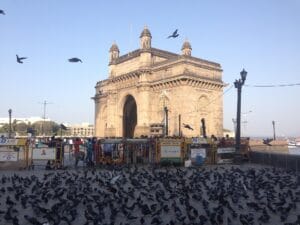
The temple attracts devotees throughout the year and can become particularly busy on important religious occasions.
Travelers visiting Siddhivinayak should treat the temple primarily as a place of worship rather than simply as a tourist attraction. Respectful clothing, behavior and awareness of temple rules are important.
Mahalakshmi Temple: A Historic Spiritual Attraction
The Mahalakshmi Temple is another important religious site in Mumbai. Located in the Mahalaxmi area, the temple is dedicated to Mahalakshmi and is one of the city’s best-known Hindu temples.
Maharashtra Tourism notes that the temple was built in the nineteenth century and remains an important spiritual destination.
Its location near the coast also makes it possible to combine a temple visit with exploration of nearby neighborhoods and waterfront attractions.
Bandra-Worli Sea Link: A Symbol of Modern Mumbai
The Bandra-Worli Sea Link, officially known as the Rajiv Gandhi Sea Link, is one of Mumbai’s most recognizable modern infrastructure landmarks. The cable-stayed bridge connects Bandra and Worli across the Arabian Sea and has become an important symbol of contemporary Mumbai.
Mumbai City administration describes it as an eight-lane cable-stayed bridge that opened to the public in 2009.
Visitors generally experience the bridge as part of a wider journey through Mumbai rather than as a conventional attraction where you stop and walk across. The best views can be enjoyed from suitable viewpoints around Bandra and Worli.
The sea link is particularly impressive when illuminated at night.
Bandra Fort: History with a Coastal View
Bandra Fort, also known as Castella de Aguada, provides an interesting combination of history and sea views. Located near Bandra’s western coastline, the fort offers views toward the Arabian Sea and the Bandra-Worli Sea Link.
It is an attractive place for photography, especially around sunset.
The fort can be combined with a visit to Bandra’s cafés, shopping areas and nearby coastal neighborhoods, making it a good choice for travelers who want to explore the western side of Mumbai.
Juhu Beach: Mumbai’s Popular Urban Beach
Juhu Beach is one of Mumbai’s most famous beaches and one of the most popular places to visit in Mumbai during the evening.
Mumbai City administration describes Juhu Beach as a heavily visited destination where people gather for sunsets, recreation and street food such as bhel puri and pav bhaji.
Juhu is not necessarily the place to visit if you are expecting a pristine tropical beach. Its main attraction is the atmosphere. Families, couples, local residents, food vendors and visitors gather along the coast, particularly later in the day.
For travelers who want to experience Mumbai’s everyday leisure culture, Juhu Beach is much more interesting than a conventional resort beach.
Mumbai Street Food at Juhu Beach
One of the strongest reasons to visit Juhu is its food culture. Mumbai’s street food is famous throughout India, and the beach provides an accessible introduction to some local favorites.
Vada pav, pav bhaji, bhel puri, sev puri and pani puri are among the foods associated with Mumbai’s street-food culture. Maharashtra Tourism specifically highlights these dishes as part of the city’s culinary identity.
Travelers should choose busy, reputable vendors and consider their own tolerance for spicy food and local preparation conditions.
Sanjay Gandhi National Park: Nature Inside Mumbai
One of the most surprising attractions in Mumbai is Sanjay Gandhi National Park. The large protected green area provides a dramatic contrast with the surrounding metropolitan landscape.
Mumbai Suburban District’s official tourism portal lists Sanjay Gandhi National Park among the major tourist places in Mumbai’s suburban district.
The park provides opportunities to experience greenery, wildlife and historic sites without leaving Mumbai. It is particularly valuable for travelers who want a break from traffic and dense urban development.
The park also contains the Kanheri Caves, making it possible to combine nature and archaeology in a single excursion.
Kanheri Caves: Ancient Buddhist Heritage
The Kanheri Caves are located within Sanjay Gandhi National Park and form another important archaeological attraction in Mumbai.
The cave complex contains rock-cut Buddhist structures, including monastic spaces, meditation areas, sculptures and inscriptions. The location is particularly impressive because ancient religious architecture exists within a large forested landscape inside one of India’s biggest metropolitan areas.
This combination makes Kanheri one of the most unusual places to visit in Mumbai. Visitors can spend part of the day exploring the caves and part of the day experiencing the national park.
Mumbai Film City: Bollywood Behind the Scenes
Mumbai is internationally famous as the home of Bollywood, and Mumbai Film City, officially known as Dadasaheb Phalke Chitranagari, offers an opportunity to learn about the film industry.
Maharashtra Tourism describes Film City as an important attraction covering studios, gardens, lakes and other spaces used for film production.
For travelers fascinated by Indian cinema, Film City can provide an entirely different perspective on Mumbai. The city’s entertainment industry is not simply a collection of famous actors and movies; it is a huge production ecosystem involving studios, technicians, designers, musicians, writers and many other professionals.
Access to production areas can depend on current rules and organized tours, so visitors should check official arrangements before planning a visit.
Chhota Kashmir: A Green Escape
Chhota Kashmir is another suburban attraction that offers greenery and a change of pace from Mumbai’s dense urban environment.
It is particularly useful for travelers who are staying in the northern part of the city and want an outdoor experience without traveling far outside Mumbai.
Mahakali Caves: Rock-Cut History in the Suburbs
The Mahakali Caves are another archaeological attraction listed by the Mumbai Suburban District administration.
The caves provide an opportunity to explore ancient rock-cut architecture while remaining within the metropolitan area.
For travelers interested in Mumbai’s lesser-known historical attractions, Mahakali Caves can be an interesting addition to an itinerary.
Chor Bazaar: Mumbai’s Famous Market Quarter
Chor Bazaar is one of the city’s best-known market areas and an interesting destination for travelers who enjoy discovering older neighborhoods.
The market is associated with antiques, vintage objects, furniture, collectibles and second-hand goods. Its atmosphere is very different from the polished shopping malls and modern retail districts found elsewhere in Mumbai.
Visitors should explore with realistic expectations because the market experience is more about browsing and discovery than guaranteed purchases.
Crawford Market: Historic Shopping and Food
Crawford Market, officially associated with Mahatma Jyotiba Phule Mandai, is another important market in South Mumbai. The historic market area provides an opportunity to experience the commercial energy of the city.
Travelers can explore sections associated with food, produce and everyday shopping while observing the constant movement that characterizes Mumbai’s markets.
Mumbai’s Dabbawalas
The Mumbai dabbawala system is one of the city’s most famous examples of organized urban logistics. Dabbawalas deliver homemade meals to office workers across Mumbai, creating a transportation network that has become internationally recognized.
Understanding the dabbawala tradition provides insight into Mumbai’s working culture and the city’s extraordinary dependence on efficient transportation.
Rather than being a conventional tourist attraction, the dabbawala system is something visitors may encounter naturally while exploring the city during working hours.
Worli Sea Face: Mumbai’s Coastal Atmosphere
Worli Sea Face is another popular coastal area where visitors can enjoy views of the Arabian Sea and the Bandra-Worli Sea Link.
The promenade is particularly attractive during sunset and evening, when the changing sky and city lights create dramatic views.
Worli can be combined with Haji Ali, Mahalakshmi, Bandra and the sea link when planning a western and southern Mumbai sightseeing route.
Worli Village: Traditional Mumbai Beside Modern Towers
Worli also reveals an important contrast between old and new Mumbai. Traditional fishing communities and older residential areas exist close to modern commercial buildings and major infrastructure.
This juxtaposition is characteristic of Mumbai and demonstrates how the city’s rapid development has occurred alongside older communities and traditions.
Marine Drive at Sunset
Although Marine Drive is attractive throughout the day, sunset is one of the best times to experience it. The Arabian Sea becomes a large open horizon while the surrounding buildings gradually catch the warm evening light.
The promenade becomes a social space where residents and visitors gather. Watching sunset here is one of the simplest and most memorable things to do in Mumbai.
Mumbai at Night
Mumbai becomes particularly atmospheric after dark. Marine Drive illuminates the coastline, the Gateway area remains lively, and busy neighborhoods continue operating late into the evening.
The city is famous for its nightlife, restaurants, cafés and entertainment. However, travelers should remain aware of their surroundings, especially when exploring unfamiliar neighborhoods at night.
Mumbai for History Lovers
History enthusiasts can spend several days exploring Mumbai’s heritage. The Gateway of India, CSMT, Elephanta Caves, Kanheri Caves, Fort, Kala Ghoda, Asiatic Library and religious monuments all reveal different chapters of the city’s past.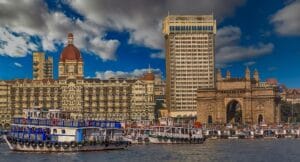
The most interesting aspect of Mumbai’s history is its diversity. Ancient Buddhist and Hindu sites coexist with colonial architecture, nineteenth-century civic buildings, twentieth-century Art Deco and twenty-first-century infrastructure.
Mumbai for Art and Culture Lovers
Art lovers should prioritize Kala Ghoda, museums, galleries and cultural institutions. The city’s creative scene extends from established museums to contemporary galleries and street art.
Mumbai’s cultural diversity also appears in its festivals, music, cinema, food and religious traditions.
Mumbai for Food Lovers
Mumbai is one of India’s best cities for food tourism. Visitors can experience street food, traditional Maharashtrian dishes, seafood, North Indian cuisine, South Indian food, international restaurants and modern interpretations of regional dishes.
The city’s food culture reflects its population. People from different parts of India have contributed culinary traditions that have become part of Mumbai’s identity.
Trying vada pav, pav bhaji, bhel puri, sev puri and other local snacks is an essential part of experiencing the city.
Mumbai for Beach Lovers
Mumbai’s beaches are primarily urban beaches rather than isolated tropical destinations. Their importance comes from their role in city life.
Juhu, the beaches around the western coastline and the coastal promenades offer opportunities to watch sunsets, eat local snacks and observe how Mumbai residents interact with the sea.
Mumbai for Families
Families can build an enjoyable Mumbai itinerary around museums, beaches, parks, caves and cultural attractions.
The combination of Sanjay Gandhi National Park and Kanheri Caves is particularly interesting because it combines outdoor exploration with history. Museums in South Mumbai provide educational experiences, while Juhu Beach and other coastal areas offer opportunities for relaxation.
Mumbai for Couples
Couples can enjoy sunset at Marine Drive, walk along the coast, explore Kala Ghoda, take a boat trip to Elephanta and enjoy dinner overlooking the city.
Bandra’s coastal areas and Worli also offer attractive evening views, particularly around sunset.
Mumbai for Solo Travelers
Mumbai can be an exciting destination for solo travelers because there is an enormous amount to explore. Walking tours, museums, markets, architecture, street food and cultural attractions provide plenty of independent experiences.
First-time visitors may find it easiest to organize their itinerary geographically, focusing on South Mumbai one day and the western and northern areas on other days.
Best Time to Visit Mumbai
The best time to visit Mumbai for general sightseeing is generally October through February, when conditions are more comfortable for exploring the city. Maharashtra Tourism identifies October to February as the preferred period for sightseeing and exploration.
The monsoon season from June to September transforms the landscape and can create dramatic weather, but Mumbai can also experience heavy rainfall during this period.
March to May is hotter and more humid, which can make long outdoor sightseeing days less comfortable.
Travelers interested in festivals should consider the cultural calendar as well, particularly the period around Ganesh Chaturthi, when Mumbai becomes exceptionally vibrant.
Ganesh Chaturthi in Mumbai
Ganesh Chaturthi is one of the most important festivals associated with Mumbai. During the celebration, elaborate Ganesha idols become central to public and community events across the city.
The festival demonstrates Mumbai’s cultural energy and community traditions, but it can also produce enormous crowds and transportation changes.
Visitors who travel during this period should plan carefully and respect religious customs.
How Many Days Do You Need in Mumbai?
A stay of three to five days is a useful starting point for exploring Mumbai. Maharashtra Tourism similarly identifies three to five days as an ideal duration for Mumbai.
Three days can cover the principal attractions, while five days allow travelers to explore the city more slowly and add Elephanta, Sanjay Gandhi National Park, Kanheri Caves, Film City or additional cultural experiences.
One-Day Mumbai Itinerary
A one-day Mumbai itinerary should concentrate on South Mumbai. Begin at the Gateway of India and explore the surrounding waterfront before walking toward Colaba and the historic Fort district.
Continue toward the Chhatrapati Shivaji Maharaj Vastu Sangrahalaya and Kala Ghoda before visiting CSMT.
In the late afternoon, travel toward Marine Drive and finish the day watching sunset beside the Arabian Sea.
This route provides an introduction to Mumbai’s history, architecture, culture and coastline without attempting to cover too much ground.
Two-Day Mumbai Itinerary
With two days, spend the first day exploring South Mumbai, including the Gateway of India, Colaba, Kala Ghoda, CSMT and Marine Drive.
Use the second day for a combination of Elephanta Caves and western Mumbai. Depending on your interests, you can visit Haji Ali, Siddhivinayak, Bandra, Bandra Fort and the Bandra-Worli Sea Link.
Three-Day Mumbai Itinerary
A three-day itinerary allows a better balance between landmarks and local experiences.
The first day can focus on historic South Mumbai. The second can cover Elephanta Caves and the western coastline. The third can be devoted to Sanjay Gandhi National Park, Kanheri Caves, Film City or additional neighborhoods and museums.
Five-Day Mumbai Itinerary
Five days allow travelers to slow down and experience Mumbai more deeply. The first two days can focus on South Mumbai and its heritage.
A third day can be dedicated to Elephanta Island. A fourth can explore Bandra, Worli, Juhu and the western coast.
The fifth day can be used for Sanjay Gandhi National Park and Kanheri Caves or for revisiting favorite neighborhoods and exploring Mumbai’s food and shopping scene.
Getting Around Mumbai
Mumbai has an extensive public transportation network, and trains, buses, taxis, auto-rickshaws and app-based transportation all play important roles in the city’s daily life.
For tourists, the most efficient approach is often to group attractions geographically. Visiting Gateway of India, Colaba, Kala Ghoda and CSMT on the same day avoids unnecessary cross-city travel.
Mumbai traffic can be heavy, so travelers should allow extra time when moving between distant neighborhoods.
Mumbai Local Trains
The Mumbai local train network is one of the defining features of the city. It carries enormous numbers of commuters and provides an essential connection between different parts of the metropolitan area.
For experienced travelers, local trains can be an efficient way to move around, but first-time visitors should avoid the busiest peak periods unless they are comfortable with extremely crowded conditions.
Mumbai Airport
Mumbai is well connected to destinations throughout India and internationally through Chhatrapati Shivaji Maharaj International Airport.
The airport makes Mumbai one of the easiest Indian cities to incorporate into an international itinerary, particularly for travelers arriving from Southeast Asia, the Middle East, Europe and other major regions.
Where to Stay in Mumbai
South Mumbai is an excellent choice for first-time visitors who want easy access to the Gateway of India, Colaba, Kala Ghoda, museums and heritage buildings.
Bandra is attractive for travelers who prefer restaurants, cafés, shopping and a modern urban atmosphere.
Areas around Marine Drive are appealing for travelers who prioritize sea views, while northern areas can be useful for travelers with business or airport-related plans.
Shopping in Mumbai
Mumbai provides a huge range of shopping experiences. Colaba Causeway is suitable for street shopping and souvenirs, while modern malls provide international brands.
Traditional markets are more appropriate for travelers looking for local products, textiles, food, accessories and everyday goods.
Shopping in Mumbai is most enjoyable when treated as part of the cultural experience rather than simply a commercial activity.
Photography in Mumbai
Mumbai is one of India’s best cities for urban photography. The Gateway of India provides monumental architecture and sea views, while CSMT offers elaborate Gothic architecture.
Marine Drive is ideal for sunset and night photography. Kala Ghoda offers cultural and architectural details, while Bandra provides modern infrastructure and coastal scenes.
Elephanta and Kanheri add archaeological photography opportunities, while Juhu and other markets provide opportunities for street photography.
Is Mumbai Expensive for Tourists?
Mumbai can accommodate both budget and luxury travelers. Accommodation, restaurants and transportation vary enormously in price.
Visitors can save money by using public transportation, exploring free public spaces and eating at local restaurants and street-food establishments.
At the same time, Mumbai has some of India’s most luxurious hotels, restaurants and shopping destinations, making it equally suitable for high-end travelers.
Free Things to Do in Mumbai
Some of Mumbai’s best experiences cost little or nothing. Walking along Marine Drive, exploring the exterior architecture of CSMT, visiting public waterfront areas, walking through Fort and Kala Ghoda and experiencing the atmosphere of local neighborhoods can all be rewarding.
Juhu Beach also provides an inexpensive way to experience Mumbai’s evening culture.
Day Trips from Mumbai
Mumbai can serve as a base for exploring several destinations in Maharashtra. Travelers with additional time can consider places such as Lonavala, Matheran, Alibaug and other nearby destinations depending on travel conditions and available time.
For a first visit, however, it is worth spending enough time in Mumbai itself before adding day trips.
Why Mumbai Is One of India’s Best Cities to Visit
Mumbai is one of the most rewarding destinations in India because it brings together many different experiences in one metropolitan environment.
It has ancient caves, historic railway architecture, colonial monuments, modern bridges, religious landmarks, beaches, national parks, museums, markets and one of the world’s most famous film industries.
The city is also a place where visitors can observe everyday Indian life on an enormous scale. Commuters move through historic railway stations, fishermen work along the coast, street vendors serve local food, religious sites attract devotees and modern businesses operate from skyscrapers.
This mixture of history and modernity is what makes Mumbai different from many other Indian destinations.
Conclusion
The best places to visit in Mumbai extend far beyond the city’s most famous postcard attractions. The Gateway of India provides the classic introduction, while Marine Drive captures Mumbai’s relationship with the Arabian Sea. Chhatrapati Shivaji Maharaj Terminus reveals the city’s extraordinary architectural heritage, and Elephanta Caves take visitors deep into India’s ancient rock-cut traditions.
For culture, Kala Ghoda and the Chhatrapati Shivaji Maharaj Vastu Sangrahalaya are essential. For spirituality, Haji Ali Dargah, Siddhivinayak Temple and Mahalakshmi Temple reveal important aspects of Mumbai’s religious landscape.
- Maharashtra Tourism – Mumbai City — official Government of Maharashtra tourism information covering Mumbai attractions, food, weather and travel essentials.
- Mumbai City Government – Tourist Places — official Mumbai City administration information for attractions including Siddhivinayak, Mahalakshmi, Haji Ali and Elephanta Caves.
- Mumbai City Government – Places of Interest — useful official information on Colaba Causeway, Bandra-Worli Sea Link, Juhu Beach and Kala Ghoda.
- Mumbai City Government – Gateway of India — official historical information about Mumbai’s iconic Gateway of India.
- Maharashtra Tourism – Elephanta Caves — official information about the UNESCO-listed Elephanta Caves and their rock-cut architecture.
- Maharashtra Tourism – Museums and Palaces — official information about CSMVS and other cultural attractions.
Author

Related posts
Best Places to Visit in Dinant
- 0
- 4,895 words
Best Places to Visit in Dinant, Belgium Dinant is one of the most beautiful small towns in Belgium and one of the...
Read out all
Best Places to Visit in Mont-Saint-Michel
- 0
- 4,974 words
Best Places to Visit in Mont-Saint-Michel , France Mont-Saint-Michel is one of the most extraordinary destinations in France and one of the...
Read out all
UNGA
- 0
- 5,649 words
UNGA (United Nations General Assembly ) The United Nations General Assembly, commonly known as the UN General Assembly or UNGA, is one...
Read out all
Best Places to Visit in Kathmandu
- 0
- 4,089 words
Best Places to Visit in Kathmandu , Nepal Kathmandu, the capital of Nepal, is one of South Asia’s most fascinating travel destinations....
Read out all
Best Places to Visit in Vilnius
- 0
- 5,246 words
Best Places to Visit in Vilnius , Lithuania Vilnius, the capital of Lithuania, is one of the most fascinating destinations in the...
Read out all
Best Places to Visit in Riga
- 0
- 6,005 words
Best Places to Visit in Riga , Latvia Riga, the capital of Latvia, is one of the most fascinating destinations in the...
Read out all