
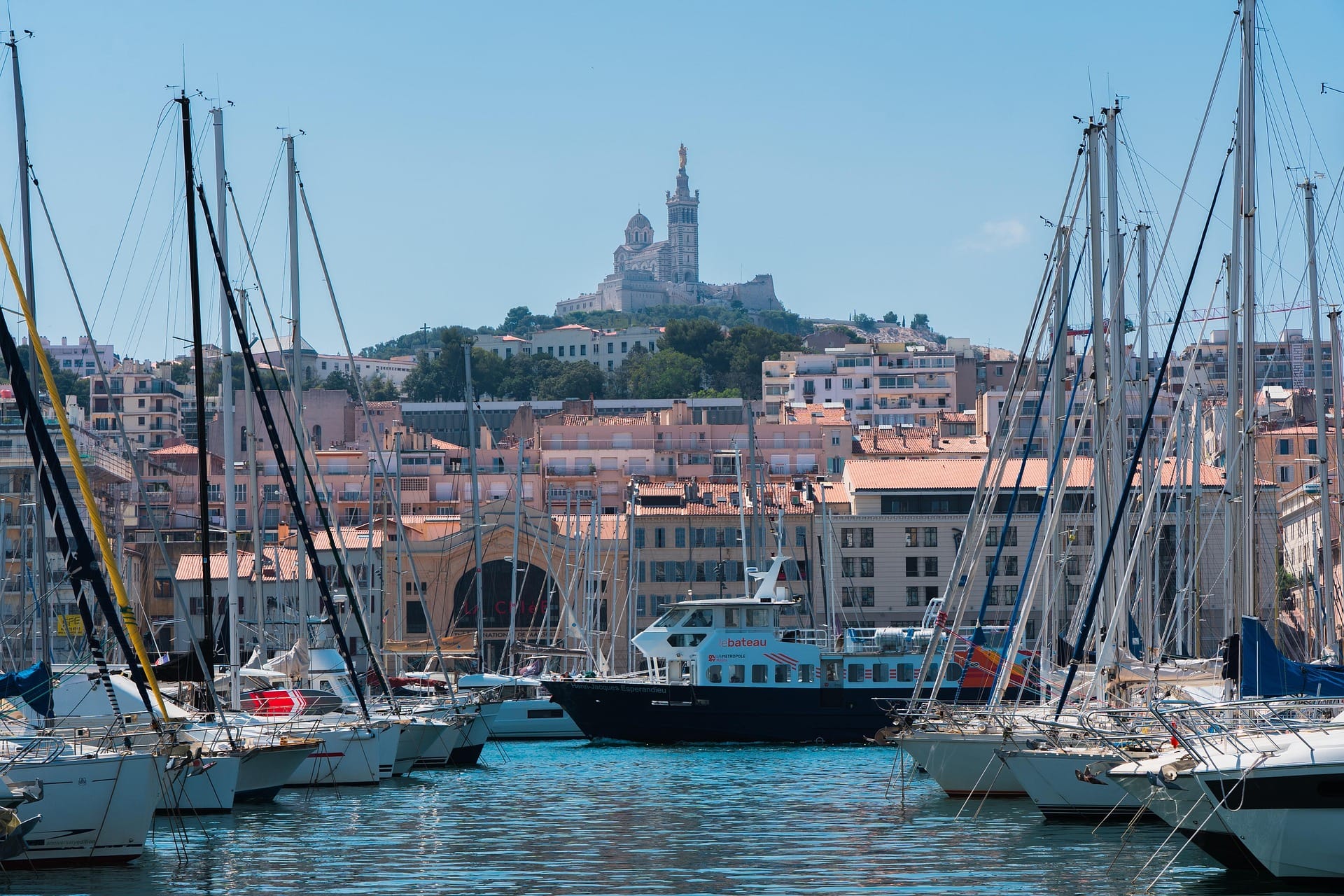
Best Places to Visit in Marseille , France
Discovering Marseille: France’s Mediterranean City
Marseille is one of the most distinctive cities in France, a Mediterranean destination where ancient history, multicultural neighborhoods, dramatic coastlines, traditional Provençal culture and modern creativity come together. Located on the southeastern coast of France in the Provence-Alpes-Côte d’Azur region, Marseille overlooks the Mediterranean Sea and serves as one of the most important gateways to Provence. The city has more than 2,600 years of history, and its character has been shaped by Greek settlers, Roman civilization, maritime trade, religious traditions, immigration, art, football and its close relationship with the sea.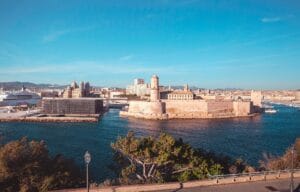
For travelers searching for the best places to visit in Marseille, the city offers far more than a conventional European sightseeing experience. You can begin your morning at the historic Vieux-Port, walk through the narrow streets of Le Panier, admire the architecture of the Mucem, climb toward Notre-Dame de la Garde for a panoramic view, explore ancient religious monuments, eat a bowl of traditional bouillabaisse and finish the day beside the Mediterranean. Outside the urban center, the Calanques National Park provides another world of limestone cliffs, turquoise water, hiking trails and hidden coves.
Marseille is particularly attractive for travelers who want to combine a city break with nature. The official Marseille Tourism office identifies the Old Port, Panier district, Mucem, Notre-Dame de la Garde, Calanques, Frioul Islands, Château d’If, Palais Longchamp, Cité Radieuse and Saint-Victor Abbey among the city’s essential attractions.
Vieux-Port: The Historic Heart of Marseille
The Vieux-Port of Marseille, or Old Port, is the natural starting point for exploring the city. This enormous harbor has been at the center of Marseille’s identity for more than two thousand years and is one of the most recognizable places in southern France. Ancient Greek settlers founded Massalia around this harbor, establishing the maritime foundations that would eventually make Marseille an important Mediterranean city. Today, the Old Port is filled with boats, cafés, restaurants, pedestrians, fishermen and visitors beginning excursions toward the islands and Calanques.
Walking along the waterfront is one of the easiest and most enjoyable things to do in Marseille. The atmosphere changes throughout the day. Early morning brings the traditional fish market, while the afternoon is ideal for sitting at a café and watching boats move through the harbor. In the evening, the surrounding restaurants and terraces become particularly lively, making the Vieux-Port an excellent place to experience the social atmosphere of Marseille.
One of the most recognizable modern features of the Vieux-Port is the large mirrored Ombrière, designed by architect Norman Foster. Its reflective surface creates unusual photographs of the harbor and surrounding buildings. The waterfront also provides beautiful views toward Fort Saint-Jean and Notre-Dame de la Garde.
The Old Port is also an important transportation point for sightseeing. Boat operators depart from the area for excursions toward the Calanques, Château d’If and Frioul archipelago. The Marseille Tourism office also notes that the Ferry Boat provides a short maritime connection across the harbor.
Notre-Dame de la Garde: The Best View of Marseille
High above the city stands Basilique Notre-Dame de la Garde, one of the most famous landmarks in Marseille. Locally known as the “Bonne Mère,” or Good Mother, the basilica has become one of the strongest symbols of the city. Its position on a hill allows visitors to see the Mediterranean, Old Port, surrounding neighborhoods, islands and distant landscapes from a remarkable elevated viewpoint.
The basilica is much more than a viewpoint. Its architecture, religious history and relationship with Marseille’s maritime traditions make it an important cultural attraction. Sailors and fishermen have historically regarded Notre-Dame de la Garde as a protective presence, and the interior contains numerous elements connected with maritime devotion.
The hill itself rises about 154 meters above sea level, making the basilica visible from many parts of Marseille. The panorama from the summit is one of the best reasons to include Notre-Dame de la Garde in any Marseille travel itinerary.
Travelers can reach the basilica by walking, bus or tourist train. Walking from the Vieux-Port provides a more active experience and takes you through parts of the city that would otherwise be missed. The climb is worthwhile, particularly on clear days when the Mediterranean horizon appears exceptionally wide.
For photographers, Notre-Dame de la Garde is particularly attractive around sunrise, late afternoon and sunset. The elevated position allows you to photograph the Old Port, rooftops, sea and surrounding hills within the same composition.
Le Panier: Marseille’s Oldest Neighborhood
Le Panier is one of the best places to visit in Marseille for travelers interested in history, architecture, street art and local atmosphere. Located near the Old Port and Mucem, the neighborhood is characterized by narrow streets, staircases, colorful façades, small squares, cafés, workshops and artistic details.
Le Panier represents a different side of Marseille from the large waterfront boulevards. Instead of wide streets and modern buildings, visitors encounter intimate lanes where the architecture reveals layers of the city’s history. The area is particularly enjoyable when explored slowly without following a strict route.
The neighborhood is closely connected with several important attractions, including La Vieille Charité, the Hôtel Dieu area, Saint-Laurent and the route toward the Mucem and Fort Saint-Jean. Marseille Tourism considers the Panier one of the essential places to discover in the city.
Street art has also become an important part of the neighborhood’s visual identity. Murals, painted shutters, colorful doors and contemporary artworks appear alongside centuries-old structures. This mixture of old and new makes Le Panier particularly attractive for photography and urban exploration.
La Vieille Charité: A Historic Architectural Treasure
Inside Le Panier, La Vieille Charité is an important architectural and cultural complex. The building was originally created as a charitable institution and today provides an impressive example of historic Marseille architecture.
Its central courtyard, surrounded by elegant arcades, creates a calm atmosphere away from the busier streets outside. The complex has also developed into a cultural venue, making it an important stop for visitors interested in art, archaeology and Mediterranean history.
The attraction is particularly worthwhile because it connects Marseille’s social history with its modern cultural identity. Rather than being simply a monument to photograph from outside, La Vieille Charité provides a deeper understanding of the city’s changing role through the centuries.
Mucem: Museum of European and Mediterranean Civilizations
The Mucem, officially the Musée des Civilisations de l’Europe et de la Méditerranée, is one of the most important modern cultural attractions in Marseille. Its location beside the sea and its striking contemporary architecture make it one of the city’s most recognizable buildings.
The museum explores civilizations, cultures, traditions and histories connected with Europe and the Mediterranean. Its collections and exhibitions provide a useful perspective on Marseille because the city itself has always been connected with Mediterranean migration, trade and cultural exchange.
The contemporary J4 building is particularly impressive from outside. Its geometric façade creates a dramatic contrast with the historic structures nearby. This combination of modern architecture, sea views and historic surroundings makes the Mucem one of the best places to visit in Marseille for travelers interested in architecture as well as museums.
A visit to the Mucem should not be limited to the exhibition galleries. The surrounding spaces and connections toward Fort Saint-Jean provide some of the most attractive walking routes in this part of Marseille.
Fort Saint-Jean: History Beside the Mediterranean
Fort Saint-Jean is directly connected with the Mucem and occupies a strategic position at the entrance to the Old Port. Its history reaches back through several centuries, with the present fortification developing from earlier religious and defensive structures.
The fort provides spectacular views over the Mediterranean and Marseille’s harbor. Its elevated terraces, historic towers, passageways and gardens make it one of the most atmospheric places to explore around the Mucem.
Mucem describes Fort Saint-Jean as a restored historic monument with approximately 15,000 square meters, including gardens and exhibition areas. The outdoor areas are freely accessible, while the site also hosts cultural activities and exhibitions.
The Jardin des Migrations, located within the fort, adds another dimension to the visit. Mediterranean plants and landscaped areas create a peaceful environment where visitors can walk between historic walls while looking toward the sea.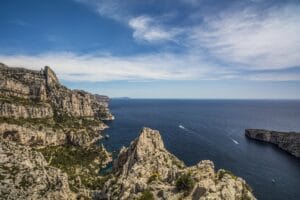
The footbridges connecting Fort Saint-Jean with the Mucem and surrounding neighborhoods are themselves part of the experience. They allow visitors to move naturally between old Marseille and the contemporary waterfront.
Cathédrale de la Major: Monumental Marseille Architecture
The Cathédrale de la Major is another major landmark close to the Mucem and Fort Saint-Jean. Its monumental scale and distinctive architecture make it impossible to overlook when walking along the waterfront.
The cathedral demonstrates how Marseille’s architectural history extends beyond its ancient foundations. Its position between the historic city and modern waterfront creates a fascinating visual contrast.
Visitors interested in religious architecture should include the cathedral while exploring the Mucem, Panier and Old Port area because these attractions can easily be combined into one walking route.
Château d’If: The Fortress Made Famous by Literature
Off the coast of Marseille lies the Château d’If, one of the most famous island fortresses in France. The fortress became internationally known through Alexandre Dumas’ novel The Count of Monte Cristo, giving the site an additional literary dimension.
The island itself is part of the Frioul archipelago and can be reached by boat from Marseille. Approaching the fortress from the sea provides a dramatic perspective that cannot be experienced from the city.
The combination of maritime history, fortress architecture and literature makes Château d’If particularly attractive for travelers who enjoy historical sites. The surrounding Mediterranean scenery also makes the boat journey itself part of the attraction.
A visit to Château d’If can be combined with a trip around the Frioul Islands, creating a full half-day or day experience away from the urban center.
Frioul Islands: A Mediterranean Escape
The Frioul Islands provide one of the easiest opportunities to experience Mediterranean landscapes close to Marseille. The archipelago lies offshore and offers rocky coastlines, clear water, small beaches, walking paths and views back toward the city.
The islands are ideal for travelers who want to escape the urban environment without traveling far from Marseille. A boat trip across the Mediterranean creates an immediate change of atmosphere.
The islands are especially attractive during sunny weather, when the contrast between pale limestone, deep blue water and Mediterranean vegetation becomes dramatic. Visitors should remember that exposed coastal areas can become hot, so water, sun protection and suitable footwear are important.
Calanques National Park: The Natural Wonder of Marseille
The Calanques National Park is arguably the greatest natural attraction in Marseille. Stretching along the coast between Marseille, Cassis and La Ciotat, the protected landscape combines limestone cliffs, Mediterranean vegetation, turquoise water and narrow coastal inlets.
The word “calanque” refers to a steep-sided coastal inlet, and the Marseille area contains some of the most spectacular examples in the Mediterranean. Popular areas include Sormiou, Morgiou, Sugiton, Marseilleveyre and Callelongue. Marseille Tourism highlights the Calanques as a major reason to visit the city.
The park is particularly attractive to hikers, swimmers, kayakers, divers, photographers and travelers who enjoy outdoor experiences. From high trails, visitors can look down toward intensely blue water surrounded by white limestone cliffs.
However, the Calanques should not be treated like an ordinary city park. It is a protected natural environment and access can be restricted because of fire danger, especially during the summer period. The National Park advises visitors to check official access conditions before traveling and to use the official information and alerts available for the area.
Calanque de Sormiou: Turquoise Water and Dramatic Cliffs
Calanque de Sormiou is one of the most famous coastal areas near Marseille. Its combination of clear Mediterranean water, limestone cliffs and small coastal settlement makes it a favorite destination for visitors.
Sormiou can be explored by hiking or approached from the sea depending on conditions and regulations. The scenery is especially impressive from elevated trails, where the entire calanque opens beneath you.
Because access regulations can change seasonally, travelers should check official Calanques National Park information before planning a hiking day. During periods of elevated fire risk, land access can be restricted or prohibited.
Calanque de Morgiou: A Historic Coastal Landscape
Calanque de Morgiou combines natural beauty with a strong maritime character. Traditional boats, limestone cliffs and the Mediterranean landscape create a scene that feels far removed from the busy city center.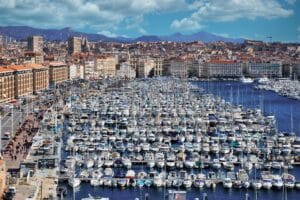
Morgiou is a particularly good choice for travelers who want to experience the cultural relationship between Marseille’s coastal communities and the sea. The area also offers opportunities for hiking and photography.
Visitors should plan carefully because the terrain can be steep and exposed. Comfortable walking shoes, sufficient drinking water and awareness of weather conditions are essential.
Calanque de Sugiton: Hiking and Panoramic Views
Calanque de Sugiton is another highly popular destination within the Calanques. It is known for its dramatic coastal scenery and hiking routes.
The journey to Sugiton is part of the experience. Rather than simply arriving at a conventional beach resort, visitors walk through Mediterranean landscapes and descend toward the sea.
Because of its popularity and environmental sensitivity, access management is important. Travelers should always follow current National Park instructions and remain on marked trails. The park specifically advises visitors not to walk off designated paths.
Vallon des Auffes: A Small Fishing Harbor with Character
The Vallon des Auffes is a small traditional fishing harbor located along Marseille’s coastal road. It provides a completely different atmosphere from the large Vieux-Port.
Stone houses, small boats, narrow passages and the sea create a picturesque setting. It is a wonderful location for travelers who want to photograph traditional Mediterranean architecture.
The Vallon des Auffes is also associated with Marseille’s seafood culture, making it an interesting place to experience the city’s relationship with fishing and coastal cuisine.
Corniche Kennedy: Marseille’s Scenic Coastal Road
The Corniche Kennedy follows the Mediterranean coastline and offers some of the best urban sea views in Marseille. Walking along the Corniche provides an opportunity to see beaches, rocky coastlines, islands and residential areas while remaining within the city.
The road is particularly attractive around sunset, when the changing light reflects across the Mediterranean. It can also be combined with visits to Vallon des Auffes and nearby coastal neighborhoods.
For travelers who enjoy scenic walks rather than formal attractions, the Corniche is one of the best free things to do in Marseille.
Palais du Pharo: Sea Views and Imperial History
The Palais du Pharo occupies a spectacular position overlooking the Old Port entrance. The palace was commissioned during the Second Empire and today functions as an important event and conference venue.
Even when visitors are not attending an event, the surrounding area provides excellent viewpoints. From the gardens, travelers can look toward Fort Saint-Jean, the Old Port and the Mediterranean.
The Pharo is particularly beautiful during the late afternoon when the low sun illuminates the harbor.
Saint-Victor Abbey: One of Marseille’s Historic Religious Sites
The Abbaye Saint-Victor is among Marseille’s oldest religious monuments and provides an opportunity to explore the city’s early Christian heritage.
Located close to the Old Port and southern waterfront, the abbey is easy to incorporate into a walking itinerary. Its stone architecture and crypts provide a striking contrast with the modern restaurants, hotels and waterfront spaces surrounding it.
Marseille Tourism lists Saint-Victor Abbey among the city’s essential historical attractions.
Palais Longchamp: Architecture, Museums and Gardens
The Palais Longchamp is one of the most impressive monumental buildings in Marseille. Built during the nineteenth century to celebrate the arrival of water from the Durance through the Canal de Marseille, the complex was completed in the 1860s.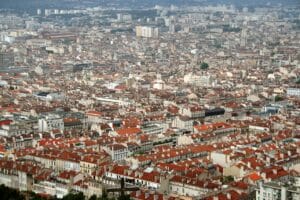
The architectural composition includes a monumental central water feature, colonnades, sculptures and gardens. The building also houses cultural institutions, including the Musée des Beaux-Arts and the Muséum d’Histoire Naturelle.
For travelers interested in architecture, history and museums, Palais Longchamp is one of the best places to visit beyond the Old Port area.
Cours Julien: Street Art and Creative Marseille
Cours Julien represents a younger and more artistic side of Marseille. The neighborhood is known for cafés, independent businesses, colorful walls, music, creative spaces and street art.
Walking around Cours Julien provides a completely different perspective from the monumental architecture around the Old Port. The streets feel informal, creative and contemporary.
Street-art enthusiasts should spend time looking beyond the main square because murals and painted surfaces can be found throughout surrounding streets.
La Plaine: Local Atmosphere and Everyday Marseille
The area around La Plaine provides another opportunity to experience Marseille away from the most famous tourist attractions. Markets, cafés, shops and neighborhood life give the district a more local atmosphere.
For visitors interested in understanding Marseille rather than simply photographing monuments, spending time in everyday neighborhoods can be rewarding. The city’s personality becomes more apparent when travelers slow down and observe how residents use public squares, cafés and streets.
Cité Radieuse: Le Corbusier’s Modernist Landmark
Architecture enthusiasts should visit Cité Radieuse, designed by the famous architect Le Corbusier. The building represents a major chapter in twentieth-century modernist architecture and demonstrates how Marseille has continually experimented with new approaches to urban living.
The structure is often described as a “city within a city,” reflecting Le Corbusier’s ideas about housing, community and modern life.
Its significance extends beyond Marseille because the work forms part of Le Corbusier’s broader architectural legacy. Marseille Tourism includes Cité Radieuse among the city’s essential attractions.
Stade Vélodrome: A Must for Football Fans
For football supporters, Stade Vélodrome is one of the most exciting places to visit in Marseille. The stadium is home to Olympique de Marseille and has become a major part of the city’s sporting identity.
Even travelers who are not regular football fans can appreciate the atmosphere surrounding the stadium. Football is deeply embedded in Marseille’s popular culture, and attending a match can provide a memorable way to experience the passion of the city.
Stadium tours and football-related experiences can also be considered when matches are not taking place.
Marseille and Olympique de Marseille
The connection between Marseille and Olympique de Marseille goes far beyond sport. The club is an important part of local identity, and its supporters create an atmosphere that can be felt throughout the city.
Football fans visiting Marseille should consider learning about the club’s history and visiting the stadium. This adds another dimension to a destination otherwise often associated mainly with beaches, museums and historical monuments.
La Canebière: Marseille’s Historic Boulevard
La Canebière is one of Marseille’s best-known streets and historically played an important role in the city’s commercial and social life. Running from the Old Port toward the eastern part of the city, it provides a direct connection between the waterfront and the urban center.
Walking along La Canebière allows visitors to observe the transition from the tourist-focused Old Port to more everyday parts of Marseille.
Marseille’s Mediterranean Cuisine
No guide to the best places to visit in Marseille would be complete without discussing food. Marseille’s cuisine reflects its location, history and multicultural character.
The city’s most famous dish is bouillabaisse, a traditional Mediterranean fish stew. Originally connected with the city’s fishing culture, the dish has become one of Marseille’s signature culinary experiences.
Travelers should also try panisse, a chickpea-based specialty, as well as seafood, Provençal vegetables, olive oil, tapenade and local pastries.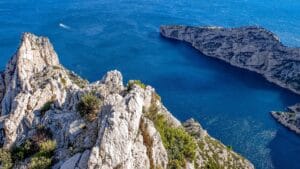
The best food experience is not necessarily found in the most expensive restaurant. Exploring neighborhood markets, bakeries, small restaurants and waterfront cafés can provide a broader understanding of Marseille’s food culture.
Marseille Fish Market
The fish market around the Vieux-Port is one of the city’s most traditional daily experiences. Visiting in the morning provides an opportunity to see the maritime character of Marseille before the waterfront becomes busy with tourists.
The market is an excellent place for photographers and travelers interested in local life. The activity of fishermen and seafood sellers reinforces the connection between the city and Mediterranean fishing traditions.
Marseille Beaches
Marseille is unusual among major French cities because visitors can combine extensive urban sightseeing with access to beaches and Mediterranean swimming areas.
The Catalans Beach is one of the closest beaches to the central area. Other coastal areas become increasingly scenic as you move toward the southern districts.
During summer, beaches can become crowded, so travelers who prefer a quieter experience may want to visit earlier in the day or consider coastal areas outside the busiest central locations.
Parc Borély: Green Space Near the Sea
Parc Borély is a large green area in southern Marseille and offers an attractive change from the historic center.
The park is suitable for walking, relaxing and enjoying a slower afternoon. Its proximity to the coast makes it possible to combine gardens, outdoor recreation and Mediterranean scenery in the same day.
It is also a useful choice for families looking for a break from museums and city streets.
Plage du Prado: Marseille’s Urban Seaside
The Prado beaches provide a broad coastal recreational area where residents and visitors can enjoy the Mediterranean.
The area is suitable for walking, swimming, relaxing and outdoor activities. It also demonstrates how Marseille integrates the sea into everyday urban life rather than treating the coastline only as a tourist attraction.
Les Goudes: A Village Atmosphere at the Edge of Marseille
Les Goudes is one of the most atmospheric coastal areas within Marseille. Located toward the southern edge of the city, the small fishing-village environment feels dramatically different from the central districts.
Traditional houses, rocky coastlines, small boats and surrounding hills create a setting that feels closer to a remote Mediterranean village than a major French city.
The journey itself can be beautiful, particularly along the southern coastal road.
Callelongue: Gateway to the Calanques
Callelongue marks an important starting area for exploring the southern Calanques. The small coastal setting provides immediate access to dramatic natural landscapes.
Visitors who enjoy hiking can use the area as a starting point for exploring trails toward other sections of the Calanques. Because conditions vary and some access routes are regulated, checking official information before setting out is essential.
Marseille Museums for Art and History Lovers
Marseille has an impressive collection of museums covering art, Mediterranean civilization, archaeology, natural history and local heritage.
The Mucem is particularly important for understanding Mediterranean culture, while Palais Longchamp offers access to fine art and natural history institutions. Smaller cultural venues and galleries add further variety.
Travelers interested in museums should not assume that Marseille is only a beach destination. The city’s cultural landscape is one of its major strengths.
Marseille for Architecture Lovers
Architecture is one of the reasons Marseille is so visually distinctive. Ancient religious structures, nineteenth-century monuments, modernist buildings and contemporary museums exist within relatively short distances.
A single day can include the historic streets of Le Panier, the monumental Cathédrale de la Major, Fort Saint-Jean, Mucem and modern architectural works such as Cité Radieuse.
This mixture makes Marseille especially interesting for travelers who enjoy photographing buildings and urban landscapes.
Best Time to Visit Marseille
Marseille can be visited throughout the year, but the best season depends on what you want to experience.
Spring is excellent for sightseeing and outdoor activities because temperatures are generally more comfortable than in the peak summer period. The Mediterranean landscape also becomes especially attractive during this season.
Summer is the most popular period for beaches, swimming and boat trips, but it is also when heat, crowds and wildfire restrictions can affect access to natural areas.
Autumn can be particularly pleasant for travelers who want a combination of city sightseeing and hiking. Winter is quieter and can be a good choice for museums, architecture, restaurants and cultural exploration.
Visiting the Calanques Responsibly
Travelers planning to visit the Calanques should understand that the area is protected and that access rules can change.
The National Park states that from June 1 to September 30, access to forested areas in the Bouches-du-Rhône can be regulated according to wildfire risk. The official daily fire-risk information should therefore be checked before visiting.
The park also warns visitors to remain on marked trails and avoid activities that could damage the environment or create fire risks. During restricted days, land access can be prohibited even though some maritime sightseeing may remain possible under specific conditions.
This makes the official Calanques National Park website one of the most important resources to consult immediately before a hiking trip.
How to Spend One Day in Marseille
A one-day Marseille itinerary should begin early at the Vieux-Port. From there, walk toward Hôtel de Ville and continue into Le Panier.
After exploring the historic neighborhood, continue toward Mucem and Fort Saint-Jean. Spend time exploring the museum and enjoying the views from the fort.
After lunch, travel toward Notre-Dame de la Garde. The panoramic view provides a completely different perspective of everything you saw earlier in the day.
Finish the afternoon along the coast, perhaps around the Corniche or Vallon des Auffes, before returning to the Old Port for dinner.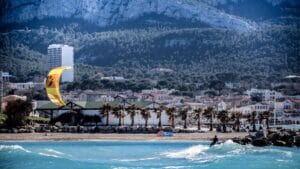
This route follows the logic of Marseille Tourism’s own one-day heritage itinerary, which begins at the Old Port, continues through Le Panier and Mucem and emphasizes the city’s historic waterfront.
How to Spend Two Days in Marseille
With two days, the first day can focus on historic and cultural Marseille. Explore Vieux-Port, Le Panier, Mucem, Fort Saint-Jean, Cathédrale de la Major and Notre-Dame de la Garde.
The second day can focus on the Mediterranean. Depending on weather and access conditions, choose the Calanques, Frioul Islands, Château d’If or the southern coast.
This combination provides a much better understanding of Marseille because it balances the city’s historical identity with its natural environment.
How to Spend Three Days in Marseille
Three days allow visitors to experience Marseille without rushing.
The first day can be dedicated to the Old Port, Panier, Mucem and Fort Saint-Jean. The second day can focus on Notre-Dame de la Garde, Saint-Victor, the Corniche, Vallon des Auffes and the beaches.
The third day can be reserved for the Calanques or Frioul Islands. Outdoor conditions should be checked before choosing between hiking and a boat-based experience.
Best Neighborhoods to Stay in Marseille
For first-time visitors, staying near the Vieux-Port provides convenient access to many major attractions. The area is lively and well connected to public transportation.
Le Panier is appealing for travelers who want historic surroundings and character. Cours Julien is better suited to visitors who enjoy restaurants, cafés, nightlife and street art.
Coastal areas are attractive for travelers who prioritize the sea, while southern neighborhoods provide easier access toward the Calanques.
Why Marseille Should Be on Your France Travel List
Marseille deserves attention because it offers something that few French cities can replicate: a major urban environment directly connected with a spectacular Mediterranean coastline.
You can explore more than 2,600 years of history in the morning, visit a world-class cultural institution in the afternoon and hike through a protected coastal landscape later in the trip.
The official tourism authorities emphasize precisely this combination of heritage, culture, nature, food, beaches, islands and maritime experiences.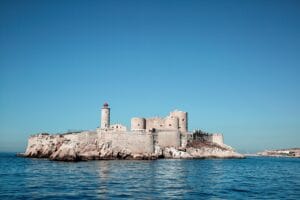
Conclusion
The best places to visit in Marseille reveal different sides of the city. The Vieux-Port explains its maritime history, while Le Panier reveals its oldest urban character. Notre-Dame de la Garde provides the unforgettable panoramic view, and Mucem demonstrates Marseille’s contemporary cultural importance.
Fort Saint-Jean, Cathédrale de la Major and Saint-Victor Abbey add layers of architectural and religious history. Cours Julien introduces a creative and artistic side, while Cité Radieuse demonstrates the city’s connection with modern architecture.
Beyond the urban center, the Calanques, Frioul Islands, Château d’If, Vallon des Auffes, Corniche and southern coastline reveal the Mediterranean landscape that defines Marseille as much as its historic buildings do.
- Marseille Tourism – Places Not to Be Missed
- France’s Official Tourism – Visit Marseille
- Marseille Tourism – The Essentials
- Mucem – Official Museum Website
- Mucem – Fort Saint-Jean
- Calanques National Park – Official Access Information
- Calanques National Park – Land Regulations and Fire-Risk Access
- Marseille City – Palais Longchamp
Author

Related posts
Best Places to Visit in Dinant
- 0
- 4,895 words
Best Places to Visit in Dinant, Belgium Dinant is one of the most beautiful small towns in Belgium and one of the...
Read out all
Best Places to Visit in Mont-Saint-Michel
- 0
- 4,974 words
Best Places to Visit in Mont-Saint-Michel , France Mont-Saint-Michel is one of the most extraordinary destinations in France and one of the...
Read out all
UNGA
- 0
- 5,649 words
UNGA (United Nations General Assembly ) The United Nations General Assembly, commonly known as the UN General Assembly or UNGA, is one...
Read out all
Best Places to Visit in Kathmandu
- 0
- 4,089 words
Best Places to Visit in Kathmandu , Nepal Kathmandu, the capital of Nepal, is one of South Asia’s most fascinating travel destinations....
Read out all
Best Places to Visit in Vilnius
- 0
- 5,246 words
Best Places to Visit in Vilnius , Lithuania Vilnius, the capital of Lithuania, is one of the most fascinating destinations in the...
Read out all
Best Places to Visit in Riga
- 0
- 6,005 words
Best Places to Visit in Riga , Latvia Riga, the capital of Latvia, is one of the most fascinating destinations in the...
Read out all