
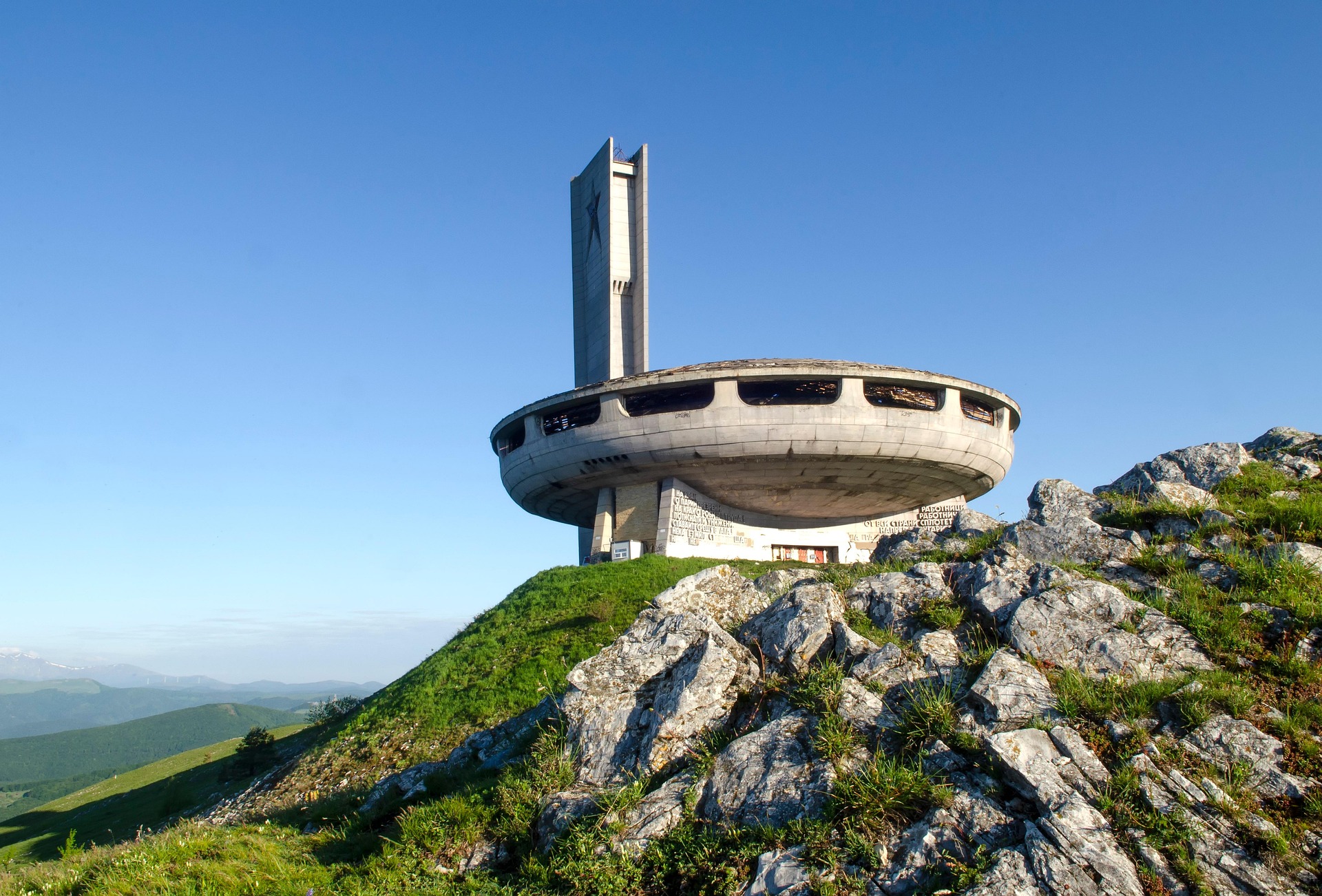
Places to Visit in Pirin National Park , Bulgaria
Pirin National Park is one of the most remarkable destinations in Bulgaria for travelers who love mountains, pristine nature, hiking, photography, and outdoor adventures. Situated in the southwestern part of the country, the park protects a dramatic landscape of towering limestone and granite peaks, glacial lakes, deep valleys, alpine meadows, and ancient coniferous forests. Its scenery changes dramatically with elevation, from forest-covered slopes to rugged mountain ridges and high-altitude landscapes shaped by glaciers over thousands of years. This variety makes Pirin an outstanding destination for both experienced mountaineers and visitors who simply want to enjoy the beauty of the Bulgarian mountains.
Why Pirin National Park Is a Must-Visit Destination in Bulgaria
Pirin National Park stands out because it combines exceptional natural beauty with remarkable biodiversity. The protected landscape includes rare plants, old-growth forests, mountain wildlife, and glacial landforms that make the region valuable for conservation as well as tourism. The UNESCO World Heritage property protects around 40,000 hectares of mountain terrain, much of it in the high alpine zone. Visitors can experience the landscape through marked hiking routes, mountain huts, scenic viewpoints, and nature-focused excursions. For travelers creating a Bulgaria itinerary, Pirin offers a refreshing alternative to historic cities, coastal resorts, and cultural sightseeing.
UNESCO World Heritage Status: Understanding Pirin’s Global Importance
Pirin’s international importance is recognized through its inclusion on the UNESCO World Heritage List. The property was first inscribed in 1983 and later extended to better represent the outstanding natural values of the mountain environment. Its importance comes from both its visual beauty and the geological and ecological processes preserved within the landscape. Glacial cirques, deep valleys, rocky slopes, alpine meadows, and old coniferous forests create a natural environment of exceptional value. Travelers who visit Pirin are therefore exploring not only a beautiful national park but also a protected landscape that contributes to global natural heritage.
Vihren Peak: The Iconic Summit of Pirin National Park
Vihren Peak is one of the most famous places to visit in Pirin National Park and the mountain range’s highest summit, reaching approximately 2,914 metres above sea level. Its steep, pale rocky slopes create a dramatic silhouette that can be seen from different parts of the surrounding mountains. For experienced hikers, climbing Vihren can be a major highlight of a visit to Bulgaria. The summit provides expansive views across the Pirin Mountains and, in suitable conditions, toward neighboring ranges. However, this is a demanding mountain objective rather than a casual walk, and visitors should assess their fitness, weather, route conditions, and experience before attempting it.
Hiking to Vihren Peak: An Adventure for Experienced Walkers
The usual hiking approach to Vihren Peak begins from the Vihren Hut area above Bansko, although the precise route and conditions depend on the chosen trail. The ascent involves steep terrain, rocky sections, and considerable elevation gain. Hikers need sturdy footwear, sufficient water, appropriate clothing, and a realistic understanding of the time required. Even in summer, weather can change quickly at high altitude, while storms, strong winds, or early snow can make the route significantly more dangerous. Travelers who lack mountain experience should consider hiring a qualified local guide or choosing a lower-altitude trail instead.
The Views From Vihren: A Panorama of the Bulgarian Mountains
The views around Vihren Peak are among the most impressive in southwestern Bulgaria. High ridges, steep rock formations, deep valleys, and distant mountain summits create a powerful sense of scale. The landscape can appear completely different depending on cloud cover, sunlight, and the season. On clear days, photographers can capture the contrast between pale limestone, darker forested slopes, and patches of alpine vegetation. Visitors should never risk their safety to obtain a photograph, especially near exposed ridges or steep drops. A safe viewpoint along the trail can provide an equally memorable mountain experience.
Kutelo Peak: A Dramatic Neighbor of Vihren
Kutelo Peak is another major summit in the northern Pirin Mountains and an important feature of the high mountain skyline. Its rocky terrain and steep slopes create a rugged landscape that appeals to experienced mountaineers. The surrounding ridges provide some of the most dramatic scenery in the park, but they also demand careful route planning and strong mountain skills. Visitors should not assume that a route between nearby summits is easy simply because the peaks appear close together on a map. In high mountains, narrow ridges, loose stones, exposure, and sudden changes in weather can make short distances surprisingly challenging.
Koncheto Ridge: A Famous High-Mountain Route
Koncheto Ridge is one of Pirin’s most renowned high-mountain features, attracting experienced hikers and mountaineers who seek dramatic views and exposed terrain. The narrow ridge lies in the high northern part of the mountain range and is associated with steep drops and demanding conditions. Although the route has a reputation for adventure, it is not suitable for everyone. Travelers should research the exact route, current conditions, equipment requirements, and safety considerations before planning a visit. Anyone uncomfortable with exposure or narrow mountain passages should choose a safer marked trail elsewhere in Pirin National Park.
The Banderitsa Valley: A Scenic Gateway to Pirin’s Mountains
The Banderitsa Valley is one of the best areas for discovering the natural beauty of Pirin National Park. Located in the mountains above Bansko, it offers forest scenery, mountain streams, rocky slopes, and access to important hiking routes. The journey into the valley is itself an attractive experience, as the surroundings gradually change from forested terrain to a more alpine environment. Visitors can use the area as a starting point for hikes toward mountain lakes and higher summits, or simply enjoy the scenery from accessible locations. Before traveling, check road access, seasonal restrictions, and the condition of the approaches.
Banderitsa Hut: A Useful Base for Mountain Exploration
Banderitsa Hut is a traditional mountain refuge that serves hikers exploring the surrounding valley and trails. Mountain huts are important parts of Bulgaria’s hiking culture because they can provide a place to rest, eat, or stay overnight, depending on available services and current operating arrangements. A hut-based itinerary can help travelers divide a longer walk into manageable stages. However, visitors should not assume that every hut is open or fully supplied throughout the year. Check availability, booking requirements, food services, and approach conditions in advance, particularly when traveling outside the main summer hiking season.
Baykusheva Mura: Visit One of Bulgaria’s Oldest Trees
Baykusheva Mura is one of the most distinctive natural attractions near Bansko and a memorable stop for visitors exploring Pirin. This ancient Bosnian pine is estimated to be around 1,300 years old and is often described as one of the oldest trees in Bulgaria. Its twisted trunk and weathered branches tell a story of survival through centuries of changing weather and mountain conditions. The tree offers an accessible nature experience compared with the park’s demanding high-altitude routes. Visitors should admire it without climbing on its roots or damaging its surroundings, helping preserve this remarkable living monument for future generations.
The Bezbog Area: Mountain Scenery and Access to High Lakes
The Bezbog area, reached from the Dobrinishte side of the Pirin Mountains, is one of the most appealing gateways to the park’s high-altitude scenery. The area is associated with Bezbog Hut, Bezbog Lake, and routes toward surrounding peaks and glacial lake basins. Visitors can enjoy mountain views without necessarily undertaking the most demanding summit hikes. Depending on seasonal operation, transport facilities may help reduce the amount of climbing needed to reach the higher starting points. Conditions can change significantly with weather and snow, so visitors should verify access arrangements before setting out.
Bezbog Lake: A Beautiful Alpine Lake in Pirin
Bezbog Lake is a scenic mountain lake that attracts visitors with its clear water, surrounding slopes, and peaceful high-altitude atmosphere. It is an excellent destination for travelers who want to experience Pirin’s glacial landscape without committing to a full-day summit climb. The surrounding area offers opportunities for photography, quiet observation, and further exploration along suitable routes. The lake’s appearance changes with the weather, and its surface may reflect the surrounding mountains on calm days. Visitors should remain on established paths and avoid leaving waste or disturbing the fragile vegetation near the shoreline.
Polezhan Peak: High-Mountain Views Near Bezbog
Polezhan Peak is a prominent summit in the northeastern Pirin Mountains and a popular objective for hikers approaching from the Bezbog area. Its elevated position offers broad views over surrounding peaks and glacial lake basins. The ascent is a genuine mountain hike, and route conditions can vary according to season, snow cover, and weather. Visitors should check the forecast, begin early when appropriate, and carry sufficient water and protective clothing. For travelers who want to experience the grandeur of Pirin beyond its best-known Vihren routes, Polezhan can be a rewarding option when undertaken with proper preparation.
The Popovo Lake Basin: A Highlight for Nature Lovers
The Popovo Lake basin is among the most celebrated lake landscapes in Pirin National Park. Surrounded by mountain slopes and alpine terrain, it offers a classic picture of the glacial scenery that defines the region. The lake is a popular destination for hikers exploring the higher parts of the mountain, and its surroundings provide excellent opportunities for landscape photography. The walk requires appropriate footwear and enough time for the return journey, especially for visitors starting from lower elevations. Travelers should consult current trail information and avoid approaching the shoreline in ways that damage vegetation.
Popovo Lake: One of Pirin’s Most Beautiful Natural Attractions
Popovo Lake is widely admired for its mountain setting, clear water, and dramatic backdrop. It is one of the largest and best-known glacial lakes in the Pirin Mountains and is a highlight for many hiking itineraries. The landscape surrounding the lake reflects the region’s geological history, with rocky slopes and high ridges shaped by ancient glacial activity. Visitors often pause here to rest, enjoy the scenery, and take photographs. The water can remain very cold even during summer, so swimming should not be treated as an ordinary recreational activity. Protecting the lake’s natural condition is more important than entering the water.
The Samodivski Lakes: Discover a Quiet High-Mountain Landscape
The Samodivski Lakes are part of Pirin’s wider collection of glacial lakes and offer another opportunity to explore the mountain’s quieter alpine scenery. Depending on the route, reaching these lakes may involve longer walks, uneven terrain, and changes in elevation. Their appeal lies in the feeling of remoteness and the chance to experience the mountain environment away from busy resort areas. Hikers should use reliable maps and follow marked trails, since mountain weather and route conditions can make navigation more difficult than expected. Visitors should also remember that alpine ecosystems recover slowly from trampling and disturbance.
The Valyavishki Lakes: A Scenic Chain of Glacial Waters
The Valyavishki Lakes form one of the beautiful lake groups in Pirin, surrounded by rugged peaks and high mountain terrain. Their setting makes them especially attractive to hikers interested in photography, geology, and alpine landscapes. Reaching the lakes may require a demanding walk, depending on the chosen starting point and route. Travelers should plan carefully, carry adequate supplies, and avoid relying on mobile phone coverage for navigation. The lakes are most rewarding when visited with enough time to appreciate the scenery without rushing through the route.
The Kremenski Lakes: A Remote Landscape for Experienced Hikers
The Kremenski Lakes are another notable group of glacial lakes within the Pirin Mountains. They appeal to travelers who want to explore less familiar parts of the mountain landscape and are comfortable with longer hikes. The surrounding terrain offers dramatic views, quiet mountain atmosphere, and opportunities to observe the relationship between water, rock, and alpine vegetation. Because some approaches are less straightforward than popular routes, visitors should confirm trail conditions and consider a guide if unfamiliar with the area. Good preparation is essential for a safe and enjoyable excursion.
The Bunderishki Lakes: Discover Pirin’s Glacial Heritage
The Bunderishki Lakes are among the scenic lake groups that contribute to Pirin’s reputation as one of Bulgaria’s leading destinations for alpine hiking. Set among rocky mountain terrain, they demonstrate the glacial processes that helped shape the landscape. Hikers can enjoy changing views as the trail passes through different elevations and vegetation zones. The precise difficulty depends on the chosen route and starting point, so visitors should select a walk that matches their fitness and experience. As with all mountain lakes, the best way to enjoy them is to leave the surroundings undisturbed.
The Fish Banderitsa Lake: A Peaceful Stop on a Mountain Hike
Fish Banderitsa Lake is a known lake in the Banderitsa area and can be included in a broader exploration of Pirin’s mountain waters. The lake’s appeal comes from its natural setting and the opportunity to take a break while surrounded by alpine scenery. Visitors should check route details carefully, because names, trail junctions, and lake groups can be confusing to those unfamiliar with the mountain. Taking a map and allowing extra time helps reduce the risk of becoming disoriented. A responsible visit means avoiding litter, protecting shoreline vegetation, and keeping noise to a minimum.
Muratovo Lake: Mountain Reflections and a Classic Pirin Landscape
Muratovo Lake is another attractive natural feature in the Pirin Mountains, known for its mountain backdrop and peaceful setting. The lake can be especially appealing to landscape photographers who want to capture reflections, rocky slopes, and the changing light of the high mountains. Hiking to the lake requires suitable footwear and awareness of the weather, particularly when clouds reduce visibility. Visitors should remain alert around wet rocks and steep ground. The landscape is at its best when travelers take time to enjoy it rather than treating the lake only as a quick stop for a photograph.
Sinanitsa Peak and Lake: A Distinctive Corner of Pirin
Sinanitsa is one of the distinctive mountain areas of Pirin, associated with a striking summit, a beautiful lake, and a mountain refuge. The pale rock formations and surrounding landscape create a memorable setting for experienced hikers. Reaching the area can involve a substantial journey, and routes may be exposed or demanding depending on conditions. Visitors should research the route, verify hut availability, and consider the need for a guide. For travelers who have enough time and mountain experience, Sinanitsa offers a rewarding way to discover a less urbanized and less resort-focused side of Pirin.
The Spano Pole Area: Meadows, Peaks, and Mountain Huts
Spano Pole is a high mountain area known for its open terrain, mountain views, and access to hiking routes. Compared with the steepest rocky summits, some parts of the area can feel more open and spacious, although conditions still depend on elevation and route choice. Hikers can enjoy the contrast between alpine meadows and surrounding ridges while exploring the landscape at a steady pace. Because routes may be long and remote, travelers should plan water, food, weather protection, and return times in advance.
Bayuvi Dupki–Dzhindzhiritsa Reserve: Protecting Ancient Forests
Bayuvi Dupki–Dzhindzhiritsa is one of the important protected reserves associated with Pirin National Park. The reserve protects valuable mountain habitats, including forests of Balkan and Bosnian pine, as well as plant and animal communities that depend on relatively undisturbed conditions. It is particularly important for conservation because it preserves elements of the natural mountain ecosystem that have become uncommon elsewhere. Visitors should respect restrictions on access and activities, since not every part of a protected reserve is open for unrestricted recreation. The official park directorate provides the most reliable guidance on permitted routes and rules.
Yulen Reserve: Protecting High-Altitude Biodiversity
Yulen Reserve is another important conservation area within the Pirin landscape. It protects high mountain habitats, rare species, and natural processes that support the region’s biodiversity. For travelers, its significance is a reminder that Pirin is not simply a recreation area but a carefully managed protected environment. Activities permitted in one section of the national park may not be allowed in a strict reserve. Visitors should check official rules, stay on authorized routes, and avoid disturbing plants or wildlife. Responsible travel helps maintain the ecological values that make Pirin internationally important.
Ancient Coniferous Forests: Discover Pirin’s Living Heritage
Pirin’s forests are among the most valuable features of the park, with old-growth conifers forming an important part of the mountain ecosystem. Macedonian pine and Bosnian pine are especially significant, while other conifers and mountain forest species create habitats for wildlife. Walking through these forests offers a different experience from hiking above the tree line, with shaded paths, changing vegetation, and a quieter atmosphere. The forests also help protect soils and water systems. Visitors should remain on established trails and avoid collecting plants, damaging bark, or disturbing fallen wood that supports the natural ecosystem.
Alpine Meadows: A Different Side of Pirin’s Landscape
Above the forest zone, Pirin opens into alpine meadows, rocky slopes, and high mountain pastures. During the warmer months, these areas can contain delicate flowering plants and provide wide views of surrounding summits. The open landscape can appear gentle from a distance, but the terrain may be uneven, steep, and exposed to rapidly changing weather. Travelers should follow marked routes and avoid trampling vegetation to create shortcuts. The alpine zone is one of the reasons Pirin is so visually diverse, transitioning from dense forests to a rugged world of rock, grass, and sky.
Rare Flowers and Edelweiss: Pirin’s Botanical Treasures
Pirin is home to a rich variety of plant species, including endemic and rare plants adapted to the mountain environment. Edelweiss is one of the best-known flowers associated with the high Pirin region, although visitors should never pick it or leave established trails to seek it out. The park’s plant diversity is part of its global conservation value, and many species are vulnerable to disturbance. Travelers interested in botany can learn more through official park interpretation materials or guided nature walks. Observing flowers with a camera rather than collecting them helps preserve the mountain’s natural heritage.
Wildlife in Pirin National Park: A Rich Mountain Ecosystem
The Pirin Mountains provide habitats for a variety of mammals, birds, reptiles, amphibians, and other wildlife. Species associated with the wider region include brown bears, wolves, chamois, and numerous mountain birds, although sightings are never guaranteed. Most visitors experience the wildlife indirectly through tracks, calls, or glimpses from a distance. It is important not to feed animals, approach them, or leave food waste that could alter their behavior. Quiet observation, suitable distance, and compliance with park rules help protect both wildlife and visitors.
Birdwatching in Pirin: Discover Mountain Birds
Pirin’s forests, rocky slopes, and alpine habitats support a variety of bird species, making the park appealing to birdwatchers and wildlife photographers. Different elevations create different habitats, so a walk through forest and meadow zones may provide opportunities to observe different kinds of birds. Binoculars and a field guide can make the experience more rewarding, while early mornings are often useful for quiet nature observation. Visitors should avoid playing recorded bird calls or approaching nests, as such behavior can disturb wildlife during sensitive periods.
Hiking Trails in Pirin National Park: Choose the Right Route
Hiking is one of the main reasons travelers visit Pirin National Park, and the park contains a network of marked routes that serve different levels of experience. Shorter walks around accessible mountain areas can be suitable for visitors who want scenery without a major climb, while routes to glacial lakes and high summits require stronger fitness and careful planning. The park directorate publishes information about established trails and access points. Visitors should choose a route based on distance, elevation gain, terrain, weather, and daylight rather than relying only on the estimated walking time.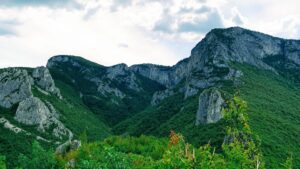
Easy Nature Walks for Visitors Who Prefer Gentle Adventures
Not every visit to Pirin needs to involve a demanding summit. Travelers can enjoy mountain views, forest paths, accessible viewpoints, and shorter walks around established visitor areas. The surroundings of Bansko and some lower-elevation approaches provide opportunities to experience the mountain landscape without undertaking a full-day climb. Families and casual walkers should still wear appropriate footwear, carry water, and check the weather. Even an easy trail can become uncomfortable or unsafe when rain, mud, cold, or poor visibility changes the conditions.
Challenging Mountain Hikes for Experienced Adventurers
Experienced hikers may choose longer routes linking mountain huts, high lakes, ridges, and summits. These journeys can provide a deeper understanding of Pirin’s varied landscape, but they require navigation skills, suitable equipment, and a realistic assessment of fitness. Some routes include exposed terrain or sections where a fall could have serious consequences. Visitors should not attempt demanding hikes alone if they lack experience, and they should tell someone their plans and expected return time. A qualified mountain guide can be valuable for unfamiliar routes and changing conditions.
Mountain Huts in Pirin: Plan an Overnight Hiking Experience
Mountain huts allow visitors to explore Pirin over multiple days without returning to a town after every hike. Depending on the hut, services may include sleeping accommodation, meals, and basic shelter. Popular hiking areas have huts that can serve as starting points or overnight stops, but availability and operating conditions differ. Travelers should contact the hut in advance, confirm reservations, and carry essential personal supplies. A hut stay can make a mountain trip more immersive, but it does not remove the need for proper equipment or safe route planning.
Bansko: The Best Base for Exploring Pirin National Park
Bansko is one of the most convenient bases for visiting Pirin National Park. Located at the foot of the mountains, the town combines historic streets, traditional Bulgarian architecture, restaurants, accommodation, and access to outdoor recreation. It is popular in winter for skiing and during warmer months for hiking and mountain activities. Visitors can spend time exploring the old town, learning about local history, and preparing for trips into the national park. Bansko also offers practical services that can be useful before or after a day on the trails.
Bansko Old Town: Discover Traditional Bulgarian Architecture
Bansko’s old town is worth exploring even for travelers whose main purpose is hiking in Pirin. Its traditional houses, stone walls, narrow streets, and historic atmosphere provide a cultural contrast to the surrounding mountain scenery. Walking through the town offers opportunities to discover local architecture, small shops, and places serving Bulgarian food. A visit to the old town can be a relaxing way to spend an afternoon after a mountain excursion. Travelers should leave enough time to explore beyond the main streets and appreciate the town’s connection to the surrounding landscape.
Dobrinishte: A Relaxed Mountain Town Near Pirin
Dobrinishte is a small town near Bansko that offers access to the Pirin Mountains and a quieter alternative to the larger resort center. It is useful for travelers exploring the northeastern approaches to the park, including the Bezbog area. The town also has a reputation for thermal-water facilities, making it possible to combine outdoor recreation with relaxation. Visitors should check current transport services, seasonal access, and the opening arrangements of individual facilities before planning a day trip.
Sandanski: A Warm-Climate Base Near the Southern Pirin Region
Sandanski is a town in southwestern Bulgaria known for its relatively mild climate, parks, and thermal-water attractions. It provides a useful base for exploring parts of the wider Pirin region, particularly for travelers interested in combining mountain landscapes with lower-elevation towns. The atmosphere differs from Bansko, with a more relaxed urban setting and opportunities for leisurely walks. Visitors should plan travel carefully if they want to reach high mountain trailheads, because access times and transport options vary by location and season.
Melnik: Historic Streets and Dramatic Sandstone Formations
Melnik is a small historic town near the southern Pirin region, famous for its traditional architecture, wine heritage, and unusual sandstone formations. Although it is not the main gateway for the park’s most popular northern hiking routes, it makes an excellent addition to a broader southwestern Bulgaria itinerary. Visitors can explore the old town, learn about local winemaking traditions, and admire the surrounding landscape. Combining Melnik with Pirin allows travelers to experience both high alpine scenery and the distinctive cultural and geological features of the region.
Rozhen Monastery: A Cultural Excursion Near the Pirin Region
Rozhen Monastery is an important religious and cultural site near Melnik and can be included in a wider journey through southwestern Bulgaria. Its historic buildings and peaceful setting offer a contrast to the physical demands of mountain hiking. Visitors interested in architecture, religious heritage, and regional history may find it a worthwhile excursion before or after exploring Pirin. Travelers should check access arrangements and respect the customs of the site, especially if services or religious activities are taking place.
Hot Springs Near Pirin: Relax After a Day in the Mountains
The region around Pirin includes towns known for thermal-water experiences, particularly Dobrinishte and Sandanski, with additional facilities elsewhere in southwestern Bulgaria. These can be appealing after a long day of walking, providing an opportunity to relax and enjoy a slower pace. Facilities vary in style, from public bathing areas to hotels and spa complexes. Visitors should confirm opening hours, prices, hygiene arrangements, and available services directly with the provider. Anyone with a medical concern should seek appropriate advice before using hot pools or spa facilities.
Photography in Pirin National Park: Capture the Mountain Scenery
Pirin is one of Bulgaria’s most rewarding destinations for landscape photography. The park offers opportunities to photograph rugged summits, clear lakes, old forests, alpine meadows, and changing mountain weather. Early morning can provide softer light and quieter trails, while late afternoon may bring dramatic shadows across the peaks. Conditions are unpredictable, so photographers should protect equipment from rain and cold and avoid delaying their return to chase the perfect image. A safe, well-planned walk usually produces better results than a risky attempt to reach an exposed viewpoint.
Sunrise in Pirin: Experience the Mountains at First Light
Sunrise can be a magical time in Pirin, when the first light gradually illuminates the ridges and peaks. For hikers already staying in a mountain hut, an early start may provide beautiful views and a quieter experience. However, pre-dawn hiking requires reliable navigation, warm clothing, a headlamp, and a clear understanding of the route. Visitors unfamiliar with the terrain should not attempt a difficult trail in darkness simply to watch sunrise. Safer viewpoints near established accommodation or accessible paths can still offer a memorable early-morning experience.
Sunset in Pirin: Enjoy the Changing Colors of the Mountains
Sunset transforms Pirin’s rocky slopes and alpine meadows as the light becomes warmer and shadows lengthen across the valleys. It can be an excellent time for photography from a safe viewpoint near a trailhead, hut, or established walking route. Hikers should pay close attention to the time needed to return before darkness, especially in remote terrain. The mountains can become cold quickly after the sun disappears, even during summer. Planning a sunset visit around a short and familiar route helps travelers enjoy the scenery without unnecessary risk.
Pirin National Park in Summer: The Main Hiking Season
Summer is generally the most popular period for hiking in Pirin National Park because many high-altitude routes become more accessible after the snow melts. During this season, visitors can explore glacial lakes, climb selected peaks, walk through alpine meadows, and stay in mountain huts. Nevertheless, summer does not guarantee safe conditions. Afternoon thunderstorms, sudden temperature drops, and strong winds can affect high ridges, while busy trailheads may create parking and transport challenges. Travelers should start early when appropriate and check local weather and trail information before every hike.
Pirin National Park in Autumn: Forest Colors and Quieter Trails
Autumn can be a beautiful time to visit Pirin, particularly for travelers who enjoy forest scenery and fewer crowds. Lower-elevation woodland may show seasonal changes in color, while clear days can provide excellent visibility across the mountains. However, daylight becomes shorter, temperatures drop, and snow or ice may begin to affect high-altitude trails. Some services and transport options may also change their schedules after the main summer season. Visitors should choose routes carefully and avoid assuming that conditions remain suitable for high mountain hiking simply because the lower valleys are mild.
Pirin National Park in Winter: Snowy Mountains and Specialized Adventures
Winter transforms Pirin into a landscape of snow-covered peaks, frozen water, and challenging mountain conditions. The surrounding region is popular for winter sports, especially around Bansko, but the national park’s high-altitude environment requires caution. Snow, ice, avalanches, low visibility, and extreme cold can make summer hiking routes dangerous or inaccessible. Winter mountaineering should be attempted only by people with appropriate experience, equipment, and current local knowledge. Visitors who want a safer winter experience can enjoy the resort environment, lower-elevation walks where conditions allow, and mountain views from accessible locations.
Pirin National Park in Spring: Water, Flowers, and Changing Conditions
Spring brings changing conditions to Pirin, with snowmelt, flowing streams, and the gradual return of vegetation at lower elevations. It can be a rewarding season for visitors interested in the transition between winter and summer, but high-altitude trails may remain snow-covered or icy well into the season. Walking conditions can vary dramatically between the valleys and the summits. Travelers should check current route conditions and avoid high mountain paths unless properly equipped and experienced. Spring is often best approached as a season for flexible plans rather than fixed summit ambitions.
Best Time to Visit Pirin National Park
The best time to visit Pirin National Park depends on the activities you want to enjoy. For many ordinary hikers, summer is the most practical season for accessing popular mountain lakes and trails, although weather conditions still need careful monitoring. Early autumn can offer excellent scenery and quieter paths, while winter suits travelers focused on snow sports or specialized mountain activities. Spring is attractive for lower-elevation exploration but may be unsuitable for high routes. Before choosing travel dates, consider daylight hours, snow conditions, mountain hut availability, transport schedules, and your own hiking experience.
How Many Days Do You Need in Pirin National Park?
A short visit of two days can provide an introduction to the area, with one day for a scenic walk and another for Bansko, nearby nature attractions, or the Bezbog area. Three to four days allow more time to explore different lake basins and choose a route suited to your fitness. A week can provide a fuller experience, combining hiking, mountain huts, cultural excursions, and nearby towns such as Dobrinishte, Melnik, or Sandanski. The most important factor is not the number of attractions visited but allowing enough time for safe hiking and changing mountain weather.
How to Reach Pirin National Park From Sofia
Sofia is the main international gateway for many visitors to Bulgaria. From the capital, travelers can continue toward Bansko or other towns around Pirin by road or public transport, depending on their itinerary. Bus and rail options may involve different routes or transfers, so it is important to check current timetables rather than relying on assumptions. A rental car can offer more flexibility for reaching specific trailheads, but drivers should verify road conditions, parking arrangements, and seasonal restrictions. Allow enough time for the journey, especially if you plan to begin a hike on the same day.
Getting Around Pirin National Park
Getting around Pirin depends on which part of the park you want to explore. Bansko is a useful starting point for the northern mountain areas, while Dobrinishte provides access to routes toward Bezbog. Other trailheads can be reached from different surrounding towns and villages. Public transport may be limited or seasonal in some areas, and mountain roads can have restrictions or variable conditions. Travelers should confirm the final approach to each trail, identify legal parking or transport arrangements, and avoid driving onto roads or tracks where access is prohibited.
What to Pack for a Trip to Pirin National Park
Packing for Pirin should reflect the elevation, weather, route length, and season. Even in summer, hikers may need warm layers, a waterproof jacket, sturdy shoes, sun protection, and enough water and food for the entire outing. A map or reliable offline navigation, a charged phone, and a small first-aid kit are useful for mountain travel. More demanding hikes may require additional equipment, depending on the route and conditions. Do not rely entirely on mobile coverage or assume that shops and huts will be open when you arrive.
Mountain Safety in Pirin: Prepare Before You Set Out
Mountain safety is essential when visiting Pirin National Park. Weather can change rapidly, especially at high elevations, and a route that appears manageable from below may include exposed or technically challenging sections. Check the forecast, understand the trail, estimate your return time, and choose a route suited to your experience. Tell someone your plans, carry essential supplies, and turn back if conditions deteriorate. Visitors who are unfamiliar with the mountains should consider a qualified local guide for difficult or remote routes. The goal is to enjoy Pirin while returning safely.
Conclusion
The best places to visit in Pirin National Park include Vihren Peak, the Banderitsa Valley, Bezbog Lake, Popovo Lake, the Valyavishki and Kremenski lake areas, Baykusheva Mura, and the dramatic high-mountain terrain around Kutelo and Koncheto Ridge. Each destination reveals a different part of Pirin’s natural character, from ancient forests and peaceful lakes to exposed ridges and sweeping alpine views. Nearby towns such as Bansko, Dobrinishte, Melnik, and Sandanski can add local culture, food, history, and relaxation to the journey. Whether you are planning a short nature break or a multi-day hiking holiday, Pirin rewards visitors who plan carefully, choose suitable routes, and protect the remarkable environment they have come to experience.
UNESCO World Heritage Centre: Pirin National Park — World Heritage listing — official information about the park’s outstanding natural value, glacial lakes, forests, and biodiversity.
Official Pirin National Park Directorate: Pirin National Park — Official Website — park information, marked hiking trails, and visitor rules.
Official hiking routes: Pirin National Park — Hiking Routes — route information and trail access points.
Visitor information centre: Pirin National Park Visitor Information Centre — visitor support and information in Bansko.
Official Bulgarian tourism portal: Visit Bulgaria — Pirin National Park — destination background and regional travel context.
Official mountain and rail information: BDZ Passengers — Pirin Mountains — background on the mountain range and its natural landscape.
Author

Related posts
Best Places to Visit in Dinant
- 0
- 4,895 words
Best Places to Visit in Dinant, Belgium Dinant is one of the most beautiful small towns in Belgium and one of the...
Read out all
Best Places to Visit in Mont-Saint-Michel
- 0
- 4,974 words
Best Places to Visit in Mont-Saint-Michel , France Mont-Saint-Michel is one of the most extraordinary destinations in France and one of the...
Read out all
UNGA
- 0
- 5,649 words
UNGA (United Nations General Assembly ) The United Nations General Assembly, commonly known as the UN General Assembly or UNGA, is one...
Read out all
Best Places to Visit in Kathmandu
- 0
- 4,089 words
Best Places to Visit in Kathmandu , Nepal Kathmandu, the capital of Nepal, is one of South Asia’s most fascinating travel destinations....
Read out all
Best Places to Visit in Vilnius
- 0
- 5,246 words
Best Places to Visit in Vilnius , Lithuania Vilnius, the capital of Lithuania, is one of the most fascinating destinations in the...
Read out all
Best Places to Visit in Riga
- 0
- 6,005 words
Best Places to Visit in Riga , Latvia Riga, the capital of Latvia, is one of the most fascinating destinations in the...
Read out all