

Sri Lanka : A Complete Travel Guide to the Island Paradise
Sri Lanka is one of the most fascinating travel destinations in South Asia, offering a remarkable combination of tropical beaches, ancient cities, sacred Buddhist temples, mist-covered mountains, lush tea plantations, tropical rainforests, and wildlife-rich national parks. Located in the Indian Ocean, this island nation attracts travelers seeking cultural discoveries, relaxing beach holidays, outdoor adventures, romantic getaways, family vacations, and unforgettable nature experiences. Despite its relatively compact size, Sri Lanka offers an extraordinary diversity of landscapes and experiences, making it possible to explore ancient ruins, enjoy scenic train journeys, visit traditional villages, and relax beside the ocean during a single trip.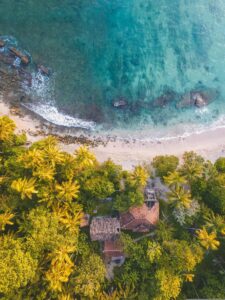
Travelers searching for the best places to visit in Sri Lanka will discover destinations that appeal to almost every interest. Sigiriya is famous for its monumental rock fortress, Kandy is celebrated for its sacred Buddhist heritage, Ella offers spectacular mountain scenery, and Galle combines colonial-era architecture with coastal charm. Visitors can also explore the historic cities of Anuradhapura and Polonnaruwa, discover the remarkable cave paintings of Dambulla, observe elephants in wildlife parks, and enjoy the golden beaches of Mirissa, Unawatuna, Bentota, and Trincomalee.
Sri Lanka is also an excellent destination for travelers interested in local food, traditional handicrafts, tea culture, religious festivals, and authentic cultural experiences. Its cuisine features aromatic spices, coconut-based curries, rice dishes, fresh seafood, and popular street foods such as hoppers and kottu roti. Meanwhile, the country’s tea-growing highlands provide opportunities to visit plantations, learn about tea production, and enjoy panoramic views of green hills.
The official Sri Lanka Tourism website provides an additional resource for planning a journey around the island, with information about attractions, activities, cultural experiences, and travel inspiration. Travelers can explore the official Sri Lanka Tourism website before finalizing their itinerary.
Why Sri Lanka Should Be on Your Travel Bucket List
Sri Lanka stands out because it combines several types of holidays within one destination. Travelers who enjoy history can explore ancient capitals and archaeological monuments, while nature lovers can visit rainforests, waterfalls, mountains, and wildlife reserves. Beach enthusiasts can spend their days swimming where conditions are suitable, taking surf lessons, enjoying coastal restaurants, or watching the sun set over the Indian Ocean.
Another reason to visit Sri Lanka is the opportunity to experience its cultural diversity. Buddhist temples, Hindu kovils, mosques, churches, colonial buildings, and traditional villages reflect the island’s complex history and diverse communities. Festivals and religious celebrations provide additional insight into local customs, although visitors should check dates and respect local practices when planning their trips.
Sri Lanka can also suit different travel budgets. Guesthouses, hostels, family-run accommodation, boutique hotels, and luxury resorts offer a broad range of choices. Travelers can use public buses and trains for many journeys, hire private drivers for convenience, or combine transport options depending on their schedule. Costs vary according to the season, accommodation standards, transport choices, and activities.
The island’s relatively short travel distances make it possible to create varied itineraries without changing countries. However, winding mountain roads, traffic, and rail connections can make some journeys longer than expected. A realistic itinerary should therefore leave enough time to appreciate each destination rather than attempting to visit every attraction in a few days.
Dambulla Cave Temple: A Remarkable Sacred Heritage Site
Dambulla Cave Temple is another major destination in Sri Lanka’s Cultural Triangle. This historic Buddhist complex is known for its cave shrines, religious sculptures, painted ceilings, and centuries of artistic traditions. The site offers visitors an opportunity to understand how religious beliefs, architecture, and artistic expression developed across different periods of Sri Lankan history.
The temple complex contains several principal caves decorated with Buddha images and elaborate murals. The paintings cover extensive sections of the cave interiors, creating an atmosphere that feels very different from the open archaeological landscapes of Sigiriya and Polonnaruwa. The combination of natural rock formations and religious artwork makes Dambulla particularly interesting for travelers who appreciate cultural heritage and sacred architecture.
Visitors should allow enough time to examine the caves carefully rather than treating the site as a quick photo stop. The climb to the complex can be warm, so suitable footwear and drinking water are useful. Because this is an active religious destination, travelers should dress modestly, follow instructions about photography, and avoid behavior that could disturb worshippers.
Dambulla is particularly convenient to combine with Sigiriya because both destinations are located within the wider Cultural Triangle. A two- or three-day stay in the area allows visitors to explore the cave temple, the rock fortress, surrounding villages, and selected wildlife attractions without rushing between locations.
The UNESCO World Heritage Centre’s Sri Lanka listings provide official information about Dambulla and the country’s other internationally recognized heritage sites.
Kandy: The Cultural Capital of Sri Lanka
Kandy is one of Sri Lanka’s most important cultural destinations, surrounded by green hills and centered on a scenic lake. The city was the seat of the last independent Kandyan kingdom before British rule and remains a major center of Buddhist religious life. Its temples, traditional arts, historical buildings, and cultural events make it an essential stop for visitors interested in Sri Lankan history.
The Temple of the Sacred Tooth Relic, commonly known as Sri Dalada Maligawa, is Kandy’s most famous landmark. The temple is associated with a sacred tooth relic of the Buddha and attracts pilgrims throughout the year. Its importance extends beyond architecture because it remains a living religious institution with ceremonies and traditions that continue to shape the city’s identity.
Travelers should remember that the Temple of the Tooth is an active place of worship rather than simply a sightseeing attraction. Modest clothing is expected, shoes must be removed in designated areas, and local guidance should be followed. The experience becomes more meaningful when visitors approach the temple with respect for its religious significance.
Kandy Lake provides a peaceful setting for a walk through the city. Nearby streets contain shops, cafés, markets, and opportunities to learn about local crafts. Travelers interested in botanical landscapes can also visit the Royal Botanic Gardens at Peradeniya, known for their extensive plant collections and landscaped grounds.
Kandy is also associated with the Esala Perahera, a major religious and cultural procession traditionally held during July or August, depending on the calendar. The event features elaborate costumes, drumming, dancing, and ceremonial activities. Travelers who hope to attend should confirm the dates and arrangements for the particular year before booking accommodation.
Kandy works well as a base for exploring the central region and beginning a journey into the hill country. It can be combined with tea-growing areas, scenic train routes, and waterfalls. Official background information about the island’s cultural heritage is available through Sri Lanka Tourism’s cultural heritage section.
Ella: Mountain Views, Tea Plantations, and Scenic Adventures
Ella is one of the most popular destinations in Sri Lanka’s central highlands. Surrounded by mountains, tea plantations, valleys, and forested slopes, this small town has become a favorite for travelers seeking outdoor activities and beautiful landscapes. Its relaxed atmosphere and access to walking trails make it especially attractive to independent travelers, couples, and nature enthusiasts.
Little Adam’s Peak is one of Ella’s best-known walks. The route passes through scenic countryside and provides wide views across the surrounding hills. Although the hike is often considered manageable for travelers with reasonable mobility, conditions can vary with the weather, and visitors should allow time for the return journey.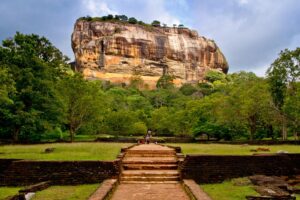
Ella Rock is another popular hiking destination. It is more demanding and requires careful route planning, particularly for people unfamiliar with the area. Travelers should check local advice before setting out, carry sufficient water, and avoid attempting difficult sections in poor weather or after dark.
Nuwara Eliya: Sri Lanka’s Picturesque Tea Country
Nuwara Eliya is a highland town known for its cooler climate, tea estates, landscaped gardens, and architecture influenced by the British colonial period. Often associated with Sri Lanka’s tea-growing industry, the town offers a different atmosphere from the tropical coastline and the warm plains of the Cultural Triangle.
The surrounding countryside is filled with rolling tea fields, misty ridges, and narrow roads connecting plantations and villages. Visitors can tour tea factories when operating arrangements permit, learn about the production of Ceylon tea, and sample varieties grown in the highlands. A visit to a tea estate can be particularly rewarding for travelers who want to understand the economic and cultural role of tea in Sri Lanka.
Horton Plains National Park: A High-Altitude Wilderness Experience
Horton Plains National Park is one of Sri Lanka’s outstanding destinations for travelers interested in montane ecosystems, hiking, and dramatic viewpoints. Located in the central highlands, the park contains open grasslands, cloud forest, streams, and distinctive high-altitude vegetation. Its landscapes differ considerably from the tropical forests and coastal environments found elsewhere on the island.
One of the park’s most famous features is World’s End, a dramatic escarpment overlooking a broad landscape. On clear mornings, the viewpoint can provide extensive views, but mist and cloud can arrive quickly. Starting early generally improves the chance of seeing the landscape before visibility deteriorates.
Baker’s Falls is another attraction within the park. The walking route passes through changing vegetation and offers opportunities to observe the highland environment. Visitors should follow marked trails, avoid disturbing wildlife, and take their litter away with them.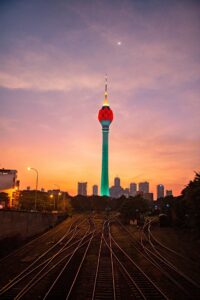
Horton Plains is ecologically important, so visitors should treat the area as a protected natural environment. Feeding wildlife, leaving waste, or walking outside permitted routes can damage fragile habitats. Weather conditions may also change rapidly, making suitable footwear, warm layers, and rain protection important.
The park forms part of the Central Highlands of Sri Lanka, a UNESCO World Heritage property recognized for its natural significance. Visitors seeking detailed information about the country’s natural heritage can consult the UNESCO World Heritage Centre.
Galle Fort: Colonial History Beside the Indian Ocean
Galle Fort is one of the most atmospheric places to visit in southern Sri Lanka. Its historic streets, old buildings, ramparts, churches, mosques, shops, cafés, and ocean-facing viewpoints create a distinctive setting where heritage and contemporary life coexist. The fort’s Portuguese origins and later Dutch development reflect the island’s historical position within Indian Ocean trade networks.
Walking through the fort is one of the best ways to experience its character. Visitors can explore narrow streets, admire historic façades, browse independent shops, and pause at cafés overlooking the surrounding architecture. The ramparts provide attractive views of the ocean, especially when the light changes in the late afternoon.
Galle Lighthouse is one of the area’s most recognizable landmarks. The surrounding coastal scenery makes it a popular photography location, although visitors should remain mindful of the sea, slippery surfaces, and restricted areas. The fort is also home to museums and religious buildings that help explain the region’s complex cultural history.
Mirissa: Relaxing Beaches and Ocean Experiences
Mirissa is a popular coastal destination in southern Sri Lanka, known for its sandy beach, palm-fringed scenery, cafés, and opportunities for ocean activities. Its relaxed atmosphere attracts backpackers, couples, families, and travelers looking for a comfortable beach stop after exploring the island’s ancient cities and highlands.
The beach is the main attraction. Visitors can spend time relaxing by the sea, watching fishing boats, enjoying coastal restaurants, or taking photographs of the shoreline. Swimming conditions depend on waves, currents, tides, and weather, so travelers should follow local advice and avoid entering rough water.
Bentota: Beach Resorts and Water-Based Activities
Bentota is one of Sri Lanka’s established coastal holiday destinations, particularly popular with travelers seeking resort accommodation, beach relaxation, and organized water activities. Located along the southwestern coast, it offers a mixture of sandy shoreline, river scenery, and tourism facilities.
Visitors can enjoy the beach, relax beside a hotel pool, or arrange activities through reputable local operators. Depending on local conditions, options may include boat trips, kayaking, and other water-based experiences. Travelers should confirm safety equipment, operating conditions, and the suitability of activities for children or inexperienced participants.
Bentota also provides access to the surrounding coastal landscape. The nearby river environment can offer a different perspective on the region, with vegetation, waterways, and local communities creating a contrast to the open ocean. When taking boat excursions, visitors should select responsible providers and avoid disturbing wildlife or damaging riverbank vegetation.
Arugam Bay: Surfing and East Coast Beach Culture
Arugam Bay is a well-known destination on Sri Lanka’s eastern coastline, particularly associated with surfing and a relaxed coastal atmosphere. The area attracts surfers, backpackers, and travelers looking for a different experience from the more developed southwestern beach resorts.
Surf conditions vary according to the season, swell, tides, and local weather. Beginners should seek instruction from qualified surf schools and choose beaches appropriate to their ability. Experienced surfers should also respect local guidance and avoid entering the water when conditions exceed their capabilities.
Trincomalee: Beaches, Temples, and Eastern Coast Scenery
Trincomalee is a historic port city on Sri Lanka’s eastern coast, offering a combination of beaches, religious heritage, and maritime scenery. It is an appealing destination for travelers who want to explore a less urbanized stretch of coastline while discovering the island’s cultural diversity.
The city is associated with Koneswaram Temple, an important Hindu religious site overlooking the ocean. Its dramatic setting makes it memorable, but its primary importance is religious, and visitors should dress appropriately and follow the temple’s rules.
Nearby coastal areas, including Nilaveli and Uppuveli, are known for sandy beaches and opportunities to enjoy the sea when conditions are suitable. Boat excursions to Pigeon Island National Park may be available depending on local regulations, weather, and operator arrangements. Travelers interested in snorkeling should confirm sea conditions and follow guidance intended to protect coral and marine life.
Anuradhapura: Exploring Sri Lanka’s Ancient Capital
Anuradhapura is one of the island’s most important archaeological and religious destinations. As an ancient capital, it preserves evidence of a sophisticated civilization that developed monumental stupas, monasteries, reservoirs, and extensive systems of water management. Its ruins offer a powerful introduction to the history of Sri Lanka.
The archaeological area is spread across a large landscape, so visitors should not expect to see every important monument on foot in a short period. Renting a bicycle, arranging transport, or joining a guided tour can make it easier to travel between major locations.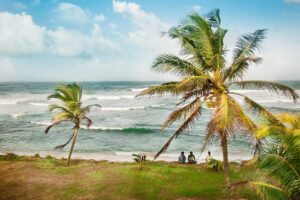
Among the city’s best-known religious landmarks are Ruwanwelisaya, Jetavanaramaya, and the sacred Sri Maha Bodhi tree. These places remain important to Buddhist pilgrims, and visitors should approach them with respect. Modest clothing, removing shoes where required, and following photography restrictions are essential parts of responsible sightseeing.
Anuradhapura’s historic importance is connected to the development of Buddhism, royal patronage, irrigation systems, and architectural traditions. Exploring the site with a knowledgeable guide can help travelers understand how the different monuments relate to one another and why the city remained influential for centuries.
The ancient city is recognized by UNESCO as a World Heritage property. Its heritage can be explored through the official UNESCO listing for Sri Lanka.
Anuradhapura is especially rewarding for travelers interested in archaeology, religious history, and cultural landscapes. It can be combined with Mihintale, Dambulla, and other destinations in the island’s northern-central region.
Yala National Park: A Wildlife Safari in Sri Lanka
Yala National Park is one of Sri Lanka’s most recognized wildlife destinations. Its varied habitats include dry forest, grassland, wetlands, and coastal environments, supporting elephants, crocodiles, deer, numerous bird species, and the Sri Lankan leopard. The possibility of seeing large mammals in their natural environment makes Yala a major attraction for nature enthusiasts and photographers.
A safari generally takes place in a vehicle with a driver or guide who knows the park’s roads and wildlife viewing areas. Early morning and late afternoon trips are commonly chosen because wildlife activity and light conditions may be favorable, but sightings remain unpredictable. Even in a famous wildlife park, no operator can guarantee that visitors will see a leopard.
Responsible wildlife tourism is important. Visitors should not encourage drivers to chase animals, block their movement, or approach them too closely. Quiet observation and respect for park rules help reduce disturbance to wildlife and improve the experience for everyone.
Travelers should also understand that national parks can be busy, especially during popular periods. Choosing a reputable operator who prioritizes animal welfare can make a meaningful difference. Visitors should follow instructions, remain inside vehicles where required, and avoid leaving litter.
Yala can be combined with the southern coast or the hill country, but the journey should be planned around realistic driving times. It is one of the best places to visit in Sri Lanka for travelers who want to experience the island’s wildlife and protected landscapes.
The official Sri Lanka Tourism website provides further travel information about Yala and other nature attractions.
Minneriya National Park: Elephants and Seasonal Wildlife
Minneriya National Park is another destination for wildlife enthusiasts, particularly those exploring the Cultural Triangle. The park is known for its reservoir landscape and opportunities to observe elephants in the surrounding grasslands and woodland.
The experience can vary significantly depending on the season and water conditions. At certain times of the year, elephants may gather around available feeding and water areas, creating memorable wildlife-viewing opportunities. However, animal movements are natural and change from year to year, so travelers should not assume that a large gathering will occur during every visit.
Minneriya is conveniently located for travelers staying near Sigiriya, Dambulla, or Habarana. A guided safari can be arranged through local operators, with departure times and routes depending on current conditions and park regulations.
Visitors should prioritize responsible viewing, choose operators who respect distance rules, and avoid feeding animals or pressuring drivers to move closer. Wildlife tourism can support local livelihoods, but it should never come at the expense of animal welfare.
For visitors who want to combine ancient history with nature, Minneriya offers a useful contrast to the temples and archaeological sites of the Cultural Triangle.
Sinharaja Forest Reserve: Discovering a Tropical Rainforest
Sinharaja Forest Reserve is one of Sri Lanka’s most important natural heritage destinations. This tropical rainforest is known for its rich biodiversity and its importance as a habitat for endemic plants, birds, amphibians, and other wildlife. Its dense vegetation and humid environment create a different experience from the island’s open beaches and dry-zone archaeological landscapes.
Visitors generally explore the forest through designated trails, often accompanied by guides who can identify plants and explain ecological relationships. A guided walk can reveal details that might otherwise go unnoticed, including calls of birds, forest layers, and signs of wildlife.
Rain is common in rainforest environments, so waterproof clothing and footwear with good grip are useful. Trails may be slippery, and visitors should follow the guide’s instructions rather than wandering away from established routes. Insect protection and drinking water are also important.
Sinharaja’s ecological value makes responsible tourism particularly important. Visitors should not remove plants, disturb wildlife, or leave waste. Photography should be conducted without damaging vegetation or causing unnecessary disturbance to animals.
The reserve is recognized on UNESCO’s World Heritage List as a natural property. Travelers interested in biodiversity and conservation can find official background information through the UNESCO World Heritage Centre’s Sri Lanka page.
Sinharaja is especially suitable for travelers who value nature, birdwatching, and guided forest walks. It may be less appropriate for visitors seeking easy paved sightseeing routes or a resort-style holiday.
Adam’s Peak: A Sacred Mountain and Pilgrimage Destination
Adam’s Peak, also known as Sri Pada, is one of Sri Lanka’s most significant pilgrimage destinations. The mountain is sacred to several religious traditions, and its summit is associated with a footprint-shaped mark that different communities interpret according to their beliefs. This shared spiritual importance makes the mountain an exceptional example of the island’s religious diversity.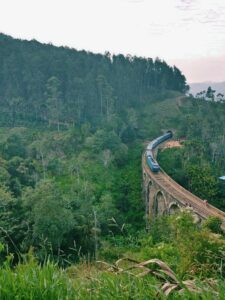
Many pilgrims climb the mountain during the main pilgrimage season, traditionally associated with the drier months. The ascent includes a long series of steps, and some travelers begin during the night to reach the summit around sunrise. The experience can be physically demanding, particularly for people unaccustomed to steep climbs or extended stairways.
Jaffna: Northern Sri Lanka’s Distinctive Culture
Jaffna offers a different perspective on Sri Lanka, with a strong Tamil cultural identity, distinctive food traditions, important Hindu temples, historic buildings, and access to islands and coastal communities in the north. Travelers who want to move beyond the island’s best-known southern and central destinations may find Jaffna especially rewarding.
Nallur Kandaswamy Kovil is one of the region’s most prominent Hindu temples. Its religious importance and ceremonial traditions make it a significant cultural destination. Visitors should observe dress requirements and local customs, particularly during worship and festivals.
Jaffna’s food culture is another highlight. Travelers can sample regional curries, seafood, dosai, string hoppers, and other dishes influenced by Tamil culinary traditions. Markets and local restaurants offer opportunities to learn about the ingredients and flavors that distinguish northern Sri Lankan cuisine.
Colombo: Sri Lanka’s Commercial Capital
Colombo is often the first major city travelers encounter when arriving in Sri Lanka. It offers a mixture of modern commercial districts, colonial-era architecture, religious sites, markets, museums, and an energetic food scene. Although some visitors use the city mainly for airport transfers, Colombo deserves consideration as a destination in its own right.
Galle Face Green is a popular public space beside the ocean where residents and visitors gather, especially toward evening. It provides a glimpse of everyday city life and an opportunity to sample street snacks from vendors. Travelers should use normal food-safety judgment and choose busy stalls where food is prepared and served appropriately.
The city’s neighborhoods reveal different sides of Sri Lankan urban life. Markets, temples, mosques, churches, shopping streets, galleries, and restaurants provide a varied sightseeing experience. Visitors interested in architecture can explore historic buildings, while food enthusiasts can sample local specialties and international cuisine.
Negombo: A Convenient Coastal Stop Near the Airport
Negombo is a coastal town north of Colombo and relatively close to Bandaranaike International Airport. Its location makes it a practical place to rest after a long flight or spend a final night before departure. The town is known for its fishing traditions, lagoon, churches, canals, markets, and beach accommodation.
Negombo’s fishing communities are an important part of its character. Visitors may observe fishing boats, markets, and coastal activity, although they should avoid interfering with work or photographing individuals without consideration for privacy. Early mornings can offer a more active view of the fishing industry.
Diyaluma Falls: One of Sri Lanka’s Scenic Waterfalls
Diyaluma Falls is among Sri Lanka’s notable waterfalls, located in the island’s highland region. The waterfall descends through a rugged landscape and attracts visitors interested in photography, nature, and mountain scenery. Its dramatic appearance makes it a memorable stop on a journey through the central and southeastern highlands.
The surrounding area offers views of rocky slopes, vegetation, and rolling hills. Depending on local conditions and access arrangements, visitors may explore designated viewpoints or join guided excursions. It is important not to assume that every pool or ledge is safe for swimming or climbing.
Royal Botanic Gardens at Peradeniya: A Green Escape Near Kandy
The Royal Botanic Gardens at Peradeniya are a popular attraction near Kandy, offering landscaped grounds, extensive plant collections, and shaded walking routes. The gardens provide a pleasant contrast to the city’s streets and religious landmarks, making them suitable for travelers who want a quieter outdoor experience.
Visitors can spend time walking among mature trees, flowering plants, lawns, and specialized botanical collections. The gardens are also useful for travelers interested in horticulture and tropical plant diversity. Their scale means that visitors should allow enough time to explore without rushing.
Sri Lankan Food: Discovering the Island Through Its Cuisine
Food is an essential part of visiting Sri Lanka, offering travelers a way to understand regional ingredients, family traditions, and the influence of the island’s cultural diversity. Rice and curry is a central meal, often accompanied by vegetables, lentils, sambols, and meat or fish dishes. Coconut, chili, curry leaves, cinnamon, and other spices contribute to the distinctive flavors of local cooking.
Hoppers are another well-known Sri Lankan specialty. These bowl-shaped pancakes can be served plain or with an egg in the center, and they are often eaten with sambols or curry. String hoppers, made from rice flour pressed into thin noodles, are commonly served with coconut sambol and curry.
Kottu roti is a popular dish prepared by chopping flatbread with vegetables, eggs, meat, and spices on a hot metal surface. The rhythmic sound of its preparation is familiar in many Sri Lankan towns. Travelers can also sample lamprais, seafood curries, vegetable dishes, and a wide range of regional snacks.
Food experiences vary from region to region. Coastal towns often offer fresh seafood, while northern Sri Lanka has distinctive Tamil culinary traditions. Tea-growing areas provide opportunities to sample local tea, and markets offer tropical fruits such as mango, papaya, pineapple, and banana.
Traditional Arts, Crafts, and Cultural Experiences
Sri Lanka’s cultural traditions include dance, drumming, wood carving, mask making, weaving, pottery, and other crafts. Visitors can discover these traditions through performances, museums, workshops, and locally operated businesses. These experiences provide context for the island’s history and help travelers understand the skills that continue to be passed between generations.
Kandy is particularly associated with traditional dance and ceremonial drumming. Cultural performances may be available for visitors, but travelers should remember that staged shows provide only one view of a much broader living tradition. Religious ceremonies and local festivals have meanings that extend beyond tourism.
Markets and craft shops can offer opportunities to purchase textiles, wooden objects, handmade souvenirs, and other products. Travelers should ask about materials and production methods when buying items made from natural resources, and should avoid purchasing products made from protected wildlife or other restricted materials.
Best Time to Visit Sri Lanka
The best time to visit Sri Lanka depends on the regions included in the itinerary because the island experiences different seasonal weather patterns along its western, southern, and eastern coasts. This means there is no single travel season that guarantees ideal conditions everywhere.
The southwestern coast and much of the western region are often most popular during the drier period from roughly December to April. This period can be suitable for exploring Galle, Bentota, Unawatuna, and Mirissa, although weather conditions vary from year to year.
The eastern coast, including Trincomalee and Arugam Bay, generally has a different seasonal pattern, with many travelers favoring the period around May to September for beach activities. However, sea conditions and rainfall can change, and local advice remains important.
The hill country can be visited throughout much of the year, but mist, rain, and cooler temperatures affect hiking and viewpoints. Horton Plains, Ella, Nuwara Eliya, and the Knuckles region may experience changing conditions even within a single day. Travelers should carry suitable clothing and check forecasts before setting out.
Transportation in Sri Lanka: How to Travel Between Destinations
Sri Lanka offers several ways to move between major tourist destinations, including trains, public buses, taxis, private drivers, and organized tours. The best choice depends on the route, budget, comfort preferences, and available time.
Train journeys are particularly appealing in the hill country because they can provide views of tea plantations, valleys, villages, and mountain scenery. However, train services can experience delays, and popular routes may be busy. Travelers should check schedules and booking requirements through official railway information before relying on a particular departure.
Public buses connect many towns and cities and can be a budget-friendly option. They may be crowded, and journey times vary according to traffic, road conditions, and stops. Travelers carrying large luggage or visiting remote attractions may find other transport arrangements more convenient.
Hiring a private driver can be useful for itineraries that include several destinations, especially when traveling with family or carrying substantial luggage. Before confirming a service, travelers should clarify the route, price, waiting time, fuel arrangements, and whether the driver is expected to remain with the group throughout the trip.
Accommodation in Sri Lanka: Where Should You Stay?
Sri Lanka offers accommodation for a wide range of budgets, including hostels, guesthouses, family-run homestays, boutique hotels, eco-lodges, and luxury resorts. Choosing the right base can make a major difference to the overall trip, especially when the itinerary includes several regions.
In the Cultural Triangle, travelers may prefer to stay near Sigiriya, Dambulla, or Habarana. These areas provide access to major historical attractions and selected wildlife excursions. The best location depends on whether visitors want to prioritize climbing Sigiriya, visiting Dambulla, or taking trips to ancient cities.
Kandy is a useful base for cultural sightseeing and travel into the highlands. Ella and Nuwara Eliya offer accommodation suited to mountain scenery, hiking, and tea-country experiences. Travelers should consider access to restaurants and transport when choosing a property, particularly if they plan early-morning excursions.
Travel Budget: Is Sri Lanka Affordable for Tourists?
Sri Lanka can accommodate travelers with different budgets, but the total cost depends on accommodation, transport, food, attraction fees, tours, and travel season. Budget-conscious visitors can reduce expenses by using public transport, staying in guesthouses, eating local meals, and choosing a smaller number of paid activities.
Travelers seeking more comfort may choose boutique hotels, private drivers, organized tours, and higher-end restaurants. Wildlife safaris, guided excursions, and admission to major heritage sites can add significantly to the overall budget, so these costs should be considered before departure.
The best way to estimate expenses is to create a destination-by-destination plan. Visitors should include transport between cities, accommodation for each night, entrance fees, meals, travel insurance, and a reserve for unexpected expenses. Prices can change, and current charges should be confirmed directly with the relevant provider or official authority.
Responsible Travel and Respect for Local Culture
Responsible travel helps protect Sri Lanka’s cultural heritage, natural landscapes, and local communities. Visitors can contribute positively by respecting religious customs, following wildlife rules, reducing waste, and supporting local businesses.
At Buddhist temples and Hindu kovils, travelers should dress appropriately, remove footwear where required, and follow instructions from staff or worshippers. Photography rules differ between sites, and some areas may prohibit photographs or require special care. Visitors should never climb on religious sculptures or pose in ways that disrespect sacred images.
Practical Travel Tips for Visiting Sri Lanka
Before traveling to Sri Lanka, visitors should check the latest entry requirements, visa arrangements, and passport validity rules through the relevant official government channels. Entry procedures can change, so travelers should not rely exclusively on old blog posts or advice written for a previous year.
Weather conditions should guide clothing choices. Lightweight clothing is useful in the lowlands, while the highlands may require a light jacket and rain protection. Comfortable walking shoes are valuable for archaeological sites, temples, hiking trails, and uneven streets.
Travelers should use sun protection, stay hydrated, and take care when swimming or participating in outdoor activities. Local conditions can vary considerably, and the sea may be dangerous even when the shoreline looks inviting. When hiking, visitors should assess the difficulty of the route and avoid attempting challenging trails without appropriate preparation.
Is Sri Lanka Suitable for Families, Couples, and Solo Travelers?
Sri Lanka can be suitable for many types of travelers because its attractions vary widely. Families may enjoy wildlife parks, beaches, botanical gardens, scenic train journeys, and cultural attractions that introduce children to history and nature. Parents should consider journey times, heat, walking distances, and the suitability of activities for each child’s age.
Couples can create a varied itinerary combining boutique accommodation, tea-country scenery, sunset walks, wildlife excursions, and coastal relaxation. Galle, Ella, and selected beach towns are popular choices for travelers seeking romantic scenery, although the best destination depends on the season and desired atmosphere.
Best Places to Visit in Sri Lanka for First-Time Visitors
For first-time visitors, the best approach is to combine a small number of destinations that represent different sides of the island. Sigiriya introduces travelers to ancient royal architecture, Dambulla provides insight into religious art, and Kandy offers a deeper understanding of Buddhist heritage.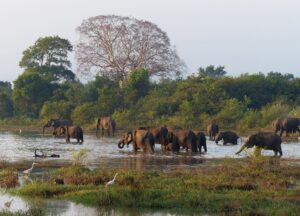
Ella and the surrounding highlands provide a contrasting landscape of mountains, tea plantations, waterfalls, and hiking trails. A coastal destination such as Galle, Mirissa, or Unawatuna then offers time to relax beside the ocean. Travelers interested in wildlife can add a safari at Yala, Udawalawe, or Minneriya, depending on the route and seasonal conditions.
Conclusion
Sri Lanka is a remarkable destination where ancient civilizations, sacred temples, tropical beaches, lush tea plantations, misty mountains, and wildlife-rich landscapes come together within a relatively compact island. From the dramatic rock fortress of Sigiriya to the sacred city of Kandy, from the historic streets of Galle Fort to the scenic hills of Ella, the island offers a rich variety of experiences for travelers with different interests.
The best places to visit in Sri Lanka depend on the kind of holiday you want to create. History enthusiasts can explore Anuradhapura, Polonnaruwa, Dambulla, and Sigiriya. Beach lovers can relax in Mirissa, Unawatuna, Bentota, Trincomalee, or Arugam Bay, depending on seasonal conditions. Nature enthusiasts can discover Yala National Park, Udawalawe, Horton Plains, Sinharaja Forest Reserve, and the Knuckles Mountain Range.
Author

Related posts

Uruguay
- 0
- 6,511 words
Uruguay : A Complete Travel Guide to South America’s Coastal Gem Uruguay is a small but captivating country in southeastern South America,...
Read out all
OPEC
- 0
- 5,679 words
OPEC OPEC stands for the Organization of the Petroleum Exporting Countries. It is an intergovernmental organization created by major oil-producing countries to...
Read out all
How Do I Find Reliable Wholesale Suppliers
- 0
- 9,103 words
How Do I Find Reliable Wholesale Suppliers ? Finding reliable wholesale suppliers is one of the most important tasks for anyone starting...
Read out all
What Is Happening in the World?
- 0
- 5,355 words
What Is Happening in the World? The world is currently experiencing a period of overlapping crises and opportunities. Political disputes, military conflicts,...
Read out all
BRICS
- 0
- 5,794 words
BRICS : History, Members, Economy, Goals, Expansion and Global Influence BRICS is an international grouping of major emerging economies and developing countries...
Read out all
United Kingdom
- 0
- 5,089 words
United Kingdom The United Kingdom, commonly known as the UK, is one of Europe’s most fascinating travel destinations. Officially called the United...
Read out all