

How Do I Find Reliable Wholesale Suppliers ?
Finding reliable wholesale suppliers is one of the most important tasks for anyone starting or expanding a retail, e-commerce, dropshipping, private-label, import, or distribution business. A supplier affects almost every part of a business, including product quality, pricing, delivery speed, customer satisfaction, profit margins, inventory availability, and brand reputation. Even an attractive business idea can fail if the supplier delivers defective products, changes prices without warning, misses deadlines, or provides inaccurate information.
Many new entrepreneurs make the mistake of choosing a supplier simply because the supplier offers the lowest price. Although purchasing products at a competitive price is important, price alone does not establish reliability. A supplier with very low prices may have poor quality control, inconsistent stock, weak customer service, unclear shipping arrangements, or hidden charges. In contrast, a slightly more expensive supplier may provide better products, accurate documentation, faster communication, and dependable delivery.
The best approach is to treat wholesale sourcing as a research and verification process. You should identify several potential suppliers, compare their offers, request product samples, check business credentials, review their policies, confirm their production capacity, and test their communication before placing a large order. This process may require time, but it can prevent serious financial losses later.
This guide explains how to find reliable wholesale suppliers for online stores, physical shops, Amazon businesses, Shopify stores, fashion brands, beauty businesses, electronics retailers, home-product companies, and other commercial ventures. It also discusses supplier marketplaces, manufacturers, distributors, sourcing agents, international trade fairs, supplier verification, wholesale pricing, shipping, payment protection, product compliance, and long-term supplier relationships.
What Is a Wholesale Supplier?
A wholesale supplier is a business that sells products in larger quantities, usually at prices lower than ordinary retail prices. Wholesale suppliers may sell directly to manufacturers, distributors, retailers, online businesses, restaurants, hotels, institutions, or other commercial buyers.
The term “wholesale supplier” can describe several different types of businesses. A manufacturer produces the goods. A distributor purchases products from manufacturers and resells them to retailers or other businesses. A wholesaler may purchase products in bulk and sell them in smaller wholesale quantities. A trading company may connect buyers with factories and coordinate export transactions. A sourcing agent may search for suppliers, negotiate prices, inspect products, and arrange logistics on behalf of a buyer.
Understanding these differences is important because each supplier type offers different advantages. A manufacturer may provide better prices and customization options, but may require a high minimum order quantity. A distributor may offer faster delivery and smaller order sizes, but its prices may be higher. A trading company may provide access to several factories, although buyers should verify whether the company is transparent about its role.
Decide What Kind of Supplier Your Business Needs
Before searching for suppliers, you should define the type of business relationship you need. Your requirements will depend on the products you want to sell, your target market, your budget, your expected order volume, and whether you need customization.
If you are opening a small online store, you may need a supplier that accepts low minimum order quantities and allows you to test products without purchasing hundreds of units. If you are building a private-label brand, you may need a manufacturer that can print your logo, design custom packaging, produce special colors, or modify an existing product.
If you operate a large retail business, you may prioritize production capacity, consistent inventory, competitive pricing, credit terms, warehouse facilities, and dependable logistics. If you run a dropshipping store, you may need a supplier that can ship individual orders directly to customers and provide tracking information.
Writing down your requirements before contacting suppliers makes the search more efficient. You should know the product category, expected quality level, target price, estimated monthly quantity, packaging requirements, delivery destination, preferred shipping method, and desired launch date.
Research Your Product Before Searching for Suppliers
Reliable sourcing begins with product research. You should understand the product you intend to purchase before contacting manufacturers or wholesalers. Research helps you identify common materials, standard sizes, quality differences, market prices, packaging options, and possible safety requirements.
For example, if you want to purchase clothing, you should understand fabric composition, garment measurements, stitching quality, colorfastness, sizing systems, labels, packaging, and care instructions. If you want to source electronics, you should investigate technical specifications, voltage requirements, battery rules, warranties, safety certifications, and compatibility with your target market.
Product research also helps you recognize misleading supplier descriptions. A supplier may describe a product as “premium,” “eco-friendly,” “medical grade,” or “certified,” but these claims should not be accepted without evidence. You should request technical documents, test reports, certificates, or product specifications whenever the claim affects safety, quality, or legal compliance.
Establish Your Wholesale Buying Budget
Your wholesale budget should include more than the product purchase price. Many new businesses underestimate the total cost of sourcing because they ignore shipping, insurance, customs duties, taxes, storage, inspection, packaging, currency conversion, payment fees, and potential defects.
The true landed cost is the total amount required to bring a product from the supplier to your warehouse or fulfillment location. A product that appears inexpensive may become costly after international freight, import charges, handling fees, and customs clearance.
You should calculate how much money you can safely commit to inventory without affecting other business expenses. Avoid placing your entire budget into one large order before testing the supplier. It is usually safer to reserve part of the budget for samples, inspections, unexpected shipping costs, marketing, returns, and replacement stock.
A sensible sourcing budget should also account for slow-moving inventory. Buying a large quantity may reduce the unit price, but unsold goods can tie up capital for months. The cheapest unit price is not always the best business decision if the product does not sell quickly.
Search Through Established B2B Wholesale Marketplaces
Online business-to-business marketplaces are often the fastest way to discover wholesale suppliers. These platforms allow buyers to search by product category, country, minimum order quantity, supplier type, certifications, production capability, and other criteria.
Examples of well-known B2B marketplaces include Alibaba, Global Sources, Made-in-China, TradeKey, Faire, and specialized industry directories. Each platform has different strengths. Some focus on factory-direct international sourcing, while others specialize in independent brands, retail-ready products, or regional distribution.
A marketplace can help you discover suppliers, but appearing on a marketplace does not automatically prove that a company is reliable. Supplier profiles may contain incomplete information, outdated product photographs, exaggerated claims, or limited details about manufacturing operations. You should treat marketplace listings as starting points for research rather than final proof of legitimacy.
When searching on a B2B platform, use detailed keywords rather than broad terms. Instead of searching only for “shoes wholesale,” you might search for “private-label running shoes manufacturer,” “low minimum order footwear supplier,” or “custom leather shoes factory.” Specific searches are more likely to produce suppliers that match your business model.
Use Manufacturer Directories and Industry Associations
Industry associations and manufacturer directories can be more useful than general online marketplaces when you need specialized products. Associations often maintain member lists, organize trade events, publish industry information, or connect buyers with companies operating in particular sectors.
For example, a buyer seeking food packaging may benefit from a packaging association, while a furniture retailer may find better contacts through a furniture manufacturing association. Textile, cosmetics, electronics, medical products, construction materials, and agricultural products each have their own networks and industry organizations.
Industry associations do not guarantee that every member is suitable for your business. However, they can provide a more targeted starting point and may help you identify established companies that have a recognized presence in the sector.
You should also search government-backed trade promotion agencies. These organizations may publish exporter directories, organize trade missions, provide market information, or arrange business-matching programs. In Malaysia, the Malaysia External Trade Development Corporation, commonly known as MATRADE, provides trade directories, export support, business information, and opportunities for connecting with Malaysian companies.
Attend Wholesale Trade Shows and Industry Exhibitions
Trade shows are valuable places to find wholesale suppliers because they allow buyers to meet companies in person, examine products, compare quality, and discuss business requirements directly. A trade show can be more informative than a website because you can inspect materials, packaging, product construction, and finishing.
At a trade exhibition, you can ask suppliers about minimum order quantities, lead times, private labeling, export experience, product customization, payment terms, and production capacity. You can also observe how professionally the supplier presents its business and responds to detailed questions.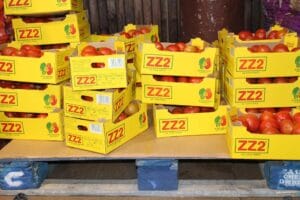
Trade shows are particularly useful for fashion, home décor, electronics, beauty products, food, packaging, gifts, furniture, and industrial goods. Some events are designed for global buyers, while others focus on regional wholesalers or specific industries.
Before attending, research the exhibitors and prepare a list of questions. Collect catalogues, business cards, product samples, price information, and contact details. After the event, compare the suppliers rather than choosing the first company that offers an attractive presentation.
Search in the Country Where the Product Is Manufactured
If you know where a product is commonly manufactured, searching within that country may help you discover more suppliers. Different regions often specialize in different industries. Certain areas may be known for textiles, footwear, furniture, electronics, ceramics, cosmetics, agricultural products, or machinery.
Searching by location can produce more relevant results. For example, instead of searching only for “furniture wholesale supplier,” you might search for “furniture manufacturer in Vietnam,” “home décor factory in Malaysia,” or “garment manufacturer in Turkey.”
However, manufacturing reputation alone is not enough. A country or industrial region may contain excellent factories, trading companies, small workshops, and unreliable intermediaries. You must still verify the individual supplier’s identity, capabilities, product quality, and business history.
Consider Local Wholesale Suppliers Before Importing
International sourcing can provide access to lower prices and wider product variety, but local suppliers may offer important advantages. Buying from a supplier in your own country can reduce shipping time, simplify communication, lower customs complexity, and make product inspection easier.
Local wholesalers may also accept smaller orders and provide faster replacement services. This can be useful for new businesses that are still learning which products sell well.
For businesses operating in Malaysia, local supplier research may include Malaysian manufacturers, distributors, industrial parks, wholesale markets, trade associations, and government-supported business directories. You can also use local business registration resources to verify whether a company exists legally.
The best choice depends on the total landed cost and risk, not simply the supplier’s advertised unit price. A local product that costs slightly more may be more profitable if it arrives quickly, requires less administrative work, and has lower defect or return costs.
Identify Whether You Are Dealing With a Factory or a Trading Company
One of the most important questions to ask a supplier is whether it manufactures the products itself or purchases them from another company. There is nothing inherently wrong with using a trading company. Trading companies can be helpful when they have strong factory relationships, export experience, quality-control systems, and transparent pricing.
However, you should understand the supplier’s role. A trading company may not control production schedules directly. It may also provide product photographs from several factories or offer products from different sources with varying quality levels.
A factory may provide more direct communication about production, materials, customization, and quality control. On the other hand, some factories are not equipped to handle small orders, export documentation, customer service, or complex international logistics.
Ask the supplier to explain its business model clearly. You can ask whether the company owns the production facility, where the goods are manufactured, whether subcontractors are used, and who is responsible for quality control. A trustworthy supplier should answer these questions without becoming defensive or evasive.
Check the Supplier’s Legal Business Information
Before making a payment, verify that the supplier is a real business. Request the company’s legal name, registered address, business registration number, website, official email domain, telephone number, and name of the person responsible for your account.
The information on the quotation, invoice, bank account, website, and registration documents should be consistent. If the supplier uses several different company names without explanation, you should investigate carefully.
A company registration confirms that a business exists or has been registered, but it does not guarantee that the business is financially stable, honest, or capable of delivering your products. Registration is only one part of supplier due diligence.
For Malaysian companies, buyers can investigate business information through the Companies Commission of Malaysia, commonly known as SSM. Businesses in other countries should use the relevant official company-registration authority.
You should be cautious if a supplier refuses to provide basic company information, uses only a personal email address, insists on payment to an unrelated individual, or changes its legal identity during negotiations.
Verify the Supplier’s Physical Address
A physical address can provide useful information about a supplier’s legitimacy and operating capacity. Search the address on mapping services, satellite imagery, business directories, and industry databases. Look for evidence that the location corresponds to a factory, warehouse, office, or commercial premises.
However, an address alone does not prove reliability. Some fraudulent businesses use the addresses of hotels, shared offices, residential buildings, or unrelated companies. A legitimate trading company may operate from an office rather than a factory, so the address should be evaluated according to the supplier’s stated role.
If you are placing a large order, consider requesting a video tour or arranging an independent site inspection. During a remote tour, ask to see the production area, storage facilities, packaging section, quality-control department, and shipping area. You can also ask the supplier to show the current date or demonstrate a specific product to reduce the risk of using old or copied videos.
Evaluate the Supplier’s Website and Online Presence
A professional website can provide useful information about a supplier’s products, industries, facilities, certifications, export markets, and contact details. You should examine whether the website contains specific information or only general marketing statements.
A trustworthy supplier website often includes product specifications, company history, factory information, contact details, technical documents, and clear business terms. A website with copied photographs, broken links, exaggerated claims, spelling errors, or no verifiable company information requires additional investigation.
You should also search for independent references. Look for customer reviews, trade-show records, business directories, industry discussions, shipping references, and reports from previous buyers. Reviews should be evaluated carefully because online testimonials can be fake, outdated, or unrelated to wholesale transactions.
Do not assume that a modern website proves that a supplier is reliable. Conversely, a small factory with a basic website may still be an excellent supplier. The purpose of online research is to identify questions for further verification, not to judge a company solely by its design.
Request a Complete Product Catalogue
A product catalogue helps you understand the supplier’s range, specialization, product variations, packaging options, and manufacturing capabilities. Request a current catalogue rather than relying only on photographs from a marketplace listing.
The catalogue should ideally include product codes, dimensions, materials, colors, sizes, packaging information, available customization, minimum order quantities, and indicative prices. For technical products, request specifications, performance information, compatibility details, and applicable certificates.
Compare the catalogue with the supplier’s website and quotation. If the company claims to specialize in one product category but offers thousands of unrelated products, ask whether it is a manufacturer, distributor, or trading company.
A catalogue is not proof of stock availability. You should separately confirm whether the products are currently available, made to order, or subject to a production schedule.
Ask Detailed Questions Before Requesting a Quotation
Suppliers are more likely to provide accurate quotations when buyers explain their requirements clearly. A vague message such as “Please send your best price” may produce an incomplete or misleading response.
Your first business inquiry should explain the products you need, estimated quantity, destination country, packaging requirements, customization needs, and expected purchasing schedule. You should also ask for minimum order quantities, sample costs, production lead time, payment terms, shipping options, and quotation validity.
A professional inquiry helps the supplier determine whether your business is a suitable customer. It also allows you to compare responses from different suppliers using the same information.
You should keep written records of all supplier communications. Important details discussed through messaging applications or telephone calls should be confirmed by email or included in a formal quotation.
Understand Minimum Order Quantity
Minimum order quantity, commonly called MOQ, is the smallest quantity a supplier is willing to sell under particular terms. MOQ may be calculated per product, color, size, design, material, or total order value.
A clothing supplier may require a minimum number of pieces per design and color. A packaging manufacturer may require a minimum number of printed boxes because printing plates and setup costs are involved. An electronics factory may require a large order because production lines are designed for volume.
High MOQ can reduce the unit price but increase financial risk. Low MOQ may be more expensive per unit but allows you to test demand. New businesses should avoid accepting a large MOQ unless they have reliable sales forecasts, sufficient capital, and a clear inventory strategy.
Ask whether the MOQ is negotiable, whether different colors or models can be combined, and whether the supplier offers a sample-production order. Some suppliers are willing to reduce MOQ for a first trial order if the buyer demonstrates serious purchasing intent.
Compare Wholesale Prices Correctly
Comparing supplier prices requires more than looking at the number printed beside a product. You must confirm whether each quotation refers to the same material, specification, quantity, packaging, shipping method, and quality level.
One supplier may quote for a basic version while another quotes for a premium version. One quotation may include individual packaging, while another may include only bulk cartons. A price may exclude labels, printing, inspection, freight, taxes, or customs charges.
Ask suppliers to provide itemized quotations. The quotation should identify the product, model, quantity, unit price, total price, packaging, sample fees, tooling charges, shipping terms, payment terms, production lead time, and quotation expiry date.
It is useful to create a comparison sheet for your own records. The goal is to identify the most competitive total cost while maintaining acceptable quality and service. The cheapest quotation should receive additional scrutiny if it is significantly lower than all other offers.
Understand Incoterms and Shipping Responsibilities
International wholesale buyers should understand shipping terms, especially Incoterms. Incoterms define important responsibilities between buyers and sellers, including transportation, insurance, delivery, risk transfer, and customs-related obligations.
Common terms include EXW, FOB, CIF, DAP, and DDP, but each term has specific conditions and should not be treated as interchangeable. For example, a supplier’s factory price may not include transportation from the factory to the port. A delivered price may include some logistics costs but exclude import taxes or local handling fees.
Ask the supplier to explain exactly what is included in the quotation. Confirm the delivery location, freight method, insurance responsibility, customs responsibility, documentation, and any charges that may arise after shipment.
For international orders, it is often wise to obtain an independent freight quotation from a logistics provider. This allows you to compare the supplier’s shipping offer with market rates and understand the complete landed cost.
Calculate the Total Landed Cost
The total landed cost is the actual cost of receiving the products at your intended location. It may include the supplier’s product price, packaging, inspection, inland transportation, international freight, insurance, customs duties, taxes, port charges, customs brokerage, storage, and local delivery.
A supplier offering a low unit price may become more expensive when freight and import charges are included. Similarly, a supplier with a higher product price may be more competitive if it is located closer to your market or offers efficient shipping.
You should calculate landed cost before deciding whether a product is profitable. This is especially important for bulky, fragile, heavy, temperature-sensitive, or regulated products.
Your landed-cost calculation should also allow for defective units, damaged goods, currency fluctuations, delays, and unexpected fees. A realistic financial model protects your business from pricing products too low.
Request Product Samples Before Placing a Large Order
Ordering samples is one of the most effective ways to evaluate a wholesale supplier. A sample allows you to inspect the actual product rather than relying on photographs, descriptions, or promises.
Examine the material, dimensions, weight, color, stitching, finish, packaging, labeling, functionality, and overall construction. If the product is electronic, test performance, battery life, charging, compatibility, safety features, and durability. If the product is clothing, test fit, fabric feel, shrinkage, stitching, colorfastness, and washing instructions.
You should compare samples from several suppliers. A single sample may look acceptable, but comparison reveals differences in quality and manufacturing standards.
Ask whether the sample is taken from existing inventory or produced specifically for you. A specially prepared sample may be better than ordinary production, so you should confirm that mass production will follow the approved sample.
Test Samples Under Realistic Conditions
A sample should not only be examined visually. You should test it in the conditions in which your customers will use it. This process depends on the product category.
For kitchen products, test cleaning, heat resistance, durability, and usability. For clothing, test washing, stretching, seams, color stability, and sizing. For bags, test zippers, handles, stitching, and weight capacity. For cosmetics, review ingredients, packaging, stability information, and relevant regulatory requirements. For electronics, test operation, charging, safety, and compatibility.
Record the results of each test. If the sample fails, explain the problem to the supplier and ask whether the issue can be corrected. A reliable supplier should be willing to discuss technical improvements and provide a revised sample when appropriate.
Do not approve a product based only on appearance. Product performance, safety, durability, and consistency are equally important.
Confirm That Mass Production Will Match the Sample
A common wholesale problem occurs when the sample is excellent but the bulk order is lower in quality. To reduce this risk, the approved sample should be clearly identified and referenced in the purchase agreement.
You can photograph the sample from several angles, record measurements, document materials, and create a written quality specification. The purchase order should state that the goods must conform to the approved sample and agreed specifications.
For larger orders, consider using a third-party inspection company. An inspector can examine materials, production quality, packaging, quantity, labeling, and defects before the goods are shipped.
You should also ask how the supplier manages changes. A supplier should not substitute materials, alter dimensions, change packaging, or replace components without your approval when those changes affect the agreed product.
Investigate Quality-Control Procedures
A reliable supplier should have a defined quality-control process. The exact process depends on the product, but it may include incoming-material inspection, production checks, final inspection, functional testing, packaging inspection, and shipment verification.
Ask the supplier who performs quality inspections, when inspections occur, what standards are used, how defects are recorded, and what happens when a product fails inspection.
You can request examples of quality-control reports, inspection checklists, test procedures, or photographs of the inspection process. Some suppliers may have recognized management-system certifications, but certificates should be verified and evaluated according to the product and business risk.
Quality control is not simply a final visual check. A strong system identifies problems early, reduces waste, and improves consistency throughout production.
Verify Certifications and Product Compliance
Certain products require legal or technical compliance before they can be sold in a particular market. These requirements may apply to food, cosmetics, toys, electrical products, medical devices, protective equipment, chemicals, batteries, children’s products, and other regulated goods.
Ask the supplier which certifications or test reports apply to the product. Request copies that show the manufacturer’s name, product model, testing organization, issue date, scope, and validity where applicable.
Do not accept a logo or certificate image without verification. Some suppliers misuse certification marks or provide documents that relate to a different product or company. If necessary, contact the issuing organization or use its official database to confirm the document.
The buyer is responsible for understanding the legal requirements of the destination market. A supplier’s statement that a product is “approved” does not automatically satisfy the requirements of your country.
Check Previous Export Experience
A supplier with experience exporting to your target country may understand documentation, packaging, labeling, customs procedures, product standards, and shipping expectations more effectively than a supplier that only sells domestically.
Ask which countries the supplier currently exports to and whether it has supplied businesses similar to yours. You may request references from previous commercial customers, although suppliers may not disclose customer details for confidentiality reasons.
Export experience is useful, but it does not guarantee that every order will be successful. You should still verify the product, terms, quality, and shipment arrangements.
A supplier that communicates clearly about export documents and logistics is generally easier to work with than one that cannot explain how the goods will be shipped.
Ask for Business and Trade References
For a large or strategically important order, ask the supplier for business references. A reference may be another retailer, importer, distributor, or company that has purchased similar products.
When contacting a reference, ask about delivery reliability, product consistency, communication, problem-solving, packaging, documentation, and after-sales support. Avoid asking only whether the supplier is “good,” because general answers may not provide useful information.
You should also search independently for complaints, disputes, regulatory warnings, or unresolved customer problems. Online complaints must be assessed carefully because some may be inaccurate or related to isolated incidents, but repeated patterns deserve attention.
Evaluate Communication and Responsiveness
Communication is one of the strongest indicators of future supplier performance. A supplier does not need to respond instantly at every hour, but it should provide clear, professional, and consistent communication.
During the initial negotiation, observe whether the supplier answers your questions directly. Does it provide complete quotations? Does it explain limitations? Does it admit when a product is unavailable? Does it confirm deadlines in writing? Does it understand your specifications?
Be cautious if the supplier repeatedly ignores questions, gives contradictory answers, pressures you to pay immediately, or promises impossible delivery times. Poor communication before the order often becomes a bigger problem after payment.
You should identify the main contact person and, if possible, an alternative contact for urgent matters. Written communication is especially important for specifications, prices, production dates, and quality agreements.
Assess Production Capacity and Inventory Reliability
A supplier may offer an attractive product but lack the capacity to fulfill your order. Ask about monthly production capacity, current order volume, available machinery, staffing, raw-material supply, and expected lead times.
You should also ask whether the supplier keeps inventory or produces only after receiving an order. Stock-based suppliers may deliver faster, while made-to-order manufacturers may provide more customization.
If your business depends on regular replenishment, ask how the supplier handles seasonal demand, material shortages, machine breakdowns, labor disruptions, and sudden increases in orders.
Do not rely solely on a supplier’s stated capacity. For a large order, consider an independent audit or factory visit. The objective is to determine whether the supplier can deliver consistently rather than merely produce one successful sample.
Understand Lead Times and Production Schedules
Lead time is the period between order confirmation and the point at which goods are ready for shipment or delivery. It may include material procurement, production, quality inspection, packaging, and documentation.
Ask for separate estimates for sample production, bulk production, packaging, and shipment. Confirm whether the quoted lead time begins when the deposit is paid, when artwork is approved, or when all specifications are finalized.
Lead times may increase during holidays, peak seasons, factory maintenance, or periods of high demand. You should ask the supplier about known seasonal disruptions and build a reasonable buffer into your business plan.
Never promise customers a delivery date based only on an optimistic supplier estimate. Allow time for inspection, transportation, customs, and unexpected delays.
Negotiate Carefully With Wholesale Suppliers
Negotiation is a normal part of wholesale sourcing, but successful negotiation should focus on the complete business relationship rather than only the lowest price.
You may negotiate unit price, minimum order quantity, payment terms, packaging, sample fees, shipping arrangements, production lead time, warranty support, replacement policies, and future volume discounts.
Suppliers are more likely to offer meaningful concessions when buyers provide realistic information about expected order volume and future cooperation. You should avoid making promises about large future orders unless you have a reasonable basis for them.
A lower price may require a higher MOQ, reduced packaging, slower shipping, or different materials. Every concession should be documented so that the final agreement remains clear.
Be Careful With Extremely Low Prices
An unusually low quotation can be a warning sign. The supplier may be offering a lower-quality product, excluding important costs, using inaccurate specifications, or attempting to attract buyers with an unrealistic initial price.
Compare the quotation with prices from several suppliers. Ask why the price differs and request a detailed explanation of materials, production methods, packaging, and shipping terms.
You should also check whether the quotation is for the exact same product. Differences in grade, size, quantity, customization, and packaging can explain price variations.
A reliable supplier should be able to explain its pricing structure. If the supplier refuses to provide details or repeatedly changes the price without justification, proceed cautiously.
Use a Written Purchase Agreement
A written purchase agreement or detailed purchase order protects both the buyer and supplier by recording the terms of the transaction. It should identify the legal entities involved and describe the products and responsibilities clearly.
The agreement should include product specifications, quantities, prices, packaging, quality standards, delivery terms, production deadlines, payment arrangements, inspection rights, warranty terms, replacement obligations, cancellation conditions, and dispute-resolution procedures.
For customized products, include approved artwork, measurements, materials, color references, packaging designs, and labeling requirements. For recurring orders, define how price changes and product modifications will be approved.
A written agreement cannot eliminate every risk, but it creates evidence of what both parties accepted. For high-value transactions, consider obtaining professional legal advice in the relevant jurisdictions.
Choose Safer Payment Methods
Payment risk is a major concern in international wholesale sourcing. You should avoid sending large amounts of money to an unknown supplier before completing verification.
Payment options vary according to the marketplace, country, supplier, order size, and relationship. Some platforms offer buyer-protection systems, escrow-style arrangements, or payment services with dispute procedures. These protections have specific terms and limitations, so you should understand them before relying on them.
For large international transactions, buyers may consider documentary letters of credit, escrow arrangements, staged payments, or other methods recommended by a qualified trade-finance professional.
Avoid paying a company invoice into a personal bank account unless there is a documented and legally justified reason. Verify bank details independently, especially if the supplier suddenly changes its account information. Contact the supplier through a previously verified communication channel before making any change.
Avoid Supplier Email and Payment Scams
Supplier scams often involve fake websites, copied company identities, altered bank details, urgent payment requests, and fraudulent invoices. Criminals may impersonate a legitimate supplier or intercept business email conversations.
You should verify the supplier’s email domain carefully. Be cautious if a company that normally uses a corporate domain suddenly asks you to communicate through a free email account. However, an email address alone is not enough to prove fraud, because small businesses may legitimately use different services.
If bank details change, verify the change through a telephone number or contact method that you already trust. Do not use only the contact information contained in the suspicious message.
Keep records of quotations, invoices, purchase orders, and payment confirmations. Use multi-factor authentication on business email accounts and limit access to financial information.
Start With a Small Trial Order
A small trial order is one of the safest ways to evaluate a new supplier. It allows you to test product quality, packaging, communication, production time, shipping performance, and documentation before committing to a larger purchase.
The trial order should be large enough to reveal production and packaging problems but small enough to limit financial exposure. If possible, order several variations or batches rather than only one item.
After receiving the order, inspect the quantity, product quality, packaging, labels, and delivery condition. Compare the goods with the approved sample and purchase agreement.
A successful trial order does not guarantee perfect future performance, but it provides useful evidence. You can gradually increase order size as the supplier demonstrates consistency.
Inspect Goods Before Shipment
For higher-value or higher-risk orders, pre-shipment inspection can reduce the possibility of receiving defective or incorrect goods. An inspection may check quantity, dimensions, materials, workmanship, functionality, packaging, labeling, and visible defects.
Third-party inspection companies can perform supplier audits, production inspections, loading supervision, and pre-shipment inspections. Companies such as SGS provide supplier-verification and inspection services that may help buyers evaluate legality, production capacity, quality systems, and certifications.
The inspection scope should be agreed in advance. You should identify acceptable quality limits, major defects, minor defects, critical defects, sample sizes, and the documents the inspector must provide.
Inspection is not a substitute for supplier selection, but it adds an additional layer of protection, particularly for large or customized orders.
Confirm Packaging and Labeling Requirements
Packaging can affect product safety, shipping costs, customer experience, and legal compliance. Before ordering, confirm whether the supplier provides individual packaging, retail packaging, bulk cartons, protective materials, barcodes, labels, manuals, and warning information.
Packaging should be suitable for the product and shipping method. Fragile items may require protective inserts, while clothing may require moisture protection. Food, cosmetics, and regulated products may require specific labeling information.
If you are building a private-label brand, confirm the artwork, logo placement, color accuracy, print quality, packaging dimensions, and intellectual-property permissions. Approve a packaging sample before mass production.
Protect Your Brand and Intellectual Property
If you are purchasing customized products, you should protect your brand name, logo, packaging design, product designs, photographs, and other intellectual property.
Explain clearly which designs belong to you and whether the supplier is permitted to use them for other customers. For proprietary products, consider confidentiality agreements and contractual restrictions on unauthorized production.
You should also ensure that the supplier is not selling counterfeit branded products or using protected logos without authorization. Selling counterfeit goods can expose your business to legal action, marketplace suspension, customs seizure, and reputational damage.
A supplier that casually offers famous brands at unusually low prices should be treated with caution. Request evidence of authorization where relevant.
Understand Private Label, OEM, and ODM Sourcing
Private-label sourcing involves purchasing products manufactured by another company and selling them under your own brand. OEM, or original equipment manufacturing, generally refers to production based on the buyer’s specifications. ODM, or original design manufacturing, usually involves adapting or selling a product designed by the manufacturer.
These models offer different levels of customization and control. Private-label products may be faster and less expensive to launch, while fully customized OEM products may require design work, tooling, testing, and higher MOQs.
Before selecting a supplier, ask who owns the design, molds, tooling, packaging artwork, and technical documents. Confirm whether the supplier can provide exclusive designs or whether the same product is sold to many other businesses.
Consider Dropshipping-Specific Supplier Requirements
Dropshipping suppliers must meet requirements that differ from traditional wholesalers. They need to process individual orders, maintain accurate inventory, ship directly to customers, provide tracking information, and manage returns or replacements.
A dropshipping supplier should ideally offer reliable order processing, neutral packaging or approved branded packaging, reasonable shipping times, inventory synchronization, and clear policies for damaged or missing items.
Ask whether the supplier can integrate with your e-commerce platform or order-management system. Confirm how stock updates are delivered and how quickly the supplier communicates inventory shortages.
You should also order products to your own address before selling them widely. This allows you to test delivery speed, packaging, tracking, product quality, and the customer experience.
Evaluate Wholesale Suppliers for Shopify and E-Commerce Stores
Shopify and other e-commerce businesses need suppliers that can support product listings, inventory updates, order processing, shipping, returns, and customer service. A supplier may offer excellent products but lack the technology or operational structure needed for online retail.
Ask whether the supplier provides product photographs, descriptions, SKU information, inventory feeds, barcode support, shipping integrations, and order tracking. Confirm whether you have permission to use its photographs and marketing materials.
You should also investigate how the supplier handles backorders and out-of-stock products. Poor inventory information can lead to cancelled orders, negative reviews, and advertising losses.
For online stores, the supplier’s delivery performance is especially important because customers judge your business even when the supplier makes the mistake.
Evaluate Wholesale Suppliers for Amazon and Marketplaces
Businesses selling through Amazon, eBay, Walmart Marketplace, Etsy, or other platforms must consider marketplace policies. A supplier should be able to provide accurate invoices, product documentation, brand authorization, compliance information, and reliable packaging.
Some marketplaces may require proof of authenticity, authorized distribution, safety documentation, or specific labeling. A supplier’s promise that a product is “approved for Amazon” should not be accepted without checking the actual marketplace requirements.
If you plan to sell branded goods, verify that the supplier is an authorized distributor or can provide legitimate documentation proving the supply chain. Avoid products with unclear origin or questionable brand claims.
Check Return, Replacement, and Warranty Policies
Before placing an order, ask what happens if products arrive damaged, defective, incorrect, or incomplete. A reliable supplier should have a clear process for reporting problems and requesting replacements, credits, repairs, or refunds.
The agreement should define the time limit for reporting defects, the evidence required, who pays return shipping, and how replacement goods will be delivered.
For electronics and technical products, ask about warranty duration, repair facilities, spare parts, and technical support. For clothing and consumer goods, ask how the supplier handles manufacturing defects, incorrect sizes, missing labels, and packaging problems.
Do not assume that a supplier will resolve problems simply because it made a verbal promise. Include the policy in writing.
Evaluate Supplier Stability and Business Continuity
Supplier reliability includes the ability to continue operating during disruptions. A supplier may face material shortages, transportation problems, power failures, labor issues, natural disasters, currency fluctuations, or changes in regulations.
Ask how the supplier manages supply-chain risks and whether it has alternative raw-material sources or backup production arrangements. You should also understand whether critical components are sourced from a single provider.
For important products, consider maintaining relationships with more than one supplier. A second supplier may be more expensive, but it can protect your business if the primary supplier experiences a serious disruption.
Supplier diversification should be balanced carefully. Managing too many suppliers may increase administrative work and reduce purchasing volume, but relying entirely on one supplier creates concentration risk.
Build a Supplier Evaluation Scorecard
A supplier scorecard helps you compare potential suppliers objectively. Instead of choosing based on personal impressions, you can evaluate each company using consistent criteria.
The scorecard may consider product quality, price, MOQ, communication, production capacity, lead time, certifications, export experience, payment terms, shipping performance, customization, warranty support, and business verification.
You can assign greater importance to the criteria that matter most to your business. For example, a medical-product buyer may prioritize compliance and quality, while a fashion startup may prioritize design flexibility, MOQ, and speed to market.
The scorecard should be updated after samples, trial orders, inspections, and actual deliveries. Supplier evaluation is an ongoing process rather than a one-time decision.
Develop a Long-Term Supplier Relationship
A reliable supplier relationship is built through clear communication, fair negotiations, accurate forecasts, timely payments, and mutual respect. Suppliers are more likely to prioritize customers who communicate professionally and follow agreed terms.
Provide realistic purchasing forecasts when possible. Inform suppliers about expected seasonal demand and communicate changes early. Avoid making last-minute requests unless necessary.
At the same time, do not become dependent on a supplier simply because the relationship is friendly. Continue monitoring quality, prices, delivery, and compliance. A strong relationship should support transparency and accountability.
You can negotiate better terms over time as order volume increases and trust develops. Potential improvements may include better pricing, lower MOQs, faster production, customized packaging, reserved inventory, or more favorable payment arrangements.
Recognize Common Wholesale Supplier Red Flags
Several warning signs deserve additional attention during supplier research. These include refusal to provide legal business information, pressure to make immediate payment, inconsistent company names, unexplained bank-account changes, unrealistic prices, copied product photographs, poor communication, unwillingness to provide samples, vague product specifications, fake-looking certificates, and promises of guaranteed profits.
Another warning sign is a supplier that claims to manufacture every possible product category without explaining its production network. This may indicate a trading company, which is not automatically a problem, but the supplier should disclose its role.
You should also be cautious if the supplier avoids written agreements, refuses inspection, insists on payment through unusual channels, or becomes aggressive when you ask normal verification questions.
One red flag does not always prove fraud, but several warning signs together should cause you to pause the transaction and investigate further.
Use Independent Supplier Verification Services
Independent verification services can help buyers assess suppliers that are located far away or difficult to visit. Depending on the service, verification may cover legal registration, physical location, production capacity, quality-control procedures, certifications, management systems, and business operations.
Companies such as SGS offer supplier-verification services that may include on-site checks of legality, business capacity, production capacity, quality management, service management, and certifications. These services can be particularly useful for large orders or high-risk products.
The scope of verification should match the value and risk of the transaction. A basic company check may be sufficient for a small trial order, while a factory audit and pre-shipment inspection may be appropriate for a large private-label purchase.
Independent verification does not guarantee future performance. It provides additional information that can support a more informed decision.
Understand Import and Customs Requirements
When purchasing from overseas, you must understand the import rules of the destination country. Requirements may include customs classification, import permits, product registration, labeling, safety documentation, taxes, duties, certificates of origin, and inspection procedures.
The correct Harmonized System code is important because customs authorities use it to classify products and determine applicable duties or restrictions. You should not rely blindly on the supplier’s suggested classification.
Some goods require special treatment, including food, cosmetics, medicines, medical devices, chemicals, batteries, toys, agricultural products, and telecommunications equipment. Consult the relevant government authorities or a qualified customs professional before importing regulated goods.
A supplier may provide export documents, but the importer remains responsible for ensuring that the goods can legally enter and be sold in the destination market.
Use Official Trade and Government Resources
Government and official trade resources can help you investigate suppliers, understand regulations, and find legitimate business contacts. These resources are generally more dependable than anonymous online posts.
Trade-promotion agencies may publish exporter directories, organize business-matching events, provide export training, and explain international trade procedures. Customs authorities can provide information about import requirements, tariff classification, and documentation.
In Malaysia, MATRADE offers business information, trade directories, export support, trade events, and business-matching opportunities. The Companies Commission of Malaysia provides business-registration information through its official services. Malaysian customs resources can help businesses understand import and export procedures.
You should always confirm that you are using the official government website rather than an imitation site that requests unnecessary payments or personal information.
Create a Supplier Shortlist
After researching potential suppliers, create a shortlist rather than contacting dozens of companies without a system. A shortlist of approximately five to ten suppliers may be manageable for a new sourcing project, depending on the product category.
For each supplier, record the company name, location, website, contact person, supplier type, MOQ, indicative price, product range, sample policy, production lead time, certifications, shipping terms, and verification status.
Contact the shortlisted suppliers using the same product specifications and questions. This makes it easier to compare their responses.
Remove suppliers that fail to provide basic information, cannot meet your requirements, or demonstrate poor communication. Move the strongest candidates to the sample and trial-order stage.
A Practical Supplier-Selection Process
A reliable supplier-selection process usually begins with product research and a clear buying brief. The next stage involves finding potential suppliers through marketplaces, directories, trade shows, industry associations, local networks, and referrals.
After creating a shortlist, verify legal information, business addresses, product capabilities, certifications, and export experience. Contact the suppliers with a detailed inquiry and compare their responses.
The next stage is sample evaluation. Test product quality, packaging, and performance. Negotiate the final terms, prepare a written purchase order, and select an appropriate payment method.
For larger transactions, arrange a factory audit or independent inspection. Begin with a trial order, evaluate the shipment, and only then consider increasing order volume.
This staged process reduces risk because each decision is based on additional evidence.
How to Write a Professional Wholesale Supplier Inquiry
A professional inquiry should be clear, specific, and concise. Introduce your business briefly and explain what products you want to purchase. Include product codes or photographs when available, the expected quantity, customization requirements, destination country, and preferred delivery timeline.
Ask for the unit price, MOQ, sample cost, production lead time, packaging details, payment terms, shipping options, available certifications, and return or replacement policy.
You should also ask whether the supplier manufactures the product directly or works as a trading company. If you require private labeling, explain your branding and packaging needs from the beginning.
A well-written inquiry saves time and helps suppliers provide accurate information. It also demonstrates that you are a serious business buyer.
What to Do After Receiving Supplier Quotations
When quotations arrive, do not compare only the unit price. Check whether each supplier has quoted the same product specification, quantity, packaging, shipping term, and quality level.
Review the quotation for hidden costs, sample fees, tooling charges, printing costs, delivery charges, taxes, and payment conditions. Confirm how long the price remains valid.
Ask follow-up questions about any unclear details. A reliable supplier should be willing to revise or clarify the quotation.
After comparing the offers, select two or three suppliers for further testing. Request samples and evaluate the overall business relationship before making a final decision.
How to Maintain Supplier Performance After the First Order
Supplier evaluation should continue after the first successful transaction. Monitor product defect rates, delivery accuracy, response time, packaging quality, documentation, and customer complaints.
Keep records of each order, including the agreed specifications, delivery date, quantity received, defects, inspection results, and corrective actions. These records help identify trends and support future negotiations.
If a problem occurs, communicate promptly and provide evidence such as photographs, videos, inspection reports, and order references. Explain the desired solution and agree on a deadline for resolution.
A supplier that makes an occasional mistake but responds responsibly may be more valuable than a supplier that avoids accountability. The key is whether the supplier learns from problems and improves its performance.
When You Should Replace a Wholesale Supplier
You should consider replacing a supplier when problems become repeated or serious. Examples include recurring quality defects, unexplained price increases, late deliveries, misleading documentation, poor communication, unauthorized product changes, unresolved payment disputes, or failure to meet legal requirements.
Before ending the relationship, review the contract and determine whether the supplier has an opportunity to correct the problem. For serious compliance, fraud, or safety concerns, you may need to stop purchasing immediately.
Maintain alternative supplier relationships so that changing suppliers does not interrupt your business completely. A backup supplier can provide flexibility while you evaluate new options.
Conclusion
Finding reliable wholesale suppliers requires research, verification, communication, testing, and patience. The strongest supplier is not necessarily the one with the lowest advertised price. It is the company that can consistently provide the right product quality, fair pricing, accurate information, dependable delivery, appropriate documentation, and effective problem-solving.
Start by defining your product requirements and budget. Search through established B2B marketplaces, industry directories, trade associations, government trade agencies, local networks, and exhibitions. Build a shortlist and verify each supplier’s legal identity, physical address, business role, product capabilities, export experience, and certifications.
Global Trade and Supplier Research
World Trade Organization (WTO) — Provides information about international trade rules, trade policies, market access, and global commerce.
World Trade Organization
Global Trade Helpdesk — Helps businesses research international markets, tariffs, regulations, trade procedures, and potential business partners.
Global Trade Helpdesk
International Trade Centre (ITC) — Offers trade statistics, market research, export potential information, and tools for international sourcing.
International Trade Centre
UN Comtrade — Provides international import and export statistics that can help identify major exporting countries and product markets.
UN Comtrade Database
ITC Trade Map — Helps users study global trade flows, import demand, export performance, and competing supplier countries.
Trade Map
ITC Market Access Map — Provides information about tariffs, trade agreements, customs duties, and market-access requirements.
Market Access Map
United States
U.S. Commercial Service — An official U.S. government resource for finding American exporters, manufacturers, trade events, and international business opportunities.
U.S. Commercial Service
BuyUSA — A U.S. Commercial Service platform that helps international buyers discover U.S. products and exporters.
BuyUSA
Thomasnet — A major North American industrial sourcing directory for manufacturers, suppliers, distributors, and custom-production companies.
Thomasnet
U.S. International Trade Commission — Provides trade data, tariff information, and product classification resources.
U.S. International Trade Commission
European Union
Enterprise Europe Network — Helps businesses find international partners, suppliers, distributors, and commercial cooperation opportunities.
Enterprise Europe Network
Access2Markets — The European Commission’s portal for researching import duties, product requirements, customs procedures, and trade conditions.
Access2Markets
European Commission — Trade — Provides official information about EU trade policy, trade agreements, and international commerce.
European Commission Trade Portal
United Kingdom
Department for Business and Trade — Offers export support, international trade information, and access to British suppliers and exporters.
UK Department for Business and Trade
UK Export Academy — Provides guidance and training for businesses involved in international trade and exporting.
UK Export Academy
China
China International Import Expo — An official international trade platform connecting overseas buyers with Chinese and global suppliers.
China International Import Expo
China Council for the Promotion of International Trade — Supports international business cooperation, trade promotion, exhibitions, and commercial matchmaking.
China Council for the Promotion of International Trade
Canton Fair — One of the world’s largest international trade fairs, featuring manufacturers and suppliers across many product categories.
China Import and Export Fair — Canton Fair
Southeast Asia
MATRADE — Malaysia External Trade Development Corporation — Malaysia’s official trade-promotion agency. Its directories include Malaysian manufacturers, contract manufacturers, exporters, and trading companies.
MATRADE Official Portal
MATRADE Malaysia Products Directory — Useful for finding Malaysian suppliers and exporters across different industries.
MATRADE Malaysia Products Directory
INAEXPORT — Indonesia — The official B2B export directory operated by Indonesia’s Directorate General of National Export Development. It connects international buyers with Indonesian suppliers and products.
INAEXPORT Indonesia
Thailand Department of International Trade Promotion — Helps international buyers connect with Thai exporters, manufacturers, and trade-promotion programs.
Department of International Trade Promotion, Thailand
Vietnam Trade Promotion Agency — Provides information about Vietnamese exporters, trade fairs, export products, and international sourcing.
Vietnam Trade Promotion Agency
Singapore Enterprise Development Agency — Provides business and trade support and can help buyers understand Singapore’s business ecosystem.
Enterprise Singapore
Japan and South Korea
JETRO — Japan External Trade Organization — Offers information about Japanese manufacturers, exporters, trade fairs, and international business matching.
JETRO
KOTRA — Korea Trade-Investment Promotion Agency — Helps international buyers identify Korean exporters, manufacturers, products, and business partners.
KOTRA
buyKOREA — A Korean B2B marketplace operated by KOTRA for international buyers seeking Korean products and suppliers.
buyKOREA
Australia and New Zealand
Austrade — Australian Trade and Investment Commission — Provides official information about Australian exporters, products, and international trade opportunities.
Austrade
New Zealand Trade and Enterprise — Helps international businesses connect with New Zealand exporters and suppliers.
New Zealand Trade and Enterprise
Africa
South African Department of Trade, Industry and Competition — Provides information about South African trade, exporters, industrial sectors, and international business opportunities.
South African Department of Trade, Industry and Competition
South African Trade and Investment Promotion Agency — Supports international investment and trade connections with South African companies.
Trade and Investment South Africa
African Export-Import Bank — Provides information and support related to African trade, regional commerce, and cross-border business.
African Export-Import Bank
African Continental Free Trade Area Secretariat — Offers information about trade opportunities, regional market access, and commerce across African countries.
AfCFTA Secretariat
Middle East
Dubai Chamber of Commerce — Provides business networking, trade support, and commercial information for companies operating in Dubai and international markets.
Dubai Chambers
UAE Ministry of Economy — Provides official information about business registration, trade, investment, and commercial activity in the United Arab Emirates.
UAE Ministry of Economy
Saudi Export Development Authority — Helps international buyers discover Saudi products and exporters.
Saudi Export Development Authority
International B2B Marketplaces
Alibaba — A large global B2B marketplace for manufacturers, wholesalers, exporters, and private-label suppliers. Supplier profiles should still be independently verified.
Alibaba.com
Global Sources — Connects buyers with suppliers, particularly in electronics, consumer goods, gifts, fashion, and manufacturing.
Global Sources
Made-in-China.com — A B2B platform focused on Chinese manufacturers, suppliers, and industrial products.
Made-in-China.com
Europages — A European business directory for finding manufacturers, wholesalers, distributors, and industrial suppliers.
Europages
Kompass — An international business directory covering manufacturers, distributors, importers, and service providers.
Kompass
Supplier Verification and Product Inspection
SGS — Provides supplier audits, factory inspections, product testing, quality verification, and compliance services. Its supplier-verification services can assess business legitimacy, production capacity, quality systems, and operational capabilities.
SGS
Intertek — Offers product testing, factory audits, supplier assessment, inspection, and certification services.
Intertek
Bureau Veritas — Provides inspection, testing, certification, supplier audits, and supply-chain verification services.
Bureau Veritas
Dun & Bradstreet — Provides business information, company profiles, risk information, and commercial due-diligence services.
Dun & Bradstreet
Customs, Standards, and Product Compliance
World Customs Organization — Provides information about customs procedures, tariff classification, and international customs standards.
World Customs Organization
International Organization for Standardization (ISO) — Provides information about international standards and quality-management systems.
ISO
International Electrotechnical Commission (IEC) — Useful for electrical and electronic product standards and conformity information.
IEC
Codex Alimentarius — Provides international food-safety and food-standard information for businesses sourcing food products.
Codex Alimentarius
U.S. Food and Drug Administration — Important for businesses sourcing food, cosmetics, medical devices, drugs, and other regulated products for the U.S. market.
U.S. Food and Drug Administration
European Chemicals Agency — Useful for chemical products, substances, safety requirements, and REACH compliance in the European Union.
European Chemicals Agency
European Commission CE Marking Information — Helps businesses understand European product-compliance requirements for products that require CE marking.
CE Marking — European Commission
Author

Related posts

OPEC
- 0
- 5,679 words
OPEC OPEC stands for the Organization of the Petroleum Exporting Countries. It is an intergovernmental organization created by major oil-producing countries to...
Read out all
What Is Happening in the World?
- 0
- 5,355 words
What Is Happening in the World? The world is currently experiencing a period of overlapping crises and opportunities. Political disputes, military conflicts,...
Read out all
BRICS
- 0
- 5,794 words
BRICS : History, Members, Economy, Goals, Expansion and Global Influence BRICS is an international grouping of major emerging economies and developing countries...
Read out all
United Kingdom
- 0
- 5,089 words
United Kingdom The United Kingdom, commonly known as the UK, is one of Europe’s most fascinating travel destinations. Officially called the United...
Read out all
Bhutan
- 0
- 4,154 words
Bhutan Travel Guide Bhutan is one of the most fascinating travel destinations in Asia, offering an extraordinary combination of Himalayan landscapes, Buddhist...
Read out all
What Are the Best Places to Visit in Europe
- 0
- 5,498 words
What Are the Best Places to Visit in Europe ? Europe is one of the most fascinating travel destinations in the world,...
Read out all