
Best Things to Do in Brussels , Belgium
Brussels is one of Europe’s most fascinating capital cities, combining medieval architecture, grand public squares, world-famous chocolate, Belgian beer, Art Nouveau buildings, international institutions, and a remarkably diverse cultural scene. As the capital of Belgium and an important center of European politics, Brussels attracts travelers interested in history, architecture, gastronomy, art, shopping, and contemporary European culture.
The city is compact enough to explore comfortably on foot, yet every neighborhood offers a different atmosphere. The historic center is filled with ornate Gothic and Baroque buildings, while areas farther from the center reveal elegant Art Nouveau architecture, museums, parks, multicultural communities, and modern European institutions.
For travelers searching for the best things to do in Brussels, the city offers an impressive range of experiences. You can begin your morning in the magnificent Grand-Place, taste Belgian chocolate in historic confectionery shops, explore medieval streets, admire famous landmarks, visit museums, and finish the day with Belgian beer in a traditional café.
Brussels is also an excellent base for exploring other Belgian destinations such as Bruges, Ghent, Antwerp, and Leuven, making it an attractive destination for both short city breaks and longer Belgium holidays.
For official travel information, visit:
Visit Brussels – Official Tourism Website
Why Is Brussels Famous?
Brussels is famous for many things, but its architectural heritage and culinary traditions are among its greatest attractions. The city is home to the spectacular Grand-Place, one of Europe’s most impressive historic squares, as well as the famous Manneken Pis statue and the elegant Royal Saint-Hubert Galleries.
Belgian chocolate is another major reason travelers visit Brussels. The city has a long tradition of chocolate making, and visitors can discover everything from historic chocolatiers to contemporary artisan chocolate shops.
Brussels is also closely associated with Belgian waffles, fries, beer, comics, Art Nouveau architecture, and European political institutions. The presence of the European Commission, European Parliament, and Council of the European Union has earned Brussels an important role as one of Europe’s political capitals.
This combination of history, culture, food, architecture, and international influence makes Brussels a fascinating destination for travelers.
Discover the Grand-Place of Brussels
The magnificent Grand-Place is the historic and architectural heart of Brussels and should be the first stop on almost every Brussels itinerary.
Surrounded by spectacular guildhalls, the Brussels Town Hall, and the King’s House, the square demonstrates the extraordinary architectural wealth of the city. Elaborate golden details, decorative facades, sculptures, towers, and Gothic elements create an atmosphere that feels almost theatrical.
The Grand-Place has developed over centuries and played an important role in the commercial and political history of Brussels. Merchants once gathered here to trade goods, while the surrounding guildhalls represented the city’s powerful craft and commercial organizations.
Today, the square is one of Belgium’s most photographed attractions. Visitors can admire the architecture during the day before returning in the evening when the illuminated buildings create a particularly beautiful atmosphere.
The Grand-Place is also the location of major cultural events and seasonal celebrations. During special occasions, the square can become filled with flowers, performances, decorations, and visitors from around the world.
For anyone looking for the best places to visit in Brussels, the Grand-Place is an essential starting point.
Admire Brussels Town Hall
One of the most impressive buildings overlooking the Grand-Place is Brussels Town Hall.
The Gothic building dominates one side of the square with its elegant tower rising high above the surrounding architecture. Its detailed facade features numerous statues and decorative elements that demonstrate the artistic ambitions of medieval Brussels.
The town hall has been an important center of civic administration for centuries and remains one of the city’s most recognizable landmarks.
Visitors interested in architecture should take time to examine the building’s exterior carefully. The intricate sculptures, arches, windows, and stonework reveal details that can easily be missed when simply walking through the square.
The tower also creates an unmistakable silhouette that has become synonymous with the historic center of Brussels.
Explore the King’s House and Brussels City Museum
Opposite Brussels Town Hall stands the historic King’s House, known in French as Maison du Roi and in Dutch as Broodhuis.
Today, the building houses the Brussels City Museum, where visitors can learn about the development of the city through historical objects, artwork, maps, models, and cultural collections.
One particularly famous object associated with Brussels is the wardrobe of Manneken Pis, whose collection contains hundreds of costumes from different countries and organizations.
The museum provides valuable historical context for understanding Brussels beyond its beautiful architecture. Instead of simply photographing the Grand-Place, visitors can learn how the square and surrounding city developed over centuries.
This makes the museum a worthwhile stop for travelers interested in Brussels history and Belgian culture.
See the Famous Manneken Pis
A short walk from the Grand-Place brings visitors to one of Brussels’ most famous and unusual landmarks, Manneken Pis.
The small bronze statue depicts a young boy urinating into a fountain basin and has become one of the city’s most recognizable symbols. Although its physical size is surprisingly small, its cultural importance and popularity among tourists are enormous.
The statue has inspired numerous legends, stories, and traditions throughout Brussels history. On special occasions, Manneken Pis is dressed in costumes, and the tradition has resulted in an extensive collection of outfits associated with the statue.
The attraction illustrates an important characteristic of Brussels culture: the ability to combine history, humor, tradition, and a slightly irreverent personality.
Although visiting takes only a few minutes, seeing Manneken Pis is an essential part of experiencing Brussels.
Explore the Royal Saint-Hubert Galleries
The elegant Royal Saint-Hubert Galleries are among the most beautiful covered shopping arcades in Europe.
Opened in the nineteenth century, these historic galleries feature a magnificent glass roof, ornate architectural details, luxury boutiques, bookstores, cafés, restaurants, jewelry shops, and famous chocolate stores.
The galleries were designed to provide an elegant shopping environment protected from the weather. Today, they remain both a commercial destination and an architectural attraction.
Visitors can walk beneath the impressive glass ceiling while browsing Belgian chocolate, fashion, books, jewelry, and other products. Even travelers who are not interested in shopping will appreciate the elegant architecture and historical atmosphere.
The galleries are particularly beautiful when natural light passes through the enormous glass roof.
Experience Belgian Chocolate in Brussels
No Brussels travel guide would be complete without discussing Belgian chocolate.
Brussels has developed an international reputation for high-quality chocolate, and visiting local chocolatiers is one of the most enjoyable things to do in the city. Travelers can discover pralines, truffles, chocolate bars, filled chocolates, ganache, and creative modern interpretations of traditional Belgian confectionery.
Many chocolatiers combine traditional techniques with contemporary flavors, creating a wide range of experiences for chocolate lovers.
The streets around the Grand-Place and Royal Saint-Hubert Galleries contain numerous chocolate shops, making it easy to include chocolate tasting in a walking tour of the historic center.
Visitors interested in the history of Belgian chocolate can also learn how cocoa became an important part of Belgium’s culinary identity and how Belgian chocolatiers developed techniques that later became internationally recognized.
Buying a box of Belgian pralines is also one of the most popular souvenirs from Brussels.
Taste Authentic Belgian Waffles
Belgian waffles are another essential culinary experience in Brussels.
Visitors will encounter different styles of waffles, with Brussels waffles generally characterized by a lighter, crispier texture and rectangular shape. They can be enjoyed simply with powdered sugar or accompanied by chocolate, fruit, cream, or other toppings.
Another famous variety is the Liège waffle, which is denser and contains caramelized pearl sugar.
Trying waffles from different establishments provides an opportunity to experience the diversity of Belgian baking traditions. Travelers should also remember that waffles are commonly enjoyed as a snack rather than necessarily as a full dessert.
For food-focused travelers, tasting Belgian waffles is one of the simplest ways to experience local culinary culture.
Explore Brussels’ Comic Book Culture
Brussels has a special relationship with comic books and graphic art.
Belgium has produced some of Europe’s most influential comic characters and artists, including the creators of Tintin, The Smurfs, Lucky Luke, and other internationally recognized series.
Visitors can discover comic murals throughout Brussels, where building walls have been transformed into colorful scenes featuring famous Belgian and European comic characters. These murals create an informal outdoor art trail across different neighborhoods.
The Belgian Comic Strip Center provides a deeper introduction to the country’s comic heritage, with exhibitions exploring artists, characters, illustration techniques, and the development of the Belgian comic tradition.
Comic enthusiasts can spend hours discovering the city’s murals and museums.
Experience Brussels’ Art Nouveau Architecture
Brussels is one of the world’s most important cities for Art Nouveau architecture.
The movement developed strongly in Brussels during the late nineteenth and early twentieth centuries, with architects such as Victor Horta creating innovative buildings characterized by curved lines, natural motifs, decorative ironwork, stained glass, and carefully designed interiors.
Visitors interested in architecture can explore neighborhoods such as Saint-Gilles and Ixelles, where numerous Art Nouveau houses remain beautifully preserved.
The Horta Museum provides an especially valuable insight into the work of Victor Horta. The museum occupies Horta’s former home and studio and demonstrates how architecture, furniture, lighting, decoration, and interior design were combined into a unified artistic concept.
Exploring Brussels’ Art Nouveau heritage provides a different perspective from the medieval architecture of the Grand-Place.
Visit the Horta Museum
The Horta Museum is dedicated to the life and work of Victor Horta, one of the most influential architects of the Art Nouveau movement.
The museum occupies the architect’s former residence and studio in the Saint-Gilles neighborhood. Its interiors preserve many of the characteristics that made Horta’s work revolutionary, including flowing staircases, decorative metalwork, stained glass, organic motifs, and carefully coordinated furnishings.
Visitors can observe how Horta integrated architecture and interior decoration into a single artistic composition.
For architecture enthusiasts, the museum is one of the most important cultural attractions in Brussels.
Discover Brussels’ Multicultural Food Scene
Brussels is far more than Belgian chocolate, waffles, fries, and beer.
The city’s international population has created a remarkably diverse food culture featuring French, Italian, Moroccan, Turkish, Congolese, Vietnamese, Ethiopian, Greek, Indian, Middle Eastern, and many other cuisines.
Neighborhoods outside the traditional tourist center provide opportunities to experience this multicultural character through restaurants, bakeries, cafés, grocery stores, and markets.
This diversity makes Brussels particularly appealing to travelers who enjoy culinary exploration.
A food-focused visit can move beyond traditional Belgian dishes and reveal the international character of modern Brussels.
Explore Local Belgian Restaurants
Traditional Belgian restaurants provide opportunities to experience the country’s classic cuisine.
Popular dishes include moules-frites, carbonnade flamande, waterzooi, stoemp, croquettes, and a variety of seafood dishes. Belgian cuisine often combines hearty ingredients with French culinary influences while maintaining distinctive regional traditions.
Restaurants throughout central Brussels offer different interpretations of traditional dishes, ranging from casual brasseries to sophisticated dining rooms.
Trying local food in an authentic Belgian restaurant provides a deeper understanding of the country’s culture and culinary heritage.
Why Brussels Is an Excellent City Break Destination
Brussels is particularly well suited to short European city breaks because many major attractions are concentrated within a relatively compact area.
A traveler can visit the Grand-Place in the morning, explore historic streets and chocolate shops around midday, visit a museum in the afternoon, and enjoy Belgian cuisine and beer in the evening without spending large amounts of time traveling between attractions.
The city’s central railway connections also make Brussels convenient for travelers arriving from Paris, Amsterdam, London, Cologne, and other European cities.
Its combination of accessibility, cultural attractions, food, architecture, and nightlife makes Brussels an excellent choice for a weekend getaway.
Why Brussels Should Be on Your Belgium Travel Itinerary
Brussels provides a fascinating introduction to Belgium because it brings together so many aspects of the country in one destination.
The city offers medieval architecture, Renaissance and Baroque buildings, Art Nouveau masterpieces, European institutions, comic culture, Belgian chocolate, waffles, beer, museums, parks, shopping streets, and diverse neighborhoods.
Travelers can spend their first day discovering the historic center and their following days exploring museums, architecture, neighborhoods, and cultural attractions beyond the main tourist area.
This variety ensures that Brussels can appeal equally to first-time visitors and travelers returning for a second or third trip.
Official Brussels Travel Resources
For accurate information about attractions, events, transportation, neighborhoods, and current visitor conditions, travelers should use official tourism sources whenever possible.
Visit Brussels – Official Tourism Website provides information about attractions, museums, neighborhoods, events, restaurants, and travel planning.
Belgium Official Tourism Portal provides broader information about traveling throughout Belgium and discovering destinations beyond Brussels.
These official resources are particularly useful when checking opening hours, temporary exhibitions, events, transportation information, and seasonal activities before traveling.
Brussels as a Destination for History Lovers
Brussels rewards travelers who enjoy discovering the stories behind historic buildings.
The city’s history is visible in its medieval streets, guildhalls, churches, royal buildings, monuments, museums, and public squares. The Grand-Place alone represents centuries of commercial, political, and cultural development.
However, the city’s history is not limited to the medieval period. Visitors can also explore the development of modern Belgium, the country’s royal heritage, industrial growth, European integration, and the emergence of Brussels as an international political center.
This layered history gives the city extraordinary depth.
Brussels as a Destination for Food Lovers
Food is one of the strongest reasons to visit Brussels.
The city provides opportunities to experience traditional Belgian dishes alongside world-famous chocolate, waffles, beer, fries, seafood, pastries, and an increasingly sophisticated modern restaurant scene.
Travelers can spend an entire day exploring food markets and specialty shops, tasting chocolate, enjoying a Belgian waffle, sampling local beer, and finishing with a traditional dinner.
For many visitors, the culinary experience becomes one of the highlights of their Belgium holiday.
Brussels as a Destination for Architecture Lovers
Few European cities offer such a fascinating mixture of architectural styles within a relatively small area.
Visitors can move from medieval Gothic buildings around the Grand-Place to elegant nineteenth-century galleries, Art Nouveau masterpieces, neoclassical monuments, modern European buildings, and contemporary urban developments.
This architectural diversity makes Brussels particularly rewarding for photographers and design enthusiasts.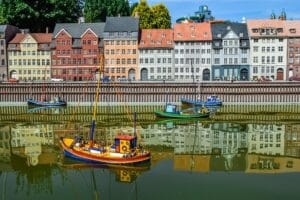
Walking tours focused on architecture can reveal details that ordinary sightseeing often misses.
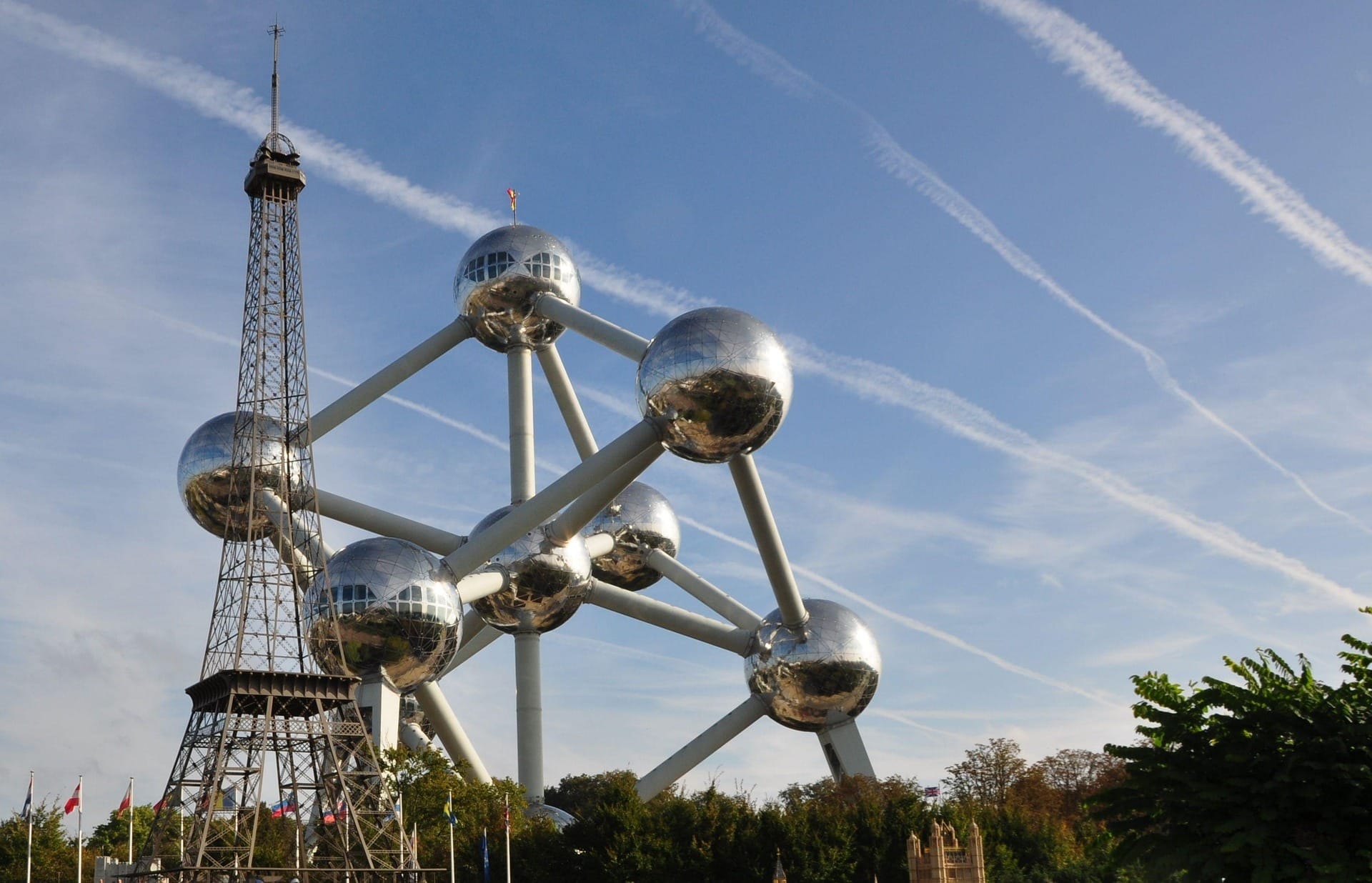
Visit the Atomium
One of the most recognizable landmarks in Brussels is Atomium, a remarkable structure originally created for the 1958 Brussels World’s Fair.
Designed to represent an enlarged iron crystal, the Atomium consists of enormous interconnected spheres and tubes that create one of the most unusual architectural silhouettes in Europe. Today, it functions as a museum and observation attraction where visitors can explore exhibitions about design, science, architecture, and the history of the building.
The upper sphere provides impressive panoramic views over Brussels and the surrounding area. On clear days, visitors can see far beyond the city center.
The Atomium is particularly spectacular after dark when the structure is illuminated. Its futuristic appearance provides a fascinating contrast with the medieval architecture found around the Grand-Place.
For official visitor information:
Explore Mini-Europe
Near the Atomium is Mini-Europe, an entertaining attraction featuring miniature versions of famous European landmarks.
Visitors can see detailed models representing iconic locations from different European countries, creating the feeling of traveling across the continent in a single afternoon. The attraction combines architectural models with interactive elements, moving displays, sound effects, and demonstrations.
Mini-Europe is particularly popular with families and travelers who want a lighthearted activity alongside Brussels’ museums and historic landmarks.
Its location near the Atomium makes it easy to combine both attractions in one excursion.
Discover the European Quarter
Brussels is one of the most important political centers in Europe, and the European Quarter provides visitors with an opportunity to understand the city’s international role.
The neighborhood is home to major European Union institutions, including the European Commission, European Parliament, and Council of the European Union. Modern office buildings contrast with historic streets and residential neighborhoods, demonstrating how Brussels has developed into a major international capital.
Visitors interested in European politics and history can explore public spaces, information centers, museums, and architectural landmarks throughout the district.
The European Quarter provides a completely different perspective from the medieval center and demonstrates why Brussels is often described as the capital of Europe.
Visit the Parlamentarium
The Parlamentarium offers an interactive introduction to the European Parliament and the European Union.
Through multimedia displays, interactive maps, videos, and personal stories, visitors can learn how European institutions operate and how decisions affecting EU member states are made.
The exhibition is designed to be accessible to visitors who may have little prior knowledge of European politics.
For travelers interested in international affairs, European history, or contemporary politics, the Parlamentarium provides a fascinating educational experience.
Admission information and visitor details can be checked through the official European Parliament website.
European Parliament – Parlamentarium
See the House of European History
Another important attraction in the European Quarter is the House of European History.
Rather than focusing on the history of one country, the museum explores Europe’s shared historical development, including political changes, wars, social transformations, economic developments, cultural movements, and the creation of modern European cooperation.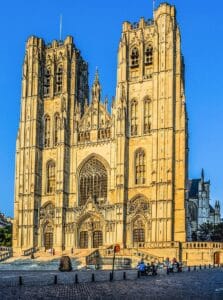
The museum provides visitors with an opportunity to understand how different European nations have influenced one another throughout history.
Its exhibitions are particularly useful for travelers who want to place Brussels and Belgium within the broader history of Europe.
Walk Through Brussels Park
Located between the Royal Palace and the Belgian Parliament, Brussels Park provides a peaceful green space in the center of the capital.
The formal gardens feature tree-lined paths, fountains, statues, lawns, and open spaces that are popular with residents and visitors. The park offers an excellent opportunity to slow down after exploring museums and historic attractions.
Its central location makes it easy to combine with a visit to the Royal Palace, Mont des Arts, and the historic center.
A leisurely walk through Brussels Park can provide a welcome break from busy sightseeing.
Explore Parc du Cinquantenaire
Cinquantenaire Park is one of Brussels’ most impressive public parks.
The enormous triumphal arch and surrounding monumental buildings create a spectacular setting for walking, photography, and sightseeing. The park was developed to commemorate the fiftieth anniversary of Belgium’s independence and later became an important cultural and recreational area.
Several museums are located within the complex, including institutions dedicated to military history, art, automobiles, and cultural heritage.
The combination of monumental architecture and green open space makes Cinquantenaire one of the most attractive parks in Brussels.
Explore the Sablon Neighborhood
The elegant Sablon district is known for beautiful architecture, antique shops, art galleries, cafés, restaurants, and historic churches.
The neighborhood has a sophisticated atmosphere and attracts visitors interested in Belgian craftsmanship, art, antiques, and gastronomy.
Church of Our Lady of Victories at the Sablon is one of the district’s most impressive landmarks, featuring remarkable Gothic architecture and intricate interior details.
The surrounding squares provide attractive spaces for relaxing, enjoying coffee, or discovering local restaurants.
Sablon is an excellent area to explore when looking for a more refined side of Brussels.
Visit the Place du Grand Sablon
The Place du Grand Sablon is one of the city’s most elegant squares.
Historic buildings surround the square, while cafés, restaurants, galleries, and specialty shops create a lively atmosphere. The area is particularly associated with antiques and high-end chocolate.
On weekends, visitors may encounter markets and special events that bring additional energy to the neighborhood.
For travelers interested in Belgian chocolate and traditional architecture, the Grand Sablon is an excellent place to spend an afternoon.
Discover Brussels’ Chocolate Tradition
Brussels is one of the world’s most important destinations for chocolate lovers.
Beyond the famous shops around the Grand-Place, visitors can explore specialist chocolatiers throughout Sablon and other neighborhoods. Many businesses combine classic Belgian pralines with innovative fillings and modern presentation.
A chocolate tour can provide insight into the history of cocoa production, Belgian confectionery techniques, and the development of pralines as an important part of Belgian culinary culture.
Travelers can also participate in chocolate-making workshops, where they learn how professional chocolatiers create and decorate chocolates.
For anyone with a sweet tooth, Brussels offers an extraordinary culinary adventure.
Try Belgian Fries
Belgian fries are another essential food experience in Brussels.
Despite their simplicity, Belgian fries have a distinctive culinary tradition. They are typically fried in a particular way to achieve a crisp exterior and soft interior, and they are often served with a wide range of sauces.
Visitors can find traditional fritkots and specialized fries shops throughout Brussels.
Trying fries from a local establishment provides a casual and affordable way to experience Belgian food culture.
Experience Brussels’ Café Culture
Brussels has a relaxed café culture that encourages visitors to slow down and enjoy the city.
Traditional cafés range from historic establishments with ornate interiors to modern specialty coffee shops serving contemporary drinks and pastries. Many cafés are located around major squares and pedestrian streets, providing excellent opportunities for people-watching.
Enjoying a coffee or Belgian beer while watching the city move around you is one of the simplest ways to experience Brussels like a local.
Explore Brussels’ Neighborhoods
While the historic center contains many famous attractions, travelers who have additional time should explore Brussels’ neighborhoods.
Saint-Gilles is particularly known for Art Nouveau architecture, independent cafés, and creative communities. Ixelles offers diverse restaurants, elegant residential streets, and lively nightlife, while Marolles provides a more traditional atmosphere with antique shops, flea markets, and independent businesses.
Each neighborhood reveals a different side of Brussels and demonstrates why the city cannot be fully understood through its major monuments alone.
Exploring beyond the tourist center can make a Brussels holiday more authentic.
Discover the Marolles District
The Marolles neighborhood is one of Brussels’ most interesting areas for travelers looking for local character.
The district has historically been associated with working-class communities and remains known for its informal atmosphere, antique shops, vintage stores, street art, cafés, and independent businesses.
The neighborhood is particularly popular with visitors interested in antiques and second-hand treasures.
Walking through the Marolles offers a fascinating contrast to the formal architecture of the Grand-Place and the elegant streets of Sablon.
Visit the Place du Jeu de Balle Flea Market
The Place du Jeu de Balle is famous for its daily flea market in the Marolles district.
The market attracts visitors searching for antiques, vintage objects, books, artwork, household items, records, collectibles, and unusual souvenirs.
Even travelers who do not intend to purchase anything can enjoy browsing the stalls and observing one of Brussels’ most distinctive local traditions.
For photographers and travelers interested in everyday culture, the market offers a glimpse into a more informal side of the city.
Explore Brussels by Walking Tour
A walking tour is one of the most effective ways to understand Brussels.
Historic walking tours can connect the Grand-Place, Manneken Pis, Royal Saint-Hubert Galleries, Sablon, Mont des Arts, and other central attractions while providing historical context that is difficult to discover independently.
Specialized tours can also focus on Belgian chocolate, beer, Art Nouveau architecture, comics, European politics, or local cuisine.
Walking tours are especially useful for first-time visitors because they provide an overview of the city before exploring individual attractions in greater depth.
Best Time to Visit Brussels
Brussels can be visited throughout the year, but each season offers a different experience.
Spring brings pleasant temperatures and colorful parks and gardens, making it a comfortable season for walking tours. Summer provides long daylight hours and numerous outdoor events, although popular attractions can become busy.
Autumn creates a beautiful atmosphere as the city’s parks change color, while winter brings festive decorations, Christmas markets, seasonal food, and a cozy café atmosphere.
Travelers interested in outdoor sightseeing may prefer spring or early autumn, while visitors who enjoy festive European city breaks may appreciate Brussels during December.
Safety Tips for Visiting Brussels
Brussels is generally a welcoming destination for international visitors, but travelers should take normal precautions in crowded areas.
Tourists should keep wallets, phones, passports, and other valuables secure, particularly around busy railway stations, public transportation, and heavily visited attractions.
Visitors should also remain aware of local transportation rules and follow official advice during major public events.
Using official tourism and transportation resources can help travelers stay informed about current conditions and planned events.
Why Brussels Is Worth Visiting
Brussels is worth visiting because it offers an unusual mixture of historic European charm and modern international culture.
The city can satisfy history lovers with medieval landmarks, art enthusiasts with museums and Art Nouveau architecture, food lovers with chocolate and Belgian cuisine, and travelers interested in politics with the European Quarter.
At the same time, Brussels remains approachable and compact enough to explore without spending hours commuting between attractions.
Its diversity makes it suitable for couples, families, solo travelers, history enthusiasts, photographers, and food lovers.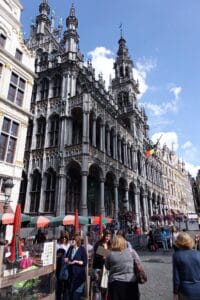
Conclusion
Brussels is a city that rewards travelers who take the time to explore both its famous landmarks and its lesser-known neighborhoods. The magnificent Grand-Place, the unusual Manneken Pis, and the elegant Royal Saint-Hubert Galleries provide a memorable introduction to the historic city center, while attractions such as Atomium reveal the city’s more modern and experimental side.
The European Quarter demonstrates Brussels’ importance as an international political capital, while Sablon, Marolles, Saint-Gilles, and Ixelles reveal the city’s local character. Add Belgian chocolate, waffles, fries, beer, museums, Art Nouveau architecture, parks, markets, and excellent public transportation, and it becomes easy to understand why Brussels remains one of Europe’s most interesting city-break destinations.
For travelers planning a Belgium travel itinerary, Brussels offers much more than a quick stop between other European destinations. It is a city where medieval history, Belgian traditions, European politics, contemporary art, architecture, and multicultural life exist side by side.
Whether you spend two days exploring the historic center or several days discovering museums, neighborhoods, food markets, parks, and cultural attractions, Brussels offers an unforgettable introduction to Belgium.
For official and current travel information, use:
Author

Related posts
Best Places to Visit in Dinant
- 0
- 4,779 words
Best Places to Visit in Dinant, Belgium Dinant is one of the most beautiful small towns in Belgium and one of the...
Read out all
Best Places to Visit in Mont-Saint-Michel
- 0
- 4,964 words
Best Places to Visit in Mont-Saint-Michel , France Mont-Saint-Michel is one of the most extraordinary destinations in France and one of the...
Read out all
UNGA
- 0
- 5,649 words
UNGA (United Nations General Assembly ) The United Nations General Assembly, commonly known as the UN General Assembly or UNGA, is one...
Read out all
Best Places to Visit in Kathmandu
- 0
- 4,089 words
Best Places to Visit in Kathmandu , Nepal Kathmandu, the capital of Nepal, is one of South Asia’s most fascinating travel destinations....
Read out all
Best Places to Visit in Vilnius
- 0
- 5,246 words
Best Places to Visit in Vilnius , Lithuania Vilnius, the capital of Lithuania, is one of the most fascinating destinations in the...
Read out all
Best Places to Visit in Riga
- 0
- 6,005 words
Best Places to Visit in Riga , Latvia Riga, the capital of Latvia, is one of the most fascinating destinations in the...
Read out all