

Uruguay : A Complete Travel Guide to South America’s Coastal Gem
Uruguay is a small but captivating country in southeastern South America, situated between Brazil and Argentina, with extensive coastlines along the Atlantic Ocean and the Río de la Plata. Despite its relatively compact size, Uruguay offers an impressive range of travel experiences, including historic colonial streets, sophisticated seaside resorts, unspoiled beaches, charming fishing villages, wine-producing countryside, traditional ranches, and nature reserves. Travelers searching for the best places to visit in Uruguay can discover a destination that combines South American character with a relaxed atmosphere, rich cultural traditions, and scenic landscapes.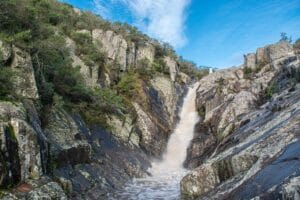
Why Uruguay Should Be on Your South America Travel Itinerary
Uruguay is an excellent destination for visitors who want to experience South America beyond its largest and most famous cities. Instead of concentrating only on major urban attractions, travelers can enjoy peaceful coastal towns, historic architecture, wildlife observation, traditional music, local markets, and countryside hospitality. The country’s relatively short distances make it practical to combine several destinations during one holiday, especially when traveling between Montevideo, Colonia del Sacramento, Punta del Este, and the Atlantic coast. Uruguay is particularly attractive to travelers interested in slow travel, cultural tourism, food, wine, beaches, and outdoor adventures.
Montevideo: The Best City to Begin Exploring Uruguay
Montevideo, the capital of Uruguay, is one of the country’s most rewarding destinations and an excellent starting point for a first visit. The city combines historic architecture, lively cultural neighborhoods, museums, theaters, traditional markets, beaches, and a long waterfront promenade. Visitors can spend their mornings exploring the old town, enjoy Uruguayan cuisine at lunchtime, and watch the sun set over the Río de la Plata in the evening. For travelers researching the best places to visit in Uruguay, Montevideo offers a convenient introduction to the country’s history, food, music, and everyday life.
Ciudad Vieja: Discover the Historic Heart of Montevideo
Ciudad Vieja, or the Old City, is one of the most interesting places to visit in Montevideo because it preserves much of the capital’s historic character. Its streets contain old commercial buildings, architectural landmarks, art galleries, cafés, cultural spaces, and small shops. Walking through this district provides an opportunity to discover how Montevideo developed as a major port and administrative center. Visitors should take time to appreciate the historic facades, explore side streets, and enjoy the contrast between traditional buildings and contemporary cultural activity.
Plaza Independencia: A Major Landmark in Uruguay’s Capital
Plaza Independencia is one of Montevideo’s most recognizable public spaces and an important stop for anyone interested in the country’s national history. The square connects the historic district with the modern city center and is surrounded by notable architecture. Its central monument commemorates national independence, while the nearby buildings reflect different periods in Montevideo’s development. The square is a useful starting point for a walking tour that includes the old town, major civic landmarks, and nearby cultural attractions.
Palacio Salvo: Discover Montevideo’s Distinctive Skyline
Palacio Salvo is a landmark building near Plaza Independencia and one of the most recognizable features of Montevideo’s skyline. Its unusual architectural design makes it especially interesting for visitors who enjoy historic buildings and urban photography. The surrounding area is ideal for observing the mixture of architectural styles that characterizes the city center. Travelers can combine a visit to the building’s exterior with a walk through nearby streets, plazas, and historic commercial areas.
Mercado del Puerto: Experience Traditional Uruguayan Food
Mercado del Puerto is one of Montevideo’s best-known places for experiencing traditional food and the country’s strong grilling culture. The market area is closely associated with parrilla, the South American style of preparing meat over a grill. Visitors can explore restaurants and food establishments, observe local dining traditions, and try classic Uruguayan dishes. It is particularly appealing to food lovers who want to understand how meals, social gatherings, and culinary traditions form an important part of local life.
La Rambla: Enjoy Montevideo’s Famous Waterfront Promenade
La Rambla is one of the most enjoyable attractions in Montevideo, stretching along the city’s waterfront beside the Río de la Plata. Residents use the promenade for walking, running, cycling, fishing, relaxing, and meeting friends. Visitors can experience a more peaceful side of the capital by taking a long walk beside the water, stopping at a viewpoint, or sitting along the shoreline. The promenade is also a wonderful place for sunrise and sunset photography, particularly when changing light creates reflections across the broad river.
Pocitos Beach: A Relaxing Urban Beach in Montevideo
Pocitos is one of Montevideo’s most popular urban beach areas, combining sandy shoreline, residential neighborhoods, cafés, and waterfront walking routes. It is a good choice for travelers who want to enjoy the beach without leaving the capital. During warmer weather, the shoreline attracts swimmers, sunbathers, joggers, and families. Visitors should remember that water and weather conditions can change, so checking local advice before swimming is sensible. Pocitos also provides a pleasant base for exploring the city’s coastal neighborhoods.
Parque Rodó: Green Space, Recreation, and Local Culture
Parque Rodó is a welcoming green area where visitors can enjoy open spaces, lakeside scenery, walking paths, and recreational activities. It provides a contrast to the busier commercial streets and historic center of Montevideo. Travelers can combine a visit with nearby coastal walks, cultural venues, and neighborhood cafés. The park is especially appealing for families and anyone who wants to experience how residents use public spaces for relaxation and outdoor recreation.
Teatro Solís: Discover Uruguay’s Performing Arts
Teatro Solís is one of Montevideo’s major cultural landmarks and an important destination for visitors interested in theater, music, and architecture. The building represents the city’s longstanding commitment to the performing arts and provides a glimpse into Uruguay’s cultural life. Depending on the schedule, visitors may be able to attend a performance or join a guided visit. Checking the official program in advance is recommended for travelers who want to include a concert, theatrical production, or cultural event in their itinerary.
Estadio Centenario: A Destination for Football Fans
Football is deeply embedded in Uruguay’s national identity, making Estadio Centenario an important attraction for sports enthusiasts. The stadium is closely connected with the early history of the FIFA World Cup and remains a symbolic place for understanding the country’s football traditions. Visitors interested in sporting history can investigate available tours, museum access, and match schedules before arriving. Even travelers who are not regular football fans may find the stadium meaningful because of the role football has played in Uruguay’s international reputation.
Colonia del Sacramento: Explore Uruguay’s UNESCO World Heritage Town
Colonia del Sacramento is among the best places to visit in Uruguay for history lovers, photographers, and travelers seeking a slower pace. Located on the Río de la Plata, the town is famous for its historic quarter, cobblestone streets, colonial architecture, and atmospheric waterfront. Its heritage reflects the competing Portuguese and Spanish influences that shaped the region. A walk through Colonia feels very different from exploring Montevideo’s larger urban environment, making it an essential stop on a first-time Uruguay itinerary.
Barrio Histórico: Walk Through the Historic Streets of Colonia
Barrio Histórico is the principal attraction in Colonia del Sacramento and a highlight of Uruguay’s cultural heritage. Its narrow streets, old houses, stone walls, and traditional public spaces preserve the atmosphere of a historic settlement. Visitors should explore slowly rather than rushing from one landmark to another, as much of the area’s appeal comes from its architectural details and changing views. The district is particularly photogenic in the early morning and late afternoon, when softer light emphasizes the textures of old buildings and cobblestones.
Calle de los Suspiros: One of Colonia’s Most Photographed Streets
Calle de los Suspiros, often translated as the Street of Sighs, is one of Colonia’s most recognizable historic lanes. Its traditional buildings, uneven paving, and intimate scale make it a favorite location for photography. The street is relatively small, but it captures the character that makes Colonia del Sacramento special. Visitors can include it in a walking route through Barrio Histórico, alongside nearby squares, historic structures, and waterfront viewpoints.
Colonia’s Lighthouse: Historic Views Across the River
Colonia’s lighthouse is a prominent landmark within the historic district and an attractive destination for travelers who enjoy panoramic views. Its setting among old buildings helps create one of the town’s most recognizable scenes. When access is available, visitors may be able to climb for a wider view of the surrounding rooftops and the Río de la Plata. Travelers should check current visiting arrangements, since opening conditions can vary.
Colonia’s Waterfront: Enjoy the Río de la Plata at a Slower Pace
The waterfront in Colonia del Sacramento is ideal for a relaxed walk after exploring the historic quarter. The broad river creates the feeling of an open horizon, and the shoreline is particularly appealing near sunset. Visitors can pause to watch boats, enjoy the breeze, and appreciate the town’s relationship with the water. The waterfront also provides a natural transition between historic sightseeing and a quiet evening meal.
Museums and Heritage Sites in Colonia del Sacramento
Colonia del Sacramento contains museums and historic buildings that help visitors understand the town’s Portuguese and Spanish past. Opening hours and access arrangements may differ by site, so checking local tourism information before visiting is useful. Travelers who enjoy cultural heritage can spend several hours exploring museums, traditional streets, public squares, and architectural landmarks. This combination makes Colonia a strong destination for anyone searching for historic places to visit in Uruguay.
Punta del Este: Uruguay’s Famous Beach and Resort Destination
Punta del Este is one of Uruguay’s best-known coastal destinations, attracting travelers with its beaches, restaurants, marina, contemporary buildings, and seasonal social life. It combines a modern resort atmosphere with attractive coastal scenery and access to quieter nearby towns. During the summer, the destination becomes especially lively, while outside peak season it can offer a calmer experience. Visitors looking for the best beaches in Uruguay, coastal dining, upscale accommodation, and seaside activities will find plenty to explore here.
Playa Brava: Discover Punta del Este’s Atlantic Coast
Playa Brava is one of Punta del Este’s best-known beaches and faces the Atlantic Ocean. It is associated with stronger waves and a more energetic coastal atmosphere than some sheltered beaches around the peninsula. Visitors come to walk along the sand, photograph the coastline, watch the surf, and enjoy the sea air. Because ocean conditions can be powerful, swimmers should pay attention to local flags, lifeguard guidance, and weather conditions before entering the water.
La Mano: Punta del Este’s Iconic Sculpture
La Mano, also known as the Hand, is one of Uruguay’s most recognizable public artworks. The sculpture emerges from the sand at Playa Brava and has become a popular photography location for visitors to Punta del Este. It provides a memorable landmark for a coastal walk and reflects the destination’s combination of beach scenery and public art. Travelers often visit early in the day or outside the busiest periods to enjoy a less crowded photographic experience.
Playa Mansa: Calm Coastal Views and Family-Friendly Atmosphere
Playa Mansa faces the sheltered side of Punta del Este and is known for its gentler waterfront atmosphere compared with the more exposed Atlantic beaches. The beach is popular for walking, relaxing, and enjoying views across the water. Conditions vary, and visitors should always check local swimming guidance, but the area can be particularly appealing to families and travelers seeking a more tranquil seaside setting. Sunset is a memorable time to visit because the western-facing waterfront often offers beautiful evening light.
Punta del Este Marina: Boats, Restaurants, and Coastal Life
The marina is an attractive part of Punta del Este, where visitors can observe boats, stroll along the waterfront, and enjoy the resort’s dining and café culture. It offers a different perspective on the city from its sandy beaches, introducing travelers to its maritime character and seasonal social scene. The surrounding area is convenient for a leisurely walk, a meal, or an evening outing. Visitors who enjoy coastal towns will appreciate the combination of water views and urban activity.
Casapueblo: Art and Architecture Near Punta del Este
Casapueblo, located near Punta del Este in the Punta Ballena area, is an architectural and artistic landmark associated with Uruguayan artist Carlos Páez Vilaró. Its sculptural white forms overlook the water and create a distinctive setting that differs from conventional resort architecture. Visitors come to explore the artistic environment, learn about its creative history, and admire the surrounding coastal views. It is particularly famous for its sunset atmosphere, although travelers should check current visitor information and access arrangements before planning a visit.
La Barra: A Stylish Coastal Town Near Punta del Este
La Barra is a popular coastal area east of Punta del Este, known for its beach culture, restaurants, boutiques, and distinctive bridge. It offers a more informal atmosphere than some parts of the main resort while remaining connected to the broader Punta del Este area. Visitors can enjoy the beaches, browse shops, and explore local dining options. During summer, La Barra becomes particularly active, while quieter months are better suited to travelers who prefer relaxed coastal walks.
José Ignacio: A Peaceful and Stylish Atlantic Escape
José Ignacio is a small coastal destination known for its beaches, low-rise development, restaurants, and relaxed atmosphere. It has become associated with stylish seaside travel, but its appeal also lies in its open landscapes and quieter pace outside the busiest holiday periods. Visitors can enjoy the shoreline, discover local food, and appreciate the contrast between the small settlement and the wide Atlantic horizon. José Ignacio is a strong option for travelers looking beyond Uruguay’s larger resort centers.
La Paloma: A Classic Beach Town on Uruguay’s Atlantic Coast
La Paloma, in the department of Rocha, is a well-known seaside destination with sandy beaches, a lighthouse, and a relaxed coastal community. It offers a more traditional beach-town experience than Punta del Este, with opportunities for swimming in suitable conditions, surfing, fishing, and long shoreline walks. The town is particularly attractive for travelers who want to spend several days by the ocean without focusing on luxury resorts or nightlife. Seasonal conditions affect accommodation availability, so summer visitors should plan ahead.
La Pedrera: Coastal Scenery and a Relaxed Village Atmosphere
La Pedrera is a small coastal village appreciated for its beaches, ocean views, and laid-back character. Its shoreline can be attractive for surfing, walking, and photography, while the settlement offers a quieter alternative to larger resort towns. Travelers who enjoy slow travel can spend their time exploring the beach, discovering local food, and watching the changing colors of the Atlantic. As with other exposed beaches, swimming should depend on current sea conditions and local safety guidance.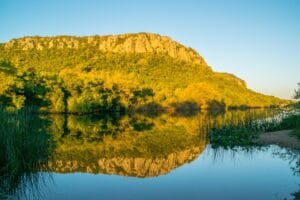
Cabo Polonio: One of Uruguay’s Most Unusual Natural Destinations
Cabo Polonio is one of the most distinctive places to visit in Uruguay, offering a coastal environment of dunes, rocky shoreline, ocean views, and a small settlement with a character different from conventional beach resorts. The protected area preserves aspects of Uruguay’s Atlantic coastal landscape and is known for its relatively remote atmosphere. Travelers visit to disconnect from busy urban life, observe nature, walk along the shore, and experience a simpler style of coastal travel. Because the area is environmentally sensitive, visitors should follow official access instructions and local conservation rules.
Cabo Polonio National Park: Discover the Protected Coastal Landscape
Cabo Polonio National Park protects a striking section of the Atlantic coast and is an important destination for nature-focused tourism. The landscape includes dunes, coastal vegetation, rocky areas, and marine environments. Visitors should learn about access arrangements before traveling, since reaching the settlement may involve authorized transport rather than driving directly across protected terrain. Responsible behavior is particularly important here: taking rubbish away, respecting wildlife, and avoiding disturbance help preserve the environment that makes Cabo Polonio special.
Sea Lions and Coastal Wildlife Around Cabo Polonio
The Cabo Polonio area is associated with marine wildlife, including sea lions that may be observed around rocky coastal habitats. Watching animals from a respectful distance can be a memorable part of a Uruguay nature trip. Visitors should never approach, feed, or attempt to touch wildlife, and they should follow the instructions of local guides and park authorities. Wildlife viewing depends on natural conditions, so sightings should be treated as a possibility rather than a guarantee.
Punta del Diablo: A Relaxed Coastal Village in Rocha
Punta del Diablo is a well-known coastal village with sandy beaches, colorful buildings, fishing traditions, and a relaxed atmosphere. It attracts travelers interested in surfing, outdoor activities, casual dining, and a less formal beach holiday. The village can become lively during the summer, while the quieter season offers a more peaceful experience. Punta del Diablo is a useful addition to a longer Atlantic coast itinerary that includes La Paloma, La Pedrera, and Cabo Polonio.
Santa Teresa National Park: Beaches, Forests, and History
Santa Teresa National Park combines coastal scenery, green spaces, walking opportunities, and historic features. Located in eastern Uruguay, it is a valuable destination for travelers who want to mix beach time with outdoor exploration. Depending on the area visited, the park experience may include wooded landscapes, coastal viewpoints, and historic fortifications. Visitors should consult official park information for access, camping conditions, opening arrangements, and any seasonal restrictions.
Fortaleza de Santa Teresa: Explore Uruguay’s Military Heritage
The Fortress of Santa Teresa is an important historic landmark within the eastern coastal region. Its walls and strategic location provide insight into the historical importance of the borderlands between Portuguese and Spanish colonial territories. Travelers interested in history can combine the fortress with the surrounding park and beaches for a varied day trip. The site is also a useful reminder that Uruguay’s coastal landscape has been shaped not only by nature and tourism but also by centuries of political and military history.
Piriápolis: A Traditional Seaside Resort With Mountain Views
Piriápolis is a historic seaside resort located between Montevideo and Punta del Este. It offers a distinctive combination of beaches, hills, waterfront promenades, and traditional resort architecture. The town is suitable for travelers who enjoy coastal walks but also want access to elevated viewpoints and nature trails. Its atmosphere is generally more traditional than that of Punta del Este, making it an appealing stop for visitors seeking a different type of Uruguayan seaside holiday.
Cerro San Antonio: Panoramic Views Over Piriápolis
Cerro San Antonio is one of the best-known viewpoints around Piriápolis. From elevated areas, visitors can appreciate the relationship between the town, the coastline, and the surrounding hills. Depending on available access, the ascent can be part of a scenic outing by road or on foot. The viewpoint is particularly rewarding in clear weather, when the coastal landscape becomes more visible. Travelers should check local access information before setting out.
Cerro Pan de Azúcar: A Destination for Nature and Hiking Lovers
Cerro Pan de Azúcar is a prominent hill near Piriápolis and an attractive destination for travelers interested in outdoor recreation. The surrounding area offers opportunities to appreciate native vegetation, scenic landscapes, and local biodiversity. Hiking conditions and access may vary, so visitors should follow official guidance, wear appropriate footwear, and avoid attempting demanding routes without preparation. For travelers researching nature attractions in Uruguay, this area provides an alternative to the country’s better-known beaches.
Rocha Department: Explore Uruguay’s Wild Atlantic Coast
Rocha is one of the most appealing regions for travelers who prefer natural beaches, coastal lagoons, small villages, and a less urbanized atmosphere. The department includes several of Uruguay’s best-known Atlantic coastal destinations, including La Paloma, La Pedrera, Cabo Polonio, and Punta del Diablo. Its landscapes are well suited to long walks, surfing, birdwatching, and quiet escapes. Travelers can spend several days exploring different sections of the coast rather than remaining in one resort town.
Laguna de Rocha: A Coastal Lagoon for Nature Lovers
Laguna de Rocha is an important natural area associated with coastal wetlands, open landscapes, and birdlife. It offers a different experience from the country’s sandy beaches, allowing visitors to observe the ecological diversity of Uruguay’s coastal region. Nature enthusiasts may enjoy birdwatching, photography, and learning about the relationship between wetlands and surrounding communities. Since wildlife and access conditions vary, it is best to use local or official conservation information when planning a visit.
Bañados del Este: Wetlands and Birdwatching Opportunities
The eastern wetlands of Uruguay are important for biodiversity and provide habitat for numerous bird species. Travelers interested in ecotourism can explore appropriate observation areas, preferably with knowledgeable local guides where available. Wetlands are particularly rewarding for visitors who enjoy quiet landscapes and wildlife photography rather than conventional sightseeing. Seasonal changes can influence water levels and animal activity, so planning around current local information improves the experience.
Colonia Valdense and the Quiet Countryside of Colonia
Beyond its famous historic capital, the department of Colonia contains small towns and countryside landscapes that reflect Uruguay’s agricultural traditions and cultural diversity. Colonia Valdense is one place where travelers can explore a quieter side of the region, with local history, rural surroundings, and opportunities to discover regional food. Visitors who enjoy road trips can use these towns to experience a less crowded Uruguay and understand the links between rural life, farming, and the country’s food culture.
Carmelo: Wine, Rivers, and Relaxed Countryside Travel
Carmelo is an attractive destination in western Uruguay, known for its riverside setting, rural atmosphere, and connection to wine tourism. It provides an alternative to the country’s major cities and beach resorts, with opportunities to explore vineyards, enjoy regional food, and appreciate the countryside. Travelers can combine Carmelo with other destinations in the Colonia region for a slower-paced trip focused on landscapes and local experiences. Wine tastings and vineyard visits should be arranged directly with participating producers.
Uruguay’s Wine Country: Discover Tannat and Local Vineyards
Uruguay has a growing reputation among wine enthusiasts, particularly for Tannat, a grape variety strongly associated with the country’s wine identity. Wine tourism provides an opportunity to discover vineyards, learn about local production, and pair wines with traditional cuisine. The areas around Montevideo and Canelones are practical starting points for visitors who want to explore wineries without traveling far from the capital. Travelers should confirm tour availability, tasting schedules, and transport arrangements before booking.
Canelones: Beaches, Vineyards, and Easy Excursions From Montevideo
Canelones is a versatile region that can be explored as a day trip or as part of a longer journey through southern Uruguay. It combines coastal communities, agricultural landscapes, and wine-producing areas. Visitors can enjoy the contrast between the busy capital and the calmer towns beyond the metropolitan area. For travelers searching for places to visit near Montevideo, Canelones is an excellent option because it offers both countryside experiences and access to the Río de la Plata coastline.
Atlántida: A Beach Town With Distinctive Architecture
Atlántida is a coastal destination east of Montevideo, known for its beach setting and relaxed holiday atmosphere. It can be a convenient stop for travelers who want a seaside break without journeying as far as Punta del Este. The surrounding region also offers architectural and cultural interest, making it more than just a place to spend time on the sand. Visitors can combine the beach with a walk through town and a meal at a local restaurant.
The Church of Christ the Worker: A Unique Architectural Landmark
The Church of Christ the Worker in Atlántida is an important architectural destination, recognized for its innovative use of brick and its distinctive modern design. It is especially interesting for travelers who enjoy architecture, engineering, and cultural heritage. The building demonstrates how contemporary design can respond to local materials and construction techniques. Before visiting, travelers should check current access arrangements and be respectful if religious services are taking place.
Lavalleja: Uruguay’s Scenic Hills and Rural Landscapes
Lavalleja, in southeastern Uruguay, is a rewarding region for visitors who want to explore hills, countryside, and outdoor activities beyond the coast. Its landscapes provide opportunities for scenic drives, hiking, photography, and discovering small communities. The region is often a pleasant contrast to Uruguay’s flat coastal areas, with rolling terrain and natural viewpoints. Travelers who enjoy slower road trips can include Lavalleja in an itinerary linking Montevideo with inland destinations.
Minas: A Gateway to the Hills of Lavalleja
Minas is the principal city of Lavalleja and a useful base for exploring the surrounding hills and rural attractions. The town offers local services and access to regional landscapes, making it suitable for travelers who prefer to explore the interior at a comfortable pace. Visitors can combine time in Minas with outdoor excursions and visits to nearby natural landmarks. It is also a good place to experience the everyday life of a smaller Uruguayan city.
Salto: Hot Springs and Relaxation in Northern Uruguay
Salto is one of the principal destinations for thermal tourism in Uruguay. Located in the northwest near the Uruguay River, it offers access to thermal resorts and facilities designed for relaxation and family recreation. Travelers can enjoy warm-water pools, spa-style experiences, and a slower holiday focused on wellness. Salto can also be combined with other northern destinations for visitors who want to discover a side of Uruguay that differs from its Atlantic beaches and southern cities.
Daymán Hot Springs: A Popular Thermal Tourism Experience
The Termas del Daymán area near Salto is known for thermal-water facilities and resort experiences. Visitors can choose from different types of accommodation and recreational facilities, depending on their preferences and budget. The destination is particularly attractive to families, couples, and travelers who want a relaxing break after several days of sightseeing. Visitors should confirm current opening hours, pool access, prices, and available services directly with the chosen facility.
Paysandú: Riverside Scenery and Thermal Attractions
Paysandú is another destination in western Uruguay where travelers can explore riverfront landscapes, local culture, and access to thermal tourism. The city has a regional identity connected to the Uruguay River and offers an opportunity to experience life beyond the main tourist circuit. Visitors can use Paysandú as a base for exploring nearby towns and natural areas. It is particularly suitable for travelers taking a longer road trip through western Uruguay.
Termas de Guaviyú: A Peaceful Thermal Escape
Termas de Guaviyú is a thermal destination in the Paysandú region that appeals to travelers looking for relaxation and outdoor recreation. The setting offers an alternative to a conventional city or beach holiday, with thermal pools and facilities that can be enjoyed during a short stay. The atmosphere is generally suited to visitors who want a slower itinerary. As services and access arrangements can change, it is sensible to check official local information before traveling.
Fray Bentos: Discover Industrial Heritage and the Uruguay River
Fray Bentos is a riverside city in western Uruguay with a distinctive industrial and cultural history. Its former meat-processing complex, known as the Fray Bentos Industrial Landscape, is recognized on the UNESCO World Heritage List. The site provides insight into the history of food processing, international trade, and industrial development. Visitors interested in history and architecture can combine the heritage area with a walk through the city and views of the Uruguay River.
Fray Bentos Industrial Landscape: A UNESCO World Heritage Experience
The Fray Bentos Industrial Landscape is a significant heritage site that tells the story of an industrial complex linked to meat processing and global trade. Its buildings and equipment help explain how Uruguay’s agricultural production became connected with international markets. For travelers who enjoy industrial archaeology and social history, the site offers a different perspective from colonial towns and coastal resorts. Check official heritage information for current opening hours, guided visits, and visitor facilities.
Tacuarembó: Discover Uruguay’s Gaucho Traditions
Tacuarembó is an important destination for understanding Uruguay’s rural identity and gaucho culture. The department’s countryside, traditions, and cultural events provide a view of life beyond the coast. Visitors can learn about ranching heritage, traditional music, local cuisine, and the customs associated with Uruguay’s interior. Travelers interested in regional identity may find Tacuarembó particularly rewarding when combined with other inland destinations.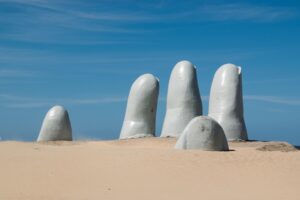
Valle Edén: A Scenic Rural Destination in Tacuarembó
Valle Edén is a rural destination associated with natural scenery and cultural heritage in the Tacuarembó region. It offers an opportunity to explore a quieter landscape of countryside, local history, and outdoor experiences. Visitors can use the area as part of a journey through Uruguay’s interior, especially if they want to discover destinations beyond the capital and coast. Checking local tourism information is useful for finding current activities, transport options, and nearby points of interest.
Uruguay’s Estancias: Experience Traditional Countryside Hospitality
An estancia, or rural ranch, offers a distinctive way to experience Uruguay’s agricultural landscapes and gaucho traditions. Depending on the property, visitors may be able to enjoy horseback riding, traditional meals, countryside walks, and an introduction to ranch life. These stays can be especially appealing to travelers who want to slow down and experience local culture in a more personal setting. Before booking, check what activities are included, whether transport is available, and how the accommodation approaches animal welfare and environmental care.
Quebrada de los Cuervos: A Natural Retreat for Hikers
Quebrada de los Cuervos is a notable natural area in the department of Treinta y Tres, appreciated for its rugged landscape, vegetation, and hiking opportunities. It provides a striking contrast to Uruguay’s coastal plains and offers nature-focused travelers a chance to explore a more dramatic environment. Visitors should check current trail access, weather conditions, and any required permits before setting out. Proper footwear, sufficient water, and respect for marked paths are important for a safe visit.
Cerro Arequita: Explore Uruguay’s Inland Nature
Cerro Arequita, near Minas, is a distinctive natural landmark surrounded by a landscape of hills and vegetation. The area is attractive to visitors interested in scenic drives, hiking, and exploring Uruguay’s geological diversity. Depending on local access arrangements, guided experiences may be available for particular features of the area. Travelers should confirm whether routes, caves, or protected sections are open before planning their visit.
Santa Lucía River and the Rural Landscapes of Southern Uruguay
The Santa Lucía River region offers a quieter outdoor experience within reach of the country’s southern urban areas. The river and its surrounding landscapes are relevant to both nature tourism and the broader geography of Uruguay. Visitors can seek out appropriate walking areas, countryside routes, and opportunities to observe local birdlife. As with any natural area, it is important to follow local access rules and avoid disturbing wildlife or leaving waste behind.
Uruguay’s National Parks and Protected Areas: Nature Beyond the Beaches
Uruguay’s protected areas provide opportunities to discover native vegetation, wetlands, coastal lagoons, wildlife habitats, and rural landscapes. The official tourism platform promotes ecotourism activities that include hiking, horseback riding, and wildlife observation. Travelers who enjoy nature should research individual reserves before arrival because access conditions, visitor facilities, and permitted activities vary by location. A well-planned nature itinerary can complement city sightseeing and beach holidays, creating a more complete picture of Uruguay.
Whale Watching in Uruguay: A Seasonal Coastal Experience
Parts of Uruguay’s coast offer opportunities to look for whales during seasonal migration periods. Whale watching is a natural experience rather than a guaranteed attraction, so sightings depend on the time of year, sea conditions, and animal behavior. Travelers interested in marine wildlife should consult local tourism and conservation resources to learn where and when observation is appropriate. Responsible viewing means maintaining a respectful distance and choosing operators who follow wildlife-protection guidelines.
Birdwatching in Uruguay: Discover Coastal and Wetland Wildlife
Uruguay’s wetlands, lagoons, grasslands, and coastal environments support a variety of bird species. Birdwatching can be rewarding for visitors who enjoy photography, quiet outdoor exploration, and learning about local ecosystems. Coastal lagoons and protected natural areas are useful starting points, but the best locations depend on the species and season. Bringing binoculars, using established paths, and observing birds without disturbing their habitats helps make the experience more enjoyable and responsible.
Uruguayan Food: Discover Asado, Empanadas, and Regional Flavors
Food is an essential part of travel in Uruguay, and visitors should make time to explore the country’s culinary traditions. Asado, a style of barbecue prepared over a grill, is closely associated with local social life. Empanadas, pastries, fresh produce, cheeses, and regional dishes are also widely enjoyed. Travelers can discover these flavors in traditional restaurants, food markets, wineries, and rural establishments. Trying local food is one of the most direct ways to understand Uruguay’s cultural identity.
Tannat Wine: Taste One of Uruguay’s Signature Products
Tannat is an important grape variety in Uruguay and a natural choice for travelers interested in wine tourism. It is often associated with structured red wines that pair well with grilled meat and other hearty dishes. Visitors can learn about the variety through vineyard tours, tastings, and conversations with local producers. A wine excursion near Montevideo or Canelones can be a practical addition to a city-based itinerary, while western Uruguay offers opportunities to combine wine interests with rural scenery.
Mate Culture: Experience an Everyday Uruguayan Tradition
Mate is a traditional infusion made from yerba mate and is an important part of daily life in Uruguay. Visitors may notice people carrying mate gourds and thermoses in parks, on promenades, and during social gatherings. The custom reflects hospitality, routine, and shared conversation. Travelers interested in local culture can learn about mate from guides or hosts, while remembering that people may have personal preferences about sharing their drink. Observing the tradition respectfully can add a memorable cultural dimension to a trip.
Candombe and Carnival: Discover Uruguay’s Music and Festive Traditions
Uruguay’s cultural calendar includes music, dance, and carnival traditions, with candombe playing a significant role in the country’s cultural identity. In Montevideo, visitors may encounter performances, neighborhood celebrations, and events featuring percussion and dance. Carnival dates and programs vary, so travelers who want to attend a particular celebration should check the official schedule in advance. Experiencing local music provides a valuable complement to sightseeing and offers insight into the cultural traditions that shape the country.
Shopping in Uruguay: Local Markets, Crafts, and Design
Shopping in Uruguay can include traditional crafts, leather goods, regional food products, wine, clothing, and contemporary design. Montevideo offers a broad range of shops and markets, while smaller towns may be better for discovering locally produced goods. Travelers interested in souvenirs can look for items made by local artisans and food products that are suitable for transport. Checking customs rules for food, wine, and agricultural products is advisable when taking purchases across international borders.
Best Time to Visit Uruguay for Beaches and Sightseeing
The best time to visit Uruguay depends on the type of holiday you want. Summer, broadly from December through February, is popular for beach destinations, outdoor dining, and coastal activities, but it is also the busiest period in many resorts. Spring and autumn can offer pleasant conditions for city sightseeing, countryside travel, and exploring historic towns with fewer seasonal crowds. Winter is generally cooler and can be quieter along the coast, although some seasonal businesses may reduce their opening schedules. Always check the forecast for the destinations you plan to visit.
How Many Days Do You Need to Explore Uruguay?
The ideal length of a Uruguay trip depends on how many regions you want to experience. A short visit of three or four days can focus on Montevideo and Colonia del Sacramento, while a week allows time to include Punta del Este or another coastal destination. Ten days or more makes it easier to explore the Atlantic coast, wine country, rural landscapes, or thermal resorts in the north and west. Because the country offers both urban and natural attractions, travelers benefit from choosing a manageable route rather than trying to cover every region in a single visit.
How to Travel Around Uruguay: Buses, Cars, and Regional Connections
Uruguay’s relatively compact geography makes travel between many major destinations manageable, but transport choices depend on the route. Intercity buses connect important cities and coastal towns, while a rental car can provide more flexibility for exploring rural areas and smaller beaches. Travelers visiting remote or protected places should research access carefully, since a regular road connection may not lead directly to every destination. Check schedules, seasonal service changes, driving regulations, and border-crossing requirements before finalizing a route.
Where to Stay in Uruguay: Choosing the Right Base
Montevideo is a practical base for urban culture, food, museums, and transport connections. Colonia del Sacramento suits travelers who want historic atmosphere and a slower pace, while Punta del Este is ideal for a resort-style holiday and access to nearby beaches. Travelers who prefer nature and quieter coastal settings may choose La Paloma, La Pedrera, Punta del Diablo, or accommodation near Cabo Polonio. For wellness-focused trips, thermal resorts in the north and west offer a different type of stay. Compare location, transport access, seasonal opening schedules, and cancellation policies before booking.
Uruguay Travel Tips for International Visitors
International travelers should confirm passport validity, entry requirements, and any visa rules that apply to their nationality before departure. Carry suitable clothing for changing coastal weather, especially if visiting in cooler months or traveling between regions. Keep an eye on personal belongings in busy areas, use reputable transport providers, and follow local swimming and wildlife guidance. If you plan to visit smaller coastal towns or protected areas, reserve accommodation in advance during popular holiday periods. Official tourism and government resources are the best places to check practical information before traveling.
Conclusion
The best places to visit in Uruguay offer something for almost every kind of traveler, from the cultural attractions of Montevideo and the UNESCO-listed heritage of Colonia del Sacramento to the beaches of Punta del Este, the wild landscapes of Cabo Polonio, and the countryside traditions of the interior. A carefully planned itinerary can combine historic sightseeing, coastal relaxation, local food, wine tasting, outdoor adventures, and wildlife observation. Whether you have a few days or several weeks, Uruguay is a destination where shorter travel distances make it easier to discover different landscapes and local experiences. Use official tourism resources to confirm access and transport details, then build a journey around the places that best match your interests.
Uruguay’s official tourism resources
Travel planning and heritage
UNESCO World Heritage Centre — consult the official World Heritage listings for Colonia del Sacramento and the Fray Bentos Industrial Landscape.
Uruguay XXI — official investment and export promotion agency — background on Uruguay’s regions and tourism-related information.
Author

Related posts

OPEC
- 0
- 5,679 words
OPEC OPEC stands for the Organization of the Petroleum Exporting Countries. It is an intergovernmental organization created by major oil-producing countries to...
Read out all
How Do I Find Reliable Wholesale Suppliers
- 0
- 9,103 words
How Do I Find Reliable Wholesale Suppliers ? Finding reliable wholesale suppliers is one of the most important tasks for anyone starting...
Read out all
What Is Happening in the World?
- 0
- 5,355 words
What Is Happening in the World? The world is currently experiencing a period of overlapping crises and opportunities. Political disputes, military conflicts,...
Read out all
BRICS
- 0
- 5,794 words
BRICS : History, Members, Economy, Goals, Expansion and Global Influence BRICS is an international grouping of major emerging economies and developing countries...
Read out all
United Kingdom
- 0
- 5,089 words
United Kingdom The United Kingdom, commonly known as the UK, is one of Europe’s most fascinating travel destinations. Officially called the United...
Read out all
Bhutan
- 0
- 4,154 words
Bhutan Travel Guide Bhutan is one of the most fascinating travel destinations in Asia, offering an extraordinary combination of Himalayan landscapes, Buddhist...
Read out all