
Best Things to Do in Beijing?
Why Beijing Is One of the World’s Most Fascinating Cities
Beijing, the capital of China, is one of the most historically significant and culturally rich cities in the world. As the political, cultural, and educational center of China, Beijing offers visitors a remarkable blend of ancient heritage and modern development. With more than three thousand years of history and centuries as an imperial capital, the city is home to some of the most famous landmarks on Earth.
Travelers visiting Beijing can explore magnificent palaces, ancient temples, traditional neighborhoods, world-renowned museums, and modern architectural marvels. The city provides an unforgettable journey through China’s past while showcasing its present and future. Whether visitors are interested in history, culture, food, architecture, shopping, or urban exploration, Beijing offers experiences that few destinations can match.
The city’s unique combination of imperial history and modern innovation has made it one of Asia’s most visited tourist destinations and a must-see location for travelers exploring China.
What Is Beijing Famous For?
Beijing is famous for its extraordinary historical landmarks, imperial heritage, and role as China’s capital. The city is home to iconic attractions such as the Great Wall of China, the Forbidden City, Tiananmen Square, the Temple of Heaven, and the Summer Palace.
For centuries, Beijing served as the political center of Chinese dynasties, making it one of the most important cities in East Asian history. Its historical significance is reflected in the remarkable architecture and cultural treasures that continue to attract millions of visitors annually.
Beyond history, Beijing is known for its cuisine, educational institutions, technological growth, and influence on Chinese politics and culture. The city’s global importance extends far beyond tourism, making it one of the most influential urban centers in the world.
Visit the Forbidden City
One of the most important attractions in Beijing is the Forbidden City. This vast palace complex served as the home of Chinese emperors for nearly five centuries and remains one of the most impressive architectural achievements in world history.
The Forbidden City contains hundreds of buildings, grand halls, courtyards, gardens, and priceless cultural artifacts. Visitors can spend hours exploring its magnificent structures while learning about imperial life, political history, and traditional Chinese architecture.
The site’s immense scale and historical importance make it one of Beijing’s most essential attractions. It also holds UNESCO World Heritage status and remains one of the most visited cultural landmarks in China.
Official information can be found at:
Palace Museum Official Website
Explore Tiananmen Square
Located directly south of the Forbidden City, Tiananmen Square is one of the largest public squares in the world. The square serves as a major national symbol and an important location for Chinese history and public events.
Visitors often begin their exploration of central Beijing here before continuing to nearby attractions. The square is surrounded by important government buildings, museums, and monuments that reflect China’s modern political history.
Its enormous size and historical significance make Tiananmen Square a fascinating destination for travelers interested in understanding contemporary China.
Walk Along the Great Wall of China
No trip to Beijing is complete without visiting the legendary Great Wall of China. Although the wall extends across multiple regions of China, some of the most accessible and popular sections are located near Beijing.
Visitors can explore restored sections such as Mutianyu, Badaling, and Jinshanling while enjoying spectacular mountain scenery. Walking along the Great Wall provides opportunities to appreciate one of humanity’s most remarkable engineering achievements.
The experience is often considered the highlight of a visit to China. The combination of historical significance, architectural grandeur, and breathtaking landscapes creates unforgettable memories for travelers from around the world.
Discover the Temple of Heaven
The Temple of Heaven is another UNESCO World Heritage Site and one of Beijing’s most recognizable landmarks. Constructed during the Ming Dynasty, the complex was used by emperors for ceremonies and rituals intended to ensure good harvests and national prosperity.
The architecture demonstrates extraordinary precision and symbolic meaning rooted in traditional Chinese philosophy and cosmology. Visitors can admire the iconic Hall of Prayer for Good Harvests while exploring expansive gardens and ceremonial spaces.
The Temple of Heaven provides valuable insights into China’s spiritual traditions and imperial culture.
Visit the Summer Palace
The magnificent Summer Palace served as a retreat for Chinese emperors seeking relief from the summer heat. The site combines beautiful landscapes, elegant architecture, lakes, bridges, and pavilions to create one of China’s most impressive imperial gardens.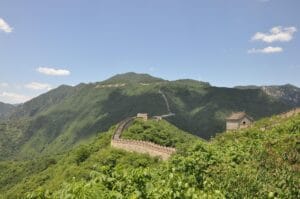
Visitors can stroll along the Long Corridor, enjoy boat rides on Kunming Lake, and admire the harmonious integration of natural and man-made elements. The Summer Palace exemplifies traditional Chinese garden design and remains a favorite destination for both tourists and local residents.
Its peaceful atmosphere provides a welcome contrast to the energy of central Beijing.
Explore Beijing’s Traditional Hutongs
While Beijing is known for monumental landmarks, some of its most rewarding experiences can be found within its traditional hutongs. These narrow alleyways and historic residential neighborhoods offer glimpses into everyday life and local culture.
Walking through hutongs allows visitors to discover traditional courtyard homes, small shops, tea houses, and community spaces that preserve aspects of old Beijing. Many areas have been carefully preserved despite rapid urban development.
Exploring hutongs provides a more personal perspective on the city and allows travelers to connect with local history and traditions.
Experience Beijing’s Modern Architecture
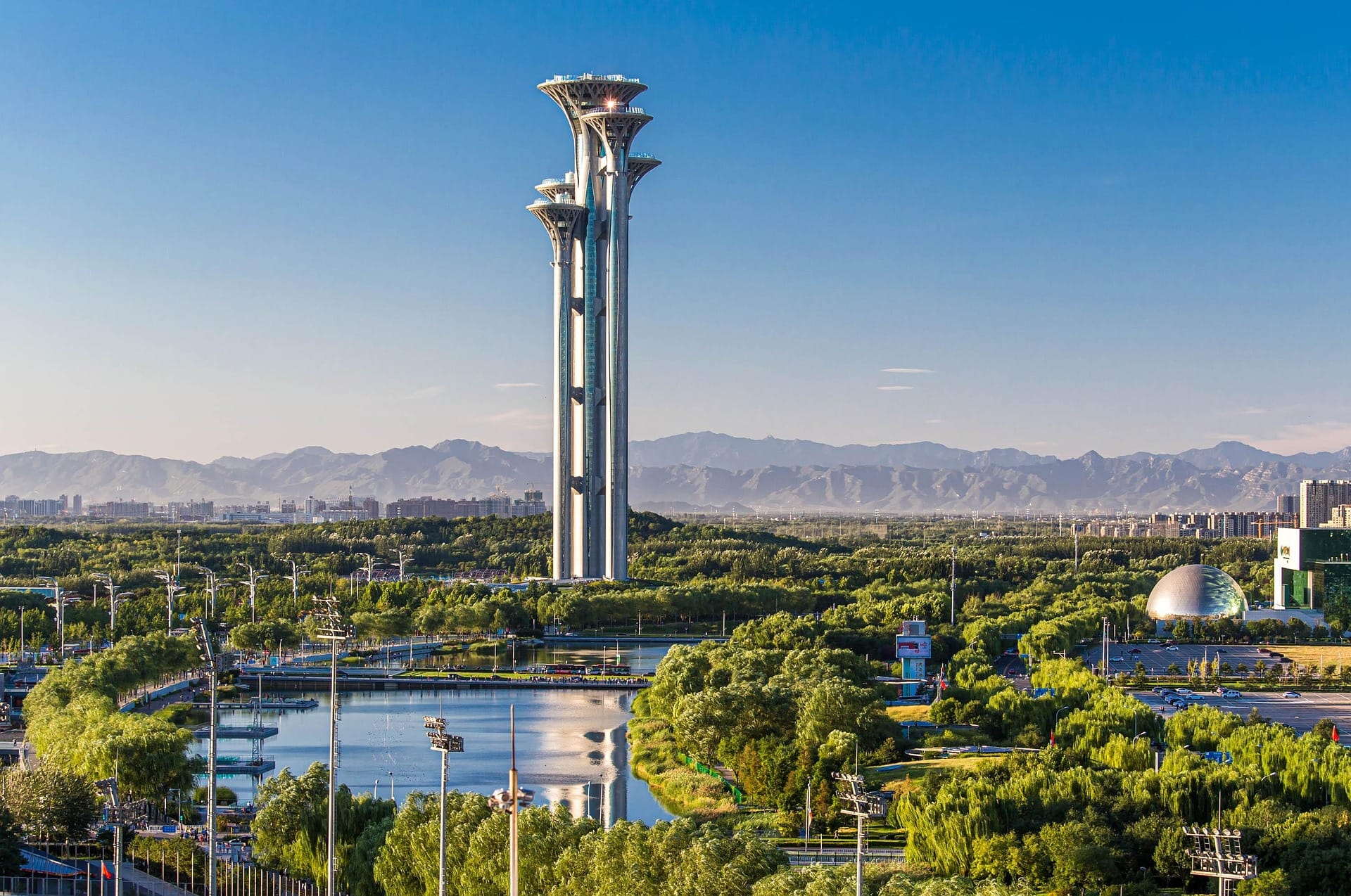
In addition to its ancient landmarks, Beijing showcases impressive examples of contemporary architecture. Modern structures symbolize China’s rapid economic development and growing global influence.
Notable examples include the Beijing National Stadium and the National Centre for the Performing Arts. These buildings demonstrate innovative design and engineering while serving important cultural and sporting functions.
The contrast between historic sites and modern architecture highlights Beijing’s unique ability to embrace both tradition and progress.
Visit the National Museum of China
History enthusiasts should consider spending time at the National Museum of China. As one of the world’s largest museums, it houses extensive collections covering thousands of years of Chinese history and culture.
Exhibits include ancient artifacts, historical documents, artworks, archaeological discoveries, and displays related to modern Chinese development. The museum provides valuable context for understanding China’s historical evolution and contemporary identity.
Visitors interested in culture and history often find the museum to be one of Beijing’s most educational attractions.
Enjoy Beijing’s Parks and Green Spaces
Despite its status as a major metropolis, Beijing offers numerous parks and green spaces that provide opportunities for relaxation and recreation. Parks play an important role in local life and often serve as gathering places for exercise, social activities, and cultural events.
Visitors frequently observe residents practicing tai chi, dancing, playing traditional games, and participating in group activities. These public spaces provide insight into daily life while offering pleasant environments for walking and sightseeing.
The city’s parks contribute significantly to its livability and cultural character.
Visit the Lama Temple
The Yonghe Temple is one of the most important Tibetan Buddhist temples outside Tibet. The temple features beautiful architecture, intricate artwork, and impressive religious sculptures.
Visitors can observe active religious practices while learning about Buddhist traditions and cultural influences. The temple’s peaceful atmosphere and artistic beauty make it one of Beijing’s most rewarding spiritual and cultural destinations.
Its famous giant Buddha statue carved from a single piece of sandalwood attracts visitors from around the world.
Explore Beijing’s Shopping Districts
Shopping in Beijing ranges from traditional markets to luxury retail centers. Visitors can browse for souvenirs, handicrafts, fashion, electronics, and cultural products throughout the city.
Popular shopping areas combine modern commercial development with local character. Travelers often enjoy exploring both contemporary shopping districts and traditional markets where bargaining remains part of the experience.
Shopping opportunities reflect Beijing’s position as one of China’s most important economic and commercial centers.
Why Beijing Is Worth Visiting
Many travelers wonder whether Beijing is worth visiting, and the answer is unquestionably yes. Few cities offer such extraordinary combinations of historical significance, cultural richness, architectural diversity, and modern development.
The city provides opportunities to experience imperial palaces, ancient temples, world-famous monuments, vibrant neighborhoods, and cutting-edge urban infrastructure within a single destination. Every corner of Beijing reveals new layers of history and culture that contribute to its enduring appeal.
For travelers seeking meaningful cultural experiences and historical exploration, Beijing ranks among the world’s most rewarding destinations.
How Many Days Do You Need in Beijing?
One of the most common questions travelers ask is how many days they should spend in Beijing. Most visitors find that four to six days provides enough time to experience the city’s major attractions while also exploring its cultural and culinary highlights.
A shorter three-day trip can cover famous landmarks such as the Forbidden City, Tiananmen Square, and the Great Wall of China. However, travelers who want a deeper understanding of Beijing’s history, museums, traditional neighborhoods, and modern attractions often benefit from a longer stay.
Spending five or six days allows visitors to enjoy a more relaxed pace while discovering both famous landmarks and lesser-known cultural experiences. Beijing’s size and historical richness reward travelers who take time to explore beyond the most popular tourist sites.
Is Beijing Safe for Tourists?
Safety is an important consideration for travelers, and Beijing is generally regarded as one of the safer major cities in the world for tourists. Millions of international and domestic visitors travel to Beijing each year without encountering serious problems.
The city has a strong public security presence, extensive surveillance systems, and well-maintained transportation infrastructure. Tourist areas are generally safe during both daytime and evening hours, particularly around major attractions and commercial districts.
As with any large city, visitors should remain aware of their surroundings, protect valuables, and be cautious of common tourist scams. Basic precautions such as using official transportation services and keeping personal belongings secure help ensure a safe and enjoyable visit.
Overall, most travelers find Beijing to be welcoming, organized, and comfortable for tourism.
What Is the Best Time to Visit Beijing?
The best time to visit Beijing is typically during spring and autumn. These seasons offer pleasant temperatures, comfortable sightseeing conditions, and beautiful natural scenery.
Spring, particularly from April to May, brings blooming flowers and mild weather. Parks, gardens, and historic sites become especially attractive during this period. Autumn, especially from September to October, is often considered the ideal season because of clear skies, moderate temperatures, and colorful foliage.
Summer can be hot and humid, while winter often brings cold temperatures and occasional snowfall. Nevertheless, each season offers unique experiences. Winter visitors may enjoy fewer crowds and opportunities to see historical sites in a different atmosphere.
Choosing the right season depends on personal preferences, but spring and autumn generally provide the most comfortable travel conditions.
Can You Visit the Great Wall as a Day Trip from Beijing?
One of Beijing’s greatest advantages is its proximity to the Great Wall of China. Several sections of the wall are accessible as convenient day trips from the city, making it easy for travelers to experience this world-famous landmark.
The most popular section is Badaling Great Wall, known for its accessibility and extensive restoration. Other sections such as Mutianyu Great Wall offer beautiful scenery and often fewer crowds.
More adventurous travelers may prefer areas such as Jinshanling, which provide opportunities for longer hikes and spectacular views. Regardless of the chosen section, a Great Wall excursion is one of the most memorable experiences available from Beijing.
Most visitors can comfortably complete the trip within a single day while still having time to explore other attractions in the city.
Is Beijing Expensive for Travelers?
Compared with some major international destinations, Beijing offers a wide range of travel options suitable for different budgets. Luxury travelers can enjoy premium hotels, fine dining, and exclusive experiences, while budget-conscious visitors can find affordable accommodations, transportation, and meals.
Costs vary depending on travel style and season. Budget travelers can often manage daily expenses relatively economically by using public transportation and local restaurants. Mid-range travelers typically enjoy comfortable accommodations and a broader range of dining and entertainment options.
Entrance fees for major attractions are generally reasonable, and the city’s efficient transportation system helps reduce travel costs. Overall, Beijing offers good value considering its cultural significance and wealth of attractions.
How Much Money Do You Need Per Day in Beijing?
Daily travel budgets depend largely on personal preferences and travel style. Budget travelers often spend modest amounts on accommodations, transportation, and food, while luxury travelers may choose premium experiences.
A moderate daily budget generally covers comfortable lodging, local transportation, attraction tickets, and meals at quality restaurants. Travelers who enjoy upscale dining, luxury hotels, and private tours should plan for higher expenses.
The availability of options across different price ranges makes Beijing accessible to a wide variety of visitors.
What Food Is Beijing Famous For?
Food is an essential part of the Beijing travel experience. The city is renowned for its rich culinary traditions and distinctive regional specialties that reflect centuries of cultural development.
The most famous dish associated with Beijing is Peking Duck. Known for its crispy skin and flavorful meat, Peking Duck is often considered one of China’s most iconic dishes. Visitors frequently seek out traditional restaurants specializing in its preparation.
Beyond Peking Duck, Beijing offers noodles, dumplings, hotpot, street food, and a wide variety of regional Chinese cuisines. The city’s diverse dining scene reflects both local traditions and influences from across China.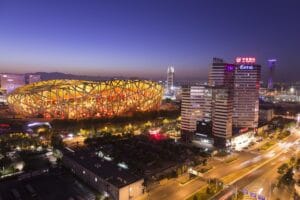
Food lovers often find Beijing to be one of Asia’s most exciting culinary destinations.
Traditional Beijing Cuisine
Traditional Beijing cuisine emphasizes hearty flavors and historical recipes developed during imperial times. Many dishes originated in royal kitchens and later became popular throughout society.
Visitors can sample classic dishes in traditional restaurants that preserve historic cooking methods and presentation styles. These dining experiences provide insight into Beijing’s cultural heritage while introducing travelers to unique flavors and culinary traditions.
Exploring local cuisine is one of the most enjoyable ways to connect with Beijing’s history and culture.
How Do Tourists Get Around Beijing?
Transportation in Beijing is efficient, extensive, and relatively affordable. The city’s public transportation network includes subways, buses, taxis, and ride-hailing services that make it easy to reach major attractions.
The Beijing Subway is one of the largest metro systems in the world and serves most tourist destinations. It is often the fastest and most economical way to travel throughout the city.
Taxis and ride-sharing services provide convenient alternatives, particularly for travelers unfamiliar with the subway system. High-speed rail connections also allow visitors to explore nearby destinations beyond Beijing.
The transportation infrastructure contributes significantly to the city’s accessibility and visitor experience.
Beijing’s Modern Urban Development
While Beijing is famous for its history, it is also a modern global metropolis. The city features advanced infrastructure, contemporary architecture, technology hubs, business districts, and world-class educational institutions.
Areas such as the Central Business District showcase modern skyscrapers and international commerce. These developments highlight China’s economic growth and demonstrate how Beijing balances historical preservation with modernization.
Visitors often appreciate the contrast between ancient landmarks and cutting-edge urban development.
Beijing’s Cultural Festivals and Events
Throughout the year, Beijing hosts cultural festivals, exhibitions, performances, and public celebrations that provide additional opportunities for visitors to experience local traditions.
Events related to traditional holidays often feature music, dance, food, lantern displays, and community gatherings. Museums, theaters, and cultural institutions regularly organize exhibitions and performances that showcase Chinese heritage and contemporary creativity.
Attending cultural events can enrich a visit and provide deeper insights into local customs and traditions.
Beijing Nightlife and Evening Activities
Beijing’s nightlife offers something for nearly every interest. Visitors can enjoy traditional performances, modern entertainment venues, cultural events, live music, and evening dining experiences.
Historic areas become beautifully illuminated after dark, creating unique sightseeing opportunities. Night markets, restaurants, and entertainment districts remain active well into the evening, allowing travelers to experience another side of the city.
Whether seeking cultural experiences or contemporary entertainment, visitors can find diverse options throughout Beijing.
Day Trips Beyond the Great Wall
Although the Great Wall is the most famous excursion from Beijing, several other destinations are suitable for day trips. Scenic mountains, historic temples, traditional villages, and cultural attractions offer opportunities to explore the surrounding region.
These excursions provide perspectives beyond the urban environment and reveal additional aspects of northern China’s history, culture, and natural beauty.
Travelers with extra time often find these destinations rewarding additions to their Beijing itineraries.
Why Beijing Remains One of Asia’s Top Destinations
Beijing’s enduring appeal lies in its extraordinary combination of history, culture, architecture, cuisine, and modern development. Few cities allow visitors to explore ancient imperial palaces in the morning and cutting-edge urban districts in the afternoon.
The city’s role as China’s capital ensures that it remains a center of political, cultural, and educational importance. At the same time, its historical landmarks connect visitors with thousands of years of civilization.
For travelers interested in understanding China, Beijing often serves as the ideal starting point.
Conclusion
Beijing is one of the world’s most fascinating travel destinations, offering an unmatched blend of ancient history and modern innovation. From walking along the Great Wall of China and exploring the Forbidden City to enjoying traditional cuisine and experiencing vibrant urban life, visitors encounter countless opportunities for discovery.
The city is famous for its imperial heritage, remarkable architecture, cultural treasures, and role as China’s capital. Travelers can enjoy safe and efficient transportation, diverse dining options, memorable day trips, and world-class attractions throughout the year.
Whether visiting for history, culture, food, education, or adventure, Beijing provides experiences that leave lasting impressions. Its combination of historical significance and contemporary energy ensures that it remains one of Asia’s most rewarding and unforgettable destinations.
Author

Related posts
Best Places to Visit in Dinant
- 0
- 4,895 words
Best Places to Visit in Dinant, Belgium Dinant is one of the most beautiful small towns in Belgium and one of the...
Read out all
Best Places to Visit in Mont-Saint-Michel
- 0
- 4,974 words
Best Places to Visit in Mont-Saint-Michel , France Mont-Saint-Michel is one of the most extraordinary destinations in France and one of the...
Read out all
UNGA
- 0
- 5,649 words
UNGA (United Nations General Assembly ) The United Nations General Assembly, commonly known as the UN General Assembly or UNGA, is one...
Read out all
Best Places to Visit in Kathmandu
- 0
- 4,089 words
Best Places to Visit in Kathmandu , Nepal Kathmandu, the capital of Nepal, is one of South Asia’s most fascinating travel destinations....
Read out all
Best Places to Visit in Vilnius
- 0
- 5,246 words
Best Places to Visit in Vilnius , Lithuania Vilnius, the capital of Lithuania, is one of the most fascinating destinations in the...
Read out all
Best Places to Visit in Riga
- 0
- 6,005 words
Best Places to Visit in Riga , Latvia Riga, the capital of Latvia, is one of the most fascinating destinations in the...
Read out all