
Bhutan Travel Guide
Bhutan is one of the most fascinating travel destinations in Asia, offering an extraordinary combination of Himalayan landscapes, Buddhist spirituality, ancient monasteries, colorful festivals, traditional architecture, peaceful valleys, and distinctive cultural traditions. Officially known as the Kingdom of Bhutan, this small Himalayan country is located between India and China and has developed a reputation as one of the world’s most unique destinations for travelers seeking culture, nature, adventure, wellness, and meaningful experiences.
Known traditionally as Drukyul, or the Land of the Thunder Dragon, Bhutan is very different from conventional mass-tourism destinations. Instead of focusing only on the number of visitors, the country has historically emphasized a tourism philosophy centered on cultural preservation, environmental protection, and the wellbeing of its people.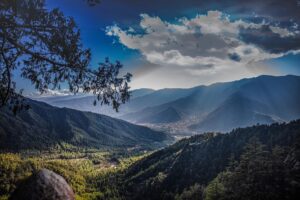
The official Bhutan tourism authority describes the country as a destination where ancient traditions and modern development exist alongside wilderness, spirituality, adventure, and community life. More than 70 percent of Bhutan’s territory remains covered by forest, while the country’s landscapes range from subtropical lowlands to some of the highest mountains in the Himalayas.
For travelers searching for the best places to visit in Bhutan, the country offers an impressive range of experiences. Paro is famous for Tiger’s Nest Monastery, Thimphu combines traditional culture with modern Bhutanese life, Punakha is known for its magnificent dzong and fertile valleys, and Bumthang offers some of the country’s most important spiritual and historical sites.
Bhutan is also an excellent destination for travelers interested in hiking, trekking, photography, meditation, Buddhist culture, traditional handicrafts, Himalayan scenery, wildlife, and authentic local cuisine.
Where Is Bhutan Located?
Bhutan is a landlocked Himalayan kingdom situated between two major Asian countries, India and China. The northern part of the country borders the Tibet Autonomous Region of China, while India surrounds Bhutan along much of its southern, eastern, and western boundaries.
Its geographical location gives Bhutan an extraordinary variety of landscapes. The southern foothills are warmer and more subtropical, while the central valleys contain forests, agricultural communities, monasteries, and historic settlements. Farther north, the terrain becomes increasingly mountainous, eventually reaching high Himalayan peaks.
This dramatic change in elevation makes Bhutan particularly attractive for travelers who want to experience several types of landscapes during one trip. A journey can move from green agricultural valleys and subtropical forests to pine-covered mountains and high-altitude Himalayan environments within a relatively short distance.
Why Bhutan Is Called the Land of the Thunder Dragon
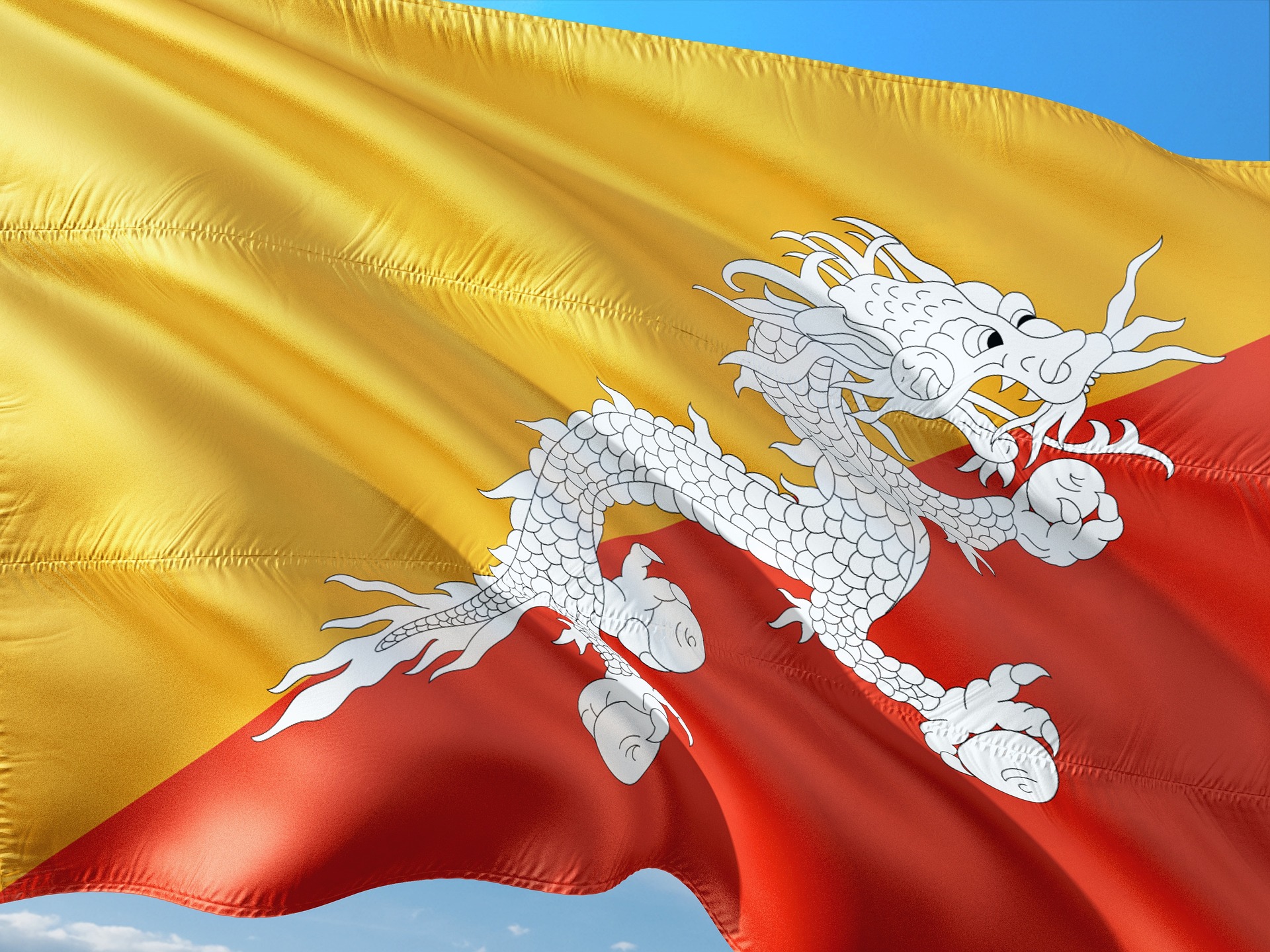
The name Bhutan is commonly associated internationally with the Himalayan kingdom, but the Bhutanese name Drukyul carries a much deeper cultural meaning. Drukyul can be translated as the “Land of the Thunder Dragon.”
The dragon is strongly connected with Bhutanese identity and appears on the national flag. The imagery reflects the country’s historical relationship with Himalayan Buddhism, spirituality, mythology, and the natural forces of the mountains.
For visitors, this symbolism becomes visible in architecture, religious art, national ceremonies, traditional clothing, festivals, and the country’s strong connection between spirituality and everyday life.
The History of Bhutan
Bhutan has a long and complex history shaped by Himalayan Buddhism, powerful spiritual teachers, regional rulers, monasteries, and competing political influences. Buddhism gradually became deeply established in the region, and Buddhist traditions continue to influence Bhutanese society today.
One of the most important figures in Bhutanese history was Zhabdrung Ngawang Namgyel, a Tibetan Buddhist leader who arrived in Bhutan in the seventeenth century. He played a major role in consolidating different regions and establishing political and religious institutions.
Many of Bhutan’s famous dzongs are connected to this historical period. These enormous fortress-monasteries served both religious and administrative purposes and became important centers of government, culture, and regional identity.
Bhutan’s modern history continued through the establishment of the monarchy and the development of the country as an independent Himalayan kingdom. The modern constitutional monarchy represents another important stage in Bhutan’s political development.
Bhutan and Gross National Happiness
One of the concepts most closely associated with Bhutan is Gross National Happiness, commonly abbreviated as GNH.
The idea emphasizes that national progress should not be measured only through economic growth. Instead, Bhutan has promoted a broader concept of development involving cultural preservation, environmental sustainability, good governance, social wellbeing, and economic development.
This philosophy is particularly visible in Bhutan’s approach to tourism. Tourism policies seek to generate economic opportunities while protecting the country’s cultural heritage and natural environment.
For travelers, the concept helps explain why Bhutan feels different from many other popular Asian destinations. The emphasis is often on meaningful experiences rather than mass tourism.
Bhutan’s Natural Environment
Bhutan is famous for its exceptionally diverse natural environment. Its landscape includes subtropical forests, river valleys, alpine meadows, pine forests, rhododendron-covered hills, glaciers, and high Himalayan mountains.
According to Bhutan’s official tourism authority, more than 70 percent of the country is covered by woodland, supporting a remarkable variety of plant and animal species.
This makes Bhutan an outstanding destination for nature tourism, ecotourism, bird watching, trekking, wildlife photography, hiking, and environmental travel.
Several protected areas contribute to Bhutan’s conservation strategy. Visitors interested in biodiversity can explore national parks, wildlife sanctuaries, mountain valleys, and forest landscapes.
The Best Places to Visit in Bhutan
Bhutan may be geographically small compared with many countries, but it contains an impressive number of attractions. The best places to visit in Bhutan range from famous monasteries and dzongs to peaceful valleys, markets, mountain passes, museums, villages, and trekking routes.
Paro: The Gateway to Bhutan
Paro is often the first destination travelers experience in Bhutan because Paro International Airport serves as the country’s primary international aviation gateway.
The town and surrounding valley are famous for traditional Bhutanese architecture, historic monasteries, temples, rice fields, mountain scenery, and some of the country’s most important cultural attractions.
Paro is also home to one of Bhutan’s most famous landmarks: Paro Taktsang, better known as Tiger’s Nest Monastery.
The journey through Paro provides an excellent introduction to Bhutan because the valley combines spectacular Himalayan scenery with historic religious architecture.
Tiger’s Nest Monastery
Tiger’s Nest Monastery, or Paro Taktsang, is arguably the most famous attraction in Bhutan.
The monastery is dramatically positioned on a cliff high above the Paro Valley. According to Bhutanese Buddhist tradition, Guru Rinpoche, also known as Padmasambhava, is associated with the sacred site.
The hike to Tiger’s Nest is an important part of the experience. The trail climbs through forested mountain terrain and provides increasingly impressive views of the surrounding valley.
Bhutan’s official tourism material describes Tiger’s Nest as one of the country’s most important spiritual destinations, with the monastery dating to the seventeenth century.
For many travelers, hiking to Tiger’s Nest becomes the highlight of their entire Bhutan itinerary.
Rinpung Dzong in Paro
Rinpung Dzong is another spectacular attraction in Paro. The massive fortress-monastery overlooks the valley and demonstrates the scale and beauty of traditional Bhutanese architecture.
Visitors can admire enormous whitewashed walls, wooden details, courtyards, religious artwork, and views over the surrounding landscape.
Rinpung Dzong is also connected with Paro’s annual religious celebrations and cultural events.
National Museum of Bhutan
Located near Rinpung Dzong, the National Museum provides visitors with an opportunity to understand Bhutanese history, religion, art, culture, and traditional life.
The museum is especially useful for travelers who want more context before visiting temples, monasteries, dzongs, and festivals throughout the country.
Thimphu: Bhutan’s Capital
Thimphu is the capital and largest urban center of Bhutan. Unlike many Asian capitals, it has retained a relatively relaxed atmosphere and a strong connection with traditional architecture and Buddhist culture.
The city contains government institutions, monasteries, museums, markets, restaurants, cafés, handicraft shops, cultural attractions, and modern businesses.
Thimphu is an ideal destination for travelers who want to understand contemporary Bhutan while remaining close to traditional culture.
Buddha Dordenma Statue
One of Thimphu’s most recognizable landmarks is the Buddha Dordenma Statue, located at Kuenselphodrang.
The enormous seated Buddha overlooks the Thimphu Valley and has become one of the city’s most photographed attractions.
According to the Thimphu government, the statue stands approximately 54 meters high and is made of bronze and gilded in gold. The complex also contains 125,000 smaller Buddha statues.
The surrounding area provides panoramic views across Thimphu, making it particularly attractive for photography and sightseeing.
Tashichho Dzong
Tashichho Dzong is one of the most important buildings in Thimphu.
The impressive complex stands near the Wang Chhu River and functions as an important administrative and religious center. The site has a long history and was originally built in the seventeenth century under Zhabdrung Ngawang Namgyel before later reconstruction and expansion.
The modern complex houses important government offices and the Central Monastic Body. It is also closely associated with the annual Thimphu Tshechu festival.
Visitors should pay attention to local rules when entering religious buildings and should dress respectfully.
National Memorial Chorten
The National Memorial Chorten is one of the most recognizable religious monuments in Thimphu.
Built in memory of Bhutan’s third king, Jigme Dorji Wangchuck, the monument has become an important place for prayer and daily religious activity.
Visitors can often see local people walking clockwise around the chorten, spinning prayer wheels and engaging in personal religious practice.
The monument was completed in 1974 and contains sacred Buddhist imagery, texts, and relics.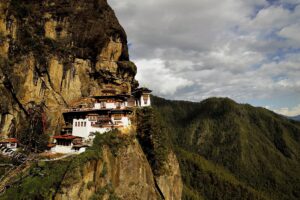
Motithang Takin Preserve
The takin is Bhutan’s national animal, and the Motithang Takin Preserve in Thimphu is an interesting place to learn about this unusual Himalayan animal.
Takins have a distinctive appearance that makes them fascinating for wildlife enthusiasts and photographers.
A visit to the preserve can easily be combined with other Thimphu attractions, particularly Buddha Dordenma and nearby mountain viewpoints.
National Textile Museum
Bhutan has a rich tradition of weaving, and the National Textile Museum in Thimphu provides insight into the country’s textile heritage.
Visitors can learn about traditional weaving techniques, regional patterns, clothing, and the cultural significance of textiles.
Traditional Bhutanese clothing is an important part of national identity, and textiles provide a fascinating way to understand regional differences and artistic traditions.
Royal Textile Academy
The Royal Textile Academy promotes Bhutanese textile traditions and provides another opportunity to learn about weaving and traditional artistic practices.
Visitors interested in handicrafts, design, photography, culture, and traditional arts should include textile-related attractions in a Thimphu itinerary.
National Folk Heritage Museum
The National Folk Heritage Museum offers visitors an opportunity to understand traditional Bhutanese rural life.
The museum presents aspects of traditional houses, household equipment, agricultural practices, food preparation, and everyday life.
For international visitors, this type of attraction is valuable because it moves beyond monumental buildings and demonstrates how ordinary people traditionally lived.
Simply Bhutan
Simply Bhutan is a cultural experience in Thimphu designed to introduce visitors to aspects of traditional Bhutanese life.
Travelers can encounter traditional architecture, clothing, food, performances, and customs in an environment designed around cultural interpretation.
It can be especially useful for visitors with limited time who want an introduction to Bhutanese culture before traveling farther into the country.
Changlimithang Stadium and Bhutanese Archery
Archery is Bhutan’s national sport and is much more than a recreational activity.
Traditional archery competitions can be lively social occasions involving music, celebration, dancing, food, and community interaction.
Changlimithang Stadium in Thimphu is an important sporting venue, and visitors may have opportunities to observe archery depending on local schedules.
The official Bhutan tourism authority identifies archery as one of the country’s distinctive cultural traditions.
Punakha: The Ancient Winter Capital
Punakha is one of the most beautiful destinations in Bhutan.
The valley has a warmer climate than Thimphu and is known for agriculture, rivers, historic monasteries, and spectacular scenery.
Punakha is especially famous for Punakha Dzong, one of Bhutan’s most impressive fortress-monasteries.
Punakha Dzong
Punakha Dzong sits at the meeting point of two rivers and is surrounded by an extraordinary natural landscape.
Its architecture, whitewashed walls, wooden details, courtyards, temples, and riverside setting make it one of the most photographed buildings in Bhutan.
The combination of architecture and landscape is particularly beautiful during spring when the surrounding vegetation becomes vibrant.
Chimi Lhakhang
Chimi Lhakhang is a temple associated with Drukpa Kunley, a famous and unconventional Buddhist figure popularly known as the Divine Madman.
The temple and the surrounding village provide an opportunity to experience a more rural side of Bhutan.
The walk through the surrounding agricultural landscape can be just as rewarding as the temple itself.
Khamsum Yulley Namgyal Chorten
The Khamsum Yulley Namgyal Chorten is another popular attraction near Punakha.
Visitors usually reach it by walking through rice fields and rural landscapes before climbing toward the monument.
The journey provides a combination of hiking, photography, Buddhist architecture, and valley scenery.
Dochula Pass
Dochula Pass is one of the most scenic stops between Thimphu and Punakha.
Located at approximately 3,100 meters above sea level, the pass is famous for its panoramic Himalayan views and the 108 Druk Wangyal Chortens.
The official Thimphu government describes the pass as an important location on the route between Thimphu and Punakha and highlights the chortens, Druk Wangyal Lhakhang, forests, and mountain views.
On clear days, travelers may see dramatic snow-covered Himalayan peaks from the viewpoint.
Bumthang Valley
Bumthang is one of Bhutan’s most culturally important regions.
The area consists of several valleys and is known for ancient temples, monasteries, agricultural landscapes, traditional communities, and beautiful mountain scenery.
Traveling to Bumthang requires more time than visiting Paro, Thimphu, and Punakha, but the journey can provide a deeper understanding of Bhutan beyond the country’s most famous attractions.
Gangtey and Phobjikha Valley
The Phobjikha Valley is one of Bhutan’s most beautiful highland valleys.
It is particularly famous for the black-necked cranes that migrate to the region during winter.
Nature lovers and bird watchers should consider visiting the valley during the crane season.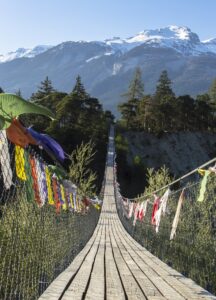
Gangtey Monastery is another major attraction in the region and provides a cultural complement to the valley’s natural environment.
Haa Valley
Haa Valley is a quieter destination compared with Paro and Thimphu.
The valley features traditional villages, forests, agricultural landscapes, monasteries, and mountain scenery.
Travelers looking for less crowded places in Bhutan may find Haa particularly rewarding.
Eastern Bhutan
Eastern Bhutan is less visited by international tourists than the country’s western valleys.
The region offers opportunities for travelers interested in rural communities, biodiversity, traditional culture, mountain landscapes, and less-developed tourism areas.
Places such as Mongar, Trashigang, and Trashiyangtse can be incorporated into longer journeys across Bhutan.
A trip through eastern Bhutan requires additional travel time but can provide a stronger sense of the country’s geographical and cultural diversity.
Bhutanese Architecture
Traditional Bhutanese architecture is one of the country’s most distinctive visual characteristics.
Buildings often feature white walls, wooden windows, decorative details, and traditional proportions.
Dzongs, monasteries, temples, and traditional houses demonstrate how architecture can function simultaneously as a practical structure and a cultural expression.
Bhutan’s official tourism information emphasizes the importance of traditional architecture and cultural preservation.
Buddhism in Bhutan
Buddhism is deeply integrated into Bhutanese culture.
Prayer flags, prayer wheels, monasteries, chortens, temples, sacred mountains, religious paintings, and Buddhist symbols can be seen throughout the country.
Visitors do not need to be Buddhist to appreciate Bhutan’s spiritual traditions, but travelers should approach religious sites respectfully.
Respecting Sacred Places
When visiting monasteries, temples, dzongs, and other religious sites, travelers should dress modestly and follow local instructions.
Photography may not be permitted inside certain religious buildings.
Visitors should avoid touching religious objects unless explicitly invited to do so and should behave quietly in areas used for prayer.
Bhutanese Festivals
Thimphu Tshechu
Thimphu Tshechu is one of Bhutan’s most famous festivals.
It brings together religious ceremonies, masked dances, traditional clothing, music, and large crowds.
The festival provides an extraordinary opportunity to see Bhutanese culture in a living environment rather than through a museum display.
Paro Tshechu
Paro Tshechu is another major Bhutanese festival and is especially popular with international visitors.
The festival combines religious performance, traditional music, colorful clothing, and community celebration.
Because festival dates follow the Bhutanese lunar calendar, travelers should check official schedules before planning a trip around a specific event.
Bhutanese Food Guide
Ema Datshi
Ema datshi is perhaps the dish most strongly associated with Bhutan.
The combination of chili peppers and cheese creates a rich and spicy dish that can be eaten with rice.
Travelers who are sensitive to spicy food should ask restaurants to reduce the chili level.
Red Rice
Red rice is a traditional staple in Bhutan and is commonly served with vegetables, meat, cheese-based dishes, and curries.
It is an excellent accompaniment to many Bhutanese meals.
Momos
Momos are popular throughout the Himalayan region and are also widely eaten in Bhutan.
They may be filled with meat, vegetables, or cheese and are often served with spicy sauces.
Butter Tea
Butter tea, or suja, is a traditional Himalayan beverage.
It has a very different flavor from conventional tea because it can contain butter and salt.
Trying traditional tea is part of experiencing Bhutanese food culture.
Best Time to Visit Bhutan
Spring in Bhutan
Spring is one of the most attractive seasons for visiting Bhutan.
The landscape becomes colorful with blooming rhododendrons and other vegetation, while many valleys are comfortable for sightseeing and hiking.
Spring can be particularly attractive for photography and nature travel.
Summer and Monsoon in Bhutan
Summer brings warmer temperatures but can also bring rain.
Travelers should consider weather conditions when planning mountain journeys because rainfall can affect roads and trekking conditions.
However, the greener landscape can be exceptionally beautiful.
Autumn in Bhutan
Autumn is widely considered one of the best seasons for traveling through Bhutan.
The skies can be clearer, mountain views can be excellent, and conditions are generally favorable for trekking and sightseeing.
Winter in Bhutan
Winter can be cold, especially at higher elevations, but it can also offer clear skies and quieter tourism conditions.
Western Bhutan can remain accessible and rewarding during winter, particularly for travelers interested in cultural sightseeing rather than high-altitude trekking.
Sustainable Tourism in Bhutan
Bhutan’s High-Value Low-Volume Tourism Model
Bhutan has long promoted a tourism philosophy commonly described as high-value, low-volume tourism.
The objective is to attract travelers who contribute positively to the country’s economy while reducing the pressure associated with uncontrolled mass tourism.
The official tourism authority describes Bhutan’s ecotourism philosophy as responsible travel that conserves nature, respects local culture and traditions, and improves citizens’ wellbeing.
Why Sustainable Tourism Matters
Bhutan’s forests, wildlife, religious sites, villages, and cultural traditions are central to its identity.
Responsible tourism can help ensure that these resources remain available for future generations.
Visitors contribute by respecting local customs, reducing waste, protecting natural areas, and supporting legitimate local businesses.
Shopping in Bhutan
Bhutanese Handicrafts
Bhutan is known for traditional arts and crafts, including weaving, painting, woodwork, sculpture, metalwork, and other forms of craftsmanship.
Travelers can find textiles, handmade objects, traditional clothing, prayer flags, religious artwork, and decorative items.
Visitors should be careful when purchasing antiques or religious artifacts and should make sure that items can legally leave the country.
Thimphu Markets
Thimphu provides the country’s strongest shopping environment, with handicraft stores, markets, textile shops, and local products.
The Centenary Farmers’ Market is also an interesting place to observe local produce and community life.
Bhutan for Photography
Bhutan is an extraordinary destination for photography.
Mountain landscapes, monasteries, prayer flags, traditional houses, festivals, markets, agricultural valleys, rivers, and colorful clothing provide almost endless subjects.
Sunrise and sunset can be particularly beautiful in mountain valleys.
Photographers should always respect restrictions regarding people and religious ceremonies and should ask permission before photographing individuals in situations where privacy may be expected.
Bhutan for Couples and Honeymoon Travelers
Bhutan can be an excellent honeymoon destination for couples seeking tranquility rather than nightlife and crowded beaches.
Luxury resorts, mountain scenery, hot-stone baths, peaceful monasteries, scenic drives, private dinners, hiking experiences, and cultural activities can create a memorable romantic journey.
Thimphu, Paro, Punakha, and Haa can all contribute different experiences to a honeymoon itinerary.
Bhutan for Families
Bhutan can also be suitable for families, although parents should consider altitude, long road journeys, hiking difficulty, and children’s interests.
Cultural attractions, markets, wildlife, short hikes, traditional food experiences, and scenic drives can provide enjoyable family experiences.
Families should plan realistic daily schedules rather than trying to visit too many places in one day.
Bhutan for Solo Travelers
Solo travelers who enjoy culture, nature, hiking, photography, spirituality, and slow travel may find Bhutan particularly rewarding.
The country’s organized tourism system and established visitor infrastructure can make travel more structured than independent backpacking in some other Asian countries.
However, travelers should still plan carefully around transportation, accommodation, weather, altitude, and local regulations.
Bhutanese Etiquette for Visitors
Dress Respectfully
Visitors should dress modestly when visiting monasteries, temples, dzongs, and religious ceremonies.
Shoulders and legs may need to be covered in certain religious environments.
Walk Around Religious Monuments Correctly
When walking around chortens and other Buddhist monuments, visitors should generally move clockwise unless local instructions indicate otherwise.
Avoid Touching Religious Objects
Prayer wheels, statues, murals, scriptures, and other sacred objects should be treated respectfully.
Visitors should observe what local people do and follow guidance from guides or site staff.
Ask Before Taking Photographs
Not every religious interior permits photography.
When photographing local people, asking permission is a courteous approach.
Is Bhutan Expensive?
Understanding the Cost of a Bhutan Trip
Bhutan can be more expensive than some neighboring South Asian destinations because of its tourism model and Sustainable Development Fee.
However, travelers should not view the cost only as a conventional tourist expense. Part of the system is designed to contribute to national development and conservation.
Accommodation, transportation, guide services, activities, food, flights, and travel duration will all affect the total cost.
Because official fees and tourism incentives can change, visitors should use the official Bhutan Travel portal when calculating their current travel budget.
Is Bhutan Safe for Tourists?
Bhutan is generally regarded as a peaceful destination with a strong cultural emphasis on community and hospitality.
Nevertheless, travelers should take normal precautions with valuables, transportation, hiking, weather, altitude, and personal belongings.
Mountain travel requires additional awareness because weather conditions can change quickly.
Health and Altitude Considerations
Some Bhutanese destinations are located at significant elevations.
Travelers arriving from low-altitude environments should allow their bodies time to adjust.
Symptoms of altitude sickness can include headache, dizziness, nausea, fatigue, and shortness of breath.
Travelers should not ignore severe symptoms and should seek medical assistance if necessary.
Internet and Mobile Connectivity
Connectivity varies depending on location.
Thimphu and major tourist centers generally offer better connectivity than remote mountain regions.
Travelers who need reliable internet for work should plan accordingly and should not assume that remote trekking areas will have strong mobile or Wi-Fi coverage.
Responsible Travel in Bhutan
Protect the Environment
Bhutan’s natural environment is one of its greatest treasures.
Visitors should avoid littering, minimize single-use plastics where possible, remain on designated trails, and avoid disturbing wildlife.
Support Local Communities
Buying locally made handicrafts, eating at local restaurants, using certified guides, and staying in locally operated accommodation can help tourism benefits reach Bhutanese communities.
Respect Bhutanese Culture
Cultural tourism works best when visitors approach local traditions with curiosity rather than judgment.
Bhutan’s customs may differ significantly from those in other countries, and understanding these differences is part of the travel experience.
Why Bhutan Should Be on Your Travel List
Bhutan is not simply a destination where travelers collect photographs of monasteries and mountains.
Its greatest attraction is the relationship between landscape, culture, spirituality, history, and everyday life.
A journey through Bhutan can begin with an airplane landing among Himalayan mountains, continue through ancient dzongs and Buddhist temples, lead into forests filled with wildlife, pass through villages and agricultural valleys, and end with a peaceful walk through a mountain town.
The country offers something increasingly rare in modern tourism: the opportunity to slow down.
Instead of competing with enormous crowds at every landmark, travelers can focus on understanding the places they visit.
Instead of seeing culture only as a museum display, visitors encounter traditions that remain part of daily life.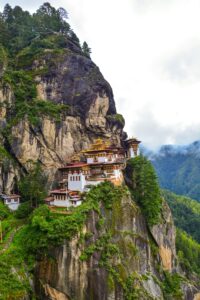
Instead of treating nature as a background for photographs, travelers can experience forests, mountains, rivers, wildlife, and hiking trails as central parts of the journey.
Conclusion
Bhutan is one of the world’s most distinctive travel destinations because it combines Himalayan scenery with a deeply rooted cultural identity.
From Tiger’s Nest Monastery in Paro to Buddha Dordenma in Thimphu, from the spectacular Punakha Dzong to the mountain landscapes of Dochula Pass, the country offers an extraordinary range of experiences.
Its traditional festivals, Buddhist monasteries, colorful architecture, spicy cuisine, national sport of archery, wildlife, trekking routes, traditional textiles, and rural communities make Bhutan particularly attractive to travelers searching for something beyond conventional tourism.
Bhutan Travel tourism portal. Bhutan Travel – Official Tourism Website
Bhutan Official Visa Information
Author

Related posts

OPEC
- 0
- 5,679 words
OPEC OPEC stands for the Organization of the Petroleum Exporting Countries. It is an intergovernmental organization created by major oil-producing countries to...
Read out all
How Do I Find Reliable Wholesale Suppliers
- 0
- 9,103 words
How Do I Find Reliable Wholesale Suppliers ? Finding reliable wholesale suppliers is one of the most important tasks for anyone starting...
Read out all
What Is Happening in the World?
- 0
- 5,355 words
What Is Happening in the World? The world is currently experiencing a period of overlapping crises and opportunities. Political disputes, military conflicts,...
Read out all
BRICS
- 0
- 5,794 words
BRICS : History, Members, Economy, Goals, Expansion and Global Influence BRICS is an international grouping of major emerging economies and developing countries...
Read out all
United Kingdom
- 0
- 5,089 words
United Kingdom The United Kingdom, commonly known as the UK, is one of Europe’s most fascinating travel destinations. Officially called the United...
Read out all
What Are the Best Places to Visit in Europe
- 0
- 5,498 words
What Are the Best Places to Visit in Europe ? Europe is one of the most fascinating travel destinations in the world,...
Read out all