
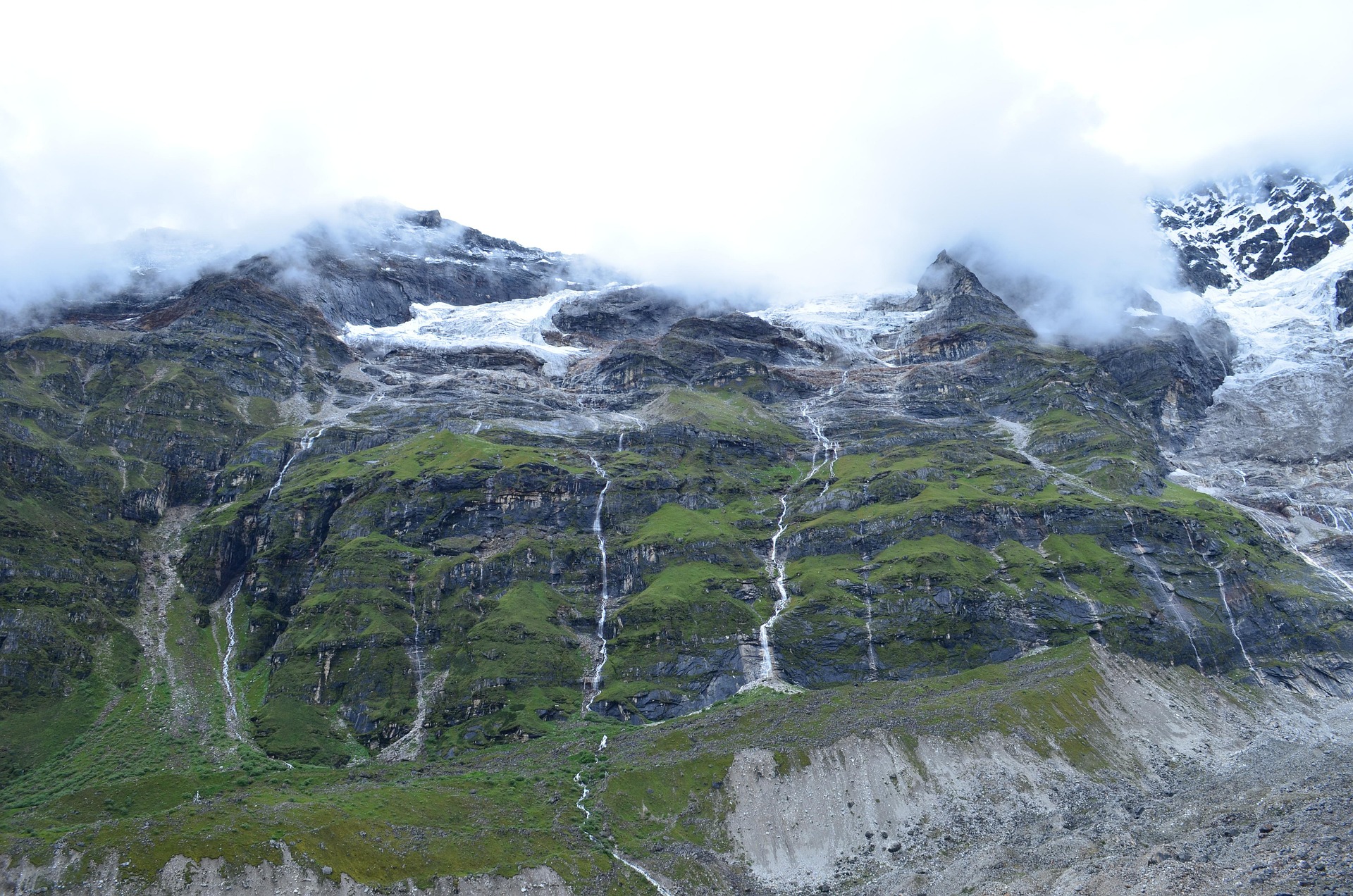
Best Places to Visit in Thimphu , Bhutan
Thimphu, the capital city of Bhutan, is one of the most distinctive destinations in the Himalayas. Surrounded by forested mountains and located in the western part of Bhutan, Thimphu combines Buddhist spirituality, traditional Bhutanese architecture, royal heritage, museums, handicrafts, markets, mountain landscapes and modern urban life. Unlike many capital cities around the world, Thimphu has retained a strong connection with Bhutanese traditions while gradually developing into the country’s political, cultural and economic center.
The city sits at approximately 2,330 meters above sea level, according to the official Thimphu Dzongkhag administration, and the surrounding district contains extensive forest areas and numerous religious and cultural heritage sites. This elevated Himalayan setting gives Thimphu a refreshing atmosphere and creates spectacular viewpoints across the valley.
The best places to visit in Thimphu include the magnificent Buddha Dordenma Statue, Tashichho Dzong, National Memorial Chorten, Motithang Takin Preserve, National Textile Museum, Folk Heritage Museum, Simply Bhutan, the Royal Textile Academy, the weekend market, Kuenselphodrang Nature Park, Changlimithang Stadium and several monasteries and hiking trails.
Thimphu is also an excellent base for discovering other attractions in western Bhutan. A journey from the capital can lead to Dochula Pass, Punakha, Phobjikha Valley, Wangdue Phodrang and other Himalayan destinations. Bhutan’s official tourism portal describes the country as a destination where ancient traditions, breathtaking landscapes, crafts, food, trekking and spiritual experiences come together.
Whether you are planning a Bhutan cultural tour, Himalayan adventure, family vacation, honeymoon, photography trip or spiritual journey, Thimphu offers an extraordinary introduction to Bhutan.
Why Thimphu Is One of the Best Places to Visit in Bhutan
Thimphu is more than simply the capital of Bhutan. It is the place where many aspects of contemporary Bhutanese life come together. Government institutions, monasteries, markets, museums, restaurants, traditional crafts and modern businesses exist alongside one another.
One of the most fascinating aspects of Thimphu is the city’s architecture. Traditional Bhutanese design remains highly visible throughout the capital, with decorative windows, timber details, whitewashed walls and distinctive roofs. Bhutan’s official tourism portal explains that traditional Bhutanese architecture is strongly influenced by Tibetan Buddhism and remains an important part of the country’s cultural identity.
Thimphu also provides travelers with an opportunity to see how Bhutan has modernized without completely abandoning its traditional character. Modern cafés, restaurants and shops operate alongside prayer wheels, chortens, monasteries and dzongs.
The surrounding mountains are another major attraction. Even within the city, visitors can find viewpoints overlooking the Thimphu Valley. Short hikes can lead into pine and rhododendron forests, while longer excursions connect travelers with monasteries and high-altitude landscapes.
Buddha Dordenma Statue: The Iconic Landmark of Thimphu
The Buddha Dordenma Statue is one of the most spectacular places to visit in Thimphu and is arguably the city’s most recognizable modern landmark. The enormous seated Buddha stands on a hilltop at Kuenselphodrang overlooking the Thimphu Valley.
The official Thimphu Dzongkhag administration describes the statue as 54 meters high and one of the world’s largest seated Buddha statues. The statue is made of bronze and gilded in gold, creating an impressive appearance against the surrounding Himalayan landscape.
Inside the enormous statue are more than 125,000 smaller Buddha statues. This makes the monument much more than a giant outdoor sculpture. It is an important religious site with a strong spiritual dimension.
The hilltop setting is equally important. From the Buddha Dordenma area, travelers can look across the Thimphu Valley and observe the city surrounded by green mountain slopes.
Early morning can be particularly peaceful, while late afternoon can provide attractive light for photography. Visitors should remember that the site is religious and should behave respectfully.
Kuenselphodrang Nature Park: Mountain Views and Peaceful Landscapes
The Buddha Dordenma stands within Kuenselphodrang Nature Park, making the park itself worth exploring.
The natural surroundings provide a peaceful contrast to central Thimphu. Visitors can walk through the area, enjoy mountain views and spend time appreciating the Himalayan environment.
The park is especially attractive to photographers because it combines the Buddha statue with panoramic views over the valley.
For travelers who want to experience nature without leaving the capital, Kuenselphodrang is one of the best places to include in a Thimphu sightseeing itinerary.
Tashichho Dzong: The Fortress of the Glorious Religion
Tashichho Dzong is one of the most important historical landmarks in Thimphu. Located on the western bank of the Wang Chhu River, the magnificent fortress-monastery represents the close relationship between Bhutan’s spiritual and administrative traditions.
The official Thimphu Dzongkhag administration explains that Tashichho Dzong was originally built in 1641 by Zhabdrung Ngawang Namgyel and has been reconstructed and expanded over the centuries. Its current form was significantly shaped during the reign of King Jigme Dorji Wangchuck in the 1960s.
The dzong contains important government and religious institutions and includes the throne room and offices connected with Bhutan’s monarchy. It is also associated with the Central Monastic Body.
The architecture is extraordinary. Whitewashed walls rise above carefully maintained grounds, while golden roofs and richly decorated wooden windows create an unmistakable Bhutanese appearance.
The gardens around Tashichho Dzong can be particularly beautiful, especially when the surrounding mountains are visible.
Tashichho Dzong and Bhutanese Architecture
A visit to Tashichho Dzong is also an opportunity to understand traditional Bhutanese architecture.
Bhutanese dzongs were designed to combine religious, administrative and defensive functions. Their enormous walls, courtyards, central towers and decorated wooden elements reflect a unique architectural tradition.
Bhutan’s official tourism information explains that dzong architecture is strongly connected with the country’s Buddhist heritage and traditional building practices.
For travelers interested in architecture, Tashichho Dzong is one of the most important attractions in western Bhutan.
National Memorial Chorten: A Spiritual Landmark in Central Thimphu
The National Memorial Chorten is one of the most visited religious sites in Thimphu. Located in the center of the city, the white structure with its golden details is an important part of daily spiritual life.
The chorten was built in 1974 in memory of Jigme Dorji Wangchuck, Bhutan’s third King, who is widely associated with the country’s modernization. The official Thimphu Dzongkhag administration explains that the chorten contains sacred Buddhist relics, texts and images rather than the remains of the king himself.
One of the most memorable experiences here is watching local residents circumambulate the chorten and turn the prayer wheels.
Visitors should walk clockwise around Buddhist religious structures and behave quietly and respectfully.
The National Memorial Chorten is particularly interesting because it is not simply a historic monument. It remains a living place of devotion.
Experiencing Daily Spiritual Life at the Memorial Chorten
Travelers who visit the National Memorial Chorten should take time to observe rather than simply photograph the building.
Local residents may arrive early in the morning to pray, walk around the chorten or turn prayer wheels.
This creates an opportunity to experience a genuine part of everyday Bhutanese life.
Bhutan’s official tourism guidance asks visitors to respect religious practices, maintain silence at sacred sites and dress appropriately when entering temples and monasteries.
Motithang Takin Preserve: Meet Bhutan’s National Animal
The Motithang Takin Preserve is one of the most unusual attractions in Thimphu.
The preserve is associated with the takin, Bhutan’s national animal. The animal has a distinctive appearance and is closely connected with Bhutanese cultural stories.
The official Thimphu Dzongkhag website lists Motithang Takin Preserve among the city’s principal tourism attractions.
A visit is especially appealing to families and wildlife enthusiasts.
The preserve also provides a reminder that Bhutan’s identity is deeply connected with nature and wildlife conservation.
National Textile Museum: Discover Bhutanese Weaving Traditions
The National Textile Museum is one of the best places to visit in Thimphu for travelers interested in traditional Bhutanese culture.
Textiles are an important part of Bhutanese identity, and weaving traditions differ between regions and communities.
The museum provides an opportunity to see traditional garments, weaving techniques, patterns and artistic traditions.
Visitors can learn how textiles are produced and why traditional clothing remains such an important part of Bhutanese society.
For travelers interested in culture and handicrafts, the National Textile Museum can be one of the highlights of a Thimphu cultural itinerary.
Royal Textile Academy: Living Bhutanese Craft Traditions
The Royal Textile Academy provides another opportunity to explore Bhutan’s textile heritage.
The institution focuses on preserving and promoting Bhutanese textile traditions while supporting education and artistic development.
A visit allows travelers to understand that Bhutanese textiles are not simply souvenirs. They represent centuries of knowledge, craftsmanship and cultural identity.
The museum experience can be especially valuable after visiting traditional markets, because visitors can better understand the techniques behind the textiles they encounter.
National Folk Heritage Museum: Traditional Bhutanese Life
The National Folk Heritage Museum is one of the best places in Thimphu to learn about traditional Bhutanese domestic life.
The museum recreates aspects of traditional rural architecture and household culture.
Visitors can learn about cooking, farming, traditional homes, tools and everyday practices.
This is particularly useful for travelers who want to understand how Bhutanese people lived before the country’s rapid modernization.
Simply Bhutan: An Interactive Cultural Experience
Simply Bhutan offers visitors an interactive introduction to Bhutanese culture.
Instead of experiencing culture only through static museum displays, travelers can learn about traditional clothing, food, music, dance, architecture and other elements of Bhutanese life.
For first-time visitors, this type of experience can be particularly useful because it introduces cultural concepts that travelers may encounter throughout their Bhutan journey.
Families may also enjoy Simply Bhutan because the experience is more interactive than a conventional museum.
Bhutan Postal Museum: A Unique Cultural Attraction
The Bhutan Postal Museum is a fascinating stop for travelers interested in history and communication.
The museum explores the development of postal services in Bhutan and provides an unusual perspective on the country’s modernization.
Bhutan is particularly famous among collectors because of its distinctive postage stamps.
The official Thimphu Dzongkhag administration lists the Bhutan Postal Museum among the district’s tourism attractions.
For travelers who enjoy unusual museums, this can be a rewarding addition to a central Thimphu itinerary.
Changlimithang Stadium: Bhutanese Archery and Sports Culture
Changlimithang is an important sports venue in Thimphu and is particularly associated with Bhutanese archery.
Archery is Bhutan’s national sport and is deeply connected with Bhutanese culture.
If travelers have an opportunity to observe a traditional archery competition, it can be one of the most memorable cultural experiences in Thimphu.
The atmosphere surrounding an archery match can be very different from watching a conventional international sporting event.
Music, celebration and social interaction can all form part of the experience.
Experience Traditional Bhutanese Archery
Travelers should consider learning about Bhutanese archery rather than simply taking photographs.
Traditional archery differs significantly from the sport practiced in many other countries.
It is not only a competition but also a social and cultural activity.
The official Bhutan tourism portal highlights archery and age-old crafts as part of the country’s distinctive cultural experiences.
Centenary Farmers’ Market: Discover Local Bhutanese Food
The Centenary Farmers’ Market is one of the best places to visit in Thimphu for travelers who want to experience local food and everyday life.
Markets provide a window into a country’s food culture, and Thimphu’s market is an excellent place to observe the ingredients used in Bhutanese cooking.
Travelers can see vegetables, grains, chilies, cheese and other local products.
The market can be especially interesting during weekends when activity increases.
For food photographers, it also provides excellent opportunities to capture the colors and textures of Bhutanese produce.
Explore Bhutanese Food in Thimphu
Bhutanese cuisine is an important part of the travel experience.
Ema datshi, a dish based around chilies and cheese, is one of the country’s best-known foods.
Visitors can also discover red rice, momos, phaksha paa, jasha maru and other regional dishes.
Bhutanese food often uses chilies much more prominently than many international cuisines, so travelers who are not accustomed to spicy food should communicate their preferences when ordering.
Eating traditional food in Thimphu is one of the easiest ways to connect with Bhutanese culture.
Traditional Bhutanese Restaurants in Thimphu
Thimphu has restaurants offering both traditional Bhutanese cuisine and international food.
Travelers should consider eating at least several meals at restaurants specializing in local dishes.
A good Bhutanese meal can include rice, vegetables, cheese, chilies and meat dishes.
For a more complete cultural experience, visitors can combine a restaurant meal with a visit to the farmers’ market and a cultural museum.
Clock Tower Square: A Lively Central Meeting Place
Clock Tower Square is one of the central gathering areas in Thimphu.
The square is surrounded by restaurants, cafés and shops and provides a convenient place to rest while exploring the city.
It is particularly pleasant during the evening when the central area becomes more active.
For travelers who want to experience contemporary Thimphu, spending some time around the Clock Tower can be as enjoyable as visiting formal attractions.
Norzin Lam: Explore the Main Street of Thimphu
Norzin Lam is one of the principal streets in central Thimphu.
Walking along the street provides opportunities to see shops, restaurants, traditional architecture and everyday city life.
It is an excellent area for travelers who want to explore Thimphu on foot.
The surrounding streets also contain numerous cafés and shops selling traditional Bhutanese products.
Thimphu’s Traditional Bhutanese Architecture
Architecture itself is one of the major attractions of Thimphu.
Buildings throughout the city often incorporate traditional decorative details even when they serve modern purposes.
Wooden windows, painted motifs and traditional roof forms create a distinctive urban appearance.
Bhutan’s official tourism portal notes that traditional architectural rules remain an important feature of construction in Bhutan.
Travelers should look up from the streets and examine building details rather than focusing only on famous landmarks.
Phajoding Hike: A Himalayan Hiking Experience
The Phajoding Hike is one of the best activities for travelers who want to combine nature, spirituality and adventure near Thimphu.
The trail leads toward Phajoding Monastery at approximately 3,600 meters above sea level.
The official Thimphu Dzongkhag administration explains that the monastery complex has historical connections with Phajo Drugom Zhigpo and the Drukpa Kagyu tradition. The hike passes through pine and rhododendron forests and offers views over Thimphu Valley.
The hike is considered moderately challenging because of the altitude and elevation gain.
Travelers should allow time to acclimatize before attempting demanding high-altitude hikes.
Pumola Hike: A Peaceful Hidden Gem Near Thimphu
Pumola Hike is another option for travelers looking for a quieter hiking experience.
The trail leads through forest toward Pumola Monastery and provides panoramic views of Thimphu.
According to the official Thimphu Dzongkhag administration, the hike passes through pine, oak and rhododendron forests and can take approximately three to four hours depending on the starting point and walking pace.
Pumola is particularly suitable for travelers who want to combine a relatively accessible outdoor adventure with a spiritual experience.
Tango Monastery: A Sacred Mountain Retreat
Tango Monastery is located in the mountains north of Thimphu and is one of the important religious sites in the Thimphu region.
The monastery is associated with Buddhist scholarship and meditation traditions.
The journey toward Tango provides an opportunity to leave the urban environment and enter a quieter Himalayan landscape.
Travelers interested in Buddhist culture and hiking can consider combining Tango with nearby mountain trails.
Cheri Monastery: Spirituality and Mountain Scenery
Cheri Monastery, also known as Chagri Dorjeden Monastery, is another important religious site near Thimphu.
The monastery is associated with the early history of Bhutan’s Drukpa Kagyu tradition.
The surrounding mountain landscape makes the journey particularly rewarding.
A visit to Cheri can provide a more peaceful alternative to some of the busier attractions in central Thimphu.
Dochula Pass: A Spectacular Day Trip From Thimphu
Dochula Pass is one of the most popular day trips from Thimphu.
Located at approximately 3,100 meters above sea level on the road between Thimphu and Punakha, Dochula is famous for its panoramic views of the Himalayan mountains.
The official Thimphu Dzongkhag administration highlights the pass’s 108 Druk Wangyal Chortens and its mountain scenery.
On clear winter mornings, snow-covered Himalayan peaks can create an extraordinary landscape.
Dochula is also home to Druk Wangyal Lhakhang, which adds cultural and architectural interest to the visit.
The pass is particularly beautiful when rhododendrons bloom in the surrounding forests.
Druk Wangyal Chortens: 108 Memorial Stupas
The 108 Druk Wangyal Chortens are among the most recognizable features of Dochula Pass.
They were built to honor Bhutanese soldiers who died during the 2003 military operation against insurgents.
The group of stupas creates an impressive visual composition against the surrounding mountains.
Travelers should walk respectfully around the religious structures and avoid treating the site purely as a photography location.
Druk Wangyal Lhakhang: Architecture at Dochula
The Druk Wangyal Lhakhang stands near the chortens and provides another opportunity to experience Bhutanese religious architecture.
The temple was built in 2008 and has connections with Bhutan’s royal and military history.
Its location at the mountain pass makes it particularly scenic.
A visit to the temple can easily be combined with a stop at the chortens and a break at the nearby cafés.
Punakha: A Perfect Extension of a Thimphu Trip
Although Punakha is not inside Thimphu, it is one of the most worthwhile destinations to combine with a visit to the capital.
The journey from Thimphu toward Punakha passes through Dochula and spectacular Himalayan landscapes.
Punakha Dzong is one of Bhutan’s most famous architectural landmarks and is located at the confluence of the Mo Chhu and Pho Chhu rivers.
Travelers with enough time should consider spending at least one night in the Punakha area rather than returning immediately to Thimphu.
Thimphu Tshechu: Experience Bhutanese Festival Culture
The Thimphu Tshechu is one of the most important cultural events associated with the capital.
Tshechu festivals are Buddhist religious festivals characterized by masked dances, traditional music, rituals and colorful costumes.
Tashichho Dzong is associated with the annual Thimphu Tshechu, according to the official Thimphu Dzongkhag administration.
The festival can be an extraordinary experience for visitors because it brings together religious traditions, local communities and Bhutanese cultural expression.
Travelers planning their trip around the festival should check official schedules because dates vary according to the Bhutanese calendar.
Best Time to Visit Thimphu
The best time to visit Thimphu depends on what you want to experience.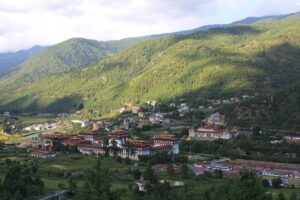
Spring is particularly attractive because the Himalayan landscape becomes greener and rhododendrons can bloom in many areas.
Autumn is also popular because of comfortable weather, clear mountain views and cultural festivals.
Winter can provide exceptionally clear Himalayan views, especially around Dochula, although temperatures can be cold.
Summer brings warmer conditions but can also bring monsoon rainfall and cloud cover.
Travelers interested in trekking should select their travel season carefully and check local weather conditions before setting out.
How Many Days Do You Need in Thimphu?
Three days is a good minimum for experiencing the principal attractions of Thimphu.
A three-day itinerary can include Buddha Dordenma, Tashichho Dzong, Memorial Chorten, the National Textile Museum, local markets, museums and central streets.
Four or five days allow travelers to add hikes, Tango or Cheri and a day trip toward Dochula and Punakha.
A longer stay provides more opportunities to experience local food, cultural performances and the slower pace of Bhutanese life.
One-Day Thimphu Itinerary
A one-day Thimphu itinerary should begin with the National Memorial Chorten and continue toward the central market area.
After exploring local markets, travelers can visit the National Textile Museum and other cultural attractions.
The afternoon can be spent at Buddha Dordenma and Kuenselphodrang.
If time allows, visitors can finish the day near Tashichho Dzong or enjoy an evening meal featuring traditional Bhutanese cuisine.
This itinerary is fast-paced, but it provides a useful introduction to the city.
Two-Day Thimphu Itinerary
A two-day trip allows a more comfortable pace.
The first day can focus on central Thimphu, including the Memorial Chorten, markets, museums, Clock Tower Square and traditional streets.
The second day can focus on Buddha Dordenma, Tashichho Dzong, Motithang Takin Preserve and one of the city’s hiking or cultural attractions.
This itinerary is suitable for travelers with limited time.
Three-Day Thimphu Itinerary
Three days provide a much better introduction to the capital.
The first day can focus on central attractions and museums.
The second day can explore Buddha Dordenma, Kuenselphodrang, Tashichho Dzong and the city’s northern areas.
The third day can be dedicated to Dochula and potentially Punakha.
This itinerary provides a balance between culture, architecture and Himalayan scenery.
Five-Day Thimphu and Western Bhutan Itinerary
With five days, travelers can combine Thimphu with nearby destinations.
Two days can be dedicated to the capital.
A third day can cover Dochula and Punakha.
Additional days can be used for Paro, including the famous Tiger’s Nest area, depending on the overall Bhutan itinerary.
This approach provides a broader introduction to western Bhutan.
Best Places to Visit in Thimphu for Couples
Thimphu can be a beautiful destination for couples who enjoy peaceful landscapes and cultural experiences.
Buddha Dordenma offers panoramic valley views, while Dochula provides dramatic mountain scenery.
Couples can enjoy traditional Bhutanese meals, explore markets together and visit monasteries.
A private excursion into the surrounding mountains can also provide a peaceful alternative to sightseeing in the city center.
Best Places to Visit in Thimphu for Families
Families can find plenty to do in Thimphu.
The Motithang Takin Preserve provides a wildlife experience, while Simply Bhutan offers interactive cultural activities.
The farmers’ market can be an interesting introduction to Bhutanese food.
Buddha Dordenma and Kuenselphodrang offer outdoor space and impressive scenery.
Families should consider the altitude when planning activities, especially hikes.
Best Places to Visit in Thimphu for History Lovers
History enthusiasts should prioritize Tashichho Dzong, National Memorial Chorten, National Folk Heritage Museum, Bhutan Postal Museum and the city’s monasteries.
Day trips to Dochula and Punakha add additional layers of Bhutanese history.
Travelers interested in the country’s Buddhist development should also consider Tango and Cheri.
Best Places to Visit in Thimphu for Nature Lovers
Nature lovers can explore Kuenselphodrang Nature Park, Phajoding, Pumola, Tango and Cheri.
The surrounding mountains provide opportunities for hiking and photography.
Dochula is another excellent destination for experiencing Bhutan’s highland environment.
The official Bhutan tourism portal emphasizes the country’s extensive forests and outdoor experiences as important parts of its tourism identity.
Best Places to Visit in Thimphu for Photography
Thimphu is an excellent photography destination.
Buddha Dordenma provides one of the city’s most recognizable compositions.
Tashichho Dzong offers architectural photography, while the Memorial Chorten provides opportunities to capture religious life respectfully.
Dochula is particularly rewarding for landscape photography when Himalayan peaks are visible.
The local markets also provide opportunities to photograph food, textiles, crafts and daily life.
Bhutanese Culture and Etiquette in Thimphu
Respect for local customs is essential when visiting Thimphu.
Many of the city’s attractions are religious sites, and visitors should behave appropriately.
Bhutan’s official tourism guidance recommends maintaining silence at sacred sites, dressing respectfully, removing hats or caps when appropriate and covering the legs and shoulders when entering temples. It also advises visitors not to photograph inside sacred sites unless photography is permitted.
Travelers should also avoid touching religious objects unnecessarily and should follow local instructions.
Respectful behavior is not only polite but also makes the travel experience more meaningful.
Traditional Bhutanese Architecture in Thimphu
One of the most enjoyable activities in Thimphu is simply walking through the city and observing its architecture.
Traditional decorative patterns can be seen on windows, doors and façades.
Even modern buildings often reflect Bhutanese architectural principles.
This makes a walking tour particularly valuable because travelers can appreciate details that might be missed when moving quickly between attractions.
Shopping for Bhutanese Handicrafts
Thimphu is an excellent place to purchase traditional Bhutanese handicrafts.
Visitors can look for textiles, wooden products, paintings, prayer flags, handmade objects and other cultural items.
Travelers should purchase from reputable shops and ask about the origin and production of valuable items.
The experience becomes more meaningful when travelers understand the craft traditions behind the products.
Why Thimphu Is Important for Sustainable Tourism
Bhutan is internationally recognized for its distinctive approach to tourism and environmental protection.
The official Bhutan tourism portal describes the country as more than 70 percent forested and identifies Bhutan as the world’s first carbon-negative country.
Travelers can contribute to responsible tourism by respecting local communities, avoiding litter, minimizing unnecessary plastic use and following instructions in protected natural and religious areas.
Hiking trails should be treated carefully, particularly in fragile mountain environments.
Getting to Thimphu
Most international travelers reach Bhutan through Paro International Airport before continuing by road toward Thimphu.
Bhutan’s official tourism portal explains that international flights connect Paro with destinations including Dhaka, several cities in India, Kathmandu, Singapore and Bangkok.
The road journey from Paro to Thimphu provides an introduction to Bhutan’s mountainous landscape.
Travelers should expect winding mountain roads and allow sufficient time for road journeys.
Travel Around Thimphu
Thimphu is relatively compact, and many central attractions can be visited by combining short vehicle journeys with walking.
For excursions outside the city, travelers generally use vehicles and drivers arranged through their tourism services.
Bhutan’s official tourism portal notes that visitors can use a range of transportation options including private vehicles, buses, bicycles, motorbikes and other forms of transport depending on the journey.
Is Thimphu Expensive to Visit?
Bhutan operates a distinctive tourism model, and travelers should understand the current official rules and costs before planning their trip.
Rather than relying on old travel blogs, visitors should check the official Bhutan tourism portal for the latest visa, travel and tourism information.
The official Visit Bhutan website provides current guidance on visiting the country, including visa and transport information.
Travel costs will depend on accommodation, activities, transportation and the length of the journey.
Where to Stay in Thimphu
Thimphu offers accommodation ranging from comfortable local hotels to luxury properties.
Staying near central Thimphu can make it easier to explore markets, restaurants, museums and cultural attractions.
Travelers interested in views may prefer accommodation positioned on higher ground.
The official Bhutan Tourism Services Portal provides a directory of licensed tourism businesses and accommodation providers, making it a useful source when researching where to stay.
Why Thimphu Is Perfect for a Cultural Vacation
Thimphu offers an unusually concentrated cultural experience.
Within a relatively small area, visitors can encounter Buddhist monuments, royal history, traditional textiles, local markets, museums, archery, traditional architecture and Himalayan landscapes.
This makes Thimphu particularly attractive for travelers who want more than conventional sightseeing.
The city encourages travelers to slow down and observe.
Why Thimphu Is Perfect for a Himalayan Adventure
Although Thimphu is a capital city, mountains surround it in every direction.
This makes hiking and nature experiences easy to incorporate into a city vacation.
Phajoding, Pumola, Tango and Cheri provide opportunities for visitors to leave the urban environment and explore forests and mountain landscapes.
For more ambitious travelers, Thimphu also provides access to longer Himalayan trekking routes.
Why Thimphu Is Different From Other Asian Capitals
Thimphu has a distinctive identity because it has developed without becoming dominated by skyscrapers, massive highways or conventional urban architecture.
The city remains closely connected with Buddhism, traditional architecture and the natural landscape.
It is also famous for being one of the world’s few national capitals without conventional traffic lights, with traffic traditionally managed through police-directed intersections.
The result is a capital that feels unusually calm compared with many Asian cities.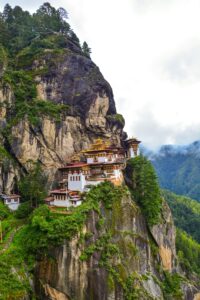
Conclusion
The best places to visit in Thimphu include Buddha Dordenma, Kuenselphodrang Nature Park, Tashichho Dzong, National Memorial Chorten, Motithang Takin Preserve, National Textile Museum, National Folk Heritage Museum, Royal Textile Academy, Bhutan Postal Museum, Simply Bhutan, Changlimithang Stadium and the city’s markets, parks, monasteries and historic streets.
However, the true appeal of Thimphu lies in the way these attractions connect Bhutan’s spiritual, cultural and natural heritage.
Official Bhutan Tourism: Bhutan Travel — Official Tourism Portal — the main official tourism source for visiting Bhutan, including visa, transportation, cultural experiences and destination information.
Official Thimphu Administration: Thimphu Dzongkhag Administration — particularly useful for authentic information about Thimphu’s attractions, religious sites, hiking routes and local administration.
Official Bhutan Tourism Services Portal: Bhutan Tourism Services Portal — useful for checking licensed tourism-service providers and accommodation information.
Bhutan Cultural Information: Bhutan Travel — Cultural Experiences — useful for researching Bhutanese architecture, traditions and cultural experiences.
Author

Related posts
Best Places to Visit in Dinant
- 0
- 4,895 words
Best Places to Visit in Dinant, Belgium Dinant is one of the most beautiful small towns in Belgium and one of the...
Read out all
Best Places to Visit in Mont-Saint-Michel
- 0
- 4,974 words
Best Places to Visit in Mont-Saint-Michel , France Mont-Saint-Michel is one of the most extraordinary destinations in France and one of the...
Read out all
UNGA
- 0
- 5,649 words
UNGA (United Nations General Assembly ) The United Nations General Assembly, commonly known as the UN General Assembly or UNGA, is one...
Read out all
Best Places to Visit in Kathmandu
- 0
- 4,089 words
Best Places to Visit in Kathmandu , Nepal Kathmandu, the capital of Nepal, is one of South Asia’s most fascinating travel destinations....
Read out all
Best Places to Visit in Vilnius
- 0
- 5,246 words
Best Places to Visit in Vilnius , Lithuania Vilnius, the capital of Lithuania, is one of the most fascinating destinations in the...
Read out all
Best Places to Visit in Riga
- 0
- 6,005 words
Best Places to Visit in Riga , Latvia Riga, the capital of Latvia, is one of the most fascinating destinations in the...
Read out all