
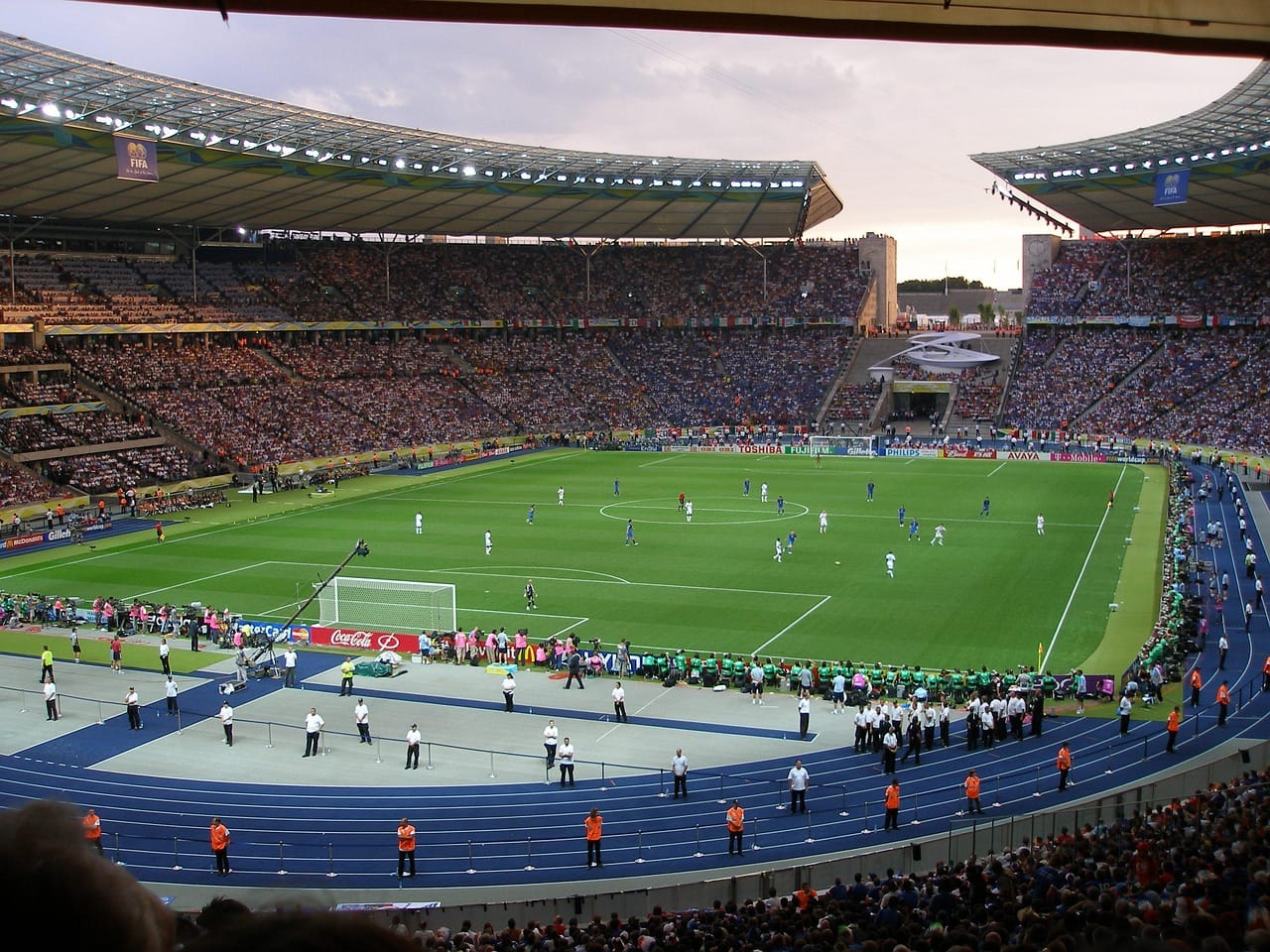
How Much Do FIFA World Cup Jobs Pay?
The FIFA World Cup is one of the largest sporting events in the world, creating thousands of employment opportunities before, during, and after each tournament. Every edition of the FIFA World Cup requires a massive workforce that includes full-time professionals, temporary employees, contractors, consultants, volunteers, and local service providers. From stadium operations and information technology to hospitality, media production, transportation, marketing, security, and event management, FIFA World Cup jobs cover a wide range of industries and skill levels.
One of the most common questions among job seekers is, “How much do FIFA World Cup jobs pay?” The answer depends on several factors, including the position, employer, host country, professional experience, qualifications, contract duration, and whether the role is directly with FIFA or with one of its official partners, vendors, or local organizing committees.
Official career information can be found at:
How FIFA World Cup Employment Works
Many people assume every World Cup worker is employed directly by FIFA, but that is not the case.
While FIFA hires permanent employees and event specialists, thousands of additional workers are employed by local organizing committees, stadium operators, security companies, transportation providers, hospitality firms, broadcasters, technology companies, medical organizations, and official sponsors.
Recruitment generally begins one to three years before the tournament, with hiring increasing significantly as the event approaches.
This means professionals from numerous industries can find employment opportunities related to the FIFA World Cup.
Types of FIFA World Cup Jobs
The FIFA World Cup creates opportunities across many professional sectors.
Administrative teams coordinate tournament operations, while engineers prepare stadium infrastructure. Information technology specialists maintain communication systems and cybersecurity. Marketing professionals manage advertising campaigns, and hospitality staff welcome international visitors.
Medical personnel, logistics coordinators, translators, customer service representatives, finance professionals, media specialists, photographers, content creators, and transportation planners all contribute to the success of the tournament.
This wide variety of positions means both experienced professionals and entry-level applicants may find suitable opportunities.
Permanent vs. Temporary FIFA World Cup Jobs
Not every FIFA World Cup position is permanent.
Many event-related roles are fixed-term contracts lasting several months before and during the tournament. These positions often offer competitive salaries because they require employees to work intensively within strict deadlines.
Permanent FIFA employees generally work at FIFA headquarters or regional offices and may support multiple international tournaments beyond the World Cup.
Temporary contracts, however, remain the most common form of employment associated with FIFA World Cup events.
Factors That Affect FIFA World Cup Salaries
Several factors influence FIFA World Cup pay.
The host country’s labor market plays a significant role because salaries often reflect local wage standards and employment regulations. Highly specialized professionals such as cybersecurity engineers, broadcast engineers, physicians, project managers, architects, and legal advisers typically receive substantially higher compensation than entry-level operational staff.
Language skills, previous event management experience, international certifications, educational qualifications, and leadership responsibilities can also significantly increase earning potential.
Contract duration and overtime requirements may further affect total compensation.
How Much Do FIFA World Cup Jobs Pay?
There is no universal salary scale for FIFA World Cup jobs because employment is spread across multiple organizations and countries.
Entry-level operational positions generally offer competitive wages based on local employment standards. Professional positions requiring technical expertise usually provide higher salaries, while senior management and executive roles often receive premium compensation packages that may include bonuses, relocation support, and additional benefits.
Rather than offering identical salaries worldwide, employers adjust compensation according to the host country’s economy, labor laws, and market conditions.
Salaries for Administrative and Office Positions
Administrative professionals play an essential role in organizing tournament operations.
Responsibilities include scheduling meetings, preparing documentation, supporting project teams, coordinating travel arrangements, managing communications, and maintaining records.
Individuals working in administration often receive competitive salaries comparable to similar corporate office positions within the host country.
Experienced executive assistants and office managers typically earn more due to their greater responsibilities and organizational expertise.
Information Technology and Cybersecurity Salaries
Technology is critical to the success of modern FIFA World Cup tournaments.
IT specialists manage networking infrastructure, cloud systems, broadcasting technology, accreditation platforms, ticketing systems, mobile applications, and cybersecurity operations.
Professionals specializing in software engineering, cloud computing, cybersecurity, systems administration, and technical support are among the highest-paid technical employees involved in major sporting events.
Demand for experienced technology professionals continues to increase with every World Cup.
Engineering and Stadium Operations
Engineers contribute significantly to tournament preparation.
Civil engineers, electrical engineers, structural engineers, mechanical engineers, telecommunications specialists, and facility managers ensure stadiums, transportation systems, and supporting infrastructure operate safely and efficiently.
Engineering salaries generally reflect professional qualifications, project complexity, and years of experience.
Major infrastructure projects often provide highly competitive compensation packages due to their technical requirements.
Marketing and Communications Jobs
Marketing professionals help promote the FIFA World Cup globally.
Responsibilities include digital marketing, advertising, sponsorship activation, public relations, brand management, social media strategy, graphic design, content creation, and fan engagement campaigns.
Experienced marketing specialists, campaign managers, and communications directors generally earn salaries similar to those offered by multinational corporations operating within the sports and entertainment industries.
Creative professionals with international event experience are particularly valuable.
Media and Broadcasting Careers
Global television coverage requires thousands of media professionals.
Journalists, camera operators, producers, editors, photographers, commentators, audio engineers, broadcast technicians, and digital content creators work together to deliver tournament coverage to billions of viewers.
Many broadcasting professionals work under contracts with television networks rather than FIFA itself.
Compensation varies considerably depending on technical expertise, broadcasting organization, contract duration, and international experience.
Hospitality and Tourism Positions
Hospitality is one of the largest employment sectors during the FIFA World Cup.
Hotels, restaurants, VIP lounges, catering companies, travel agencies, and tourism operators recruit thousands of additional employees to accommodate international visitors.
Front desk staff, concierge teams, chefs, restaurant managers, event coordinators, customer service specialists, and hotel supervisors all benefit from increased demand during the tournament.
Many hospitality positions also include overtime opportunities and performance incentives.
Security and Public Safety Jobs
Security personnel help maintain safe environments throughout the tournament.
Security officers monitor stadium entrances, conduct screenings, manage crowd control, assist emergency services, and protect athletes, officials, and spectators.
Specialized security professionals with law enforcement, military, or private security backgrounds often receive higher compensation than general event security staff.
Host countries frequently recruit thousands of temporary security personnel during major tournaments.
Medical and Healthcare Careers
Healthcare professionals provide essential services during the FIFA World Cup.
Doctors, nurses, paramedics, physiotherapists, sports medicine specialists, emergency medical technicians, psychologists, and medical coordinators support players, officials, volunteers, and spectators.
Medical professionals generally receive salaries consistent with their qualifications and national healthcare standards.
Specialists in emergency medicine and sports medicine may receive premium compensation for tournament assignments.
Logistics and Supply Chain Jobs
The successful operation of the FIFA World Cup depends on efficient logistics.
Logistics coordinators manage transportation schedules, inventory, warehouse operations, equipment distribution, freight services, accreditation materials, uniforms, and stadium supplies.
Experienced logistics managers capable of coordinating complex international operations are highly valued throughout tournament preparation.
Supply chain professionals ensure every venue receives the equipment and resources required for daily operations.
Volunteer Opportunities
Not every position associated with the FIFA World Cup is paid.
FIFA Volunteer Programme recruits thousands of volunteers who assist with visitor services, language interpretation, media support, accreditation, transportation assistance, and fan engagement.
Although volunteers generally do not receive salaries, they often receive uniforms, meals during shifts, training, transportation assistance where applicable, and valuable international event experience.
Official volunteer information is available at:
Benefits Beyond Salary
Many FIFA World Cup employers provide additional benefits beyond basic compensation.
Depending on the employer and position, these may include professional training, health insurance, travel allowances, accommodation assistance, meal vouchers, overtime pay, performance bonuses, networking opportunities, and valuable international work experience.
For many professionals, these additional benefits significantly increase the overall value of World Cup employment.
Qualifications Employers Look For
Competition for FIFA World Cup jobs is often intense.
Employers typically seek candidates with relevant educational qualifications, industry certifications, previous event management experience, customer service skills, teamwork, adaptability, problem-solving abilities, and strong communication skills.
Fluency in English is highly desirable, while additional languages such as Spanish, French, Arabic, Portuguese, or the host country’s official language may provide a competitive advantage.
International work experience and familiarity with multicultural environments further strengthen applications.
How to Apply for FIFA World Cup Jobs
Most official FIFA positions are advertised through FIFA’s careers portal, while many event-specific opportunities are posted by local organizing committees, official contractors, hospitality companies, broadcasters, and government agencies involved in tournament operations.
Applicants should prepare a professional résumé, tailored cover letter, relevant certifications, and references before applying. Monitoring official recruitment websites regularly is essential because many positions receive large numbers of applications shortly after being posted.
For official vacancies, visit:
Do FIFA World Cup Salaries Differ by Host Country?
Yes. FIFA World Cup salaries can vary significantly depending on the host country because employment is generally subject to local labor laws, market wages, taxation, and cost of living. A similar role may offer different compensation in different countries due to economic conditions and employment regulations.
For example, positions in countries with higher living costs often provide higher gross salaries than similar jobs in countries with lower living costs. However, comparing salaries should also take into account taxes, accommodation costs, transportation expenses, and employee benefits.
Job seekers should carefully review the complete compensation package rather than focusing solely on the advertised salary.
Freelance and Contract Opportunities
Not every professional working on the FIFA World Cup is a full-time employee.
Many companies supporting the tournament recruit freelancers, consultants, and short-term contractors for specialized assignments. Graphic designers, photographers, videographers, translators, interpreters, social media managers, software developers, event planners, logistics consultants, and marketing specialists frequently work under project-based contracts.
Freelance positions provide flexibility and can be an excellent option for professionals with specialized expertise. Compensation is typically negotiated based on experience, project scope, contract length, and market demand.
Remote FIFA-Related Jobs
While many World Cup positions require employees to work at stadiums or event venues, some supporting roles may be performed remotely.
Digital marketing specialists, software developers, content writers, data analysts, graphic designers, finance professionals, human resources specialists, customer support teams, and project coordinators may occasionally work in hybrid or remote arrangements, depending on the employer and operational requirements.
These opportunities are generally offered by FIFA partners, sponsors, technology companies, and media organizations rather than by event operations teams that require an on-site presence.
Internship and Graduate Opportunities
The FIFA World Cup also creates opportunities for students and recent graduates.
Internships may be available in administration, communications, legal affairs, information technology, event management, finance, media production, and marketing. These programs provide valuable experience working on one of the world’s largest sporting events while allowing participants to develop practical professional skills.
Although some internships are paid and others are not, the experience can significantly strengthen a graduate’s résumé and expand professional networks.
Official career opportunities are published through:
Understanding Employment Contracts
Before accepting any FIFA World Cup-related position, applicants should carefully review their employment contract.
The agreement should clearly describe salary, working hours, overtime policies, contract duration, employee benefits, insurance coverage, leave entitlements, confidentiality obligations, and conditions for contract termination.
Because World Cup projects often involve temporary employment, understanding the exact start and end dates of the contract is particularly important.
Reading the contract carefully helps avoid misunderstandings during the employment period.
Tax Considerations
Income earned from FIFA World Cup employment is generally subject to the tax laws of the country where the work is performed, although individual circumstances may vary depending on residence status, tax treaties, and local regulations.
International workers should seek professional tax advice when accepting overseas assignments to understand their obligations regarding income tax, social security contributions, and possible tax relief available under applicable treaties.
Planning ahead helps employees avoid unexpected tax liabilities after the tournament.
Employee Benefits Beyond Salary
Many employers involved in the FIFA World Cup provide benefits that increase the overall value of compensation.
Depending on the position and employer, benefits may include health insurance, transportation assistance, meal allowances, accommodation support, relocation assistance, paid training, professional certifications, overtime pay, retirement contributions where applicable, and performance bonuses.
International employees may also receive visa assistance and logistical support for relocation.
Evaluating the complete compensation package provides a more accurate understanding of a job’s overall value.
How to Increase Your Earning Potential
Professionals seeking higher-paying FIFA World Cup jobs should invest in skills that are in high demand across international sporting events.
Relevant university degrees, industry certifications, project management experience, multilingual communication skills, cybersecurity expertise, cloud computing knowledge, engineering qualifications, hospitality management, sports management, and previous experience with major international events can significantly improve earning potential.
Strong leadership experience, professional networking, and an excellent employment record also increase competitiveness for senior positions.
Interview Preparation
Recruitment for FIFA World Cup positions is highly competitive.
Interviewers often evaluate communication skills, teamwork, adaptability, problem-solving ability, customer service experience, leadership qualities, and the ability to perform effectively under pressure.
Candidates should be prepared to discuss previous work experience, examples of handling challenging situations, multicultural teamwork, conflict resolution, and motivation for working on an international sporting event.
Researching the organization before the interview demonstrates professionalism and genuine interest.
Career Opportunities After the FIFA World Cup
Working on the FIFA World Cup can open doors to long-term career opportunities.
Many professionals continue working in sports management, international event planning, tourism, hospitality, broadcasting, logistics, marketing, security, information technology, and infrastructure development after the tournament concludes.
Experience gained during the World Cup is widely respected because it demonstrates the ability to perform in fast-paced, high-profile international environments.
Former World Cup employees often pursue careers with sports federations, event management companies, government agencies, multinational corporations, and international organizations.
Common Challenges of FIFA World Cup Jobs
Although FIFA World Cup employment can be rewarding, it also presents challenges.
Employees frequently work long hours during peak tournament periods, adapt to rapidly changing operational requirements, coordinate with multicultural teams, and perform under strict deadlines.
Many positions require weekend work, evening shifts, and public holiday availability because tournament operations continue throughout the event.
Applicants should be prepared for demanding schedules while recognizing the valuable experience gained.
Is Working for the FIFA World Cup Worth It?
For many professionals, working on the FIFA World Cup is a unique career opportunity.
Beyond financial compensation, employees gain practical experience managing one of the world’s largest sporting events, collaborate with international professionals, strengthen their professional network, and develop skills applicable across numerous industries.
The experience often enhances future employment prospects while providing memorable career achievements that few professionals have the opportunity to experience.
Frequently Asked Questions
Many applicants ask whether they need previous sports experience to work at the FIFA World Cup. In most cases, the answer is no. Numerous positions require expertise in administration, finance, technology, healthcare, engineering, hospitality, customer service, communications, logistics, or marketing rather than football-specific knowledge.
Another common question concerns language requirements. English is commonly used across many international roles, while additional languages—including those spoken in the host country—may improve employment opportunities depending on the position.
Applicants also frequently ask whether volunteers receive salaries. Volunteers generally do not receive wages, but they may receive uniforms, meals during shifts, training, and other support depending on the volunteer program.
Where to Find Official FIFA World Cup Jobs
To avoid recruitment scams, applicants should rely on official sources for employment opportunities.
The most reliable sources include:
For tournament-specific opportunities, the official websites of the Local Organising Committee and authorized contractors may also publish vacancies.
Conclusion
FIFA World Cup jobs offer far more than the opportunity to work at the world’s biggest football tournament. They provide valuable professional experience, international networking opportunities, career development, and competitive compensation that varies according to the position, employer, qualifications, and host country.
Whether you are interested in administration, engineering, information technology, media, hospitality, healthcare, marketing, logistics, or customer service, the FIFA World Cup creates thousands of employment opportunities across multiple industries. While salaries differ from one role to another, candidates who possess specialized skills, professional certifications, international experience, and strong communication abilities often enjoy the greatest earning potential.
Preparing early, monitoring official recruitment portals, tailoring your application materials, and continuously developing relevant skills can significantly improve your chances of securing a rewarding FIFA World Cup position.
For the latest official vacancies and recruitment information, always refer to FIFA’s official career resources:
Author

Related posts

OPEC
- 0
- 5,679 words
OPEC OPEC stands for the Organization of the Petroleum Exporting Countries. It is an intergovernmental organization created by major oil-producing countries to...
Read out all
How Do I Find Reliable Wholesale Suppliers
- 0
- 9,103 words
How Do I Find Reliable Wholesale Suppliers ? Finding reliable wholesale suppliers is one of the most important tasks for anyone starting...
Read out all
What Is Happening in the World?
- 0
- 5,355 words
What Is Happening in the World? The world is currently experiencing a period of overlapping crises and opportunities. Political disputes, military conflicts,...
Read out all
BRICS
- 0
- 5,794 words
BRICS : History, Members, Economy, Goals, Expansion and Global Influence BRICS is an international grouping of major emerging economies and developing countries...
Read out all
United Kingdom
- 0
- 5,089 words
United Kingdom The United Kingdom, commonly known as the UK, is one of Europe’s most fascinating travel destinations. Officially called the United...
Read out all
Bhutan
- 0
- 4,154 words
Bhutan Travel Guide Bhutan is one of the most fascinating travel destinations in Asia, offering an extraordinary combination of Himalayan landscapes, Buddhist...
Read out all