

FIFA
The Global Organization Behind World Football
FIFA is the most influential organization in world football and serves as the governing body responsible for overseeing international soccer competitions, regulations, and development programs. The acronym FIFA stands for Fédération Internationale de Football Association, which translates to the International Federation of Association Football. Since its establishment in 1904, FIFA has grown from a small organization representing a handful of European nations into a global institution that governs football across every continent.
Today, FIFA is responsible for organizing some of the largest sporting events in the world, including the prestigious FIFA World Cup. The organization plays a crucial role in promoting football development, establishing rules, supporting national associations, and expanding the sport’s global popularity.
Football is often described as the world’s most popular sport, and FIFA serves as the central authority that helps coordinate competitions and development efforts involving hundreds of national football associations worldwide.
The History of FIFA
FIFA was founded on May 21, 1904, in Paris. Representatives from several European countries came together with the goal of creating an international governing body that could coordinate football competitions and establish standardized regulations.
The founding members included football associations from France, Belgium, Denmark, the Netherlands, Spain, Sweden, and Switzerland. Over time, additional countries joined the organization, transforming FIFA into a truly global institution.
Throughout the twentieth century, FIFA expanded rapidly as football gained popularity across Asia, Africa, North America, South America, and Oceania. The organization played a central role in organizing international competitions and fostering cooperation among football associations around the world.
The growth of FIFA mirrors the growth of football itself. As the sport evolved into a global phenomenon, FIFA became one of the most influential organizations in international sports.
FIFA’s Mission and Purpose
FIFA’s primary mission is to promote football worldwide while ensuring that the sport remains accessible, fair, and inclusive. The organization works closely with national associations, continental confederations, clubs, players, referees, and other stakeholders to support football development at every level.
One of FIFA’s key responsibilities is maintaining the Laws of the Game in collaboration with the International Football Association Board. These rules ensure consistency across professional, amateur, and youth competitions around the world.
FIFA also invests in infrastructure, coaching education, youth development programs, women’s football initiatives, and grassroots participation. Through these efforts, the organization seeks to expand football opportunities and strengthen the sport globally.
FIFA Headquarters
FIFA’s headquarters are located in Zurich. From this location, the organization coordinates international football activities, manages competitions, oversees governance matters, and works with member associations worldwide.
The headquarters serves as the administrative center for FIFA’s operations. Important decisions regarding tournaments, regulations, development programs, and organizational strategy are often made from this location.
Switzerland’s reputation as a center for international organizations has made it a suitable home for FIFA and numerous other global institutions.
FIFA Membership and Global Reach
One of FIFA’s most remarkable characteristics is its extensive membership network. FIFA currently includes more member associations than the number of countries represented at the United Nations.
These associations represent football organizations from virtually every region of the world. Each member association participates in FIFA activities, competitions, voting processes, and development initiatives.
This global network allows FIFA to coordinate football activities across diverse cultures, languages, and political systems. It also contributes to football’s unique ability to unite people through shared passion and competition.
The worldwide reach of FIFA has helped transform football into a truly universal sport.
The FIFA World Cup
The most famous tournament organized by FIFA is the FIFA World Cup. First held in 1930, the competition has become the most watched sporting event on the planet.
The World Cup brings together national teams from around the globe to compete for football’s most prestigious trophy. Millions of fans attend matches in person, while billions watch broadcasts across television and digital platforms.
The tournament is held every four years and generates enormous excitement among supporters, players, sponsors, broadcasters, and host nations. Winning the World Cup is considered one of the highest achievements in sports.
The World Cup has produced countless memorable moments and legendary players throughout its history, contributing significantly to football’s global popularity.
FIFA World Cup 2026
The upcoming 2026 FIFA World Cup represents a historic milestone for international football. The tournament will be jointly hosted by Canada, Mexico, and the United States.
This edition of the tournament will feature an expanded format with more participating teams than previous World Cups. The expansion reflects FIFA’s commitment to increasing global representation and providing opportunities for more nations to compete on football’s biggest stage.
Interest in the 2026 World Cup is expected to be exceptionally high due to the tournament’s scale, host locations, and expanded participation.
Official information is available through the FIFA website:
Women’s Football and FIFA
Women’s football has become one of FIFA’s most important areas of focus. Over recent decades, the popularity and competitiveness of women’s football have increased dramatically.
FIFA organizes the prestigious FIFA Women’s World Cup, which showcases elite female athletes from around the world. The tournament has attracted growing audiences, increased media coverage, and greater investment from football organizations.
FIFA also supports programs designed to increase participation among girls and women at all levels of the sport. These initiatives aim to improve access, coaching, facilities, and competitive opportunities.
The continued growth of women’s football represents one of the most significant developments in modern sports.
FIFA Rankings
FIFA maintains official rankings for national teams, providing a system for evaluating international performance. These rankings are based on results from competitive matches and international fixtures.
Rankings influence tournament seeding, qualification procedures, and public discussions regarding team performance. Fans, analysts, coaches, and media organizations frequently reference FIFA rankings when evaluating national teams.
Although rankings do not determine match outcomes, they provide useful insights into recent performance trends and competitive strength.
FIFA and Youth Development
Youth development remains central to FIFA’s long-term strategy. The organization supports programs that help young players develop technical skills, tactical understanding, and personal growth.
FIFA organizes youth tournaments that provide valuable competitive experience for emerging talent. These competitions often serve as launching pads for future international stars.
Investment in youth development helps ensure the continued growth and sustainability of football worldwide. By supporting young players, coaches, and academies, FIFA contributes to the future success of the sport.
FIFA’s Economic Impact
FIFA has a significant economic influence that extends beyond football itself. Major tournaments generate substantial revenue through broadcasting rights, sponsorship agreements, ticket sales, licensing, and tourism.
Host countries often invest heavily in infrastructure, transportation systems, stadium construction, and urban development projects associated with FIFA competitions. These investments can create employment opportunities and stimulate economic activity.
The global popularity of FIFA tournaments also supports industries such as hospitality, media, retail, travel, and entertainment.
Football’s economic impact demonstrates the sport’s importance as both a cultural and commercial phenomenon.
FIFA’s Role in Football Governance
Governance is one of FIFA’s most important responsibilities. The organization establishes regulations, oversees competitions, manages disciplinary matters, and promotes ethical standards within football.
FIFA works with continental confederations and national associations to address issues such as player transfers, competition integrity, refereeing standards, and organizational compliance.
Effective governance is essential for maintaining public confidence in football and ensuring fair competition across all levels of the sport.
FIFA’s Continental Confederations
To effectively govern football across the globe, FIFA works closely with six continental confederations. These organizations oversee football activities within their respective regions while coordinating with FIFA on international competitions and development initiatives.
The six confederations are Asian Football Confederation (AFC), Confederation of African Football (CAF), Confederation of North, Central America and Caribbean Association Football (CONCACAF), South American Football Confederation (CONMEBOL), Oceania Football Confederation (OFC), and Union of European Football Associations (UEFA).
Each confederation organizes regional tournaments, manages qualification competitions for FIFA events, and supports football development within its member nations. These regional organizations play a critical role in maintaining football’s global structure and competitive balance.
The FIFA Club World Cup
In addition to international competitions involving national teams, FIFA organizes the prestigious FIFA Club World Cup. This tournament brings together champion clubs from different continents to determine the world’s best football club.
The competition has grown significantly in importance and popularity. Clubs representing Europe, South America, Asia, Africa, North America, and Oceania compete for global recognition and one of football’s most respected club trophies.
The expanded format introduced in recent years reflects FIFA’s ambition to increase the tournament’s international appeal while creating more opportunities for clubs from diverse regions to compete on a global stage.
FIFA Awards and Individual Recognition
FIFA recognizes excellence through various awards that celebrate outstanding achievements in football. Among the most prestigious honors is The Best FIFA Football Awards, which recognizes exceptional performances by players, coaches, goalkeepers, and supporters.
These awards attract worldwide attention because they acknowledge the highest levels of achievement within the sport. Fans, journalists, coaches, players, and football experts participate in the voting process, making the awards a reflection of global football opinion.
Recognition from FIFA often enhances a player’s legacy and contributes to their status within football history.
FIFA and the Evolution of Football Technology
Technology has become increasingly important in modern football, and FIFA has played a major role in introducing innovations that improve fairness and accuracy during matches.
One of the most significant developments has been the implementation of the Video Assistant Referee system. VAR assists referees by reviewing key incidents such as goals, penalties, red cards, and cases of mistaken identity.
FIFA’s adoption of technology reflects its commitment to improving decision-making while preserving the integrity of competition. Additional technological advancements, including goal-line technology and advanced performance analytics, continue to shape the modern game.
Goal-Line Technology and Fair Play
Before the introduction of goal-line technology, controversial decisions regarding whether a ball had crossed the goal line often generated debate and frustration among players and fans.
FIFA embraced goal-line technology to eliminate uncertainty in these situations. The system uses advanced sensors and cameras to determine instantly whether a goal has been scored.
By providing accurate and objective information, goal-line technology enhances fairness and reduces the likelihood of significant officiating errors influencing important matches.
FIFA’s Commitment to Grassroots Football
While elite competitions receive the most media attention, FIFA invests substantial resources in grassroots football development. Grassroots programs focus on increasing participation among children, teenagers, and amateur players.
These initiatives aim to make football accessible regardless of age, gender, geographic location, or economic circumstances. By supporting community-based football activities, FIFA helps strengthen the foundation of the sport worldwide.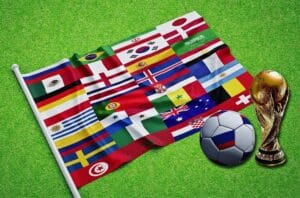
Grassroots football also contributes to social development by promoting teamwork, discipline, physical activity, and community engagement.
FIFA Development Programs
FIFA provides financial and technical assistance to member associations through various development programs. These initiatives support infrastructure projects, coaching education, referee training, youth academies, and administrative improvements.
Many developing football nations rely on FIFA support to build facilities, organize competitions, and expand participation opportunities. Development funding helps reduce disparities between football associations while encouraging sustainable growth.
These programs demonstrate FIFA’s role not only as a competition organizer but also as a catalyst for football development around the world.
FIFA’s Global Social Impact
Football possesses a unique ability to bring people together across cultural, linguistic, and political boundaries. FIFA often emphasizes this unifying power through social responsibility initiatives and community programs.
Football events create opportunities for international cooperation and cultural exchange. Fans from different countries gather to celebrate shared passion for the sport, fostering understanding and connection.
FIFA frequently supports campaigns related to education, inclusion, health, anti-discrimination efforts, and social development. Through these activities, the organization seeks to maximize football’s positive impact beyond the playing field.
FIFA and International Broadcasting
One reason FIFA competitions attract enormous audiences is the organization’s sophisticated broadcasting partnerships. Television networks and digital platforms around the world invest heavily in securing broadcasting rights for FIFA tournaments.
These partnerships allow billions of viewers to watch major competitions regardless of location. Advances in streaming technology have further expanded access, enabling fans to follow matches through mobile devices, computers, and connected televisions.
Broadcast revenue represents one of FIFA’s most important sources of income and helps fund development initiatives and tournament operations.
Sponsorship and Commercial Partnerships
FIFA collaborates with numerous global brands through sponsorship agreements and commercial partnerships. These relationships provide financial support for competitions, development programs, and organizational activities.
Sponsors benefit from association with one of the world’s most recognizable sporting organizations. FIFA benefits from resources that help sustain and expand football activities globally.
Commercial partnerships have become increasingly important as football audiences continue to grow and international tournaments attract unprecedented levels of attention.
FIFA Video Games and Digital Entertainment
For many years, the FIFA brand became synonymous with one of the world’s most popular football video game franchises. The series introduced millions of players to virtual football experiences and contributed significantly to the sport’s popularity among younger audiences.
The games featured realistic teams, players, stadiums, and competitions, allowing fans to engage with football beyond live matches. The franchise helped expand football culture into the digital entertainment industry and influenced how younger generations experienced the sport.
Even as licensing arrangements evolve, FIFA remains interested in expanding its presence within gaming, esports, and digital entertainment markets.
FIFA and Esports
Esports has emerged as a rapidly growing industry, and FIFA has recognized its potential to engage younger audiences. Competitive gaming tournaments based on football simulations attract participants and spectators from around the world.
These events combine traditional football fandom with modern digital culture, creating new opportunities for engagement and competition. FIFA’s involvement in esports reflects its broader strategy of adapting to changing technologies and consumer preferences.
As digital entertainment continues to evolve, esports may become an increasingly important component of FIFA’s global ecosystem.
Challenges and Controversies
Like many large international organizations, FIFA has faced challenges and controversies throughout its history. Governance issues, transparency concerns, and organizational reforms have periodically attracted public attention.
In response, FIFA has implemented various reforms designed to strengthen accountability, improve governance structures, and enhance organizational integrity. These efforts aim to maintain trust among stakeholders while ensuring that football remains governed responsibly.
The organization’s ability to address challenges and adapt to changing expectations will continue influencing its reputation and effectiveness in the future.
FIFA’s Vision for the Future
The future of FIFA is closely connected to the future of football itself. The organization continues exploring ways to expand participation, improve competitions, embrace technology, and increase global engagement.
Women’s football, youth development, sustainability initiatives, digital innovation, and expanded international competitions are likely to remain strategic priorities. FIFA also seeks to bring football opportunities to underserved regions and strengthen the sport’s worldwide presence.
As global audiences grow and technology transforms how fans consume sports, FIFA will continue adapting its strategies to meet evolving demands.
Why FIFA Remains Important
Few organizations have influenced global sports as profoundly as FIFA. Through competitions, development programs, governance activities, and international cooperation, FIFA helps shape the direction of football worldwide.
Its tournaments create unforgettable memories, inspire future generations, and unite billions of people through shared passion for the game. The organization’s influence extends far beyond professional competition, affecting communities, economies, cultures, and educational initiatives around the world.
Football’s continued growth ensures that FIFA will remain a central institution within international sport for decades to come.
Conclusion
FIFA stands as the most important governing body in world football, overseeing a sport that captures the imagination of billions of people across every continent. Since its founding in 1904, the organization has played a vital role in promoting football, organizing prestigious tournaments, supporting development programs, and fostering international cooperation.
From the FIFA World Cup and Women’s World Cup to youth competitions and grassroots initiatives, FIFA’s activities influence every level of the game. The organization continues adapting to technological advances, changing audience expectations, and the evolving needs of football communities worldwide.
Whether viewed through the lens of sport, culture, business, or international relations, FIFA’s impact is undeniable. As football continues to grow as a global phenomenon, FIFA will remain at the center of efforts to develop, protect, and celebrate the world’s most popular sport.
Author

Related posts
Best Places to Visit in Dinant
- 0
- 4,895 words
Best Places to Visit in Dinant, Belgium Dinant is one of the most beautiful small towns in Belgium and one of the...
Read out all
Best Places to Visit in Mont-Saint-Michel
- 0
- 4,974 words
Best Places to Visit in Mont-Saint-Michel , France Mont-Saint-Michel is one of the most extraordinary destinations in France and one of the...
Read out all
UNGA
- 0
- 5,649 words
UNGA (United Nations General Assembly ) The United Nations General Assembly, commonly known as the UN General Assembly or UNGA, is one...
Read out all
Best Places to Visit in Kathmandu
- 0
- 4,089 words
Best Places to Visit in Kathmandu , Nepal Kathmandu, the capital of Nepal, is one of South Asia’s most fascinating travel destinations....
Read out all
Best Places to Visit in Vilnius
- 0
- 5,246 words
Best Places to Visit in Vilnius , Lithuania Vilnius, the capital of Lithuania, is one of the most fascinating destinations in the...
Read out all
Best Places to Visit in Riga
- 0
- 6,005 words
Best Places to Visit in Riga , Latvia Riga, the capital of Latvia, is one of the most fascinating destinations in the...
Read out all