

How Much Money Do FIFA World Cup Players Actually Make?
The FIFA World Cup is the most prestigious football tournament in the world, attracting billions of viewers and featuring the best players from every continent. Every four years, football fans watch elite athletes compete not only for the famous FIFA World Cup Trophy but also for national pride and financial rewards. This naturally leads many fans to ask, “How much money do FIFA World Cup players actually make?”
The answer is more complex than many people expect. FIFA generally awards prize money to participating national football associations rather than paying individual players directly. Each national association then determines how prize money, bonuses, and incentives are distributed among players, coaching staff, and team officials according to agreements made before the tournament.
A player’s total World Cup earnings can come from multiple sources, including national team bonuses, club salaries, endorsement contracts, sponsorship deals, image rights, appearance fees, and performance incentives. As a result, two players participating in the same tournament may earn dramatically different amounts depending on their contracts and commercial partnerships.
For official information about FIFA tournaments and prize money announcements, visit:
Do FIFA World Cup Players Get Paid Directly by FIFA?
One of the biggest misconceptions surrounding the FIFA World Cup is that FIFA pays every player directly for participating. In reality, FIFA typically distributes tournament prize money to the participating national football associations, not to individual players.
Each country’s football association decides how much of that prize money will be allocated to players, coaching staff, medical teams, and operational expenses. Before the tournament begins, many national teams negotiate bonus structures with players’ unions or team representatives so everyone understands how prize money will be shared if the team reaches certain stages of the competition.
Because every football association has its own agreements and policies, player payments vary considerably from one country to another.
How FIFA World Cup Prize Money Works
FIFA allocates prize money based on tournament performance. Every qualified national team receives financial compensation for participating, while teams that advance further in the competition receive progressively larger prize amounts.
Prize money awarded by FIFA helps national football associations cover tournament preparation, travel, accommodation, training camps, operational costs, and player bonus programs. Associations may also invest part of the funds into youth football development, coaching education, grassroots initiatives, and football infrastructure.
As teams progress from the group stage to the knockout rounds, the amount of prize money awarded increases significantly.
Official prize money announcements are published by FIFA before each tournament.
National Team Bonus Agreements
Many World Cup players earn tournament bonuses negotiated directly with their national football association.
These bonus agreements are often finalized before the tournament begins and may include payments for qualifying, advancing beyond the group stage, reaching the quarter-finals, semi-finals, final, or winning the championship.
Some football associations distribute bonuses equally among players, while others use more detailed formulas based on appearances, playing time, leadership responsibilities, or contractual agreements.
The structure depends entirely on each country’s football federation.
Club Salary Versus World Cup Earnings
For most professional footballers, their annual club salary remains their primary source of income.
Elite players competing for Europe’s leading clubs may earn annual salaries that are significantly higher than their World Cup bonuses. However, participating in the FIFA World Cup can substantially increase a player’s commercial value, leading to improved club contracts and endorsement opportunities after the tournament.
For younger players, a successful World Cup often becomes a career-changing event that attracts interest from larger clubs and increases future earning potential.
Match Bonuses During the Tournament
Some national teams provide players with match bonuses in addition to tournament-wide performance incentives.
These bonuses may reward victories, draws, qualification for knockout rounds, or exceptional team performances. The exact amounts vary according to agreements negotiated before the tournament.
Not every national association offers identical match bonuses, making it difficult to compare player earnings across different countries.
Performance Bonuses
Outstanding individual performances can also increase a player’s financial rewards.
Although FIFA’s official individual awards focus on sporting achievement rather than direct cash payments, players who perform exceptionally well often receive financial incentives from sponsors, clubs, or commercial partners after the tournament.
Winning awards, scoring important goals, or helping a team exceed expectations can significantly enhance a player’s market value.
Sponsorship and Endorsement Income
For many internationally recognized footballers, sponsorship income exceeds their World Cup bonuses.
Global brands partner with players to promote sportswear, beverages, financial services, automobiles, technology products, watches, and lifestyle brands. These endorsement agreements may include television advertisements, social media campaigns, product launches, public appearances, and licensing arrangements.
During the World Cup, players receive worldwide media exposure, making the tournament one of the most valuable marketing opportunities in international sport.
Image Rights and Commercial Deals
Modern footballers generate income through image rights agreements that allow companies to use their names, photographs, signatures, and likenesses in advertising campaigns.
Well-known players often negotiate image rights separately from their club salaries, creating additional revenue streams through commercial partnerships.
Strong World Cup performances frequently increase the commercial value of these agreements because players receive global media attention throughout the tournament.
How Much Can Star Players Earn During a World Cup?
The highest-profile footballers often earn substantial income during a World Cup period, although much of it comes from existing club salaries and endorsement contracts rather than tournament prize money alone.
For globally recognized stars, commercial partnerships, appearance commitments, advertising campaigns, and sponsorship agreements associated with the World Cup can generate significant additional earnings beyond any bonuses paid by their national teams.
This is why the tournament is considered one of the most commercially valuable events in professional football.
Does Winning the World Cup Increase Future Earnings?
Winning the FIFA World Cup can have a lasting impact on a player’s career.
Champions often receive increased recognition, stronger negotiating power during contract renewals, improved sponsorship opportunities, and greater international popularity. Clubs may also become more interested in signing players who have demonstrated their abilities on football’s biggest stage.
Even players representing smaller football nations can benefit professionally from outstanding tournament performances.
Commercial Value After the Tournament
The FIFA World Cup serves as a global showcase for football talent.
Players who exceed expectations frequently attract interest from clubs in Europe’s top leagues, increasing the possibility of higher transfer fees and improved employment contracts.
Strong performances also lead to greater media attention, increased merchandise sales, larger social media audiences, and new endorsement opportunities.
For emerging players, a successful World Cup can transform both sporting and financial careers.
Factors That Affect FIFA World Cup Player Earnings
Many factors determine how much a player earns during a World Cup.
These include the player’s existing club salary, national team bonus agreements, endorsement contracts, sponsorship arrangements, commercial popularity, image rights, tournament performance, transfer market value, experience, and international reputation.
As a result, two players participating in the same tournament may receive very different overall compensation despite playing under the same FIFA competition.
Insurance and Club Protection
Professional football clubs invest heavily in their players.
Because players leave their clubs to represent their national teams during FIFA international tournaments, FIFA has established programs that provide financial protection under certain circumstances if a player suffers a serious injury while on international duty. The specific terms and conditions are governed by FIFA regulations and applicable insurance arrangements.
These mechanisms help protect both clubs and players during major international competitions.
More information about FIFA regulations is available at:
Why World Cup Participation Is Valuable Beyond Prize Money
For many professional footballers, participating in the FIFA World Cup is valuable not only because of financial rewards but also because of the prestige associated with representing their country.
Success on football’s biggest stage often strengthens a player’s legacy, increases international recognition, improves career opportunities, and opens doors to future commercial partnerships.
For many athletes, the honor of competing in the World Cup remains just as important as the financial benefits.
Who Are the Highest-Paid FIFA World Cup Players?
The highest-paid FIFA World Cup players are typically those who combine elite club salaries with lucrative endorsement deals. Well-known international stars such as Lionel Messi, Cristiano Ronaldo, Kylian Mbappé, Harry Kane, and Vinícius Júnior have earned substantial incomes through club contracts, sponsorships, appearance fees, and commercial partnerships.
For these players, the FIFA World Cup itself is often only one part of their annual earnings. Their overall income is usually driven by long-term agreements with clubs and global brands, while a successful World Cup campaign can further enhance their commercial value.
Bonuses from National Football Associations
Each participating country’s football association establishes its own player bonus structure.
Many associations reward players for qualifying for the tournament, advancing from the group stage, reaching the knockout rounds, qualifying for the quarter-finals, semi-finals, and final, or ultimately winning the championship.
Some associations distribute bonuses equally among all squad members, while others include coaching staff and support personnel in the distribution. The exact payment model is negotiated before the tournament and differs from country to country.
Prize Money Is Shared Across the Team
Although FIFA awards prize money to national football associations, the entire amount is generally not paid directly to players.
Associations commonly allocate funds to tournament operations, coaching staff, medical teams, youth football development, administrative expenses, and player bonuses. The percentage received by players varies according to agreements negotiated before the competition.
Because every federation has its own financial policies, there is no universal amount that every World Cup player receives.
Do Substitute Players Get Paid?
Yes. Players selected as part of the official tournament squad are generally covered by the team’s bonus agreements regardless of whether they start every match.
However, some associations may include additional performance incentives based on appearances, minutes played, or individual achievements. These arrangements depend on each federation’s internal agreements rather than FIFA regulations.
Being selected for the official World Cup squad is itself a significant professional achievement and often includes financial benefits.
What Happens if a Player Is Injured?
Football injuries are an unfortunate reality of elite competition.
If a player suffers an injury while representing their national team during official FIFA international competitions, FIFA has club protection mechanisms that may provide compensation to eligible clubs under specific conditions. Individual player salary arrangements during recovery depend on the player’s club contract, national association agreements, insurance policies, and applicable employment laws.
Complete details are available through FIFA’s official regulations.
Taxes on FIFA World Cup Earnings
Tax obligations vary depending on the player’s country of residence, the location where income is earned, national tax legislation, and applicable international tax treaties.
Professional footballers generally work with financial advisers and tax specialists to manage tournament income, sponsorship revenue, endorsement payments, and cross-border financial obligations.
Because tax rules differ significantly between jurisdictions, players rely on professional guidance to ensure compliance with relevant regulations.
Endorsements Can Exceed Tournament Bonuses
For globally recognized football stars, commercial partnerships frequently generate far more income than World Cup bonuses.
Major international brands invest heavily in athletes who receive worldwide television exposure during the tournament. Companies in sportswear, automotive, technology, finance, beverages, fashion, and luxury goods often launch advertising campaigns featuring World Cup players.
A successful tournament can increase endorsement opportunities long after the competition ends.
Transfer Market Value After the World Cup
Outstanding performances at the FIFA World Cup often increase a player’s transfer market value.
Scouts from clubs around the world closely monitor the tournament in search of emerging talent. A young player who performs exceptionally well may receive offers from larger clubs, improved employment contracts, and significantly higher future salaries.
Numerous footballers have launched international careers following memorable World Cup performances.
Career Benefits Beyond Financial Rewards
Participating in the FIFA World Cup provides benefits that extend beyond direct earnings.
Players gain experience competing against the world’s best teams, improve their international reputation, strengthen leadership skills, and build relationships with coaches, teammates, sponsors, and industry professionals.
For many athletes, representing their country at the World Cup becomes one of the defining achievements of their careers.
Common Misconceptions About World Cup Earnings
Many fans believe every World Cup player becomes wealthy simply by participating in the tournament.
In reality, earnings differ dramatically depending on the player’s club contract, commercial endorsements, national team agreements, and career stage. While internationally famous stars may earn millions annually, many players from smaller football nations earn far more modest incomes and continue playing in domestic or regional leagues.
The World Cup creates opportunities for increased exposure, but it does not guarantee identical financial rewards for every participant.
Financial Planning for Professional Footballers
Professional football careers are relatively short compared with many other professions.
As a result, many players work with financial advisers to manage savings, investments, retirement planning, charitable foundations, real estate portfolios, and business ventures. Responsible financial planning helps athletes maintain long-term financial security after their playing careers end.
Many retired footballers also transition into coaching, broadcasting, business, or football administration.
Frequently Asked Questions
One common question is whether FIFA pays every player directly. In general, FIFA awards tournament prize money to national football associations, which then distribute funds according to their own agreements and policies.
Another frequently asked question concerns endorsement income. Sponsorship earnings vary widely and depend on the player’s popularity, marketability, and commercial agreements rather than FIFA regulations.
Fans also ask whether players receive bonuses for winning the World Cup. In many cases, national football associations provide performance bonuses, but the amounts and payment structures differ from one country to another.
Why the FIFA World Cup Is Financially Important
The FIFA World Cup represents far more than a football tournament.
It serves as a global platform where players can increase their international profile, attract sponsorships, negotiate improved club contracts, and strengthen their professional reputation. Outstanding performances often influence future transfers, commercial partnerships, and career opportunities for years after the tournament concludes.
For younger players in particular, the World Cup can be a turning point that transforms both their sporting and financial futures.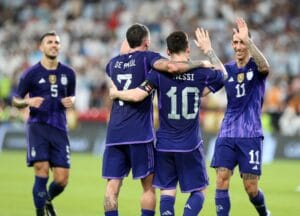
Conclusion
The amount of money FIFA World Cup players actually make depends on several factors, including tournament prize distributions, national team bonus agreements, club salaries, endorsement contracts, image rights, and commercial opportunities. FIFA generally distributes prize money to national football associations rather than directly to individual players, leaving each association to determine how bonuses are shared.
For established international stars, World Cup earnings represent only one part of a much larger financial picture that includes club contracts and global sponsorships. For emerging players, however, a successful tournament can lead to higher salaries, transfers to elite clubs, and long-term commercial success.
Ultimately, the FIFA World Cup offers both financial rewards and unparalleled career opportunities, making it one of the most valuable events in professional football.
For official information, visit:
Author

Related posts
OPEC
- 0
- 5,679 words
OPEC OPEC stands for the Organization of the Petroleum Exporting Countries. It is an intergovernmental organization created by major oil-producing countries to...
Read out all
How Do I Find Reliable Wholesale Suppliers
- 0
- 9,103 words
How Do I Find Reliable Wholesale Suppliers ? Finding reliable wholesale suppliers is one of the most important tasks for anyone starting...
Read out all
What Is Happening in the World?
- 0
- 5,355 words
What Is Happening in the World? The world is currently experiencing a period of overlapping crises and opportunities. Political disputes, military conflicts,...
Read out all
BRICS
- 0
- 5,794 words
BRICS : History, Members, Economy, Goals, Expansion and Global Influence BRICS is an international grouping of major emerging economies and developing countries...
Read out all
United Kingdom
- 0
- 5,089 words
United Kingdom The United Kingdom, commonly known as the UK, is one of Europe’s most fascinating travel destinations. Officially called the United...
Read out all
Bhutan
- 0
- 4,154 words
Bhutan Travel Guide Bhutan is one of the most fascinating travel destinations in Asia, offering an extraordinary combination of Himalayan landscapes, Buddhist...
Read out all