

Best Places to Visit in Kaohsiung , Taiwan
Kaohsiung is one of Taiwan’s most fascinating travel destinations, combining the energy of a modern international city with the charm of traditional neighborhoods, historic temples, tropical coastlines, green mountains, and a busy fishing and shipping culture. Located in southern Taiwan, the city is famous for its large harbor, sunny weather, waterfront promenades, creative art spaces, colorful temples, seafood restaurants, and lively night markets.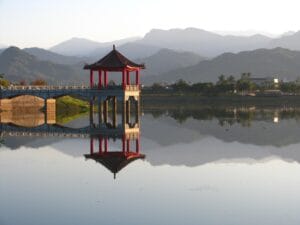
For many years, Kaohsiung was primarily recognized as an industrial and commercial center. In recent decades, however, the city has developed into an attractive tourism destination with renovated waterfront areas, public art installations, cultural venues, bicycle paths, museums, parks, and modern transportation connections. Visitors can spend the morning exploring historic architecture, enjoy seafood beside the ocean in the afternoon, and finish the evening with street food at a traditional night market.
Kaohsiung is also an excellent destination for different types of travelers. Couples can enjoy sunset views at Cijin Island or take a peaceful walk beside the Love River. Families can visit museums, zoos, amusement parks, and spacious recreational areas. Art lovers can explore the Pier-2 Art Center and Weiwuying. Outdoor enthusiasts can hike in Shoushan or travel farther into the mountains of Maolin. Food lovers can discover Taiwanese snacks, fresh seafood, tropical fruits, and local desserts throughout the city.
Why Kaohsiung Should Be on Your Taiwan Travel Itinerary
Kaohsiung offers a different experience from the more crowded northern cities of Taiwan. Its streets are generally spacious, its waterfront areas are extensive, and many attractions can be reached by metro, light rail, ferry, bicycle, or local bus. The city also has a warm climate, making it attractive for travelers who enjoy outdoor sightseeing and coastal activities.
One of Kaohsiung’s greatest strengths is its variety. A visitor can explore the historic Old City of Zuoying, admire religious architecture around Lotus Pond, study Taiwan’s maritime history, view contemporary art in converted warehouses, and relax on a beach without leaving the metropolitan area. Beyond the central city, attractions such as Fo Guang Shan, Meinong, Tianliao Moon World, and Maolin provide opportunities to discover rural traditions and natural landscapes.
Kaohsiung is particularly suitable for travelers who want to combine famous attractions with less crowded experiences. Although places such as Pier-2 Art Center, Cijin, and Lotus Pond are popular, the city also contains quiet parks, local markets, traditional streets, small temples, and neighborhood cafés that reward slower exploration.
Love River: A Romantic Waterfront Landmark
Love River is one of the best-known attractions in Kaohsiung and an important symbol of the city. The river flows through the urban area before reaching the harbor, and its banks have been developed into attractive walking areas with bridges, gardens, cafés, public art, and nighttime lighting.
During the day, Love River is a pleasant place for a relaxed walk. Visitors can watch boats moving along the water, observe local residents exercising, and enjoy the changing views of the city. The riverfront is especially attractive in the late afternoon, when the sunlight becomes softer and the temperature is more comfortable.
At night, Love River takes on a different atmosphere. Reflections from buildings, bridges, and waterfront lights create a romantic setting that is popular with couples and photographers. Some visitors choose to take a boat ride to enjoy the city from the water, while others simply walk along the promenade and stop at nearby restaurants.
Love River is not only a scenic attraction but also a useful starting point for exploring central Kaohsiung. It is close to several cultural venues, historic streets, shopping areas, and public transportation connections. Travelers can combine a visit to the river with the Kaohsiung Museum of History, Yancheng District, Pier-2 Art Center, or the harbor area.
Cijin Island: Beaches, Seafood, and Coastal Views
Cijin Island, also written as Qijin, is one of the most enjoyable places to visit in Kaohsiung for travelers who want to experience the city’s coastal character. The long, narrow island is located near the harbor and can be reached by ferry or other transport connections.
Cijin is famous for its seafood restaurants, beach, old street, temples, historic structures, cycling routes, and ocean views. The island offers a relaxed atmosphere that feels different from central Kaohsiung. Visitors can rent a bicycle or electric vehicle, explore the shoreline, stop for seafood, and enjoy the sea breeze.
Cijin Old Street is a major attraction. It is lined with restaurants, snack stalls, seafood shops, souvenir stores, and small businesses selling local specialties. Fresh fish, squid, shrimp, crab, oysters, and other seafood dishes are common choices. Travelers can also try Taiwanese snacks, shaved ice, fruit drinks, and grilled seafood.
Cijin Beach is popular for walking, taking photographs, enjoying the sea breeze, and watching the sunset. Swimming conditions and beach facilities may vary depending on weather, season, and local safety instructions, so visitors should follow official guidance.
Cijin Lighthouse: Panoramic Views of Kaohsiung Harbor
Cijin Lighthouse is one of the most rewarding viewpoints in Kaohsiung. Built in the nineteenth century, the lighthouse has historical importance and overlooks the harbor, coastline, and surrounding urban landscape.
The lighthouse area provides a beautiful perspective of ships, port facilities, waterfront buildings, and the sea. Visitors who climb toward the viewpoint can enjoy broad panoramic scenery, particularly on clear days. The location is also popular around sunset, when the sky changes color over the harbor.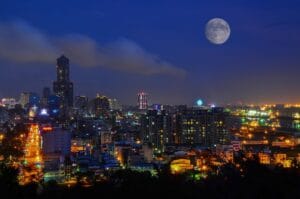
The structure itself is attractive to visitors interested in maritime history and architecture. Its historic design reflects the importance of Kaohsiung Harbor as a center of trade and navigation. The Taiwan Tourism Administration identifies the lighthouse as a municipal heritage site and notes its long connection with the safe movement of ships through the harbor.
Travelers should allow extra time for walking uphill and should wear comfortable shoes. The combination of the lighthouse, nearby historic sites, coastal paths, and Cijin Old Street makes this an excellent part of a complete Cijin itinerary.
Qihou Battery: A Historic Coastal Fortress
Qihou Battery is a historic fortification located in the Cijin area. It was built to help defend the harbor and reflects Kaohsiung’s military and maritime history. The site contains traditional architectural details, old walls, steps, and scenic viewpoints.
Although some visitors come mainly for the harbor views, the battery is also valuable for travelers interested in Taiwan’s historical development. Its position demonstrates the strategic importance of the harbor and the need to protect maritime routes.
The site can be combined with Cijin Lighthouse because both attractions are located in the same general area. Visitors should be prepared for uneven surfaces, steps, and outdoor walking. The surrounding scenery makes the battery especially interesting for photographers who enjoy historic structures and coastal landscapes.
Lotus Pond: Temples, Pagodas, and Traditional Architecture
Lotus Pond, also known as Lianchihtan or Lianchi Lake, is one of the most recognizable sightseeing areas in Kaohsiung. Located in the Zuoying District, the lake is surrounded by temples, colorful religious structures, pavilions, and traditional architectural landmarks.
The area is especially famous for the Dragon and Tiger Pagodas, Spring and Autumn Pavilions, Confucius Temple, and other temples located around the water. The combination of the lake, religious buildings, decorative details, and reflections creates a distinctive visual environment.
Lotus Pond is an excellent place to experience Taiwanese religious architecture. Visitors can observe elaborate roof decorations, dragon sculptures, guardian figures, painted walls, and symbolic designs. The structures often contain cultural meanings connected with Buddhism, Taoism, Confucianism, local traditions, and folk beliefs.
Dragon and Tiger Pagodas: One of Kaohsiung’s Most Famous Photo Spots
The Dragon and Tiger Pagodas are among the most photographed attractions in Kaohsiung. The colorful towers stand beside Lotus Pond and are connected to the shore by a bridge. Their entrances are shaped like a dragon and a tiger, creating a dramatic and symbolic gateway.
Visitors traditionally enter through the dragon’s mouth and leave through the tiger’s mouth. This practice is associated with the idea of turning bad fortune into good fortune. The towers contain decorative artwork and offer views over the lake and surrounding temple district.
The pagodas are particularly attractive for photography because of their bright colors, unusual shapes, and reflections in the water. Early morning can provide softer light and fewer visitors, while late afternoon offers attractive shadows and warm tones.
Travelers should remember that Lotus Pond is a religious and cultural site. Visitors are expected to behave respectfully, avoid disturbing worshippers, and follow any instructions concerning photography or access.
Spring and Autumn Pavilions: Colorful Lakeside Temples
The Spring and Autumn Pavilions are another important landmark around Lotus Pond. The structures feature bright colors, traditional Chinese architectural forms, decorative roofs, and a long bridge leading toward the water.
The pavilions are associated with religious traditions and are dedicated to deities connected with protection and spiritual practice. Their ornate design makes them a popular stop for visitors exploring the lake.
The surrounding area is suitable for walking and photography. Travelers can visit the Spring and Autumn Pavilions after seeing the Dragon and Tiger Pagodas, making it easy to explore several attractions in one trip. The lakefront also provides opportunities to observe birds, enjoy open views, and experience a quieter side of northern Kaohsiung.
Kaohsiung Confucius Temple: Culture and Classical Design
Kaohsiung Confucius Temple is one of the city’s most important cultural and religious sites. It reflects the influence of Confucian philosophy and traditional Chinese educational architecture.
The temple complex contains courtyards, ceremonial spaces, gates, halls, stone details, and carefully arranged architectural elements. Compared with the more colorful Dragon and Tiger Pagodas, the Confucius Temple generally offers a more restrained and formal atmosphere.
Visitors interested in history, philosophy, architecture, and traditional culture will appreciate the temple’s design. It is also a good place to slow down after exploring the busier parts of Lotus Pond.
The temple can be visited as part of a wider Zuoying itinerary. Travelers may combine it with the nearby Old City of Zuoying, historic gates, local food shops, and other cultural attractions.
Old City of Zuoying: Historic Kaohsiung
The Old City of Zuoying is an important historical area in Kaohsiung. It contains remnants of old defensive walls, gates, temples, traditional streets, and buildings connected with the development of the city.
Zuoying has a long history and was once a significant military and administrative center. Exploring the area allows visitors to understand how Kaohsiung developed before becoming a major modern port city.
The old streets are suitable for travelers who enjoy heritage tourism and local life. Instead of visiting only large attractions, visitors can walk through smaller lanes, observe traditional architecture, try local snacks, and discover neighborhood temples.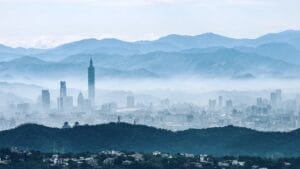
The Old City of Zuoying is particularly appealing to photographers because its historic details contrast with the modern buildings and transportation infrastructure of present-day Kaohsiung.
Fo Guang Shan Buddha Museum: A Major Spiritual and Cultural Attraction
Fo Guang Shan Buddha Museum is one of the most impressive cultural and religious attractions near Kaohsiung. Located in Dashu District, the complex contains broad avenues, monumental architecture, landscaped grounds, exhibition areas, Buddhist artwork, and large religious structures.
The museum is associated with Fo Guang Shan Buddhism and welcomes visitors interested in religion, art, architecture, history, and meditation. Its spacious design creates a sense of calm and scale, with long views toward the central monument and surrounding buildings.
Visitors can explore the museum’s halls, learn about Buddhist teachings, view cultural displays, and appreciate the architectural details. Even travelers who are not religious may find the complex interesting because of its impressive planning, gardens, sculptures, and cultural presentation.
Shoushan and Shoushan National Nature Park: Nature Above the City
Shoushan, also known as Mount Shou, is a green mountain area overlooking Kaohsiung. It is an excellent destination for travelers who want to escape the city’s busy streets and enjoy hiking, natural scenery, wildlife, and panoramic views.
The mountain contains walking trails, forested areas, rocky landscapes, and viewpoints. Depending on the route, visitors may see tropical vegetation, birds, insects, and monkeys. The Formosan macaques are one of the area’s best-known wildlife features.
Travelers should avoid feeding or approaching wild monkeys. Food should be kept securely stored, and visitors should maintain a safe distance from animals. Wildlife encounters can be enjoyable, but responsible behavior is important for both visitors and the environment.
Shoushan is especially attractive in the early morning or late afternoon. The weather is usually more comfortable during these periods, and the light can be beautiful for photography. Hiking shoes, water, sun protection, and insect repellent are recommended.
The official Taiwan tourism portal identifies Shoushan as a destination for hiking trails and ecological experiences.
Shoushan Zoo: A Family-Friendly Attraction
Shoushan Zoo is a popular attraction for families and visitors traveling with children. Located in the mountain area, the zoo combines animal exhibits with a green environment and views of the surrounding city.
The zoo provides an opportunity to learn about different animal species while enjoying an outdoor activity. It can be a useful choice for families who want a break from temples, museums, and urban sightseeing.
Because the zoo is located on elevated terrain, visitors should be prepared for walking and changing weather conditions. It is advisable to check current opening information before visiting, particularly during maintenance periods or special events.
British Consulate at Takow: History with a Harbor View
The British Consulate at Takow is one of Kaohsiung’s most important historic buildings. Located on a hill near the harbor, the site reflects the city’s role in international trade during the nineteenth century.
The complex contains historic architecture, exhibition spaces, pathways, and viewpoints overlooking the harbor. Its position makes it particularly attractive to travelers who enjoy combining history with scenery.
Visitors can learn about the development of foreign trade, the history of the port, and the relationship between Kaohsiung and international commercial networks. The building’s architectural details also provide excellent opportunities for photography.
The site is especially attractive around sunset because of its elevated position. From the surrounding viewpoint, travelers can see the harbor, ships, coastal areas, and changing colors across the city.
Kaohsiung Harbor: Discover the Maritime Character of the City
Kaohsiung Harbor is central to the city’s identity. As one of the major ports in the region, it has played an important role in trade, transportation, industry, and urban development.
Visitors can experience the harbor through waterfront walks, boat tours, nearby parks, public art spaces, and viewing platforms. The harbor area combines working port facilities with renovated recreational spaces, creating an interesting contrast between industry and tourism.
The harbor is a good place to observe ships, bridges, cranes, waterfront buildings, and the movement of daily maritime activity. It also provides a useful setting for understanding why Kaohsiung is often described as Taiwan’s maritime capital.
Travelers interested in photography should consider visiting during early morning or sunset. The light can highlight the shapes of ships, bridges, and port structures, while evening views often reveal the city’s illuminated waterfront.
Glory Pier and the Waterfront Promenade
Glory Pier is part of Kaohsiung’s revitalized waterfront environment. The area offers open views, walking space, and access to nearby harbor attractions.
It is suitable for travelers who want to enjoy the city at a relaxed pace. Visitors can walk beside the water, take photographs, watch boats, and continue toward other waterfront destinations.
The area is also useful for exploring Kaohsiung’s modern urban transformation. Former industrial and port-related spaces have increasingly been incorporated into public recreational and cultural areas.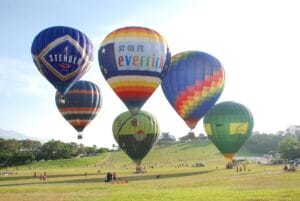
Dome of Light: A Colorful Underground Art Installation
The Dome of Light is located inside Formosa Boulevard Station and is one of Kaohsiung’s most famous public art attractions. The installation consists of a large colorful glass artwork covering the station’s central area.
The artwork features vibrant colors and symbolic imagery associated with themes such as life, nature, human development, and the passage of time. It transforms an ordinary transportation space into an impressive artistic environment.
The Dome of Light is easy to visit because it is located inside a major metro station. Travelers can stop to admire it while transferring between metro lines or traveling through central Kaohsiung.
The installation is particularly attractive for photography, although visitors should remain aware of commuters and avoid blocking entrances, exits, or walkways.
Liuhe Tourist Night Market: Street Food and Local Flavors
Liuhe Tourist Night Market is one of Kaohsiung’s most famous evening attractions. Located in the city center, the market is known for seafood, Taiwanese snacks, grilled foods, fruit drinks, desserts, and casual dining.
The market is a good place to experience the lively atmosphere of Taiwan’s night-market culture. Food stalls display fresh ingredients, cooking equipment, colorful signs, and prepared dishes. Visitors can sample several foods rather than ordering one large meal.
Popular types of food may include grilled seafood, oyster omelets, fried chicken, sausages, noodles, dumplings, tofu dishes, fruit juices, shaved ice, and other Taiwanese specialties. Seafood is particularly associated with Liuhe because of Kaohsiung’s maritime location.
Travelers should compare prices, check portion sizes, and confirm costs before ordering when menus are unclear. Those with food allergies should ask about ingredients and cooking methods.
Liuhe Night Market is convenient for visitors staying in central Kaohsiung because it is close to metro stations, hotels, shopping streets, and the Dome of Light.
Ruifeng Night Market: A Local Favorite for Food and Shopping
Ruifeng Night Market is another major night market in Kaohsiung. It is known for its broad range of food stalls, games, clothing, accessories, household products, and casual shopping opportunities.
Compared with some tourist-oriented markets, Ruifeng often has a more local neighborhood atmosphere. Visitors can explore narrow lanes filled with food stalls and discover a wide variety of Taiwanese snacks.
The market is a good choice for travelers who enjoy trying different foods in one evening. It is also popular with younger visitors because of its lively atmosphere and mixture of dining, shopping, and entertainment.
Visitors should allow time to move slowly through the crowded areas, particularly during weekends and holidays. Comfortable shoes are recommended because exploring the market can involve considerable walking.
Shinkuchan Shopping District: Fashion and Urban Entertainment
Shinkuchan Shopping District is a popular shopping and entertainment area in central Kaohsiung. It contains clothing stores, accessory shops, cafés, beauty businesses, casual restaurants, and small independent retailers.
The district is a good destination for travelers who want to shop for fashion items, souvenirs, cosmetics, lifestyle products, and affordable gifts. It also offers a chance to observe the city’s contemporary youth culture.
Shinkuchan can be combined with Central Park, nearby shopping streets, and evening dining. Travelers who prefer indoor shopping may find the area useful during hot or rainy weather.
Central Park: A Green Space in the City Center
Central Park provides a peaceful break from Kaohsiung’s busy streets. The park contains lawns, trees, walking paths, landscaped areas, and public spaces where visitors can relax.
It is a convenient attraction for travelers who want to enjoy nature without leaving the city center. The park can be visited during the day for walking and photography, or in the evening when the surrounding urban area becomes more active.
Central Park is close to shopping districts, metro stations, restaurants, and the Dome of Light. This makes it easy to include in a city-center itinerary.
Kaohsiung Museum of History: Understanding the City’s Past
The Kaohsiung Museum of History is an important cultural institution for visitors who want to learn about the city’s development. Exhibitions explore local history, social changes, cultural traditions, and the transformation of Kaohsiung into a modern port city.
The museum is particularly useful for travelers who have already visited the harbor and historic districts. It provides context for understanding the city’s industrial growth, migration, communities, and cultural identity.
A visit to the museum can be combined with Love River, Yancheng District, and Pier-2 Art Center. It is also a useful indoor attraction during hot or rainy weather.
Kaohsiung Museum of Fine Arts: Art and Contemporary Culture
The Kaohsiung Museum of Fine Arts is a major destination for art lovers. It presents exhibitions involving Taiwanese and international artists, modern art, contemporary works, sculpture, painting, design, and cultural themes.
The museum is located in a green environment and is surrounded by public spaces suitable for walking. Visitors can combine an indoor art experience with time outdoors.
The museum is particularly valuable for travelers who want to understand Taiwan beyond its temples, food markets, and natural scenery. Exhibitions may change throughout the year, so visitors should check the official program before planning a visit.
National Kaohsiung Center for the Arts, Weiwuying
The National Kaohsiung Center for the Arts, commonly known as Weiwuying, is one of the city’s most important performing-arts venues. Its architecture is modern and distinctive, while its program includes concerts, theatre, dance, opera, cultural events, and performances.
Even visitors who do not attend a performance may appreciate the building and surrounding public areas. The design reflects the relationship between architecture, nature, and community space.
Weiwuying is an excellent destination for travelers interested in music, theatre, architecture, and contemporary culture. Those who want to attend a performance should check schedules and ticket availability in advance.
National Science and Technology Museum: An Educational Family Attraction
The National Science and Technology Museum is a good choice for families, students, and travelers interested in science, technology, engineering, industry, and innovation.
The museum contains educational displays and interactive exhibits that explain scientific concepts and technological development. It is especially useful during rainy days or when travelers want an activity that combines entertainment with learning.
Children can benefit from hands-on exhibits, while adults may enjoy displays related to engineering, transportation, energy, communication, and industrial development.
Weiwuying and Military Village Cultural Spaces
Kaohsiung contains several cultural spaces connected with Taiwan’s military communities and residential history. These places provide insight into the lives of families, veterans, and communities that shaped the city during the twentieth century.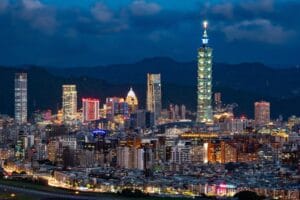
Some former residential areas have been transformed into cultural parks, exhibition spaces, cafés, and creative venues. They offer a more personal and neighborhood-based perspective than large museums.
Travelers interested in social history, photography, architecture, and local stories should consider including one of these cultural spaces in their itinerary.
Meinong: Hakka Culture and Traditional Rural Life
Meinong is a district in Kaohsiung known for Hakka culture, traditional crafts, agricultural landscapes, and a slower rural atmosphere. It is a rewarding day-trip destination for travelers who want to explore a different side of the city.
Meinong is especially associated with traditional oil-paper umbrellas, Hakka food, historic houses, local handicrafts, and agricultural scenery. Visitors can learn about the production of handmade crafts and explore local cultural attractions.
The district is also known for its countryside views, ponds, fields, and traditional settlements. It is a good destination for travelers who enjoy cultural tourism, photography, food, and rural landscapes.
A trip to Meinong is best planned with additional time because attractions are spread across the district. Public transportation may be less frequent than in central Kaohsiung, so travelers should check routes carefully.
Tianliao Moon World: A Dramatic Geological Landscape
Tianliao Moon World is one of the most unusual natural attractions near Kaohsiung. The landscape contains eroded hills, pale soil, ridges, and formations that create a dry, moon-like appearance.
The area demonstrates the effects of erosion and geological processes. Its unusual scenery makes it popular with photographers and travelers who enjoy natural landscapes that differ from Taiwan’s more familiar green mountains and forest trails.
The landscape can be especially striking under soft morning or late-afternoon light. Visitors should bring water, sun protection, and suitable footwear because some areas may be exposed, uneven, or hot.
Tianliao Moon World is generally more suitable for travelers with access to private transportation or a carefully planned day-trip route.
Maolin National Scenic Area: Mountains, Waterfalls, and Indigenous Culture
Maolin National Scenic Area is a spectacular mountain destination associated with forests, rivers, waterfalls, hot springs, indigenous culture, and outdoor recreation. It is located farther from central Kaohsiung and requires more planning than city attractions.
The area is ideal for travelers who enjoy hiking, ecological tourism, photography, birdwatching, and mountain scenery. Depending on the season and local conditions, visitors may explore forest trails, river valleys, waterfalls, and cultural attractions.
Maolin is also associated with indigenous communities and traditional cultural experiences. Travelers should respect local customs and follow environmental guidelines.
Because mountain weather can change quickly, visitors should check road conditions, trail information, weather forecasts, and any temporary closures before traveling. A full day or overnight stay may be appropriate for exploring the area comfortably.
Baolai Hot Springs: Relaxation in the Mountains
Baolai is known for hot springs and mountain scenery. It provides an opportunity to relax in a natural environment after exploring Kaohsiung’s urban attractions.
Hot-spring facilities vary in style, price, and opening schedule. Some offer private rooms, while others provide public bathing areas or accommodation packages. Visitors should check current rules concerning bathing attire, reservations, health conditions, and opening times.
The journey to Baolai is part of the experience because the route passes through mountain landscapes and rural communities. Travelers who enjoy wellness tourism and nature may consider staying overnight.
Chengqing Lake: Green Landscapes and Outdoor Recreation
Chengqing Lake is a scenic recreational area offering water views, greenery, walking routes, and family-friendly outdoor activities. It is a good destination for travelers who want to enjoy a quieter environment away from the busiest parts of Kaohsiung.
The area is suitable for walking, photography, and relaxing in nature. Depending on current access arrangements, visitors may also find recreational facilities and attractions for families.
Chengqing Lake can be combined with other attractions in the eastern or northern parts of the city, although travelers should check transportation options before planning a full-day route.
E-DA Theme Park: Entertainment and Shopping for Families
E-DA Theme Park is a large entertainment destination near Kaohsiung that combines amusement rides, themed areas, shopping, restaurants, and family activities.
The park can be a good choice for families with children or travelers who enjoy amusement attractions. It is also suitable for visitors who want to combine entertainment with shopping and dining.
Because theme-park opening hours, ride availability, and special events may change, travelers should check the official website before visiting. A full day may be necessary for guests who want to experience multiple attractions.
Kaohsiung’s Food Culture
Kaohsiung’s food culture is one of the most important reasons to visit the city. Its location near the sea means seafood is widely available, while its multicultural history has influenced local dishes, markets, and restaurants.
Visitors can try traditional Taiwanese breakfasts, beef noodles, dumplings, rice dishes, grilled seafood, oyster omelets, fried chicken, tofu, hot pot, fruit desserts, shaved ice, and tropical drinks. Night markets are particularly useful for sampling several foods in one evening.
Seafood lovers should explore Cijin and harbor-area restaurants, while travelers interested in street food can visit Liuhe and Ruifeng night markets. Local cafés and dessert shops are also common in central districts and creative neighborhoods.
Travelers should be adventurous but careful with unfamiliar ingredients. People with allergies should ask about seafood, peanuts, shellfish, dairy, gluten, and cooking oils before ordering.
The Best Time to Visit Kaohsiung
Kaohsiung generally has a warm climate, and many visitors appreciate its relatively sunny weather. However, temperatures can become very high during summer, while tropical storms and heavy rain may affect travel plans during certain periods.
Spring and autumn are often comfortable seasons for sightseeing because temperatures may be more suitable for walking and outdoor activities. Winter can also be pleasant compared with colder destinations, although occasional rain and cooler evenings are possible.
Travelers visiting during hot months should plan outdoor attractions for the morning or late afternoon. Museums, shopping centers, cafés, and indoor cultural venues are useful during the hottest part of the day.
Before visiting mountain attractions, beaches, or outdoor parks, travelers should check the weather forecast and any official travel notices.
How to Travel Around Kaohsiung
Kaohsiung has a useful public transportation network that includes metro services, light rail, buses, ferries, taxis, and bicycle-sharing options. The metro is particularly convenient for reaching central districts, shopping areas, cultural attractions, and major transport hubs.
The light rail system can be useful for exploring waterfront areas and attractions near the harbor. Ferries provide access to Cijin and offer a memorable way to experience the city’s maritime environment.
For attractions outside the central city, such as Meinong, Maolin, Tianliao, and Fo Guang Shan, travelers should research bus routes and departure times carefully. Private transportation or organized tours may be more convenient for mountain and rural destinations.
Walking is enjoyable in several districts, but Kaohsiung can be spread out. A practical itinerary should group nearby attractions together rather than attempting to cross the entire city repeatedly.
Suggested Three-Day Kaohsiung Itinerary
Day One: Central Kaohsiung and Waterfront Attractions
Begin the first day at the Dome of Light and explore the surrounding central district. Continue to Central Park and nearby shopping streets before visiting the Kaohsiung Museum of History.
In the afternoon, travel toward Love River and the Yancheng waterfront. Spend time exploring Pier-2 Art Center, including its warehouses, public art, shops, and cafés. Finish the day with a walk beside the harbor or dinner at Liuhe Night Market.
Day Two: Cijin Island and Historic Harbor Sites
Spend the second day exploring Cijin Island. Visit Cijin Old Street, try local seafood, and enjoy the beach and coastal atmosphere. Continue toward Cijin Lighthouse and Qihou Battery for historic sites and panoramic views.
Return to the city in the late afternoon and enjoy the harbor waterfront. In the evening, explore a shopping district or visit another night market.
Day Three: Lotus Pond and Cultural Attractions
Begin the third day at Lotus Pond. Visit the Dragon and Tiger Pagodas, Spring and Autumn Pavilions, Kaohsiung Confucius Temple, and other nearby religious landmarks.
Continue to the Old City of Zuoying to explore historic streets and local food. In the afternoon, visit a museum, cultural center, or Fo Guang Shan Buddha Museum, depending on transportation and available time.
Suggested Five-Day Kaohsiung Itinerary
Days One and Two: Urban Highlights and Cijin
Use the first two days to explore the Dome of Light, Central Park, Love River, Pier-2 Art Center, Kaohsiung Museum of History, Liuhe Night Market, Cijin Island, Cijin Lighthouse, and the harbor.
Day Three: Lotus Pond and Zuoying
Spend a full day exploring Lotus Pond, the Dragon and Tiger Pagodas, Spring and Autumn Pavilions, Confucius Temple, and the Old City of Zuoying.
Day Four: Fo Guang Shan or Meinong
Choose Fo Guang Shan Buddha Museum for a religious and architectural experience, or visit Meinong for Hakka culture, crafts, traditional villages, and rural scenery.
Day Five: Nature or Museums
Depending on interests, choose Shoushan, Chengqing Lake, Tianliao Moon World, a museum, Weiwuying, or another cultural attraction. Travelers who prefer a mountain experience may need more time for Maolin or Baolai.
Travel Tips for First-Time Visitors
Travelers should plan their itinerary according to geography. Attractions around the harbor, Cijin, Yancheng, and central Kaohsiung can often be combined, while Lotus Pond and Fo Guang Shan are better planned separately.
Comfortable shoes are important because many attractions involve walking, steps, outdoor paths, and large cultural complexes. Sunscreen, water, a hat, and light clothing are useful throughout much of the year.
Visitors should carry a translation app or save important place names in Chinese, especially when traveling to smaller attractions. Public transportation is convenient, but rural routes may have limited frequency.
Respect is important at temples, monasteries, historic sites, and indigenous cultural locations. Visitors should follow photography rules, avoid loud behavior, dress appropriately in religious areas, and never touch ceremonial objects without permission.
Conclusion
Kaohsiung is a diverse and rewarding destination that offers far more than a traditional city break. Its harbor, rivers, beaches, temples, museums, art centers, night markets, mountains, and cultural districts create a travel experience that is both relaxing and stimulating.
The best places to visit in Kaohsiung include the romantic Love River, creative Pier-2 Art Center, coastal Cijin Island, historic Cijin Lighthouse, colorful Lotus Pond, famous Dragon and Tiger Pagodas, Fo Guang Shan Buddha Museum, Shoushan, Liuhe Night Market, Kaohsiung Museum of History, Weiwuying, Meinong, and the mountain landscapes beyond the city.
| Taiwan Bureau of Consular Affairs | Visitor visas and visa application requirements | Taiwan Visitor Visas |
| National Immigration Agency | Immigration services, entry information, and arrival card | Taiwan Immigration Agency |
| Taiwan Online Arrival Card | Submitting the required online arrival card | Taiwan Arrival Card |
Author

Related posts
Best Places to Visit in Dinant
- 0
- 4,895 words
Best Places to Visit in Dinant, Belgium Dinant is one of the most beautiful small towns in Belgium and one of the...
Read out all
Best Places to Visit in Mont-Saint-Michel
- 0
- 4,974 words
Best Places to Visit in Mont-Saint-Michel , France Mont-Saint-Michel is one of the most extraordinary destinations in France and one of the...
Read out all
UNGA
- 0
- 5,649 words
UNGA (United Nations General Assembly ) The United Nations General Assembly, commonly known as the UN General Assembly or UNGA, is one...
Read out all
Best Places to Visit in Kathmandu
- 0
- 4,089 words
Best Places to Visit in Kathmandu , Nepal Kathmandu, the capital of Nepal, is one of South Asia’s most fascinating travel destinations....
Read out all
Best Places to Visit in Vilnius
- 0
- 5,246 words
Best Places to Visit in Vilnius , Lithuania Vilnius, the capital of Lithuania, is one of the most fascinating destinations in the...
Read out all
Best Places to Visit in Riga
- 0
- 6,005 words
Best Places to Visit in Riga , Latvia Riga, the capital of Latvia, is one of the most fascinating destinations in the...
Read out all