

Best Places to Visit in Macau , China
Macau, also written as Macao, is one of the most distinctive destinations in southern China. Located on the western side of the Pearl River Delta, near Hong Kong and Zhuhai, Macau is famous for its mixture of Chinese traditions, Portuguese architectural influences, historic neighborhoods, luxury resorts, international entertainment, excellent food, and waterfront scenery. Although the city is geographically compact, it offers an impressive variety of experiences, from centuries-old temples and churches to modern shopping malls, family attractions, museums, casinos, and spectacular night views.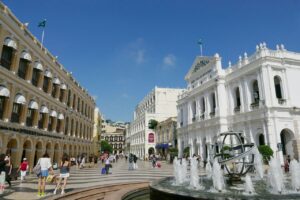
For travelers searching for the best places to visit in Macau, China, the destination offers much more than luxury resorts and gaming venues. Macau’s historic center contains streets, squares, churches, fortifications, and civic buildings that reflect the city’s long multicultural history. Taipa provides traditional villages, restaurants, museums, and modern integrated resorts, while Coloane offers beaches, walking trails, green spaces, and a slower atmosphere.
Macau is suitable for many kinds of travelers. History lovers can explore the Historic Centre of Macao, families can enjoy interactive attractions and large-scale entertainment venues, couples can discover romantic waterfront locations and atmospheric streets, and food enthusiasts can taste Macanese dishes influenced by Chinese, Portuguese, Southeast Asian, and other culinary traditions. A short visit can cover many major landmarks, but a longer stay allows travelers to discover quieter neighborhoods and cultural experiences.
Why Macau Is One of the Best Places to Visit in China
Macau is special because it combines several travel experiences within a small area. A visitor can begin the day at a traditional Chinese temple, walk through a Portuguese-style public square, explore a historic fortress, taste a famous egg tart, visit a museum, and finish the evening beside a modern resort surrounded by illuminated architecture.
The city’s cultural identity developed through centuries of contact between China and the Portuguese world. This history is visible in the use of Chinese and Portuguese design elements, the arrangement of public squares, the presence of Catholic churches beside Chinese temples, and the city’s distinctive cuisine. The historic districts are particularly valuable for travelers who want to understand how different cultures influenced one another.
Macau is also a convenient destination for a short trip. Many major attractions are concentrated on the Macau Peninsula, while Taipa and Coloane can be reached by public transport or taxi. Visitors arriving from Hong Kong, mainland China, or other regional destinations can often organize a one- or two-day itinerary, although staying for three days provides more time for museums, food, beaches, and family attractions.
Senado Square: The Historic Heart of Macau
Senado Square is one of the most important places to visit in Macau and a natural starting point for exploring the city’s historic center. The square is known for its distinctive wave-patterned pavement, pastel-colored buildings, traditional Portuguese-inspired architecture, public art, shops, cafés, and lively atmosphere.
The square has long served as a gathering place and civic center. Its patterned stone pavement creates a recognizable visual identity and connects several important historic attractions. Walking through Senado Square feels like entering a European-style urban space while remaining firmly within a Chinese city.
The surrounding buildings display a mixture of architectural influences. Many façades feature decorative details, tiled surfaces, shuttered windows, and colors associated with Portuguese urban design. At the same time, Chinese signage, local businesses, festivals, and everyday street life make the area distinctly Macanese.
Senado Square is especially attractive during the evening, when the surrounding buildings and streets become illuminated. During festivals and public celebrations, the square may be decorated with themed displays, lanterns, flowers, or temporary installations. Travelers should expect crowds during weekends, holidays, and peak tourist periods.
The square is also an excellent place to begin a walking tour that includes the Ruins of St. Paul’s, St. Dominic’s Church, the Holy House of Mercy, Mount Fortress, and several traditional shopping streets.
Ruins of St. Paul’s: Macau’s Most Famous Landmark
The Ruins of St. Paul’s are arguably the most recognizable attraction in Macau and one of the essential places to visit in Macau, China. The surviving stone façade is all that remains of the historic Church of Mater Dei and the former complex associated with St. Paul’s College. The site is admired for its monumental staircase, detailed carvings, religious symbolism, and historical importance.
The façade combines European religious design with artistic details influenced by Asian craftsmanship. Visitors can observe statues, inscriptions, decorative motifs, and carved figures that reflect the complex cultural environment of historic Macau. The structure provides a powerful example of how architecture can express the meeting of different traditions.
The area in front of the ruins is often busy, especially during the middle of the day. Early morning visits are usually more comfortable for photography and sightseeing. The staircase also provides an elevated view over the surrounding historic streets.
Behind the façade, visitors can explore the nearby Museum of Sacred Art and Crypt, where religious objects and historical information provide additional context. The ruins should not be viewed only as a photographic landmark; they are also part of Macau’s wider story of religion, education, trade, and cultural exchange.
The streets leading to the ruins contain souvenir shops, bakeries, snack stalls, clothing stores, and traditional food businesses. Visitors can try local specialties such as almond cookies, meat jerky, peanut candy, and Portuguese-influenced pastries while exploring the neighborhood.
Monte Fort: Historic Defense and Panoramic Views
Monte Fort, also called Mount Fortress, is one of the best places to visit in Macau for history, architecture, and panoramic city views. The fortress was constructed as a major defensive installation and played an important role in the protection of the historic settlement.
The fortress occupies an elevated position near the Ruins of St. Paul’s. Its broad open spaces, stone walls, historic cannon positions, and elevated viewpoints provide a different perspective on Macau. From the top, visitors can see the dense urban landscape, historic neighborhoods, modern buildings, and, depending on visibility, parts of the surrounding region.
Monte Fort is also connected with the Macau Museum, making the area especially useful for travelers interested in learning about the city’s past. The museum provides information about Macau’s cultural development, traditional lifestyles, religious history, and relationship with China and the wider world.
The fortress is a good place to visit during the morning or late afternoon, when the light is often more suitable for photography. Travelers should wear comfortable shoes because the route includes slopes and steps.
Macau Museum: Understanding the City’s History
The Macau Museum is one of the most valuable cultural attractions in the city. It is an excellent place to visit for travelers who want to understand Macau beyond its famous buildings, shopping areas, and entertainment venues.
The museum explores the history and culture of Macau through objects, displays, reconstructions, and educational exhibits. Visitors can learn about traditional Chinese customs, Portuguese influence, religious life, commerce, domestic life, and the development of Macau as a multicultural port.
The museum is particularly useful before or after visiting the Historic Centre of Macao. It helps explain why the city contains Chinese temples, Catholic churches, Portuguese-style squares, defensive structures, and streets with a mixture of architectural traditions.
A visit to the Macau Museum can also be useful during hot or rainy weather. Travelers should check the official museum information for opening hours, admission arrangements, temporary exhibitions, and any visitor restrictions.
St. Dominic’s Church: A Beautiful Historic Church
St. Dominic’s Church is located near Senado Square and is one of the most attractive historic religious buildings in Macau. Its yellow exterior, white decorative details, wooden doors, and elegant façade make it a popular photography location.
The church is associated with the Dominican tradition and forms part of Macau’s historic religious landscape. Its presence near Chinese commercial streets illustrates the city’s long history of cultural and religious interaction.
The interior is generally quieter than the busy streets outside. Visitors should behave respectfully, particularly when religious services are taking place. Photography may be restricted in certain areas, and travelers should follow posted instructions.
St. Dominic’s Church is easy to include in a walking route through Senado Square, the Ruins of St. Paul’s, the Holy House of Mercy, and other central attractions.
The Holy House of Mercy: Historic Civic and Religious Heritage
The Holy House of Mercy is an important historic building near Senado Square. Its architectural style reflects Portuguese civic design, while its history is connected with charitable and social services in Macau.
The building is admired for its elegant façade, long windows, decorative details, and position within the historic square. It represents the role of charitable institutions in the development of the city and demonstrates that Macau’s heritage includes not only temples and churches but also hospitals, welfare organizations, and civic structures.
The building is often viewed from the outside as part of a walking tour. Visitors should check whether interior access is available because opening arrangements may vary.
A-Ma Temple: One of Macau’s Oldest and Most Important Temples
A-Ma Temple is one of the best places to visit in Macau for travelers interested in Chinese religion, traditional architecture, and local history. Dedicated to Mazu, a maritime goddess associated with protection at sea, the temple is closely connected with Macau’s identity as a historic port.
The temple complex includes courtyards, stone steps, traditional gateways, incense burners, carved rocks, pavilions, and halls dedicated to different religious figures. Its location near the waterfront creates a strong connection between spiritual traditions and Macau’s maritime past.
A-Ma Temple is often considered one of the places connected with the origin of the name “Macau.” The temple’s atmosphere differs from the European-influenced architecture found in the central historic district. Visitors can observe Chinese decorative elements, incense rituals, traditional offerings, and detailed stone carvings.
The temple is an active place of worship, so travelers should remain quiet and respectful. Visitors should avoid touching religious objects without permission and should follow any instructions concerning incense, photography, and movement through the halls.
Barra Square and the Barra Waterfront
Barra Square is located near A-Ma Temple and provides an attractive place to enjoy Macau’s waterfront atmosphere. The area has historic importance and offers views of the surrounding harbor, bridges, public spaces, and nearby cultural attractions.
The waterfront is suitable for a relaxed walk after visiting A-Ma Temple. Visitors can enjoy the open space, observe boats, take photographs, and explore nearby streets. The area also reflects Macau’s efforts to connect historic districts with public leisure spaces.
Barra is becoming increasingly interesting for travelers seeking food, creative activities, and cultural experiences. Visitors should consult the official tourism calendar for temporary markets, cultural programs, food events, and waterfront activities.
Mandarin’s House: A Window into Traditional Chinese Residential Culture
Mandarin’s House is a significant historic residence and one of the best places to visit in Macau for architecture and cultural history. The complex provides insight into traditional Chinese family life and the architectural environment of historic Macau.
The residence contains courtyards, rooms, corridors, decorative features, and structural details that reflect traditional Chinese domestic design. Its scale and layout help visitors understand how extended families and households may have lived in earlier periods.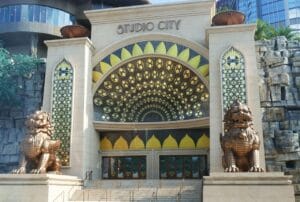
Unlike a single monumental landmark, Mandarin’s House is valuable because it shows the importance of residential architecture. Historic cities are shaped not only by temples, churches, and government buildings but also by homes, family compounds, markets, and ordinary streets.
Visitors should allow time to observe the details of the building and read the interpretive information. The site may have specific visitor rules, so checking official information before arrival is recommended.
Lilau Square: A Charming Historic Neighborhood
Lilau Square is one of the most atmospheric places to visit in Macau’s historic center. The square is associated with one of the city’s traditional residential areas and is known for its quiet character, tiled façades, narrow streets, and Portuguese-influenced urban design.
The square provides a contrast to the crowded Ruins of St. Paul’s area. Visitors can enjoy a slower walk, observe historic homes, and appreciate the scale of Macau’s older neighborhoods. It is particularly suitable for travelers who enjoy architecture, photography, and cultural exploration.
Lilau Square can be combined with Mandarin’s House, A-Ma Temple, Barra Square, and other attractions in the southern part of the Macau Peninsula.
Lou Kau Mansion: Traditional Chinese-Macau Architecture
Lou Kau Mansion is a historic residence that demonstrates the architectural and cultural connections between Chinese traditions and Macau’s urban history. The building features traditional design elements, courtyards, decorative details, and a layout associated with an affluent Chinese household.
The mansion is located near the central historic attractions and can be included in a walking tour. It is especially interesting for visitors who want to explore Macau’s Chinese architectural heritage rather than focusing only on Portuguese-influenced landmarks.
The building’s historical value comes from its connection with local society, family life, and the development of the city’s historic neighborhoods. Travelers should check access arrangements because not every historic building is open at all times.
St. Lawrence’s Church: Elegant Architecture and Quiet Streets
St. Lawrence’s Church is another important historic church in Macau. Located in a neighborhood with traditional streets and historic buildings, it is known for its elegant architecture and religious significance.
The church provides another example of Macau’s multicultural heritage. Its presence in a Chinese city reflects the long history of Catholic institutions in the region and the city’s connection with Portuguese culture.
Visitors interested in historic architecture can combine St. Lawrence’s Church with the Mandarin’s House, Lilau Square, and other nearby attractions. The area is often calmer than the streets around Senado Square.
Guia Fortress, Lighthouse, and Chapel
Guia Fortress is one of the most interesting places to visit in Macau for panoramic views, military history, and scenic walking. Located on Guia Hill, the complex includes a historic fortress, lighthouse, and chapel.
The lighthouse is particularly important because it is associated with Macau’s maritime history and navigation. The fortress reflects the city’s defensive past, while the chapel adds a religious and architectural dimension to the site.
Guia Hill offers a different experience from the dense streets of the historic center. Visitors can enjoy greenery, elevated viewpoints, and a sense of space. The site is suitable for travelers who want to combine sightseeing with a moderate walk.
The view from Guia Hill can include Macau’s high-rise buildings, harbor areas, bridges, and surrounding districts. The scenery is especially attractive during clear weather and near sunset, although visitors should allow enough time to return safely before dark.
Flora Garden: A Green Escape in the City
Flora Garden is one of the best places to visit in Macau for travelers who enjoy plants, quiet paths, and family-friendly outdoor spaces. The garden provides a green environment within the urban landscape and is especially useful for visitors who need a break from busy streets.
The garden contains landscaped areas, flowers, trees, pathways, and places to rest. It can be combined with a visit to Guia Hill and other nearby attractions.
Flora Garden is suitable for a relaxed morning walk, family outings, and photography. The garden’s atmosphere changes with the seasons, and visitors may find different plants and flowers throughout the year.
Kun Iam Temple: A Major Buddhist and Cultural Landmark
Kun Iam Temple is one of Macau’s important Buddhist temples and a meaningful destination for travelers interested in religious culture. The temple is associated with Guanyin, a figure connected with compassion and mercy in East Asian Buddhist traditions.
The temple complex features traditional architecture, religious statues, incense burners, and ceremonial spaces. It offers visitors an opportunity to observe local religious practices and appreciate the design of a functioning place of worship.
Travelers should visit respectfully and avoid disturbing ceremonies. Clothing should be appropriate, and photography rules should be followed. Kun Iam Temple can be combined with other attractions in the northern part of the Macau Peninsula.
Kun Iam Statue and Waterfront Leisure Area
The Kun Iam Statue and nearby waterfront area offer a more modern and open environment compared with Macau’s historic temple districts. The statue is associated with Buddhist symbolism and is located in a landscaped public area.
The waterfront is suitable for walking, photography, and enjoying views across the water. It can be particularly pleasant during the early morning or evening, when temperatures are more comfortable.
Visitors can combine this area with the Macau Science Center, nearby promenades, and other waterfront attractions.
Macau Science Center: A Family-Friendly Educational Attraction
The Macau Science Center is one of the best places to visit in Macau with children, teenagers, or anyone interested in science and technology. The center is known for its distinctive modern architecture and educational exhibitions.
The science center presents scientific concepts through interactive displays, models, demonstrations, and educational activities. Topics may include physics, space, technology, natural science, and everyday scientific phenomena.
The building itself is an architectural attraction, with a striking form that is especially photogenic from the waterfront. The center is a useful choice during hot, rainy, or humid weather because much of the experience takes place indoors.
Families should check the official website for current exhibitions, planetarium programs, ticket information, and opening arrangements.
Macau Grand Prix Museum: A Destination for Motorsport Fans
The Macau Grand Prix Museum is one of the best places to visit in Macau for motorsport enthusiasts and travelers interested in the city’s sporting history. The museum explores the famous Macau Grand Prix through vehicles, displays, multimedia installations, interactive experiences, and historical information.
The museum presents the importance of the Grand Prix to Macau’s identity and international reputation. Visitors can learn about racing drivers, vehicles, the Guia Circuit, and the development of the event over time.
The museum is also suitable for families because it includes interactive and visually engaging exhibits. The official tourism information describes a large museum experience with multimedia displays, a model of the circuit, racing-related exhibits, and other attractions.
Visitors should check current ticket prices, guided-tour times, film schedules, and opening arrangements before traveling.
Taipa Village: Traditional Streets and Local Food
Taipa Village is one of the best places to visit in Macau for travelers who want to experience traditional streets, local restaurants, historic houses, cafés, and a more intimate atmosphere. The village combines old residential lanes with modern food businesses and cultural attractions.
The streets are known for their Portuguese-influenced buildings, narrow passages, small squares, and colorful façades. Taipa Village is particularly popular with food lovers because it offers opportunities to taste Macanese specialties, Portuguese dishes, desserts, snacks, and contemporary interpretations of local cuisine.
Visitors can explore the village at a relaxed pace, stopping at bakeries, tea shops, souvenir stores, and restaurants. The atmosphere is often especially attractive in the evening, when the streets become illuminated and restaurants begin serving dinner.
Taipa Village is an excellent place to discover the everyday cultural side of Macau. It is less monumental than the Historic Centre but offers a more intimate experience of local food and neighborhood life.
Taipa Houses: Portuguese-Style Historic Residences
The Taipa Houses are a group of historic residences that reflect the Portuguese-influenced architectural character of Macau. Their colorful façades, balconies, gardens, and waterfront setting make them among the most photographed places in Taipa.
The buildings have been used for cultural and exhibition purposes, and their interiors may host displays, events, or heritage programs. They provide an opportunity to learn about the lifestyle and architecture associated with Macau during an earlier period.
The surrounding area is pleasant for walking and photography. Visitors can combine the Taipa Houses with Taipa Village, nearby restaurants, and the modern resort district.
Taipa Municipal Market and Local Neighborhoods
Travelers interested in everyday life can explore local markets and residential neighborhoods in Taipa. These areas provide a more ordinary view of Macau, away from major tourist landmarks and luxury resorts.
Markets can offer fresh produce, seafood, household goods, snacks, and ingredients used in local cooking. Visitors should be considerate when taking photographs and should avoid obstructing shoppers or vendors.
Exploring local neighborhoods is a useful way to understand the city’s relationship between historic traditions and modern development. It also provides opportunities to discover small restaurants and cafés that may not appear in major tourist guides.
The Venetian Macao: Luxury Architecture and Indoor Entertainment
The Venetian Macao is one of the most famous modern attractions in the city. Inspired by Venice, the resort is known for its grand architecture, indoor canals, decorative bridges, shopping areas, restaurants, entertainment facilities, and luxury atmosphere.
The indoor canals and painted architectural details create a highly theatrical environment. Visitors can walk through the shopping areas, admire the interior design, enjoy restaurants, and experience entertainment options. Gondola-style rides may be available depending on current operations.
The resort is especially useful during hot weather or rain because much of the experience takes place indoors. It is also popular with visitors who enjoy luxury shopping, photography, architecture, and large-scale entertainment.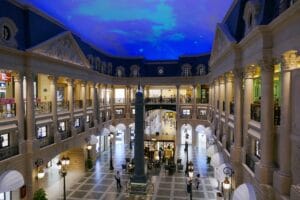
Although the resort is associated with gaming, visitors do not need to gamble to explore its public shopping, dining, and entertainment areas. Travelers should follow age restrictions and venue rules.
The Parisian Macao and Its Eiffel Tower Replica
The Parisian Macao is another major integrated resort and one of the most recognizable modern landmarks in the Cotai area. Its Eiffel Tower replica creates a distinctive skyline and provides a popular photography opportunity.
The resort combines French-inspired architectural details with shopping, restaurants, entertainment, and family attractions. The tower’s observation areas may offer views over Cotai and the surrounding resort district, subject to operating conditions and ticket arrangements.
The Parisian Macao is especially attractive after sunset, when the tower and surrounding buildings are illuminated. Visitors can combine it with The Venetian Macao, Londoner Macao, and other Cotai attractions.
The Londoner Macao: British-Inspired Entertainment
The Londoner Macao is a large resort complex designed around British-inspired architectural themes. Its exterior features recognizable references to London, while its interior includes shopping, restaurants, entertainment venues, and luxury accommodation.
The resort is popular among travelers who enjoy themed architecture and large-scale indoor attractions. Visitors can photograph the exterior, explore public spaces, dine in restaurants, and enjoy entertainment programs.
The Londoner Macao is part of the wider Cotai resort area, where several major properties are located close to one another. Travelers can explore multiple resorts in a single day, although the distances between indoor areas can be greater than they initially appear.
Wynn Palace and the Cotai Resort District
Wynn Palace is a luxury resort known for its elegant design, landscaped public areas, restaurants, shopping, entertainment, and large-scale decorative features. The resort is particularly notable for its water-related displays and visually impressive surroundings.
The Cotai district contains several integrated resorts, making it one of the best places to visit in Macau for luxury travel, entertainment, shopping, architecture, and nightlife. Visitors can explore the public areas of the resorts without necessarily staying overnight.
The district is especially lively after dark, when the buildings, fountains, signs, and decorative lighting create a spectacular urban landscape. Travelers interested in photography should consider visiting during the evening.
Studio City Macau: Family Entertainment and Modern Design
Studio City Macau is a modern resort complex with a distinctive film-inspired design. Its architecture and entertainment facilities make it a popular destination for families, couples, and visitors interested in contemporary attractions.
The resort may offer indoor entertainment, themed experiences, restaurants, shopping, and family-oriented activities. Travelers should check the official website for current attractions because programs and facilities can change.
Studio City is part of the Cotai entertainment district and can be visited together with other major resorts. It is particularly convenient during bad weather because many attractions are indoors.
Nam Van Lake and the Macau Waterfront
Nam Van Lake is one of the best places to visit in Macau for evening walks, photography, and city views. The waterfront provides a contrast between open public space and Macau’s dense skyline.
The area is particularly attractive after sunset, when nearby buildings and bridges are illuminated. Visitors can enjoy views of the Macau Tower and surrounding architecture while walking along the waterfront.
Nam Van Lake is also useful for travelers who want to take a break from busy shopping streets. It can be combined with Senado Square, the central historic district, and other nearby attractions.
Hac Sá Beach: A Relaxing Coastal Escape
Hac Sá Beach is one of the best places to visit in Macau for travelers who want to experience the city’s coastal side. Located in Coloane, the beach is known for its darker-colored sand, open shoreline, and more relaxed atmosphere.
The beach is suitable for walking, enjoying sea views, photography, and spending time outdoors. Conditions may vary depending on weather, tides, and maintenance activities. Visitors should check local information before swimming.
Hac Sá Beach is especially appealing to travelers who want to escape the busy resort district. It can be combined with Coloane Village, hiking routes, parks, and local restaurants.
Coloane Village: Macau’s Quietest Historic District
Coloane Village is one of the best places to visit in Macau for a slower and more traditional atmosphere. The village contains narrow streets, colorful buildings, small restaurants, historic religious sites, cafés, and waterfront areas.
Compared with the Macau Peninsula and Cotai, Coloane feels less crowded and more residential. Visitors can walk through the village, enjoy local food, photograph traditional architecture, and observe everyday life.
The village is also associated with the famous Portuguese-style egg tart, which has become one of Macau’s most popular food symbols. Travelers can visit bakeries and cafés to sample egg tarts, almond cookies, pork chop buns, and other local snacks.
Coloane Village is an excellent destination for travelers who want to combine cultural exploration with food and coastal scenery.
Chapel of St. Francis Xavier
The Chapel of St. Francis Xavier is an important religious landmark in Coloane Village. Its light-colored exterior and compact scale create a charming setting within the historic village.
The chapel is connected with Macau’s Catholic heritage and reflects the architectural character found in several older districts. Visitors can include it in a walking tour of Coloane Village, where other historic buildings, restaurants, and waterfront locations are nearby.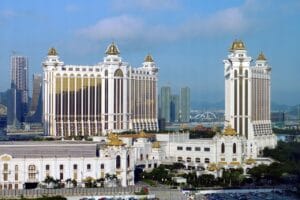
Travelers should respect the religious nature of the site and check whether interior access is available during their visit.
Seac Pai Van Park and Nature Areas
Seac Pai Van Park is a green recreational area in Coloane and a useful destination for travelers interested in nature, family activities, and outdoor spaces. The park provides a break from the urban environment and may include landscaped areas, walking routes, educational facilities, and attractions connected with nature.
The area is suitable for families and travelers who want to spend time outdoors. Visitors should check current operating arrangements for specific facilities and attractions.
Seac Pai Van and the wider Coloane area demonstrate that Macau is not only a city of historic buildings and modern resorts; it also contains green spaces and natural landscapes.
Macau Giant Panda Pavilion
The Macau Giant Panda Pavilion is a popular family attraction located in the Seac Pai Van area. It provides visitors with an opportunity to learn about giant pandas and conservation through animal viewing and educational information.
The pavilion is especially suitable for families with children. Visitors should follow all rules concerning noise, photography, feeding, and visitor movement because animal welfare is a priority.
The attraction can be combined with Seac Pai Van Park and other nature-related destinations in Coloane.
Coloane Hiking Trails
Coloane offers some of the best outdoor experiences in Macau. Its hiking trails provide opportunities to discover wooded areas, hills, coastal scenery, reservoirs, and quieter landscapes.
Hiking is particularly enjoyable during cooler months or early in the morning. Travelers should carry water, wear suitable footwear, and check weather conditions. Macau can be hot and humid, and heavy rain or typhoon-related conditions may affect outdoor activities.
The trails offer a different perspective on the destination and are ideal for visitors who want to balance sightseeing in historic districts with nature and exercise.
Guia Hill and Coloane Nature Compared
Guia Hill and Coloane offer two different types of green experiences. Guia Hill is located within the urban Macau Peninsula and provides elevated views over the city. Coloane offers more extensive natural scenery, coastal landscapes, and a slower environment.
Travelers with limited time may choose Guia Hill because it is convenient to central attractions. Visitors staying for several days should consider Coloane for a more relaxed outdoor experience.
Macau’s Famous Macanese Cuisine
Food is one of the most important reasons to visit Macau. Macanese cuisine reflects the city’s history of cultural exchange and combines Chinese ingredients and cooking techniques with Portuguese, Southeast Asian, and other influences.
Traditional Macanese dishes may include African chicken, minchi, Portuguese-style seafood, baked dishes, stews, and recipes using spices, coconut, curry, or preserved ingredients. The exact preparation varies between restaurants and families.
Macau is also famous for Portuguese egg tarts, pork chop buns, almond cookies, peanut candy, beef jerky, rice noodle dishes, and a wide range of Cantonese food. Travelers can find everything from casual street snacks to sophisticated restaurants in luxury resorts.
Food lovers should explore Taipa Village, Senado Square, Coloane Village, local markets, and traditional neighborhoods. It is worth trying both famous snacks and less widely known dishes because Macau’s culinary identity is broader than its most recognizable desserts.
Where to Try Macau Egg Tarts
Macau egg tarts are among the city’s most famous food products. They combine a crisp pastry shell with a rich, lightly caramelized custard filling. The style is influenced by Portuguese pastry traditions but has become strongly associated with Macau.
Visitors can find egg tarts in bakeries, cafés, food streets, and tourist districts. Coloane Village and Taipa are particularly associated with egg-tart culture, but travelers should also explore independent bakeries throughout the city.
Egg tarts are best enjoyed fresh. Travelers should be aware that popular shops may have queues, especially during weekends and holidays.
Best Shopping Areas in Macau
Macau offers several different shopping experiences. The historic center contains souvenir stores, traditional food shops, bakeries, pharmacies, and small local businesses. Taipa Village provides boutique shopping and cultural products, while Cotai’s integrated resorts contain luxury brands, fashion stores, jewelry shops, and international retailers.
Visitors interested in local products can look for almond cookies, tea, traditional snacks, Portuguese-style food products, handicrafts, and Macau-themed souvenirs. Travelers should compare prices and purchase from reputable stores.
The Macao Government Tourism Office also provides information about certified shops and tourism-quality programs that can help visitors make more informed shopping decisions.
Best Places to Visit in Macau at Night
Macau becomes especially attractive after sunset. Senado Square, the Ruins of St. Paul’s area, Nam Van Lake, Macau Tower, Cotai resorts, Taipa Village, and the waterfront can all offer memorable nighttime experiences.
The historic center is atmospheric when traditional façades and public squares are illuminated. Cotai is more dramatic, with large resorts, themed architecture, fountains, towers, and colorful lights. The waterfront provides a quieter alternative for travelers who prefer open space and city views.
Visitors should plan their evening according to their interests. Those seeking culture and photography may prefer the historic center, while travelers interested in entertainment, luxury shopping, and large-scale architecture may enjoy Cotai.
Best Time to Visit Macau
Macau can be visited throughout the year, but the most comfortable periods are often during the cooler months, particularly autumn, winter, and early spring. Temperatures are generally more suitable for walking during these seasons.
Spring can provide pleasant conditions, although rain and humidity may increase. Summer is hot, humid, and often rainy, but indoor attractions, museums, shopping centers, and resort entertainment make Macau practical even during difficult weather.
The period from May to November is associated with typhoon season. Travelers should monitor official weather information and transport announcements, especially when planning ferry journeys, outdoor activities, or visits to beaches and hiking trails. The Macao Government Tourism Office provides visitor guidance related to typhoon conditions.
Major public holidays and festival periods can create large crowds. Visitors should book accommodation early and allow additional time for transportation.
How Many Days Are Needed in Macau?
A one-day visit can cover Senado Square, the Ruins of St. Paul’s, Mount Fortress, St. Dominic’s Church, and several nearby historic attractions. However, this schedule can feel rushed, especially during busy periods.
Two days allow travelers to explore the historic center on the first day and visit Taipa, Cotai, or Coloane on the second day. This is a practical option for many visitors arriving from Hong Kong or nearby mainland cities.
Three days provide a more balanced experience. Travelers can include museums, A-Ma Temple, Macau Tower, Taipa Village, Cotai resorts, Coloane Village, Hac Sá Beach, and additional food experiences.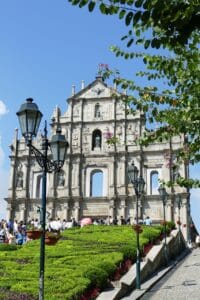
Visitors interested in family attractions, museums, shopping, hiking, or luxury resorts may prefer four or more days.
Suggested Three-Day Macau Itinerary
A three-day trip allows travelers to explore Macau more slowly. The first day can focus on the Historic Centre and museums. The second day can include Taipa Village, the Taipa Houses, Cotai resorts, and modern attractions such as teamLab SuperNature Macao or the Macau Tower.
The third day can be dedicated to A-Ma Temple, Barra, Coloane Village, Hac Sá Beach, Seac Pai Van, or hiking trails. Travelers who prefer shopping and luxury experiences can replace the outdoor activities with additional time in Cotai.
Conclusion
Macau is a destination of contrasts. Historic Chinese temples stand near Portuguese-influenced churches, quiet residential streets lead to lively food districts, and traditional villages exist alongside enormous modern resorts. The city’s appeal lies in this combination of cultural depth, architectural variety, culinary creativity, entertainment, and coastal scenery.
The best places to visit in Macau, China include the iconic Ruins of St. Paul’s, Senado Square, Mount Fortress, A-Ma Temple, the Macau Museum, Taipa Village, Coloane Village, Hac Sá Beach, Macau Tower, and the modern resorts of Cotai. Each area offers a different perspective on Macau.
Macao Government Tourism Office
Official Macao Tourism Events Calendar
Official Macao Tourism Brochures and Travel Guides
Author

Related posts
Best Places to Visit in Dinant
- 0
- 4,895 words
Best Places to Visit in Dinant, Belgium Dinant is one of the most beautiful small towns in Belgium and one of the...
Read out all
Best Places to Visit in Mont-Saint-Michel
- 0
- 4,974 words
Best Places to Visit in Mont-Saint-Michel , France Mont-Saint-Michel is one of the most extraordinary destinations in France and one of the...
Read out all
UNGA
- 0
- 5,649 words
UNGA (United Nations General Assembly ) The United Nations General Assembly, commonly known as the UN General Assembly or UNGA, is one...
Read out all
Best Places to Visit in Kathmandu
- 0
- 4,089 words
Best Places to Visit in Kathmandu , Nepal Kathmandu, the capital of Nepal, is one of South Asia’s most fascinating travel destinations....
Read out all
Best Places to Visit in Vilnius
- 0
- 5,246 words
Best Places to Visit in Vilnius , Lithuania Vilnius, the capital of Lithuania, is one of the most fascinating destinations in the...
Read out all
Best Places to Visit in Riga
- 0
- 6,005 words
Best Places to Visit in Riga , Latvia Riga, the capital of Latvia, is one of the most fascinating destinations in the...
Read out all