

Best Places to Visit in Kyoto , Japan
Kyoto is a city where Japan’s past and present exist side by side. Modern railway stations, department stores, cafés, restaurants, and contemporary museums operate alongside centuries-old Buddhist temples, Shinto shrines, imperial residences, traditional wooden houses, and carefully maintained Japanese gardens. For many international visitors, Kyoto represents the cultural heart of Japan because it preserves many of the artistic, architectural, spiritual, and culinary traditions associated with the country.
The city is especially attractive to travelers who enjoy history, architecture, photography, nature, food, and cultural experiences. Kyoto is beautiful throughout the year, but each season creates a different atmosphere. Spring brings cherry blossoms, summer produces vibrant greenery and traditional festivals, autumn fills the mountains and temple gardens with colorful foliage, and winter offers quiet streets, misty landscapes, occasional snow, and peaceful temple visits.
Kyoto is also an excellent destination for different types of travelers. Couples can explore romantic streets and riverside neighborhoods, families can visit museums and interactive attractions, solo travelers can enjoy quiet gardens and cafés, and history lovers can spend days discovering temples, shrines, castles, and former imperial sites. Although many of Kyoto’s most famous attractions are concentrated in a few areas, the city extends into forested mountains, rural villages, tea-growing districts, and scenic valleys.
Why Kyoto Is One of Japan’s Best Travel Destinations
Kyoto is one of the best places to visit in Japan because it offers an unusually rich combination of cultural attractions within a relatively accessible urban area. Visitors can admire traditional architecture in the morning, walk through a bamboo forest in the afternoon, enjoy a tea ceremony later in the day, and have a memorable Japanese dinner in a historic district at night.
The city is known for its Buddhist temples and Shinto shrines, but Kyoto offers much more than religious buildings. Travelers can discover the former residence of the emperor, explore the impressive grounds of Nijo Castle, shop for traditional crafts, visit art museums, sample Kyoto-style sweets, enjoy seasonal festivals, walk along the Kamogawa River, and travel to nearby destinations such as Uji, Ohara, and Fushimi.
Kyoto is also famous for its gardens. Japanese garden design often emphasizes balance, simplicity, seasonal change, water, stones, moss, trees, and carefully framed views. Some gardens are designed for quiet contemplation, while others invite visitors to walk through changing landscapes. These gardens make Kyoto especially appealing to travelers looking for peaceful experiences away from busy city streets.
Kiyomizu-dera Temple: One of Kyoto’s Most Famous Attractions
Kiyomizu-dera is one of the most famous places to visit in Kyoto and a major landmark for first-time travelers. Located on the eastern hills of the city, the temple is celebrated for its wooden stage, traditional architecture, panoramic views, and spiritual atmosphere. The temple’s name is often translated as “Pure Water Temple,” referring to the clear spring associated with the site.
The most recognizable feature of Kiyomizu-dera is its large wooden stage, which extends from the hillside and offers views across Kyoto. The structure is supported by traditional wooden construction, and the surrounding trees create a spectacular setting during spring and autumn. From the temple grounds, visitors can look toward the city and appreciate how Kyoto’s historic districts blend into the wider urban landscape.
Fushimi Inari Taisha: The Famous Red Torii Gates
Fushimi Inari Taisha is one of the best places to visit in Kyoto for photography, walking, and cultural discovery. The shrine is famous for its thousands of bright vermilion torii gates, which form pathways up Mount Inari. These gates are among the most recognizable images of Japan and attract visitors from around the world.
Fushimi Inari is dedicated to Inari, a Shinto deity traditionally associated with rice, agriculture, business, prosperity, and commerce. Foxes are commonly connected with Inari traditions and can be seen in statues around the shrine because they are regarded as messengers of the deity.
The lower part of the shrine complex is usually the busiest area. Visitors often begin by passing through the main shrine grounds before entering the torii gate pathways. As the trail rises into the forest, the crowds gradually become thinner. The complete mountain walk can take several hours, depending on pace and stops, but travelers who have limited time can explore part of the route and still enjoy the atmosphere.
Kinkaku-ji: The Golden Pavilion
Kinkaku-ji, also known as the Golden Pavilion, is another essential attraction in Kyoto. The temple is famous for its gold-covered upper levels, which reflect beautifully in the surrounding pond. The combination of golden architecture, water, trees, stones, and carefully designed landscape makes Kinkaku-ji one of the most photographed places in Japan.
The present structure is a reconstruction of the original pavilion, but it preserves the visual character for which the site is famous. The pavilion is associated with Zen Buddhism and forms part of a larger temple complex. Visitors generally follow a designated route through the grounds, allowing them to view the pavilion from different angles while exploring the surrounding gardens.
Kinkaku-ji is especially attractive during autumn, when red, orange, and yellow leaves contrast with the bright gold of the building. In winter, a light covering of snow can create an extraordinary scene, although snowy conditions are not guaranteed. Spring and summer offer lush greenery and reflections on the pond.
The temple can become extremely crowded, particularly in the middle of the day. Visitors should expect a structured sightseeing route rather than an opportunity to enter every part of the pavilion. The surrounding area also contains other temples, gardens, cafés, and traditional shops, making it possible to combine Kinkaku-ji with additional attractions in northern Kyoto.
Ginkaku-ji: The Silver Pavilion
Ginkaku-ji is commonly called the Silver Pavilion, although the building itself is not covered in silver. Its understated appearance reflects a different aesthetic from the brilliant decoration of Kinkaku-ji. Ginkaku-ji is admired for its simplicity, refined proportions, moss gardens, sand formations, and quiet atmosphere.
The temple is closely associated with the development of Higashiyama culture, which influenced Japanese arts such as tea ceremony, flower arrangement, garden design, architecture, and traditional aesthetics. Its gardens include carefully arranged sand features, ponds, moss, trees, and walking paths.
One of the most enjoyable aspects of visiting Ginkaku-ji is the garden route. The path leads visitors through different landscapes, including a dry sand garden and a lush moss-covered area. A higher section of the garden offers views over the temple grounds and toward Kyoto.
Ginkaku-ji is also the northern starting point of the famous Philosopher’s Path. Visitors can combine a visit to the temple with a gentle walk along the canal toward Nanzen-ji and other eastern Kyoto attractions. This makes Ginkaku-ji an excellent choice for travelers interested in gardens, architecture, walking, and traditional Japanese culture.
The Philosopher’s Path: A Peaceful Kyoto Walking Route
The Philosopher’s Path is one of the best places to visit in Kyoto for travelers who enjoy scenic walks, photography, and peaceful urban landscapes. The path follows a canal in the northern Higashiyama area and connects several important temples, shrines, gardens, cafés, and small shops.
The route is particularly famous during cherry blossom season, when trees along the canal create a soft canopy of pale pink flowers. The blossoms may attract large crowds, but the path remains beautiful throughout the year. In summer, the area is green and shaded; in autumn, colorful leaves line the water; and in winter, the quieter atmosphere allows visitors to appreciate the architecture and natural scenery.
The Philosopher’s Path is not simply a sightseeing road. It is an opportunity to slow down and observe everyday Kyoto. Small residential lanes branch away from the canal, and visitors may discover independent cafés, craft stores, galleries, and traditional houses. Travelers should remain considerate of residents and avoid blocking narrow streets or entering private property.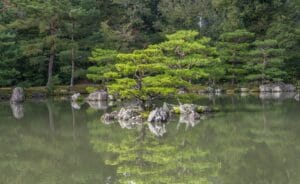
A visit to the Philosopher’s Path can be combined with Ginkaku-ji, Honen-in, Eikan-do, Nanzen-ji, and other eastern Kyoto attractions. The route is flexible, so visitors can walk for a short time or spend several hours exploring nearby temples and gardens.
Arashiyama Bamboo Grove: A Scenic Natural Landmark
The Arashiyama Bamboo Grove is one of the most popular places to visit in Kyoto and one of the city’s most recognizable natural attractions. Tall bamboo stalks rise on both sides of the walking paths, creating a green corridor that feels very different from the surrounding city.
The bamboo forest is particularly atmospheric when sunlight filters through the tall stalks and creates patterns of light and shadow. Wind moving through the bamboo can also produce a distinctive sound. However, the grove is often busy, and visitors should not expect complete silence or solitude during peak hours.
The best way to enjoy the bamboo grove is to arrive early and combine it with other attractions in Arashiyama. The area includes Tenryu-ji Temple, Togetsukyo Bridge, the scenic riverside, traditional streets, gardens, small restaurants, and several lesser-known temples.
Visitors should stay on marked paths, avoid climbing or damaging the bamboo, and respect other travelers who are taking photographs. Because Arashiyama is a residential and cultural district, responsible tourism is especially important.
Tenryu-ji Temple: Zen Gardens and Mountain Views
Tenryu-ji is one of the most important temples in Arashiyama and a major destination for visitors interested in Zen Buddhism and Japanese garden design. The temple is recognized for its historic importance, elegant buildings, and beautiful garden views toward the surrounding mountains.
The garden is one of Tenryu-ji’s main attractions. It incorporates a pond, rocks, trees, bridges, moss, and distant mountain scenery into a carefully balanced composition. Unlike a small dry Zen garden, this landscape encourages visitors to walk and observe the changing views from different positions.
Tenryu-ji is particularly beautiful during autumn, when the garden’s trees become colorful. Spring also provides attractive scenery, while summer creates a lush green environment. The temple can be visited together with the Arashiyama Bamboo Grove because the two attractions are located close to one another.
A visit to Tenryu-ji offers more than photography. It provides an introduction to the relationship between Japanese religious architecture, landscape design, seasonal change, and contemplative practice.
Togetsukyo Bridge and the Katsura River
Togetsukyo Bridge is one of the most scenic places to visit in Kyoto, especially for travelers exploring Arashiyama. The bridge crosses the Katsura River and provides beautiful views of the surrounding hills, water, trees, and traditional buildings.
The scenery changes significantly with the seasons. In spring, cherry blossoms decorate the riverbanks. Summer brings green mountains and lively riverside activity. Autumn is one of the most attractive periods because the hills become covered in red, orange, and gold foliage. Winter offers a quieter atmosphere and occasional mist or snow.
The bridge area is ideal for a relaxed walk. Visitors can enjoy the river, explore nearby streets, stop at cafés, or take photographs from the riverbanks. Traditional boats and other recreational activities may be available depending on the season and weather.
Togetsukyo Bridge is also a useful starting point for exploring the wider Arashiyama area. Travelers can walk toward Tenryu-ji, the bamboo grove, riverside parks, and smaller temples. The district is popular, so early morning visits are recommended for a more comfortable experience.
Nijo Castle: Kyoto’s Historic Feudal Landmark
Nijo Castle is one of the best places to visit in Kyoto for history and architecture. Built in the early seventeenth century, the castle is associated with Tokugawa Ieyasu and the political history of Japan’s shogunate period. Unlike many European castles, Nijo Castle is not primarily defined by a massive stone fortress. Instead, it is known for its elegant wooden palaces, gardens, gates, defensive walls, and historical significance.
The Ninomaru Palace is one of the castle’s most important features. Its interiors include sliding doors decorated with traditional paintings, tatami rooms, wooden corridors, and carefully arranged spaces that reflect the hierarchy and ceremonies of the shogunate era. The famous “nightingale floors” were designed to make sounds when walked upon, helping alert residents to movement within the palace.
The castle grounds contain gardens with ponds, stones, pine trees, bridges, and seasonal flowers. Visitors can spend time exploring the palace areas and then walk through the landscaped grounds. Cherry blossoms, plum blossoms, and autumn colors can make the gardens particularly attractive.
Nijo Castle is a valuable destination for travelers who want to understand Kyoto’s political history beyond temples and shrines. It also provides an opportunity to appreciate traditional Japanese architecture and the relationship between buildings, gardens, and ceremonial spaces.
Kyoto Imperial Palace: The Former Center of Imperial Life
Kyoto Imperial Palace is another important historic attraction in the city. Kyoto served as Japan’s imperial capital for many centuries, and the palace complex reflects the importance of the imperial court, traditional ceremonies, architecture, and garden design.
The palace grounds are spacious and include broad paths, mature trees, historic buildings, gates, gravel areas, and landscaped gardens. The architecture emphasizes wooden structures, tiled roofs, sliding doors, tatami interiors, and formal spaces used for imperial activities.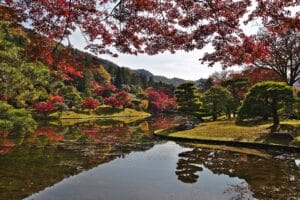
The surrounding Kyoto Gyoen National Garden provides a large green area in the center of the city. It is popular with residents and visitors who want to walk, relax, enjoy seasonal flowers, or escape busy commercial streets. The garden is especially attractive during cherry blossom season and in autumn.
A visit to the Kyoto Imperial Palace is ideal for travelers interested in Japanese history, traditional architecture, imperial culture, and spacious urban parks. Because access arrangements and visiting rules may change, visitors should consult official information before planning their visit.
Gion: Kyoto’s Traditional Geisha District
Gion is one of the most atmospheric neighborhoods in Kyoto and one of the best places to visit for traditional streetscapes, historic architecture, cultural experiences, and evening walks. The district is known for wooden townhouses, narrow lanes, tea houses, restaurants, and traditional entertainment.
Hanamikoji Street is among Gion’s best-known streets. Its traditional buildings and carefully maintained appearance create a strong sense of historic Kyoto. Visitors may see people dressed in kimono, but they should remember that not everyone in traditional clothing is a geisha or maiko. Many visitors rent kimono for cultural experiences and photography.
Gion is associated with geiko and maiko culture. These traditional performers train in music, dance, conversation, and other forms of Japanese arts. Visitors may attend authorized cultural performances or demonstrations, but should avoid treating performers as public attractions. Photographing people without permission, following them, blocking narrow streets, or entering private areas is disrespectful and may be prohibited.
Gion is particularly attractive in the late afternoon and evening, when lanterns illuminate the streets and restaurants begin welcoming guests. Travelers should explore quietly, respect private property, and follow local tourism guidelines.
Yasaka Shrine: A Lively Shinto Shrine in Higashiyama
Yasaka Shrine is located near Gion and is one of Kyoto’s most accessible and important Shinto shrines. Its bright gates, lanterns, open grounds, and central location make it a popular stop for visitors exploring eastern Kyoto.
The shrine is strongly associated with the Gion Matsuri, one of Japan’s most famous traditional festivals. The festival has a long history and includes elaborate floats, ceremonies, processions, and community traditions. Although the major festival events take place during July, the shrine remains an interesting destination throughout the year.
Yasaka Shrine is especially atmospheric in the evening, when lanterns illuminate the grounds. Visitors can combine it with walks through Gion, Maruyama Park, Chion-in, Kodai-ji, and the historic streets around Ninen-zaka and Sannen-zaka.
As with other religious sites, travelers should observe local customs. Visitors should avoid loud behavior, follow instructions, and show respect during prayers and ceremonies.
Maruyama Park: A Favorite Cherry Blossom Destination
Maruyama Park is one of the best places to visit in Kyoto during spring. Located beside Yasaka Shrine, the park is famous for its large weeping cherry tree and lively seasonal atmosphere. During cherry blossom season, residents and visitors gather in the park to enjoy the flowers, take photographs, and experience traditional spring celebrations.
The park is attractive beyond spring as well. Its paths, ponds, trees, bridges, and open spaces provide a pleasant break from the busy streets of Gion. In summer, the greenery offers shade, while autumn brings changing leaves and a calmer atmosphere.
Maruyama Park is an excellent place to include in a walking itinerary through eastern Kyoto. Visitors can begin at Yasaka Shrine, continue through the park, explore Chion-in and Kodai-ji, and finish near the historic streets leading toward Kiyomizu-dera.
Chion-in Temple: Grand Gates and Religious Heritage
Chion-in is a major Buddhist temple complex in Kyoto and an impressive destination for visitors interested in religious architecture and history. The temple is associated with the Jodo school of Buddhism and is known for its large gates, spacious grounds, monumental stairways, and traditional buildings.
The Sanmon Gate is one of the most impressive features of Chion-in. Its scale and architectural details create a powerful first impression. The temple grounds include halls, gardens, pathways, and elevated areas that provide views of the surrounding district.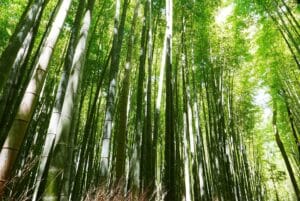
Chion-in can be visited together with Maruyama Park, Yasaka Shrine, and other Higashiyama attractions. The temple grounds may involve stairs and uneven surfaces, so comfortable shoes are recommended.
Kodai-ji Temple: Gardens, Bamboo, and Night Illuminations
Kodai-ji is a beautiful temple in the Higashiyama district, known for its gardens, traditional buildings, bamboo grove, and seasonal illumination events. It is one of the best places to visit in Kyoto for travelers who enjoy a combination of history, landscape design, and evening scenery.
The temple’s gardens include ponds, bridges, moss, trees, stone arrangements, and carefully framed views. The grounds are particularly attractive during autumn, when colorful foliage reflects in the water. Special nighttime illuminations may be organized during certain seasons, creating a different experience from daytime sightseeing.
Kodai-ji is located near Ninen-zaka, Sannen-zaka, Yasaka Shrine, and other historic streets. It can easily be included in a walking tour of eastern Kyoto.
Nanzen-ji Temple: A Peaceful Temple Complex
Nanzen-ji is one of Kyoto’s most respected Zen temples and a rewarding destination for travelers seeking architecture, gardens, and a quieter atmosphere. The temple complex includes large gates, traditional halls, subtemples, stone pathways, and gardens.
One of Nanzen-ji’s distinctive features is the brick aqueduct that passes through the temple grounds. The structure reflects a later period of infrastructure development and creates an unusual contrast with the surrounding traditional architecture.
Nanzen-ji is also an excellent starting point for exploring nearby gardens and the southern section of the Philosopher’s Path. Visitors can combine the temple with Eikan-do, Heian-jingu, and other eastern Kyoto attractions.
Eikan-do Temple: A Spectacular Autumn Destination
Eikan-do is especially famous for its autumn foliage and is often considered one of the best places to visit in Kyoto during the fall season. The temple complex includes traditional buildings, ponds, bridges, gardens, stone paths, and numerous maple trees.
During autumn, the temple grounds become a vivid mixture of red, orange, yellow, and green. Reflections in the ponds can create extraordinary photographic views. Seasonal evening illuminations may also be held, although schedules vary from year to year.
Eikan-do is popular during peak foliage season, so visitors should plan carefully and check official information for opening arrangements. The temple is located near Nanzen-ji and the Philosopher’s Path, making it convenient for a full day of eastern Kyoto sightseeing.
Heian-jingu Shrine: A Grand Vermilion Landmark
Heian-jingu is one of Kyoto’s most visually striking shrines. Its large vermilion gates, spacious courtyard, white gravel, green roofs, and expansive gardens create a dramatic architectural setting.
The shrine was established to commemorate Kyoto’s historical connection with the imperial capital. Its design draws inspiration from the ancient imperial city and features a strong sense of symmetry and scale.
The gardens behind the main shrine buildings are particularly attractive. They include ponds, bridges, walking paths, seasonal flowers, and landscaped areas. In spring, weeping cherry trees are among the main highlights.
Heian-jingu is located in the Okazaki area, which also includes museums, cultural institutions, parks, and other attractions. It is a good destination for travelers interested in architecture, gardens, history, and photography.
Nishiki Market: Kyoto’s Famous Food and Shopping Street
Nishiki Market is one of the best places to visit in Kyoto for food lovers. Often described as “Kyoto’s kitchen,” the market is a covered shopping street filled with food stalls, specialty shops, pickles, sweets, seafood, tofu products, tea, spices, kitchenware, and traditional ingredients.
The market offers visitors an opportunity to discover Kyoto’s culinary culture. Travelers can observe ingredients used in Japanese cooking, sample local snacks, purchase edible souvenirs, and learn about regional food traditions. Kyoto is particularly famous for dishes involving seasonal vegetables, tofu, yuba, pickles, green tea, and delicate sweets.
Nishiki Market can become crowded, especially during weekends and holidays. Visitors should avoid eating while walking unless the shop specifically permits it. It is better to consume food near the place where it was purchased and to follow market rules regarding waste and photography.
The market is located near central Kyoto shopping streets, making it easy to combine with Shijo, Teramachi, Shinkyogoku, and the Kamogawa River.
Pontocho Alley: Traditional Dining Beside the River
Pontocho is one of Kyoto’s most famous dining and entertainment areas. The narrow alley is lined with traditional buildings, restaurants, bars, and establishments offering different styles of Japanese cuisine.
Pontocho is particularly atmospheric in the evening, when lanterns and softly illuminated entrances create a traditional setting. Some restaurants offer views toward the Kamogawa River, especially during the warmer months when seasonal riverside dining platforms may be available.
Dining in Pontocho can range from casual restaurants to sophisticated establishments. Visitors should research menus and prices before entering because some venues are designed for special occasions and may be expensive.
The alley is narrow, and visitors should walk quietly, avoid blocking entrances, and respect the privacy of people dining or working in the area.
The Kamogawa River: A Relaxing Place to Walk
The Kamogawa River is one of Kyoto’s most important natural and recreational features. Its riverbanks provide space for walking, cycling, sitting, photography, and observing everyday life in the city.
The river is especially pleasant during early morning and late afternoon. Residents often use the paths for exercise, while visitors enjoy the views of bridges, birds, trees, and surrounding neighborhoods. During spring, cherry blossoms may decorate parts of the riverbanks, while summer evenings create a lively atmosphere.
A walk along the Kamogawa River can connect several Kyoto neighborhoods. Visitors can explore central Kyoto, Pontocho, Gion, Demachiyanagi, and other areas by following sections of the river.
Kyoto Station and the Modern Side of Kyoto
Kyoto Station is more than a transportation hub. Its enormous modern structure includes shopping areas, restaurants, observation spaces, hotels, cultural facilities, and convenient connections to other parts of the city.
The station’s architecture offers a contrast to Kyoto’s traditional temples and wooden streets. Visitors can enjoy views from elevated areas, explore shops, purchase travel necessities, and sample Japanese food before taking a train or bus.
The area around Kyoto Station also contains several important attractions, including Higashi Hongan-ji Temple, Nishi Hongwan-ji Temple, To-ji Temple, Kyoto Tower, the Kyoto Railway Museum, and the Kyoto National Museum.
Kyoto Station is particularly useful for travelers arriving by Shinkansen or using Kyoto as a base for day trips to Osaka, Nara, Himeji, Uji, and other destinations.
To-ji Temple: A Historic Pagoda Near Kyoto Station
To-ji Temple is famous for its five-story pagoda, which is one of Kyoto’s most recognizable architectural landmarks. The temple has a long history and is associated with esoteric Buddhist traditions.
The pagoda is especially attractive when framed by seasonal trees or viewed from the temple grounds. To-ji also hosts a well-known flea market on selected days, when visitors can browse antiques, crafts, clothing, ceramics, food, and other goods.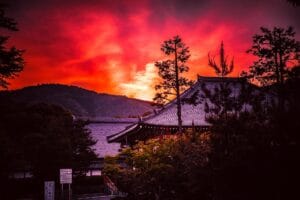
The temple is conveniently located near Kyoto Station, making it a practical attraction for travelers with limited time. It is also a good place to experience a historic temple without traveling far from the city’s main transportation center.
Sanjusangen-do Temple: Thousands of Buddhist Statues
Sanjusangen-do is a remarkable temple known for its long wooden hall and large collection of Buddhist statues. The interior contains rows of statues that create a powerful visual experience.
The temple is especially interesting for visitors who want to learn about Buddhist art, sculpture, religious history, and traditional wooden architecture. The long hall itself is an impressive example of historic Japanese construction.
Photography rules inside the main hall may be strict, so visitors should follow instructions. Sanjusangen-do is located near the Kyoto National Museum and other attractions around Kyoto Station, making it suitable for a cultural sightseeing day.
Kyoto National Museum: Japanese Art and History
The Kyoto National Museum is one of the best places to visit in Kyoto for travelers interested in art, history, archaeology, and traditional Japanese culture. Its collections and exhibitions may include paintings, sculptures, ceramics, textiles, calligraphy, religious objects, and other cultural treasures.
The museum provides important context for understanding the artistic traditions seen in Kyoto’s temples, shrines, palaces, and craft shops. Temporary exhibitions can be particularly valuable, although their subjects and schedules change.
Visitors should check the museum’s official website before traveling because opening days, admission arrangements, and exhibition schedules may vary.
Kyoto Railway Museum: A Family-Friendly Attraction
The Kyoto Railway Museum is an excellent destination for families, railway enthusiasts, and travelers interested in Japanese technology. The museum presents the history and development of rail transportation in Japan through locomotives, passenger cars, interactive exhibits, models, and educational displays.
Children can learn about railway operations, engineering, transportation history, and the importance of trains in Japanese society. The museum is also attractive to adults because Japan’s railway system is a major part of the country’s infrastructure and culture.
The museum is located near Kyoto Station and Umekoji Park, making it easy to combine with other family-friendly attractions.
Kyoto Aquarium: An Educational Experience for Families
Kyoto Aquarium offers visitors an opportunity to learn about aquatic life and the relationship between rivers, oceans, and local ecosystems. It is especially useful for families looking for an indoor attraction or a break from temple sightseeing.
The aquarium presents marine and freshwater species, educational displays, and exhibits connected with the natural environment. It can be a good choice during rainy weather, hot summer afternoons, or winter days.
The aquarium is located near Kyoto Station and the Umekoji area, where visitors can also explore parks, museums, and railway-related attractions.
Kyoto International Manga Museum
The Kyoto International Manga Museum is one of the best places to visit in Kyoto for travelers interested in Japanese popular culture, illustration, storytelling, and contemporary art. The museum explores manga as both an entertainment form and a cultural medium.
Visitors can discover collections, exhibitions, historical information, and reading areas. The museum is suitable for manga fans as well as people who want to understand how manga developed and influenced global popular culture.
Because exhibitions and programs change, travelers should check the official website for current details.
Kyoto Gyoen National Garden: A Green Space in the City
Kyoto Gyoen National Garden surrounds the Kyoto Imperial Palace and provides one of the city’s largest central green spaces. The garden includes broad paths, mature trees, open lawns, historic landscapes, and seasonal flowers.
It is a good place to rest between sightseeing activities. Visitors can walk through the grounds, enjoy a picnic where permitted, photograph trees and flowers, or simply experience a quieter side of central Kyoto.
The garden is particularly attractive during spring, when cherry blossoms and plum blossoms appear, and during autumn, when the trees change color.
Fushimi Sake District: Traditional Japanese Brewing Culture
Fushimi is one of Japan’s most important sake-producing areas and a fascinating destination for travelers interested in food, beverages, history, and traditional industries. The district is known for its water sources, historic breweries, canals, warehouses, and sake-related museums.
Visitors can learn about the brewing process, discover the role of water in sake production, and explore shops offering regional products. Some facilities provide tastings or educational experiences, but travelers should check age restrictions and participation rules.
Fushimi can easily be combined with Fushimi Inari Taisha, although the two attractions require separate visits because they are located in different parts of the district.
Where to Stay in Kyoto
The best area to stay depends on the traveler’s interests and budget. Kyoto Station is convenient for transportation, day trips, and visitors arriving by Shinkansen. Central Kyoto is useful for shopping, restaurants, markets, and access to the subway.
Higashiyama and Gion are attractive for travelers who want traditional streets, historic buildings, and an atmospheric setting. Arashiyama is suitable for visitors who prefer a scenic neighborhood and plan to spend significant time in the western part of the city.
Visitors seeking a traditional Japanese accommodation experience may consider a ryokan. A ryokan can provide tatami rooms, futon bedding, Japanese-style hospitality, and sometimes traditional meals. Prices and services vary considerably, so travelers should research carefully before booking.
Kyoto Food and Culinary Experiences
Kyoto is one of Japan’s most exciting food destinations. The city is known for kaiseki cuisine, tofu, yuba, seasonal vegetables, Kyoto-style pickles, wagashi sweets, matcha tea, soba, udon, sushi, and traditional Japanese confectionery.
Kaiseki is a refined multi-course dining style that emphasizes seasonality, presentation, balance, and carefully selected ingredients. It can be expensive, but it offers a memorable introduction to Kyoto’s culinary traditions.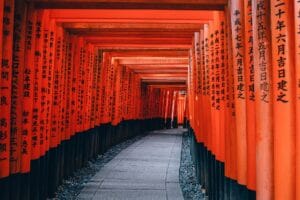
Tea culture is also central to the Kyoto experience. Visitors can enjoy matcha in traditional tea houses, visit tea shops, participate in tea ceremonies, or travel to Uji to learn more about Japanese green tea.
Food markets, department-store food halls, local restaurants, and small cafés provide options for different budgets. Travelers should research dietary requirements in advance because some traditional dishes may contain fish stock, seafood, soy, or other ingredients.
Photography Tips for Kyoto
Kyoto offers excellent photography opportunities, but popular locations can be crowded. Early morning is often the best time to photograph Fushimi Inari, the Arashiyama Bamboo Grove, Kiyomizu-dera, and traditional streets.
Soft light is especially attractive around temples, gardens, canals, and wooden neighborhoods. Autumn foliage and spring blossoms are highly photogenic, but travelers should avoid standing in restricted areas or damaging plants while taking pictures.
Photography rules differ between temples, shrines, museums, and private businesses. Visitors should follow signs and ask permission when photographing people, performers, shop interiors, or private spaces.
Budget Planning for a Kyoto Trip
Kyoto can accommodate different travel budgets. Budget travelers can stay in hostels, business hotels, guesthouses, or affordable accommodation near transport stations. They can also enjoy inexpensive meals from convenience stores, casual restaurants, noodle shops, markets, and food courts.
Mid-range travelers may choose comfortable hotels, traditional guesthouses, and restaurants offering regional specialties. Luxury travelers can stay in high-end hotels or ryokan and enjoy kaiseki dining, private cultural experiences, and guided tours.
Transportation costs depend on how frequently travelers use trains and buses. Some attractions charge admission, while others, including certain shrines and public areas, may be free. Visitors should plan for seasonal price changes, special exhibitions, and optional experiences.
Suggested Three-Day Kyoto Itinerary
A practical first day can focus on eastern Kyoto. Travelers may begin at Kiyomizu-dera, walk through Ninen-zaka and Sannen-zaka, explore Kodai-ji, visit Yasaka Shrine, and continue through Gion. This route combines temples, historic streets, traditional shops, and cultural scenery.
The second day can be dedicated to western Kyoto. Visitors may explore Arashiyama Bamboo Grove, Tenryu-ji, Togetsukyo Bridge, and nearby temples. Starting early is strongly recommended because Arashiyama is one of Kyoto’s busiest sightseeing areas.
The third day can focus on Fushimi Inari, central Kyoto, and Nijo Castle. Travelers can visit Fushimi Inari in the morning, explore Nishiki Market and central shopping streets later, and finish with Nijo Castle or a walk beside the Kamogawa River.
Travelers with additional time can include Kinkaku-ji, Ryoan-ji, Ginkaku-ji, the Philosopher’s Path, Kyoto Imperial Palace, Uji, Ohara, or a tea ceremony.
Conclusion
Kyoto is a destination that rewards patience and curiosity. Its most famous attractions, such as Kiyomizu-dera, Fushimi Inari Taisha, Kinkaku-ji, Ginkaku-ji, and Arashiyama Bamboo Grove, deserve their popularity, but the city’s deeper appeal comes from exploring beyond the main landmarks.
A quiet temple garden, a small tea shop, a traditional street at dusk, a walk beside the Kamogawa River, a local market, or a rural excursion to Ohara can become just as memorable as the city’s iconic attractions. Kyoto is not simply a collection of tourist sites; it is a living cultural environment shaped by history, religion, art, food, nature, and everyday community life.
Author

Related posts
Best Places to Visit in Dinant
- 0
- 4,895 words
Best Places to Visit in Dinant, Belgium Dinant is one of the most beautiful small towns in Belgium and one of the...
Read out all
Best Places to Visit in Mont-Saint-Michel
- 0
- 4,974 words
Best Places to Visit in Mont-Saint-Michel , France Mont-Saint-Michel is one of the most extraordinary destinations in France and one of the...
Read out all
UNGA
- 0
- 5,649 words
UNGA (United Nations General Assembly ) The United Nations General Assembly, commonly known as the UN General Assembly or UNGA, is one...
Read out all
Best Places to Visit in Kathmandu
- 0
- 4,089 words
Best Places to Visit in Kathmandu , Nepal Kathmandu, the capital of Nepal, is one of South Asia’s most fascinating travel destinations....
Read out all
Best Places to Visit in Vilnius
- 0
- 5,246 words
Best Places to Visit in Vilnius , Lithuania Vilnius, the capital of Lithuania, is one of the most fascinating destinations in the...
Read out all
Best Places to Visit in Riga
- 0
- 6,005 words
Best Places to Visit in Riga , Latvia Riga, the capital of Latvia, is one of the most fascinating destinations in the...
Read out all