

Best Places to Visit in Munich , Germany
Munich is one of Germany’s most attractive and culturally fascinating cities, combining Bavarian traditions, magnificent architecture, world-class museums, historic squares, elegant shopping streets, beautiful parks and a lively food and beer culture. As the capital of Bavaria, Munich offers travellers a distinctive experience that feels both sophisticated and welcoming. Visitors searching for the best places to visit in Munich will discover a city where medieval history, royal heritage, modern technology and outdoor recreation exist side by side.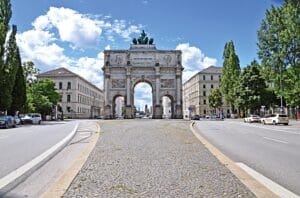
Munich is particularly famous for its historic city centre, Marienplatz, the New Town Hall, the Frauenkirche, the Munich Residenz, the English Garden, Viktualienmarkt and Hofbräuhaus. At the same time, the city has developed into an important destination for art, science, automobiles, football and contemporary culture. Germany Travel describes Munich as a city where lifestyle, culture, parks, museums, beer gardens and major attractions come together, with the English Garden, Deutsches Museum, Pinakothek museums, BMW Museum and Allianz Arena among its major attractions.
Munich is also an excellent base for exploring Bavaria. The surrounding region includes Alpine landscapes, lakes, castles, historic towns and scenic countryside. Germany Travel describes Bavaria as a region of mountains, lakes, forests, palaces, medieval towns and cultural attractions, making Munich an excellent starting point for exploring southern Germany.
Why Munich Is One of Germany’s Best Cities to Visit
Munich has a rare ability to appeal to different types of travellers. History lovers can explore royal palaces and centuries-old churches, art enthusiasts can spend days visiting major museums, families can enjoy parks and interactive attractions, football fans can visit Allianz Arena, and food lovers can explore Bavarian restaurants, markets and beer gardens.
The city also has a relaxed quality that distinguishes it from some other European capitals. Munich has an impressive metropolitan economy and international reputation, but visitors can still sit beside the Isar River, walk through the English Garden or enjoy a traditional beer garden in the afternoon. Germany Travel describes Munich as simultaneously lively and tranquil, with a strong lifestyle culture built around parks, food, shopping, museums and social spaces.
Marienplatz: The Heart of Munich
Marienplatz is the natural starting point for any Munich sightseeing itinerary. Located in the heart of the Old Town, this historic square is surrounded by magnificent architecture, restaurants, shops and some of Munich’s most important landmarks.
The square has been central to Munich life for centuries and remains one of the busiest meeting places in the city. Visitors can stand in the centre of Marienplatz and immediately see the New Town Hall, Old Town Hall and Frauenkirche nearby.
For first-time visitors, Marienplatz provides an excellent introduction to Munich because several major attractions can be explored within walking distance. Germany Travel describes Marienplatz as the heart of Munich and highlights its New and Old Town Halls as major city landmarks.
New Town Hall and the Famous Glockenspiel
The Neues Rathaus, or New Town Hall, is one of the most recognizable buildings in Munich. Its Gothic Revival architecture dominates Marienplatz and gives the square its distinctive appearance.
The building’s most famous feature is its Glockenspiel, a mechanical clock that attracts visitors throughout the day. When the figures move and the bells ring, crowds gather in the square to watch the performance.
The New Town Hall is particularly impressive when viewed from the centre of Marienplatz. Its elaborate façade, towers, balconies and sculptures provide some of the most recognizable architectural imagery in Munich.
New Town Hall Tower for Panoramic Views
Visitors who want a panoramic view over Munich can climb or take the appropriate lift access to the New Town Hall tower, depending on current visitor arrangements. From above, the Old Town spreads outward with church towers, historic buildings and distant views toward the Bavarian landscape.
On clear days, the view can extend toward the Alps. This makes the tower particularly attractive to photographers and travellers who want to understand Munich’s geography from above.
Old Town Hall
The Altes Rathaus stands on the eastern side of Marienplatz and offers a striking contrast to the larger New Town Hall. Its medieval-inspired architecture and historic significance make it an important part of Munich’s Old Town.
The Old Town Hall has served different civic functions throughout its history and today contributes to the architectural character of Marienplatz. Exploring both town halls gives visitors a better understanding of Munich’s long civic history.
Frauenkirche: Munich’s Famous Twin Towers
The Frauenkirche, officially the Cathedral of Our Dear Lady, is one of Munich’s most famous landmarks. Its two large towers topped by distinctive green domes form one of the defining elements of the Munich skyline.
The church is located close to Marienplatz and is therefore easy to include in a walking tour of the Old Town. Its interior is considerably more restrained than some of Bavaria’s richly decorated Baroque churches, creating a different atmosphere.
Germany Travel lists the Church of Our Lady among Munich’s major attractions.
Peterskirche: Munich’s Oldest Parish Church
St Peter’s Church, known locally as Alter Peter, is another important landmark near Marienplatz. It is particularly famous for its tower, which provides one of the most rewarding panoramic viewpoints in central Munich.
Visitors who climb the tower can enjoy a beautiful view over Marienplatz, the Old Town and surrounding neighbourhoods. On clear days, the Bavarian Alps may also be visible in the distance.
The tower experience is especially worthwhile for photographers because it offers a perspective that differs from the New Town Hall tower.
Viktualienmarkt: Munich’s Food Market
Viktualienmarkt is one of the best places to visit in Munich for food lovers. Located only a short walk from Marienplatz, this historic food market brings together Bavarian specialties, international ingredients, flowers, cheeses, meats, baked goods, fruits and other products.
Germany Travel describes Viktualienmarkt as a feast for the senses and one of the city’s central culinary attractions.
Visitors can walk through the market, discover regional ingredients and enjoy a relaxed meal or snack. The market is also a good place to understand Munich’s food culture beyond traditional tourist restaurants.
Munich Residenz: A Royal Palace in the City Centre
The Munich Residenz is one of the most important historic attractions in Munich. Once the residence of the Bavarian rulers, the complex developed over centuries and contains a remarkable collection of rooms, courtyards, galleries and royal interiors.
The Residenz is particularly impressive for travellers interested in European royal history and architecture. Visitors can explore ceremonial rooms, lavish apartments and historic collections that demonstrate the wealth and influence of the Bavarian ruling dynasty.
Germany Travel identifies the Residenz as Munich’s inner-city palace and includes it among the city’s major historical experiences.
Antiquarium at the Munich Residenz
One of the most spectacular rooms in the Residenz is the Antiquarium. The long Renaissance hall is decorated with paintings, sculptures and an elaborate ceiling.
The room demonstrates how European rulers used architecture and art to communicate power, sophistication and cultural knowledge. It is one of the most visually impressive spaces in central Munich.
Cuvilliés Theatre
The Cuvilliés Theatre is another architectural treasure connected with the Residenz. This historic Rococo theatre features elaborate decoration and elegant interior design.
The theatre demonstrates Munich’s long relationship with music, opera and court culture. Visitors interested in European architecture should consider including it when exploring the Residenz complex.
Odeonsplatz: A Grand Munich Square
Odeonsplatz is one of Munich’s most elegant urban spaces. Located near the Residenz and Hofgarten, it is surrounded by monumental buildings and provides an excellent starting point for exploring Munich’s historic centre.
Theatinerkirche and Feldherrnhalle are among the major landmarks around the square. Germany Travel specifically recommends Odeonsplatz as part of a classic Munich city tour.
Theatinerkirche: Italian Baroque in Munich
The Theatinerkirche is one of Munich’s most beautiful churches and is notable for its Baroque architecture. Its pale façade and impressive interior provide an interesting contrast with the Gothic appearance of the Frauenkirche.
The church reflects the strong cultural connections between Bavaria and Italy and demonstrates how European architectural styles influenced Munich’s development.
Feldherrnhalle
Feldherrnhalle is a monumental loggia located at Odeonsplatz. Inspired by the Loggia dei Lanzi in Florence, the structure reflects Munich’s historic admiration for Italian architectural traditions.
Its position at the entrance to Ludwigstrasse makes it an important part of any architectural walking tour through central Munich.
Hofgarten: A Peaceful Royal Garden
Hofgarten is a beautiful formal garden beside the Residenz. It provides a peaceful green space in the centre of Munich and is an ideal place to relax after visiting the city’s historic attractions.
The garden’s symmetrical design, pathways and central pavilion create an elegant atmosphere. Germany Travel recommends Hofgarten as part of its Munich city itinerary.
English Garden: Munich’s Green Heart
The English Garden, or Englischer Garten, is one of the most famous places to visit in Munich. It is an enormous urban park stretching through the city and providing visitors with walking paths, open lawns, waterways, beer gardens and recreational spaces.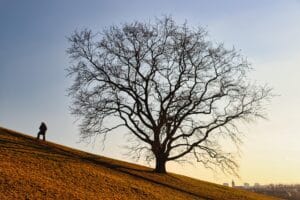
Germany Travel describes the English Garden as one of the world’s large urban parks and highlights its beer gardens, water features, playgrounds, cultural attractions and famous Eisbach wave.
The park is so extensive that visitors can spend several hours exploring it without seeing everything. It is one of the best places in Munich for walking, cycling, relaxing and experiencing local life.
Eisbachwelle: Munich’s Famous Surfing Wave
One of the most surprising sights in Munich is the Eisbachwelle, a standing wave where experienced surfers ride the fast-moving water of the Eisbach River.
Watching surfers perform in the middle of a major European city is a memorable experience. The wave has become an iconic part of Munich’s modern urban identity.
Visitors should watch from safe areas and follow local regulations because the water is powerful and the activity is intended for experienced surfers.
Chinese Tower in the English Garden
The Chinese Tower is one of the most recognizable structures inside the English Garden. The wooden pagoda-style tower stands beside a large beer garden and provides an excellent setting for experiencing traditional Bavarian leisure culture.
During warm weather, the surrounding beer garden becomes a popular place for locals and visitors to eat, drink and socialize.
Seehaus Beer Garden
Seehaus is another popular beer garden in the English Garden. Located beside the Kleinhesseloher See lake, it provides a particularly attractive setting for a relaxing afternoon.
Visitors can combine a walk around the lake with traditional Bavarian food and refreshments while enjoying the surrounding greenery.
Kleinhesseloher See
Kleinhesseloher See is a peaceful lake within the English Garden. Walking around the water provides a more tranquil experience than the busy central areas of Munich.
The lake is particularly pleasant in warmer weather when locals use the surrounding park for recreation and relaxation.
Deutsches Museum: A World of Science and Technology
The Deutsches Museum is one of the most important museums in Munich and one of the city’s major attractions for science and technology enthusiasts.
The museum explores subjects ranging from engineering and transportation to physics, aviation, astronomy and industrial technology. Germany Travel describes the Deutsches Museum as the world’s largest science and technology museum.
The museum is large enough to require several hours, making it ideal for travellers who want an educational indoor attraction, particularly when the weather is poor.
Deutsches Museum for Families
Families travelling to Munich should consider the Deutsches Museum because many of its exhibits are designed to make complex scientific ideas accessible and engaging.
Children can encounter demonstrations, technological objects and interactive displays while adults can explore the historical development of science and engineering.
Pinakothek Museums: Munich’s Art District
Munich has one of Europe’s most impressive collections of art museums. The Pinakothek institutions cover different periods and artistic movements, making the city an important destination for art lovers.
The Alte Pinakothek focuses on historic European painting, while Pinakothek der Moderne explores modern art, design, architecture and related fields. Germany Travel highlights the Pinakothek museums among Munich’s internationally important cultural institutions.
Alte Pinakothek
Alte Pinakothek is one of Munich’s most important art museums and contains an impressive collection of European paintings.
The museum is especially valuable for travellers interested in Old Masters and European art history. Spending time here provides a cultural perspective on Bavaria that goes beyond palaces and churches.
Pinakothek der Moderne
Pinakothek der Moderne focuses on modern art, architecture, design and related collections. Its contemporary architectural style contrasts with Munich’s historic buildings.
Visitors interested in modern European creativity should include the museum in their Munich itinerary, especially if they are already exploring the surrounding museum district.
Museum Brandhorst
Museum Brandhorst is another important art institution near the Pinakothek museums. It is particularly known for modern and contemporary art.
Its colourful exterior and distinctive architecture make it interesting even before entering the galleries. Art lovers can combine it with Alte Pinakothek and Pinakothek der Moderne for a full cultural day.
Lenbachhaus
Lenbachhaus is a major Munich art museum with an important connection to the city’s artistic heritage. It is particularly famous for its collection related to the Blue Rider movement.
The museum provides a fascinating introduction to modern art and Munich’s role in the development of European artistic movements.
BMW Museum: A Must-Visit for Car Enthusiasts
BMW has deep roots in Munich, making the BMW Museum one of the city’s most distinctive attractions. The museum explores the history of BMW automobiles, motorcycles and technological development.
Visitors can see historic vehicles alongside more modern examples and learn how the company evolved into one of the world’s best-known automotive brands.
Germany Travel specifically identifies the BMW Museum as Munich’s destination for automotive heritage.
BMW Welt
BMW Welt is located near the BMW Museum and provides an impressive modern architectural experience. Visitors can explore current BMW products, technology and brand experiences.
Even travellers who are not passionate about cars may appreciate the futuristic building and its relationship with Munich’s automotive identity.
Olympic Park Munich
Olympiapark was developed for the 1972 Olympic Games and remains one of Munich’s most distinctive modern landmarks. Its sweeping roof structures and landscaped surroundings create an architectural landscape that differs dramatically from the historic Old Town.
The park provides opportunities for walking, recreation, events and sightseeing. It is also close to the BMW Museum and BMW Welt, making it convenient to combine these attractions in one day.
Olympic Tower
The Olympic Tower provides elevated views across Munich and the surrounding landscape. On clear days, visitors may see the Alps beyond the city.
The tower is especially attractive to photographers who want a broad city panorama rather than a close-up view of the Old Town.
Sea Life Munich
Sea Life Munich is located within the Olympic Park and provides an indoor attraction focused on aquatic life.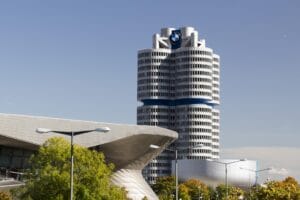
It can be particularly suitable for families travelling with children, especially when combined with the other attractions around Olympiapark.
Allianz Arena: Home of Bayern Munich
Allianz Arena is one of the world’s most recognizable football stadiums and home of FC Bayern Munich. The stadium’s illuminated exterior makes it an iconic part of modern Munich.
Football fans should consider a stadium tour or museum visit when match tickets are unavailable. Germany Travel highlights Allianz Arena and the atmosphere around Bayern Munich football as an important part of the Munich experience.
FC Bayern Museum
The FC Bayern Museum inside Allianz Arena tells the story of one of Germany’s most successful football clubs.
Football enthusiasts can explore trophies, historic players, important matches and the development of the club. It is an excellent attraction even when no football match is taking place.
Nymphenburg Palace
Nymphenburg Palace is one of the most beautiful royal residences in Munich. Located in a spacious park, the palace offers visitors an opportunity to explore Bavarian royal history outside the central Old Town.
The palace complex includes lavish interiors, gardens and additional historic structures. Germany Travel lists Nymphenburg Palace among Munich’s major cultural attractions.
Nymphenburg Palace Gardens
The gardens surrounding Nymphenburg Palace are almost as impressive as the palace itself. Formal landscaping gradually transitions into a more natural park environment, creating opportunities for long walks.
During spring and summer, the gardens are particularly attractive, while autumn provides beautiful foliage and winter can bring a quieter atmosphere.
Amalienburg
Amalienburg is a smaller Rococo palace located within the Nymphenburg grounds. Its elaborate interiors demonstrate the elegance of eighteenth-century court culture.
Visitors interested in decorative arts and palace architecture should allow enough time to explore the smaller buildings rather than focusing only on the main palace.
Hirschgarten: Munich’s Relaxed Side
Hirschgarten is a large park in Munich and is particularly popular with families and locals. It contains a major beer garden and recreational spaces.
Germany Travel specifically recommends Hirschgarten for families, noting its playground and beer garden.
The park provides a relaxed alternative to Munich’s formal tourist attractions and offers a chance to experience the city more like a local.
Maximilianstrasse: Munich’s Luxury Shopping Street
Maximilianstrasse is one of Munich’s most elegant shopping streets. Luxury brands, historic architecture and upscale hotels create a sophisticated atmosphere.
Even travellers who are not interested in luxury shopping can enjoy walking along the boulevard and admiring its architecture.
Germany Travel highlights Maximilianstrasse and Ludwigstrasse among Munich’s important shopping streets.
Ludwigstrasse and Munich Architecture
Ludwigstrasse is a grand boulevard lined with monumental buildings and historic architecture. It connects central Munich with areas around the university and provides a different urban experience from the narrow streets of the Old Town.
Walking along Ludwigstrasse is particularly rewarding for visitors interested in urban planning and nineteenth-century architecture.
Odeonsplatz to Ludwigstrasse Walking Route
One of the best architectural walks in Munich begins around Odeonsplatz and continues along Ludwigstrasse. Visitors can admire monumental buildings, churches and university architecture while gradually moving away from the busiest tourist areas.
This route is ideal for travellers who prefer sightseeing on foot and want to understand the city’s architectural development.
Königsplatz: Munich’s Monumental Square
Königsplatz is one of Munich’s most impressive monumental spaces. Neoclassical buildings and museums surround the large open square, creating an atmosphere that recalls ancient Greek and Roman architecture.
The nearby museum district makes Königsplatz particularly suitable for combining architecture and culture.
Glyptothek
The Glyptothek is one of the major museums around Königsplatz and focuses on ancient sculpture. Its collection provides insight into Greek and Roman artistic traditions.
The museum’s classical architecture also contributes to the atmosphere of Königsplatz.
State Collection of Egyptian Art
Munich’s Egyptian collection offers another perspective on ancient civilisation. The museum presents objects and artistic works from ancient Egypt in a modern exhibition environment.
For travellers interested in archaeology and ancient history, it is an excellent addition to a Munich museum itinerary.
NS-Dokumentationszentrum
The NS-Dokumentationszentrum Munich provides important historical education about National Socialism and Munich’s role during the Nazi period.
The museum and documentation centre presents historical evidence and educational material that helps visitors understand one of the darkest periods of modern German history.
A visit requires a thoughtful and respectful approach because the subject matter is serious and historically significant.
Munich’s Isar River
The Isar River is one of the most important natural features of Munich. Its riverbanks provide opportunities for walking, cycling, relaxing and spending time outdoors.
Germany Travel highlights the Isar and its revitalised river meadows as part of Munich’s lifestyle and recreational appeal.
The river becomes especially popular during warm weather when locals gather along the banks.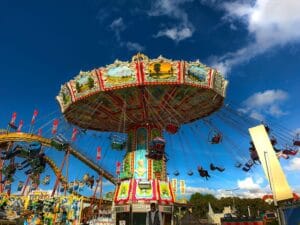
Flaucher
Flaucher is a popular recreational area along the Isar. It provides a more natural environment within the city and is particularly attractive during summer.
Visitors can walk along the river, relax outdoors and enjoy Munich’s unusual combination of urban life and accessible nature.
Gärtnerplatz: A Stylish Local Neighbourhood
Gärtnerplatz is one of Munich’s lively neighbourhood squares. It is surrounded by cafés, restaurants, shops and residential streets.
The area is a good place to experience Munich beyond traditional tourist attractions. Germany Travel identifies Gärtnerplatz and the surrounding Glockenbachviertel as more relaxed and affordable alternatives to the city’s luxury shopping areas.
Glockenbachviertel
Glockenbachviertel is one of Munich’s most interesting neighbourhoods for nightlife, cafés, restaurants, boutiques and contemporary urban culture.
It provides a strong contrast to the historic centre and is especially suitable for travellers who want to experience modern Munich.
Schwabing
Schwabing is another lively Munich district known for cafés, restaurants, boutiques and attractive historic buildings. It has long been associated with the city’s artistic and intellectual culture.
Germany Travel recommends Schwabing as a neighbourhood where visitors can experience local Munich lifestyle, restaurants, cafés and shops.
Leopoldstrasse
Leopoldstrasse is one of Schwabing’s major boulevards. It provides a lively connection between the city centre and the northern districts.
Walking through the area is an enjoyable way to combine architecture, cafés, shopping and everyday Munich life.
Munich Beer Gardens
Beer gardens are an important part of Munich culture and should be experienced even by visitors who are not primarily interested in beer. The emphasis is often on socialising, food, outdoor seating and relaxation.
The English Garden contains some of the city’s most famous beer gardens, while Hirschgarten and other neighbourhoods provide additional options.
Hofbräuhaus München
Hofbräuhaus is one of Munich’s most famous traditional beer halls. It represents the city’s historic beer culture and remains an important attraction for international visitors.
Inside, visitors can experience Bavarian food, traditional music and the lively atmosphere associated with Munich’s beer halls.
A visit to Hofbräuhaus is particularly appropriate for travellers who want to experience the social side of Bavarian culture.
Bavarian Food in Munich
Munich is a wonderful destination for travellers interested in traditional German cuisine. Bavarian food includes sausages, pretzels, roast meats, potato dishes, dumplings and regional specialties.
Weisswurst is one of the best-known Bavarian foods, while pretzels are available almost everywhere. Visitors should also try local dishes in traditional restaurants rather than assuming that all Bavarian food is limited to beer halls.
Munich’s Pretzels
Large Bavarian pretzels are one of the easiest local foods to enjoy in Munich. They can be eaten as a snack, alongside beer or with traditional dishes.
Fresh pretzels are particularly enjoyable in beer gardens and traditional bakeries.
Munich Coffee and Café Culture
Although Munich is famous for beer, its café culture is equally enjoyable. Historic cafés, modern coffee shops and neighbourhood bakeries provide excellent places to relax between sightseeing activities.
Travellers can combine coffee breaks with visits to museums, shopping districts and historic neighbourhoods.
Oktoberfest in Munich
Oktoberfest is Munich’s most famous festival and one of the world’s best-known celebrations. Held annually at Theresienwiese, the event attracts visitors from around the world.
The festival is much more than beer. It includes traditional clothing, food, music, amusement rides and Bavarian cultural traditions.
Germany Travel describes Oktoberfest as the world’s largest folk festival and one of Munich’s most internationally recognised events.
Walking Around Munich Old Town
Munich’s Old Town is highly suitable for walking. Many of the most important attractions are concentrated within a relatively compact area.
A walking route can connect Marienplatz, Frauenkirche, Peterskirche, Viktualienmarkt, Residenz, Odeonsplatz and Hofgarten without requiring constant transportation.
Best Places to Visit in Munich at Night
Munich at night offers several different experiences. The historic centre becomes beautifully illuminated, beer halls remain lively, and neighbourhoods such as Glockenbachviertel and Schwabing offer restaurants and nightlife.
For a quieter evening, visitors can walk along the Isar or explore the illuminated architecture around Marienplatz and Odeonsplatz.
Best Free Things to Do in Munich
Munich can be enjoyed without spending a large amount of money. Walking through the Old Town, visiting public squares, exploring the English Garden, walking along the Isar and discovering neighbourhoods are all inexpensive ways to experience the city.
The English Garden is particularly valuable for budget travellers because visitors can enjoy its scenery, paths and atmosphere without paying an admission fee. Germany Travel specifically notes that a visit to the English Garden costs nothing.
Best Places to Photograph in Munich
Munich offers outstanding photography opportunities. Marienplatz is ideal for architectural photography, while Peterskirche provides elevated city views.
The English Garden provides natural scenery, Eisbachwelle creates distinctive action photographs and Nymphenburg Palace offers elegant architectural compositions.
Olympiapark provides modern architectural photography, while the Old Town streets offer traditional European city scenes.
Munich for Luxury Travellers
Munich is one of Germany’s strongest destinations for luxury tourism. Maximilianstrasse provides high-end shopping, while the city offers luxury hotels, fine dining, cultural experiences and premium transportation options.
Luxury travellers can combine palace visits, art museums, private culinary experiences and Alpine excursions for a sophisticated Bavarian holiday.
Munich for Budget Travellers
Munich can be expensive, but travellers can control costs through public transportation, affordable accommodation, casual restaurants and free attractions.
Staying slightly outside the central tourist zone can also provide better value while maintaining convenient transport connections.
Best Neighbourhoods to Explore in Munich
Munich’s neighbourhoods each offer a different character. The Altstadt is best for historic sightseeing, Schwabing is ideal for cafés and local lifestyle, Glockenbachviertel is known for contemporary nightlife and Gärtnerplatz offers a lively social atmosphere.
Nymphenburg provides palace architecture and green spaces, while the areas around Olympic Park and BMW Welt are ideal for modern attractions.
Munich and the Bavarian Lifestyle
The Bavarian lifestyle is an important part of the visitor experience. Beer gardens, traditional food, outdoor recreation, local festivals and regional architecture create a cultural environment that is different from northern Germany.
Visitors should experience these traditions while also exploring modern Munich to understand the city beyond stereotypes.
Sustainable Travel in Munich
Munich is well suited to travellers interested in sustainable urban tourism. Public transportation, walking and cycling can reduce the need for private cars, while parks and public spaces provide opportunities to experience the city without intensive infrastructure.
Exploring neighbourhoods on foot and using public transportation for longer journeys can also make a Munich trip more immersive.
Munich as a Gateway to Bavaria
One of Munich’s greatest advantages is its location. Travellers can use the city as a base for exploring Bavaria’s castles, lakes, Alpine villages and historic towns.
Germany Travel describes Bavaria as a region with extensive cultural and natural diversity, including castles, palaces, lakes, forests and the Alps.
Most Beautiful Places to Visit in Munich
The most beautiful places in Munich include Marienplatz, Frauenkirche, Nymphenburg Palace, English Garden, Hofgarten, Viktualienmarkt, Olympic Park and the historic streets around the Old Town.
For a combination of architecture and nature, Nymphenburg and the English Garden are particularly memorable. For dramatic urban views, Peterskirche and the New Town Hall provide excellent perspectives.
Best Places to Visit in Munich for First-Time Visitors
First-time visitors should prioritise Marienplatz, New Town Hall, Frauenkirche, Peterskirche, Viktualienmarkt, Munich Residenz and the English Garden.
Depending on personal interests, the itinerary can then expand toward Deutsches Museum, Nymphenburg Palace, BMW Museum, Olympic Park and Allianz Arena.
Best Places to Visit in Munich for Families
Families will find plenty to do in Munich. The Deutsches Museum provides educational entertainment, while the English Garden and Olympic Park offer outdoor space.
Nymphenburg Palace, Hirschgarten and Sea Life Munich can also be incorporated into family itineraries.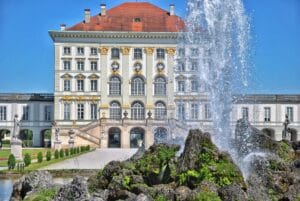
Best Places to Visit in Munich for Couples
Couples can enjoy Munich’s historic squares, palace gardens, river walks, museums, restaurants and beer gardens.
A romantic Munich itinerary can include a morning in the Old Town, an afternoon at Nymphenburg Palace and an evening meal in a traditional restaurant.
Best Places to Visit in Munich for History Lovers
History lovers should prioritise Munich Residenz, Frauenkirche, Peterskirche, Old Town Hall, New Town Hall, Nymphenburg Palace, the Deutsches Museum and the NS-Dokumentationszentrum.
These attractions together demonstrate Munich’s royal, religious, scientific, cultural and modern political history.
Best Places to Visit in Munich for Art Lovers
Art lovers should focus on Alte Pinakothek, Pinakothek der Moderne, Museum Brandhorst and Lenbachhaus.
The concentration of major museums makes Munich one of the best European destinations for travellers who want to build an entire holiday around art and culture.
Best Places to Visit in Munich for Nature Lovers
Nature lovers should visit the English Garden, Isar River, Nymphenburg Palace gardens, Olympic Park and Hirschgarten.
Travellers with additional time should explore Bavaria’s lakes and Alpine landscapes outside the city.
Best Places to Visit in Munich for Football Fans
Football fans should visit Allianz Arena and the FC Bayern Museum. If the schedule permits, attending an FC Bayern Munich match can become one of the most memorable experiences of a Munich trip.
The combination of stadium architecture, football history and match-day atmosphere makes the destination particularly special for sports travellers.
Best Places to Visit in Munich for Car Lovers
BMW Museum and BMW Welt are the obvious choices for automobile enthusiasts. Their location near Olympic Park makes it convenient to explore all three attractions during the same visit.
Visitors interested in German automotive history can also consider extending their trip to other Bavarian automotive destinations.
Best Places to Visit in Munich for Photography
Photographers should explore Marienplatz early in the morning, capture the Frauenkirche and historic Old Town, photograph the English Garden during changing light and visit Nymphenburg Palace for architectural and garden photography.
Olympic Park offers modern architectural compositions, while the Isar provides natural scenes within the city.
Best Places to Visit in Munich at Christmas
Marienplatz is the centre of Munich’s Christmas atmosphere. The surrounding Old Town becomes especially attractive with festive lights, seasonal decorations and Christmas market stalls.
Visitors can also explore other markets around the city, combining Christmas shopping with historic sightseeing.
Best Places to Visit in Munich in Summer
Summer is ideal for the English Garden, Isar River, beer gardens, outdoor cafés and palace gardens.
Visitors can spend mornings sightseeing in the Old Town and afternoons relaxing outdoors, creating a balanced Munich itinerary.
Best Places to Visit in Munich in Winter
Winter is particularly suitable for museums, churches, palaces, cafés and Christmas markets. The historic architecture of the Old Town becomes especially atmospheric in cold weather.
Travellers should plan outdoor sightseeing around daylight hours and reserve additional time for indoor cultural attractions.
Best Places to Visit in Munich in Autumn
Autumn offers beautiful foliage in the English Garden, Nymphenburg and other parks. The season is also closely associated with Oktoberfest.
For travellers who want traditional Bavarian culture and comfortable sightseeing conditions, autumn can be an excellent choice.
Best Places to Visit in Munich in Spring
Spring brings fresh greenery and flowers to Munich’s parks and gardens. Nymphenburg Palace is particularly attractive during this season, while outdoor cafés and beer gardens begin to become more popular.
Spring is also a good time for travellers who want to combine museums with outdoor exploration.
Munich Travel Tips for First-Time Visitors
First-time visitors should avoid trying to see every attraction in one day. Munich rewards a slower approach because many of its best experiences involve walking, eating, relaxing and observing local life.
A balanced itinerary should include historic landmarks, museums, parks, neighbourhoods and food experiences.
Why You Should Spend More Than Two Days in Munich
Two days can cover the major highlights, but a longer stay reveals much more of Munich. With four or five days, visitors can explore museums, royal palaces, neighbourhoods, parks and modern attractions without feeling rushed.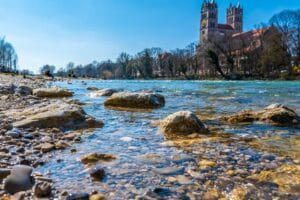
Longer stays also make day trips into Bavaria possible.
Conclusion
Munich is one of the most rewarding cities to visit in Germany because it combines history, culture, nature, architecture, food, sports and modern urban life in an unusually balanced way.
The best places to visit in Munich begin with the city’s historic heart at Marienplatz, where the New Town Hall, Old Town Hall, Frauenkirche and Peterskirche create a spectacular introduction to Bavaria’s capital. From there, visitors can explore the royal Munich Residenz, stroll through Hofgarten, shop around the central streets and discover the flavours of Viktualienmarkt.
The English Garden offers a completely different experience. Its enormous green spaces, waterways, beer gardens and famous Eisbachwelle demonstrate how closely nature is integrated into Munich’s urban environment. Germany Travel specifically highlights the English Garden as one of the city’s signature experiences.
- Germany Travel — Official Munich Travel Guide — Germany’s official national tourism resource with information on Munich’s attractions, culture, museums, parks and lifestyle.
- Germany Travel — 48 Hours in Munich — useful official itinerary information covering Marienplatz, Odeonsplatz, Residenz, English Garden, Isar and Munich neighbourhoods.
- Germany Travel — Bavaria Travel Guide — useful for Munich day trips, Bavarian Alps, castles, lakes and regional tourism.
- Germany Travel — Official Germany Travel Portal — national tourism information covering cities, museums, nature, castles, seasonal travel and transportation.
- Simply Munich — Official Munich Tourism — the official destination resource for Munich attractions, events, neighbourhoods and travel planning. The Germany Travel Munich guide also identifies Munich.travel as the city’s tourism website.
Author

Related posts
Best Places to Visit in Dinant
- 0
- 4,895 words
Best Places to Visit in Dinant, Belgium Dinant is one of the most beautiful small towns in Belgium and one of the...
Read out all
Best Places to Visit in Mont-Saint-Michel
- 0
- 4,974 words
Best Places to Visit in Mont-Saint-Michel , France Mont-Saint-Michel is one of the most extraordinary destinations in France and one of the...
Read out all
UNGA
- 0
- 5,649 words
UNGA (United Nations General Assembly ) The United Nations General Assembly, commonly known as the UN General Assembly or UNGA, is one...
Read out all
Best Places to Visit in Kathmandu
- 0
- 4,089 words
Best Places to Visit in Kathmandu , Nepal Kathmandu, the capital of Nepal, is one of South Asia’s most fascinating travel destinations....
Read out all
Best Places to Visit in Vilnius
- 0
- 5,246 words
Best Places to Visit in Vilnius , Lithuania Vilnius, the capital of Lithuania, is one of the most fascinating destinations in the...
Read out all
Best Places to Visit in Riga
- 0
- 6,005 words
Best Places to Visit in Riga , Latvia Riga, the capital of Latvia, is one of the most fascinating destinations in the...
Read out all