

Best Places to Visit in Mexico City , Mexico
Mexico City is one of the most fascinating capital cities in the world and one of the best destinations in Mexico for travelers interested in history, culture, architecture, art, food, museums, neighborhoods and ancient civilizations. For anyone searching for the best places to visit in Mexico City Mexico, the capital offers an extraordinary variety of attractions spread across a huge metropolitan landscape. Ancient Mexica ruins stand beside Spanish colonial buildings, grand nineteenth-century palaces, twentieth-century monuments, contemporary museums, stylish restaurants and vibrant neighborhoods.
The city is commonly known as Ciudad de México or CDMX, and its historic center preserves layers of history stretching from the foundation of Tenochtitlan through the colonial period and Mexico’s independence, revolution and modern development. Mexico City’s official tourism authority describes the capital as a city where pre-Hispanic heritage, colonial architecture and contemporary urban life exist together. Its official visitor guide currently organizes major attractions into routes covering the Historic Center, Chapultepec and Paseo de la Reforma, Coyoacán and Xochimilco, Roma, Condesa and Polanco, San Ángel, archaeological and religious sites, markets and gastronomy, and unique family experiences.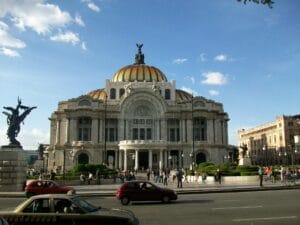
Mexico City is also one of the world’s great museum destinations. Travelers can explore the National Museum of Anthropology, Museo Frida Kahlo, Museo Nacional de Historia, Palacio de Bellas Artes and numerous specialized museums covering art, archaeology, photography, design, popular culture and Mexican history.
Beyond museums, the city provides memorable outdoor experiences. Chapultepec Forest offers enormous green spaces in the middle of the metropolis, while Xochimilco’s canals preserve an extraordinary remnant of the ancient lake environment. The archaeological zone of Teotihuacán, although outside the central city, is one of the most important day trips from Mexico City and adds another dimension to a visit.
Whether you are planning a Mexico City vacation, a long weekend, a family holiday, a cultural trip, a food-focused journey or a first visit to Mexico, the capital deserves several days. Its size can initially seem overwhelming, but dividing the city into geographic areas makes it much easier to explore.
Zócalo: The Historic Heart of Mexico City
The Zócalo, officially Plaza de la Constitución, is the natural starting point for discovering the best places to visit in Mexico City Mexico. This enormous central plaza occupies the heart of the Historic Center and stands on an area associated with the ceremonial and political center of ancient Tenochtitlan.
Today the square is surrounded by some of Mexico City’s most important buildings, including the Metropolitan Cathedral, National Palace and historic government buildings. The official Mexico City tourism guide describes the Zócalo as the heart of the capital and emphasizes its connection to the ancient Mexica city and the country’s political and cultural history.
Standing in the middle of the Zócalo gives travelers an immediate sense of Mexico City’s enormous historical depth. The surrounding architecture reflects several centuries, while the square itself continues to function as an important civic gathering place.
The Zócalo is also an excellent starting point for walking through the Historic Center. From here, visitors can continue toward Templo Mayor, Palacio Nacional, Catedral Metropolitana, Calle Madero, Alameda Central and Palacio de Bellas Artes.
Templo Mayor: Discover Ancient Tenochtitlan
Templo Mayor is one of the most important archaeological attractions in Mexico City. The site reveals the remains of the ceremonial center of ancient Mexico-Tenochtitlan, the great Mexica capital that existed before the arrival of the Spanish.
The archaeological remains provide an extraordinary opportunity to see how ancient structures were built and expanded over time. The official Mexico City tourism guide notes that the site contains multiple construction stages and that its rediscovery in 1978 transformed understanding of Mexico’s pre-Hispanic capital.
The Templo Mayor Museum complements the archaeological site by displaying artifacts discovered during excavations. Travelers can therefore combine the outdoor ruins with an indoor museum experience to understand the religious, political and social importance of the temple complex.
For history lovers, Templo Mayor is one of the essential Mexico City tourist attractions. It also helps explain why the city’s Historic Center contains such a remarkable mixture of ancient and colonial architecture.
Metropolitan Cathedral: A Monument of Mexican History
The Metropolitan Cathedral is one of the most impressive religious buildings in Mexico City and one of the defining landmarks of the Zócalo.
Construction began in the sixteenth century and continued for centuries, resulting in a building that combines different architectural styles, including Baroque and Neoclassical influences. The cathedral was constructed on the site of the former Mexica sacred precinct, adding another layer of historical complexity to the location.
Inside, visitors can admire chapels, altars, religious artworks and historic organs. The building’s scale is particularly impressive when viewed from the Zócalo.
The cathedral is not simply an architectural attraction. It represents the transformation of Mexico City from the Mexica capital to a major center of New Spain and eventually to the capital of modern Mexico.
Palacio Nacional: Murals by Diego Rivera
Palacio Nacional is another essential attraction surrounding the Zócalo. The enormous building has played a major role in Mexico’s political history and today contains some of the country’s most famous murals.
The most important artistic attraction is Diego Rivera’s monumental mural cycle depicting Mexican history. The paintings allow visitors to see different periods of the country’s development represented through revolutionary, indigenous, colonial and modern imagery.
Mexico City’s official Historic Center guide identifies Palacio Nacional as one of the essential attractions around the Zócalo and notes that it was constructed over the remains associated with Moctezuma II’s New Houses.
For travelers interested in Mexican history and art, Palacio Nacional is one of the most valuable places to visit in Mexico City.
Palacio de Bellas Artes: The Cultural Symbol of Mexico City
Palacio de Bellas Artes is arguably the most recognizable cultural building in Mexico City. Its white marble exterior and dramatic dome make it one of the city’s most photographed landmarks.
The building combines Art Nouveau and Art Deco influences and houses important artistic and performing-arts spaces. The official Mexico City tourism guide describes it as a major cultural venue and highlights its distinctive architectural combination as well as murals by artists including Diego Rivera, David Alfaro Siqueiros and José Clemente Orozco.
The interior is particularly impressive because of its murals, decorative details and famous glass curtain. The building also hosts performances and exhibitions, making it more than a photographic landmark.
Visitors should consider seeing Bellas Artes both during the day and after sunset. Its illuminated exterior can create a spectacular scene against the surrounding Historic Center.
Alameda Central: Mexico City’s Historic Urban Park
Alameda Central is one of the city’s oldest and most recognizable public parks. Located beside Palacio de Bellas Artes, it provides a green space between the Historic Center’s dense streets and monumental buildings.
Walking through Alameda Central is a pleasant way to move between attractions. The park contains fountains, sculptures, trees and pathways and has long been part of Mexico City’s public life.
A visit to Alameda works particularly well as part of a walking route from the Zócalo toward Bellas Artes and the surrounding historic streets.
Calle Madero: One of the Best Streets to Walk in Mexico City
Francisco I. Madero Street is one of the most popular pedestrian streets in the Historic Center. It connects the Zócalo area with Alameda Central and Palacio de Bellas Artes.
The street is lined with historic buildings, shops, restaurants, cafés and architectural details. Walking along Madero allows travelers to experience Mexico City at street level rather than simply moving between major monuments.
The official city tourism guide specifically recommends the Madero and Tacuba corridors as routes through the Historic Center.
For first-time visitors, Madero is one of the easiest ways to experience the energy of central Mexico City.
Torre Latinoamericana: A Famous Mexico City Viewpoint
Torre Latinoamericana is one of Mexico City’s most recognizable skyscrapers and an important landmark in the Historic Center.
Its observation deck offers panoramic views over the enormous metropolis. Looking down from above provides an entirely different understanding of Mexico City’s scale.
The viewpoint is especially interesting for photographers because historic buildings, modern skyscrapers, parks and distant mountains can sometimes be seen within the same panorama.
Visiting Torre Latinoamericana is an excellent complement to walking around the Historic Center because it provides a high-level perspective after exploring the city at street level.
Museo Nacional de Arte: A Palace of Mexican Art
The Museo Nacional de Arte, commonly called MUNAL, is housed in a spectacular historic building in the Historic Center.
The museum’s collection focuses on Mexican art and provides visitors with an opportunity to explore artistic traditions spanning several centuries.
Even travelers who do not consider themselves art specialists can appreciate the building itself. Its grand architecture makes it one of the most beautiful museums in central Mexico City.
MUNAL is particularly convenient for visitors already exploring Calle Tacuba and the Historic Center.
Palacio Postal: One of Mexico City’s Most Beautiful Buildings
The Palacio Postal, or Postal Palace, is one of the most visually impressive historic buildings in Mexico City.
Its elaborate interior features decorative metalwork, polished surfaces and ornate architectural details. The building demonstrates the elegance of the early twentieth-century period and provides an interesting contrast with the city’s older colonial structures.
Photography enthusiasts should take time to observe the staircases, balconies and decorative details.
Museo Nacional de Antropología: A Must-Visit Museum
The National Museum of Anthropology is one of the most important museums in Mexico and arguably one of the best places to visit in Mexico City for understanding the country’s ancient civilizations.
Located beside Chapultepec Forest, the museum contains major collections related to the indigenous peoples and civilizations of Mexico. Visitors can explore artifacts associated with the Mexica, Maya, Olmec and other cultures.
One of the museum’s most famous objects is the Aztec Sun Stone, often called the Aztec Calendar Stone. The museum also contains monumental sculptures, archaeological objects and reconstructions.
A visit can easily take several hours, particularly for travelers interested in archaeology and anthropology. It is best approached slowly rather than treated as a quick sightseeing stop.
Chapultepec Forest: Mexico City’s Green Heart
Bosque de Chapultepec, or Chapultepec Forest, is one of the greatest urban parks in Mexico and one of the city’s most important recreational and cultural areas.
The official Mexico City tourism guide describes Chapultepec as the largest urban park in the Americas and highlights its multiple sections, cultural institutions, green areas and attractions.
The park contains museums, gardens, lakes, monuments and walking routes. It is large enough that visitors can spend an entire day exploring it.
For travelers searching for things to do in Mexico City, Chapultepec provides an opportunity to combine nature with culture without leaving the central metropolitan area.
Chapultepec Castle: History Above the City
Castillo de Chapultepec sits on a hill within Chapultepec Forest and is one of the most spectacular historic sites in Mexico City.
The castle has served several purposes throughout history and became associated with Emperor Maximilian during the Second Mexican Empire. It later became the home of the National Museum of History.
Its elevated location also makes it one of the best viewpoints in Mexico City. From its terraces, visitors can see Paseo de la Reforma, the city’s skyline and the surrounding urban landscape.
The official city guide describes Chapultepec Castle as the only royal castle on the American continent and highlights its gardens, historic rooms and panoramic views.
Museo Nacional de Historia: Mexico’s Story Inside Chapultepec Castle
The National Museum of History occupies Chapultepec Castle and presents an extensive story of Mexico’s past.
Its collections cover periods from the Spanish conquest and colonial era through independence, the nineteenth century and the Mexican Revolution.
The museum’s historic rooms, paintings, furniture, clothing and military objects allow visitors to connect political history with everyday life.
Because the museum occupies the castle itself, travelers can experience both the architecture and the historical collection in one visit.
Museo de Arte Moderno: Modern Mexican Art
The Museum of Modern Art is another important cultural attraction within Chapultepec Forest.
Its collection includes major examples of Mexican modern art and twentieth-century artistic movements. The museum is particularly associated with celebrated Mexican artists and provides an opportunity to understand how Mexican art evolved during the modern era.
The museum also includes outdoor spaces and sculpture areas, making it possible to combine art with a relaxing walk through Chapultepec.
Museo Tamayo: Contemporary and International Art
Museo Tamayo, located in Chapultepec, is an excellent choice for travelers interested in modern and contemporary art.
The museum is associated with Mexican artist Rufino Tamayo and presents both his work and international contemporary exhibitions.
Its location makes it easy to combine with the National Museum of Anthropology and Museum of Modern Art.
Art lovers can therefore spend an entire day exploring several major museums within walking distance of each other.
Paseo de la Reforma: Mexico City’s Grand Avenue
Paseo de la Reforma is one of the most famous avenues in Mexico City. It connects major districts and is lined with monuments, parks, museums, hotels, offices and modern skyscrapers.
The avenue demonstrates the city’s transformation into a major modern metropolis while maintaining important historic monuments.
Walking along parts of Reforma can be particularly enjoyable on weekends when certain areas are adapted for cycling and pedestrian activities.
Ángel de la Independencia: Mexico City’s Iconic Monument
The Ángel de la Independencia is one of Mexico City’s most recognizable monuments. The golden angel stands atop a column on Paseo de la Reforma and has become an important symbol of Mexican national identity.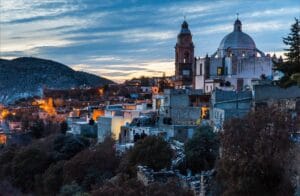
The monument is particularly striking when viewed along Reforma’s broad avenue with the modern skyline behind it.
For photographers, the monument provides an iconic representation of Mexico City.
Monumento a la Revolución: A Landmark of Mexican History
The Monumento a la Revolución is one of the city’s most dramatic architectural landmarks. Its monumental structure was originally conceived as part of a legislative palace but was transformed following the Mexican Revolution.
Today the monument commemorates the Revolution and contains a museum explaining this important period in Mexican history.
An observation area provides views over the city, making the attraction interesting both historically and photographically.
Coyoacán: One of the Best Neighborhoods to Visit in Mexico City
Coyoacán is one of the most charming areas of Mexico City and one of the best places to visit for travelers looking for colonial streets, plazas, cafés, markets, museums and artistic heritage.
The neighborhood has long been associated with artists, writers and intellectual life. Its streets are quieter and more village-like than many parts of central Mexico City.
The official city tourism guide places Coyoacán and Xochimilco together as a major southern route and identifies the area as one of the city’s key cultural destinations.
Frida Kahlo Museum: The Blue House
Museo Frida Kahlo, commonly called the Casa Azul or Blue House, is one of Mexico City’s most internationally famous museums.
The house in Coyoacán was Frida Kahlo’s birthplace and later became the place where she lived and worked. Today, visitors can see personal objects, artworks, furniture and spaces associated with her life.
For travelers interested in Frida Kahlo, Mexican art and twentieth-century cultural history, the museum is essential.
Because the museum is extremely popular, visitors should check official ticketing arrangements in advance rather than assuming tickets will always be available at the entrance.
Coyoacán’s Plaza and Historic Streets
The central plazas of Coyoacán are ideal for walking, people-watching and experiencing the neighborhood’s traditional atmosphere.
Visitors can explore the gardens, colonial buildings, cafés and nearby churches before continuing toward the markets.
Coyoacán is especially enjoyable in the late afternoon when temperatures are more comfortable and the neighborhood becomes lively with local residents and visitors.
Mercado de Coyoacán: Local Food and Shopping
Mercado de Coyoacán is a popular market where travelers can experience Mexican food, crafts and everyday commerce.
The market provides opportunities to try traditional snacks and meals while observing the lively atmosphere of a neighborhood market.
Travelers interested in authentic Mexican cuisine should consider markets an important part of their Mexico City itinerary.
Xochimilco: Trajineras and Ancient Canals
Xochimilco is one of the most unique destinations in Mexico City. Its famous canals preserve part of the ancient lake environment on which the city was built.
Visitors can ride colorful traditional boats called trajineras through the canals. The experience combines music, food, flowers and local traditions.
The official city tourism guide describes Xochimilco as a place where the ancient chinampa canals preserve the memory of Mexico City’s former lake landscape.
A boat ride is particularly enjoyable for groups and families, although couples and solo travelers can also arrange rides.
Xochimilco’s Chinampas: Ancient Agricultural Heritage
The chinampas of Xochimilco represent an extraordinary agricultural tradition associated with the ancient lake environment.
These productive plots were developed using techniques that allowed communities to cultivate crops within the shallow lake system.
Today, Xochimilco provides an opportunity to see how ancient environmental knowledge continues to influence the landscape.
For travelers interested in sustainable agriculture, archaeology and environmental history, Xochimilco offers an experience that goes far beyond a boat ride.
Museo Anahuacalli: Diego Rivera’s Pre-Hispanic Collection
Museo Anahuacalli is another important attraction associated with Diego Rivera. Located in the southern part of Mexico City, the museum was designed as a monumental structure inspired by pre-Hispanic architecture.
Rivera collected thousands of pre-Hispanic objects, and the museum provides a remarkable setting in which to view this heritage.
It can be combined with the Frida Kahlo Museum for travelers interested in the artistic partnership and cultural world surrounding Rivera and Kahlo.
San Ángel: Colonial Charm and Art
San Ángel is one of Mexico City’s most attractive historic neighborhoods. Its cobblestone streets, plazas, historic buildings and art galleries create a quieter atmosphere than the central city.
The official Mexico City tourism guide identifies San Ángel and its surrounding areas as an important route featuring traditional neighborhoods, art squares and historic religious sites.
San Ángel is particularly enjoyable for travelers who like architecture, photography and weekend markets.
Plaza San Jacinto: Art and Local Atmosphere
Plaza San Jacinto is one of the central gathering places in San Ángel and is particularly lively during weekend art activities.
Visitors can explore surrounding galleries, cafés, restaurants and historic buildings while enjoying the neighborhood’s traditional atmosphere.
The combination of art and colonial architecture makes San Ángel a strong choice for a relaxed half-day excursion.
Museo Casa Estudio Diego Rivera and Frida Kahlo
The Casa Estudio Diego Rivera and Frida Kahlo is an important modernist architectural landmark in San Ángel.
The building is associated with the artists’ lives and work and provides another perspective on the artistic history of Mexico City.
Architecture lovers will appreciate the modernist design, while art enthusiasts can connect the building to the broader cultural history of Rivera and Kahlo.
Roma Norte: Creative Mexico City
Roma Norte is one of the city’s most popular contemporary neighborhoods. It is known for tree-lined streets, Art Deco and Art Nouveau architecture, independent cafés, restaurants, galleries and creative businesses.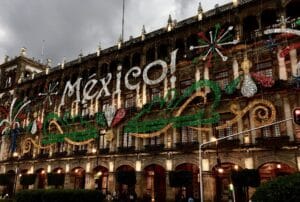
The neighborhood demonstrates the cosmopolitan side of Mexico City and is especially popular with travelers looking for food and design.
Walking through Roma is one of the best ways to experience contemporary Mexico City at a neighborhood level.
Condesa: Parks, Architecture and Cafés
Condesa is another fashionable neighborhood close to Roma. Its tree-lined streets, Art Deco buildings, restaurants and parks make it particularly attractive for visitors.
Parque México is one of the neighborhood’s most recognizable public spaces and provides an excellent place for a relaxed walk.
Condesa is also one of the city’s strongest areas for cafés and restaurants, making it useful for travelers who want to experience modern Mexican food culture.
Polanco: Luxury, Shopping and Museums
Polanco represents another side of Mexico City. The neighborhood is associated with luxury shopping, upscale restaurants, galleries and internationally recognized museums.
The official Mexico City tourism guide identifies Polanco as one of the city’s cosmopolitan districts and highlights attractions such as Museo Soumaya and Museo Jumex.
Travelers interested in contemporary architecture, fashion and fine dining can spend an entire day in Polanco.
Museo Soumaya: An Architectural Landmark
Museo Soumaya is one of the most recognizable contemporary museums in Mexico City. Its striking silver-colored exterior makes it an attraction even before visitors enter.
Inside, the museum presents an extensive art collection spanning different periods and regions.
The museum is particularly popular with travelers interested in European and Mexican art and is located in the Polanco area.
Museo Jumex: Contemporary Art in Polanco
Museo Jumex is a major contemporary art museum located near Museo Soumaya.
Its exhibitions focus on modern and contemporary artistic practices and make it an important destination for visitors interested in international contemporary art.
The museum fits naturally into a Polanco itinerary because several cultural and shopping attractions are located nearby.
La Condesa and Roma for Food Lovers
Roma and Condesa are among the best neighborhoods in Mexico City for travelers interested in food.
Restaurants range from traditional Mexican establishments to innovative contemporary restaurants. Cafés, bakeries, cocktail bars and international cuisines add to the variety.
Food travelers can explore these neighborhoods slowly rather than planning every meal around major attractions.
Mercado de La Ciudadela: Mexican Crafts and Souvenirs
La Ciudadela is a famous market for Mexican handicrafts. Travelers can find textiles, ceramics, pottery, decorative objects, toys, jewelry and other traditional products.
It is an excellent place to shop for souvenirs that reflect different regions of Mexico.
Visitors should take time to examine craftsmanship and ask vendors about the origins of products when possible.
Mercado de La Merced: One of Mexico City’s Great Markets
La Merced is one of the city’s historic market districts and provides an intense introduction to Mexican food culture.
The market area is known for produce, spices, food stalls, sweets and countless ingredients used in Mexican cuisine.
The official city tourism guide identifies La Merced as one of the major areas east of the Zócalo and emphasizes its commercial and culinary character.
Travelers should be aware that large markets can be crowded, so keeping personal belongings secure is important.
Mercado de Jamaica: Flowers and Local Life
Mercado de Jamaica is famous for its flowers and fresh produce and offers a colorful alternative to the city’s tourist-oriented attractions.
The market provides a chance to experience everyday commerce and local food culture.
Photography enthusiasts will particularly enjoy the abundance of color created by flowers, fruits and vegetables.
Plaza Garibaldi: Mariachi Culture
Plaza Garibaldi is one of Mexico City’s most famous destinations for mariachi music. Musicians gather in the area to perform traditional Mexican songs for visitors and local customers.
The official Mexico City guide describes Garibaldi as the home of mariachi and an important meeting place associated with Mexican music.
A visit to Garibaldi can be combined with an evening meal and a traditional music experience.
Visitors should exercise normal urban safety precautions, especially at night.
Basilica of Our Lady of Guadalupe
The Basilica of Our Lady of Guadalupe is one of the most important religious destinations in Mexico and one of the most visited pilgrimage sites in the country.
Located north of the Historic Center, the complex attracts visitors interested in religious history, architecture and Mexican identity.
Even travelers who are not religious can appreciate the enormous cultural significance of the site.
The surrounding complex includes multiple churches and religious buildings, making it possible to spend several hours exploring the area.
Plaza de las Tres Culturas: Three Layers of History
Plaza de las Tres Culturas in Tlatelolco is one of Mexico City’s most historically significant public spaces because it brings together archaeological remains, colonial architecture and modern buildings.
The site demonstrates how different historical periods overlap within the same city.
It is an excellent destination for travelers interested in archaeology and Mexican history who want to understand how the capital has changed over centuries.
Cuicuilco Archaeological Zone
Cuicuilco is one of the important archaeological sites within the broader Mexico City region. Its circular pyramid is particularly distinctive.
The site provides evidence of ancient settlement in the Valley of Mexico before the rise of Tenochtitlan.
For travelers interested in archaeology, visiting Cuicuilco provides useful context for understanding the much longer human history of the region.
Teotihuacán: The Best Day Trip from Mexico City
Teotihuacán is one of the most important archaeological destinations near Mexico City and one of the world’s most impressive ancient urban complexes.
The site is famous for the Pyramid of the Sun, Pyramid of the Moon, Avenue of the Dead and Temple of the Feathered Serpent.
Although Teotihuacán is outside central Mexico City, it is one of the most popular excursions from the capital and deserves inclusion in any comprehensive Mexico City travel guide.
Walking along the Avenue of the Dead provides a powerful sense of the scale of the ancient city.
Travelers should start early because the archaeological site can become hot and crowded later in the day.
Pyramid of the Sun at Teotihuacán
The Pyramid of the Sun is one of the most recognizable archaeological structures in Mexico.
Its enormous scale dominates the Teotihuacán landscape and demonstrates the engineering capabilities of the ancient civilization that built the city.
Even travelers who have visited other archaeological sites in Mexico may find Teotihuacán particularly impressive because of its enormous urban scale.
Pyramid of the Moon at Teotihuacán
The Pyramid of the Moon stands at the northern end of the Avenue of the Dead and provides a spectacular perspective toward the ancient city.
The surrounding mountains create a dramatic backdrop, while the pyramid’s position provides a sense of how the ancient city was organized.
A visit to the Pyramid of the Moon should be combined with the site’s museums and other archaeological structures.
Museo Frida Kahlo and Mexico City’s Artistic Heritage
Frida Kahlo is one of Mexico City’s most internationally recognized artists, and her presence is deeply connected to the city’s cultural identity.
The Blue House in Coyoacán is the central attraction, but visitors interested in Kahlo should also explore the wider artistic world of Diego Rivera, Mexican muralism and twentieth-century Mexican art.
Together, museums, galleries and historic neighborhoods make Mexico City an extraordinary destination for art lovers.
Mexico City for Food Lovers
Mexico City is one of the world’s great food destinations. Travelers can experience everything from traditional tacos and tamales to sophisticated contemporary Mexican cuisine.
Street food is central to the city’s identity. Tacos al pastor, tacos de suadero, quesadillas, tlacoyos, tamales and churros are only some of the foods visitors can encounter.
Markets provide another layer of the culinary experience, while restaurants in Roma, Condesa, Polanco and other neighborhoods showcase modern interpretations of Mexican cuisine.
The official Mexico City tourism platform has a dedicated gastronomy section, reflecting how important food is to the city’s tourism experience.
Tacos in Mexico City
No discussion of the best things to do in Mexico City is complete without tacos.
Tacos al pastor are particularly associated with Mexico City and are widely available throughout the capital. They are traditionally prepared from marinated pork cooked on a vertical spit and served with tortillas and garnishes.
Trying tacos at several different places is part of the fun because recipes, cooking techniques and toppings vary.
Mexican Coffee and Cafés
Mexico City has a vibrant café culture, especially in neighborhoods such as Roma, Condesa, Coyoacán and Polanco.
Mexican coffee from regions such as Chiapas, Oaxaca and Veracruz is available in cafés throughout the city.
A relaxed café afternoon can be a good way to balance an intensive museum or sightseeing itinerary.
Mexico City for Families
Mexico City offers many family-friendly attractions. Chapultepec Forest provides open space and several museums, while the city’s interactive museums and cultural attractions provide educational entertainment.
Families can visit the National Museum of Anthropology, Papalote Museo del Niño, Chapultepec Zoo and other attractions depending on children’s ages.
Xochimilco can also be an enjoyable group experience because the trajinera boats create an unusual way to see the city.
Mexico City for Couples
Couples can enjoy romantic walks in Roma and Condesa, explore Coyoacán, take a trajinera through Xochimilco and enjoy dinner in one of the city’s many restaurants.
Chapultepec Castle offers impressive views, while rooftop restaurants and bars provide opportunities to see the city after dark.
A couple’s itinerary should balance major attractions with slower neighborhood experiences.
Mexico City for Solo Travelers
Mexico City is a fascinating destination for solo travelers because of its enormous cultural offering.
Museums, cafés, walking tours, markets and organized excursions make it possible to build a varied itinerary without needing a large group.
Solo travelers should remain attentive to their surroundings, particularly in crowded markets and unfamiliar areas, and should use reputable transportation after dark.
Best Time to Visit Mexico City
Mexico City can be visited throughout the year, but the experience varies with the seasons.
The dry season is often attractive for travelers who want to spend considerable time outdoors, while the rainy season can bring afternoon showers and greener landscapes.
Because the city sits at high elevation, temperatures can be cooler than travelers expect, especially in mornings and evenings. Packing layers is useful.
Visitors should also check weather conditions before planning outdoor excursions to places such as Teotihuacán and Xochimilco.
Getting Around Mexico City
Mexico City is enormous, so planning attractions by geographic area is essential.
The city’s Integrated Mobility Network includes Metro, Metrobús, Cablebús, trolleybus and other public transportation services. The official tourism website provides transportation maps and visitor information.
The Metro can be extremely useful for travelers comfortable with public transportation, while ride-hailing services can be convenient when carrying luggage or traveling to attractions outside central areas.
Walking is excellent within individual neighborhoods such as the Historic Center, Roma, Condesa, Coyoacán and parts of Polanco.
Where to Stay in Mexico City
The best neighborhood to stay in depends on your travel style.
The Historic Center is ideal for travelers who want immediate access to major historic attractions.
Roma and Condesa are excellent for visitors interested in restaurants, cafés, architecture and contemporary urban culture.
Polanco is attractive for luxury travelers and museum lovers.
Coyoacán provides a quieter, more residential atmosphere and is particularly appealing to visitors interested in Frida Kahlo and historic neighborhoods.
Mexico City Architecture
One of Mexico City’s greatest attractions is its architecture.
Visitors can see Aztec archaeological structures, Spanish colonial churches, Baroque palaces, Neoclassical buildings, Art Nouveau landmarks, Art Deco neighborhoods and contemporary skyscrapers within the same metropolitan area.
This extraordinary architectural diversity is one reason walking tours are so rewarding.
Mexico City and Mexican Muralism
Mexican muralism is essential to understanding the country’s modern cultural identity.
Diego Rivera, José Clemente Orozco and David Alfaro Siqueiros created monumental works that transformed public spaces into visual histories.
Palacio Nacional and Palacio de Bellas Artes are particularly important locations for travelers interested in muralism.
Mexico City for Photography
Mexico City is an extraordinary photography destination because almost every neighborhood provides a different visual environment.
The Zócalo offers monumental architecture, while Roma and Condesa provide colorful streets and Art Deco buildings. Coyoacán provides colonial architecture and colorful markets, while Xochimilco offers bright trajineras and canals.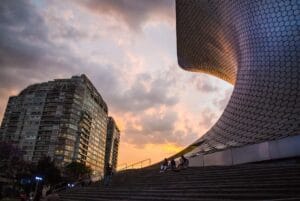
Chapultepec provides greenery and panoramic views, while Reforma offers modern skyscrapers and iconic monuments.
Responsible Tourism in Mexico City
Responsible tourism means respecting neighborhoods, residents, cultural sites and historical monuments.
Visitors should follow museum photography rules, avoid touching archaeological objects and respect religious spaces.
At markets, travelers should bargain respectfully and support genuine local artisans where possible.
When visiting Xochimilco, choosing reputable boat operators and treating the canals as an important cultural and ecological environment is also essential.
Is Mexico City Worth Visiting?
Mexico City is absolutely worth visiting. Few destinations provide such a concentrated mixture of ancient history, colonial architecture, world-class museums, contemporary art, food, music, markets and neighborhood culture.
It is a destination that becomes more interesting the longer you stay because different neighborhoods reveal completely different aspects of the city.
A first-time visitor may be attracted by the Zócalo and Frida Kahlo Museum, but after several days the city’s markets, cafés, architecture and food become equally memorable.
Best Places to Visit in Mexico City Mexico for First-Time Visitors
First-time visitors should prioritize the Zócalo, Templo Mayor, Metropolitan Cathedral, Palacio Nacional, Palacio de Bellas Artes, Chapultepec Castle, National Museum of Anthropology, Coyoacán, Frida Kahlo Museum and Xochimilco.
If enough time is available, Teotihuacán should be added as a day trip.
This combination provides a broad introduction to the history, culture, art and geography of Mexico City.
Best Places to Visit in Mexico City Mexico for History Lovers
History lovers should spend substantial time in the Historic Center, Templo Mayor, Palacio Nacional, Metropolitan Cathedral, Chapultepec Castle, National Museum of History, National Museum of Anthropology and Tlatelolco.
These attractions reveal different periods of Mexican history, from ancient civilizations through colonial rule, independence, revolution and modern nationhood.
Best Places to Visit in Mexico City Mexico for Art Lovers
Art lovers should explore Palacio de Bellas Artes, Museo Nacional de Arte, Museo de Arte Moderno, Museo Tamayo, Museo Soumaya, Museo Jumex and the Frida Kahlo Museum.
Mexico City’s artistic identity is unusually diverse, ranging from pre-Hispanic sculpture and colonial religious art to muralism, modernism and international contemporary art.
Best Places to Visit in Mexico City Mexico for Food Lovers
Food travelers should explore the Historic Center’s traditional restaurants and markets, La Merced, Mercado de Coyoacán, Roma, Condesa and Polanco.
Trying tacos, tamales, churros, quesadillas and other Mexican specialties is an essential part of the experience.
Travelers should also reserve time for contemporary Mexican restaurants because Mexico City is one of the world’s most important destinations for modern Mexican cuisine.
Conclusion
Mexico City is a destination where the past and present exist side by side. Ancient Mexica ruins can be found only minutes from colonial churches, while historic neighborhoods lead naturally into modern districts filled with restaurants, cafés, galleries and skyscrapers.
For travelers searching for the best places to visit in Mexico City Mexico, the Historic Center should be the starting point. The Zócalo, Templo Mayor, Metropolitan Cathedral and Palacio Nacional provide an extraordinary introduction to the city’s history. From there, Palacio de Bellas Artes, Alameda Central and the surrounding streets reveal the artistic and architectural richness of central Mexico City.
Author

Related posts
Best Places to Visit in Dinant
- 0
- 4,895 words
Best Places to Visit in Dinant, Belgium Dinant is one of the most beautiful small towns in Belgium and one of the...
Read out all
Best Places to Visit in Mont-Saint-Michel
- 0
- 4,974 words
Best Places to Visit in Mont-Saint-Michel , France Mont-Saint-Michel is one of the most extraordinary destinations in France and one of the...
Read out all
UNGA
- 0
- 5,649 words
UNGA (United Nations General Assembly ) The United Nations General Assembly, commonly known as the UN General Assembly or UNGA, is one...
Read out all
Best Places to Visit in Kathmandu
- 0
- 4,089 words
Best Places to Visit in Kathmandu , Nepal Kathmandu, the capital of Nepal, is one of South Asia’s most fascinating travel destinations....
Read out all
Best Places to Visit in Vilnius
- 0
- 5,246 words
Best Places to Visit in Vilnius , Lithuania Vilnius, the capital of Lithuania, is one of the most fascinating destinations in the...
Read out all
Best Places to Visit in Riga
- 0
- 6,005 words
Best Places to Visit in Riga , Latvia Riga, the capital of Latvia, is one of the most fascinating destinations in the...
Read out all