

Best Places to Visit in Queenstown, New Zealand
Queenstown, New Zealand, is one of the most spectacular travel destinations in the Southern Hemisphere. Located on the shores of beautiful Lake Wakatipu on New Zealand’s South Island, the town is surrounded by dramatic alpine mountains, clear rivers, peaceful valleys, vineyards, adventure parks, and scenic walking trails. Known internationally as the adventure capital of New Zealand, Queenstown attracts visitors who want to experience thrilling outdoor activities, breathtaking landscapes, romantic escapes, family holidays, winter sports, and unforgettable road trips.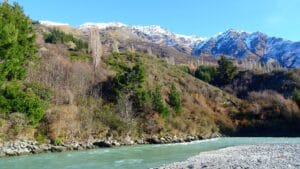
Although Queenstown is famous for bungy jumping, skydiving, jet boating, skiing, and mountain biking, the destination offers much more than adrenaline-filled experiences. Travellers can enjoy peaceful lake cruises, historic villages, local wine tasting, gardens, art galleries, cafés, luxury restaurants, scenic flights, wildlife encounters, and short walks through remarkable natural surroundings. The nearby destinations of Glenorchy, Arrowtown, Gibbston, Wānaka, and Fiordland National Park make Queenstown an excellent base for exploring the wider South Island.
The best places to visit in Queenstown combine nature, adventure, history, culture, food, and relaxation. Whether you are visiting for a weekend or planning a longer New Zealand itinerary, Queenstown offers attractions and experiences for almost every kind of traveller.
Queenstown and Its Spectacular Alpine Setting
Queenstown sits beside Lake Wakatipu, a long, narrow lake surrounded by the Southern Alps and several impressive mountain ranges. The lake, mountains, rivers, and valleys create the dramatic landscape that has made Queenstown one of New Zealand’s most photographed destinations. The town centre is compact and easy to explore, with restaurants, cafés, shops, activity operators, accommodation, and lakefront attractions located close together.
The surrounding landscape changes dramatically with the seasons. During summer, the region is ideal for hiking, cycling, boating, kayaking, sightseeing, and outdoor adventures. Autumn brings golden colours to the trees around Arrowtown and the surrounding valleys. Winter transforms the mountains into a snow-covered playground for skiing and snowboarding. Spring brings fresh greenery, blooming gardens, flowing waterfalls, and longer daylight hours.
Queenstown is also an excellent destination for travellers who want to combine outdoor experiences with urban comforts. After a day of hiking or skiing, visitors can enjoy fine dining, local Central Otago wines, craft beer, spa treatments, live entertainment, or a relaxed walk along the lakefront.
Lake Wakatipu : The Heart of Queenstown
Lake Wakatipu is the defining natural attraction of Queenstown and one of the first places visitors should explore. The lake stretches through a dramatic alpine basin, with mountains rising around its deep blue waters. The shape of the lake is unusual, and local Māori traditions connect it with the story of a giant named Matau. The lake’s changing colours, reflections, and surrounding peaks make it beautiful in every season.
The Queenstown lakefront is a wonderful place to begin a visit. Travellers can walk beside the water, enjoy views of The Remarkables, watch boats leaving the harbour, or relax on a bench while taking in the scenery. The area is especially attractive early in the morning when the lake is often calm and the mountains are reflected in the water.
Visitors can experience Lake Wakatipu in several ways. Scenic cruises offer a relaxing opportunity to admire the landscape from the water, while kayaking and paddleboarding provide a more active experience during suitable weather conditions. Jet boat tours combine lake and river scenery with high-speed adventure. Private boat charters are also available for travellers seeking a more personalised experience.
The lakefront is particularly enjoyable around sunset. The mountains become darker silhouettes, the water reflects the changing sky, and the town begins to glow with evening lights. Photographers should explore different viewpoints around Marine Parade, Queenstown Gardens, and the nearby lakefront paths for a variety of compositions.
Queenstown Gardens : A Peaceful Escape Near the Lake
Queenstown Gardens is one of the most accessible and relaxing attractions in the town. Located on a peninsula extending into Lake Wakatipu, the gardens offer a peaceful contrast to Queenstown’s busy adventure activities. The area contains mature trees, flower beds, landscaped paths, open lawns, and scenic views of the lake and surrounding mountains.
A walk through Queenstown Gardens is suitable for almost every traveller. The paths are generally easy to follow, and the gardens are ideal for families, couples, older visitors, photographers, and anyone who wants a quiet break. The garden’s peaceful atmosphere makes it a popular location for picnics, casual walks, and enjoying the scenery without undertaking a demanding hike.
The gardens are also connected to the Queenstown Trail network, making them a useful starting point for walking and cycling adventures. Visitors can continue along the lakefront or explore routes toward Frankton and other parts of the Queenstown area.
During autumn, the trees create beautiful golden and reddish colours. In spring and summer, the gardens become more vibrant with flowers and fresh greenery. The views from the peninsula are impressive throughout the year, especially toward Cecil Peak, Walter Peak, and the Remarkables mountain range.
Skyline Queenstown Gondola : The Best Panoramic View
The Skyline Queenstown Gondola is one of the most popular attractions in the region and offers an unforgettable view over Queenstown, Lake Wakatipu, and the surrounding mountains. The gondola carries visitors up Bob’s Peak, where a spectacular panorama opens across the town and the lake basin.
The viewing area at the top is one of the best places to appreciate Queenstown’s geography. From this elevated position, visitors can see the town centre, Lake Wakatipu, The Remarkables, Cecil Peak, Walter Peak, and the distant Southern Alps. The view is especially impressive on clear days when the mountains appear sharply defined against the sky.
Skyline is more than a viewing platform. Visitors can enjoy the luge, mountain biking, walking trails, dining, and stargazing experiences. The luge is a gravity-powered ride that allows visitors to travel down a winding track with views of the surrounding landscape. It is popular with families, groups, and travellers looking for a fun activity that does not require extreme physical fitness.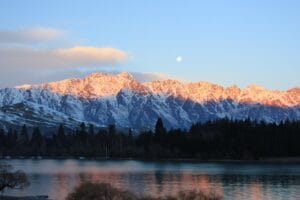
The Skyline area is also a starting point for the Tiki Trail, a walking route that climbs through native forest toward the summit. The trail provides an alternative to the gondola for visitors who enjoy hiking, although the uphill route requires more effort.
At night, Skyline can become a place for observing the southern sky. The region’s relatively low light pollution and clear atmosphere make stargazing an appealing experience. Visitors should check seasonal operating hours and weather conditions before planning an evening visit.
Bob’s Peak and the Tiki Trail
Bob’s Peak is the mountain summit above Queenstown reached by the Skyline Gondola or by walking along the Tiki Trail. It offers some of the most impressive elevated views in the Queenstown region. The ascent through forest provides a sense of moving away from the town and into a more natural environment.
The Tiki Trail begins near the gondola base and climbs through native vegetation. It is a short but steep walk, so travellers should allow enough time and wear suitable footwear. The trail can be demanding for visitors who are not accustomed to uphill walking, but the reward is the changing scenery and the panoramic view from above.
At the summit, visitors can enjoy the viewing platforms, take photographs, have a meal, or simply admire the surrounding landscape. The combination of lake, mountains, forests, and urban scenery makes Bob’s Peak a memorable destination for first-time visitors.
The best time to visit Bob’s Peak depends on the type of experience desired. Morning visits may offer clearer views and fewer crowds, while late afternoon visits can provide beautiful golden light. Weather can change quickly in alpine environments, so visitors should check conditions before beginning the walk.
TSS Earnslaw Steamship Cruise
The TSS Earnslaw is a historic steamship that operates on Lake Wakatipu and provides one of Queenstown’s most distinctive sightseeing experiences. Often described as a living piece of local history, the vessel has been operating for generations and offers travellers the opportunity to enjoy the lake from a classic steamship.
A cruise aboard the TSS Earnslaw is a relaxing alternative to Queenstown’s more intense activities. Passengers can sit inside the historic vessel, walk around the deck, watch the steam engine in operation, and enjoy uninterrupted views of the lake and mountains. The experience is particularly appealing to couples, families, older travellers, and visitors interested in history.
Many cruises travel toward Walter Peak, a rural property across Lake Wakatipu. Some experiences combine the steamship journey with farm visits, meals, or countryside activities. The voyage itself is often the main attraction, as the boat provides a constantly changing view of the surrounding landscape.
The cruise is also an excellent option when the weather is pleasant but travellers want a slower pace. The lake can look entirely different depending on sunlight, clouds, wind, and season. A journey on the TSS Earnslaw allows visitors to appreciate Queenstown’s natural beauty without undertaking a strenuous activity.
Walter Peak and the Countryside Across Lake Wakatipu
Walter Peak is located across Lake Wakatipu and is known for its rural landscape, mountain scenery, and high-country atmosphere. Reaching the area by boat makes the visit feel like a small journey away from the busy town centre.
The area offers views of farmland, mountains, lake beaches, and open countryside. Visitors can learn about rural life in the region, experience farm activities, enjoy a meal, or simply explore the surroundings. The contrast between Queenstown’s lively centre and Walter Peak’s peaceful landscape is one of the most attractive aspects of the excursion.
Walter Peak is particularly suitable for families and travellers who want to experience a different side of New Zealand. Instead of focusing only on adventure sports, the visit provides an opportunity to understand the agricultural and pastoral traditions of the South Island.
The journey across Lake Wakatipu is part of the experience. As the boat moves away from Queenstown, the town becomes smaller in the distance while the surrounding peaks and lake become more prominent. This makes the trip a rewarding combination of sightseeing, history, and countryside exploration.
Queenstown Lakefront and Marine Parade
Marine Parade and the Queenstown lakefront are among the easiest places to visit in the town. The area includes walking paths, public spaces, restaurants, cafés, activity operators, and views across Lake Wakatipu. It is an ideal location for travellers who want to enjoy Queenstown without committing to a full-day excursion.
A walk along the lakefront offers opportunities to watch boats, photograph the mountains, enjoy public art, and discover nearby cafés. The area is lively during the day but can become especially atmospheric in the evening when the restaurants and town lights begin to shine.
Marine Parade is also a departure point for several water-based activities. Visitors can arrange scenic cruises, jet boat rides, and other experiences from the waterfront. Because many attractions are close together, the area is convenient for travellers with limited time.
The lakefront is also a good place to begin exploring Queenstown’s food scene. Visitors can find casual cafés, takeaway food, modern restaurants, and places offering local ingredients. Dining beside the lake can be a memorable experience, particularly when the weather allows outdoor seating.
Queenstown’s Historic Town Centre
Queenstown’s central area combines historic buildings, modern businesses, restaurants, souvenir shops, boutiques, cafés, and activity providers. Although the town is strongly associated with adventure tourism, its centre also reflects the region’s gold-mining history and development as a settlement.
Walking through the central streets allows visitors to explore Queenstown at a comfortable pace. The area is compact, making it easy to combine shopping, dining, sightseeing, and booking activities in a single visit. Many visitors enjoy wandering without a fixed plan, discovering local cafés, small shops, galleries, and public spaces.
The town centre is especially lively during the evening. Restaurants and bars attract visitors returning from outdoor activities, while the streets become a meeting point for travellers from around the world. Despite its international popularity, Queenstown retains a welcoming small-town atmosphere.
Visitors interested in history should look for information about the gold-mining era and the development of the surrounding region. Queenstown’s past is closely connected with the search for gold in Otago, which brought settlers, miners, businesses, and new transport routes to the area.
Kiwi Park Queenstown
Kiwi Park is a wildlife and conservation attraction located near the Skyline Gondola. It provides visitors with an opportunity to learn about New Zealand’s native wildlife and conservation efforts, including the protection of the country’s iconic kiwi bird.
The kiwi is nocturnal and difficult to observe in the wild, so a conservation-focused wildlife park can be a valuable experience for visitors who want to understand this important national symbol. The park also introduces travellers to other native birds, reptiles, and wildlife associated with New Zealand.
Kiwi Park is especially suitable for families and travellers who are interested in nature but may not have time for a long national-park excursion. Educational displays and conservation information help explain the challenges faced by native species, including habitat loss and introduced predators.
A visit to Kiwi Park can be combined with the Skyline Gondola because the attractions are located close to one another. This makes it easy to create a half-day itinerary involving wildlife, panoramic views, and family-friendly activities.
Lake Esplanade and Scenic Viewpoints
Lake Esplanade is a scenic area near the Queenstown waterfront that provides views across Lake Wakatipu toward the surrounding mountains. It is less focused on commercial attractions than the central lakefront and can be a good choice for travellers seeking a quieter walk.
The area offers opportunities for photography, peaceful sightseeing, and observing the changing appearance of the lake. Depending on the time of day, visitors may see sunlight moving across the mountains, clouds gathering around the peaks, or reflections appearing on the water.
Lake Esplanade is particularly attractive for early-morning and evening walks. The surrounding roads and paths provide access to several viewpoints, although visitors should remain aware of traffic and use designated walking areas.
For travellers staying near the town centre, Lake Esplanade can be included in a relaxed walking route through Queenstown Gardens and the lakefront. It is also a useful place to pause between more demanding activities.
The Remarkables Mountain Range
The Remarkables are among the most recognisable mountain ranges in New Zealand. Their sharp peaks rise dramatically beside Lake Wakatipu and create the distinctive backdrop seen in many photographs of Queenstown. The range is impressive from almost every angle, but travelling closer provides a deeper appreciation of its scale.
During winter, The Remarkables are home to a major ski area. Skiers and snowboarders travel from around the world to enjoy the snow, alpine terrain, and views across the Wakatipu Basin. The ski area offers options for different ability levels, although conditions and access can vary with weather.
In warmer months, the landscape becomes suitable for hiking, scenic drives, photography, and alpine exploration. Some routes are demanding and require proper preparation, while other viewpoints can be enjoyed without a long trek.
The Remarkables are especially beautiful at sunrise and sunset. The peaks may turn pink, orange, or gold as the light changes. Travellers should remember that mountain weather can be unpredictable, and they should check conditions before entering alpine areas.
The Remarkables Ski Area
The Remarkables Ski Area is one of the most popular winter attractions near Queenstown. It offers snow-covered slopes, alpine views, ski lessons, snowboarding opportunities, and facilities for visitors who want to enjoy a winter holiday.
The ski area is suitable for beginners who want to learn the basics as well as experienced skiers seeking more challenging terrain. Equipment rental, lessons, transport services, and lift access can generally be arranged through local operators, but visitors should book ahead during busy periods.
Even travellers who do not ski may enjoy a visit to the mountains during winter. The snow-covered landscape offers excellent photography opportunities, and the journey toward the ski area provides views of the valleys and mountain ranges.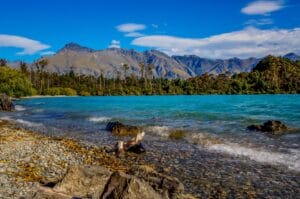
Winter visitors should allow extra travel time because mountain roads may be affected by snow, ice, or strong winds. Warm clothing, suitable footwear, and attention to local travel advice are essential.
Coronet Peak
Coronet Peak is another major ski destination near Queenstown and is known for its accessible location, broad views, and winter sports facilities. It is one of the most convenient mountain areas for visitors who want to experience skiing or snowboarding without travelling too far from town.
The mountain offers terrain for beginners, intermediate skiers, and more advanced visitors. Ski schools and rental services make it possible for first-time travellers to participate in snow sports with guidance.
Outside the winter season, the surrounding area is still valuable for sightseeing and scenic drives. The mountain roads provide views across the Wakatipu Basin and the surrounding countryside, although access to specific ski facilities may depend on the season.
Coronet Peak is a good choice for travellers who want to include winter sports in a short Queenstown itinerary. Visitors should check opening dates, snow conditions, road access, and transport arrangements before travelling.
Ben Lomond Track
The Ben Lomond Track is one of Queenstown’s most famous hiking routes. It offers dramatic views over Lake Wakatipu, Queenstown, The Remarkables, Cecil Peak, Walter Peak, and the surrounding Southern Alps. The hike is demanding, but it is highly rewarding for experienced walkers who are properly prepared.
The route begins near the Skyline area and climbs through forest before reaching open alpine terrain. As the elevation increases, the views become wider and more dramatic. The landscape changes from trees and shrubs to grassland, rocky slopes, and exposed mountain environments.
The full summit hike requires significant time, fitness, suitable footwear, food, water, and careful attention to weather. Conditions can change quickly, especially near the higher sections. Snow and ice may remain on the track outside the warmer months, making the route unsuitable for inexperienced hikers during winter.
The Ben Lomond Saddle provides an impressive viewpoint for travellers who do not want to continue to the summit. Those who proceed to the top are rewarded with a remarkable panorama across the Queenstown region.
Because the route is challenging, visitors should check official track information and weather forecasts before starting. It is important not to underestimate the mountain environment simply because the hike begins close to town.
Queenstown Hill and the Basket of Dreams
Queenstown Hill is a popular walking destination that provides elevated views over Queenstown, Lake Wakatipu, and the surrounding mountains. The track is shorter and generally more accessible than the Ben Lomond route, making it suitable for travellers who want a rewarding hike without committing to a full alpine summit.
One of the best-known features along the route is the Basket of Dreams sculpture. The sculpture provides a memorable viewpoint and is often photographed against the lake and mountain background. The walk combines natural scenery with a small artistic landmark.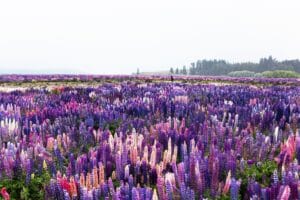
The Queenstown Hill route climbs steadily and can be steep in places. Visitors should wear comfortable walking shoes and allow enough time to enjoy the viewpoints rather than rushing to the top.
The walk is particularly beautiful during the early morning or late afternoon. The changing light highlights the mountains and lake, while the town below provides a sense of scale. Queenstown Hill is an excellent choice for photographers, couples, active families, and travellers with limited time.
Moke Lake
Moke Lake is a peaceful alpine lake located a short drive from Queenstown. Surrounded by hills and open countryside, it offers a quieter atmosphere than the busy attractions around the town centre. The lake is known for its reflections, walking opportunities, and scenic rural setting.
The journey to Moke Lake takes visitors away from the main tourist routes and into a landscape of gravel roads, hills, grassland, and mountain views. The road conditions can vary, so travellers should check access information and drive carefully.
A walking track circles the lake and offers a pleasant way to explore the area. The route provides different perspectives of the water, hills, and surrounding peaks. The walk is suitable for visitors who want a peaceful outdoor experience rather than a strenuous mountain hike.
Moke Lake is particularly attractive for photography. On calm days, the mountains and clouds may be reflected in the water, creating a mirror-like scene. The location can also be beautiful during sunrise and sunset, although visitors should plan their return journey carefully.
Lake Hayes
Lake Hayes is one of the most beautiful lakes near Queenstown and is especially famous for its autumn scenery. Located near Arrowtown, the lake is surrounded by hills, trees, farmland, and mountain views. Its calm waters and changing colours make it a popular destination for walkers, cyclists, and photographers.
The Lake Hayes Loop is a scenic walking and cycling route that follows the shoreline. The track offers changing views across the water and is suitable for travellers who want to spend time outdoors without undertaking a difficult hike.
Autumn is one of the most attractive seasons to visit Lake Hayes because the surrounding trees often turn vivid shades of yellow, orange, and red. However, the lake is enjoyable throughout the year. Summer brings longer daylight hours, while winter can create a peaceful atmosphere with snow on distant peaks.
Visitors should bring water, sun protection, and suitable footwear. The weather can change quickly, and some sections of the route may be exposed to wind or rain.
Arrowtown: A Historic Gold-Mining Village
Arrowtown is one of the best places to visit near Queenstown for travellers interested in history, architecture, cafés, boutique shopping, and scenic streets. Located beside the Arrow River, the village developed during the Otago gold rush and retains many historic buildings and miners’ cottages.
The main street is lined with shops, restaurants, cafés, galleries, and heritage structures. Walking through Arrowtown feels different from visiting Queenstown because the atmosphere is quieter and more traditional. Visitors can explore the historic settlement, learn about gold-mining history, and enjoy the surrounding landscape.
The Arrow River provides opportunities for peaceful walks and photography. The riverbanks are especially attractive during autumn when the trees display golden colours. The area also contains walking routes that connect the village with nearby historic sites and natural scenery.
Arrowtown is ideal for a half-day trip from Queenstown, although travellers may wish to stay longer to enjoy lunch, coffee, local products, and the heritage atmosphere. The village is also a popular stop on cycling routes through the Queenstown Lakes region.
Arrow River and Gold-Mining Heritage
The Arrow River played an important role in the development of Arrowtown during the gold-mining era. Today, the river and its surrounding paths offer visitors a chance to experience both natural beauty and local history.
Walking beside the river is a relaxing activity, especially during spring and autumn. The landscape includes trees, rocky riverbanks, grassy areas, and historic remains connected with the gold-mining period.
Visitors can learn about the difficult conditions faced by miners and early settlers. The region’s gold rush history is an important part of Central Otago’s identity and helps explain the development of settlements such as Arrowtown and Queenstown.
The river area is also popular with photographers. Reflections, changing vegetation, historic structures, and mountain backgrounds create a wide variety of scenes. Visitors should respect heritage sites and avoid disturbing archaeological remains.
Gibbston Valley: Queenstown’s Wine Country
Gibbston Valley is one of the most attractive wine regions near Queenstown. Located along the Kawarau River, the area is known for vineyards, cellar doors, restaurants, historic bridges, and dramatic mountain scenery. It is often called the heart of Central Otago wine country.
The region is particularly famous for Pinot Noir, although wineries also produce other varieties. Visitors can arrange wine tastings, vineyard tours, food pairings, and relaxed meals surrounded by vines and mountains.
Gibbston is suitable for couples, food lovers, travellers interested in agriculture, and anyone who wants a slower experience outside Queenstown. The landscape is beautiful in every season, but vineyards are especially attractive during late summer and autumn.
Visitors should plan transportation carefully if they intend to taste wine. Guided wine tours, private drivers, shuttle services, and organised excursions are useful options. Responsible travel is important because the roads can be busy and wine tasting should never be combined with driving under the influence.
Kawarau Suspension Bridge
The Kawarau Suspension Bridge is one of the most famous adventure landmarks near Queenstown. It is closely associated with the development of commercial bungy jumping and has become an iconic destination for thrill-seekers.
Visitors can watch people take the leap from the bridge or participate themselves if they meet the operator’s safety requirements. The experience is not suitable for everyone, but even spectators can enjoy the dramatic setting above the Kawarau River.
The surrounding area provides scenic views of the river, cliffs, and historic bridge structure. Travellers who do not want to bungy jump can still visit to photograph the location, observe the activity, and learn about its role in Queenstown’s adventure-tourism history.
Anyone considering a bungy jump should read the safety information carefully, disclose relevant medical concerns, follow instructions, and understand the physical demands before participating.
Kawarau River Adventures
The Kawarau River is a major centre for outdoor adventure near Queenstown. Depending on the season and conditions, visitors can experience jet boating, rafting, river sightseeing, and other activities along the river.
Jet boating combines speed, sharp turns, and close views of the river environment. It is one of the region’s signature experiences and is popular with visitors who want an exciting activity without a full-day commitment.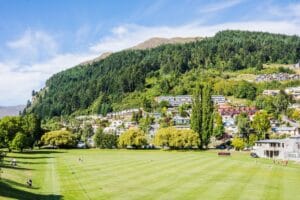
Rafting offers a different experience, allowing travellers to work together while navigating river sections and enjoying the surrounding scenery. Some rafting adventures may include challenging rapids or river tunnels, so participants should choose an experience appropriate to their fitness and comfort level.
The river landscape also has historical importance because it was connected with gold mining and early settlement. Travellers can combine adventure activities with visits to historic sites and scenic viewpoints in the wider Gibbston area.
Shotover River and Shotover Jet
The Shotover River is one of Queenstown’s most famous adventure locations. Flowing through dramatic canyons, the river provides a striking setting for jet boating and other outdoor experiences. The Shotover Jet is particularly well known for high-speed rides through narrow canyon sections.
A Shotover Jet experience usually involves travelling quickly across the water, navigating turns, and passing close to steep rock walls. The combination of speed and scenery makes it one of Queenstown’s most memorable adventure activities.
The surrounding canyon landscape is impressive even for visitors who do not participate. The river cuts through rugged terrain, creating a sense of remoteness despite its proximity to town.
Travellers should follow all safety instructions and consider weather, clothing, and personal comfort before booking. The activity may not be appropriate for people with certain medical conditions, and visitors should ask the operator if they have concerns.
Skippers Canyon
Skippers Canyon is a dramatic historic canyon located near Queenstown. The area is known for steep cliffs, winding roads, gold-mining history, and spectacular views of the Shotover River. The road into the canyon is narrow and challenging, so most visitors explore the area through organised tours rather than self-driving.
Guided four-wheel-drive excursions provide access to viewpoints and historic locations while explaining the region’s gold-mining past. The journey itself is a major part of the experience, with dramatic turns and views across the canyon landscape.
Skippers Canyon is ideal for travellers interested in history, photography, geology, and adventure. The landscape reveals the power of the river and the difficult conditions faced by miners who worked in the region.
Because the road can be hazardous, visitors should use experienced local operators and check weather conditions. Travellers should not assume that ordinary rental-car insurance or rental vehicles are suitable for the road.
Glenorchy: Gateway to Extraordinary Landscapes
Glenorchy is one of the most spectacular day trips from Queenstown. Located at the northern end of Lake Wakatipu, the small settlement is surrounded by mountains, forests, rivers, and wide open landscapes. The drive from Queenstown to Glenorchy follows the lake and is often considered one of the most scenic road journeys in New Zealand.
The route offers numerous opportunities to stop for photographs. Travellers can see the lake, rugged peaks, quiet bays, native forest, and changing weather conditions. The road is particularly beautiful during clear mornings when the mountains are reflected in the water.
Glenorchy itself is a small settlement with a peaceful atmosphere. The famous red shed near the waterfront is a popular photography location, while the nearby lagoon and walking tracks offer opportunities to explore the area.
The region is also associated with film locations from major fantasy productions, including scenes connected with the landscapes of Middle-earth. However, the natural scenery is impressive even for visitors who are not interested in films.
Glenorchy Lagoon Walkway
The Glenorchy Lagoon Walkway is an easy and scenic route through wetlands, grassland, and native vegetation. It offers beautiful views of the surrounding mountains and is suitable for travellers who want to experience the Glenorchy landscape without undertaking a demanding hike.
The walkway includes boardwalk sections and gentle paths. It is particularly attractive for birdwatching, photography, and peaceful nature observation. The landscape changes with the weather, and mist or clouds can create a dramatic atmosphere around the mountains.
The route is a good option for families, casual walkers, photographers, and visitors with limited time. It can be combined with a visit to Glenorchy village, the waterfront, and nearby scenic stops.
Visitors should remain on marked paths, respect wildlife, and avoid disturbing wetland environments. Weather conditions can change quickly, so a waterproof jacket and comfortable shoes are useful.
Paradise and the Routeburn Region
Paradise is a rural area near Glenorchy known for its forests, farmland, rivers, and spectacular mountain scenery. The landscape has attracted photographers, filmmakers, hikers, and travellers seeking a quieter experience away from Queenstown.
The region provides access to several scenic routes and is close to the Routeburn Track, one of New Zealand’s most famous multi-day walking trails. The Routeburn landscape includes beech forests, alpine valleys, waterfalls, rivers, and mountain passes.
Visitors who do not have time for a multi-day hike can still explore parts of the region through shorter walks, guided excursions, and scenic drives. The area is especially appealing to nature lovers who want to experience the atmosphere of the Southern Alps.
Because some tracks enter remote and alpine environments, visitors should check official track conditions and prepare carefully. Travellers should carry suitable clothing, food, water, navigation equipment, and emergency supplies when entering more isolated areas.
Dart River Wilderness Jet
The Dart River flows through an extraordinary landscape near Glenorchy and offers a memorable wilderness experience. Guided jet boat journeys travel through braided river channels, native forests, and mountain scenery associated with Mount Aspiring National Park.
The Dart River experience combines adventure with nature interpretation. Visitors can enjoy the speed of the jet boat while learning about the river, forests, geology, wildlife, and Māori and European history of the region.
The journey is especially suitable for travellers who want to experience a remote landscape without committing to a long hike. The river provides access to scenery that would otherwise be difficult to reach.
Weather and river conditions can affect the experience, so visitors should check operating information before booking. Warm clothing and waterproof layers are recommended because conditions on the river can be cooler than in Queenstown.
Mount Aspiring National Park
Mount Aspiring National Park is a remarkable protected area containing mountains, glaciers, rivers, forests, valleys, and alpine landscapes. The park extends across a large region of the South Island and is accessible from several directions, including the Queenstown and Glenorchy areas.
The park is ideal for travellers interested in hiking, photography, wildlife, geology, and wilderness experiences. It contains short walks as well as challenging multi-day routes. The scenery can include beech forests, braided rivers, waterfalls, rocky peaks, and snow-covered mountains.
Visitors should understand that national-park conditions can be demanding. Weather changes quickly, river crossings may become dangerous, and some routes require navigation skills and substantial preparation.
For casual visitors, guided trips and shorter walks are often the safest way to experience the park. More experienced hikers may plan longer adventures, but they should consult official information about track conditions, huts, weather, transport, and emergency procedures.
Wānaka: A Scenic Day Trip from Queenstown
Wānaka is a beautiful lakeside town located approximately a scenic drive from Queenstown. It is known for Lake Wānaka, mountain scenery, outdoor activities, cafés, walking trails, and the famous solitary tree standing in the lake.
The journey between Queenstown and Wānaka is an attraction in itself. Depending on the route and weather, travellers may pass through mountain landscapes, high-country farmland, and dramatic alpine roads. The Crown Range route offers impressive scenery but can be affected by snow and ice during winter.
Lake Wānaka provides opportunities for walking, boating, kayaking, photography, and relaxation. The town’s waterfront is a pleasant place to enjoy coffee or lunch while looking across the lake toward the mountains.
Wānaka is also a gateway to Mount Aspiring National Park and several famous hiking routes. Travellers who have more time may wish to stay overnight rather than treating the town as a quick day trip.
Roy’s Peak and Alpine Hiking near Wānaka
Roy’s Peak is one of the most famous hiking destinations in the Wānaka region. The track is known for its panoramic views over Lake Wānaka, surrounding mountains, and open alpine terrain. Photographs from the higher sections often show sweeping views across the lake and valleys.
The hike is demanding and requires good fitness, sufficient water, food, sun protection, and suitable footwear. During warm weather, the track can be exposed to strong sunlight, while colder months may bring snow and ice.
Travellers should check whether the track is open and understand seasonal restrictions. The area can become crowded during popular periods, so early starts are often recommended.
Visitors who prefer less strenuous activities can enjoy the lakefront, shorter walks, and scenic viewpoints around Wānaka without climbing Roy’s Peak.
Milford Sound: An Unforgettable Excursion from Queenstown
Milford Sound is one of New Zealand’s most famous natural attractions and a popular long-distance excursion from Queenstown. Located within Fiordland National Park, the fiord is known for steep cliffs, dramatic waterfalls, rainforest, and dark waters surrounded by mountains.
A trip from Queenstown to Milford Sound can be undertaken by coach, self-drive, scenic flight, or a combination of transport options. The journey by road is long but passes through remarkable landscapes, including lakes, valleys, forests, and mountain passes.
A cruise on Milford Sound is one of the best ways to experience the fiord. Boats travel beneath towering cliffs and past waterfalls that may become especially powerful after rainfall. Visitors may also see seals, dolphins, penguins, and other wildlife, although sightings are never guaranteed.
Milford Sound is located in a remote and changeable environment. Rain is common, but wet weather can make the waterfalls even more impressive. Travellers should wear waterproof clothing and prepare for a full day of travel if visiting from Queenstown.
Fiordland National Park
Fiordland National Park is one of the most important wilderness areas in New Zealand. It contains ancient forests, deep fiords, alpine mountains, glaciers, rivers, and diverse wildlife. The park forms part of Te Wāhipounamu, a UNESCO World Heritage area.
Although Milford Sound is the most famous attraction, Fiordland offers many other experiences for visitors with more time. Hiking routes, scenic flights, boat trips, and guided wilderness excursions allow travellers to explore different parts of the park.
The park’s scale and remoteness make preparation essential. Visitors should check weather forecasts, transport arrangements, track conditions, and safety advice. Some routes are suitable only for experienced hikers or guided groups.
A visit to Fiordland provides a powerful contrast to Queenstown’s lively atmosphere. The environment is quieter, wilder, and more isolated, with a strong sense of natural scale.
Suggested Three-Day Queenstown Itinerary
A three-day Queenstown itinerary can begin with a relaxed exploration of the lakefront, Queenstown Gardens, Marine Parade, and the central town. Visitors can enjoy a scenic lunch, explore local shops, and take the Skyline Gondola in the afternoon for panoramic views.
The second day can focus on adventure or nature. Travellers may choose a jet boat ride, a hike on Queenstown Hill, a cruise on Lake Wakatipu, or a visit to Arrowtown and Lake Hayes. The best option depends on the season and personal interests.
The third day can be reserved for a scenic excursion to Glenorchy, a wine tour in Gibbston, or a longer trip toward Wānaka. Travellers should avoid trying to combine too many distant destinations into one day.
Suggested Five-Day Queenstown Itinerary
A five-day trip allows visitors to experience Queenstown at a more comfortable pace. The first day can be spent exploring the town centre, Lake Wakatipu, Queenstown Gardens, and Skyline Gondola.
The second day can focus on adventure, with options such as jet boating, rafting, bungy jumping, mountain biking, or a scenic cruise. Visitors who prefer gentle activities can enjoy a lake excursion and local food experiences.
The third day can be dedicated to Glenorchy and the surrounding landscapes. The scenic drive, Glenorchy Lagoon Walkway, waterfront, and nearby countryside provide a full day of exploration.
The fourth day can include Arrowtown, Lake Hayes, and Gibbston Valley. Travellers can combine heritage, walking, photography, and wine tasting.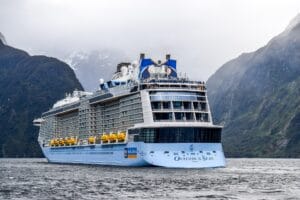
The fifth day can be used for Milford Sound, Wānaka, a longer hike, or a flexible day in case of poor weather. Travellers should select only one major excursion because Queenstown’s surrounding destinations can require substantial travel time.
Conclusion
Queenstown is a destination where dramatic landscapes and unforgettable experiences come together. From the deep blue waters of Lake Wakatipu and the peaceful Queenstown Gardens to the panoramic Skyline Gondola, historic Arrowtown, vineyards of Gibbston, and spectacular road to Glenorchy, the region offers an extraordinary variety of attractions.
Adventure travellers can enjoy bungy jumping, jet boating, rafting, skiing, skydiving, and mountain biking, while visitors seeking relaxation can explore gardens, cafés, restaurants, scenic cruises, vineyards, and lakeside viewpoints. Families can find accessible attractions, couples can enjoy romantic scenery, and experienced hikers can explore the surrounding alpine wilderness.
- Official Queenstown tourism website: Destination Queenstown official travel website
- Official Queenstown activities guide: Things to do in Queenstown
- Official Queenstown trip-planning information: Plan your Queenstown trip
- Official New Zealand tourism information: Queenstown on 100% Pure New Zealand
- Official Queenstown scenic attractions guide: Queenstown scenic attractions
- Official Queenstown Airport visitor guide: Things to do in Queenstown from Queenstown Airport
Author

Related posts
Best Places to Visit in Dinant
- 0
- 4,895 words
Best Places to Visit in Dinant, Belgium Dinant is one of the most beautiful small towns in Belgium and one of the...
Read out all
Best Places to Visit in Mont-Saint-Michel
- 0
- 4,974 words
Best Places to Visit in Mont-Saint-Michel , France Mont-Saint-Michel is one of the most extraordinary destinations in France and one of the...
Read out all
UNGA
- 0
- 5,649 words
UNGA (United Nations General Assembly ) The United Nations General Assembly, commonly known as the UN General Assembly or UNGA, is one...
Read out all
Best Places to Visit in Kathmandu
- 0
- 4,089 words
Best Places to Visit in Kathmandu , Nepal Kathmandu, the capital of Nepal, is one of South Asia’s most fascinating travel destinations....
Read out all
Best Places to Visit in Vilnius
- 0
- 5,246 words
Best Places to Visit in Vilnius , Lithuania Vilnius, the capital of Lithuania, is one of the most fascinating destinations in the...
Read out all
Best Places to Visit in Riga
- 0
- 6,005 words
Best Places to Visit in Riga , Latvia Riga, the capital of Latvia, is one of the most fascinating destinations in the...
Read out all