
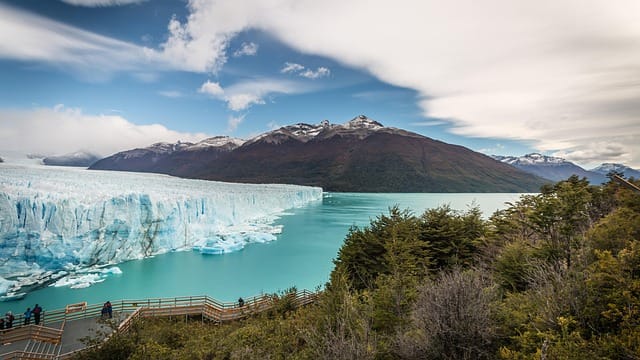
Perito Moreno Glacier: The Spectacular Ice Wonder of Patagonia

Perito Moreno Glacier is one of the world’s most extraordinary natural wonders and one of the most visited attractions in Patagonia. Located within Los Glaciares National Park in southern Argentina, the glacier attracts hundreds of thousands of visitors each year who come to witness its immense size, stunning blue ice formations, and dramatic ice calving events.
Unlike many glaciers around the world that are shrinking rapidly, Perito Moreno Glacier has remained relatively stable for decades, making it a unique scientific phenomenon and one of the few advancing glaciers on Earth. Stretching approximately 30 kilometers (19 miles) in length and covering around 250 square kilometers, the glacier is part of the Southern Patagonian Ice Field, one of the largest freshwater reserves on the planet.
Where Is Perito Moreno Glacier Located?
Perito Moreno Glacier is situated inside Los Glaciares National Park in Argentina’s Santa Cruz Province near the town of El Calafate. The glacier flows from the Southern Patagonian Ice Field into Lake Argentino, creating one of the most spectacular landscapes in South America.
The surrounding region features snow-capped mountains, pristine lakes, forests, and diverse wildlife, making the glacier a highlight of any Patagonia itinerary. The area is protected as part of a UNESCO World Heritage Site due to its outstanding natural significance.
Source: UNESCO World Heritage Centre – Los Glaciares National Park
The Fascinating History Behind the Glacier’s Name
The glacier is named after Francisco Moreno, a renowned Argentine explorer, anthropologist, and naturalist who played a significant role in exploring Patagonia during the nineteenth century. Despite its name, Moreno never actually visited the glacier himself. Nevertheless, his contributions to Argentina’s scientific and geographic understanding of Patagonia led to the glacier being named in his honor.
Today, Perito Moreno Glacier stands as one of Argentina’s most recognized natural landmarks and a symbol of the country’s extraordinary environmental heritage.
The Incredible Size of Perito Moreno Glacier
One of the first things visitors notice is the glacier’s astonishing scale. Rising approximately 70 meters above the surface of Lake Argentino and extending hundreds of meters below the waterline, the glacier creates an enormous wall of ice that dominates the surrounding landscape.
The glacier continuously moves forward at an average rate of about two meters per day. This constant movement creates tension within the ice mass, leading to spectacular cracking sounds and dramatic ice collapses that visitors can often witness from viewing platforms.
The sheer size and power of Perito Moreno Glacier provide a remarkable reminder of nature’s ability to shape landscapes over thousands of years.
Witnessing Ice Calving Events
One of the most unforgettable experiences at Perito Moreno Glacier is observing ice calving. This natural process occurs when large chunks of ice break away from the glacier’s face and crash into the waters below.
Visitors frequently hear loud cracking and rumbling sounds before witnessing massive ice blocks detach and plunge into Lake Argentino. These dramatic events can occur at any time and range from small fragments to towering sections of ice the size of buildings.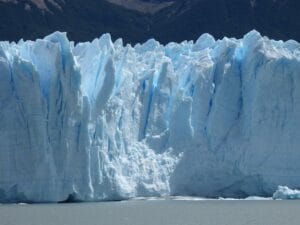
The spectacle attracts photographers, nature enthusiasts, and travelers from around the world who hope to witness one of Patagonia’s most iconic natural phenomena.
The Unique Glacier Rupture Phenomenon
Perito Moreno Glacier is famous for a rare natural event known as the glacier rupture cycle. As the glacier advances, it occasionally reaches the opposite shore of Lake Argentino and forms a natural ice dam.
This barrier separates sections of the lake and causes water levels on one side to rise significantly. Eventually, pressure builds until a tunnel forms beneath the ice, creating a spectacular arch. The arch eventually collapses in a dramatic rupture event that can attract global attention.
Although the timing is unpredictable, these rupture cycles are among the most extraordinary glacier-related phenomena in the world.
Exploring the Viewing Platforms
One of the best ways to experience Perito Moreno Glacier is through the extensive network of viewing platforms located within Los Glaciares National Park. These walkways provide visitors with panoramic perspectives of the glacier from multiple angles.
The platforms allow travelers to safely observe the glacier’s immense scale while enjoying close-up views of the ice formations. Different viewpoints reveal changing colors, textures, and features throughout the day as sunlight interacts with the glacier’s surface.
The accessibility of these viewing areas makes Perito Moreno one of the easiest major glaciers in the world to experience without specialized equipment.
Boat Excursions Near the Glacier
Boat tours offer visitors an entirely different perspective of Perito Moreno Glacier. These excursions navigate across Lake Argentino and approach the glacier’s towering ice walls.
From the water, travelers gain a greater appreciation for the glacier’s immense height and dramatic structure. The experience also provides excellent opportunities for photography and wildlife observation.
Many visitors consider a boat excursion one of the highlights of their Patagonia journey because it allows them to witness the glacier’s beauty from a unique vantage point.
Ice Trekking Adventures
For travelers seeking a more adventurous experience, guided ice trekking tours allow participants to walk directly on the glacier’s surface. Equipped with crampons and accompanied by professional guides, visitors explore ice formations, crevasses, meltwater pools, and other fascinating features.
Walking on Perito Moreno Glacier provides an unforgettable opportunity to experience one of nature’s most dynamic environments firsthand. The brilliant blue ice, constantly changing terrain, and breathtaking views create a truly unique adventure.
Ice trekking has become one of the most sought-after activities in Patagonia and offers a deeper understanding of glacial ecosystems.
The Science Behind the Blue Ice
One of Perito Moreno Glacier’s most striking features is its vibrant blue coloration. The blue appearance results from the way dense glacier ice absorbs and scatters sunlight.
As snow accumulates and compresses over many years, air bubbles are squeezed out, creating highly compacted ice. This dense ice absorbs longer wavelengths of light while reflecting shorter blue wavelengths, producing the glacier’s stunning color.
The deeper and denser the ice, the more intense the blue appearance becomes, creating some of the most beautiful natural colors found anywhere on Earth.
Wildlife Around Perito Moreno Glacier
Although the glacier itself may appear harsh and inhospitable, the surrounding region supports diverse wildlife. Visitors to Los Glaciares National Park may encounter guanacos, foxes, condors, eagles, and various species of waterfowl.
The park’s ecosystems include forests, grasslands, wetlands, and alpine environments that provide habitat for numerous plant and animal species. Wildlife observation adds another dimension to the glacier experience and highlights the ecological importance of the region.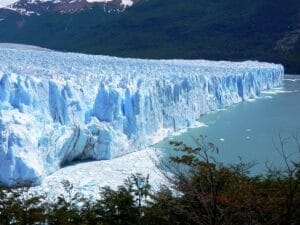
Nature lovers often combine glacier visits with broader exploration of Patagonia’s remarkable biodiversity.
Best Time to Visit Perito Moreno Glacier
The most popular time to visit Perito Moreno Glacier is during the Southern Hemisphere summer, which runs from November through March. During these months, temperatures are milder, daylight hours are longer, and travel conditions are generally more favorable.
Summer provides excellent opportunities for sightseeing, hiking, boat tours, and photography. However, the glacier remains accessible throughout the year, and each season offers unique perspectives and experiences.
Winter visitors often enjoy fewer crowds and dramatic snowy landscapes that create a completely different atmosphere around the glacier.
Photography Opportunities
Perito Moreno Glacier is considered one of the world’s premier photography destinations. The combination of towering ice formations, turquoise waters, dramatic weather, and changing light conditions creates endless opportunities for capturing spectacular images.
Photographers often find sunrise and sunset particularly rewarding because the low-angle sunlight enhances the glacier’s colors and textures. Reflections in Lake Argentino and active ice calving events can also produce unforgettable photographs.
The glacier’s constantly changing appearance ensures that no two visits are ever exactly the same.
Why Perito Moreno Glacier Is a Global Treasure
Perito Moreno Glacier represents much more than a tourist attraction. It serves as an important scientific research site, a major freshwater reservoir, and a powerful symbol of Earth’s natural beauty.
The glacier offers valuable insights into climate science, glaciology, hydrology, and environmental conservation. Its continued stability provides researchers with opportunities to study glacier behavior and understand broader environmental processes.
As one of the most accessible and visually impressive glaciers in the world, Perito Moreno inspires millions of visitors to appreciate and protect our planet’s natural wonders.
Surrounding Places to Visit Near Perito Moreno Glacier
Visitors who travel to Perito Moreno Glacier often discover that the surrounding region of Patagonia offers many other spectacular attractions. The glacier is located within Los Glaciares National Park, a UNESCO World Heritage Site known for its mountains, lakes, glaciers, wildlife, and outdoor adventures.
El Calafate: The Gateway to Patagonia
The charming town of El Calafate is the primary gateway to Perito Moreno Glacier. Located approximately 80 kilometers from the glacier, El Calafate offers hotels, restaurants, museums, shops, and stunning views of Lake Argentino. Visitors often spend several days here exploring Patagonia’s natural beauty. The town itself is known for its relaxed atmosphere and serves as an excellent base for excursions throughout the region.
Lake Argentino

Lake Argentino is Argentina’s largest freshwater lake and one of Patagonia’s most beautiful natural attractions. Its turquoise waters are fed by numerous glaciers, including Perito Moreno. Boat excursions across the lake provide access to remote glaciers, spectacular landscapes, and excellent wildlife viewing opportunities.
Upsala Glacier
Located within Los Glaciares National Park, Upsala Glacier is one of South America’s largest glaciers. Although visitors cannot walk directly on it, boat tours provide impressive views of its vast ice fields and floating icebergs. The glacier’s immense scale makes it one of the most remarkable sights in Patagonia.
Spegazzini Glacier
Spegazzini Glacier is famous for having some of the tallest glacier walls in the region, reaching heights of more than 130 meters above the water. Many boat excursions from El Calafate include visits to both Upsala and Spegazzini glaciers, allowing travelers to experience multiple ice formations in a single day.
Mount Fitz Roy

One of Patagonia’s most iconic landmarks is Mount Fitz Roy. Located near the village of El Chaltén, approximately three hours from El Calafate, the mountain attracts hikers, climbers, and photographers from around the world. Its dramatic granite peaks create some of the most recognizable scenery in South America.
El Chaltén
Known as Argentina’s trekking capital, El Chaltén offers access to numerous hiking trails, mountain viewpoints, glaciers, and wilderness areas. Outdoor enthusiasts often combine visits to Perito Moreno Glacier with several days of hiking around El Chaltén to experience Patagonia’s diverse landscapes.
Laguna de los Tres
One of Patagonia’s most famous hiking destinations is Laguna de los Tres. The trail leads to a stunning glacial lake positioned directly beneath Mount Fitz Roy. The combination of turquoise water, glaciers, and towering mountain peaks creates one of the most photographed landscapes in Argentina.
Glaciarium Ice Museum
For travelers interested in learning more about glaciers and climate science, the Glaciarium offers interactive exhibits, educational displays, and scientific information about Patagonia’s ice fields. The museum provides valuable context before or after visiting Perito Moreno Glacier.
Nibepo Aike Ranch
Visitors seeking a traditional Patagonian experience can visit Estancia Nibepo Aike. This historic ranch allows travelers to experience Argentine cowboy culture, horseback riding, sheep farming traditions, and authentic Patagonian cuisine while enjoying spectacular views of the surrounding wilderness.
Cerro Frias
Cerro Frías offers panoramic views of Lake Argentino, the Andes Mountains, Torres del Paine, and the Patagonian steppe. Adventure activities such as horseback riding, zip-lining, hiking, and four-wheel-drive excursions are available for visitors looking to explore the region from a different perspective.
Torres del Paine National Park
For travelers with additional time, Torres del Paine National Park in neighboring Chile is one of South America’s most spectacular protected areas. Famous for its granite towers, turquoise lakes, glaciers, and wildlife, the park is often combined with visits to Perito Moreno Glacier during extended Patagonia itineraries.
Why Explore Beyond Perito Moreno Glacier?
While Perito Moreno Glacier is undoubtedly the star attraction, the surrounding Patagonian region offers extraordinary opportunities for adventure, photography, wildlife observation, hiking, cultural experiences, and scientific discovery. Combining the glacier with destinations such as El Calafate, El Chaltén, Mount Fitz Roy, Lake Argentino, and Torres del Paine creates a more complete Patagonia experience and allows visitors to appreciate the immense natural beauty of southern Argentina and Chile.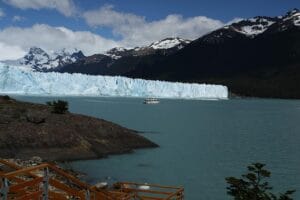
Conclusion
Perito Moreno Glacier stands among the most remarkable natural attractions on Earth. Its immense size, brilliant blue ice, dramatic calving events, unique rupture cycles, and breathtaking Patagonian setting create an unforgettable experience for travelers. Whether viewed from observation platforms, explored by boat, or experienced through ice trekking adventures, the glacier offers extraordinary opportunities for discovery and wonder.
For anyone planning a journey to Patagonia, Perito Moreno Glacier is not simply a destination—it is an encounter with one of nature’s greatest masterpieces.
Author

Related posts
Best Places to Visit in Dinant
- 0
- 4,779 words
Best Places to Visit in Dinant, Belgium Dinant is one of the most beautiful small towns in Belgium and one of the...
Read out all
Best Places to Visit in Mont-Saint-Michel
- 0
- 4,964 words
Best Places to Visit in Mont-Saint-Michel , France Mont-Saint-Michel is one of the most extraordinary destinations in France and one of the...
Read out all
UNGA
- 0
- 5,649 words
UNGA (United Nations General Assembly ) The United Nations General Assembly, commonly known as the UN General Assembly or UNGA, is one...
Read out all
Best Places to Visit in Kathmandu
- 0
- 4,089 words
Best Places to Visit in Kathmandu , Nepal Kathmandu, the capital of Nepal, is one of South Asia’s most fascinating travel destinations....
Read out all
Best Places to Visit in Vilnius
- 0
- 5,246 words
Best Places to Visit in Vilnius , Lithuania Vilnius, the capital of Lithuania, is one of the most fascinating destinations in the...
Read out all
Best Places to Visit in Riga
- 0
- 6,005 words
Best Places to Visit in Riga , Latvia Riga, the capital of Latvia, is one of the most fascinating destinations in the...
Read out all