
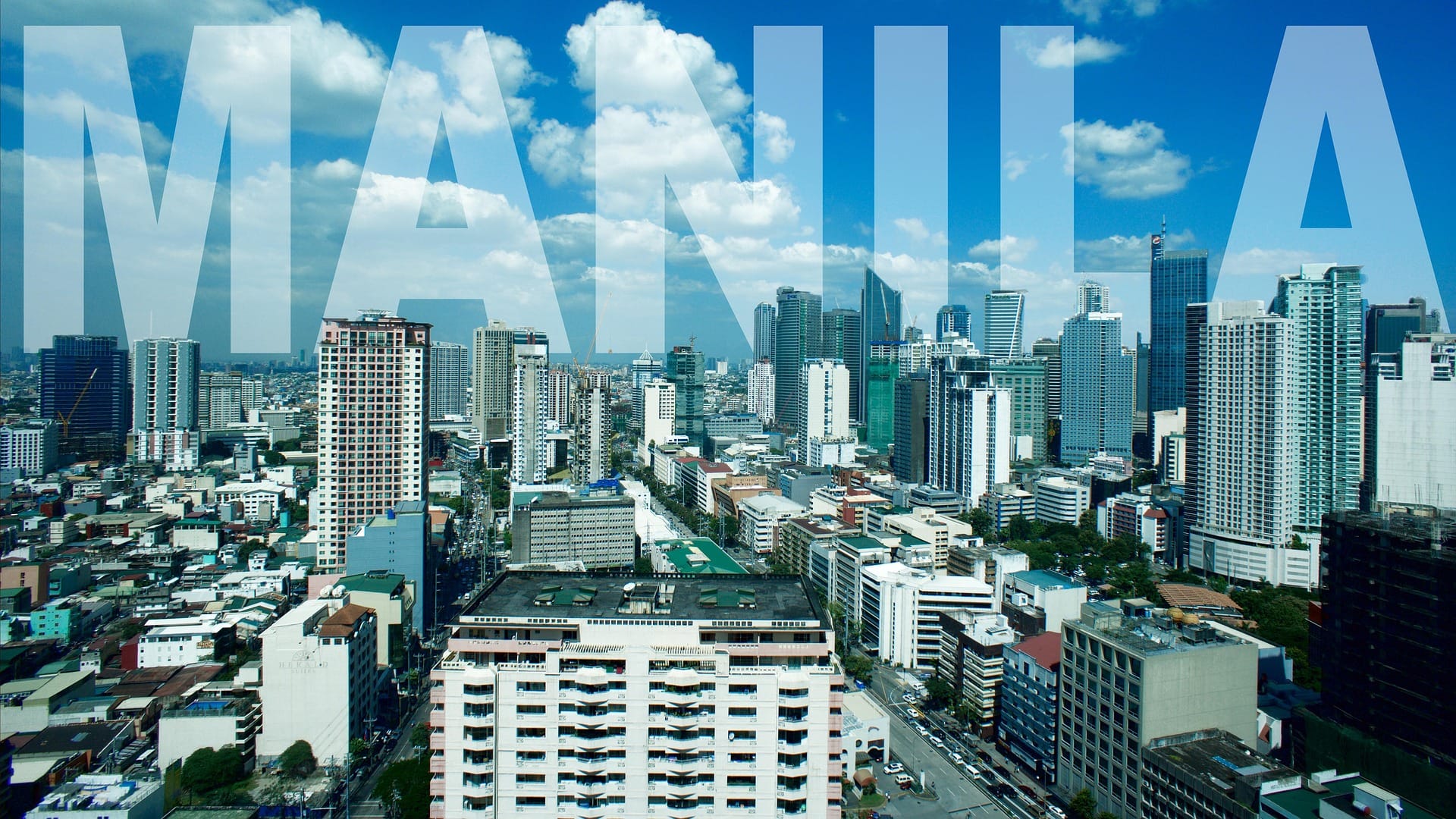
What Are the Best Things to Do in Manila?
Manila is the vibrant capital of the Philippines and one of Southeast Asia’s most historically significant cities. Located along the eastern shores of Manila Bay, the city combines centuries of colonial history, rich cultural heritage, modern urban development, world-class shopping, diverse cuisine, and exciting entertainment. As the political, economic, and cultural center of the Philippines, Manila serves as the gateway to the country’s more than 7,000 islands while offering countless attractions of its own.
Visitors often discover that Manila is a city of contrasts. Historic Spanish-era churches stand beside modern skyscrapers, traditional markets coexist with luxury shopping malls, and centuries-old cultural traditions continue to thrive in one of Asia’s fastest-growing metropolitan regions. Whether you are interested in history, architecture, food, culture, or entertainment, Manila provides an unforgettable travel experience.
Explore Intramuros: The Historic Walled City
The most famous historical attraction in Manila is Intramuros, often referred to as the “Walled City.” Founded during Spanish colonial rule in the sixteenth century, Intramuros served as the administrative and religious center of the Spanish East Indies for more than 300 years.
Walking through Intramuros feels like stepping back in time. Visitors can stroll along cobblestone streets, admire colonial architecture, and explore beautifully preserved buildings that tell the story of the Philippines’ colonial past. Massive stone walls surround the district, creating a unique atmosphere unlike anywhere else in the country. The area remains one of Manila’s most visited attractions and offers valuable insight into Philippine history and culture.
Official Source: Intramuros Administration
Visit Fort Santiago: A Symbol of Philippine History
Within Intramuros stands Fort Santiago, one of the most important historical landmarks in the Philippines. Originally constructed by Spanish colonizers, the fort played a central role in the country’s military and political history.
The site is closely associated with José Rizal, whose imprisonment and execution helped inspire the Philippine Revolution. Visitors can explore historical exhibits, gardens, defensive walls, and preserved structures while learning about the nation’s struggle for independence. The fort provides a fascinating look at both colonial history and the emergence of Filipino nationalism.
Discover Rizal Park: The Nation’s Most Famous Public Space
Rizal Park, also known as Luneta Park, is one of the largest urban parks in Asia and one of the Philippines’ most important national landmarks. Dedicated to José Rizal, the park serves as both a memorial site and a popular recreational destination.
Visitors can enjoy beautifully landscaped gardens, fountains, monuments, museums, and open spaces. The iconic Rizal Monument attracts tourists and locals alike, symbolizing the country’s national identity and independence movement. Throughout the year, cultural events, concerts, and public celebrations take place within the park, making it a vibrant center of community life.
Visit the Manila Cathedral
Located in the heart of Intramuros, the Manila Cathedral is one of the country’s most significant religious landmarks. Since its original construction during the Spanish colonial era, the cathedral has been rebuilt several times following earthquakes, typhoons, and wartime destruction.
Today, visitors admire its magnificent Romanesque architecture, intricate stained-glass windows, and impressive interior design. The cathedral remains an active place of worship while also serving as an important cultural and historical attraction.
Explore San Agustin Church: A UNESCO World Heritage Site
The San Agustin Church is the oldest stone church in the Philippines and one of the country’s most treasured religious and historical landmarks. Completed in 1607, it has survived centuries of natural disasters and conflicts.
The church’s ornate interiors, religious artwork, and historic significance earned it recognition as part of the UNESCO-listed Baroque Churches of the Philippines. Visitors can explore both the church and its museum, gaining insight into centuries of Filipino religious and cultural history.
Official Source: UNESCO World Heritage Centre
Experience the Beauty of Manila Bay
Few experiences in Manila are as memorable as watching the sunset over Manila Bay. Known worldwide for its spectacular sunsets, the bay provides breathtaking views as the sky transforms into shades of orange, pink, and gold.
The Baywalk promenade attracts visitors seeking evening strolls, waterfront dining, and scenic photography opportunities. The combination of natural beauty and urban skyline creates one of the city’s most iconic experiences.
Explore the National Museum Complex
Manila is home to several outstanding museums that collectively form the National Museum of the Philippines complex. These institutions showcase the country’s history, culture, art, anthropology, and natural heritage.
The museums feature extensive collections of artifacts, archaeological discoveries, indigenous cultural treasures, scientific exhibits, and masterpieces by renowned Filipino artists. Visitors interested in understanding the Philippines beyond its beaches and islands will find the museum complex both educational and inspiring.
Official Source: National Museum of the Philippines
Discover Chinatown: The Oldest Chinatown in the World
Binondo is widely recognized as the oldest Chinatown in the world. Established in the sixteenth century, Binondo remains a thriving commercial and cultural district.
Visitors can explore traditional markets, historic temples, authentic Chinese-Filipino restaurants, and bustling shopping streets. The neighborhood offers a unique blend of Chinese and Filipino influences, reflected in its architecture, traditions, and culinary offerings. Food enthusiasts particularly enjoy Binondo’s diverse selection of local delicacies and family-owned restaurants.
Enjoy Shopping in Manila
Manila is one of Asia’s premier shopping destinations. The city features everything from traditional markets and local boutiques to some of the world’s largest shopping malls. Visitors can find luxury brands, handicrafts, souvenirs, electronics, fashion, and local products throughout the metropolitan area.
Shopping districts serve not only as retail centers but also as entertainment hubs featuring restaurants, cinemas, cultural events, and recreational facilities. The diversity of shopping experiences makes Manila attractive to travelers with a wide range of interests and budgets.
Experience Filipino Cuisine
Food plays a central role in Filipino culture, and Manila offers one of the country’s best culinary experiences. Traditional dishes such as adobo, sinigang, kare-kare, lechon, pancit, and halo-halo are widely available throughout the city.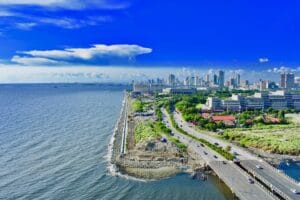
Manila’s food scene reflects centuries of Spanish, Chinese, American, and indigenous influences. Visitors can enjoy street food, traditional eateries, modern restaurants, and fine dining establishments that showcase the diversity of Filipino cuisine. Exploring Manila through its food provides valuable insight into the country’s history and cultural identity.
Visit Cultural Center of the Philippines
The Cultural Center of the Philippines serves as the country’s premier venue for performing arts and cultural events. Visitors can attend concerts, theatrical productions, ballet performances, art exhibitions, and cultural festivals throughout the year.
The center plays a vital role in preserving and promoting Filipino artistic traditions while supporting contemporary creative expression. For travelers interested in arts and culture, it offers a unique opportunity to experience the country’s vibrant creative community.
Why Manila Is Worth Visiting
Many travelers view Manila simply as a transit point before exploring other parts of the Philippines. However, those who take time to discover the city often find a destination rich in history, culture, architecture, food, and local experiences.
From the historic walls of Intramuros and the beauty of Manila Bay to the museums, churches, markets, and cultural attractions, Manila offers a deeper understanding of the Philippines and its people. The city’s resilience, diversity, and energy make it one of Southeast Asia’s most fascinating urban destinations.
Manila, Philippines: The Historic and Cultural Heart of the Nation
Manila is the capital city of the Philippines and one of Southeast Asia’s most historically significant urban centers. Located on the eastern shore of Manila Bay, the city serves as the political, cultural, educational, and economic heart of the country. Manila is a fascinating destination where centuries of Spanish colonial history blend with modern skyscrapers, vibrant markets, cultural landmarks, and diverse communities.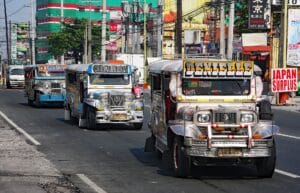
Founded by Spanish colonizers in 1571, Manila became one of the most important trading centers in Asia during the colonial era. Today, visitors can explore historic districts, world-class museums, religious landmarks, bustling shopping centers, and thriving culinary scenes that reflect the city’s rich multicultural heritage.
Explore Intramuros: The Walled City
One of Manila’s most famous attractions is Intramuros, often referred to as the “Walled City.” Built during the Spanish colonial period, Intramuros served as the administrative and religious center of the Spanish East Indies. Massive stone walls, historic churches, cobblestone streets, and colonial-era buildings transport visitors back centuries into the Philippines’ colonial past.
Walking through Intramuros allows travelers to discover Manila’s historical roots while experiencing some of the country’s most important architectural landmarks. The district remains one of the most visited tourist destinations in the Philippines.
Official Source: Intramuros Administration
Visit Fort Santiago
Located within Intramuros, Fort Santiago is one of the country’s most important historical landmarks. Originally built by Spanish conquistadors, the fort played a significant role in Philippine history. It is particularly associated with José Rizal, who was imprisoned here before his execution in 1896.
Today, visitors can explore the fort’s gardens, tunnels, museums, and historical exhibits while learning about the country’s struggle for independence. The site provides valuable insight into the Philippines’ colonial and revolutionary history.
Discover Rizal Park
Rizal Park, also known as Luneta Park, is one of the largest urban parks in Asia and one of the Philippines’ most important national landmarks. The park honors José Rizal and features monuments, gardens, fountains, museums, and open recreational spaces.
The Rizal Monument serves as a symbol of Filipino nationalism and attracts visitors from around the world. The park is a popular destination for both tourists and locals seeking relaxation and cultural experiences.
Visit the Manila Cathedral
The magnificent Manila Cathedral stands as one of the most significant religious landmarks in the country. Located within Intramuros, the cathedral has been rebuilt several times due to natural disasters and wartime destruction.
Its impressive Romanesque architecture, stained-glass windows, and historical significance make it a must-visit destination for architecture enthusiasts, history lovers, and religious pilgrims alike.
Explore San Agustin Church
Another important attraction inside Intramuros is San Agustin Church, the oldest stone church in the Philippines and a UNESCO World Heritage Site. Completed in the early seventeenth century, the church has survived earthquakes, wars, and centuries of change.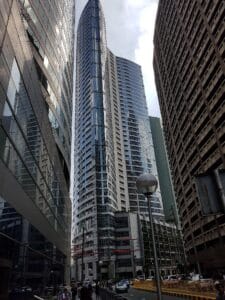
Its beautifully preserved interiors, intricate artwork, and historic significance make it one of the country’s most treasured cultural landmarks.
Official Source: UNESCO World Heritage Centre
Experience Manila Bay
Few experiences in Manila are as memorable as watching the sunset over Manila Bay. Known worldwide for its spectacular sunsets, Manila Bay offers stunning views of the horizon, city skyline, and waterfront promenade.
The Baywalk area has become a popular destination for evening strolls, photography, dining, and entertainment. The vibrant atmosphere makes it one of Manila’s most beloved attractions.
Discover Filipino Culture Through Museums
Manila is home to several outstanding museums that showcase Philippine history, art, science, and culture. The National Museum of Fine Arts, National Museum of Anthropology, and National Museum of Natural History provide visitors with a deeper understanding of the country’s heritage and identity.
These museums contain extensive collections that highlight the diversity, creativity, and historical development of the Filipino people.
Enjoy Manila’s Food Scene
Manila offers one of Southeast Asia’s most exciting culinary experiences. Traditional Filipino dishes such as adobo, sinigang, kare-kare, lechon, and halo-halo can be found throughout the city. Visitors can enjoy authentic street food, family-owned restaurants, modern cafés, and fine dining establishments.
The city’s food culture reflects centuries of influences from Spanish, Chinese, American, and indigenous Filipino traditions, creating a unique culinary identity that attracts food lovers from around the world.
Conclusion
Manila is much more than a gateway to the Philippines. It is a city rich in history, culture, architecture, cuisine, and national significance. From the historic walls of Intramuros and the grandeur of Manila Cathedral to the beauty of Manila Bay and the country’s world-class museums, the city offers countless opportunities for exploration and discovery.
For travelers seeking to understand the Philippines’ past while experiencing its vibrant present, Manila remains one of Southeast Asia’s most rewarding destinations.
Author

Related posts
Best Places to Visit in Dinant
- 0
- 4,779 words
Best Places to Visit in Dinant, Belgium Dinant is one of the most beautiful small towns in Belgium and one of the...
Read out all
Best Places to Visit in Mont-Saint-Michel
- 0
- 4,964 words
Best Places to Visit in Mont-Saint-Michel , France Mont-Saint-Michel is one of the most extraordinary destinations in France and one of the...
Read out all
UNGA
- 0
- 5,649 words
UNGA (United Nations General Assembly ) The United Nations General Assembly, commonly known as the UN General Assembly or UNGA, is one...
Read out all
Best Places to Visit in Kathmandu
- 0
- 4,089 words
Best Places to Visit in Kathmandu , Nepal Kathmandu, the capital of Nepal, is one of South Asia’s most fascinating travel destinations....
Read out all
Best Places to Visit in Vilnius
- 0
- 5,246 words
Best Places to Visit in Vilnius , Lithuania Vilnius, the capital of Lithuania, is one of the most fascinating destinations in the...
Read out all
Best Places to Visit in Riga
- 0
- 6,005 words
Best Places to Visit in Riga , Latvia Riga, the capital of Latvia, is one of the most fascinating destinations in the...
Read out all