

Best Places to Visit in San Juan , Puerto Rico
San Juan, the capital of Puerto Rico, is one of the most captivating cities in the Caribbean. Located on the island’s northern coast, the city combines centuries of history with tropical beaches, colourful streets, lively neighbourhoods, cultural attractions, modern shopping areas, and a celebrated food scene. Visitors can spend the morning exploring Spanish forts, the afternoon swimming in turquoise water, and the evening enjoying traditional Puerto Rican food, live music, cocktails, or a walk through historic streets illuminated by warm lights.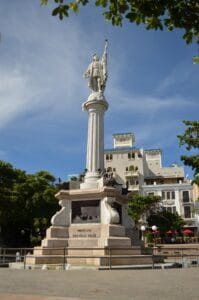
The best places to visit in San Juan, Puerto Rico, offer something for almost every type of traveller. History lovers can explore Old San Juan, a fortified colonial district filled with churches, plazas, museums, and historic buildings. Beach lovers can enjoy Condado Beach, Ocean Park, and El Escambrón. Art enthusiasts can discover museums and colourful street art in Santurce, while families can enjoy parks, aquariums, interactive museums, and easy day trips. Travellers seeking nature can visit nearby mangroves, lagoons, rainforest areas, and coastal reserves.
San Juan is also one of the best starting points for exploring Puerto Rico. From the capital, visitors can arrange trips to El Yunque National Forest, the beaches of the northern coast, the caves of the interior, the bioluminescent bays, and the islands of Vieques and Culebra. However, San Juan itself deserves several days because its historic, cultural, culinary, and coastal attractions are extensive.
Why San Juan Is One of the Best Places to Visit in the Caribbean
San Juan has a distinctive character created by the combination of Spanish colonial heritage, Caribbean traditions, African influences, Taíno history, American connections, and modern Puerto Rican culture. The city was founded in 1521 and has played an important role in the history of the Caribbean for more than five centuries. Its historic centre contains impressive defensive structures, narrow streets, colourful buildings, historic churches, and public squares that reveal different chapters of Puerto Rico’s past.
The city is also easy to combine with a beach holiday. Unlike destinations where historic attractions and beaches are separated by long journeys, San Juan allows visitors to explore a historic fortress in the morning and reach a sandy beach within a short drive. The city’s restaurants, cafés, hotels, museums, shopping centres, and nightlife venues make it convenient for both short visits and longer holidays.
San Juan is particularly appealing to travellers who want variety. A single day may include a walking tour of Old San Juan, a visit to a museum, a seafood lunch, a swim at a city beach, and an evening of salsa or live music. This combination of history, relaxation, culture, and entertainment makes San Juan one of the most complete urban destinations in the Caribbean.
Old San Juan: The Historic Heart of Puerto Rico
Old San Juan, known locally as Viejo San Juan, is the most important place to visit in the city. This historic district is recognised for its colourful colonial buildings, blue cobblestone streets, historic churches, public plazas, narrow lanes, cafés, restaurants, art galleries, and centuries-old defensive walls. The district is located on a small peninsula surrounded by the Atlantic Ocean and San Juan Bay.
Walking through Old San Juan is one of the best ways to understand the city. The streets are filled with pastel-coloured buildings featuring balconies, wooden doors, decorative ironwork, and Spanish architectural details. Many streets lead to attractive plazas where visitors can rest, enjoy a coffee, listen to music, or observe everyday local life.
Old San Juan is not simply an open-air museum. It is a living neighbourhood where residents, business owners, artists, students, and visitors share the same streets. The area has traditional restaurants, modern cocktail bars, souvenir shops, independent boutiques, galleries, and cultural institutions. Its historic atmosphere becomes particularly beautiful during the late afternoon, when sunlight illuminates the colourful façades and the stone streets begin to glow.
Visitors should allow at least one full day to explore Old San Juan, although two days are preferable for travellers who want to visit several museums, tour the forts, enjoy local food, and explore the district at a relaxed pace.
Castillo San Felipe del Morro: The Iconic El Morro Fortress
Castillo San Felipe del Morro, commonly called El Morro, is the most recognisable landmark in San Juan. The enormous fortress stands at the entrance to San Juan Bay and was built to protect the city from attacks by sea. Its thick stone walls, elevated terraces, tunnels, watchtowers, ramps, and historic cannon positions reveal the strategic importance of San Juan during the Spanish colonial period.
El Morro is one of the best places to visit in San Juan for history lovers, photographers, families, and anyone interested in architecture. The fortress offers sweeping views of the Atlantic Ocean and the surrounding coastline. Visitors can walk through its defensive passages, explore the interior spaces, admire the famous sentry boxes known as garitas, and learn about the military history of Puerto Rico.
The wide grassy area in front of El Morro is also an attraction. On pleasant days, visitors often sit on the lawn, fly kites, enjoy a picnic, or photograph the fortress against the ocean. The contrast between the massive stone structure and the bright tropical landscape makes the site especially impressive.
A visit to El Morro is best combined with a walk through Old San Juan. Travellers should wear comfortable shoes because the fortress includes ramps, stairs, uneven surfaces, and exposed areas. Sun protection and drinking water are also important, particularly during the warmer months.
Castillo San Cristóbal: A Fortress Built to Defend the City
Castillo San Cristóbal is another major historic attraction in Old San Juan. Unlike El Morro, which primarily defended the entrance to the bay, San Cristóbal was designed to protect the city from attacks arriving by land. Its extensive walls, underground passages, observation points, and defensive structures demonstrate the complexity of the Spanish military system.
San Cristóbal is one of the largest fortifications built by Spain in the Americas. Visitors can explore its different levels and learn how soldiers lived, worked, and defended the city. The fortress also provides excellent views of the Atlantic coastline and the northern side of Old San Juan.
The site is particularly interesting for visitors who want to understand how the city’s defensive network operated. Together, El Morro and San Cristóbal explain why San Juan became such an important strategic location in the Caribbean.
Travellers who plan to visit both fortresses should check current admission arrangements and opening information through the official National Park Service website. A combined visit can take several hours, especially if visitors stop frequently for photographs and historical interpretation.
La Fortaleza: Puerto Rico’s Historic Governor’s Residence
La Fortaleza is one of the most important historic buildings in San Juan. Also known as the Palacio de Santa Catalina, it serves as the official residence of the governor of Puerto Rico. The building was originally constructed as part of the city’s defensive system and later became a government residence.
The structure is located on Calle de la Fortaleza, one of the most attractive streets in Old San Juan. The street is known for its colourful buildings, boutiques, cafés, restaurants, and decorative displays. Visitors often photograph the area because of its vibrant architecture and historic atmosphere.
La Fortaleza is significant because it is considered one of the oldest continuously used executive residences in the Western Hemisphere. Its history reflects the changing political and architectural development of Puerto Rico.
Access to the interior may depend on official rules, security arrangements, tours, and government schedules. Visitors should not assume that the building is always open for unrestricted sightseeing. Even when the interior is unavailable, the surrounding street and exterior area remain worthwhile parts of an Old San Juan walking tour.
San Juan Cathedral: A Historic Religious Landmark
The Catedral de San Juan Bautista, or San Juan Cathedral, is one of the most important religious buildings in Puerto Rico. Located in Old San Juan, the cathedral has a long history connected with the development of the city and the Catholic traditions brought during the Spanish colonial period.
The cathedral’s architecture, interior details, religious artwork, and historic atmosphere make it a meaningful stop for visitors interested in heritage and culture. It is also associated with important figures in Puerto Rico’s religious history and contains historic tombs and memorials.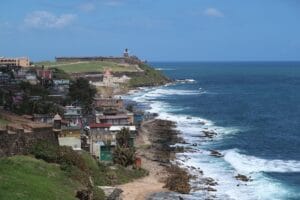
The cathedral stands near several other major attractions, making it easy to include in a walking itinerary. Visitors can combine it with La Fortaleza, the Capilla del Cristo, El Morro, and the streets surrounding Plaza de Armas.
As a religious site, visitors should dress respectfully and remain aware of services, ceremonies, and local customs. Photography restrictions may apply in certain areas.
Capilla del Cristo and the Historic Streets of Old San Juan
The Capilla del Cristo, also known as the Chapel of the Holy Christ of Health, is a small historic chapel located at the end of a steep street in Old San Juan. It is associated with local legends and religious traditions and has become a popular stop for visitors exploring the historic district.
The chapel is surrounded by an attractive area filled with historic buildings, stone paving, colourful façades, and views toward the city walls. The nearby streets are ideal for photography because they show the architectural character of Old San Juan in a concentrated area.
Exploring the streets around the chapel allows visitors to discover details that might be missed when focusing only on the major monuments. Decorative balconies, wooden doors, small courtyards, street murals, and hidden plazas often appear around corners.
This part of Old San Juan is especially attractive during the early morning, when the streets are quieter and the light is softer. It is also enjoyable in the evening when restaurants and small businesses bring energy to the neighbourhood.
Paseo de la Princesa: A Beautiful Waterfront Promenade
Paseo de la Princesa is one of the most pleasant walking areas in San Juan. This historic promenade runs along the edge of the old city near San Juan Bay and features trees, benches, sculptures, vendors, historic buildings, and views of the water.
The promenade is a wonderful place to enjoy a slow walk after visiting the forts and museums. Visitors can admire the old city walls, observe boats in the harbour, purchase local crafts, or enjoy snacks and refreshments from nearby vendors.
Paseo de la Princesa is particularly attractive near sunset. The changing colours of the sky, the waterfront breeze, and the historic surroundings create a romantic atmosphere. Couples often visit for evening walks, while families and cruise passengers enjoy the area during the day.
The promenade also provides access to other historic locations, including the San Juan Gate and sections of the old defensive walls. It is an essential part of any list of the best places to visit in San Juan, Puerto Rico.
Puerta de San Juan: The Red Gateway to the Old City
Puerta de San Juan, or the San Juan Gate, is a historic entrance through the old city walls. The bright red gateway once served as an important ceremonial entrance for visitors arriving by sea, including religious and political figures.
Today, the gate is one of the most photographed landmarks in Old San Juan. Its colour contrasts beautifully with the surrounding stone walls and the blue tones of the nearby water. The gate is located along a scenic route that connects the historic district with Paseo de la Princesa and the cathedral area.
Visitors should explore the nearby walls and streets rather than treating the gate as a quick photo stop. The area provides a strong sense of the city’s historic layout and its relationship with the harbour.
Santa María Magdalena de Pazzis Cemetery
The Santa María Magdalena de Pazzis Cemetery is one of the most striking historic cemeteries in the Caribbean. Located beside the old city walls and overlooking the Atlantic Ocean, the cemetery contains ornate tombs, white stone structures, statues, and impressive architectural details.
The cemetery is significant for its artistic beauty and historical importance. Many prominent Puerto Rican figures are buried there, and the location reflects the religious and social traditions of the island.
The oceanfront setting makes the cemetery visually distinctive. The contrast between the white tombs, the blue sea, and the old stone walls creates a memorable landscape. Visitors should approach the site respectfully because it remains a place of remembrance and burial.
The cemetery is often included in guided walking tours of Old San Juan, which can provide useful information about the people and traditions connected with the site.
Plaza de Armas: A Traditional Public Square
Plaza de Armas is one of the central public squares in Old San Juan. It has historically served as a gathering place and remains a useful location for observing the rhythm of the city.
The plaza features trees, benches, sculptures, fountains, historic buildings, and nearby cafés. It is a pleasant place to pause during a walking tour, especially when visitors need a break from the sun.
The square is surrounded by streets leading to important attractions, shops, restaurants, and government buildings. Its central position makes it a convenient starting point for exploring Old San Juan.
Visitors may encounter local events, cultural performances, public celebrations, and seasonal decorations in the plaza. The atmosphere can change significantly depending on the time of day and the city’s event calendar.
Museo de las Américas
Museo de las Américas is an important cultural institution located in the historic Cuartel de Ballajá building in Old San Juan. The museum explores the history, cultures, traditions, and artistic heritage of the Americas.
Its exhibitions help visitors understand the diversity of the region, including Indigenous traditions, African influences, European colonisation, popular culture, and the development of Caribbean societies. The museum is particularly valuable for travellers who want to look beyond the city’s colonial architecture and learn about the broader cultural context of Puerto Rico.
The building itself is also historically significant. Its large structure and traditional architectural details provide an interesting contrast with the colourful streets outside.
A visit to Museo de las Américas can be combined with El Morro, the Ballajá area, San Juan Cathedral, and other Old San Juan attractions. Visitors should check current exhibition schedules and opening hours before planning their visit.
Museo de San Juan
Museo de San Juan is a cultural museum dedicated to the history and artistic life of the capital. It is located in a historic building and presents exhibitions connected with San Juan’s development, heritage, and creative communities.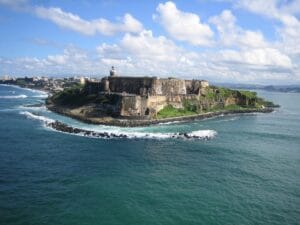
The museum provides a more local perspective on the city. While the major forts explain San Juan’s military history, Museo de San Juan can help visitors understand its civic, social, artistic, and cultural evolution.
The museum may host temporary exhibitions, cultural events, and educational activities. Travellers interested in local art and history should check the current programme because exhibitions can change throughout the year.
The museum is a good choice for visitors who want a quieter cultural experience away from the busiest streets of Old San Juan.
La Perla: A Colourful Coastal Neighbourhood
La Perla is a coastal neighbourhood located beside the historic walls of Old San Juan. The area became internationally recognisable through music videos and popular images of colourful Caribbean houses overlooking the ocean.
La Perla has a complex history and is a real residential community rather than a theme park. Its streets, homes, murals, and ocean views have attracted photographers and visitors, but travellers should behave respectfully and remember that residents live there.
The neighbourhood’s coastal setting provides beautiful views, particularly from nearby public areas and viewpoints. The architecture and colours reflect the creativity and character of Puerto Rican communities.
Visitors should avoid entering private property, photographing residents without permission, or treating the neighbourhood as a spectacle. A respectful approach is essential when exploring residential areas.
Condado Beach: A Popular Urban Beach
Condado Beach is one of the best-known beaches in San Juan. Located in a lively district filled with hotels, restaurants, shops, cafés, and nightlife venues, the beach is convenient for travellers who want to combine relaxation with urban entertainment.
The beach features golden sand and views of the Atlantic Ocean. Depending on weather and surf conditions, visitors may enjoy swimming, sunbathing, beach walks, and water-based activities. Conditions can vary, so travellers should pay attention to local safety information and lifeguard guidance.
Condado is particularly popular with couples, young travellers, families, and visitors staying in nearby hotels. The surrounding streets offer a wide range of restaurants and bars, making it easy to spend a full day in the area.
The beach can become busy during weekends, holidays, and peak travel periods. Travellers seeking a quieter experience may prefer an early-morning visit or explore less crowded sections of the coast.
Playita del Condado: A Smaller and More Sheltered Beach
Playita del Condado is a smaller beach area near the Condado district. Its more protected setting can make it attractive to visitors seeking a calmer coastal environment.
The beach is convenient for travellers staying in Condado because it is close to hotels, restaurants, and public transport routes. It is also a practical option for families and visitors who want a short beach break without travelling far from the city.
Water conditions should always be checked before swimming. Even sheltered beaches can experience changing currents, waves, and weather conditions.
The area is especially enjoyable when combined with a walk through Condado, a visit to the nearby lagoon, or an evening meal at one of the district’s restaurants.
Ocean Park Beach: A Relaxed Coastal Atmosphere
Ocean Park Beach is known for its broad sandy shoreline and more relaxed atmosphere. It is popular with residents, travellers, surfers, beach walkers, and visitors who want to enjoy the coast away from the busiest hotel areas.
The beach is suitable for sunbathing, walking, photography, and selected water activities when conditions permit. The surrounding Ocean Park neighbourhood has cafés, casual restaurants, guesthouses, and a laid-back atmosphere.
Ocean Park is especially attractive for travellers who want to experience a more residential side of San Juan. It offers a balance between beach relaxation and access to the city’s cultural and dining attractions.
Visitors should monitor sea conditions because parts of the northern coast can experience strong waves and currents. Swimming should be undertaken only in suitable conditions and in accordance with local guidance.
El Escambrón Beach: A Scenic Beach Near Old San Juan
El Escambrón Beach is one of the most convenient beaches for visitors staying in or near Old San Juan. Located near the entrance to the historic district, it offers a combination of sandy shoreline, palm trees, clear water, and access to coastal recreation.
The beach is known for its relatively sheltered areas and is often associated with swimming, snorkelling, and family-friendly beach activities. Conditions can vary, so visitors should check local safety information before entering the water.
El Escambrón is an excellent option for travellers who want to combine history and beach time in a single day. Visitors can explore Old San Juan in the morning, enjoy lunch in the historic district, and then spend the afternoon by the sea.
The nearby Luis Muñoz Rivera Park also provides green space and opportunities for a relaxing walk.
Parque Luis Muñoz Rivera
Parque Luis Muñoz Rivera is a large urban park near the coastal area of San Juan. The park contains open spaces, trees, pathways, historic features, and areas where visitors can enjoy a break from the busy city.
The park is particularly suitable for families, walkers, photographers, and travellers who want to enjoy outdoor space without leaving San Juan. Its location near El Escambrón makes it easy to combine with a beach visit.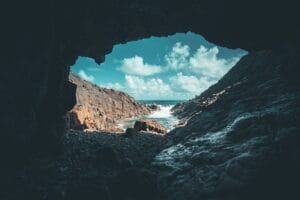
The park also provides a useful view of the relationship between San Juan’s historic district, coastal roads, and modern urban areas. It can be a pleasant place for a morning walk or a relaxed afternoon.
Laguna del Condado: A Coastal Lagoon in the City
Laguna del Condado, also known as the Condado Lagoon, is a scenic body of water surrounded by urban neighbourhoods. The lagoon provides a different coastal experience from the open Atlantic beaches and is associated with kayaking, paddleboarding, birdwatching, and peaceful sightseeing.
The lagoon’s calm appearance and surrounding vegetation create a pleasant contrast with the city’s busy roads and hotel districts. Visitors can enjoy views of the water from nearby parks and bridges or arrange suitable water activities through local operators.
The lagoon is also important from an environmental perspective. Mangroves and coastal ecosystems support fish, birds, and other wildlife. Visitors should avoid littering, disturbing animals, or damaging vegetation.
A visit to the lagoon can be combined with Condado Beach, Ocean Park, restaurants, and shopping areas.
Santurce: San Juan’s Creative and Artistic Neighbourhood
Santurce is one of the most dynamic neighbourhoods in San Juan. Known for art galleries, theatres, restaurants, music venues, colourful murals, cultural institutions, and nightlife, the district offers a different experience from the historic streets of Old San Juan.
Santurce is particularly important for Puerto Rican contemporary art and urban culture. Visitors can discover public murals, independent creative spaces, local businesses, and cultural events. The neighbourhood’s atmosphere changes throughout the day, from cafés and galleries in the afternoon to restaurants, bars, and music venues at night.
Travellers interested in photography will find many interesting architectural details and street-art locations. However, visitors should remain aware of their surroundings and respect private buildings and local residents.
Santurce is a strong choice for travellers who want to experience modern Puerto Rican culture and the creative energy of San Juan.
Museo de Arte de Puerto Rico
The Museo de Arte de Puerto Rico is one of the leading art museums in the country. It presents Puerto Rican art across different historical periods and artistic styles, helping visitors understand the island’s creative traditions and cultural development.
The museum’s collection may include paintings, sculptures, decorative arts, and other works connected with Puerto Rico’s artistic heritage. Its exhibitions provide an opportunity to explore the island beyond its beaches and colonial landmarks.
The museum building and surrounding grounds are also attractive. Visitors can enjoy landscaped areas, sculptures, and spaces that make the museum suitable for a longer cultural visit.
The museum is especially appealing to art lovers, students, families, and travellers seeking an indoor activity during hot or rainy weather. Visitors should check the current exhibition schedule and opening hours before going.
Museo de Arte Contemporáneo de Puerto Rico
The Museo de Arte Contemporáneo de Puerto Rico focuses on modern and contemporary artistic expression. Located in the Santurce area, the museum presents exhibitions that explore social issues, identity, politics, culture, and artistic experimentation.
The museum offers a useful contrast to the historic museums of Old San Juan. Its exhibitions may address contemporary Puerto Rican life and the wider Caribbean and Latin American experience.
Travellers interested in modern art should allow time to explore the exhibitions carefully. The museum can be included in an art-focused itinerary through Santurce, alongside galleries, murals, cafés, and cultural venues.
Plaza del Mercado de Santurce
Plaza del Mercado de Santurce, often called La Placita, is one of the most famous social and culinary gathering places in San Juan. During the day, the area has connections with fresh produce, local food, and traditional market life. In the evening, it becomes a lively meeting point filled with restaurants, bars, music, and dancing.
La Placita is a wonderful place to experience Puerto Rican social culture. Visitors can sample local dishes, enjoy drinks, listen to music, and observe residents and travellers gathering together.
The atmosphere is particularly energetic at night and on weekends. Travellers should expect crowds and should take normal urban precautions while enjoying the area.
La Placita is ideal for visitors who want to experience San Juan’s nightlife in a setting that feels connected to local traditions rather than only to large hotels and tourist venues.
Distrito T-Mobile: Modern Entertainment in San Juan
Distrito T-Mobile is a modern entertainment and dining complex that reflects San Juan’s contemporary urban culture. The area features restaurants, bars, entertainment venues, shops, public spaces, and attractions designed for visitors seeking an energetic evening.
The complex is particularly suitable for groups, families, couples, and travellers who want modern entertainment after spending the day exploring historic sites. It may host live performances, special events, sports-related activities, and seasonal programmes.
Distrito T-Mobile demonstrates the contrast between Old San Juan’s colonial architecture and the city’s modern entertainment scene. Visitors can enjoy both experiences within the same trip.
Because events and opening hours may change, travellers should check the official website before visiting.
Plaza Las Américas: Shopping and Indoor Entertainment
Plaza Las Américas is one of the largest shopping centres in the Caribbean and an important retail destination in San Juan. The mall includes department stores, fashion shops, restaurants, cafés, entertainment options, and services.
The shopping centre is useful for visitors who want to purchase clothing, gifts, electronics, beauty products, or Puerto Rican souvenirs. It is also a practical destination during very hot or rainy weather.
Travellers interested in local products should look for Puerto Rican food items, crafts, books, music, and locally produced goods rather than focusing only on international brands.
The mall can be combined with other attractions in the wider San Juan metropolitan area, although visitors should allow time for traffic and transport.
Best Time to Visit San Juan, Puerto Rico
San Juan has a tropical climate and can be visited throughout the year. The most popular travel period generally includes the winter and early spring months, when many visitors seek warm weather and escape colder climates elsewhere.
The winter season can bring pleasant conditions for walking, sightseeing, beach visits, and outdoor excursions. However, accommodation prices and visitor numbers may be higher during popular holidays.
Spring can offer a good balance between weather and crowd levels. Summer is warm and humid, with opportunities for beach activities and cultural events, but travellers should prepare for tropical rain and monitor weather forecasts.
The Atlantic hurricane season officially runs from June through November. This does not mean that travel is impossible during these months, but visitors should monitor forecasts, consider travel insurance, and remain flexible when planning outdoor activities.
How Many Days Should You Spend in San Juan?
A two-day visit can cover the main highlights of Old San Juan, including El Morro, San Cristóbal, the cathedral, Paseo de la Princesa, the city walls, and several historic streets. Travellers may also have time for one beach visit.
A three- or four-day itinerary allows a more balanced experience. Visitors can explore Old San Juan, spend time at Condado or Ocean Park, discover Santurce, enjoy Puerto Rican cuisine, and visit museums or cultural attractions.
A five- to seven-day stay provides enough time for San Juan’s major attractions and one or two excursions outside the city. Travellers may visit El Yunque, Piñones, Luquillo Beach, or another destination depending on their interests.
Visitors who want to explore more of Puerto Rico should consider spending several nights in San Juan before continuing to other regions of the island.
Getting Around San Juan
Old San Juan is highly walkable, but its cobblestone streets, slopes, stairs, and uneven surfaces require comfortable footwear. Walking is often the best way to experience the historic district because visitors can stop at small plazas, shops, churches, museums, and cafés.
Taxis, rideshare services, public buses, and private transfers can be useful for travelling between Old San Juan, Condado, Ocean Park, Santurce, the airport, and other parts of the metropolitan area.
Hiring a car may be useful for day trips to El Yunque, Piñones, Luquillo, or other parts of Puerto Rico. However, driving in busy urban areas can be stressful because of traffic, parking limitations, and unfamiliar roads.
Visitors should plan airport transfers in advance, especially when travelling with luggage or arriving late at night.
Where to Stay in San Juan
Old San Juan is ideal for travellers who want historic architecture, walking access to forts, museums, plazas, restaurants, and cultural attractions. Accommodation in this area can range from boutique hotels to guesthouses and historic properties.
Condado is suitable for visitors who prefer beaches, modern hotels, restaurants, shopping, and nightlife. It is particularly popular with couples, families, and travellers seeking a combination of urban comfort and coastal scenery.
Ocean Park offers a more relaxed neighbourhood atmosphere with beach access, guesthouses, cafés, and casual restaurants. It may appeal to travellers who prefer a quieter setting.
Santurce is a strong choice for art lovers, food enthusiasts, and visitors interested in nightlife and contemporary Puerto Rican culture. Isla Verde, near the airport, is another convenient option for travellers seeking beachfront hotels and easy airport access.
Conclusion
The best places to visit in San Juan, Puerto Rico, reveal a destination that is much more diverse than a typical beach holiday. The city’s historic forts and colourful colonial streets tell the story of five centuries of Caribbean history, while its beaches, lagoons, parks, museums, restaurants, and nightlife reflect the energy of modern Puerto Rico.
Old San Juan should be the starting point for almost every visit, but travellers should also explore the city’s coastal neighbourhoods, artistic communities, food markets, and modern entertainment areas. Condado, Ocean Park, El Escambrón, Santurce, La Placita, Paseo de la Princesa, and the San Juan waterfront each offer a different experience.
- Discover Puerto Rico: Official San Juan travel guide
- Discover Puerto Rico: Top things to do in San Juan
- National Park Service: San Juan National Historic Site
- National Park Service: Places to visit in San Juan National Historic Site
- Discover Puerto Rico: Top places to see in Puerto Rico
- Official El Yunque National Forest information
Author

Related posts
Best Places to Visit in Dinant
- 0
- 4,895 words
Best Places to Visit in Dinant, Belgium Dinant is one of the most beautiful small towns in Belgium and one of the...
Read out all
Best Places to Visit in Mont-Saint-Michel
- 0
- 4,974 words
Best Places to Visit in Mont-Saint-Michel , France Mont-Saint-Michel is one of the most extraordinary destinations in France and one of the...
Read out all
UNGA
- 0
- 5,649 words
UNGA (United Nations General Assembly ) The United Nations General Assembly, commonly known as the UN General Assembly or UNGA, is one...
Read out all
Best Places to Visit in Kathmandu
- 0
- 4,089 words
Best Places to Visit in Kathmandu , Nepal Kathmandu, the capital of Nepal, is one of South Asia’s most fascinating travel destinations....
Read out all
Best Places to Visit in Vilnius
- 0
- 5,246 words
Best Places to Visit in Vilnius , Lithuania Vilnius, the capital of Lithuania, is one of the most fascinating destinations in the...
Read out all
Best Places to Visit in Riga
- 0
- 6,005 words
Best Places to Visit in Riga , Latvia Riga, the capital of Latvia, is one of the most fascinating destinations in the...
Read out all