

Best Places to Visit in Langkawi , Malaysia
Langkawi is one of Malaysia’s most attractive island destinations and a popular choice for travelers searching for tropical beaches, scenic viewpoints, luxury resorts, outdoor adventures, cultural experiences, and peaceful natural surroundings. Located in the Andaman Sea near the northwestern coast of Peninsular Malaysia, Langkawi is part of the state of Kedah and is close to the Thai border. The archipelago is internationally recognized for its exceptional geological landscapes, rich biodiversity, mangrove ecosystems, limestone formations, and beautiful islands.
Langkawi is often described as an island paradise because it combines many different travel experiences in one destination. Visitors can spend the morning riding a cable car over ancient mountain formations, the afternoon exploring mangrove forests, and the evening watching the sunset from a sandy beach. The island is also known for its duty-free status, making it attractive to travelers interested in shopping for chocolates, perfumes, kitchenware, souvenirs, and selected consumer goods.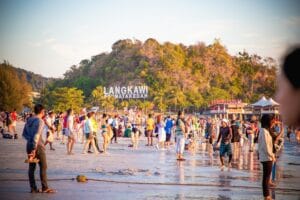
The destination is especially famous for the Langkawi SkyCab, Langkawi Sky Bridge, Kilim Karst Geoforest Park, Pantai Cenang, Tanjung Rhu Beach, Telaga Tujuh Waterfall, the Lake of the Pregnant Maiden, Eagle Square, and island-hopping excursions. Beyond these popular attractions, Langkawi also offers quiet fishing villages, traditional kampungs, rice fields, hidden beaches, craft centers, forest trails, local markets, and cultural sites.
Why Langkawi Is One of Malaysia’s Best Travel Destinations
Langkawi is different from many other Malaysian holiday destinations because of its combination of geological heritage and tropical island scenery. The archipelago includes mountains, forests, beaches, wetlands, caves, limestone pinnacles, offshore islands, and traditional settlements. The island’s landscapes were shaped over millions of years, creating unusual rock formations and ecosystems.
Langkawi is recognized as a UNESCO Global Geopark, a status that highlights its geological, ecological, and cultural importance. The destination contains three major geoforest parks: Machinchang Cambrian Geoforest Park, Kilim Karst Geoforest Park, and Dayang Bunting Marble Geoforest Park. These areas provide opportunities to understand the relationship between ancient rocks, forests, mangroves, rivers, islands, and local communities.
The island is also famous for its natural beauty. Its beaches range from busy tourist areas with restaurants and water sports to quiet stretches of sand surrounded by forest and resorts. Its mountain viewpoints provide views across the Andaman Sea, while its mangrove rivers reveal a completely different side of Langkawi.
Another reason to visit Langkawi is its relaxed travel atmosphere. Although Pantai Cenang can become busy during peak periods, many other parts of the island remain peaceful. Travelers can rent a car, motorcycle, or scooter and explore the island at their own pace. The roads connect beaches, villages, viewpoints, restaurants, markets, and attractions across the main island.
Langkawi SkyCab: A Spectacular Cable Car Experience
Langkawi SkyCab is one of the most famous attractions in Langkawi and a major highlight for first-time visitors. The cable car carries passengers from the Oriental Village area toward the upper slopes of Gunung Machinchang, one of the island’s most important geological landmarks. The journey provides spectacular views of tropical forests, steep mountain walls, offshore islands, and the Andaman Sea.
The cable car experience is impressive because the route rises sharply above the surrounding landscape. As the gondola climbs, visitors can see the forest canopy below and observe the unusual shapes of the Machinchang mountain range. On clear days, the views extend across Langkawi and toward the southern Thai islands.
The middle station offers a useful opportunity to pause and enjoy panoramic viewpoints. Visitors can take photographs, admire the mountain scenery, and observe the changing perspective as the cable car continues toward the top station. The upper station provides access to viewing platforms and the route toward the famous Sky Bridge.
Langkawi Sky Bridge: One of the Island’s Most Memorable Landmarks
Langkawi Sky Bridge is a curved pedestrian bridge suspended high above the forested slopes of Gunung Machinchang. It is one of Langkawi’s most recognizable landmarks and offers a thrilling combination of engineering, mountain scenery, and panoramic views.
The bridge curves across the mountain rather than following a straight line. This design creates changing perspectives as visitors walk from one end to the other. The structure appears to float above the forest, with steep green slopes and distant islands visible below.
Walking across the Sky Bridge can be exciting for visitors who enjoy heights and dramatic landscapes. Some sections may include glass panels that allow travelers to look down toward the forest. The bridge is especially attractive for photography because it provides views of the mountain range, sea, clouds, and surrounding islands.
The bridge is accessed from the SkyCab area, although visitors should check whether a separate ticket or additional access arrangement is required. Weather conditions are important because rain, strong winds, and cloud cover can affect the experience.
Oriental Village: Shopping, Dining, and Family Attractions
Oriental Village is located near the base of Langkawi SkyCab and functions as a visitor complex with restaurants, souvenir shops, small attractions, and access to the cable car. It is often included in a visit to Gunung Machinchang because travelers can combine the cable car, Sky Bridge, shopping, and dining in one area.
The village has a colorful and family-friendly atmosphere. Visitors can browse souvenirs, purchase local products, enjoy refreshments, and take photographs around the complex. It is a convenient place to spend time before or after the cable car journey.
Oriental Village also provides access to attractions such as 3D Art Langkawi and other entertainment experiences. These attractions can be useful for families or visitors looking for indoor activities during hot weather or rain.
Although Oriental Village is primarily associated with the SkyCab experience, it can also be a practical starting point for exploring the western side of Langkawi. Nearby attractions include Pantai Kok, Telaga Harbour, and several scenic coastal viewpoints.
Telaga Tujuh Waterfall: The Seven Natural Pools of Langkawi
Telaga Tujuh Waterfall, also known as Seven Wells Waterfall, is one of the most beautiful natural attractions in Langkawi. The waterfall is located near Gunung Machinchang and is named after a series of seven natural pools formed by flowing water and rock formations.
The lower area of the waterfall can be reached by walking from the access area, while the upper pools require a more demanding climb. The surrounding forest is lush and atmospheric, with tropical vegetation, large rocks, and flowing water. The sound of the waterfall creates a peaceful environment away from the busier coastal areas.
The natural pools are especially attractive after periods of rain, although water levels and safety conditions can change. Visitors should be careful around wet rocks because the surfaces may be slippery. Strong currents can also occur during heavy rainfall, so swimming should only be considered when local conditions are safe.
Pantai Cenang: Langkawi’s Most Popular Beach
Pantai Cenang, also known as Cenang Beach, is the most famous beach in Langkawi and the main tourist center on the island. It is popular for its long sandy shoreline, restaurants, cafés, hotels, resorts, souvenir shops, duty-free stores, beach bars, and water sports.
The beach is ideal for travelers who want convenience and a lively holiday atmosphere. Visitors can enjoy swimming when sea conditions are safe, relax under the sun, walk along the sand, or watch the sunset over the Andaman Sea. The area offers a wide range of accommodation, from budget guesthouses and hostels to comfortable hotels and luxury resorts.
Pantai Cenang is also one of the best places in Langkawi for water-based activities. Depending on weather and local operators, visitors may find jet skiing, parasailing, banana boat rides, kayaking, and other recreational activities.
The surrounding streets become lively in the evening. Restaurants serve Malay, Thai, Indian, Chinese, seafood, and international dishes. Visitors can also find cafés, ice-cream shops, massage centers, convenience stores, and travel agencies offering island tours.
Pantai Cenang is particularly suitable for first-time visitors who want easy access to restaurants, entertainment, transport, and tour bookings. However, travelers seeking quiet surroundings may prefer Pantai Tengah, Tanjung Rhu, Datai Bay, or other less-developed areas.
Sunset at Pantai Cenang
One of the best experiences at Pantai Cenang is watching the sunset. The western-facing beach provides broad views across the sea, and the sky can change from bright blue to orange, pink, purple, and deep gold.
Visitors can watch the sunset from the sand, a beachfront restaurant, a beach café, or a resort terrace. The atmosphere is often lively but still relaxing, with families, couples, photographers, and travelers gathering near the water.
The best sunset experience depends on the season and weather. Clouds can create dramatic colors, while clear skies provide a more direct view of the sun descending toward the horizon. Travelers should arrive early if they want a good seat at a popular beachfront restaurant.
Pantai Tengah: A Quieter Alternative to Pantai Cenang
Pantai Tengah is located south of Pantai Cenang and offers a more relaxed beach environment. It is a good choice for travelers who want access to restaurants and tourist services without staying directly in the busiest part of the island.
The beach is long and attractive, with palm trees, resorts, restaurants, and views across the Andaman Sea. It is suitable for couples, families, and travelers who want a balance between convenience and peace.
Pantai Tengah is also a good place to enjoy sunset walks. Compared with the central section of Pantai Cenang, the atmosphere may feel less crowded, especially away from the main hotel areas.
Accommodation in Pantai Tengah ranges from mid-range hotels to beachfront resorts and private villas. The area is also close enough to Pantai Cenang for visitors to travel there easily by car, motorcycle, taxi, or ride-hailing service when available.
Tanjung Rhu Beach: Peaceful White Sand and Clear Water
Tanjung Rhu Beach is widely considered one of the most beautiful beaches in Langkawi. Located on the northern coast of the island, it is known for its white sand, calm-looking turquoise water, limestone islands, mangrove scenery, and peaceful atmosphere.
The beach is especially attractive for travelers who want to escape busy tourist areas. The northern location and nearby luxury resorts create a more secluded atmosphere. The surrounding landscape includes offshore islands and dramatic coastal scenery, making it an excellent place for photography.
Tanjung Rhu is ideal for relaxing, walking, enjoying the sea views, and watching the changing light across the water. During low tide, parts of the coastline may reveal sandbars and shallow areas, but visitors should pay attention to tide conditions and local safety advice.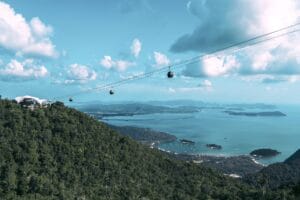
The beach is also close to mangrove tour departure points and other northern attractions. Travelers can combine a morning visit to Tanjung Rhu with a boat trip through the Kilim or Tanjung Rhu mangroves.
Datai Bay: Luxury Resorts and Tropical Wilderness
Datai Bay is one of Langkawi’s most exclusive coastal areas. It is surrounded by ancient rainforest and is associated with luxury resorts, secluded beaches, rich biodiversity, and spectacular natural scenery.
The bay is particularly attractive for travelers seeking privacy, high-quality accommodation, wellness experiences, nature activities, and peaceful surroundings. The forested hills behind the coast create a dramatic setting, while the beach provides a calm environment for relaxation.
Datai Bay is not as lively as Pantai Cenang. Instead, it focuses on nature, luxury, conservation, and quiet experiences. Guests staying in the area may enjoy guided rainforest walks, birdwatching, spa treatments, beach activities, and fine dining.
Visitors who are not staying at a private resort should check access arrangements before attempting to enter resort-managed areas. Some beaches and facilities may have restricted access.
Pantai Kok: A Scenic Western Coastline
Pantai Kok is located on the western side of Langkawi near the SkyCab area and Telaga Harbour. It is known for its beautiful coastal scenery, green hills, calm beaches, and proximity to major attractions.
The beach is suitable for travelers who want to combine nature, sightseeing, and resort relaxation. The area is generally quieter than Pantai Cenang but still provides access to restaurants, marinas, and scenic viewpoints.
Pantai Kok is also close to Telaga Harbour, a marina area with yachts, restaurants, cafés, and waterfront views. Visitors can enjoy a meal near the water, walk along the marina, or watch boats moving through the harbor.
The area’s location makes it convenient for combining several attractions in one day. A possible route may include SkyCab in the morning, Pantai Kok in the afternoon, and Telaga Harbour around sunset.
Telaga Harbour and Perdana Quay
Telaga Harbour is a scenic marina on Langkawi’s western coast. It is known for its yachts, waterfront restaurants, promenades, and views of the surrounding hills and sea.
The harbor offers a different atmosphere from the island’s traditional villages and busy beach areas. Visitors can walk beside the marina, enjoy seafood or international cuisine, and observe boats arriving and departing.
Perdana Quay, the commercial area near the marina, contains restaurants and leisure facilities. It can be a pleasant place for couples seeking a romantic meal or travelers who want a peaceful evening near the water.
Telaga Harbour is also an attractive photography location. The combination of boats, water, mountains, and evening light creates a scenic coastal setting.
Kilim Karst Geoforest Park: Mangroves, Caves, and Limestone Cliffs
Kilim Karst Geoforest Park is one of the most important natural attractions in Langkawi. Located on the northeastern side of the island, the park contains mangrove forests, limestone cliffs, caves, tidal rivers, mudflats, sea arches, rock pinnacles, and rich wildlife habitats.
The best way to explore Kilim is by boat or kayak. Guided boat tours travel through narrow waterways surrounded by mangrove trees and limestone formations. The scenery is very different from Langkawi’s beaches and mountains, providing a deeper understanding of the island’s ecological diversity.
Visitors may observe birds, monkeys, fish, mudskippers, crabs, and other wildlife. White-bellied sea eagles and Brahminy kites are particularly associated with Langkawi’s coastal environment. Wildlife sightings are not guaranteed, and responsible operators should avoid disturbing animals.
Kilim tours often include stops at caves, floating fish farms, eagle-viewing areas, and scenic limestone formations. The experience is suitable for families, couples, photographers, nature lovers, and travelers interested in ecotourism.
The Langkawi Development Authority describes Kilim as a landscape shaped by limestone erosion, with cliffs, caves, pinnacles, mangroves, mudflats, and important biological habitats.
Mangrove Boat Tours in Kilim
A mangrove boat tour is one of the best things to do in Langkawi because it allows visitors to explore areas that are difficult to reach by road. The boat travels along waterways where mangrove roots, limestone cliffs, and tidal channels create a unique environment.
A typical tour may include a visit to a bat cave, a floating fish farm, an eagle-viewing location, and scenic areas of the Kilim River. The exact itinerary depends on weather, tides, tour length, and the operator.
Visitors should choose a tour company that follows responsible wildlife practices. Feeding wild eagles or other animals can create concerns if conducted irresponsibly. Travelers should ask whether the operator follows conservation guidelines and avoids damaging the mangrove ecosystem.
The best time for a mangrove tour depends on tides and weather. Morning trips often provide comfortable temperatures and good light for photography. Sunset tours offer a different experience, with golden light across the water and the possibility of observing birds returning to their habitats.
Gua Kelawar: The Bat Cave of Langkawi
Gua Kelawar, or Bat Cave, is a popular stop on many Kilim mangrove tours. The cave is located within a limestone landscape and provides an opportunity to observe bats and understand the relationship between caves, mangroves, and coastal ecosystems.
Visitors usually reach the cave by boat and then walk along a short path or boardwalk. The interior can be dark, humid, and uneven, so comfortable footwear is recommended. Travelers should remain quiet and avoid touching the cave walls or disturbing the bats.
The cave is not necessarily a large underground adventure site, but it is interesting because it forms part of a wider mangrove and limestone ecosystem. The experience is most rewarding when combined with a guided explanation of the cave’s geological and biological importance.
Eagle-Watching in Langkawi
Langkawi is strongly associated with eagles, and eagle-watching is a common part of mangrove and island-hopping tours. Visitors may see Brahminy kites and white-bellied sea eagles flying over rivers, mangroves, beaches, and offshore islands.
The birds are impressive because of their wingspan and graceful flight. Watching them circle above the water can be one of the most memorable experiences during a boat trip.
Travelers should understand that wildlife should be observed responsibly. Some traditional tours use food to attract birds, but visitors should select operators that follow appropriate conservation practices and do not create unhealthy dependence or disrupt natural behavior.
Birdwatching is also possible beyond organized tours. Visitors may see eagles near coastal areas, mangrove forests, and open water, particularly during early morning or late afternoon.
Dayang Bunting Island and the Lake of the Pregnant Maiden
Dayang Bunting Island is one of the most famous islands near Langkawi’s main island. Its name means “Pregnant Maiden,” and the island is associated with a traditional legend about a princess and a lake.
The Lake of the Pregnant Maiden is a freshwater lake surrounded by forest and limestone scenery. Visitors reach it by boat and then walk along a short route through the island’s natural environment.
The lake is known for its distinctive shape and the surrounding mountain profile, which some observers believe resembles a pregnant woman lying down. The combination of legend, geology, forest, and freshwater makes the destination culturally and visually interesting.
Some visitors swim in the lake when conditions are permitted, while others enjoy the scenery and take photographs. Travelers should follow local safety instructions and be aware that water conditions, weather, and access rules can change.
Dayang Bunting Marble Geoforest Park is one of Langkawi’s principal geoforest parks. Its landscape includes marble formations, forest, islands, caves, and water environments shaped by geological processes over a long period.
Island-Hopping Around Langkawi
Island-hopping is one of the most popular activities in Langkawi. Tours usually depart from selected jetties and visit several islands or coastal locations during a half-day excursion.
A common route may include Dayang Bunting Island, Singa Besar Island, and Beras Basah Island. Each location offers a different experience. Dayang Bunting is known for its lake and legend, Singa Besar is associated with wildlife and eagle-viewing areas, and Beras Basah is known for its sandy beach and clear water.
Boat tours provide an opportunity to see Langkawi from the sea. The views of limestone islands, forested hills, beaches, and open water are often very different from the views available on land.
Travelers should choose boats with appropriate safety equipment and confirm whether the tour includes life jackets, insurance, entrance fees, and transportation. Weather can affect departures, so flexibility is important.
Beras Basah Island: A Tropical Beach Escape
Beras Basah Island is a popular stop on many Langkawi island-hopping tours. It is known for its sandy beach, turquoise water, forested background, and relaxed tropical atmosphere.
Visitors often spend time swimming, walking along the sand, taking photographs, or relaxing beneath trees. The island is particularly attractive when the water is calm and the weather is sunny.
Because the island is a popular tour stop, it can become busy during peak hours. Travelers seeking a quieter experience may prefer arriving early or selecting a private or small-group boat tour.
Visitors should avoid leaving rubbish behind and should be careful not to damage marine life, coral, shells, or coastal vegetation.
Pulau Singa Besar and Wildlife Experiences
Singa Besar Island is associated with wildlife and natural scenery. It is often included in island-hopping routes because the surrounding waters provide opportunities to observe eagles and other coastal birds.
The island is covered with forest and contains a natural environment that supports wildlife. Visitors generally experience it from a boat rather than exploring every part of the island on foot.
The surrounding sea is especially attractive for photography. The contrast between the green forest, blue water, and limestone islands creates classic Langkawi scenery.
As with all wildlife experiences, sightings are not guaranteed. Visitors should avoid encouraging operators to disturb animals merely to provide closer photographs.
Kuah Town: Shopping, Food, and Local Life
Kuah Town is the main commercial and administrative center of Langkawi. It is located on the southeastern side of the main island and is an important arrival point for ferry passengers.
Although Kuah is not primarily known for beaches, it offers shopping centers, duty-free stores, restaurants, markets, parks, waterfront attractions, and access to several cultural sites. It is a practical place to purchase souvenirs, chocolates, perfumes, household goods, and other products.
Kuah also provides a glimpse of everyday island life. Visitors can find local restaurants, small shops, mosques, government buildings, and residential neighborhoods. It is a useful destination for travelers who want to experience more than resort areas.
The town is also a convenient base for exploring Eagle Square, Legenda Park, the waterfront, and nearby shopping areas.
Eagle Square: The Symbol of Langkawi
Eagle Square, locally known as Dataran Lang, is one of Langkawi’s most recognizable landmarks. It features a large eagle statue positioned near the waterfront in Kuah Town.
The eagle is an important symbol of Langkawi, and the landmark is a popular place for photographs. The open area around the statue provides views of the sea, boats, and surrounding waterfront.
Eagle Square is particularly attractive in the early morning or late afternoon when the sunlight is softer. The area can also be enjoyable in the evening when the waterfront becomes cooler.
Visitors often combine Eagle Square with shopping in Kuah Town, a visit to Legenda Park, or a meal at a nearby restaurant.
Legenda Park: Gardens and Langkawi Folklore
Legenda Park is a landscaped park near Kuah’s waterfront. It contains gardens, sculptures, walking paths, and displays connected to the legends and cultural stories associated with Langkawi.
The park is a pleasant place for a relaxed walk, especially for travelers interested in the island’s folklore. Its landscaped environment contrasts with the wild scenery of the mangrove forests and mountain areas.
The park is also suitable for families and photographers. Visitors can learn about local stories while enjoying views of the surrounding waterfront.
A visit to Legenda Park can easily be combined with Eagle Square because the attractions are located near each other.
Langkawi Wildlife Park
Langkawi Wildlife Park is a family-friendly attraction offering opportunities to see birds, mammals, reptiles, and other animals in a managed environment. It is particularly suitable for families with children and visitors who want a break from beaches and outdoor excursions.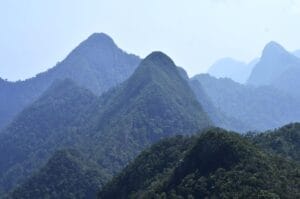
The park includes covered and open areas, making it useful during hot or rainy weather. Depending on the current exhibits, visitors may encounter birds, mammals, reptiles, and other species.
Wildlife parks should be visited with an emphasis on education and conservation. Travelers should observe animals respectfully, avoid feeding them unless permitted, and follow the park’s instructions.
Because operating schedules, animal exhibits, feeding sessions, and ticket prices may change, visitors should check the attraction’s official information before visiting.
Crocodile Adventureland Langkawi
Crocodile Adventureland is located in the northern part of Langkawi and focuses on crocodiles and related educational experiences. The attraction is suitable for travelers interested in reptiles, wildlife, and family-oriented activities.
Visitors can learn about crocodile behavior, habitats, feeding patterns, and conservation. The site may include viewing areas, educational displays, and scheduled presentations.
The attraction can be combined with visits to Tanjung Rhu, the northern coast, or other nearby destinations. Travelers should follow all safety rules and avoid approaching restricted areas.
Laman Padi Langkawi: Rice Culture and Traditional Agriculture
Laman Padi Langkawi is a cultural and agricultural attraction that introduces visitors to rice cultivation and traditional farming practices. Rice is an important part of Malaysian food culture, and the site provides insight into how rice has shaped rural life.
The attraction includes rice fields, gardens, displays, and educational features. Visitors can learn about planting, harvesting, irrigation, farming tools, and the cultural importance of rice.
Laman Padi is particularly interesting for families, students, photographers, and travelers who want to understand the agricultural side of Langkawi. It also provides a different experience from the island’s beaches and luxury resorts.
The site is located near the Pantai Cenang area, making it convenient to combine with a beach visit, local lunch, or shopping trip.
Langkawi Craft Complex
The Langkawi Craft Complex is an important cultural attraction where visitors can learn about Malaysian handicrafts and traditional artistic practices. It provides opportunities to discover textiles, weaving, pottery, woodwork, decorative objects, and other locally produced crafts.
The complex is useful for travelers searching for meaningful souvenirs rather than mass-produced products. Visitors may find traditional designs, handmade items, and cultural gifts.
Craft centers also help preserve artistic traditions and provide opportunities for local artisans. Travelers should consider purchasing directly from craftspeople or recognized cultural centers when possible.
A visit to the craft complex can be combined with northern Langkawi attractions, including Tanjung Rhu, Kilim, and other cultural sites.
Atma Alam Batik Art Village
Atma Alam is associated with batik art, one of Malaysia’s best-known traditional textile arts. Batik involves applying wax and dye to fabric to create detailed patterns and colorful designs.
Visitors interested in art and culture can explore batik paintings, textiles, clothing, and decorative pieces. The attraction provides insight into the creativity and techniques behind this traditional craft.
Batik products can make attractive souvenirs because they are lightweight, culturally meaningful, and available in different price ranges. Travelers should look for information about the artist, production method, and authenticity of the item.
Gunung Raya: The Highest Mountain in Langkawi
Gunung Raya is the highest mountain on Langkawi’s main island and offers a different mountain experience from Gunung Machinchang. It is surrounded by forest and provides opportunities for scenic drives, hiking, birdwatching, and panoramic viewpoints.
The mountain is home to tropical vegetation and wildlife. Visitors may encounter birds, monkeys, insects, and other forest species, although sightings are unpredictable.
Travelers can explore Gunung Raya by road or through hiking routes. Hiking should be undertaken with appropriate preparation because the tropical climate can be hot and humid, and trails may be slippery after rain.
The summit area can provide views across the island, although visibility depends on weather and cloud cover. The mountain is a good choice for visitors who want to explore Langkawi beyond its beaches and commercial attractions.
Durian Perangin Waterfall
Durian Perangin Waterfall is located in the northeastern part of Langkawi and is surrounded by tropical forest. It is known for its flowing water, natural pools, rocky surroundings, and peaceful atmosphere.
The waterfall is generally more accessible than some of Langkawi’s mountain trails, making it suitable for travelers seeking a short nature excursion. Visitors can enjoy the scenery, take photographs, and relax near the water when conditions are safe.
The area is especially attractive after rainfall, but slippery rocks and stronger currents may create hazards. Visitors should follow local signs and avoid swimming in unsafe conditions.
Durian Perangin can be combined with visits to Kilim, Tanjung Rhu, and other northeastern attractions.
Temurun Waterfall
Temurun Waterfall is one of Langkawi’s best-known waterfalls and is located near the Datai area. The waterfall flows through a forested landscape and drops over rock formations into a natural pool.
The surrounding forest provides shade and a refreshing atmosphere. Visitors can enjoy a short walk, take photographs, and appreciate the natural scenery.
The waterfall may be more impressive during the rainy season, although heavy rain can make access slippery and swimming unsafe. Travelers should check conditions before visiting.
Because Temurun Waterfall is located near the northwestern side of the island, it can be combined with Datai Bay, the northern beaches, or other forest attractions.
Black Sand Beach
Black Sand Beach is an unusual coastal attraction in Langkawi because parts of its shoreline contain dark-colored sand. The beach is associated with local legends and geological features, making it an interesting stop for visitors exploring the northern coast.
The beach may not resemble the bright white-sand beaches of Tanjung Rhu or Beras Basah, but its unusual appearance provides a different photographic and cultural experience.
Visitors can enjoy the coastal views, explore the shoreline, and learn about local stories connected to the beach. It is often less focused on swimming and more suitable for sightseeing and photography.
Pasir Tengkorak Beach
Pasir Tengkorak Beach is a scenic beach on the northern coast of Langkawi. It is known for its forested setting, clear water, sandy shoreline, and relatively peaceful atmosphere.
The beach is suitable for travelers who want to enjoy nature away from the busiest tourist areas. The surrounding trees provide shade, while the coastal setting offers attractive views.
Visitors should bring drinking water, sun protection, and any necessary food because facilities may be more limited than at Pantai Cenang. Travelers should also keep the beach clean and avoid damaging the natural environment.
Kubang Badak BioGeoTrail
Kubang Badak BioGeoTrail is an area of ecological and geological interest in Langkawi. It combines natural landscapes, mangroves, coastal environments, traditional village life, and geological features.
The area is suitable for travelers interested in less-commercialized experiences and community-based tourism. Depending on available tours, visitors may explore mangrove ecosystems, observe wildlife, learn about local livelihoods, and discover geological features.
Kubang Badak is particularly valuable for travelers who want to understand Langkawi as a living landscape rather than simply a beach destination.
Because access and tour arrangements may vary, visitors should use local guides or recognized operators and confirm the route before traveling.
Pulau Tuba: A Quiet Island Near Langkawi
Pulau Tuba is an inhabited island located near Langkawi’s main island. It is less developed than the major tourist areas and offers a glimpse of traditional island life, fishing communities, rural roads, farms, and village landscapes.
Visitors can explore the island by bicycle, motorcycle, or local transport, depending on availability. The slower pace makes Pulau Tuba suitable for travelers interested in photography, local culture, and peaceful surroundings.
The island provides an opportunity to observe daily life away from large resorts and busy tourist centers. Travelers should be respectful when photographing residents, homes, boats, and private activities.
Horseback Riding in Langkawi
Horseback riding is an enjoyable activity for visitors who want to explore Langkawi’s beaches, countryside, and forest surroundings in a different way. Riding experiences may range from beginner-friendly sessions to longer routes through rural landscapes.
Beginners can often take guided rides with trained staff, while experienced riders may be able to join more adventurous routes. The exact experience depends on the operator, weather, horse welfare standards, and trail conditions.
Travelers should choose providers that treat animals responsibly and provide appropriate safety equipment. Comfortable clothing, closed shoes, and sun protection are recommended.
Water Sports in Langkawi
Langkawi is one of Malaysia’s leading destinations for water sports. Activities may include jet skiing, parasailing, kayaking, banana boat rides, snorkeling, diving, paddleboarding, and boat excursions.
Pantai Cenang and Pantai Tengah are common areas for recreational water sports, while quieter coastal areas may offer kayaking and guided marine experiences. Island-hopping tours provide opportunities to swim and explore offshore beaches.
Visitors should choose licensed or reputable operators and confirm safety procedures before participating. Life jackets should be used when appropriate, and travelers should understand weather restrictions and cancellation policies.
Marine environments are sensitive, so visitors should avoid touching coral, collecting shells, feeding fish, or leaving plastic waste behind.
Snorkeling and Diving Around Langkawi
Langkawi offers snorkeling and diving opportunities around selected islands and coastal areas. Water clarity depends on weather, tides, rainfall, and location, so conditions can vary.
Snorkeling trips may visit areas with colorful fish, rocky seabeds, coral communities, and clear shallow water. Diving experiences are generally arranged through specialized operators who provide equipment, guides, and safety briefings.
Travelers should not expect every site to have the same marine biodiversity as more specialized diving destinations in Southeast Asia. However, Langkawi remains an attractive place for casual snorkeling, island exploration, and marine recreation.
Responsible behavior is essential. Visitors should avoid standing on coral, touching marine animals, or using harmful substances in the water.
Sunset Cruises in Langkawi
A sunset cruise is one of the most romantic activities in Langkawi. Boats travel along the coast during the late afternoon, offering views of beaches, islands, mountains, and the open sea.
Some cruises include dinner, drinks, music, swimming stops, or a saltwater jacuzzi experience. Others focus on quiet sightseeing and photography.
The experience is especially popular with couples, honeymooners, and families celebrating special occasions. Weather conditions determine whether the sunset is visible, but even cloudy evenings can create beautiful colors across the horizon.
Travelers should compare cruise inclusions carefully. Some packages may include meals and transfers, while others charge separately for transportation or activities.
Langkawi’s Duty-Free Shopping
Langkawi is famous for its duty-free shopping, which is one of the destination’s major attractions. Visitors can find a variety of products, including chocolates, perfumes, kitchenware, luggage, souvenirs, and selected imported goods.
Kuah Town and the Pantai Cenang area contain many duty-free stores. Shopping centers and independent retailers offer different product ranges and prices.
Travelers should compare prices and check product authenticity, especially when purchasing branded goods. It is also important to understand Malaysian customs allowances and airline baggage restrictions before buying large quantities.
Duty-free status does not mean that every product is automatically cheaper than elsewhere. Visitors should compare prices, check package sizes, and consider whether the item is genuinely useful.
Langkawi’s Local Food Culture
Langkawi offers a wide variety of food influenced by Malay, Thai, Indian, Chinese, and international culinary traditions. Seafood is especially popular because of the island’s coastal location.
Visitors should try local dishes such as nasi lemak, laksa, grilled fish, seafood curry, satay, roti canai, ayam masak merah, ikan bakar, and traditional Malay desserts. Fresh tropical fruits and coconut-based drinks are also common.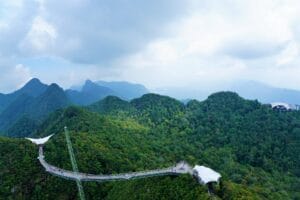
Restaurants in Pantai Cenang and Pantai Tengah offer international options, while local villages and Kuah Town provide opportunities to discover traditional Malaysian food.
Travelers interested in authentic local cuisine should explore small family-run restaurants, night markets, food stalls, and roadside eateries. Hygiene standards and food freshness should always be considered, particularly when eating seafood.
Langkawi Night Markets
Langkawi’s night markets are a good way to experience local food, community life, and affordable shopping. Markets may operate in different locations on different days of the week.
Visitors can find grilled seafood, noodles, rice dishes, snacks, desserts, fruit, clothing, souvenirs, and household products. The atmosphere is usually informal and lively.
Night markets are useful for travelers who want to eat economically and sample several dishes in one evening. Visitors should carry small amounts of Malaysian currency, although some vendors may accept digital payments.
Because market locations and schedules can change, travelers should confirm the current location with hotel staff, local tourism offices, or reliable local sources.
The Best Time to Visit Langkawi
Langkawi has a tropical climate with warm temperatures throughout the year. The best time to visit depends on weather preferences, sea conditions, budget, and tolerance for crowds.
The period from roughly November to March is often popular for beach holidays because the weather may be more favorable for outdoor activities and island-hopping. December, January, and February can be busy, particularly during school holidays and festive periods.
The wetter months can still be enjoyable because rainfall is not always continuous. Rain often arrives in short, heavy bursts, followed by sunshine. However, boat trips, cable car operations, hiking, and water sports may be affected by storms or strong winds.
Travelers who prefer lower prices and fewer crowds may consider visiting outside peak holiday periods. They should remain flexible and prepare for changing weather.
How Many Days Should You Spend in Langkawi?
A three-day Langkawi trip can cover the island’s main highlights. Visitors may spend one day exploring SkyCab, Sky Bridge, Oriental Village, and nearby waterfalls; another day visiting Kilim Geoforest Park or joining an island-hopping tour; and a final day relaxing at Pantai Cenang, shopping, and watching the sunset.
A four- or five-day itinerary allows travelers to explore more slowly. It can include Tanjung Rhu, Kuah Town, Eagle Square, cultural attractions, waterfalls, beaches, and a sunset cruise.
A week in Langkawi is ideal for travelers who want to combine sightseeing with relaxation. They can spend several days exploring attractions and reserve other days for spa treatments, beach time, kayaking, resort activities, and local food experiences.
How to Travel to Langkawi
The most convenient way to reach Langkawi is by air. Langkawi International Airport receives flights from selected Malaysian cities and other destinations, depending on the current airline schedule.
Another option is to travel by ferry from selected mainland ports or nearby islands. Ferry routes and operating schedules can change due to weather, maintenance, and seasonal demand.
Visitors arriving by ferry generally reach the Kuah area, which is convenient for shopping and transportation. Those arriving by air may find Pantai Cenang and Pantai Tengah relatively convenient because they are close to the airport.
Travelers should check current flight and ferry schedules before making non-refundable arrangements.
Getting Around Langkawi
Langkawi is easier to explore with private transportation because many attractions are spread across the island. Car rental is a popular option for families, couples, and groups.
Motorcycles and scooters may suit experienced riders who are comfortable with tropical weather and local road conditions. Travelers should wear helmets, carry the correct license, and check insurance arrangements.
Taxis and private drivers are available in many areas, while tour operators often provide transportation for organized excursions. Ride-hailing availability may vary depending on location and time.
Driving carefully is important, especially on rural roads, mountain routes, and roads near waterfalls. Travelers should avoid driving after drinking alcohol and should be cautious around animals and pedestrians.
Where to Stay in Langkawi
Pantai Cenang is the best area for travelers who want restaurants, nightlife, shopping, beach access, and a wide range of accommodation. It is particularly convenient for first-time visitors and budget-conscious travelers.
Pantai Tengah is suitable for visitors seeking a quieter beach environment while remaining close to the main tourist zone. It offers hotels, resorts, restaurants, and beachfront accommodation.
Kuah Town is practical for travelers interested in shopping, ferry access, local restaurants, and urban convenience. It may be less attractive for visitors whose main priority is a sandy beach.
Tanjung Rhu and Datai Bay are better suited to travelers seeking privacy, luxury resorts, natural surroundings, and peaceful coastal scenery. Pantai Kok is convenient for visitors interested in SkyCab, Telaga Harbour, and western Langkawi.
Langkawi for Families
Langkawi is a family-friendly destination because it offers beaches, cable cars, waterfalls, wildlife attractions, boat tours, craft centers, and educational experiences.
Families can visit SkyCab, Oriental Village, Langkawi Wildlife Park, Laman Padi, Telaga Tujuh Waterfall, and selected island-hopping destinations. Younger children may enjoy interactive attractions, while older children may prefer snorkeling, kayaking, and adventure activities.
Parents should consider heat, sun exposure, boat safety, swimming conditions, and travel time between attractions. It is often better to plan one major activity and one lighter activity per day rather than attempting to visit too many places.
Langkawi for Couples and Honeymooners
Langkawi is one of Malaysia’s most popular romantic destinations. Couples can stay in luxury resorts, enjoy private beach dinners, take sunset cruises, explore quiet beaches, and experience spa treatments.
Tanjung Rhu, Datai Bay, Pantai Kok, and selected beachfront resorts offer peaceful settings for couples. Pantai Cenang is better for couples who enjoy restaurants, activities, and lively evenings.
A romantic Langkawi itinerary may include a cable car ride, a sunset cruise, a private dinner, a mangrove tour, and a day of relaxation at a quiet beach.
Langkawi for Adventure Travelers
Adventure travelers can enjoy hiking, kayaking, snorkeling, diving, jet skiing, parasailing, jungle walks, horseback riding, and island-hopping.
The SkyCab and Sky Bridge provide an accessible mountain adventure, while Telaga Tujuh and other waterfalls offer opportunities for walking and nature exploration. Kilim Geoforest Park is excellent for kayaking and mangrove discovery.
Travelers should choose activities according to fitness, experience, weather, and safety conditions. Some activities require advance reservations, especially during busy travel periods.
Responsible Tourism in Langkawi
Langkawi’s natural attractions require careful protection because its forests, mangroves, beaches, caves, and offshore islands support important ecosystems.
Visitors should avoid throwing rubbish into the sea or on beaches, use reusable water bottles, avoid single-use plastic where possible, and never remove rocks, shells, plants, or other natural materials.
Wildlife should be observed from a safe distance. Travelers should not feed monkeys, disturb birds, touch marine animals, or encourage boat operators to chase wildlife.
Visitors should also respect local communities, religious sites, traditional villages, and private property. Asking permission before photographing people is a simple but important practice.
Suggested Three-Day Langkawi Itinerary
A three-day Langkawi itinerary can begin with a visit to Langkawi SkyCab, Sky Bridge, Oriental Village, and Telaga Tujuh Waterfall. These attractions are located near one another and provide a combination of mountain scenery, family entertainment, and natural beauty.
The second day can focus on Kilim Karst Geoforest Park or an island-hopping excursion. Travelers interested in mangroves and wildlife should choose Kilim, while visitors who prefer beaches and offshore islands may select Dayang Bunting and Beras Basah.
The final day can include Pantai Cenang, Laman Padi, Kuah Town, Eagle Square, and duty-free shopping. The day can finish with a sunset at Pantai Cenang or a sunset cruise.
Suggested Five-Day Langkawi Itinerary
A five-day trip allows a slower pace. The first day can be used for arrival, hotel check-in, Pantai Cenang, and a sunset walk.
The second day can focus on SkyCab, Sky Bridge, Oriental Village, and Telaga Tujuh Waterfall. Travelers should check the cable car schedule and weather conditions before leaving.
The third day can be dedicated to Kilim Geoforest Park, including a mangrove boat tour, cave visit, and wildlife observation.
The fourth day can include Tanjung Rhu Beach, Durian Perangin Waterfall, Kuah Town, Eagle Square, and shopping.
The fifth day can be reserved for relaxation, snorkeling, a sunset cruise, a spa experience, or a final visit to a favorite beach.
Conclusion
Langkawi is one of Malaysia’s most complete island destinations because it offers much more than beaches. The island combines ancient geological landscapes, tropical forests, mangrove ecosystems, waterfalls, offshore islands, cultural attractions, wildlife experiences, duty-free shopping, and a wide range of accommodation.
The Langkawi SkyCab and Sky Bridge provide unforgettable mountain views, while Kilim Karst Geoforest Park reveals the beauty of mangrove rivers and limestone formations. Pantai Cenang offers lively beach life, Tanjung Rhu provides peaceful coastal scenery, and Kuah Town introduces visitors to shopping and local life. Dayang Bunting, Beras Basah, and other offshore islands create opportunities for boat trips and tropical adventures.
- Tourism Malaysia: Official Langkawi destination guide
- Langkawi Development Authority: Langkawi SkyCab
- Langkawi Development Authority: Langkawi UNESCO Global Geopark
- Langkawi Global Geopark: Official geoforest park information
- Official Langkawi tourism activities and destination zones
- Official Kilim Geoforest Park information
Author

Related posts
Best Places to Visit in Dinant
- 0
- 4,895 words
Best Places to Visit in Dinant, Belgium Dinant is one of the most beautiful small towns in Belgium and one of the...
Read out all
Best Places to Visit in Mont-Saint-Michel
- 0
- 4,974 words
Best Places to Visit in Mont-Saint-Michel , France Mont-Saint-Michel is one of the most extraordinary destinations in France and one of the...
Read out all
UNGA
- 0
- 5,649 words
UNGA (United Nations General Assembly ) The United Nations General Assembly, commonly known as the UN General Assembly or UNGA, is one...
Read out all
Best Places to Visit in Kathmandu
- 0
- 4,089 words
Best Places to Visit in Kathmandu , Nepal Kathmandu, the capital of Nepal, is one of South Asia’s most fascinating travel destinations....
Read out all
Best Places to Visit in Vilnius
- 0
- 5,246 words
Best Places to Visit in Vilnius , Lithuania Vilnius, the capital of Lithuania, is one of the most fascinating destinations in the...
Read out all
Best Places to Visit in Riga
- 0
- 6,005 words
Best Places to Visit in Riga , Latvia Riga, the capital of Latvia, is one of the most fascinating destinations in the...
Read out all