

The Most Beautiful Countries in the World
What makes a country beautiful? For some travelers, beauty means snow-covered mountains rising above turquoise lakes. For others, it means tropical beaches, ancient temples, dramatic coastlines, colorful cities, wildlife-rich national parks or villages surrounded by green countryside. The world’s most beautiful countries offer different versions of natural and cultural beauty, making the question of which country is the most beautiful highly personal.
From the alpine landscapes of Switzerland to the fjords of Norway, the volcanic scenery of Iceland, the extraordinary wilderness of New Zealand and the Mediterranean charm of Italy and Greece, some destinations consistently attract travelers because of their remarkable combination of scenery and culture. Other countries, including Canada, Australia, Japan, Slovenia, South Africa and Nepal, offer equally extraordinary experiences through mountains, forests, coastlines, wildlife, heritage and local traditions.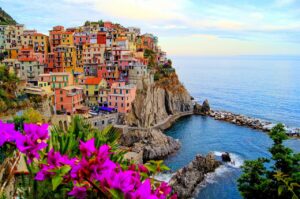
The most beautiful countries in the world are not necessarily the countries with the most famous landmarks. Often, their greatest attractions are landscapes that can be experienced while traveling between destinations. A train journey through the Swiss Alps, a road trip through New Zealand, a ferry ride through Norwegian fjords, a hike in Nepal or a drive along Australia’s coast can become just as memorable as visiting a famous monument.
Beauty is also closely connected with cultural identity. Historic towns, traditional architecture, religious monuments, local cuisine, festivals and centuries-old traditions can transform a beautiful landscape into a complete travel experience. Italy is a perfect example, where mountain scenery, Mediterranean coastlines, Renaissance cities, ancient ruins and culinary traditions coexist within one country.
This guide explores some of the world’s most beautiful countries and explains what makes each destination special, where travelers can experience its beauty and what type of traveler may enjoy it most.
Switzerland : The Beauty of the Swiss Alps
Switzerland is one of the first countries that comes to mind when discussing the most beautiful countries in the world. Its landscape combines dramatic Alpine mountains, turquoise lakes, green valleys, glaciers, picturesque villages and historic cities.
The Swiss Alps dominate much of the country’s visual identity. Peaks rise above valleys containing traditional villages, while mountain railways connect travelers with some of Europe’s most spectacular viewpoints. The combination of snow, forests, meadows and lakes creates scenery that changes dramatically with the seasons.
Switzerland’s beauty is not limited to the mountains. Cities such as Lucerne, Bern, Zurich and Geneva provide historic architecture, lakeside settings and cultural attractions. Lucerne is particularly famous for its location beside Lake Lucerne and its views toward the surrounding mountains.
The Jungfrau region is another extraordinary part of Switzerland. Destinations around Interlaken, Grindelwald, Lauterbrunnen and Wengen provide access to mountain landscapes, hiking trails and panoramic viewpoints.
The Swiss landscape also has internationally recognized heritage value. UNESCO lists the Swiss Alps Jungfrau-Aletsch, Lavaux Vineyard Terraces, Swiss Tectonic Arena Sardona and other natural and cultural sites among Switzerland’s World Heritage properties.
For travelers seeking beautiful mountain destinations, Switzerland offers one of the world’s most complete combinations of scenery, infrastructure, transportation and outdoor experiences.
New Zealand : A Country of Dramatic Natural Landscapes
New Zealand is another strong candidate for the title of the most beautiful country in the world. Its relatively compact geography contains mountains, glaciers, fjords, beaches, forests, volcanic landscapes, lakes and rolling countryside.
The South Island is particularly famous for spectacular scenery. Fiordland National Park contains dramatic mountains and waterways, while Milford Sound provides one of New Zealand’s most iconic landscapes.
The Southern Alps stretch across the South Island and create countless opportunities for hiking, photography and scenic travel. Mount Cook, known officially as Aoraki/Mount Cook, is the highest mountain in New Zealand and is surrounded by an extraordinary alpine environment.
Queenstown combines mountain scenery with adventure tourism. Visitors can experience hiking, boating, scenic flights and other outdoor activities while surrounded by lakes and mountains.
New Zealand’s North Island provides a different type of beauty. Volcanic landscapes, geothermal areas, beaches, forests and Māori cultural experiences create a distinctive travel environment.
UNESCO recognizes Te Wahipounamu in South West New Zealand, Tongariro National Park and the New Zealand Sub-Antarctic Islands as World Heritage properties.
New Zealand is especially attractive to travelers who want beautiful natural landscapes, road trips, outdoor adventures and dramatic photography locations.
Norway : The Land of Fjords and Arctic Landscapes
Norway is famous for some of Europe’s most dramatic natural scenery. Its mountains, fjords, waterfalls, forests, islands and Arctic landscapes make it one of the world’s most beautiful countries for nature lovers.
The Norwegian fjords are the country’s defining landscape. Geirangerfjord and Nærøyfjord are particularly famous for steep mountains descending toward deep blue waterways.
The beauty of Norway changes significantly with the seasons. Summer brings long days and green landscapes, while winter transforms many regions into snowy wilderness.
Northern Norway provides opportunities to experience the Arctic environment. The region is famous for the Northern Lights, snowy landscapes, fishing villages and dramatic coastal scenery.
The Lofoten Islands are particularly striking because jagged mountains rise directly from the sea. Traditional red fishing cabins, beaches and narrow roads create a landscape that is highly popular with photographers.
Norway’s World Heritage properties include the West Norwegian Fjords, with Geirangerfjord and Nærøyfjord among the most famous examples.
For travelers searching for beautiful countries to visit in Europe, Norway is especially attractive for fjord cruises, hiking, road trips, photography and Arctic experiences.
Iceland : The Beauty of Fire and Ice
Iceland is one of the most visually unusual countries in the world. Its landscape combines glaciers, volcanoes, lava fields, waterfalls, black-sand beaches, geothermal areas and rugged coastlines.
The country’s nickname as a land of fire and ice reflects the coexistence of volcanic activity and enormous glaciers. Travelers can experience landscapes that look almost otherworldly.
The Golden Circle is one of the country’s most accessible sightseeing routes. Þingvellir National Park, the Geysir geothermal area and Gullfoss waterfall form a classic Iceland itinerary.
The South Coast is famous for waterfalls, black-sand beaches and dramatic cliffs. Locations around Vík provide some of the country’s most recognizable coastal scenery.
Iceland is also one of the world’s most popular destinations for Northern Lights tourism. During the darker months, travelers have opportunities to see auroras across the country’s remote landscapes.
UNESCO’s World Heritage List includes Þingvellir National Park, Surtsey and Vatnajökull National Park, reflecting Iceland’s exceptional geological and natural heritage.
Iceland is ideal for travelers searching for unique natural beauty, volcanic landscapes, waterfalls, glaciers and Northern Lights experiences.
Italy : Where Natural Beauty Meets Art and History
Italy’s beauty is different from that of countries dominated by wilderness. Italy combines spectacular natural landscapes with extraordinary architecture, art, food and history.
From the Alps in northern Italy to the Mediterranean coastline in the south, the country offers enormous geographical diversity.
The Dolomites are among Europe’s most spectacular mountain landscapes. Their distinctive rock formations create dramatic scenery that attracts hikers, climbers, photographers and winter travelers.
Lake Como, Lake Garda and Lake Maggiore combine mountain scenery with elegant towns, historic villas and beautiful waterfronts.
Italy’s coastline is equally impressive. The Amalfi Coast features steep cliffs, colorful villages and views across the Mediterranean. Cinque Terre combines rugged coastline with small historic settlements built into the hills.
Italy’s cultural beauty is equally important. Rome contains ancient monuments, Renaissance architecture and famous museums. Florence is associated with Renaissance art, while Venice is famous for canals, bridges and historic architecture.
UNESCO’s World Heritage List contains numerous Italian properties, including the historic center of Rome and other major cultural and natural sites.
Italy is one of the best choices for travelers who want beautiful scenery combined with history, architecture, art, food and culture.
Greece : Mediterranean Beauty and Ancient Heritage
Greece is famous for blue seas, whitewashed villages, rugged islands and ancient monuments. Its combination of Mediterranean landscapes and cultural heritage makes it one of the world’s most beautiful countries.
The Greek islands offer some of the country’s most recognizable scenery. Santorini is famous for white buildings overlooking volcanic cliffs and the Aegean Sea.
Mykonos combines beaches, traditional architecture and lively tourism, while Crete offers mountains, beaches, archaeological sites and traditional villages.
The mainland also contains extraordinary destinations. Athens combines modern city life with ancient landmarks, most famously the Acropolis.
Meteora provides one of Greece’s most unusual landscapes, with monasteries dramatically positioned on towering rock formations.
Greece is particularly attractive to travelers looking for beautiful beaches, island holidays, Mediterranean culture and ancient history.
Japan : Beauty Through Every Season
Japan offers a different interpretation of beauty. Its landscapes range from snowy mountains and volcanic peaks to bamboo forests, gardens, coastlines and cherry-blossom-filled cities.
Mount Fuji is perhaps Japan’s most recognizable natural landmark. The mountain’s symmetrical volcanic form has inspired artists and travelers for centuries.
Spring is particularly famous because of cherry blossoms. Parks, temples and city streets across Japan can become covered in pink and white blossoms.
Autumn provides another extraordinary season as forests change color. Kyoto is particularly beautiful during autumn, when temples and gardens are surrounded by vibrant foliage.
Japan’s natural beauty extends beyond the main tourist cities. Hokkaido provides wide-open landscapes and snowy scenery, while Okinawa offers tropical beaches and clear waters.
Japan also demonstrates how human design can complement nature. Traditional gardens, temples, wooden architecture and carefully maintained landscapes create a sense of harmony between buildings and the natural environment.
Japan’s World Heritage heritage includes both cultural and natural properties, and UNESCO recognizes the country’s extensive heritage through its World Heritage system.
Japan is an excellent choice for travelers seeking beautiful landscapes, seasonal scenery, traditional culture, gardens, temples and modern cities.
Canada : Vast Wilderness and Extraordinary Natural Beauty
Canada is one of the world’s largest countries and contains enormous areas of wilderness. Its mountains, lakes, forests, glaciers and coastlines provide some of the most spectacular natural scenery on Earth.
Western Canada is particularly famous for the Rocky Mountains. Banff National Park and Jasper National Park contain turquoise lakes, dramatic peaks, glaciers and forests.
Lake Louise is one of Canada’s most famous landscapes. Its turquoise water and surrounding mountains make it a popular destination for photographers and outdoor travelers.
Moraine Lake is another iconic destination in the Canadian Rockies, surrounded by towering peaks and forests.
British Columbia offers additional natural beauty through destinations such as Vancouver, Whistler and the Pacific coastline.
Eastern Canada provides a different landscape. The Atlantic provinces contain rugged coastlines, fishing communities and dramatic ocean scenery.
Canada’s World Heritage properties include Gros Morne National Park, Nahanni National Park, Wood Buffalo National Park and other natural and cultural sites.
Canada is particularly appealing to travelers who want mountains, lakes, forests, wildlife, road trips and wilderness adventures.
Australia : Beaches, Coral Reefs and the Outback
Australia is one of the most geographically diverse beautiful countries in the world. Its landscapes include tropical beaches, coral reefs, rainforests, deserts, mountains and coastal cities.
The Great Barrier Reef is one of Australia’s most famous natural attractions. The enormous reef ecosystem provides opportunities for snorkeling, diving and marine wildlife experiences.
The Whitsunday Islands and Queensland coastline provide tropical scenery, while Tasmania offers rugged wilderness and dramatic coastlines.
Uluru is one of Australia’s most iconic natural and cultural landmarks. The massive sandstone formation rises from the surrounding landscape and has deep cultural significance for Indigenous Australians.
Australia’s Outback provides an entirely different form of beauty. Vast distances, red earth, dramatic skies and sparse vegetation create a powerful sense of scale.
Sydney adds an urban dimension to Australia’s beauty. The Sydney Opera House, harbor and surrounding coastline create one of the world’s most recognizable city landscapes.
UNESCO’s World Heritage List includes the Great Barrier Reef, Tasmanian Wilderness, Uluru-Kata Tjuta National Park, Greater Blue Mountains Area, Ningaloo Coast and numerous other Australian properties.
Australia is ideal for travelers seeking beautiful beaches, wildlife, coral reefs, road trips, national parks and diverse landscapes.
Slovenia : A Small Country With Extraordinary Scenery
Slovenia may be much smaller than Canada or Australia, but its natural beauty is extraordinary.
The Julian Alps dominate much of the country’s northern landscape. Lake Bled is Slovenia’s most famous destination, with an island church surrounded by blue-green water and mountains.
Lake Bohinj offers a quieter Alpine experience. It is surrounded by forests and mountains and is located within the Triglav National Park region.
The Soča Valley is famous for its striking turquoise river and dramatic mountain landscape.
Slovenia also has an attractive cultural dimension. Ljubljana, the capital, combines historic architecture, bridges, public spaces and a relaxed atmosphere.
The country is particularly appealing to travelers who want to experience European mountain scenery without traveling across enormous distances.
UNESCO recognizes the Škocjan Caves, the Heritage of Mercury site involving Idrija and other Slovenian heritage properties.
South Africa : Mountains, Coastlines and Wildlife
South Africa offers one of the world’s most diverse combinations of natural beauty and wildlife.
Cape Town is surrounded by mountains and coastline. Table Mountain provides a spectacular backdrop to the city, while the Cape Peninsula offers beaches, cliffs and ocean views.
The Garden Route combines forests, beaches, lagoons and coastal landscapes.
South Africa is also famous for wildlife tourism. Kruger National Park and other protected areas provide opportunities to see elephants, lions, leopards, rhinoceroses and buffalo.
The Drakensberg Mountains offer another dimension of South African beauty, with dramatic cliffs, valleys and highland scenery.
The country’s cultural and historical attractions add depth to its landscapes. Cape Town, Johannesburg and other cities provide museums, heritage sites, markets and restaurants.
UNESCO recognizes South African properties including the Cape Floral Region Protected Areas and Maloti-Drakensberg Park, alongside cultural and historical heritage sites.
South Africa is particularly attractive to travelers seeking beautiful landscapes, African wildlife, mountains, beaches and safari experiences.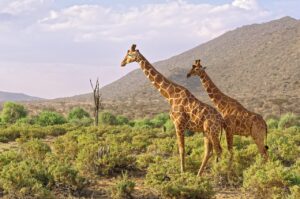
Nepal : The Beauty of the Himalayas
Nepal is one of the world’s greatest destinations for mountain beauty. The Himalayas dominate the country’s northern landscape, creating extraordinary scenery for trekkers, photographers and adventure travelers.
Mount Everest is the most famous mountain in Nepal, but the country’s beauty extends far beyond Everest.
The Annapurna region is known for dramatic mountain views, valleys, villages and trekking routes. The combination of high peaks and traditional communities creates an immersive travel experience.
The Langtang region offers another spectacular Himalayan environment relatively close to Kathmandu.
Nepal’s cultural beauty is equally important. Kathmandu Valley contains temples, courtyards, historic cities and religious monuments representing centuries of Hindu and Buddhist traditions.
Lumbini, associated with the birth of Buddha, adds another important cultural dimension to Nepal’s tourism landscape.
Nepal is ideal for travelers searching for beautiful mountain countries, Himalayan trekking, Everest travel, spiritual experiences and cultural heritage.
Bhutan : Himalayan Beauty and Traditional Culture
Bhutan is a small Himalayan kingdom known for mountains, forests, monasteries and traditional architecture.
The country’s landscapes combine steep valleys, snow-covered peaks and dense forests. Villages and monasteries are often located in dramatic mountain settings.
Paro is one of Bhutan’s most recognizable destinations. The valley contains traditional architecture and is home to the famous Tiger’s Nest monastery.
Punakha provides another beautiful landscape, where rivers, mountains and traditional architecture create a peaceful environment.
Bhutan is particularly appealing to travelers seeking a quieter destination with strong cultural identity and mountain scenery.
Its combination of Himalayan landscapes, Buddhist heritage and traditional architecture makes it one of Asia’s most distinctive beautiful countries.
Norway, Iceland and Switzerland: Europe’s Ultimate Nature Triangle
Travelers searching for the most beautiful countries in Europe may find it difficult to choose between Norway, Iceland and Switzerland.
Switzerland is defined by Alpine mountains, lakes and carefully preserved villages.
Norway is famous for fjords, islands, mountains and Arctic landscapes.
Iceland offers volcanoes, glaciers, waterfalls, lava fields and black-sand beaches.
Each destination provides a different type of natural beauty. Switzerland is particularly attractive for mountain railways and Alpine villages, Norway for fjords and Arctic experiences, and Iceland for geology and dramatic wilderness.
All three are particularly strong choices for travelers who prioritize nature over traditional city sightseeing.
Italy, Greece and Slovenia: Mediterranean and Alpine Beauty
Southern and Central Europe contain another group of exceptionally beautiful countries.
Italy combines Mediterranean coastlines, Alpine scenery, historic cities and artistic heritage.
Greece is famous for islands, beaches, ancient ruins and blue Mediterranean waters.
Slovenia combines Alpine landscapes, forests, lakes, rivers and compact historic cities.
These countries are especially attractive because travelers can experience nature and culture within relatively short distances.
Japan and New Zealand: Two Different Versions of Island Beauty
Japan and New Zealand are both island countries, but their landscapes and cultures are very different.
Japan’s beauty is strongly connected with seasonal change, gardens, temples, mountains and traditional architecture.
New Zealand’s beauty is more strongly associated with wilderness, mountains, fjords, glaciers and outdoor adventure.
Japan is ideal for travelers who want culture and nature together, while New Zealand is particularly attractive to road trippers and outdoor enthusiasts.
What Makes a Country Beautiful?
Natural scenery is only one part of a country’s beauty. Mountains, beaches, lakes and forests create immediate visual appeal, but cultural landscapes can be equally powerful.
A historic European village surrounded by vineyards can be just as beautiful as a Himalayan valley.
A Japanese temple surrounded by autumn foliage creates a different type of beauty from a Norwegian fjord.
An Australian Aboriginal cultural landscape can have significance beyond what can be understood simply through photography.
This is why the most beautiful countries in the world cannot be determined through scenery alone. The best destinations combine landscape, culture, history, architecture and experiences.
The Most Beautiful Countries for Mountain Lovers
Travelers who love mountains have an enormous range of choices.
Switzerland provides accessible Alpine scenery and mountain railways.
Nepal offers the Himalayas and world-famous trekking routes.
New Zealand provides the Southern Alps.
Norway combines mountains with fjords.
Canada offers the Rocky Mountains.
Japan provides Mount Fuji and extensive mountain landscapes.
Slovenia provides the Julian Alps and Triglav National Park.
Each destination offers a different travel style, from comfortable scenic journeys to challenging multi-day treks.
The Most Beautiful Countries for Beach Lovers
Beach lovers may prefer destinations such as Greece, Australia and parts of Italy.
Greece offers countless islands and Mediterranean beaches.
Australia combines tropical beaches with enormous coastlines and coral reefs.
Italy provides Mediterranean beaches alongside historic towns and cuisine.
South Africa offers dramatic beaches framed by mountains and rugged coastlines.
For travelers whose definition of beauty is based primarily on turquoise water and tropical scenery, other countries such as the Maldives, Seychelles, Mauritius, Indonesia and the Philippines also deserve consideration.
The Most Beautiful Countries for Nature Lovers
Nature-focused travelers have many choices.
New Zealand is exceptional for wilderness and outdoor adventure.
Canada provides enormous forests, lakes and mountain parks.
Norway offers fjords and Arctic landscapes.
Iceland provides unusual geological scenery.
Australia provides coral reefs, deserts, rainforests and wildlife.
Nepal provides Himalayan landscapes.
South Africa combines landscapes with wildlife.
The best choice depends on whether travelers prefer mountains, forests, marine environments, deserts or wildlife.
The Most Beautiful Countries for Photography
Photography enthusiasts may find Switzerland, Iceland, Norway, New Zealand and Japan particularly rewarding.
Switzerland offers mountains and lakes.
Iceland offers dramatic weather, waterfalls and volcanic landscapes.
Norway provides fjords and Arctic scenery.
New Zealand offers mountains, lakes and remote wilderness.
Japan provides cherry blossoms, autumn foliage, temples and urban landscapes.
Australia and South Africa also provide exceptional opportunities for wildlife and landscape photography.
The Most Beautiful Countries for Road Trips
New Zealand is one of the world’s classic road-trip destinations because of its scenic highways, compact geography and diverse landscapes.
Iceland is another excellent option, particularly for travelers interested in waterfalls, glaciers and volcanic scenery.
Norway provides spectacular scenic roads through mountains and fjord country.
Australia offers road trips on an enormous scale, from coastal journeys to Outback adventures.
Canada is ideal for travelers who want long-distance journeys through mountains, forests and lakes.
The Most Beautiful Countries for Culture and Nature
Italy and Japan are especially strong choices for travelers who want both natural and cultural beauty.
Italy combines mountains and coastlines with ancient cities, Renaissance art and world-famous food.
Japan combines mountains and forests with temples, gardens, traditional architecture and seasonal festivals.
Nepal combines Himalayan landscapes with Hindu and Buddhist heritage.
Greece combines islands and beaches with ancient archaeological sites.
Bhutan combines Himalayan scenery with Buddhist monasteries and traditional architecture.
Best Time to Visit Beautiful Countries
There is no universal best time to visit the world’s most beautiful countries because seasons vary dramatically.
Switzerland and Norway are excellent in summer for hiking and mountain scenery, while winter offers snow and winter sports.
New Zealand’s seasons are opposite to those in Europe and North America because it is in the Southern Hemisphere.
Japan is particularly famous for spring cherry blossoms and autumn foliage.
Iceland’s summer offers long daylight hours, while winter provides opportunities for Northern Lights tourism.
Greece and Italy are especially popular during the warmer months, although spring and autumn can provide a more comfortable sightseeing experience.
Travelers should always check regional weather conditions because the best season for one part of a country may not be ideal for another.
Sustainable Travel in Beautiful Countries
The world’s most beautiful landscapes are also vulnerable to tourism pressure. Popular mountain destinations, islands, national parks and heritage sites can experience overcrowding, waste, habitat damage and pressure on local communities.
Responsible tourism is therefore increasingly important.
Travelers can support local businesses, follow national park rules, avoid damaging natural environments and respect cultural traditions.
Choosing public transportation where practical, reducing plastic waste and staying on marked trails can help protect fragile environments.
The goal of visiting beautiful countries should not simply be to photograph them but also to help ensure that their landscapes and cultural heritage remain available for future generations.
UNESCO and the World’s Most Beautiful Destinations
UNESCO World Heritage recognition provides one useful way to understand the global importance of exceptional landscapes and cultural sites, although it should not be treated as a definitive ranking of beauty.
UNESCO’s World Heritage List includes natural and cultural sites across countries such as Australia, Canada, Iceland, Italy, New Zealand, Norway, Slovenia, South Africa and Switzerland.
These properties demonstrate the enormous diversity of global heritage, from fjords and mountains to caves, forests, islands, historic cities and cultural landscapes.
For travelers planning a worldwide beauty-focused journey, UNESCO’s official database can therefore be a valuable starting point for discovering destinations with recognized natural or cultural significance.
How to Choose the Most Beautiful Country for Your Trip
The best country for your trip depends on what type of beauty you want to experience.
If you dream about dramatic mountains and Alpine villages, Switzerland may be ideal.
If fjords and Arctic scenery appeal to you, Norway could be the perfect choice.
If you want volcanoes, waterfalls and glaciers, Iceland is difficult to beat.
If you want wilderness and adventure, New Zealand and Canada are excellent choices.
If you want beaches and ancient history, Greece offers an exceptional combination.
If you want art, food, architecture and landscapes, Italy is one of the strongest choices.
If you want seasonal scenery and traditional culture, Japan is particularly rewarding.
If you want Himalayan adventure, Nepal offers extraordinary mountain environments.
If wildlife is central to your definition of beauty, South Africa and Australia provide exceptional experiences.
Conclusion
The question of the most beautiful countries in the world has no single correct answer. Beauty depends on personal interests, travel experiences and the landscapes that create the strongest emotional connection.
Switzerland captivates travelers with Alpine mountains and lakes. Norway creates unforgettable experiences through fjords and Arctic scenery. Iceland offers a dramatic world of volcanoes, glaciers and waterfalls. New Zealand combines mountains, fjords, beaches and wilderness in a remarkably compact destination.
Italy and Greece demonstrate how natural beauty can combine with history, architecture, food and culture. Japan offers seasonal landscapes, gardens, temples and mountains. Canada provides enormous wilderness, lakes and Rocky Mountain scenery. Australia combines beaches, reefs, deserts and wildlife, while South Africa brings together mountains, coastlines and safari landscapes.
- UNESCO World Heritage List — authoritative source for internationally recognized natural and cultural heritage.
- UNESCO World Heritage Convention — useful for researching World Heritage destinations and conservation information.
- New Zealand UNESCO World Heritage — official UNESCO information on New Zealand’s World Heritage properties.
- UNESCO World Heritage Map — useful for discovering recognized destinations by country.
Author

Related posts
Best Places to Visit in Dinant
- 0
- 4,895 words
Best Places to Visit in Dinant, Belgium Dinant is one of the most beautiful small towns in Belgium and one of the...
Read out all
Best Places to Visit in Mont-Saint-Michel
- 0
- 4,974 words
Best Places to Visit in Mont-Saint-Michel , France Mont-Saint-Michel is one of the most extraordinary destinations in France and one of the...
Read out all
UNGA
- 0
- 5,649 words
UNGA (United Nations General Assembly ) The United Nations General Assembly, commonly known as the UN General Assembly or UNGA, is one...
Read out all
Best Places to Visit in Kathmandu
- 0
- 4,089 words
Best Places to Visit in Kathmandu , Nepal Kathmandu, the capital of Nepal, is one of South Asia’s most fascinating travel destinations....
Read out all
Best Places to Visit in Vilnius
- 0
- 5,246 words
Best Places to Visit in Vilnius , Lithuania Vilnius, the capital of Lithuania, is one of the most fascinating destinations in the...
Read out all
Best Places to Visit in Riga
- 0
- 6,005 words
Best Places to Visit in Riga , Latvia Riga, the capital of Latvia, is one of the most fascinating destinations in the...
Read out all