

Togo

Togo is one of West Africa’s most fascinating yet underrated travel destinations. Although it is one of the continent’s smaller countries, Togo offers remarkable diversity in its landscapes, culture, history, and traditions. Stretching from the Gulf of Guinea in the south to the savannahs near Burkina Faso in the north, the country combines tropical beaches, rolling hills, traditional villages, bustling markets, wildlife reserves, and UNESCO-recognized cultural heritage.
Bordered by Ghana, Benin, and Burkina Faso, Togo occupies a strategic location in West Africa that has shaped its rich cultural identity over centuries. The country is home to more than 40 ethnic groups, each preserving unique languages, customs, music, dances, and traditional craftsmanship.
Visitors seeking authentic African experiences often find Togo especially rewarding because many attractions remain uncrowded while local communities warmly welcome international travelers.
For official country information, visit:
Why Visit Togo?
Togo offers travelers a unique opportunity to experience authentic West African culture away from mass tourism.
The country combines vibrant cities, peaceful lakes, traditional ceremonies, colorful markets, historic villages, mountain landscapes, wildlife, and beautiful Atlantic beaches within a relatively compact area. Short travel distances make it possible to experience several completely different environments during one trip.
Visitors appreciate Togo’s welcoming people, affordable travel costs, rich traditions, and opportunities to discover destinations that remain largely untouched by international tourism.
Its cultural authenticity is one of its greatest attractions.
Geography and Climate of Togo
Despite covering only about 57,000 square kilometers, Togo contains remarkable geographical diversity.
The southern coastline borders the Gulf of Guinea and features sandy beaches and lagoons, while central regions include fertile hills, forests, rivers, and agricultural communities. Northern Togo gradually transitions into open savannah landscapes with rocky hills and traditional settlements.
The country experiences a tropical climate, with warm temperatures throughout the year. Southern regions generally have two rainy seasons, while northern areas experience one primary wet season followed by a long dry season.
These varied landscapes support agriculture, wildlife, and numerous outdoor activities.
A Brief History of Togo
Togo possesses a rich and complex history shaped by African kingdoms, European trade, and colonial rule.
Before European colonization, numerous ethnic communities established prosperous societies based on farming, trade, and craftsmanship. During the late nineteenth century, Germany colonized the territory before control later passed to France following the First World War.
Togo gained independence in 1960 and has continued developing its economy, infrastructure, education, and tourism while preserving its remarkable cultural traditions.
Today, visitors can explore historical sites, colonial architecture, traditional villages, and cultural museums that illustrate the country’s fascinating past.
Discover Lomé
Lomé is the capital and largest city of Togo.
Situated along the Atlantic coast, Lomé serves as the country’s political, economic, commercial, and cultural center. The city combines lively markets, palm-lined beaches, museums, modern hotels, restaurants, and historic neighborhoods, creating an excellent introduction to Togolese life.
Visitors enjoy walking along the waterfront, exploring local shops, tasting regional cuisine, and interacting with friendly residents while experiencing one of West Africa’s most welcoming capitals.
Lomé also functions as the primary gateway for international travelers arriving in Togo.
Explore the Grand Marché of Lomé
One of the city’s most vibrant attractions is the Grand Marché of Lomé.
This enormous market offers an unforgettable sensory experience where visitors discover colorful textiles, handcrafted jewelry, traditional clothing, spices, baskets, pottery, artwork, wood carvings, and locally produced goods.
Walking through its lively corridors provides valuable insight into everyday life while supporting local artisans and small businesses. Bargaining remains a common part of shopping, creating enjoyable interactions between visitors and vendors.
The Grand Marché showcases the creativity and entrepreneurial spirit of the Togolese people.
Visit Togoville
Togoville is one of the country’s most historically significant destinations.
Located on the shores of Lake Togo, this peaceful town played an important role during the colonial era and remains closely associated with traditional Vodun (Voodoo) culture. Visitors typically reach Togoville by crossing the lake in small boats before exploring its quiet streets, churches, shrines, colonial buildings, and cultural landmarks.
The town provides fascinating insight into the coexistence of Christianity and traditional African spiritual beliefs.
Its tranquil atmosphere makes it one of southern Togo’s most memorable destinations.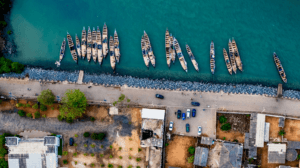
Experience Togolese Culture
Togo is home to an extraordinary diversity of ethnic communities.
Each group preserves distinctive languages, music, dances, festivals, clothing, architecture, and artistic traditions that together form one of West Africa’s richest cultural landscapes. Traditional ceremonies remain important parts of community life, celebrating harvests, family events, and spiritual beliefs.
Visitors frequently enjoy live drumming performances, colorful dances, storytelling, craft demonstrations, and opportunities to learn about centuries-old customs passed from one generation to another.
Respectful cultural tourism helps preserve these valuable traditions.
Taste Traditional Togolese Cuisine
Food plays an essential role in Togolese culture.
Meals often feature maize, cassava, yams, rice, beans, vegetables, grilled fish, chicken, beef, and flavorful sauces prepared with local spices. Popular dishes include pâte (cornmeal dough), fufu, grilled seafood, peanut-based sauces, and fresh tropical fruits.
Street food vendors, local restaurants, and family-owned eateries provide visitors with authentic culinary experiences reflecting the country’s agricultural heritage.
Sharing meals with local communities often becomes one of the most memorable parts of traveling through Togo.
Wildlife and Natural Landscapes
Beyond its cultural attractions, Togo also offers impressive natural beauty.
Rolling hills, forests, rivers, waterfalls, lagoons, beaches, and protected reserves support numerous plant and animal species. Birdwatchers, photographers, and nature enthusiasts enjoy exploring these diverse ecosystems while discovering wildlife native to West Africa.
Many rural communities maintain close relationships with the surrounding environment, practicing sustainable farming and preserving traditional ecological knowledge.
Nature lovers will find many rewarding opportunities throughout the country.
Why Togo Should Be on Every Traveler’s Bucket List
Togo offers authentic cultural experiences that remain difficult to find in many more heavily visited destinations.
Visitors can explore the lively streets of Lomé, shop at the colorful Grand Marché of Lomé, discover the historic lakeside town of Togoville, experience remarkable traditions, enjoy excellent local cuisine, and admire diverse natural landscapes.
Its welcoming communities, rich cultural heritage, affordable travel opportunities, and unique attractions make Togo one of West Africa’s hidden gems.

Explore Koutammakou, the Land of the Batammariba
One of Togo’s most extraordinary cultural destinations is Koutammakou, a UNESCO World Heritage Site recognized for its exceptional cultural landscape and traditional architecture.
Koutammakou is home to the Batammariba people, who are famous for constructing remarkable fortified clay houses known as Takienta. These distinctive multi-story structures serve as homes, granaries, and defensive buildings while reflecting centuries of indigenous architectural knowledge.
Visitors who explore Koutammakou gain valuable insight into traditional lifestyles, agricultural practices, spiritual beliefs, and cultural customs that have been carefully preserved for generations. Walking through the villages offers a rare opportunity to experience one of Africa’s most remarkable living cultural landscapes.
Learn more about this UNESCO site:
Visit Fazao-Malfakassa National Park
Nature enthusiasts should explore Fazao-Malfakassa National Park, the country’s largest protected area.
Covering thousands of hectares of forests, mountains, rivers, and savannah, the park protects a wide variety of wildlife and plant species. Visitors may encounter antelope, monkeys, buffalo, numerous bird species, butterflies, reptiles, and many native trees while exploring scenic hiking trails and natural landscapes.
The park also offers beautiful waterfalls, panoramic mountain viewpoints, and opportunities for eco-tourism, making it one of Togo’s finest destinations for outdoor adventure and wildlife observation.
Its rich biodiversity highlights the ecological importance of Togo’s protected natural areas.
Relax Along Togo’s Atlantic Coast
Togo’s southern coastline stretches along the Gulf of Guinea, offering visitors beautiful beaches and peaceful seaside communities.
Near Lomé, travelers can enjoy sandy beaches, ocean views, fresh seafood, and relaxing coastal walks. Many beaches provide opportunities to observe local fishing communities as colorful boats return with the day’s catch.
The warm tropical climate allows visitors to enjoy the coastline throughout much of the year, making it an excellent destination for relaxation after exploring the country’s cultural and historical attractions.
Sunsets along Togo’s Atlantic coast are especially memorable.
Discover Mount Agou
Mount Agou is the highest mountain in Togo and one of the country’s most rewarding natural attractions.
The mountain offers scenic hiking routes through forests, villages, plantations, and rolling hills before reaching panoramic viewpoints overlooking much of southern Togo. Along the journey, visitors encounter traditional farming communities, coffee plantations, tropical vegetation, and diverse birdlife.
The cooler mountain climate provides a pleasant contrast to the warmer coastal regions, making Mount Agou popular among hikers and photographers seeking spectacular landscapes.
Its peaceful atmosphere showcases another side of Togo’s remarkable geographical diversity.
Best Time to Visit Togo
Togo enjoys warm temperatures throughout the year, making it a year-round travel destination.
The dry season, generally from November through March in much of the country, is considered the best time for sightseeing, wildlife viewing, hiking, and exploring cultural attractions. During these months, roads are generally easier to navigate, and outdoor activities are more comfortable.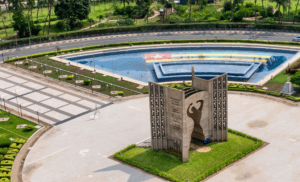
The rainy seasons bring lush green landscapes, flowing rivers, and beautiful agricultural scenery while offering excellent opportunities for photography and nature appreciation.
Choosing the best season depends largely on personal interests and planned activities.
Transportation Around Togo
Travel throughout Togo is relatively straightforward.
Road networks connect most major cities, towns, and tourist attractions. Shared taxis, buses, minibuses, and private vehicles provide transportation between regions, while motorcycles are commonly used for shorter local journeys.
International visitors typically arrive through Lomé before continuing to other destinations by road. Renting a vehicle with an experienced local driver can provide additional flexibility for exploring more remote regions.
Careful planning helps maximize travel efficiency while allowing visitors to discover the country’s diverse landscapes.
Where to Stay in Togo
Togo offers accommodation options suitable for various budgets and travel styles.
Modern hotels in Lomé provide comfortable facilities for business and leisure travelers, while smaller guesthouses, eco-lodges, and family-operated accommodations offer authentic hospitality in rural areas.
Many accommodations emphasize local cuisine, traditional architecture, and personalized service, allowing visitors to experience genuine Togolese culture throughout their stay.
Booking accommodations in advance is recommended during major festivals and holiday periods.
Hidden Gems of Togo
Beyond its well-known attractions, Togo contains numerous hidden treasures waiting to be explored.
Small mountain villages, quiet waterfalls, coffee plantations, sacred forests, artisan workshops, local markets, peaceful lakes, and traditional communities provide authentic experiences away from larger tourist centers.
Visitors who venture beyond the main travel routes often discover remarkable hospitality, beautiful scenery, and opportunities to learn directly from local residents about their traditions and daily lives.
These lesser-known destinations frequently become the highlights of a journey through Togo.
Travel Tips for Visiting Togo
Planning ahead contributes greatly to a successful visit.
Travelers should carry lightweight clothing suitable for tropical temperatures while also packing comfortable walking shoes, sunscreen, insect repellent, and reusable water bottles for outdoor activities. Respecting local customs, requesting permission before photographing people, and learning a few basic French greetings can enhance interactions with local communities.
Supporting local businesses, artisans, and guides helps promote sustainable tourism while preserving Togo’s rich cultural heritage.
Responsible travel ensures that future generations will continue to benefit from the country’s remarkable traditions and natural beauty.
Why Togo Is Worth Visiting
Togo offers one of West Africa’s most authentic travel experiences.
Whether exploring the vibrant capital of Lomé, discovering the remarkable architecture of Koutammakou, hiking through Fazao-Malfakassa National Park, relaxing on Atlantic beaches, or experiencing centuries-old cultural traditions, visitors encounter unforgettable moments throughout the country.
Its welcoming people, cultural diversity, natural beauty, and relatively undiscovered attractions make Togo one of Africa’s most rewarding destinations for adventurous travelers.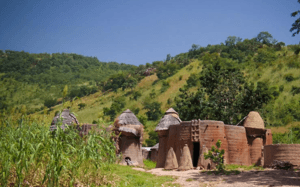
Conclusion
Togo may be one of West Africa’s smaller countries, but it offers an extraordinary combination of cultural richness, natural beauty, historical significance, and warm hospitality. From the energetic streets of Lomé and the colorful Grand Marché of Lomé to the UNESCO-listed villages of Koutammakou and the diverse ecosystems of Fazao-Malfakassa National Park, every region reveals a different aspect of the country’s identity.
Travelers who choose Togo discover authentic African traditions, breathtaking landscapes, fascinating history, and memorable cultural experiences that remain largely untouched by mass tourism. Whether your interests include history, nature, adventure, photography, or cultural exploration, Togo promises an unforgettable journey through one of West Africa’s hidden gems.
For additional travel information, visit:
Author

Related posts

OPEC
- 0
- 5,679 words
OPEC OPEC stands for the Organization of the Petroleum Exporting Countries. It is an intergovernmental organization created by major oil-producing countries to...
Read out all
How Do I Find Reliable Wholesale Suppliers
- 0
- 9,103 words
How Do I Find Reliable Wholesale Suppliers ? Finding reliable wholesale suppliers is one of the most important tasks for anyone starting...
Read out all
What Is Happening in the World?
- 0
- 5,355 words
What Is Happening in the World? The world is currently experiencing a period of overlapping crises and opportunities. Political disputes, military conflicts,...
Read out all
BRICS
- 0
- 5,794 words
BRICS : History, Members, Economy, Goals, Expansion and Global Influence BRICS is an international grouping of major emerging economies and developing countries...
Read out all
United Kingdom
- 0
- 5,089 words
United Kingdom The United Kingdom, commonly known as the UK, is one of Europe’s most fascinating travel destinations. Officially called the United...
Read out all
Bhutan
- 0
- 4,154 words
Bhutan Travel Guide Bhutan is one of the most fascinating travel destinations in Asia, offering an extraordinary combination of Himalayan landscapes, Buddhist...
Read out all