

The Dolomites
Discover the Beauty of the Dolomites
The Dolomites are among the most spectacular mountain ranges in Europe and are widely regarded as one of the world’s premier destinations for outdoor adventure, scenic photography, hiking, skiing, and alpine tourism. Stretching across northeastern Italy through the regions of South Tyrol, Trentino, and Belluno, the Dolomites offer dramatic limestone peaks, emerald valleys, crystal-clear alpine lakes, charming mountain villages, and breathtaking panoramic landscapes.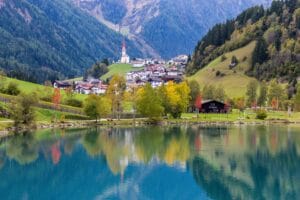
Named after the French geologist Déodat de Dolomieu, who first studied the area’s unique mineral composition, the Dolomites possess an appearance unlike any other mountain range. Their pale limestone cliffs glow brilliant shades of pink, orange, and gold during sunrise and sunset, a phenomenon known locally as Enrosadira. This magical natural display attracts photographers and travelers from around the world.
Whether you enjoy hiking, mountaineering, skiing, cycling, wildlife photography, or simply relaxing among spectacular scenery, the Dolomites provide unforgettable experiences throughout every season of the year.
For official travel information, visit:
Why Are the Dolomites Famous?
The Dolomites are internationally recognized for their dramatic mountain scenery, UNESCO World Heritage status, world-class hiking trails, ski resorts, picturesque villages, and remarkable geological significance.
Unlike many other mountain ranges, the Dolomites feature vertical limestone cliffs, jagged rock formations, rolling alpine meadows, dense forests, peaceful lakes, and charming historic towns all within relatively short driving distances. This extraordinary diversity makes the region suitable for travelers seeking both adventure and relaxation.
The mountains also host prestigious international sporting events, luxury alpine resorts, traditional mountain culture, and some of Europe’s finest ski slopes.
The Geological History of the Dolomites
The remarkable landscapes of the Dolomites were formed over millions of years through extraordinary geological processes.
Scientists believe these mountains were once part of an ancient tropical sea. Coral reefs, marine organisms, and limestone deposits gradually transformed into the impressive rock formations visible today. Tectonic activity later lifted these seabeds thousands of meters above sea level, creating the dramatic cliffs and sharp peaks that characterize the region.
Their exceptional geological importance led to UNESCO recognizing the Dolomites as a World Heritage Site in 2009.
Visitors not only enjoy spectacular scenery but also witness one of Earth’s most significant geological landscapes.
Learn more through:
Explore Tre Cime di Lavaredo
One of the most iconic landmarks in the Dolomites is Tre Cime di Lavaredo.
These three towering limestone peaks symbolize the entire mountain range and rank among Europe’s most photographed natural attractions. Visitors from around the world hike the famous circular trail surrounding the mountains, enjoying constantly changing perspectives of the towering cliffs.
The route passes alpine meadows, historic mountain huts, wartime tunnels, and scenic viewpoints while remaining accessible for hikers with moderate fitness levels.
Tre Cime offers unforgettable opportunities for hiking, photography, climbing, and wildlife observation.
Visit Lago di Braies
Lago di Braies is often described as one of Italy’s most beautiful lakes.
Surrounded by towering mountains and dense forests, its brilliant turquoise water creates one of the most recognizable landscapes in the Alps. Wooden rowing boats gently floating across the lake have become an iconic image associated with the Dolomites.
Visitors enjoy walking the scenic lakeside trail, renting traditional wooden boats, photographing reflections of the surrounding peaks, or simply relaxing while appreciating the peaceful atmosphere.
Every season offers unique beauty, from vibrant summer colors to snow-covered winter landscapes.
Discover Val Gardena
Val Gardena is one of the Dolomites’ most famous alpine valleys.
The valley combines spectacular mountain scenery with charming villages, traditional Ladin culture, excellent hiking trails, ski resorts, artisan workshops, and outstanding hospitality.
Visitors can explore picturesque towns, ride modern cable cars to panoramic viewpoints, sample regional cuisine, and discover local woodcarving traditions that have been preserved for centuries.
Val Gardena serves as an excellent base for exploring numerous attractions throughout the Dolomite region.
Hiking in the Dolomites
The Dolomites are considered one of the world’s greatest hiking destinations.
Thousands of kilometers of well-maintained trails connect mountain villages, alpine lakes, scenic passes, historic refuges, and breathtaking viewpoints suitable for hikers of all experience levels.
Short panoramic walks, full-day mountain adventures, and multi-day trekking routes allow visitors to experience the extraordinary diversity of the landscape. Along the way, hikers frequently encounter wildflowers, grazing cattle, waterfalls, alpine wildlife, and spectacular rock formations.
Modern cable cars also make many panoramic hiking routes accessible to families and casual walkers.
Experience the Local Culture
The Dolomites are not only famous for natural beauty but also for their unique cultural heritage.
Several communities continue to preserve the Ladin language and traditions, creating a fascinating blend of Italian, Austrian, and Alpine influences. Visitors experience traditional festivals, handcrafted wooden sculptures, historic churches, local music, and distinctive architecture throughout the region.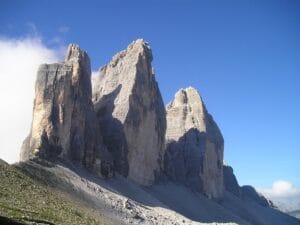
Family-owned hotels, mountain lodges, and alpine farms warmly welcome travelers while maintaining centuries-old customs and hospitality.
This rich cultural diversity adds depth to every journey through the mountains.
Taste Traditional Dolomite Cuisine
The cuisine of the Dolomites reflects the region’s multicultural history.
Visitors enjoy handmade dumplings, fresh pasta, mountain cheeses, cured meats, mushroom dishes, hearty soups, homemade bread, apple strudel, and locally produced wines. Alpine restaurants frequently combine Italian culinary traditions with Austrian and Ladin influences, creating distinctive regional flavors.
Mountain refuges provide welcoming places to enjoy authentic meals while surrounded by spectacular alpine scenery.
Sampling traditional cuisine remains one of the highlights of exploring the Dolomites.
Wildlife and Natural Landscapes
The Dolomites support remarkable biodiversity.
Protected forests, alpine meadows, rocky cliffs, rivers, and mountain lakes provide habitats for numerous wildlife species including marmots, ibex, chamois, golden eagles, foxes, deer, and many alpine birds.
Seasonal wildflowers transform mountain meadows into colorful landscapes during spring and summer, while autumn forests display brilliant shades of gold and orange.
Nature lovers find endless opportunities for photography, birdwatching, hiking, and quiet observation throughout the region.
Why the Dolomites Should Be on Every Traveler’s Bucket List
Few destinations combine dramatic mountain scenery, outdoor adventure, cultural heritage, world-class hiking, alpine lakes, charming villages, and exceptional hospitality as successfully as the Dolomites.
Visitors can admire the towering peaks of Tre Cime di Lavaredo, relax beside the crystal-clear waters of Lago di Braies, explore the beautiful villages of Val Gardena, and experience one of Europe’s most spectacular mountain landscapes.
Whether visiting during summer for hiking or winter for skiing, the Dolomites offer unforgettable experiences for every traveler.
Explore Seceda
One of the most breathtaking viewpoints in the Dolomites is Seceda. Famous for its dramatic knife-edge ridgeline and panoramic mountain vistas, Seceda has become an iconic destination for hikers, photographers, and nature lovers.
Visitors typically reach the summit via a modern cable car before exploring scenic walking trails that wind through alpine meadows and rugged limestone peaks. During summer, the landscape is covered with vibrant wildflowers, while autumn transforms the hillsides into shades of gold and orange. In winter, deep snow blankets the mountains, creating a spectacular alpine wonderland.
The panoramic views from Seceda are considered among the finest in the entire Dolomite mountain range, making it a must-visit destination for first-time travelers.
Discover Alpe di Siusi
Alpe di Siusi is Europe’s largest high-altitude alpine meadow and one of the most peaceful landscapes in northern Italy.
Rolling green pastures stretch beneath towering mountain peaks, creating one of the region’s most recognizable scenes. Visitors enjoy hiking, cycling, horseback riding, photography, and relaxing walks through flower-filled meadows during the warmer months.
In winter, Alpe di Siusi transforms into a popular skiing, snowboarding, cross-country skiing, and snowshoeing destination. The area’s well-maintained trails and family-friendly atmosphere attract visitors seeking both adventure and relaxation.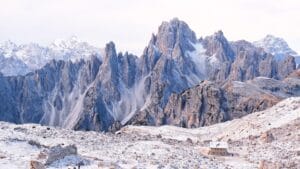
The combination of open alpine scenery and dramatic mountain backdrops makes Alpe di Siusi one of the most picturesque locations in the Dolomites.
Visit Cortina d’Ampezzo
Cortina d’Ampezzo is one of Italy’s most prestigious mountain resorts.
Often called the “Queen of the Dolomites,” Cortina is internationally renowned for luxury hotels, elegant shopping streets, world-class skiing, and spectacular mountain scenery. The town has hosted major international sporting events and continues to welcome visitors throughout the year.
Beyond winter sports, Cortina offers excellent hiking, climbing, mountain biking, fine dining, boutique shopping, and cultural attractions during the summer months.
Its charming streets, beautiful architecture, and welcoming atmosphere make it an ideal destination for travelers seeking comfort alongside outdoor adventure.
Best Time to Visit the Dolomites
The Dolomites are beautiful throughout the year, with each season offering unique experiences.
Spring brings blooming alpine flowers, flowing waterfalls, and fewer crowds. Summer is ideal for hiking, climbing, cycling, and sightseeing thanks to long daylight hours and comfortable temperatures. Autumn offers colorful forests, crisp mountain air, and excellent photography opportunities, while winter transforms the region into one of Europe’s premier ski destinations.
The best season depends entirely on your preferred activities, although June through September remains the most popular period for hiking and scenic exploration.
Summer Adventures in the Dolomites
Summer is the perfect time to explore the Dolomites’ remarkable natural beauty.
Visitors enjoy mountain hiking, rock climbing, mountain biking, paragliding, lake excursions, wildlife observation, and photography while surrounded by spectacular alpine scenery. Cable cars provide convenient access to higher elevations, allowing visitors to experience breathtaking panoramic views without demanding climbs.
Numerous mountain huts welcome hikers with traditional food, refreshments, and overnight accommodation, making multi-day trekking adventures accessible for travelers from around the world.
The combination of pleasant weather and extraordinary scenery makes summer one of the region’s busiest travel seasons.
Winter Activities and Ski Resorts
During winter, the Dolomites become one of Europe’s largest ski destinations.
The region offers thousands of kilometers of interconnected ski slopes, modern lifts, snowboarding parks, cross-country skiing trails, snowshoeing routes, and winter hiking paths. Ski resorts accommodate everyone from beginners to experienced professionals.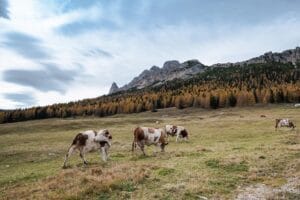
Families appreciate the excellent ski schools and beginner-friendly slopes, while experienced skiers enjoy challenging terrain across multiple valleys.
For official ski information, visit:
How to Travel Around the Dolomites
Exploring the Dolomites is easiest with a rental car, allowing visitors to access scenic mountain passes, remote villages, hiking trailheads, and panoramic viewpoints at their own pace.
However, excellent regional buses, trains, and cable cars also connect many popular destinations throughout South Tyrol, Trentino, and Belluno. During peak tourist seasons, additional shuttle services operate to reduce traffic and protect environmentally sensitive areas.
Planning transportation in advance helps maximize sightseeing opportunities while minimizing travel time between attractions.
Where to Stay in the Dolomites
Accommodation options throughout the Dolomites cater to every style of traveler.
Luxury mountain resorts provide spa facilities, gourmet restaurants, and breathtaking alpine views, while traditional family-run hotels offer authentic hospitality and regional cuisine. Cozy mountain huts welcome hikers exploring long-distance trails, and charming guesthouses provide comfortable lodging within historic villages.
Choosing accommodation near major hiking areas or cable cars allows visitors to begin each day surrounded by extraordinary mountain scenery.
Regardless of budget, travelers can find welcoming accommodations throughout the region.
Hidden Gems of the Dolomites
Beyond its famous landmarks, the Dolomites contain countless lesser-known treasures waiting to be discovered.
Quiet alpine lakes, peaceful forest trails, traditional mountain farms, secluded valleys, hidden waterfalls, picturesque chapels, and small villages provide authentic experiences away from larger tourist crowds.
Many photographers and experienced hikers deliberately explore these quieter locations to appreciate the region’s natural beauty without heavy visitor traffic.
These hidden gems often become the most memorable highlights of a Dolomites journey.
Travel Tips for Visiting the Dolomites
Successful travel in the Dolomites begins with careful planning.
Weather conditions can change rapidly in the mountains, making layered clothing, waterproof jackets, comfortable hiking boots, sunscreen, and adequate water essential for outdoor activities. Visitors should check weather forecasts before beginning longer hikes and respect marked trails to protect both personal safety and the natural environment.
Booking accommodation and popular cable cars early during peak summer and winter seasons is strongly recommended.
Responsible tourism helps preserve this extraordinary landscape for future generations.
Why the Dolomites Are Worth Visiting
The Dolomites offer one of the world’s finest combinations of dramatic mountain scenery, outdoor adventure, cultural heritage, and authentic alpine hospitality.
Whether exploring the spectacular viewpoints of Seceda, walking across the vast meadows of Alpe di Siusi, relaxing in the elegant mountain town of Cortina d’Ampezzo, or hiking beneath the towering peaks of Tre Cime di Lavaredo, every visitor discovers unforgettable experiences.
The region’s remarkable natural beauty continues to inspire photographers, adventurers, artists, and travelers from around the globe.
Conclusion
The Dolomites represent one of Europe’s most extraordinary natural destinations, offering breathtaking landscapes, world-class outdoor activities, charming alpine villages, rich cultural traditions, and unforgettable hospitality. From the iconic peaks of Tre Cime di Lavaredo and the turquoise waters of Lago di Braies to the panoramic ridges of Seceda and the peaceful meadows of Alpe di Siusi, every corner of this UNESCO-listed mountain range offers remarkable opportunities for exploration.
Whether you visit during summer for hiking and photography or winter for skiing and snow-covered scenery, the Dolomites deliver unforgettable memories. Their combination of dramatic geology, rich history, outstanding cuisine, and spectacular alpine landscapes makes them one of the most rewarding travel destinations in the world.
For additional travel information, visit:
Author

Related posts
Best Places to Visit in Dinant
- 0
- 4,895 words
Best Places to Visit in Dinant, Belgium Dinant is one of the most beautiful small towns in Belgium and one of the...
Read out all
Best Places to Visit in Mont-Saint-Michel
- 0
- 4,974 words
Best Places to Visit in Mont-Saint-Michel , France Mont-Saint-Michel is one of the most extraordinary destinations in France and one of the...
Read out all
UNGA
- 0
- 5,649 words
UNGA (United Nations General Assembly ) The United Nations General Assembly, commonly known as the UN General Assembly or UNGA, is one...
Read out all
Best Places to Visit in Kathmandu
- 0
- 4,089 words
Best Places to Visit in Kathmandu , Nepal Kathmandu, the capital of Nepal, is one of South Asia’s most fascinating travel destinations....
Read out all
Best Places to Visit in Vilnius
- 0
- 5,246 words
Best Places to Visit in Vilnius , Lithuania Vilnius, the capital of Lithuania, is one of the most fascinating destinations in the...
Read out all
Best Places to Visit in Riga
- 0
- 6,005 words
Best Places to Visit in Riga , Latvia Riga, the capital of Latvia, is one of the most fascinating destinations in the...
Read out all