

Mental Health: Why It Matters and How to Improve Your Well-Being
Mental health is one of the most important aspects of overall well-being, yet it is often misunderstood or overlooked. Mental health affects how people think, feel, behave, handle stress, build relationships, make decisions, and cope with life’s challenges. According to the World Health Organization (WHO), mental health is a state of mental well-being that enables people to cope with the stresses of life, realize their abilities, learn and work effectively, and contribute to their communities. Mental health is not simply the absence of mental illness; it is a fundamental component of health and quality of life.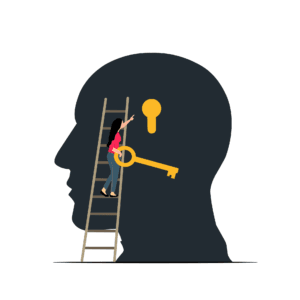
In today’s fast-paced world, mental health has become a global concern. Social pressures, economic uncertainty, technological changes, workplace stress, and major life events can all affect emotional well-being. More than one billion people worldwide live with a mental health condition, making mental health one of the most significant public health issues of the modern era.
Understanding Mental Health
Mental health exists on a spectrum. Everyone experiences fluctuations in emotional well-being throughout life. Good mental health allows individuals to adapt to challenges, maintain healthy relationships, and function effectively in daily activities. Poor mental health can affect thoughts, emotions, behaviors, and physical health.
Mental health is closely connected to physical health. Research from the U.S. Centers for Disease Control and Prevention (CDC) notes that mental and physical health are equally important components of overall health. Conditions such as depression, anxiety, and chronic stress can increase the risk of physical illnesses, while physical health problems can negatively affect mental well-being.
Why Mental Health Is Important
Mental health influences nearly every aspect of life. It affects educational achievement, workplace productivity, personal relationships, physical health, and overall life satisfaction. People with positive mental health are generally better able to manage stress, recover from setbacks, and contribute meaningfully to their families and communities.
Strong mental health also supports better decision-making, improved communication, greater resilience, and enhanced problem-solving abilities. When mental health challenges go untreated, they can interfere with daily functioning and reduce quality of life. According to WHO, mental health conditions account for a significant proportion of disability worldwide and have substantial economic and social impacts.
Common Mental Health Conditions
Mental health conditions encompass a wide range of disorders that affect mood, thinking, and behavior. Among the most common are anxiety disorders and depression. Anxiety disorders involve excessive fear, worry, or nervousness that interferes with daily activities. Depression is characterized by persistent sadness, loss of interest, low energy, and difficulty functioning.
Other mental health conditions include bipolar disorder, post-traumatic stress disorder (PTSD), obsessive-compulsive disorder (OCD), eating disorders, schizophrenia, and substance use disorders. Mental disorders vary widely in severity and symptoms, but effective treatments are available for many conditions.
Anxiety
Anxiety is one of the most common mental health conditions affecting millions of people worldwide. It is characterized by excessive worry, fear, nervousness, or uneasiness that can interfere with daily life. While occasional anxiety is a normal response to stress, chronic anxiety can impact work, relationships, physical health, and overall well-being. Symptoms may include rapid heartbeat, difficulty concentrating, restlessness, and sleep disturbances. Managing anxiety often involves healthy lifestyle habits, mindfulness techniques, therapy, stress reduction strategies, and professional support when necessary. Understanding anxiety and seeking appropriate help can significantly improve mental wellness and quality of life.
Depression
Depression is a serious mental health condition that affects mood, thoughts, and behavior. It goes beyond temporary sadness and can lead to persistent feelings of hopelessness, fatigue, loss of interest in activities, and difficulty functioning in daily life. Depression can affect people of all ages and backgrounds and may be influenced by biological, psychological, and environmental factors. Early recognition and treatment are important for recovery. Effective approaches include counseling, therapy, social support, healthy lifestyle changes, and medical treatment when recommended by healthcare professionals.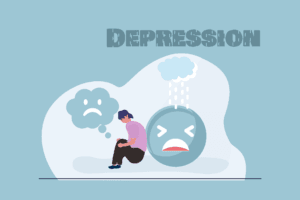
Stress Management
Stress management is essential for maintaining both mental and physical health. Modern life often brings challenges related to work, finances, relationships, and personal responsibilities that can create significant stress. When unmanaged, chronic stress may contribute to anxiety, depression, sleep problems, and various health conditions. Effective stress management involves identifying stress triggers, practicing relaxation techniques, maintaining a balanced lifestyle, exercising regularly, and developing healthy coping mechanisms. Learning to manage stress can improve resilience, productivity, and emotional well-being.
Overthinking
Overthinking occurs when individuals repeatedly analyze situations, conversations, or future possibilities beyond what is helpful. It can lead to increased anxiety, decision-making difficulties, mental exhaustion, and reduced confidence. Many people struggle with overthinking when facing uncertainty or important life decisions. Developing mindfulness, focusing on present-moment awareness, and learning to challenge negative thought patterns can help reduce excessive rumination. Managing overthinking is important for maintaining emotional balance and improving mental clarity.
Self-Confidence
Self-confidence refers to believing in one’s abilities, judgment, and value. Healthy self-confidence helps individuals pursue goals, overcome challenges, build relationships, and handle setbacks more effectively. Low self-confidence can contribute to anxiety, self-doubt, and missed opportunities. Building confidence involves developing skills, celebrating achievements, maintaining positive self-talk, and setting realistic goals. Strong self-confidence supports personal growth, resilience, and overall mental well-being.
ADHD
Attention-Deficit/Hyperactivity Disorder (ADHD) is a neurodevelopmental condition that affects attention, focus, impulse control, and organizational skills. ADHD can impact children, teenagers, and adults, influencing academic performance, workplace productivity, and daily functioning. Symptoms may include difficulty concentrating, forgetfulness, restlessness, and impulsive behavior. With proper diagnosis, support, and management strategies, individuals with ADHD can thrive and successfully achieve their personal and professional goals.
Sleep Problems
Sleep plays a critical role in mental health and overall wellness. Sleep problems such as insomnia, disrupted sleep patterns, and poor sleep quality can negatively affect mood, concentration, energy levels, and emotional regulation. Long-term sleep difficulties may increase the risk of anxiety, depression, and stress-related conditions. Establishing healthy sleep habits, maintaining consistent sleep schedules, limiting screen time before bed, and creating a relaxing bedtime routine can support better sleep and improved mental health.
Burnout
Burnout is a state of physical, emotional, and mental exhaustion caused by prolonged stress, particularly in work or caregiving environments. Individuals experiencing burnout may feel overwhelmed, detached, unmotivated, and emotionally drained. Burnout can reduce productivity, affect relationships, and negatively impact mental health. Preventing burnout requires maintaining work-life balance, setting healthy boundaries, taking breaks, prioritizing self-care, and seeking support when needed. Recognizing burnout early can help individuals recover and restore their well-being.
Loneliness
Loneliness is the feeling of being socially disconnected or lacking meaningful relationships. Although people can feel lonely even when surrounded by others, persistent loneliness can significantly affect mental and physical health. Research has linked chronic loneliness to anxiety, depression, increased stress, and reduced quality of life. Building strong social connections, participating in community activities, and maintaining supportive relationships can help reduce loneliness and promote emotional well-being.
Happiness
Happiness is an important component of mental wellness and life satisfaction. While happiness means different things to different people, it often involves positive emotions, meaningful relationships, personal growth, and a sense of purpose. Happiness is not the absence of challenges but rather the ability to experience fulfillment despite life’s ups and downs. Practicing gratitude, nurturing relationships, engaging in enjoyable activities, and focusing on personal strengths can contribute to long-term happiness and emotional resilience.
Emotional Intelligence
Emotional intelligence refers to the ability to recognize, understand, manage, and express emotions effectively. Individuals with strong emotional intelligence are often better equipped to handle stress, communicate successfully, build relationships, and make thoughtful decisions. Emotional intelligence involves self-awareness, empathy, emotional regulation, and social skills. Developing emotional intelligence can improve personal and professional relationships while supporting overall mental health and well-being.
Mindfulness
Mindfulness is the practice of paying attention to the present moment without judgment. It encourages awareness of thoughts, feelings, bodily sensations, and surroundings. Mindfulness techniques such as meditation, deep breathing, and mindful observation can help reduce stress, improve focus, and enhance emotional regulation. Regular mindfulness practice has been associated with lower levels of anxiety and improved mental well-being. Many people use mindfulness as a valuable tool for managing daily stress and promoting inner calm.
Relationships and Mental Health
Relationships play a significant role in mental health and emotional well-being. Healthy relationships provide support, companionship, trust, and a sense of belonging. Positive connections with family, friends, partners, and colleagues can help individuals cope with stress and navigate life’s challenges. Conversely, unhealthy relationships may contribute to anxiety, depression, and emotional distress. Building strong communication skills, setting boundaries, and nurturing supportive relationships are important for maintaining good mental health.
Workplace Mental Health
Workplace mental health has become an increasingly important topic as organizations recognize the connection between employee well-being and productivity. Positive work environments support mental wellness through healthy communication, manageable workloads, professional development opportunities, and access to mental health resources. Poor workplace conditions can contribute to stress, burnout, anxiety, and reduced job satisfaction. Promoting workplace mental health benefits employees, employers, and overall organizational success.
Social Anxiety
Social anxiety is a mental health condition characterized by intense fear of social situations and concern about being judged, embarrassed, or rejected by others. Individuals with social anxiety may avoid public speaking, social gatherings, networking opportunities, or everyday interactions. The condition can affect personal relationships, education, and career development. Treatment options such as therapy, confidence-building strategies, gradual exposure, and professional support can help individuals manage social anxiety and participate more comfortably in social situations.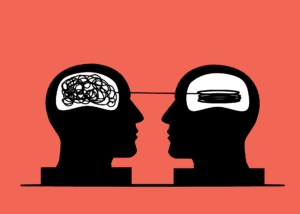
Factors That Affect Mental Health
Mental health is influenced by a complex combination of biological, psychological, social, and environmental factors. Genetics can increase vulnerability to certain conditions, while life experiences such as trauma, abuse, neglect, discrimination, and significant stress can contribute to mental health difficulties.
Social and economic factors also play a major role. Poverty, unemployment, social isolation, inequality, violence, and limited access to healthcare can increase the risk of developing mental health conditions. Conversely, supportive relationships, stable employment, quality education, and safe communities can help protect mental well-being.
The Impact of Stress on Mental Health
Stress is a natural response to challenges and demands. In small amounts, stress can be motivating and help individuals perform effectively. However, chronic stress can have serious effects on mental and physical health.
Long-term stress may contribute to anxiety, depression, sleep disturbances, fatigue, difficulty concentrating, and weakened immune function. Modern lifestyles often expose people to ongoing stress from work, finances, family responsibilities, and digital connectivity. Learning healthy coping strategies is essential for maintaining emotional balance and preventing stress-related health problems.
Mental Health and the Workplace
Work plays a significant role in mental health. Positive work environments can provide purpose, financial stability, social connections, and opportunities for growth. However, excessive workloads, poor management, job insecurity, workplace conflict, and lack of support can contribute to mental health challenges.
Organizations increasingly recognize the importance of employee well-being. Mental health initiatives, flexible work arrangements, supportive leadership, and access to mental health resources can improve employee satisfaction, productivity, and retention. Healthy workplaces benefit both individuals and organizations.
Mental Health in Children and Adolescents
Mental health begins in childhood and continues to develop throughout life. Emotional well-being during childhood influences educational success, social development, and future health outcomes. Children and adolescents can experience anxiety, depression, behavioral disorders, and other mental health challenges.
Bullying, family conflict, academic pressure, social media use, and adverse childhood experiences can affect young people’s mental health. Early intervention and supportive environments are critical for helping children develop resilience and healthy coping skills. WHO identifies adolescence as a particularly important period for mental health promotion and prevention efforts.
Mental Health and Social Media
Digital technology and social media have transformed how people communicate and access information. While social media can foster connection and community, excessive use may contribute to anxiety, loneliness, low self-esteem, sleep disruption, and negative comparisons.
The impact varies from person to person. Using social media mindfully, setting boundaries, and prioritizing real-world relationships can help reduce potential negative effects. Developing healthy digital habits has become an important aspect of modern mental wellness.
Building Resilience and Emotional Strength
Resilience refers to the ability to adapt and recover from adversity. Resilient individuals are not immune to difficulties, but they possess skills and resources that help them cope effectively.
Building resilience involves developing healthy relationships, maintaining a positive outlook, practicing problem-solving, setting realistic goals, and learning from challenges. Emotional resilience can be strengthened over time through self-awareness, personal growth, and supportive social connections.
Healthy Lifestyle Habits for Better Mental Health
Lifestyle choices play a significant role in emotional well-being. Regular physical activity has been shown to improve mood, reduce stress, and support overall mental health. Exercise stimulates the release of chemicals in the brain that promote positive feelings and emotional balance.
Sleep is equally important. Poor sleep can worsen anxiety, depression, and stress, while quality sleep supports emotional regulation and cognitive functioning. Nutrition also influences mental health, as the brain requires essential nutrients to function optimally.
Limiting alcohol consumption, avoiding substance misuse, staying physically active, and maintaining healthy routines can contribute significantly to long-term mental wellness.
The Importance of Social Connections
Humans are inherently social beings. Strong relationships with family, friends, colleagues, and community members provide emotional support and a sense of belonging. Social connections can help individuals navigate challenges and reduce feelings of isolation.
Loneliness has been linked to poorer mental and physical health outcomes. Investing time in meaningful relationships and participating in community activities can strengthen emotional well-being and improve overall life satisfaction.
Seeking Professional Help
Seeking help for mental health concerns is a sign of strength, not weakness. Mental health professionals can provide assessment, guidance, therapy, and treatment tailored to individual needs. Effective treatment options include psychotherapy, counseling, medication, lifestyle interventions, and community support services.
Early intervention often leads to better outcomes. Individuals experiencing persistent sadness, overwhelming anxiety, significant mood changes, or difficulty functioning should consider speaking with a qualified healthcare professional.
According to WHO, many mental health conditions can be effectively treated, yet significant treatment gaps remain worldwide due to limited access to services and persistent stigma.
Reducing Stigma Around Mental Health
Despite growing awareness, stigma remains one of the biggest barriers to mental health care. Misconceptions and discrimination can discourage individuals from seeking support when they need it most.
Education, open conversations, and accurate information can help challenge stereotypes and promote understanding. Encouraging supportive attitudes toward mental health creates healthier communities where people feel comfortable accessing care and discussing their experiences.
The Future of Mental Health
Mental health is receiving increased attention from governments, healthcare organizations, employers, and communities worldwide. Advances in research, digital health technologies, teletherapy, and public awareness campaigns are improving access to care and expanding understanding of mental well-being.
The future of mental health care emphasizes prevention, early intervention, community support, and person-centered approaches that address both individual and societal factors affecting mental health.
Conclusion
Mental health is a vital component of overall well-being that affects every aspect of life. From emotional resilience and healthy relationships to physical health and workplace success, mental well-being influences how people experience the world around them. Understanding mental health, reducing stigma, adopting healthy habits, and seeking support when needed can help individuals thrive and lead fulfilling lives.
As awareness continues to grow, societies have an opportunity to create environments that support mental wellness, promote resilience, and ensure that everyone has access to the resources needed to achieve their full potential.
WHO – Mental Well-Being Resources
Provides resources for managing stress, understanding mental well-being, and developing healthy coping strategies.
WHO – Psychological Self-Help Interventions
Offers evidence-based self-help resources for managing stress, depression, and anxiety.
Author

Related posts

OPEC
- 0
- 5,679 words
OPEC OPEC stands for the Organization of the Petroleum Exporting Countries. It is an intergovernmental organization created by major oil-producing countries to...
Read out all
How Do I Find Reliable Wholesale Suppliers
- 0
- 9,103 words
How Do I Find Reliable Wholesale Suppliers ? Finding reliable wholesale suppliers is one of the most important tasks for anyone starting...
Read out all
What Is Happening in the World?
- 0
- 5,355 words
What Is Happening in the World? The world is currently experiencing a period of overlapping crises and opportunities. Political disputes, military conflicts,...
Read out all
BRICS
- 0
- 5,794 words
BRICS : History, Members, Economy, Goals, Expansion and Global Influence BRICS is an international grouping of major emerging economies and developing countries...
Read out all
United Kingdom
- 0
- 5,089 words
United Kingdom The United Kingdom, commonly known as the UK, is one of Europe’s most fascinating travel destinations. Officially called the United...
Read out all
Bhutan
- 0
- 4,154 words
Bhutan Travel Guide Bhutan is one of the most fascinating travel destinations in Asia, offering an extraordinary combination of Himalayan landscapes, Buddhist...
Read out all