

What Are the Best Things to Do in Hanoi?
Hanoi, the capital of Vietnam, is one of Southeast Asia’s most fascinating destinations. Combining centuries of history with a rapidly modernizing urban landscape, Hanoi offers travelers an unforgettable blend of culture, architecture, cuisine, and local traditions. Located in northern Vietnam, the city serves as the political, cultural, and educational center of the country while preserving a rich heritage that dates back more than a thousand years.
Visitors to Hanoi quickly discover a city filled with tree-lined boulevards, historic temples, bustling markets, colonial-era architecture, and vibrant street life. Whether you are exploring ancient landmarks, tasting authentic Vietnamese cuisine, or wandering through the famous Old Quarter, Hanoi provides countless memorable experiences for travelers of all interests.
As one of Vietnam’s most visited destinations, Hanoi continues to attract millions of international tourists who come to experience its unique atmosphere, friendly people, and remarkable cultural treasures.
Why Hanoi Is Famous Around the World
Hanoi is famous for its rich history, unique architecture, vibrant street food culture, and deep cultural heritage. Unlike many modern cities that have lost their historical character, Hanoi has successfully preserved much of its traditional identity while embracing economic development and modernization.
The city is renowned for its beautiful lakes, historic temples, French colonial buildings, bustling motorbike-filled streets, and world-famous cuisine. Hanoi is also known as the gateway to northern Vietnam’s most iconic attractions, including Ha Long Bay, Sapa, and Ninh Binh.
Travelers often describe Hanoi as a city where ancient traditions and contemporary life coexist harmoniously. This fascinating contrast contributes significantly to its global appeal.
Explore Hanoi’s Historic Old Quarter
The Old Quarter is undoubtedly one of the best places to visit in Hanoi. This historic district forms the heart of the city and offers visitors a glimpse into Hanoi’s centuries-old commercial traditions. Narrow streets, traditional shop houses, local markets, and vibrant street vendors create a lively atmosphere that captures the essence of Vietnamese urban culture.
Each street in the Old Quarter historically specialized in a particular trade, and many continue these traditions today. Visitors can spend hours exploring hidden alleys, discovering local cafés, shopping for handicrafts, and observing daily life unfold around them.
Walking through the Old Quarter is more than a sightseeing activity; it is an immersive cultural experience that reveals the character and spirit of Hanoi.
Visit Hoan Kiem Lake
Hoan Kiem Lake is one of Hanoi’s most iconic landmarks and serves as a peaceful retreat from the city’s busy streets. Located in the center of Hanoi, the lake attracts residents and tourists throughout the day.
Early mornings reveal locals practicing tai chi, jogging, and socializing along the waterfront paths. During the evening, the area transforms into a popular gathering place where visitors can enjoy scenic views, street performances, and a relaxed atmosphere.
The lake is deeply connected to Vietnamese history and folklore. Its central location makes it an ideal starting point for exploring nearby attractions and experiencing Hanoi’s unique urban environment.
Discover Ngoc Son Temple
Situated on a small island within Hoan Kiem Lake, Ngoc Son Temple is one of Hanoi’s most important cultural and spiritual landmarks. Connected to the shore by the famous red-painted Huc Bridge, the temple attracts visitors interested in history, religion, and architecture.
The temple honors national heroes, scholars, and spiritual figures who played important roles in Vietnamese history. Its peaceful setting and beautiful surroundings make it one of the most photographed locations in Hanoi.
Visiting Ngoc Son Temple provides valuable insight into Vietnam’s spiritual traditions while offering beautiful views of the surrounding lake.
Visit the Ho Chi Minh Mausoleum
One of Hanoi’s most significant historical sites is the Ho Chi Minh Mausoleum. This monumental structure serves as the final resting place of Ho Chi Minh, the founding leader of modern Vietnam.
The mausoleum attracts visitors from across Vietnam and around the world who wish to learn more about the country’s modern history. The surrounding complex includes museums, gardens, and historical buildings that provide deeper context regarding Ho Chi Minh’s life and legacy.
The site remains an important symbol of national identity and historical remembrance within Vietnam.
Explore the Temple of Literature
The Temple of Literature stands among Hanoi’s most remarkable historical landmarks. Established in 1070, it originally served as a temple dedicated to Confucius before becoming Vietnam’s first national university.
The complex features beautiful courtyards, traditional architecture, ancient stone steles, and peaceful gardens. Visitors can learn about Vietnam’s educational traditions while admiring one of the country’s finest examples of historical architecture.
The Temple of Literature continues to symbolize scholarship, learning, and intellectual achievement. Many students visit before examinations to seek good fortune and academic success.
Experience Hanoi’s World-Famous Street Food
No visit to Hanoi is complete without experiencing its extraordinary culinary scene. The city is widely regarded as one of the world’s greatest destinations for street food. Traditional recipes, fresh ingredients, and generations of culinary expertise combine to create unforgettable dining experiences.
Hanoi is particularly famous for dishes such as pho, bun cha, banh mi, and egg coffee. Street-side eateries often serve meals that rival those found in expensive restaurants, providing authentic flavors at affordable prices.
Food exploration in Hanoi extends beyond eating. It offers opportunities to engage with local culture, observe daily life, and understand the central role cuisine plays in Vietnamese society.
Try Authentic Pho in Hanoi
Pho is perhaps Vietnam’s most internationally recognized dish, and Hanoi is widely considered its birthplace. This flavorful noodle soup features aromatic broth, rice noodles, herbs, and meat, creating a balanced and satisfying meal.
Many local establishments have spent decades perfecting their recipes, earning loyal followings among residents and visitors alike. Sampling pho in Hanoi allows travelers to experience the dish in its most authentic form.
Whether enjoyed for breakfast, lunch, or dinner, pho remains an essential culinary experience for anyone visiting the Vietnamese capital.
Taste Hanoi’s Famous Bun Cha
Bun Cha gained international recognition after a widely publicized visit by international dignitaries, but the dish has long been a beloved local specialty. It consists of grilled pork served with rice noodles, fresh herbs, and a flavorful dipping sauce.
The combination of smoky flavors, fresh vegetables, and balanced seasonings makes Bun Cha one of Hanoi’s most distinctive culinary offerings. Many visitors rank it among their favorite meals during their time in Vietnam.
Its popularity reflects Hanoi’s broader reputation as a destination where simple ingredients are transformed into extraordinary dishes.
Explore Hanoi Train Street
Hanoi Train Street has become one of the city’s most famous attractions. This narrow residential street features train tracks running directly through a densely populated neighborhood, creating a unique and unforgettable urban scene.
Visitors are fascinated by the close proximity of homes, cafés, and daily activities to the active railway line. When trains pass through, residents and business owners quickly adjust their surroundings before returning to normal routines.
The attraction demonstrates Hanoi’s ability to combine everyday life with extraordinary experiences, making it a favorite destination for photographers and curious travelers.
Visit the Imperial Citadel of Thang Long
The Imperial Citadel of Thang Long is a UNESCO World Heritage Site that reflects Hanoi’s long and complex history. Serving as a political center for various Vietnamese dynasties, the citadel played a crucial role in the country’s development over many centuries.
Archaeological discoveries have revealed layers of historical occupation that provide valuable insights into Vietnam’s past. Visitors can explore ancient structures, exhibitions, and historical artifacts while learning about the nation’s cultural evolution.
The site highlights Hanoi’s significance as one of Southeast Asia’s oldest continuously inhabited capitals.
Enjoy Hanoi’s Unique Café Culture
Hanoi possesses one of Asia’s most distinctive café cultures. Coffee shops range from traditional establishments serving classic Vietnamese beverages to modern venues catering to younger generations and international visitors.
Vietnamese coffee is known for its strong flavor and unique preparation methods. Hanoi’s famous egg coffee, created in the city decades ago, remains a must-try specialty. This rich beverage combines coffee with a creamy egg-based topping that creates a surprisingly delicious flavor profile.
Cafés throughout Hanoi provide excellent opportunities to relax, observe local life, and appreciate the city’s social atmosphere.
Explore West Lake
West Lake is Hanoi’s largest freshwater lake and one of the city’s most scenic areas. Surrounded by parks, restaurants, temples, cafés, and residential neighborhoods, the lake offers a quieter alternative to the bustling city center.
Visitors can enjoy walking, cycling, dining, and sightseeing while taking in beautiful waterfront views. The area is particularly popular during sunset when the lake reflects changing colors across the sky.
West Lake demonstrates another side of Hanoi, showcasing spacious environments and tranquil landscapes within a major metropolitan area.
Visit Tran Quoc Pagoda
Located on a small peninsula extending into West Lake, Tran Quoc Pagoda is considered Hanoi’s oldest Buddhist temple. The pagoda’s elegant architecture and picturesque setting make it one of the city’s most important religious and cultural landmarks.
Visitors can admire centuries-old structures, beautifully maintained gardens, and spiritual artifacts while learning about Vietnam’s Buddhist traditions. The pagoda remains an active place of worship and an important symbol of Hanoi’s cultural heritage.
Its serene atmosphere provides a meaningful contrast to the energy and activity found elsewhere in the city.
Experience Hanoi’s Vibrant Nightlife
As the sun sets, Hanoi transforms into a lively destination filled with entertainment, food, music, and social activity. While the city retains its traditional character, it also offers a modern nightlife scene that appeals to both locals and international visitors.
The Old Quarter becomes particularly vibrant during the evening. Streets fill with travelers exploring local restaurants, cafés, rooftop bars, and night markets. Live music venues and cultural performances provide opportunities to experience contemporary Vietnamese entertainment while enjoying the city’s energetic atmosphere.
Unlike some major nightlife destinations that focus exclusively on clubs and bars, Hanoi’s evening appeal often centers around social gatherings, food experiences, cultural events, and relaxed exploration. This creates a welcoming environment suitable for a wide variety of travelers.
Visit the Vietnam Museum of Ethnology
One of Hanoi’s most informative cultural attractions is the Vietnam Museum of Ethnology. The museum provides valuable insights into the diverse ethnic communities that contribute to Vietnam’s cultural identity.
Through exhibits, artifacts, traditional costumes, photographs, and reconstructed buildings, visitors gain a deeper understanding of the country’s rich cultural diversity. Vietnam is home to numerous ethnic groups, each with unique traditions, languages, and customs.
The museum helps travelers appreciate the complexity and richness of Vietnamese society while offering educational experiences suitable for visitors of all ages.
Discover Vietnamese History at the Hoa Lo Prison Museum
The Hoa Lo Prison Museum presents an important chapter of Vietnam’s history. Originally constructed during the French colonial period, the prison later became internationally known during the Vietnam War.
Exhibits explore various historical periods and provide context regarding political developments, independence movements, and international conflicts that shaped modern Vietnam. The museum encourages reflection while helping visitors better understand the country’s historical experiences.
For travelers interested in history, the museum offers meaningful perspectives on events that continue to influence contemporary Vietnam.
Attend a Traditional Water Puppet Show
Water puppetry is one of Vietnam’s most distinctive cultural traditions. Originating centuries ago in rural northern Vietnam, this unique art form combines storytelling, music, and puppetry performed over water.
Hanoi remains one of the best places to experience authentic water puppet performances. Skilled performers manipulate wooden puppets beneath the water’s surface while musicians provide live accompaniment using traditional instruments.
The performances often depict scenes from village life, historical legends, agricultural activities, and Vietnamese folklore. Visitors frequently describe water puppet shows as both entertaining and culturally enriching.
Shop at Dong Xuan Market
Dong Xuan Market is Hanoi’s largest indoor market and an important commercial center. The market offers a wide variety of products including clothing, household goods, souvenirs, food items, and traditional crafts.
Exploring the market provides opportunities to observe local commerce while discovering unique products at competitive prices. Vendors represent numerous industries and contribute to the market’s lively atmosphere.
For travelers interested in shopping and cultural experiences, Dong Xuan Market remains one of Hanoi’s most fascinating destinations.
Explore Hanoi’s Weekend Night Market
The Hanoi Weekend Night Market is among the city’s most popular attractions for visitors seeking shopping, entertainment, and street food. The market stretches through portions of the Old Quarter and creates a festive environment that attracts large crowds.
Visitors can browse stalls selling handicrafts, fashion items, souvenirs, artwork, and local products while enjoying live performances and cultural activities. Food vendors offer opportunities to sample traditional Vietnamese snacks and regional specialties.
The market reflects Hanoi’s vibrant community spirit and provides enjoyable experiences for travelers looking to immerse themselves in local culture.
Take a Day Trip to Ha Long Bay
Although technically located outside Hanoi, Ha Long Bay remains one of the most popular excursions for visitors staying in the capital. Recognized as a UNESCO World Heritage Site, Ha Long Bay is famous for its dramatic limestone formations rising from emerald waters.
Many travelers use Hanoi as a base for day trips or overnight cruises to the bay. Activities often include boat tours, kayaking, cave exploration, swimming, and photography.
The breathtaking scenery has made Ha Long Bay one of Vietnam’s most iconic destinations and a highlight of many Southeast Asian travel itineraries.
Visit Ninh Binh from Hanoi
Another highly recommended excursion from Hanoi is a visit to Ninh Binh. Often referred to as “Ha Long Bay on land,” the region features spectacular limestone landscapes, winding rivers, rice fields, and ancient temples.
Boat rides through scenic waterways allow visitors to appreciate the area’s natural beauty while exploring caves and historical sites. The peaceful atmosphere and stunning scenery create memorable experiences that contrast with Hanoi’s urban environment.
Ninh Binh has become increasingly popular among travelers seeking natural beauty and authentic cultural experiences.
Explore Vietnamese Art and Culture
Hanoi serves as a major center for Vietnamese arts and culture. Numerous galleries, performance venues, cultural centers, and creative spaces contribute to the city’s dynamic artistic landscape.
Traditional arts such as calligraphy, lacquer painting, silk production, and folk music remain important aspects of cultural life. At the same time, contemporary artists and designers continue to shape Vietnam’s evolving creative identity.
Visitors interested in cultural exploration can attend exhibitions, performances, workshops, and festivals throughout the year, gaining deeper appreciation for Vietnamese artistic traditions and innovations.
Discover French Colonial Architecture
One of Hanoi’s most distinctive visual characteristics is its collection of French colonial buildings. Constructed during the colonial period, these structures continue to influence the city’s architectural identity.
Tree-lined boulevards, elegant government buildings, historic hotels, churches, and residential properties reflect European design influences adapted to local conditions. Walking through certain districts reveals fascinating contrasts between colonial architecture and traditional Vietnamese urban environments.
This architectural diversity contributes significantly to Hanoi’s unique character and historical depth.
Experience Local Life in Hanoi
Some of Hanoi’s most rewarding experiences come from observing and participating in everyday local life. Simple activities such as enjoying coffee at a sidewalk café, visiting neighborhood markets, or walking through residential districts often provide meaningful cultural insights.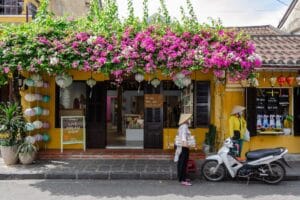
Residents of Hanoi maintain strong community traditions that are visible throughout the city. Public parks, lakes, and gathering spaces frequently host social activities, exercise groups, and cultural events.
Travelers who take time to engage with local environments often develop deeper connections to the city and gain more authentic perspectives on Vietnamese culture.
Is Hanoi Safe for Tourists?
Safety is an important consideration for travelers, and Hanoi is generally regarded as one of Southeast Asia’s safer major cities. Millions of international visitors explore the city annually with few serious problems.
As in any urban destination, travelers should remain aware of their surroundings and take reasonable precautions regarding personal belongings. Traffic can be challenging for first-time visitors because of the large number of motorbikes, making caution essential when crossing streets.
Most visitors find Hanoi welcoming, friendly, and comfortable for independent travel. Respect for local customs and attentiveness to basic safety practices contribute to positive travel experiences.
How Much Money Do You Need Per Day in Hanoi?
Hanoi is often considered one of Asia’s most affordable capital cities. Travelers can enjoy high-quality experiences at relatively reasonable prices compared with many international destinations.
Budget travelers can find affordable accommodations, delicious street food, and inexpensive transportation while still enjoying major attractions. Mid-range travelers benefit from comfortable hotels, guided tours, and diverse dining options at excellent value.
Luxury travelers also find attractive opportunities, including premium hotels, fine dining establishments, private tours, and exclusive cultural experiences. This affordability makes Hanoi appealing to a broad range of visitors.
The Best Time to Visit Hanoi
Hanoi experiences distinct seasons that influence travel experiences throughout the year. Autumn is often considered the best time to visit because of comfortable temperatures, lower humidity, and pleasant weather conditions.
Spring also attracts many visitors due to mild temperatures and blooming flowers. These seasons are particularly suitable for sightseeing, outdoor activities, and cultural exploration.
Summer can be hot and humid, while winter tends to be cooler than many travelers expect. Each season offers unique advantages, allowing visitors to choose travel periods that align with personal preferences.
Accommodation Options in Hanoi
Hanoi offers accommodation options suitable for virtually every budget and travel style. Luxury hotels provide world-class amenities, exceptional service, and prime locations near major attractions. Many of these properties combine modern comfort with elements of Vietnamese design and hospitality.
Boutique hotels, guesthouses, and traditional-style accommodations offer more intimate experiences while allowing visitors to immerse themselves in local culture. Budget travelers also benefit from numerous affordable options that provide comfort and convenience.
The wide range of accommodations ensures that travelers can find suitable lodging regardless of preferences or financial considerations.
Why Hanoi Continues to Attract International Travelers
Hanoi’s enduring popularity stems from its ability to offer authentic cultural experiences while remaining accessible to modern travelers. The city preserves historical traditions while embracing contemporary development, creating an environment that feels both timeless and dynamic.
Visitors are drawn to Hanoi’s architecture, cuisine, cultural heritage, affordability, and welcoming atmosphere. The city’s role as a gateway to northern Vietnam further enhances its appeal by providing convenient access to some of the country’s most spectacular natural attractions.
Whether visiting for a few days or several weeks, travelers frequently discover that Hanoi offers far more than they initially expected.
Conclusion
Hanoi stands among Asia’s most rewarding travel destinations because it successfully combines history, culture, cuisine, architecture, and everyday life into a uniquely engaging experience. From exploring the Old Quarter and Hoan Kiem Lake to enjoying world-famous street food and discovering centuries-old temples, the city offers countless opportunities for discovery and enrichment.
Visitors can immerse themselves in Vietnamese traditions, learn about the nation’s history, experience vibrant markets, and embark on unforgettable excursions to destinations such as Ha Long Bay and Ninh Binh. The combination of affordability, cultural depth, and authentic experiences ensures that Hanoi remains a favorite destination for travelers from around the world.
Whether you are visiting Vietnam for the first time or returning to explore more deeply, Hanoi provides memorable experiences that capture the heart and spirit of the country. Its unique blend of tradition and modernity continues to inspire curiosity, admiration, and lasting memories among all who visit.
Author

Related posts
Best Places to Visit in Dinant
- 0
- 4,895 words
Best Places to Visit in Dinant, Belgium Dinant is one of the most beautiful small towns in Belgium and one of the...
Read out all
Best Places to Visit in Mont-Saint-Michel
- 0
- 4,974 words
Best Places to Visit in Mont-Saint-Michel , France Mont-Saint-Michel is one of the most extraordinary destinations in France and one of the...
Read out all
UNGA
- 0
- 5,649 words
UNGA (United Nations General Assembly ) The United Nations General Assembly, commonly known as the UN General Assembly or UNGA, is one...
Read out all
Best Places to Visit in Kathmandu
- 0
- 4,089 words
Best Places to Visit in Kathmandu , Nepal Kathmandu, the capital of Nepal, is one of South Asia’s most fascinating travel destinations....
Read out all
Best Places to Visit in Vilnius
- 0
- 5,246 words
Best Places to Visit in Vilnius , Lithuania Vilnius, the capital of Lithuania, is one of the most fascinating destinations in the...
Read out all
Best Places to Visit in Riga
- 0
- 6,005 words
Best Places to Visit in Riga , Latvia Riga, the capital of Latvia, is one of the most fascinating destinations in the...
Read out all