

What Are the Best Things to Do in Oslo?
Oslo is the vibrant capital of Norway and one of Scandinavia’s most attractive travel destinations. Surrounded by forests, rolling hills, and the beautiful Oslo Fjord, the city perfectly combines modern architecture, Viking heritage, world-class museums, and breathtaking natural landscapes. Oslo is internationally recognized for its high quality of life, sustainable urban planning, rich cultural scene, and outdoor lifestyle.
Whether you are interested in exploring historical landmarks, admiring contemporary art, hiking through scenic forests, or experiencing Norwegian cuisine, Oslo offers something for every traveler. The city’s compact layout, excellent public transportation, and friendly atmosphere make it easy to explore both urban attractions and nearby natural wonders.
Oslo is also considered one of Europe’s greenest capitals, with an extensive network of parks, cycling paths, waterfront promenades, and environmentally friendly public transportation.
Official tourism information:
Why Is Oslo Famous?
Oslo is famous for its spectacular fjord landscapes, Viking history, innovative architecture, world-renowned museums, winter sports culture, and commitment to sustainability. As Norway’s political, economic, and cultural center, Oslo showcases the country’s rich maritime traditions while embracing modern Scandinavian design and technology.
The city is also known internationally for hosting the annual Nobel Peace Prize Ceremony, making it an important destination for global diplomacy and peace initiatives.
Visitors appreciate Oslo’s unique ability to combine vibrant city life with easy access to nature, allowing residents and tourists alike to enjoy hiking, skiing, kayaking, and island hopping within minutes of the city center.
Explore the Oslo Opera House
One of Oslo’s most recognizable landmarks is the Oslo Opera House.
Designed to resemble an iceberg rising from the fjord, this award-winning architectural masterpiece allows visitors to walk across its sloping white marble roof while enjoying panoramic views of the city and Oslo Fjord.
Inside, the opera house hosts world-class opera, ballet, and musical performances throughout the year. Guided tours provide fascinating insights into the building’s innovative design and backstage operations.
The Opera House has become a symbol of modern Oslo and one of Norway’s most photographed attractions.
Visit Vigeland Park
Vigeland Park is the world’s largest sculpture park created by a single artist.
Designed by Norwegian sculptor Gustav Vigeland, the park contains more than 200 bronze, granite, and cast-iron sculptures representing every stage of human life.
Visitors stroll through beautifully landscaped gardens while admiring iconic works such as the Monolith and the Angry Boy statue.
Open throughout the year with free admission, Vigeland Park remains one of Oslo’s most visited attractions.
Discover Akershus Fortress
Standing proudly above Oslo Harbor, Akershus Fortress has protected the city for more than seven centuries.
Originally constructed during the late 13th century, the fortress has served as a royal residence, military stronghold, and defensive castle throughout Norwegian history.
Visitors can explore medieval halls, underground chambers, museums, and scenic viewpoints overlooking Oslo Fjord while learning about Norway’s fascinating past.
The fortress is especially beautiful during sunset when golden light reflects across the harbor.
Visit The Royal Palace
The Royal Palace serves as the official residence of the Norwegian royal family.
Located at the end of Karl Johans gate, the palace is surrounded by beautifully landscaped gardens that remain open to the public.
During summer, visitors can tour several royal rooms while learning about Norway’s constitutional monarchy and royal traditions.
The daily Changing of the Guard ceremony also attracts many visitors.
Walk Along Karl Johans Gate
The city’s main boulevard, Karl Johans gate, stretches from Oslo Central Station to the Royal Palace.
The lively street features cafés, restaurants, theaters, luxury boutiques, bookstores, and historic buildings.
Street performers, seasonal festivals, and outdoor dining contribute to the avenue’s vibrant atmosphere throughout the year.
Walking along Karl Johans gate provides an excellent introduction to Oslo’s cultural and commercial heart.
Visit MUNCH Museum
Art lovers should not miss MUNCH.
This modern museum houses one of the world’s largest collections dedicated to Edvard Munch, creator of the iconic painting The Scream.
The museum showcases paintings, drawings, photographs, sculptures, and personal belongings that illustrate Munch’s extraordinary artistic career.
Its striking waterfront architecture has also become a landmark in Oslo’s rapidly developing Bjørvika district.
Explore the Fram Museum
The Fram Museum celebrates Norway’s legendary polar exploration history.
Visitors can board the original Fram ship, used during expeditions by famous explorers including Fridtjof Nansen and Roald Amundsen.
Interactive exhibits explain life aboard Arctic expeditions while highlighting Norway’s remarkable achievements in polar exploration.
The museum is particularly popular with families and history enthusiasts.
Experience the Norwegian Maritime Museum
Located on the Bygdøy Peninsula, the Norwegian Maritime Museum explores Norway’s deep relationship with the sea.
Exhibitions cover Viking navigation, merchant shipping, fishing traditions, offshore industries, and modern maritime technology.
The museum provides valuable insight into how the sea has shaped Norwegian culture and economic development for centuries.
Visit the Norwegian Folk Museum
Norwegian Museum of Cultural History is one of Europe’s largest open-air museums.
Visitors can explore historic farmhouses, traditional wooden buildings, churches, workshops, and homes relocated from various regions of Norway.
The highlight is the beautifully preserved Gol Stave Church, originally built during the 13th century.
Costumed interpreters and seasonal demonstrations bring Norwegian history to life.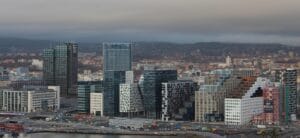
Enjoy Oslo Fjord
The magnificent Oslo Fjord forms the natural centerpiece of the city.
Visitors can enjoy sightseeing cruises, kayaking, paddleboarding, swimming, sailing, or relaxing beside the waterfront.
Numerous small islands scattered throughout the fjord are easily accessible by public ferries and offer peaceful beaches, forests, picnic areas, and hiking trails.
Exploring Oslo Fjord provides a perfect balance between urban sightseeing and outdoor recreation.
Experience Norwegian Cuisine
Oslo has become one of Scandinavia’s leading culinary destinations.
Visitors can enjoy traditional Norwegian dishes such as smoked salmon, fresh cod, king crab, reindeer, lamb, meatballs, brown cheese (brunost), fish soup, and waffles served with jam and sour cream.
Modern Nordic restaurants emphasize fresh seasonal ingredients, sustainable seafood, locally sourced vegetables, and innovative culinary techniques.
The city’s vibrant food markets and waterfront restaurants further enhance Oslo’s growing international reputation for gastronomy.
Visit Aker Brygge
Aker Brygge is Oslo’s lively waterfront district filled with restaurants, cafés, shops, hotels, and entertainment venues.
Once an industrial shipyard, the area has been transformed into one of the city’s most popular leisure destinations.
Visitors enjoy outdoor dining with views across the fjord, evening walks along the promenade, and convenient access to sightseeing boats.
The atmosphere becomes especially lively during the summer months.
Discover Tjuvholmen
Adjacent to Aker Brygge lies Tjuvholmen, a modern waterfront neighborhood celebrated for its contemporary architecture, art galleries, luxury apartments, and scenic harbor views.
The district features stylish restaurants, urban beaches, walking paths, and cultural attractions that showcase Oslo’s modern identity.
Its blend of art, design, and waterfront living makes it one of the city’s most attractive neighborhoods for visitors.
Explore Ekeberg Park
Ekebergparken combines nature, outdoor sculpture, panoramic viewpoints, and forest trails.
Visitors can admire contemporary artworks while enjoying spectacular views overlooking Oslo, the fjord, and surrounding islands.
The peaceful setting provides an excellent opportunity to experience Norway’s appreciation for both art and nature.
Explore Grünerløkka
One of Oslo’s trendiest neighborhoods is Grünerløkka. Once an industrial district, it has transformed into a vibrant cultural hub known for its independent cafés, boutique shops, street art, vintage stores, craft breweries, and creative atmosphere.
Visitors enjoy strolling through its charming streets, discovering local designers, relaxing in riverside parks, and experiencing Oslo’s contemporary lifestyle. Grünerløkka is also one of the city’s best areas for brunch, coffee culture, and nightlife.
Visit Holmenkollen Ski Museum and Tower
Norway’s deep connection to winter sports is showcased at Holmenkollen Ski Museum.
The museum tells the story of skiing over thousands of years, while the adjacent ski jump tower offers breathtaking panoramic views across Oslo, Oslo Fjord, and the surrounding forests. Adventurous visitors can even experience a zipline from the top during certain seasons.
Holmenkollen remains one of Norway’s most iconic landmarks and hosts international ski competitions throughout the winter.
Relax in Frogner Park
Although famous for Vigeland Park, Frogner Park itself deserves exploration.
The park features expansive lawns, rose gardens, fountains, playgrounds, walking paths, and picnic areas. During summer, both locals and visitors gather here to relax, exercise, or enjoy outdoor concerts and cultural events.
Its peaceful atmosphere makes it one of Oslo’s favorite green spaces.
Best Time to Visit Oslo
Oslo is a year-round destination, with each season offering different experiences.
Spring brings blooming flowers, mild temperatures, and longer daylight hours, making it ideal for sightseeing. Summer is the most popular season because visitors can enjoy outdoor cafés, island hopping, hiking, kayaking, festivals, and nearly endless daylight.
Autumn offers colorful forests and fewer crowds, while winter transforms Oslo into a snowy wonderland perfect for skiing, Christmas markets, and winter sports.
Many travelers consider June through August the best months for exploring the city, while December to February is ideal for those seeking Norway’s winter atmosphere.
Is Oslo Expensive?
Oslo is widely regarded as one of Europe’s more expensive cities. Accommodation, dining, and entertainment generally cost more than in many other European capitals.
However, travelers can manage their budgets by booking hotels early, using public transportation, purchasing city attraction passes, enjoying free parks and museums on selected days, and choosing casual restaurants or local bakeries.
Although prices are relatively high, visitors often appreciate the city’s excellent infrastructure, safety, cleanliness, and overall quality of life.
How Many Days Should You Spend in Oslo?
A stay of three to four days is recommended for first-time visitors. This allows enough time to visit Oslo’s major museums, historic landmarks, waterfront districts, parks, and nearby islands without rushing.
Travelers wishing to experience hiking, skiing, or scenic day trips outside the city may prefer staying five to seven days.
Oslo’s efficient transportation system also makes it easy to combine urban sightseeing with outdoor adventures.
Public Transportation in Oslo
Oslo has one of Scandinavia’s most efficient public transportation systems.
The city’s integrated network includes metro lines, trams, buses, ferries, and local trains, allowing visitors to travel conveniently throughout the city and surrounding regions. Public ferries provide easy access to the islands of Oslo Fjord during the warmer months.
Official transportation information:
Walking and cycling are also excellent ways to explore the compact city center.
Best Day Trips from Oslo
Oslo serves as an excellent base for exploring southern Norway.
Popular excursions include visiting Drøbak, a charming coastal town famous for its colorful wooden houses and Christmas traditions, and Lillehammer, renowned for hosting the 1994 Winter Olympics.
Nature lovers often explore the forests surrounding Oslo or take scenic railway journeys through Norway’s spectacular landscapes.
These day trips provide opportunities to experience Norwegian culture and nature beyond the capital.
Shopping in Oslo
Shopping enthusiasts will find a wide variety of options throughout Oslo.
Popular shopping areas include Karl Johans gate, Grünerløkka, and modern shopping centers offering Scandinavian fashion, outdoor equipment, home décor, books, and local crafts.
Visitors often purchase Norwegian wool sweaters, handmade knitwear, Viking-inspired souvenirs, reindeer leather products, chocolates, and locally produced skincare products.
Norwegian design is internationally respected for its simplicity, quality, and functionality.
Experience Oslo’s Nightlife
Oslo offers a vibrant nightlife scene suitable for a variety of interests.
Visitors can enjoy live music venues, jazz clubs, rooftop bars, cocktail lounges, waterfront restaurants, and traditional Norwegian pubs. Neighborhoods such as Grünerløkka and Aker Brygge are particularly popular for evening entertainment.
The city’s nightlife combines Scandinavian sophistication with a relaxed and welcoming atmosphere.
Hidden Gems in Oslo
Beyond its famous attractions, Oslo offers numerous lesser-known places worth exploring.
Visitors often discover the peaceful Hovedøya island, the scenic riverside walking paths along the Akerselva, and the historic Damstredet street, lined with charming wooden houses.
These quieter locations provide authentic experiences away from the busiest tourist crowds.
Outdoor Activities in Oslo
Nature is never far away in Oslo.
Visitors can enjoy hiking, cycling, kayaking, sailing, swimming, skiing, snowboarding, fishing, and forest walks within a short distance of the city center. During winter, nearby ski resorts provide excellent conditions for both alpine and cross-country skiing.
This unique combination of urban living and easy access to nature distinguishes Oslo from many other European capitals.
Sustainability and Green Living
Oslo is internationally recognized as one of the world’s leading sustainable cities.
The city invests heavily in renewable energy, electric public transportation, cycling infrastructure, environmental conservation, and green urban planning. Numerous parks, forests, and protected natural areas contribute to a healthier urban environment.
Oslo’s commitment to sustainability has earned global recognition and continues to inspire environmentally conscious travelers.
Is Oslo Safe for Tourists?
Oslo consistently ranks among the safest capitals in Europe.
The city has low crime rates, efficient emergency services, and a welcoming atmosphere that makes it suitable for solo travelers, couples, and families. Visitors generally feel comfortable exploring the city during both day and evening.
As with any major destination, travelers should remain aware of their belongings in crowded areas and follow standard travel precautions.
Overall, Oslo provides a safe and enjoyable travel experience.
Why Oslo Is Worth Visiting
Oslo offers an exceptional combination of modern Scandinavian culture, Viking heritage, world-class museums, stunning fjords, innovative architecture, and easy access to nature.
Visitors can admire contemporary landmarks, explore fascinating museums, enjoy outstanding cuisine, experience vibrant neighborhoods, and participate in outdoor adventures throughout every season.
Whether your interests include history, art, photography, hiking, winter sports, or simply relaxing beside the fjord, Oslo provides unforgettable experiences that showcase the very best of Norway.
Conclusion
Oslo is much more than Norway’s capital—it is a destination where history, culture, innovation, and nature come together in perfect harmony. From the iconic Oslo Opera House and the artistic treasures of the MUNCH museum to the peaceful beauty of Vigeland Park and the breathtaking views of Oslo Fjord, every corner of the city offers something unique.
Its world-class public transportation, environmentally friendly lifestyle, excellent museums, welcoming atmosphere, and spectacular natural surroundings make Oslo one of the most rewarding cities to visit in Northern Europe. Whether you are planning a short city break or using Oslo as the starting point for exploring Norway’s magnificent landscapes, the city promises memorable experiences throughout the year.
For official travel planning and visitor information, visit:
Author

Related posts
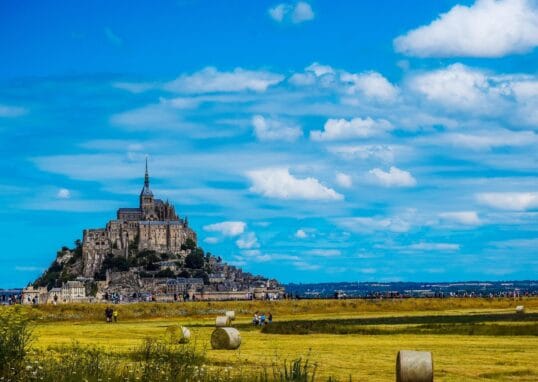
Best Places to Visit in Mont-Saint-Michel
- 0
- 4,964 words
Best Places to Visit in Mont-Saint-Michel , France Mont-Saint-Michel is one of the most extraordinary destinations in France and one of the...
Read out all
UNGA
- 0
- 5,649 words
UNGA (United Nations General Assembly ) The United Nations General Assembly, commonly known as the UN General Assembly or UNGA, is one...
Read out all
Best Places to Visit in Kathmandu
- 0
- 4,089 words
Best Places to Visit in Kathmandu , Nepal Kathmandu, the capital of Nepal, is one of South Asia’s most fascinating travel destinations....
Read out all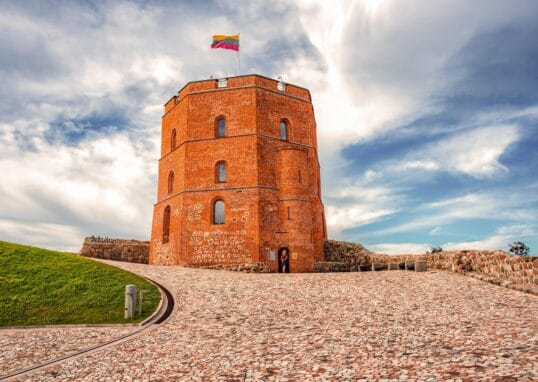
Best Places to Visit in Vilnius
- 0
- 5,246 words
Best Places to Visit in Vilnius , Lithuania Vilnius, the capital of Lithuania, is one of the most fascinating destinations in the...
Read out all
Best Places to Visit in Riga
- 0
- 6,005 words
Best Places to Visit in Riga , Latvia Riga, the capital of Latvia, is one of the most fascinating destinations in the...
Read out all
Best Places to Visit in Cartagena
- 0
- 4,522 words
Best Places to Visit in Cartagena , Colombia Cartagena de Indias is a historic Caribbean city on Colombia’s northern coast and one...
Read out all