

What Are the Best Things to Do in Marrakesh?
Marrakesh is one of the most captivating cities in North Africa and a destination that consistently attracts travelers from around the world. Located near the foothills of the Atlas Mountains in Morocco, Marrakesh combines centuries of history, vibrant culture, stunning architecture, bustling markets, luxurious riads, and unforgettable desert experiences. Known as the “Red City” because of its distinctive terracotta-colored buildings and walls, Marrakesh offers visitors a unique blend of tradition and modernity.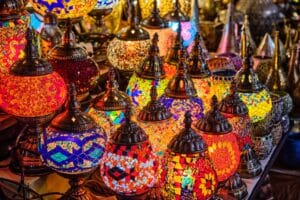
Whether you are interested in exploring ancient palaces, wandering through colorful souks, enjoying authentic Moroccan cuisine, or embarking on an adventure into the Sahara Desert, Marrakesh provides experiences unlike anywhere else in the world. The city’s rich heritage and welcoming atmosphere make it one of the most popular tourist destinations in Africa.
What Is Marrakesh Famous For?
Marrakesh is famous for its historic medina, vibrant marketplaces, traditional riads, magnificent palaces, and cultural heritage. The city serves as one of Morocco’s most important cultural and economic centers and has been a crossroads of trade and civilization for centuries.
Visitors often associate Marrakesh with its maze-like streets, aromatic spice markets, handcrafted goods, traditional Moroccan architecture, and lively public squares. The city is also renowned for its hospitality, offering travelers opportunities to experience authentic Moroccan traditions while enjoying modern comforts.
Its unique atmosphere has inspired artists, writers, designers, and travelers for generations. Today, Marrakesh remains one of the most photographed and admired cities in the world.
Explore Jemaa el-Fnaa Square
The heart of Marrakesh is the legendary Jemaa el-Fnaa square. This UNESCO-recognized cultural space serves as the city’s social and commercial center. During the day, visitors encounter market stalls, street performers, musicians, and food vendors. As evening approaches, the square transforms into a lively open-air spectacle filled with entertainment and culinary experiences.
Walking through Jemaa el-Fnaa allows travelers to immerse themselves in Moroccan culture. The energy, sounds, colors, and aromas create an unforgettable sensory experience. Visitors can sample local delicacies, watch traditional performances, and observe daily life unfolding in one of the world’s most famous public squares.
The square represents the soul of Marrakesh and remains a must-visit destination for every traveler.
Discover the Historic Medina of Marrakesh
The Medina of Marrakesh is a UNESCO World Heritage Site that preserves much of the city’s historical character. Narrow alleyways, hidden courtyards, traditional workshops, and centuries-old architecture create an environment that feels timeless.
Exploring the medina is one of the most rewarding experiences in Marrakesh. Every corner reveals something new, from artisan workshops and spice merchants to traditional bakeries and architectural treasures. Visitors often spend hours wandering through its labyrinthine streets while discovering hidden gems away from the main tourist routes.
The medina reflects the city’s historical importance as a center of commerce, culture, and craftsmanship.
Visit the Majorelle Garden
One of Marrakesh’s most beloved attractions is the beautiful Majorelle Garden. Originally created by French artist Jacques Majorelle and later restored by fashion designer Yves Saint Laurent, the garden provides a peaceful retreat from the bustling city.
The vibrant blue buildings, exotic plants, fountains, and shaded pathways create a tranquil atmosphere that attracts visitors from around the world. The garden showcases botanical species from multiple continents while highlighting the artistic vision of its creators.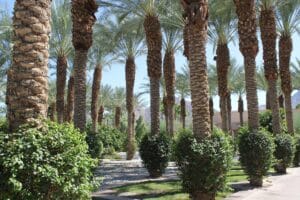
Many travelers consider the Majorelle Garden one of the most photogenic locations in Morocco and an essential stop during any visit to Marrakesh.
Official website: https://www.jardinmajorelle.com
Explore Bahia Palace
Bahia Palace is one of the finest examples of Moroccan architecture in Marrakesh. Built during the nineteenth century, the palace features intricately decorated rooms, beautiful courtyards, stunning mosaics, and elegant gardens.
Visitors can admire the craftsmanship displayed throughout the palace while learning about Morocco’s royal history. The structure’s design reflects traditional Moroccan and Islamic artistic influences, creating an atmosphere of sophistication and grandeur.
Walking through Bahia Palace offers valuable insight into the lifestyles of Morocco’s elite during a significant period of the country’s history.
Visit the Koutoubia Mosque
The Koutoubia Mosque is Marrakesh’s most iconic religious landmark. Its impressive minaret dominates the city skyline and serves as a symbol of Marrakesh. Built during the twelfth century, the mosque represents one of the finest examples of Almohad architecture.
Although non-Muslims cannot enter the prayer hall, visitors can admire the structure’s exterior and surrounding gardens. The mosque’s historical significance and architectural beauty make it one of the most important landmarks in Morocco.
Its elegant design has influenced numerous buildings throughout the region and remains an enduring symbol of Islamic heritage.
Shop in the Famous Souks of Marrakesh
Shopping in Marrakesh’s souks is an experience unlike any other. These traditional markets contain thousands of small shops selling handmade goods, textiles, jewelry, ceramics, leather products, spices, lanterns, carpets, and souvenirs.
The souks showcase Morocco’s rich artisan traditions and provide opportunities to purchase authentic handcrafted products. Negotiation is often part of the shopping experience, allowing visitors to interact directly with local merchants and craftsmen.
Exploring the souks not only offers shopping opportunities but also provides insight into centuries-old commercial traditions that continue to thrive today.
Experience Traditional Moroccan Cuisine
Marrakesh is a paradise for food lovers. The city’s culinary scene combines traditional Moroccan recipes with regional influences and fresh local ingredients. Visitors can enjoy dishes such as tagine, couscous, pastilla, harira soup, and grilled meats prepared according to time-honored methods.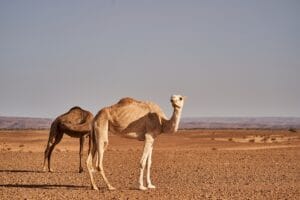
Dining in Marrakesh often becomes a cultural experience as well as a culinary one. Many restaurants feature traditional décor, live music, and rooftop terraces overlooking the medina. Food markets and cooking classes further allow travelers to deepen their appreciation for Moroccan gastronomy.
The city’s reputation as a culinary destination continues to attract travelers seeking authentic flavors and memorable dining experiences.
Relax in a Traditional Moroccan Hammam
A visit to a traditional hammam is one of the most authentic experiences available in Marrakesh. These public bathhouses have been part of Moroccan culture for centuries and offer opportunities for relaxation, cleansing, and rejuvenation.
Visitors can enjoy steam baths, exfoliation treatments, massages, and wellness therapies inspired by traditional practices. Many luxury riads and spas now offer modern interpretations of the hammam experience while preserving its cultural significance.
Experiencing a hammam provides both physical relaxation and insight into an important aspect of Moroccan daily life.
Discover the Saadian Tombs
The Saadian Tombs are among Marrakesh’s most important historical attractions. Dating back to the sixteenth century, the tombs contain the remains of members of the Saadian dynasty and feature exquisite decorative details.
The site remained hidden for centuries before being rediscovered in the early twentieth century. Today, visitors can admire intricate carvings, colorful tilework, and beautifully preserved mausoleums that reflect the artistic achievements of the period.
The Saadian Tombs offer valuable historical context while showcasing the exceptional craftsmanship associated with Moroccan architecture.
Explore El Badi Palace
Although much of El Badi Palace now exists in ruins, the site remains one of Marrakesh’s most impressive historical landmarks. Built during the sixteenth century, the palace was once among the most magnificent structures in North Africa.
Visitors can explore expansive courtyards, ancient walls, and elevated viewpoints that reveal the scale and grandeur of the original complex. Historical exhibits help explain the palace’s significance and the role it played in Moroccan history.
The ruins provide fascinating insights into the ambitions and achievements of past rulers while offering excellent photographic opportunities.
Visit the Ben Youssef Madrasa
The Ben Youssef Madrasa is one of the finest examples of Islamic architecture in Morocco. Once serving as an important center of learning, the institution educated students from across the region.
Visitors can admire elaborately carved cedar wood, intricate stucco work, geometric tile patterns, and peaceful courtyards. The madrasa’s architecture reflects the artistic excellence and intellectual traditions that shaped Moroccan society for centuries.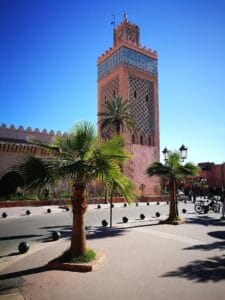
Its restoration has allowed modern travelers to appreciate one of Marrakesh’s most remarkable cultural treasures.
Is Marrakesh Safe for Tourists?
One of the most common questions travelers ask before visiting Morocco is whether Marrakesh is safe for tourists. In general, Marrakesh is considered one of the safest and most tourist-friendly destinations in North Africa. Millions of international visitors travel to the city every year without encountering serious problems. Tourism plays a significant role in the local economy, and authorities work actively to maintain a secure environment for visitors.
Like any major tourist destination, travelers should exercise normal precautions. The crowded streets of the medina and popular attractions can attract pickpockets, making it important to remain aware of personal belongings. Visitors should also be cautious when accepting unsolicited offers from unofficial guides or vendors. Respecting local customs, dressing appropriately, and remaining attentive to surroundings can help ensure a positive experience.
Many travelers report feeling welcomed by local residents, who are often eager to share Moroccan culture and hospitality. The combination of strong tourism infrastructure and a welcoming atmosphere contributes to Marrakesh’s reputation as a safe destination for international visitors.
How Many Days Do You Need in Marrakesh?
The ideal length of a stay in Marrakesh depends on personal interests and travel goals. However, many experienced travelers recommend spending at least three to five days in the city to fully appreciate its attractions, culture, and atmosphere.
A shorter stay of two or three days allows visitors to explore major landmarks such as Jemaa el-Fnaa, Bahia Palace, the Koutoubia Mosque, and the Majorelle Garden. This timeframe provides an introduction to Marrakesh’s history, architecture, and culinary traditions.
Travelers with additional time can enjoy a more relaxed pace while exploring hidden corners of the medina, participating in cooking classes, visiting museums, experiencing traditional hammams, and taking day trips to nearby destinations. Spending five or more days often results in a deeper understanding of Moroccan culture and a more immersive travel experience.
Marrakesh rewards slow exploration, as many of its greatest charms are discovered beyond the main tourist attractions.
Can You Visit the Sahara Desert from Marrakesh?
One of the most unforgettable experiences available from Marrakesh is a journey to the Sahara Desert. Many travelers choose Marrakesh as the starting point for desert adventures because numerous organized tours depart from the city and travel through some of Morocco’s most spectacular landscapes.
The journey typically passes through the Atlas Mountains, traditional Berber villages, ancient kasbahs, and dramatic desert scenery before reaching the dunes of the Sahara. Although a day trip is generally not practical due to the distance involved, multi-day excursions allow visitors to fully experience the region’s beauty.
Many tours include camel rides across golden dunes, overnight stays in desert camps, traditional Moroccan meals, and opportunities to observe stunning sunsets and star-filled skies. The Sahara experience frequently becomes the highlight of a Moroccan vacation and offers memories that last a lifetime.
Official tourism information: https://www.visitmorocco.com
What Are the Best Riads in Marrakesh?
One of the most distinctive aspects of visiting Marrakesh is staying in a traditional riad. A riad is a Moroccan house or palace built around an interior courtyard, often featuring fountains, gardens, and intricate decorative elements. These accommodations provide intimate and authentic alternatives to conventional hotels.
Many of Marrakesh’s finest riads combine historical architecture with modern luxury. Guests can enjoy beautifully decorated rooms, rooftop terraces, traditional cuisine, and personalized service. Staying in a riad often allows travelers to experience Moroccan hospitality more directly while enjoying peaceful surroundings within the bustling medina.
Luxury riads frequently feature wellness facilities, hammams, fine dining experiences, and elegant courtyards filled with fragrant plants and traditional craftsmanship. Budget-friendly riads are also available, making this style of accommodation accessible to a wide range of travelers.
For many visitors, a riad stay becomes an essential part of the Marrakesh experience and contributes significantly to the city’s unique appeal.
How Much Money Do You Need Per Day in Marrakesh?
The amount of money required per day in Marrakesh varies depending on travel style, accommodation preferences, and planned activities. Compared to many European destinations, Marrakesh is often considered relatively affordable while still offering high-quality experiences.
Budget travelers can enjoy comfortable stays, local meals, and sightseeing opportunities without spending large amounts of money. Mid-range travelers typically have access to attractive riads, guided tours, and quality dining experiences at reasonable costs. Luxury travelers can enjoy world-class accommodations, private excursions, fine dining, and exclusive experiences while still finding value compared to other luxury destinations.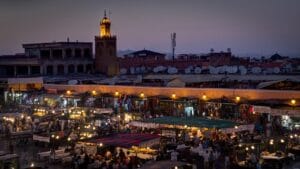
Food, transportation, and many attractions remain reasonably priced, allowing visitors to maximize their travel budgets. Shopping expenses can vary significantly depending on purchasing interests and negotiation skills within the souks.
Careful planning allows travelers to experience the best of Marrakesh regardless of budget.
Explore the Atlas Mountains
The Atlas Mountains provide one of Morocco’s most spectacular natural environments and are easily accessible from Marrakesh. Day trips to the mountains offer opportunities to experience dramatic landscapes, traditional Berber villages, waterfalls, and scenic hiking trails.
The contrast between Marrakesh’s bustling urban environment and the tranquility of the mountains creates a rewarding travel experience. Visitors can interact with local communities, learn about traditional lifestyles, and enjoy breathtaking views of valleys and peaks.
Many tours include cultural experiences such as traditional meals and visits to local homes, providing deeper insights into rural Moroccan life. The Atlas Mountains are particularly popular among nature enthusiasts, photographers, and travelers seeking outdoor adventures.
Visit Traditional Berber Villages
Exploring Berber villages offers valuable opportunities to understand Morocco’s cultural diversity. The Berber people, also known as Amazigh, have inhabited North Africa for thousands of years and maintain unique traditions, languages, and customs.
Visitors can learn about traditional architecture, agricultural practices, handicrafts, and daily life while interacting with local residents. Many villages welcome travelers through cultural tours and hospitality experiences that foster meaningful connections between visitors and communities.
These encounters often provide perspectives that differ significantly from urban experiences in Marrakesh and contribute to a more comprehensive understanding of Moroccan society.
Experience Moroccan Festivals and Cultural Events
Throughout the year, Marrakesh hosts festivals and cultural events that celebrate music, art, literature, and traditional heritage. These gatherings attract participants and audiences from around the world while showcasing Morocco’s rich cultural diversity.
Music festivals frequently feature performances ranging from traditional Moroccan genres to international contemporary styles. Cultural events provide opportunities to experience local creativity, artistic expression, and community celebrations.
Visitors who plan their trips around major festivals often gain unique insights into Moroccan culture while enjoying memorable performances and social experiences. These events further enhance Marrakesh’s reputation as a center of creativity and cultural exchange.
Explore Contemporary Marrakesh
Although Marrakesh is best known for its historical attractions, the city also embraces contemporary culture and modern development. Stylish cafés, art galleries, boutique hotels, design studios, and creative spaces contribute to a dynamic urban environment.
Modern Marrakesh attracts artists, entrepreneurs, and designers who draw inspiration from the city’s heritage while introducing innovative ideas and experiences. Visitors can explore contemporary art exhibitions, fashion boutiques, and cultural venues that complement the city’s traditional attractions.
This balance between preservation and innovation helps explain why Marrakesh remains relevant and appealing to modern travelers.
Luxury Experiences in Marrakesh
Marrakesh has become one of the world’s leading luxury travel destinations. The city offers exceptional accommodations, fine dining establishments, private tours, wellness retreats, and exclusive cultural experiences.
Luxury travelers can enjoy lavish riads, high-end resorts, gourmet Moroccan cuisine, private desert excursions, and spa treatments inspired by traditional wellness practices. Many luxury properties feature beautiful gardens, pools, and architectural details that reflect Morocco’s artistic heritage.
Despite its reputation for luxury, Marrakesh remains accessible to travelers with varying budgets, allowing visitors to choose experiences that match their preferences and financial resources.
The Best Time to Visit Marrakesh
Choosing the best time to visit Marrakesh depends on weather preferences and planned activities. Spring and autumn are generally considered the most comfortable seasons because temperatures are moderate and ideal for sightseeing.
Spring brings blooming landscapes and pleasant conditions that encourage outdoor exploration. Autumn offers similarly comfortable weather while often attracting fewer visitors than peak travel periods.
Summer can be extremely hot, particularly during midday hours, while winter remains relatively mild compared to many European destinations. Travelers visiting during warmer months often schedule outdoor activities during mornings and evenings to avoid peak temperatures.
Regardless of the season, Marrakesh offers attractions and experiences that can be enjoyed throughout the year.
Why Marrakesh Continues to Captivate Travelers
Few destinations combine history, culture, architecture, cuisine, and adventure as successfully as Marrakesh. The city provides opportunities to experience centuries-old traditions while enjoying modern comforts and hospitality.
Its vibrant markets, magnificent palaces, beautiful gardens, and welcoming atmosphere create lasting impressions on visitors. The accessibility of nearby attractions such as the Atlas Mountains and Sahara Desert further enhances its appeal.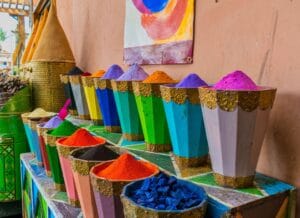
Travelers often describe Marrakesh as a destination that stimulates all the senses. The colors, sounds, aromas, flavors, and textures encountered throughout the city contribute to a uniquely immersive travel experience that is difficult to replicate elsewhere.
Conclusion
Marrakesh stands among the world’s most fascinating travel destinations because it offers a remarkable combination of history, culture, architecture, hospitality, and adventure. Visitors can explore ancient palaces, wander through bustling souks, relax in traditional riads, enjoy exceptional cuisine, and embark on unforgettable journeys into the Sahara Desert.
Whether discovering the vibrant atmosphere of Jemaa el-Fnaa, admiring the beauty of the Majorelle Garden, exploring historical landmarks, or experiencing the hospitality of local communities, travelers encounter countless opportunities for enrichment and discovery.
For those seeking an authentic and memorable travel experience, Marrakesh continues to deliver extraordinary moments that inspire curiosity, appreciation, and a deeper understanding of Morocco’s rich cultural heritage. Its enduring appeal ensures that it remains one of Africa’s most beloved and rewarding destinations.
Author

Related posts
Best Places to Visit in Dinant
- 0
- 4,895 words
Best Places to Visit in Dinant, Belgium Dinant is one of the most beautiful small towns in Belgium and one of the...
Read out all
Best Places to Visit in Mont-Saint-Michel
- 0
- 4,974 words
Best Places to Visit in Mont-Saint-Michel , France Mont-Saint-Michel is one of the most extraordinary destinations in France and one of the...
Read out all
UNGA
- 0
- 5,649 words
UNGA (United Nations General Assembly ) The United Nations General Assembly, commonly known as the UN General Assembly or UNGA, is one...
Read out all
Best Places to Visit in Kathmandu
- 0
- 4,089 words
Best Places to Visit in Kathmandu , Nepal Kathmandu, the capital of Nepal, is one of South Asia’s most fascinating travel destinations....
Read out all
Best Places to Visit in Vilnius
- 0
- 5,246 words
Best Places to Visit in Vilnius , Lithuania Vilnius, the capital of Lithuania, is one of the most fascinating destinations in the...
Read out all
Best Places to Visit in Riga
- 0
- 6,005 words
Best Places to Visit in Riga , Latvia Riga, the capital of Latvia, is one of the most fascinating destinations in the...
Read out all