

Vancouver, Canada
Vancouver is one of Canada’s most beautiful and internationally recognized cities. Located on the west coast of Canada in the province of British Columbia, Vancouver is famous for its breathtaking natural scenery, multicultural population, strong economy, outdoor lifestyle, and exceptional quality of life. Surrounded by mountains, forests, and the Pacific Ocean, the city offers a unique combination of urban sophistication and natural beauty that attracts millions of visitors every year.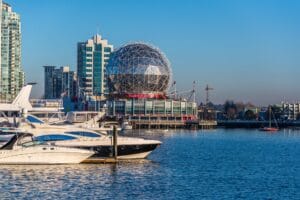
As one of the most diverse cities in North America, Vancouver is home to people from hundreds of cultural backgrounds. The city has become a major destination for immigrants, students, entrepreneurs, and travelers seeking opportunities and adventure. Whether you are planning a vacation, considering relocation, pursuing higher education, or exploring investment opportunities, Vancouver consistently ranks among the world’s most desirable cities.
Where Is Vancouver Located?
Vancouver is situated in southwestern British Columbia along Canada’s Pacific coastline. Its strategic location provides easy access to Asia, the United States, and other major international destinations. The city lies between the Pacific Ocean and the Coast Mountains, creating some of the most spectacular urban scenery in the world.
This geographical position significantly influences Vancouver’s climate, economy, and lifestyle. Unlike many Canadian cities that experience harsh winters, Vancouver enjoys relatively mild temperatures throughout the year. The surrounding mountains offer skiing and hiking opportunities, while the ocean provides recreational activities such as sailing, kayaking, and whale watching.
The city’s location has also contributed to its growth as an international trade hub, connecting Canada with global markets across the Pacific region.
Why Vancouver Is Famous Around the World
Vancouver has earned a global reputation for its natural beauty, environmental sustainability, and high quality of life. International rankings frequently place the city among the most livable urban centers in the world. Visitors are often amazed by the contrast between modern skyscrapers and the surrounding natural landscapes.
The city is known for hosting major international events, including the 2010 Winter Olympics, which showcased Vancouver’s infrastructure and scenic beauty to a global audience. Vancouver is also recognized as a major center for film production, technology innovation, tourism, and international education.
Its reputation extends beyond business and tourism. Many people associate Vancouver with healthy living, outdoor recreation, cultural diversity, and environmental responsibility. These characteristics continue to attract individuals seeking a balanced and fulfilling lifestyle.
The History of Vancouver
Long before European settlers arrived, the area now known as Vancouver was home to Indigenous peoples who lived along the Pacific Coast for thousands of years. These communities developed rich cultures, traditions, and economies connected to the land and sea.
European exploration and settlement gradually transformed the region during the nineteenth century. Vancouver officially became a city in 1886 and quickly developed into an important transportation and trade center. The arrival of the Canadian Pacific Railway accelerated economic growth and established Vancouver as a gateway between eastern Canada and international markets.
Over the decades, Vancouver evolved into a modern metropolitan center while maintaining strong connections to its cultural heritage and natural environment. Today, Indigenous history remains an important part of the city’s identity and continues to influence community development and cultural preservation efforts.
Exploring Downtown Vancouver
Downtown Vancouver serves as the economic and cultural heart of the city. The area features modern skyscrapers, luxury hotels, entertainment venues, shopping districts, and waterfront attractions. Visitors often begin their Vancouver experience in the downtown core because it provides convenient access to many of the city’s most famous landmarks.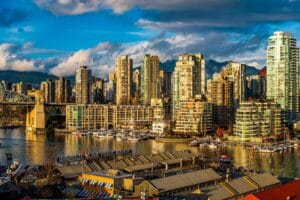
Walking through downtown reveals a blend of modern architecture and public spaces designed to enhance urban livability. Residents and tourists enjoy waterfront promenades, public art installations, restaurants, and cultural institutions. The area’s compact layout makes it easy to explore on foot, while efficient public transportation provides convenient connections to surrounding neighborhoods.
Downtown Vancouver demonstrates how a major city can successfully integrate economic development with environmental sustainability and quality-of-life considerations.
Visit Stanley Park
One of the most iconic attractions in Vancouver is Stanley Park. Covering more than one thousand acres, Stanley Park is one of the largest urban parks in North America and Nahanni National Park is in the Northwest Territories of Canada and serves as a symbol of Vancouver’s commitment to preserving green spaces.
The park features scenic walking trails, cycling routes, beaches, gardens, and forests that attract millions of visitors annually. Its famous seawall offers stunning views of the city skyline, mountains, and ocean, making it one of Vancouver’s most popular recreational areas.
Visitors can spend entire days exploring the park’s natural beauty while enjoying activities such as jogging, cycling, photography, wildlife observation, and picnicking. Stanley Park perfectly illustrates the close relationship between Vancouver’s urban environment and surrounding nature.
Official website: Stanley Park Information
Experience Granville Island
Granville Island is one of Vancouver’s most vibrant cultural and culinary destinations. Originally an industrial area, it has been transformed into a thriving center for arts, food, entertainment, and community activities.
The famous public market attracts visitors seeking fresh produce, seafood, baked goods, and specialty foods. Local artisans, performers, and craftspeople contribute to the island’s creative atmosphere. Visitors can explore galleries, studios, theaters, and restaurants while enjoying views of False Creek and downtown Vancouver.
Granville Island reflects Vancouver’s entrepreneurial spirit and commitment to supporting local businesses and creative industries.
Official website: Granville Island
Discover Gastown
Gastown is Vancouver’s oldest neighborhood and one of its most charming historic districts. Cobblestone streets, heritage buildings, boutique shops, and trendy restaurants create a distinctive atmosphere that attracts visitors from around the world.
The neighborhood’s most famous landmark is the steam clock, which draws crowds throughout the day. Beyond its tourist appeal, Gastown serves as a center for dining, nightlife, and creative industries. The district’s preserved architecture provides valuable insight into Vancouver’s early development while supporting modern businesses and cultural activities.
Exploring Gastown allows visitors to experience both the city’s history and its contemporary urban culture.
Visit Capilano Suspension Bridge Park
One of Vancouver’s most exciting attractions is the Capilano Suspension Bridge. Suspended high above a forested canyon, the bridge offers breathtaking views and memorable experiences for visitors seeking adventure and natural beauty.
The attraction includes treetop walkways, cliffside paths, educational exhibits, and opportunities to learn about British Columbia’s ecosystems. Walking across the bridge provides a unique perspective on the region’s forests and demonstrates why Vancouver is renowned for its access to nature.
The attraction remains one of the most photographed and visited destinations in the Vancouver area.
Official website: Capilano Suspension Bridge Park
Vancouver’s Multicultural Population
One of Vancouver’s greatest strengths is its cultural diversity. The city welcomes immigrants from around the world, creating communities that contribute to its vibrant social and economic landscape. Residents speak numerous languages and celebrate a wide variety of cultural traditions throughout the year.
This diversity is reflected in Vancouver’s neighborhoods, restaurants, festivals, and business sectors. Visitors can experience cuisines, cultural events, and traditions representing countries from Asia, Europe, Latin America, Africa, and the Middle East.
The multicultural environment helps create a welcoming atmosphere for newcomers and contributes significantly to Vancouver’s reputation as an inclusive and globally connected city.
The Economy of Vancouver
Vancouver possesses one of Canada’s most dynamic economies. Key industries include technology, film production, tourism, international trade, finance, real estate, education, and professional services. The city’s strategic location on the Pacific coast supports extensive trade relationships with Asia and other international markets.
The technology sector has grown rapidly in recent years, attracting startups and multinational companies seeking access to skilled talent and global opportunities. Vancouver’s film industry has also earned international recognition, leading many people to refer to the city as “Hollywood North.”
These diverse economic drivers create employment opportunities across numerous fields and support Vancouver’s continued growth and prosperity.
Education and Universities in Vancouver
Vancouver is a major center for higher education and research. Students from around the world choose the city because of its high-quality institutions, safe environment, and exceptional lifestyle opportunities.
Among the most respected institutions is University of British Columbia, consistently ranked among the world’s leading universities. The university is known for excellence in research, innovation, sustainability, and academic achievement.
Official website: University of British Columbia
Another prominent institution is Simon Fraser University, which is recognized for academic excellence, interdisciplinary research, and community engagement.
Official website: Simon Fraser University
The presence of these institutions contributes to Vancouver’s knowledge economy and attracts talented individuals from around the world.
The Cost of Living in Vancouver
One of the most frequently discussed aspects of Vancouver is its cost of living. The city consistently ranks among the most expensive places to live in Canada, primarily due to housing & hotels costs. Demand for residential property remains high because of Vancouver’s desirable location, strong economy, international appeal, and limited land available for development.
Rental prices vary depending on neighborhood, property type, and proximity to public transportation. Areas located close to downtown generally command higher rents, while suburban communities may offer more affordable options. Despite higher housing costs, many residents believe Vancouver’s exceptional quality of life, employment opportunities, safety, and natural beauty justify the expense.
Daily living costs such as groceries, dining, transportation, and entertainment are comparable to those found in other major international cities. Careful budgeting and financial planning are important for individuals considering relocation. Nevertheless, Vancouver continues to attract professionals, students, and families who value its lifestyle and long-term opportunities.
Vancouver’s Climate and Weather
Unlike many Canadian cities that experience long and severe winters, Vancouver enjoys one of the mildest climates in the country. Its coastal location contributes to relatively moderate temperatures throughout the year, making it particularly attractive to individuals who prefer milder weather conditions.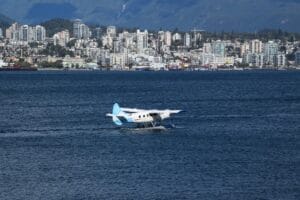
Spring brings blooming flowers, green landscapes, and comfortable temperatures that encourage outdoor activities. Summer is warm and pleasant, often characterized by sunny days and low humidity. Residents take full advantage of parks, beaches, hiking trails, and waterfront activities during these months.
Autumn introduces cooler temperatures and colorful foliage, while winter is generally mild compared to other Canadian cities. Snowfall occurs occasionally but is usually limited in the city itself. Nearby mountain regions, however, receive significant snowfall, creating excellent opportunities for winter sports enthusiasts.
This unique climate allows residents to enjoy outdoor recreation throughout much of the year, contributing significantly to Vancouver’s appeal and reputation for healthy living.
Exploring Vancouver’s Beautiful Neighborhoods
Vancouver’s neighborhoods each possess distinct personalities and characteristics. This diversity allows residents and visitors to find communities that match their lifestyles, interests, and preferences.
The West End is one of the city’s most popular residential neighborhoods. Located near Stanley Park and English Bay, it offers a combination of urban convenience and natural beauty. Residents enjoy walkable streets, diverse dining options, and easy access to recreational opportunities.
Yaletown has transformed from an industrial district into one of Vancouver’s most fashionable neighborhoods. Modern condominiums, waterfront pathways, restaurants, and boutique shops attract professionals and visitors seeking contemporary urban experiences.
Kitsilano, often referred to simply as Kits, is known for its beaches, relaxed atmosphere, and active lifestyle culture. The neighborhood appeals to families, students, and outdoor enthusiasts who appreciate proximity to the ocean and recreational facilities.
Each neighborhood contributes to Vancouver’s overall character, creating a city that feels diverse, vibrant, and welcoming.
Vancouver’s World-Class Public Transportation
Efficient public transportation plays a crucial role in Vancouver’s urban success. The city’s transportation network helps reduce traffic congestion, supports environmental sustainability, and provides convenient mobility for residents and visitors.
The region’s public transit system includes buses, rapid transit lines, and commuter rail services. The SkyTrain is particularly notable for its reliability and extensive coverage. As one of the world’s longest automated rapid transit systems, it connects major residential, commercial, educational, and transportation hubs throughout the metropolitan area.
Visitors often find Vancouver easy to navigate without a private vehicle. Public transportation provides efficient access to major attractions, shopping districts, universities, airports, and recreational destinations. This accessibility enhances both quality of life and tourism experiences.
Official website: TransLink Vancouver Public Transit
Vancouver’s Thriving Job Market
Vancouver’s economy supports employment opportunities across numerous industries. Technology, healthcare, finance, education, tourism, construction, logistics, film production, and professional services all contribute to the city’s economic strength.
The technology sector has emerged as one of Vancouver’s fastest-growing industries. Software development, artificial intelligence, digital entertainment, and technology startups continue to expand throughout the region. International companies frequently establish offices in Vancouver because of its skilled workforce, strategic location, and high quality of life.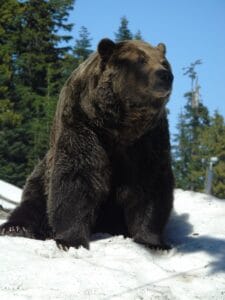
Healthcare and education also provide substantial employment opportunities. Major hospitals, research institutions, universities, and government organizations contribute to workforce demand. Entrepreneurs benefit from supportive business environments and access to global markets through Vancouver’s international connections.
Although competition can be significant in certain sectors, the city’s diverse economy creates opportunities for skilled professionals and newcomers seeking career advancement.
Immigration and Opportunities for Newcomers
Vancouver has long been one of Canada’s most popular destinations for immigrants. Its multicultural environment, strong economy, educational opportunities, and welcoming communities make it attractive to people from around the world.
Newcomers often find support through settlement agencies, language programs, employment services, and community organizations. These resources help immigrants integrate successfully while building personal and professional networks.
Many international students also choose Vancouver because educational pathways can lead to employment opportunities and potential long-term residency options. The city’s diversity ensures that newcomers frequently encounter communities that share similar cultural backgrounds while still experiencing Canadian society and values.
This openness and inclusiveness continue to strengthen Vancouver’s reputation as a global city.
Vancouver’s Food Culture
Food lovers quickly discover that Vancouver is one of Canada’s top culinary destinations. The city’s multicultural population contributes to a dining scene that reflects influences from around the world. Fresh seafood, Asian cuisine, farm-to-table dining, and international flavors are particularly prominent.
The city’s proximity to the Pacific Ocean provides access to exceptional seafood. Salmon, crab, oysters, and other local specialties frequently appear on restaurant menus. Vancouver is also renowned for its sushi culture, which many visitors consider among the best outside Japan.
Farmers markets, specialty cafés, food festivals, and innovative restaurants further enrich the culinary landscape. Whether seeking fine dining experiences or casual local favorites, visitors can explore a remarkable variety of flavors and culinary traditions.
Beaches and Waterfront Attractions
One of Vancouver’s defining features is its extensive waterfront. The city’s beaches provide opportunities for relaxation, recreation, and spectacular views throughout the year.
English Bay Beach is among the most popular urban beaches in Canada. Residents and visitors gather here to swim, sunbathe, exercise, and watch sunsets over the Pacific Ocean. The beach’s location near downtown makes it easily accessible while offering beautiful natural surroundings.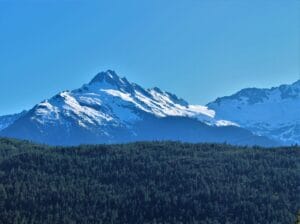
Kitsilano Beach is another favorite destination. Known for its scenic views and active atmosphere, the beach attracts volleyball players, swimmers, runners, and families throughout the warmer months.
These waterfront spaces demonstrate how Vancouver successfully integrates natural environments into everyday urban life.
Outdoor Adventures Around Vancouver
Vancouver is often described as an outdoor enthusiast’s paradise. Few major cities provide such immediate access to mountains, forests, oceans, and recreational opportunities.
Hiking is particularly popular because numerous trails are located within short distances of the city center. Visitors can explore forests, waterfalls, mountain viewpoints, and wilderness areas while enjoying breathtaking scenery.
Cycling, kayaking, paddleboarding, sailing, skiing, snowboarding, and mountain biking are also widely available. During winter months, nearby mountain resorts attract visitors seeking snow sports and alpine experiences.
This abundance of outdoor activities contributes significantly to Vancouver’s reputation for healthy and active lifestyles.
Visit Grouse Mountain
Among the most famous attractions near Vancouver is Grouse Mountain. Located just north of the city, Grouse Mountain offers year-round recreational opportunities and spectacular panoramic views.
During summer, visitors enjoy hiking trails, wildlife exhibits, outdoor performances, and scenic chairlift rides. In winter, the mountain transforms into a popular destination for skiing, snowboarding, snowshoeing, and other seasonal activities.
The accessibility of Grouse Mountain highlights one of Vancouver’s greatest advantages: the ability to transition from urban environments to mountain adventures within a short period of time.
Official website: Grouse Mountain
Day Trips from Vancouver
Vancouver’s location makes it an ideal base for exploring British Columbia’s diverse landscapes. Numerous destinations can be visited within a single day, providing travelers with opportunities to experience mountains, forests, islands, and coastal communities.
One of the most popular excursions is visiting Whistler. Known internationally for skiing, mountain biking, and outdoor recreation, Whistler offers year-round attractions and stunning alpine scenery.
The scenic Sea-to-Sky Highway connecting Vancouver and Whistler is considered one of North America’s most beautiful drives. Along the route, travelers encounter waterfalls, viewpoints, forests, and coastal landscapes that showcase British Columbia’s natural beauty.
Other popular day trips include island excursions, wildlife viewing tours, and visits to provincial parks located throughout the region.
Arts, Culture, and Entertainment
Vancouver’s cultural scene reflects its diversity and creativity. The city supports numerous museums, galleries, theaters, music venues, and cultural festivals throughout the year.
Visitors can explore contemporary art exhibitions, historical collections, Indigenous cultural experiences, and international performances. Film festivals, music festivals, cultural celebrations, and community events contribute to a vibrant cultural calendar.
The city’s role as a major film production center further enhances its creative reputation. Many popular television shows and films have been produced in Vancouver, attracting both industry professionals and curious visitors.
These cultural offerings complement Vancouver’s natural attractions, creating a well-rounded destination for residents and tourists alike.
Why Vancouver Consistently Ranks Among the World’s Most Livable Cities
Global livability rankings frequently place Vancouver among the world’s top cities. Several factors contribute to this recognition, including safety, healthcare, education, environmental quality, infrastructure, economic stability, and access to recreation.
Residents benefit from clean public spaces, efficient transportation systems, high-quality healthcare services, and abundant cultural opportunities. The city’s commitment to sustainability and environmental protection also enhances quality of life while preserving natural resources for future generations.
The combination of urban sophistication and extraordinary natural beauty creates a lifestyle that many people find difficult to match elsewhere. Vancouver demonstrates that economic success and environmental responsibility can coexist within a thriving metropolitan region.
Tourism and International Appeal
Tourism plays a significant role in Vancouver’s economy. Millions of visitors arrive annually to experience the city’s attractions, natural scenery, cultural diversity, and hospitality. International travelers often use Vancouver as a gateway to broader Canadian adventures, including journeys through British Columbia, the Canadian Rockies, and Alaska cruises.
The city’s modern infrastructure, safety, multilingual services, and welcoming atmosphere contribute to positive visitor experiences. Tourism businesses continue to innovate and expand, ensuring Vancouver remains competitive as a global destination.
This international appeal strengthens Vancouver’s reputation and contributes to ongoing economic growth.
Conclusion
Vancouver stands out as one of the most remarkable cities in Canada and the world. Its unique combination of natural beauty, cultural diversity, economic opportunity, educational excellence, and high quality of life creates an environment that appeals to residents and visitors alike.
From Stanley Park and Granville Island to world-class universities, thriving industries, beautiful beaches, and outdoor adventures, Vancouver offers experiences that few cities can match. Its commitment to sustainability, inclusiveness, and innovation further enhances its global reputation.
Whether you are planning a vacation, considering immigration, pursuing higher education, or exploring career opportunities, Vancouver provides an exceptional destination filled with possibilities. The city’s ability to balance urban development with environmental preservation ensures that it will continue to attract and inspire people from around the world for generations to come.
Author

Related posts
Best Places to Visit in Dinant
- 0
- 4,895 words
Best Places to Visit in Dinant, Belgium Dinant is one of the most beautiful small towns in Belgium and one of the...
Read out all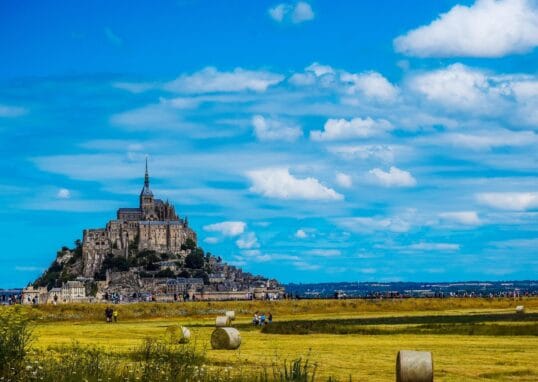
Best Places to Visit in Mont-Saint-Michel
- 0
- 4,974 words
Best Places to Visit in Mont-Saint-Michel , France Mont-Saint-Michel is one of the most extraordinary destinations in France and one of the...
Read out all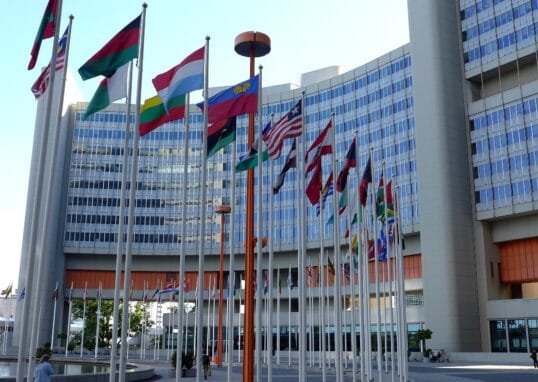
UNGA
- 0
- 5,649 words
UNGA (United Nations General Assembly ) The United Nations General Assembly, commonly known as the UN General Assembly or UNGA, is one...
Read out all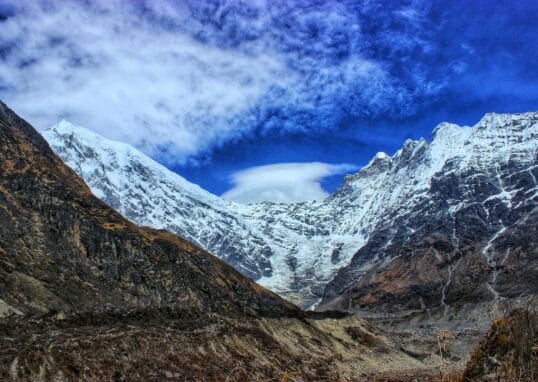
Best Places to Visit in Kathmandu
- 0
- 4,089 words
Best Places to Visit in Kathmandu , Nepal Kathmandu, the capital of Nepal, is one of South Asia’s most fascinating travel destinations....
Read out all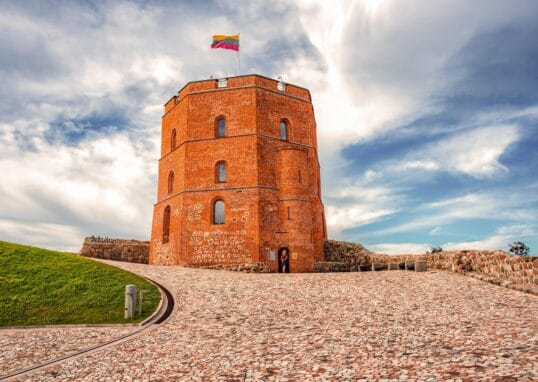
Best Places to Visit in Vilnius
- 0
- 5,246 words
Best Places to Visit in Vilnius , Lithuania Vilnius, the capital of Lithuania, is one of the most fascinating destinations in the...
Read out all
Best Places to Visit in Riga
- 0
- 6,005 words
Best Places to Visit in Riga , Latvia Riga, the capital of Latvia, is one of the most fascinating destinations in the...
Read out all