
Best Places to Visit in Kathmandu , Nepal
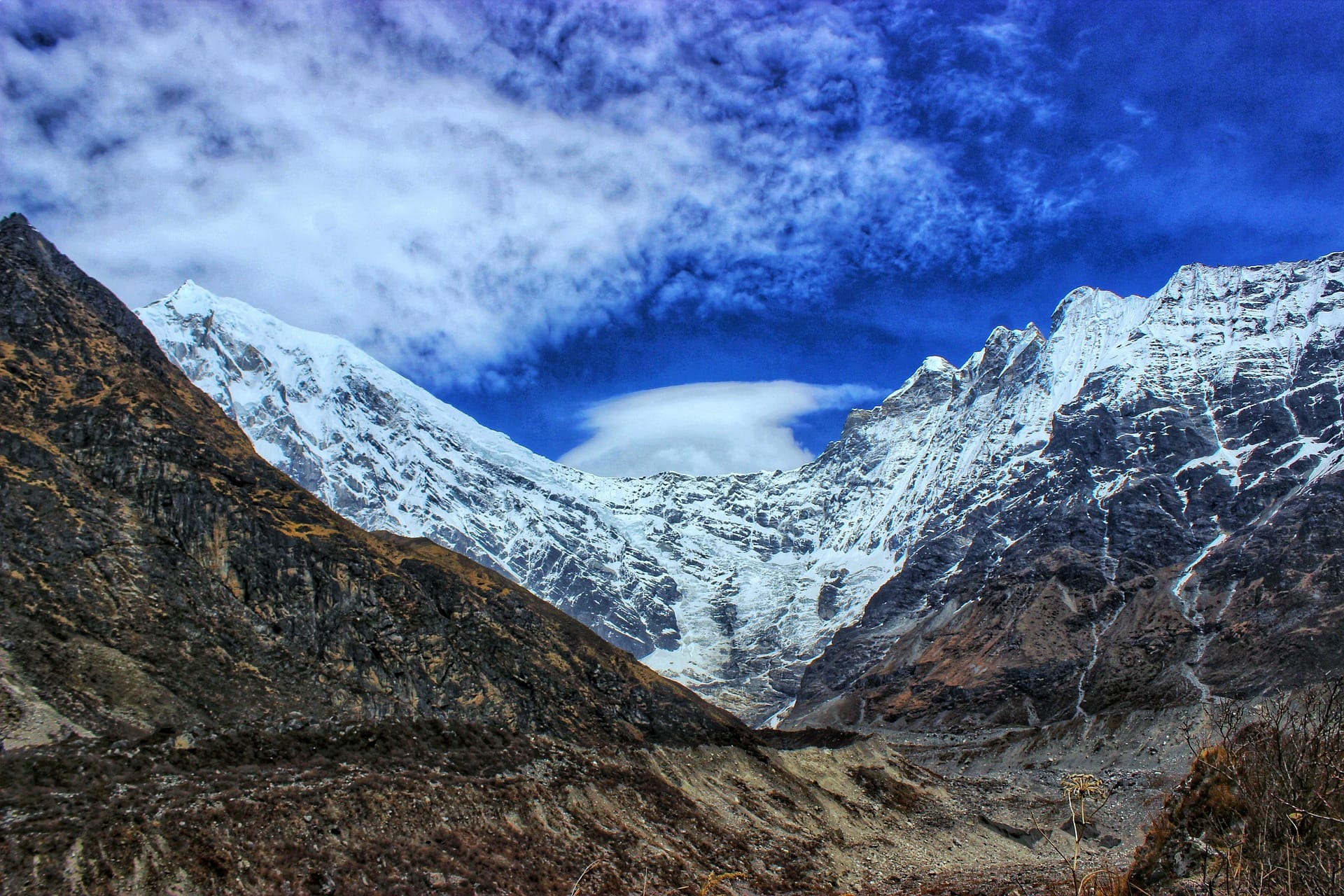
Kathmandu, the capital of Nepal, is one of South Asia’s most fascinating travel destinations. Surrounded by the Himalayan landscape and located in the historic Kathmandu Valley, the city combines ancient temples, Buddhist stupas, royal courtyards, traditional Newari architecture, lively markets, museums, restaurants, monasteries and modern urban life. For travelers searching for the best places to visit in Kathmandu, Nepal, the city offers an extraordinary mixture of history, religion, culture and adventure.
Kathmandu is much more than simply a gateway to Mount Everest and the Himalayan trekking routes. The capital itself contains an enormous concentration of cultural heritage. UNESCO recognizes the Kathmandu Valley as a World Heritage property consisting of seven monument zones, including Kathmandu Durbar Square, Swayambhunath, Boudhanath, Pashupatinath, Patan Durbar Square, Bhaktapur Durbar Square and Changu Narayan. UNESCO explains that these sites demonstrate exceptional architectural and artistic achievements and the distinctive cultural traditions of the Kathmandu Valley.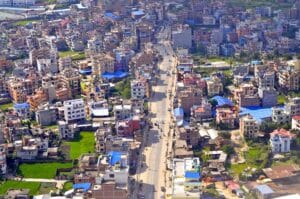
The city is particularly remarkable because Hindu and Buddhist traditions have developed alongside each other for centuries. Temples, stupas, monasteries, shrines and religious festivals are deeply integrated into everyday life. Nepal Tourism Board notes the coexistence of Hindu and Buddhist traditions throughout Kathmandu Valley and identifies Pashupatinath, Swayambhunath and Boudhanath among the valley’s major pilgrimage destinations.
A visit to Kathmandu can therefore be relaxing, spiritual, educational, adventurous or simply fascinating. Travelers can begin the morning at an ancient temple, walk through a historic bazaar, visit a museum, explore a Buddhist monastery, enjoy traditional Nepali food and finish the day watching the sunset from a hill overlooking the Kathmandu Valley.
Kathmandu Durbar Square: The Historic Heart of the Capital
Kathmandu Durbar Square, also known as Hanuman Dhoka Durbar Square and Basantapur Durbar Square, is one of the most important places to visit in Kathmandu. Located in the heart of the historic city, the square contains an extraordinary concentration of palaces, courtyards, temples and traditional buildings.
Nepal Tourism Board describes Kathmandu Durbar Square as a heritage site in the heart of the city and notes that the area contains numerous palaces, courtyards and temples. The organization also describes the square as having more than 50 temples in and around the complex, reflecting the extraordinary density of religious and architectural heritage.
Walking through Kathmandu Durbar Square provides an immediate introduction to the history of the Kathmandu Valley. Intricately carved wooden windows, pagoda-style temples, stone sculptures and historic palace courtyards reveal the exceptional craftsmanship associated with the Newar civilization.
The square was historically a political, religious and social center. The palace complex was associated with Nepalese royalty, while the surrounding temples served religious communities.
For travelers interested in Kathmandu history, Nepal architecture and UNESCO World Heritage Sites, Kathmandu Durbar Square should be one of the first destinations on the itinerary.
Hanuman Dhoka Palace
Hanuman Dhoka Palace forms an important part of Kathmandu Durbar Square and represents the historic royal center of Kathmandu.
The palace complex developed over different periods, with substantial expansion during the Malla era. Its buildings and courtyards reveal how the royal and religious institutions of historic Kathmandu were interconnected.
Visitors can explore courtyards, historic structures and museum spaces that provide insight into Nepal’s royal history.
The palace is particularly valuable for travelers who want to understand Kathmandu beyond its temples. The complex demonstrates that the city was not simply a religious center but also a political capital where rulers, artists, priests, merchants and craftsmen shaped the development of the Kathmandu Valley.
Kumari Ghar: Home of the Living Goddess
Kumari Ghar is one of the most unusual and culturally significant attractions in Kathmandu Durbar Square.
The building is associated with the Kumari, traditionally known as the Living Goddess of Kathmandu. The Kumari tradition is deeply connected with Newar culture and religious practices in the Kathmandu Valley.
The building itself is an architectural attraction, featuring beautifully carved wooden windows and traditional courtyard design.
Visitors should approach the site respectfully because it remains an active religious and cultural institution rather than simply being a museum.
The Kumari tradition also illustrates the way Hindu and Buddhist traditions have historically interacted in Nepal.
Taleju Temple and Kathmandu’s Religious Heritage
Taleju Temple is one of the major religious monuments associated with Kathmandu Durbar Square.
The temple is dedicated to Taleju Bhawani and is closely connected with the Malla royal tradition.
Its architecture contributes significantly to the visual character of the square.
Some religious areas in Nepal have restrictions regarding access, photography and participation, so travelers should follow posted instructions and local guidance.
Understanding these restrictions is part of responsible cultural tourism in Kathmandu.
Swayambhunath Stupa: The Famous Monkey Temple
Swayambhunath Stupa is one of the most famous attractions in Kathmandu and one of the essential places to visit for first-time travelers.
Located on a hill overlooking the Kathmandu Valley, Swayambhunath is one of Nepal’s most important Buddhist monuments.
Nepal Tourism Board identifies Swayambhunath as a UNESCO World Heritage Site and describes it as one of the most eminent Buddhist monuments in Nepal. The site is also popularly known as the Monkey Temple because monkeys are commonly seen around the complex.
The climb toward the stupa provides a memorable introduction to the site. Stone steps lead visitors upward toward the religious complex, where prayer flags, Buddhist shrines, sculptures and the great white stupa create a distinctive Himalayan spiritual atmosphere.
The panoramic view from the hill is another reason to visit. Looking across Kathmandu from Swayambhunath provides a useful perspective on the scale of the valley and the dense urban environment.
The Buddha Eyes of Swayambhunath
One of the most recognizable features of Swayambhunath is the pair of Buddha eyes painted on the stupa.
The eyes represent the Buddha’s awareness and presence and have become one of the most recognizable symbols of Nepal.
Above the eyes is another symbol traditionally associated with Buddhist wisdom, while the overall structure represents an important part of Himalayan Buddhist architecture.
For photographers, the stupa’s combination of golden details, white architecture, prayer flags and surrounding hills creates some of the most recognizable images of Kathmandu.
Swayambhunath at Sunrise
Swayambhunath can be especially atmospheric in the early morning.
At sunrise, the changing light illuminates the stupa and surrounding hills while pilgrims and local worshippers begin their daily religious activities.
Morning visits can also be more peaceful than the busiest parts of the day.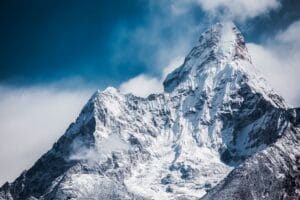
Travelers interested in photography should consider arriving early, particularly if they want wide views over Kathmandu without the strongest midday haze.
Boudhanath Stupa: The Spiritual Center of Tibetan Buddhism
Boudhanath, also known as Boudha or Boudhanath Stupa, is another essential attraction in Kathmandu.
The enormous white dome and golden spire make Boudhanath one of the most recognizable landmarks in Nepal.
Nepal Tourism Board describes Boudhanath as the largest stupa in the Kathmandu Valley and a major center of Tibetan Buddhism.
The stupa is surrounded by monasteries, prayer wheels, shops, restaurants and cafés.
Walking clockwise around the stupa is an important part of the traditional pilgrimage experience. Visitors can observe worshippers turning prayer wheels, making offerings and reciting prayers.
The atmosphere around Boudhanath is particularly distinctive in the early morning and evening.
Boudhanath and Tibetan Buddhist Culture
Boudhanath is more than an architectural attraction. It is an active center of Tibetan Buddhist culture.
The surrounding neighborhood contains monasteries representing different Tibetan Buddhist traditions.
Visitors can observe monks, prayer flags, butter lamps and other elements of Buddhist religious practice.
Travelers should behave respectfully, particularly when entering monasteries or taking photographs.
Boudhanath is one of the best places in Kathmandu to learn about the continuing relationship between Nepal and Tibetan Buddhist culture.
Boudhanath at Sunset
Sunset is an especially attractive time to visit Boudhanath.
As daylight fades, the white dome takes on warmer colors and the surrounding buildings become illuminated.
The rooftop cafés around the stupa provide places to sit and observe the activity below.
For travelers looking for the best places to visit in Kathmandu at sunset, Boudhanath is an excellent option.
Pashupatinath Temple: One of Nepal’s Most Sacred Sites
Pashupatinath Temple is one of the most important religious destinations in Kathmandu and one of the most sacred Hindu temple complexes in Nepal.
Located beside the Bagmati River, the complex includes temples, shrines, monasteries, sculptures, inscriptions and religious spaces that developed over centuries.
Nepal Tourism Board identifies Pashupatinath as one of Nepal’s most revered Hindu temples and one of the Kathmandu Valley’s UNESCO monument zones.
The main temple has distinctive pagoda architecture with a richly decorated roof and important religious objects.
Non-Hindu visitors cannot enter the principal temple building, but designated viewpoints across the river provide opportunities to observe parts of the complex and its religious activities.
Visitors should carefully follow photography and access rules because Pashupatinath is an active sacred site rather than a conventional tourist attraction.
Bagmati River and Pashupatinath
The Bagmati River plays an important role in the religious life of Pashupatinath.
The river is considered sacred and is closely associated with Hindu rituals.
The ghats along the river are therefore an important part of the cultural landscape.
Travelers should approach these areas respectfully because ceremonies can involve deeply personal and religious moments.
Photography should never take priority over cultural sensitivity.
Pashupatinath During Maha Shivaratri
Maha Shivaratri is one of the most important festivals associated with Pashupatinath.
During the festival, large numbers of pilgrims visit the temple complex to honor Lord Shiva.
The atmosphere becomes dramatically different from an ordinary day, with religious ceremonies, pilgrims, ascetics and cultural activities throughout the area.
Travelers planning to visit during major festivals should expect much larger crowds and should check current local information before traveling.
Garden of Dreams: A Peaceful Escape in Central Kathmandu
The Garden of Dreams is one of the best places to visit in Kathmandu for travelers who want a peaceful break from the city’s busy streets.
Located near the Thamel area, this historic garden provides landscaped spaces, fountains, pavilions and quiet places to relax.
The garden offers a completely different experience from the crowded markets and religious monuments of central Kathmandu.
It is particularly attractive for couples, photographers and travelers who want a slower afternoon.
Thamel: Kathmandu’s Famous Tourist Neighborhood
Thamel is one of the best-known neighborhoods in Kathmandu and an important base for international travelers.
The district contains hotels, guesthouses, restaurants, cafés, trekking shops, souvenir stores, travel agencies and nightlife venues.
Thamel has long served as a center for travelers preparing for Himalayan adventures.
Although it is highly tourist-oriented, the neighborhood remains useful because of its concentration of accommodation and travel services.
For first-time visitors, staying in or near Thamel can make it easier to organize city sightseeing and prepare for trips to other parts of Nepal.
Thamel for Shopping
Thamel is particularly popular for shopping.
Travelers can find trekking equipment, outdoor clothing, handicrafts, prayer flags, textiles, singing bowls, traditional objects and souvenirs.
However, shoppers should compare prices and quality before making purchases.
Authentic Nepalese handicrafts can make meaningful souvenirs, but travelers should also be aware of restrictions concerning antiquities and culturally protected objects.
Thamel Food and Restaurants
Thamel is one of the easiest places in Kathmandu to experience the city’s international food culture.
Restaurants serve Nepali, Tibetan, Indian, Asian and international cuisines.
Travelers should also use Thamel as an opportunity to try traditional Nepali dishes rather than limiting themselves to familiar international food.
Dal bhat, momos, thukpa, Newari dishes and traditional snacks are widely available in Kathmandu.
Asan Market: Experience Everyday Kathmandu
Asan is one of the best places to visit in Kathmandu for travelers who want to experience a traditional market environment.
Nepal Tourism Board describes Asan as one of the historic market areas of Kathmandu and notes its importance as a shopping center.
The market contains shops selling spices, vegetables, household goods, clothing and other products.
Walking through Asan reveals a much more everyday side of Kathmandu than the polished tourist environment of some attractions.
The sounds, smells, colors and movement of the market make it particularly interesting for photographers and travelers who enjoy urban exploration.
Indra Chowk: A Historic Kathmandu Market
Indra Chowk is another lively traditional market area in central Kathmandu.
The square and surrounding streets are associated with commerce, temples and historic urban life.
The Akash Bhairav Temple is located in this area, adding a religious dimension to the busy market environment.
Indra Chowk is particularly interesting because commerce and religious life coexist in a very concentrated urban setting.
Akash Bhairav Temple
Akash Bhairav Temple is a historic temple associated with a manifestation of Lord Shiva.
Nepal Tourism Board describes the temple as a multi-storey pagoda-style building located in the main market area around Indra Chowk.
The temple’s traditional architecture provides another example of Kathmandu’s distinctive combination of religious activity and urban commerce.
Kathmandu’s Newari Architecture
Newari architecture is one of the defining characteristics of Kathmandu.
Traditional Newari buildings often feature brick facades, intricately carved wooden windows, decorative doors and tiled roofs.
The craftsmanship is especially visible in the historic squares, temples and residential neighborhoods.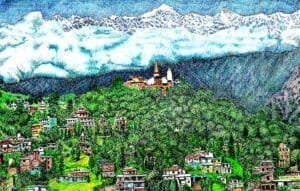
UNESCO emphasizes the exceptional craftsmanship in brick, stone, timber and bronze associated with the Newar cultural tradition of the Kathmandu Valley.
For architecture enthusiasts, Kathmandu offers an opportunity to study this tradition directly through walking.
Patan Durbar Square: A Cultural Day Trip from Kathmandu
Although technically located in Lalitpur rather than central Kathmandu, Patan Durbar Square is one of the most important places to visit when staying in Kathmandu.
The historic city of Patan, also called Lalitpur, forms part of the Kathmandu Valley’s UNESCO World Heritage property.
Patan is famous for its temples, courtyards, palace architecture and traditional Newari craftsmanship.
Nepal Tourism Board includes Patan Durbar Square among the valley’s major UNESCO heritage destinations.
The square is particularly rewarding for travelers interested in architecture and traditional arts.
Krishna Mandir in Patan
Krishna Mandir is one of the best-known temples in Patan Durbar Square.
Its stone construction and distinctive architectural form make it visually different from the traditional brick-and-timber pagoda structures found throughout the valley.
The temple is dedicated to Lord Krishna and is an important religious landmark.
Visitors should observe local rules concerning access and photography.
Golden Temple of Patan
The Golden Temple, also known as Hiranya Varna Mahavihar, is an important Buddhist monastery in Patan.
The complex contains richly decorated Buddhist architecture and is an excellent example of the continuing relationship between Buddhism and Newar culture.
A visit to the Golden Temple can be combined with Patan Durbar Square and the surrounding traditional streets.
Bhaktapur Durbar Square: Another Historic City Near Kathmandu
Bhaktapur is another essential destination for travelers staying in Kathmandu.
The historic city was one of the three major kingdoms of the Kathmandu Valley before Nepal’s unification.
Bhaktapur Durbar Square is part of the Kathmandu Valley UNESCO World Heritage property and is famous for its traditional architecture, temples, courtyards and cultural heritage.
The city is particularly attractive because much of the historic environment remains pedestrian-friendly.
Nyatapola Temple in Bhaktapur
Nyatapola Temple is one of the most recognizable temples in Bhaktapur.
Its five-storey pagoda structure rises dramatically above Taumadhi Square.
The temple demonstrates the engineering and artistic traditions of the Newar builders.
The surrounding square is also a fascinating place to observe traditional urban life.
Bhaktapur Pottery Square
Pottery Square is one of Bhaktapur’s most interesting cultural attractions.
Traditional pottery production continues in the area, and visitors can observe artisans working with clay.
The experience provides an opportunity to see traditional craftsmanship rather than simply viewing finished museum objects.
For travelers interested in local culture and handmade products, Pottery Square is particularly worthwhile.
Changu Narayan Temple
Changu Narayan is another UNESCO monument zone within the Kathmandu Valley.
The temple complex is located on a hill outside the main urban area and is associated with Vishnu.
UNESCO identifies Changu Narayan as one of the seven monument zones that make up the Kathmandu Valley World Heritage property.
The site is particularly interesting for travelers who want to see historic architecture in a less urban setting.
Kirtipur: A Historic Town Near Kathmandu
Kirtipur is an excellent destination for travelers who want to explore a historic settlement beyond the main tourist routes.
The hilltop town contains traditional Newari architecture, temples, courtyards and narrow streets.
Kirtipur also provides panoramic views over parts of Kathmandu Valley.
Because it is close to the capital, Kirtipur can be included as a half-day or full-day excursion depending on the itinerary.
Chandragiri Hills: Mountain Views Near Kathmandu
Chandragiri Hills is one of the most popular mountain-view destinations near Kathmandu.
The hill provides broad views toward the Himalayan range on clear days.
A cable car connects the lower area with the hilltop, making the attraction accessible to travelers who do not want a demanding hike.
The hilltop also contains religious and recreational attractions.
For visitors who want to experience a Himalayan landscape without undertaking a multi-day trek, Chandragiri can be an attractive option.
Nagarkot: Sunrise and Himalayan Views
Nagarkot is another popular destination for travelers based in Kathmandu.
Located outside the city, the hill station is known for panoramic Himalayan views and sunrise experiences.
On clear mornings, visitors may see ranges extending across the northern horizon.
Weather conditions are crucial, however. Mountain visibility can change dramatically depending on season, cloud cover and atmospheric conditions.
Nagarkot is therefore best treated as a scenic experience rather than a guaranteed mountain-view destination.
Shivapuri Nagarjun National Park
Shivapuri Nagarjun National Park provides an opportunity to experience forest landscapes near Kathmandu.
The protected area is important for biodiversity and offers hiking opportunities.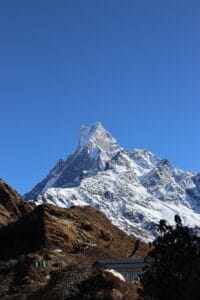
Visitors should follow park rules and use appropriate guides or established routes when necessary.
The park demonstrates how quickly Kathmandu’s dense urban environment can transition into forested mountain landscapes.
Balaju Garden
Balaju Garden is a green recreational area located northwest of central Kathmandu.
Nepal Tourism Board describes the area as a quiet park beneath Nagarjun Hill and highlights its historic stone water spouts.
The garden provides a relaxing alternative to the busy streets of central Kathmandu.
It can also serve as a starting point for exploring the hills farther north.
Nagarjun Hill
Nagarjun Hill provides hiking opportunities close to Kathmandu.
The forested landscape offers a change from the city’s dense urban environment.
According to Nepal Tourism Board information, the summit area provides views over the Kathmandu Valley and surrounding Himalayan peaks under favorable conditions.
Nagarjun is therefore an appealing option for travelers who want a short nature excursion without leaving the Kathmandu area for an extended trip.
Kathmandu for Spiritual Travelers
Kathmandu is one of the world’s most interesting destinations for travelers interested in spirituality and religious heritage.
Hindu temples and Buddhist stupas exist throughout the city and valley.
Pashupatinath represents one of the most important Hindu pilgrimage traditions, while Swayambhunath and Boudhanath are major Buddhist sites.
Nepal Tourism Board emphasizes the coexistence of Hindu and Buddhist traditions in Kathmandu Valley.
Travelers should remember that these are living religious traditions, not simply historic attractions.
Kathmandu for History Lovers
History is one of Kathmandu’s greatest attractions.
The city’s story includes ancient settlements, the Malla kingdoms, the Shah dynasty, the development of modern Nepal and the country’s continuing cultural evolution.
The Kathmandu Valley’s World Heritage designation demonstrates the international importance of its architectural and cultural heritage.
UNESCO states that the valley’s cultural traditions and architecture reached a particularly important period of development between approximately 1500 and 1800.
Kathmandu for Architecture Lovers
Kathmandu is an extraordinary destination for architecture enthusiasts.
The city offers pagoda temples, Buddhist stupas, palace courtyards, stone temples, carved wooden windows, traditional brick houses and modern urban structures.
The combination of Hindu and Buddhist architectural traditions creates a visual identity that is difficult to reproduce elsewhere.
A walking tour through Kathmandu’s historic districts can therefore function almost like an open-air architecture museum.
Kathmandu for Food Lovers
Kathmandu provides one of the best opportunities to discover Nepali cuisine.
Dal bhat is one of the country’s most important everyday meals, while momos have become one of the most recognizable foods associated with Nepal.
Travelers should also explore Newari cuisine, which has a particularly rich tradition in Kathmandu Valley.
Newari food can include dishes based on buffalo meat, lentils, fermented foods, vegetables, grains and traditional spices.
Markets, family-run restaurants and modern cafés all contribute to Kathmandu’s diverse food culture.
Traditional Newari Food in Kathmandu
Newari cuisine is one of the most important culinary traditions to explore in Kathmandu.
The Newar community has developed a sophisticated food culture with numerous dishes associated with festivals, family gatherings and religious traditions.
Travelers can find Newari restaurants throughout Kathmandu and particularly in areas connected with traditional Newar settlements.
Trying Newari cuisine adds an important cultural dimension to a Kathmandu trip because food reveals aspects of local heritage that may not be immediately visible in monuments.
Kathmandu for Shopping
Kathmandu is famous for handicrafts and traditional products.
Visitors can find prayer flags, singing bowls, textiles, handmade paper, wood carvings, metalwork, paintings, jewelry and trekking equipment.
Thamel is convenient for tourist shopping, while traditional markets such as Asan and Indra Chowk provide a more local shopping experience.
Travelers purchasing antiques or culturally significant objects should be particularly careful about provenance and export restrictions.
Kathmandu for Adventure Travelers
Kathmandu is one of the world’s major gateways to Himalayan adventure.
Trekkers often use the capital as a starting point for journeys toward Everest, Annapurna, Langtang and other mountain regions.
The city itself also provides opportunities for hiking, cycling, rafting excursions and mountain-view trips.
Nepal Tourism Board lists destinations including Everest, Annapurna, Chitwan, Pokhara and Kathmandu among the country’s major travel highlights.
Kathmandu as the Gateway to Everest
Many international visitors arrive in Kathmandu before traveling toward the Everest region.
Although Mount Everest is not located within Kathmandu, the capital plays an important role in organizing Himalayan expeditions and trekking journeys.
Travelers can use their time in Kathmandu to explore the city’s cultural heritage before beginning a mountain adventure.
This combination of cultural tourism and Himalayan adventure is one of the major reasons Kathmandu has such an important role in Nepal’s tourism industry.
Kathmandu for Families
Kathmandu can be an exciting destination for families because children can experience temples, markets, animals, crafts, parks and mountain landscapes within a relatively small geographical area.
Families should balance cultural sightseeing with outdoor experiences.
A visit to Swayambhunath, for example, can be followed by time in a garden or market.
Short excursions to places such as Chandragiri Hills or Nagarkot can also provide a change of environment.
Kathmandu for Couples
Kathmandu can also be an interesting destination for couples.
Walking through the historic Old Town, visiting peaceful gardens, watching sunset from a hill, exploring Boudhanath and enjoying traditional Nepali food can create a memorable trip.
The city’s mixture of spirituality, architecture and Himalayan scenery gives couples many opportunities for cultural and scenic experiences.
Kathmandu for Photographers
Kathmandu is a dream destination for photographers.
The city’s historic temples, prayer flags, courtyards, markets, religious ceremonies, mountains, narrow streets and colorful architecture provide endless subjects.
Swayambhunath offers panoramic views, Boudhanath provides iconic stupa photography, while Kathmandu Durbar Square provides architectural details.
Early mornings are particularly valuable because the light is softer and streets can be less crowded.
Official Tourism Information for Kathmandu
Travel information can change because of weather, festivals, restoration work, transportation conditions and local regulations.
For this reason, travelers should verify important details through official tourism sources before visiting.
The Nepal Tourism Board is Nepal’s national tourism organization and provides information about Kathmandu, Kathmandu Valley, UNESCO World Heritage Sites, trekking destinations and other tourism experiences.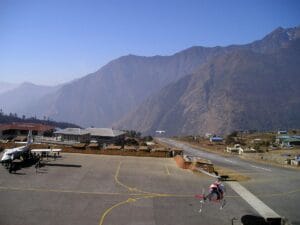
The official UNESCO World Heritage Centre provides authoritative information about Kathmandu Valley’s World Heritage status and conservation.
Conclusion
Kathmandu is one of the most culturally fascinating cities in Asia.
The best places to visit in Kathmandu, Nepal include ancient temples, Buddhist stupas, royal squares, traditional markets, museums, gardens, historic neighborhoods and spectacular viewpoints.
Kathmandu Durbar Square provides the perfect introduction to the city’s royal and architectural history. Its temples, palace courtyards and carved wooden structures demonstrate the remarkable craftsmanship of the Kathmandu Valley.
Swayambhunath offers a combination of Buddhist spirituality, panoramic scenery and historic architecture. Its hilltop position makes it one of the best places to see Kathmandu from above.
Nepal Tourism Board — Official Tourism Website
Nepal Tourism Board — Places to Go
Nepal Tourism Board — Kathmandu Durbar Square
Nepal Tourism Board — Kathmandu Valley Destinations
Author

Related posts
Best Places to Visit in Dinant
- 0
- 4,779 words
Best Places to Visit in Dinant, Belgium Dinant is one of the most beautiful small towns in Belgium and one of the...
Read out all
Best Places to Visit in Mont-Saint-Michel
- 0
- 4,964 words
Best Places to Visit in Mont-Saint-Michel , France Mont-Saint-Michel is one of the most extraordinary destinations in France and one of the...
Read out all
UNGA
- 0
- 5,649 words
UNGA (United Nations General Assembly ) The United Nations General Assembly, commonly known as the UN General Assembly or UNGA, is one...
Read out all
Best Places to Visit in Vilnius
- 0
- 5,246 words
Best Places to Visit in Vilnius , Lithuania Vilnius, the capital of Lithuania, is one of the most fascinating destinations in the...
Read out all
Best Places to Visit in Riga
- 0
- 6,005 words
Best Places to Visit in Riga , Latvia Riga, the capital of Latvia, is one of the most fascinating destinations in the...
Read out all
Best Places to Visit in Cartagena
- 0
- 4,522 words
Best Places to Visit in Cartagena , Colombia Cartagena de Indias is a historic Caribbean city on Colombia’s northern coast and one...
Read out all