
Best Things to Do in São Paulo , Brazil
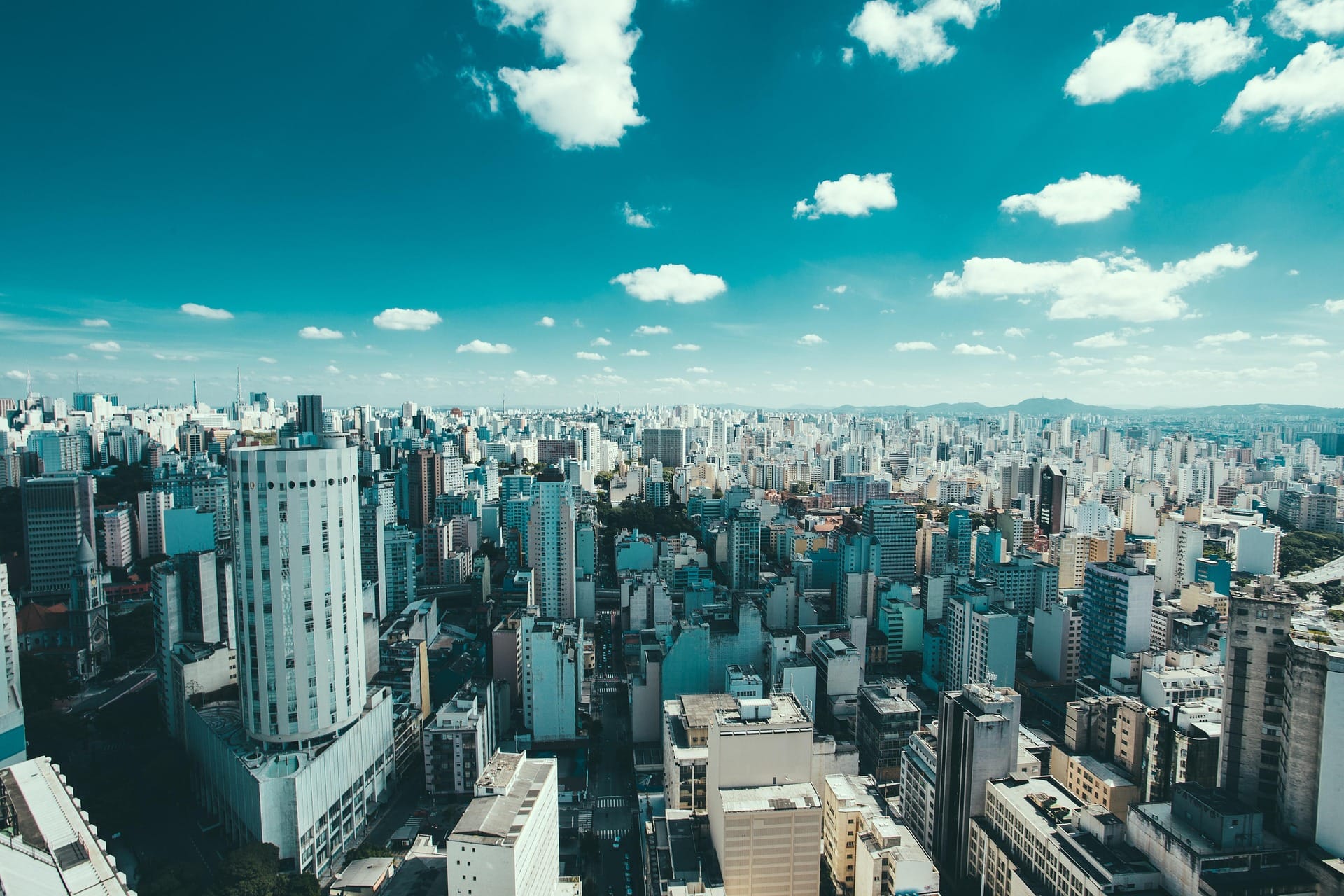
São Paulo is one of the most fascinating cities in Brazil and one of the most culturally diverse destinations in South America. Often described simply as São Paulo, Sampa, or São Paulo city, this enormous metropolis combines art, architecture, gastronomy, nightlife, shopping, history, green spaces, music, immigrant cultures, and an energetic urban lifestyle that is difficult to experience anywhere else.
For travelers searching for the best things to do in São Paulo, Brazil, the city offers far more than a quick stop between flights. São Paulo is a destination where you can spend the morning exploring historic streets in the city center, the afternoon viewing masterpieces at MASP on Avenida Paulista, the evening eating Japanese-Brazilian cuisine in Liberdade, and the night discovering live music or São Paulo nightlife in Vila Madalena.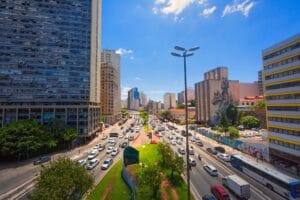
The city is also much larger and more diverse than many first-time visitors expect. Different neighborhoods have completely different personalities, from the cultural institutions of Avenida Paulista and the historic architecture of Centro Histórico to the street art of Vila Madalena, the Japanese-Brazilian heritage of Liberdade, the sophisticated restaurants of Jardins, and the expansive green landscapes of Ibirapuera Park.
The official tourism organization describes São Paulo as a multicultural metropolis with an enormous cultural and culinary offering. Its tourism material highlights more than 100 museums, hundreds of cinemas and libraries, numerous cultural centers, theaters, restaurants and bars, demonstrating the sheer scale of things to see and do in the city.
Whether you are planning a weekend in São Paulo, a longer Brazil itinerary, a business trip with extra sightseeing time, or your first visit to South America, this guide explores the best attractions, neighborhoods, museums, parks, markets, food experiences, viewpoints, cultural activities, nightlife and travel experiences in São Paulo, Brazil.
Why São Paulo Is Worth Visiting
São Paulo is sometimes overlooked by travelers who associate Brazil primarily with Rio de Janeiro, beaches, tropical landscapes and Carnival. Yet São Paulo offers a completely different side of the country. It is Brazil’s great urban cultural capital, a place where different immigrant communities, Brazilian traditions, contemporary art, architecture and gastronomy have developed together over generations.
The city has particularly strong Portuguese, Italian, Japanese, Arab, Jewish and many other cultural influences. This diversity can be experienced through neighborhoods, restaurants, markets, festivals, religious buildings and everyday street life.
São Paulo is also one of the world’s great food cities. Visitors can find traditional Brazilian cuisine alongside Japanese, Italian, Lebanese, Korean, Peruvian, French, Spanish and contemporary restaurants. The city’s enormous restaurant scene means that food lovers could easily build an entire São Paulo itinerary around gastronomy.
The official tourism organization emphasizes the city’s multiculturalism and extensive cultural and culinary infrastructure, describing São Paulo as a metropolis with thousands of restaurants, bars and cultural venues.
Explore Avenida Paulista
Avenida Paulista is one of the best places to begin exploring São Paulo. This enormous avenue represents the modern identity of the city while also serving as one of its most important cultural corridors.
Skyscrapers, museums, cultural centers, bookstores, restaurants, cafés, shopping centers and historic buildings line the avenue. The famous MASP building dominates one of its most recognizable sections, while institutions such as Japan House, SESC Avenida Paulista, Instituto Moreira Salles, Itaú Cultural and Casa das Rosas provide additional reasons to explore the area.
The official São Paulo tourism organization describes Avenida Paulista as a major cultural center and highlights the concentration of museums and cultural institutions along the avenue.
Walking along Avenida Paulista is particularly enjoyable on Sundays and holidays, when sections of the avenue are closed to motor traffic and become a space for pedestrians, cyclists, performers, artists and street activities.
Visit MASP – Museu de Arte de São Paulo
One of the most important attractions in São Paulo is MASP, the Museu de Arte de São Paulo Assis Chateaubriand.
The museum is famous not only for its art collection but also for its extraordinary modernist architecture. The main building is elevated above Avenida Paulista, creating a large open public space beneath it.
Inside, visitors can encounter major works of European, Brazilian and international art. The museum’s location makes it particularly convenient because you can combine a visit to MASP with a wider walking tour of Avenida Paulista.
The official tourism organization lists MASP among the essential attractions along Avenida Paulista.
Museum of Art of São Paulo Assis Chateaubriand is therefore an essential stop for travelers interested in São Paulo museums, Brazilian art, modern architecture and cultural tourism.
Discover Japan House São Paulo
Japan House São Paulo provides another perspective on the city’s multicultural identity.
Located on Avenida Paulista, the cultural center focuses on contemporary Japanese culture, design, art, architecture, gastronomy and innovation.
The attraction is particularly interesting because São Paulo is home to one of the largest Japanese communities outside Japan. Visiting Japan House and then continuing to the Liberdade neighborhood gives travelers a deeper understanding of Japanese-Brazilian culture.
The official São Paulo tourism organization includes Japan House among the important cultural attractions along Avenida Paulista.
Explore SESC Avenida Paulista
SESC Avenida Paulista is another important cultural stop along the avenue.
SESC institutions across Brazil are known for cultural programming, exhibitions, performances, workshops, sports and educational activities. The Avenida Paulista branch adds a contemporary cultural dimension to the neighborhood.
The exact schedule changes throughout the year, so travelers should consult the official programming before visiting.
The official tourism organization has highlighted SESC Avenida Paulista as part of the avenue’s cultural route.
Visit Casa das Rosas
Casa das Rosas provides an interesting contrast to the skyscrapers surrounding Avenida Paulista.
This historic mansion and cultural institution is associated particularly with literature, poetry and cultural programming. Its garden offers a pleasant change from the intensity of the avenue.
The building is also a reminder that Avenida Paulista was historically associated with wealthy coffee-producing families before the avenue developed into the modern business and cultural corridor visible today.
Walk Through Ibirapuera Park
Ibirapuera Park is arguably the most famous green space in São Paulo and one of the best places to escape the intensity of the metropolis.
The park combines lakes, walking paths, lawns, trees, cultural buildings, sculptures, museums and recreational spaces. It is popular with local residents for walking, jogging, cycling, exercising and relaxing.
The official tourism organization highlights Ibirapuera as a major cultural and recreational destination, noting attractions such as the Auditório Ibirapuera, Museu Afro Brasil, Museu de Arte Moderna, OCA and other cultural facilities.
Ibirapuera Park is an excellent destination for travelers who want to combine São Paulo sightseeing with nature and outdoor activities.
Visit the Museu Afro Brasil
Inside the Ibirapuera Park complex, the Museu Afro Brasil explores African and Afro-Brazilian history, culture, art and identity.
The museum offers visitors an opportunity to understand the enormous contribution of African peoples and their descendants to Brazilian society.
A visit is particularly valuable for travelers who want their São Paulo trip to include history and cultural context rather than focusing only on architecture and entertainment.
Explore the Museum of Modern Art
The Museu de Arte Moderna de São Paulo, commonly known as MAM, is another cultural attraction within Ibirapuera Park.
Its exhibitions and collection focus on modern and contemporary art.
The combination of MAM, Museu Afro Brasil, OCA and the surrounding park makes Ibirapuera one of the most useful areas in São Paulo for a full day of culture and outdoor exploration.
See OCA do Ibirapuera
The distinctive OCA is one of the architectural highlights of Ibirapuera Park.
Its rounded form was designed by Oscar Niemeyer, one of Brazil’s most influential architects.
The building frequently hosts exhibitions and cultural events, making it worth checking the current schedule before visiting.
Its architecture also makes it one of the most recognizable photography subjects inside Ibirapuera Park.
Discover São Paulo’s Historic Center
The Historic Center of São Paulo offers a completely different experience from Avenida Paulista.
This is where travelers can explore the city’s origins, historic churches, squares, monuments and early commercial districts.
A walking route through the center can include Praça da Sé, São Paulo Cathedral, Pátio do Colégio, the Municipal Market, Mosteiro de São Bento and other historic landmarks.
The area provides important context for understanding how São Paulo developed from a much smaller settlement into one of the largest metropolitan areas in the world.
Visit São Paulo Cathedral
The Catedral da Sé, or São Paulo Cathedral, is one of the most recognizable religious landmarks in the city.
It stands beside Praça da Sé, an important central square that also marks the traditional geographic heart of São Paulo.
The cathedral’s architecture and enormous interior make it worth visiting even for travelers who are not religious.
The official tourism organization recently included Praça da Sé and the cathedral among its selection of 100 must-see places in São Paulo.
Visit Pátio do Colégio
Pátio do Colégio is closely connected with the origins of São Paulo.
The site commemorates the Jesuit foundation associated with the city’s early history and provides an important historical reference point in the center.
For travelers interested in the history of São Paulo, it is worth combining Pátio do Colégio with Praça da Sé, Mosteiro de São Bento and other central landmarks.
See the Marco Zero of São Paulo
The Marco Zero de São Paulo is located in Praça da Sé and traditionally serves as a reference point for measuring distances from the city center.
It is a relatively small monument, but its location makes it easy to include during a historic-center walking tour.
Visit Mosteiro de São Bento
Mosteiro de São Bento is another important historic and religious site in central São Paulo.
Its architecture, religious artwork and long history make it a worthwhile addition to a city-center itinerary.
Travelers interested in religious heritage can combine the monastery with São Paulo Cathedral and other historic churches.
Explore the Pinacoteca de São Paulo
The Pinacoteca de São Paulo is one of the most important art museums in Brazil.
The museum focuses heavily on Brazilian art and provides an excellent opportunity to understand the country’s artistic development.
The Pinacoteca complex includes multiple buildings, including Pina Luz, Pina Estação and Pina Contemporânea.
The official tourism organization recently highlighted the Pinacoteca’s three-part complex among its 100 important São Paulo locations.
Pinacoteca de São Paulo is particularly recommended for travelers interested in Brazilian art, São Paulo culture and museums.
Explore the Luz Neighborhood
The area around Luz contains several important cultural attractions.
Estação da Luz, Pinacoteca, Museu da Língua Portuguesa and other institutions make this one of the most culturally significant parts of central São Paulo.
The historic railway station itself is an architectural landmark and a popular photography location.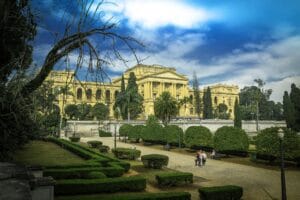
The official tourism organization identifies Estação da Luz as one of the city’s postcard landmarks and an important gateway to nearby museums.
Visit the Museum of the Portuguese Language
Brazil’s Portuguese language is one of the country’s most important cultural characteristics, and the Museu da Língua Portuguesa explores language through interactive exhibitions and historical perspectives.
The museum is located near Estação da Luz, making it convenient to combine with the Pinacoteca and other central attractions.
Explore Mercado Municipal de São Paulo
For food lovers, Mercado Municipal de São Paulo, popularly known as Mercadão, is one of the city’s essential attractions.
The market is filled with colorful fruit stalls, spices, meats, cheeses, seafood, Brazilian ingredients and prepared foods.
It is famous for its enormous mortadella sandwiches and other hearty market dishes.
Mercado Municipal de São Paulo is particularly useful for visitors wanting to experience São Paulo food culture and traditional Brazilian cuisine.
The official tourism organization also identifies the Municipal Market as one of the city’s essential food attractions.
Try the Famous Mortadella Sandwich
One of the classic foods associated with Mercadão is the mortadella sandwich.
The sandwich is substantial, heavily filled and designed more as a meal than a light snack.
Although different stalls and restaurants offer their own interpretations, trying mortadella at the Municipal Market has become a traditional São Paulo tourist experience.
Explore Liberdade
Liberdade is one of the most distinctive neighborhoods in São Paulo.
Known internationally for its Japanese-Brazilian heritage, the neighborhood features Japanese-style street decorations, restaurants, bakeries, shops, markets and cultural businesses.
However, Liberdade should not be understood only as a Japanese neighborhood. Chinese, Korean and other Asian communities have also shaped its contemporary identity.
Visiting Liberdade is one of the best ways to experience São Paulo’s multicultural character.
Eat Japanese-Brazilian Food in Liberdade
Food is one of the best reasons to visit Liberdade.
Travelers can find sushi, ramen, Japanese pastries, izakaya-style dishes, Asian desserts and many Brazilian adaptations of Japanese cuisine.
The neighborhood is especially enjoyable on weekends when markets and streets become more active.
Explore Vila Madalena
Vila Madalena is one of the best neighborhoods in São Paulo for street art, cafés, bars, restaurants, boutiques and nightlife.
The neighborhood is particularly popular with younger residents, artists and visitors.
Walking through Vila Madalena during the day provides opportunities to discover murals, independent shops and cafés, while evenings bring a lively restaurant and bar scene.
See Beco do Batman
Beco do Batman is one of the most famous street-art locations in São Paulo.
The narrow streets are covered with colorful murals and constantly changing graffiti.
Beco do Batman is one of the best places for travelers interested in São Paulo street art, photography and contemporary Brazilian urban culture.
Because murals can change over time, returning to the area on different visits can reveal completely different artwork.
Explore Pinheiros
Pinheiros is one of São Paulo’s most interesting neighborhoods for food, shopping, markets, design and nightlife.
The neighborhood combines traditional streets with contemporary restaurants, specialty coffee shops, independent stores and cultural spaces.
It is particularly easy to combine Pinheiros with Vila Madalena because the neighborhoods are close to each other.
Visit Mercado de Pinheiros
Mercado de Pinheiros is a more neighborhood-oriented market and provides an alternative to the much larger Municipal Market.
It is a useful destination for food travelers interested in Brazilian ingredients, specialty products and contemporary food businesses.
Mercado Municipal de Pinheiros can be combined with a wider Pinheiros and Vila Madalena itinerary.
Discover Jardins
Jardins is one of São Paulo’s most sophisticated neighborhoods.
The area is associated with upscale shopping, international brands, stylish restaurants, cafés, galleries and elegant residential streets.
Travelers interested in luxury shopping and fine dining will find plenty to explore here.
Jardins is also convenient for combining with Avenida Paulista and MASP.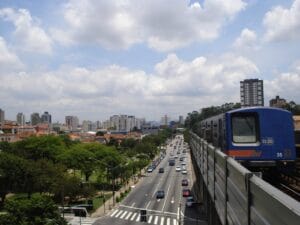
Discover the Museum of Sacred Art
The Museu de Arte Sacra de São Paulo contains religious artworks and objects and is housed in a historic complex in the Luz area.
MAS SP – Museu de Arte Sacra de São Paulo can be incorporated into a cultural itinerary that also includes Pinacoteca and Estação da Luz.
Visit Catavento Museum
Families traveling with children should consider the Catavento Cultural science museum.
The museum uses interactive displays to introduce visitors to science, technology and natural phenomena.
Museu Catavento is particularly useful when planning things to do in São Paulo with kids.
Enjoy São Paulo’s Nightlife
São Paulo has one of the largest and most diverse nightlife scenes in Brazil.
Different neighborhoods offer completely different experiences. Vila Madalena is known for bars and informal nightlife, while Jardins has sophisticated cocktail bars and restaurants. Centro has cultural venues and alternative nightlife, while Vila Olímpia is associated with clubs and entertainment.
There is no single “best” São Paulo nightlife district. The best choice depends on whether you prefer live music, electronic clubs, cocktails, samba, neighborhood bars or late-night restaurants.
Listen to Live Music
São Paulo has a rich live-music scene covering samba, Brazilian popular music, jazz, rock, electronic music, hip-hop and international acts.
The city has numerous concert halls, small clubs, cultural centers and independent venues.
Checking the current events calendar is one of the best ways to discover performances during your visit because programming changes constantly.
Experience Brazilian Samba
Samba is deeply connected with Brazilian cultural identity.
While Rio de Janeiro is globally famous for Carnival samba, São Paulo has its own strong samba traditions.
Visitors interested in local culture should look for samba events, neighborhood rodas de samba and live performances rather than limiting their experience to major tourist shows.
Visit São Paulo’s Football Stadiums
Football is central to Brazilian culture, and São Paulo has several historically important clubs.
Estádio do Morumbi is associated with São Paulo FC, while Allianz Parque is home to Palmeiras.
Neo Química Arena is associated with Corinthians.
If there is a match during your visit, attending a game can become one of the most memorable experiences in São Paulo.
Travelers should purchase tickets through official club or stadium channels and check match schedules before planning.
Explore São Paulo’s Contemporary Architecture
São Paulo is an architectural laboratory.
Historic churches stand near modernist buildings, brutalist structures, contemporary towers and renovated industrial spaces.
Oscar Niemeyer, Lina Bo Bardi and other influential architects left significant marks on the city.
Architecture lovers should explore MASP, Copan, OCA, the Municipal Theatre, SESC Pompeia and other modernist landmarks.
Visit SESC Pompeia
SESC Pompeia is one of São Paulo’s most important examples of adaptive architectural design.
The complex was developed from a former industrial site and transformed into a cultural and recreational center.
The project is strongly associated with architect Lina Bo Bardi.
It demonstrates how São Paulo has repeatedly transformed industrial and urban spaces into cultural destinations.
Discover São Paulo’s Street Markets
São Paulo has numerous street markets where visitors can find food, clothing, crafts, antiques and local products.
Markets are particularly useful for travelers who want to experience everyday city life rather than conventional tourist attractions.
Weekend markets can be especially lively.
Experience São Paulo’s Japanese-Brazilian Culture
The Japanese-Brazilian community is one of the most distinctive cultural influences in São Paulo.
The strongest starting points are Liberdade and Japan House, but the influence extends throughout the city’s food and cultural scenes.
Trying Japanese-Brazilian food, exploring neighborhood businesses and learning about immigration history provides a richer experience than simply taking photographs of the famous red lanterns.
Explore São Paulo’s Arab Heritage
São Paulo also has a large Arab and Middle Eastern community.
This influence is especially visible through Lebanese and Syrian restaurants, bakeries, sweet shops and food markets.
Travelers interested in gastronomy should seek out traditional Middle Eastern dishes such as kibbeh, esfihas, hummus and other regional specialties.
Experience São Paulo’s Cultural Diversity Through Food
One of the easiest ways to understand São Paulo is through its food.
A single day can include a Brazilian breakfast, Japanese lunch in Liberdade, Italian pizza in Bixiga, specialty coffee in Pinheiros and contemporary cocktails in Jardins.
This culinary diversity is one of the reasons São Paulo is frequently regarded as one of Latin America’s great gastronomic destinations.
Best Things to Do in São Paulo for First-Time Visitors
First-time visitors should prioritize experiences that demonstrate the city’s different personalities.
A good introduction begins with Avenida Paulista and MASP, continues through Ibirapuera Park, explores the Historic Center and Municipal Market, and then moves into neighborhoods such as Liberdade, Vila Madalena and Pinheiros.
This combination gives you art, architecture, history, food, nature and contemporary São Paulo culture.
Best Free Things to Do in São Paulo
São Paulo has many experiences that can be enjoyed without paying an admission fee.
Walking Avenida Paulista, exploring neighborhoods, visiting public parks, photographing street art, wandering through historic squares and enjoying the atmosphere of Liberdade are all inexpensive ways to experience the city.
Sunday pedestrian events on Avenida Paulista can be especially enjoyable because the avenue becomes a large public space.
Best Things to Do in São Paulo at Night
São Paulo after dark is a different city.
Avenida Paulista becomes illuminated by skyscrapers and traffic, while neighborhoods such as Vila Madalena and Pinheiros fill with restaurants and bars.
Jardins is ideal for sophisticated dining and cocktails.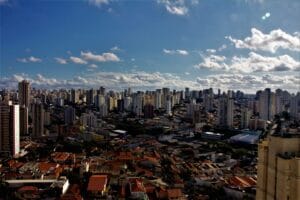
For live music, look for current performances at cultural venues and independent music clubs.
A nighttime walk should always take local conditions and safety advice into account, particularly in unfamiliar parts of the city.
Continue to Ibirapuera Park
After lunch, travel to Ibirapuera Park.
Walk around the lake and explore one of the museums or cultural buildings.
The park provides a welcome contrast to the dense architecture of Paulista.
Finish in Vila Madalena
In the late afternoon, head toward Vila Madalena.
Visit Beco do Batman and explore the surrounding streets.
Stay for dinner and nightlife if you want to experience one of São Paulo’s liveliest neighborhoods.
How to Get Around São Paulo
São Paulo is enormous, so transportation planning is important.
The São Paulo Metro is one of the most useful ways to move between major districts.
Buses provide additional coverage, while ride-hailing services and taxis can be useful for journeys where public transportation is less convenient.
Walking is ideal within individual neighborhoods such as Avenida Paulista, Liberdade, Centro, Vila Madalena and Pinheiros.
Avoid trying to see attractions scattered across the entire metropolitan area in a single day. Grouping nearby attractions together will save considerable time.
Where to Stay in São Paulo
Travelers interested in sightseeing often consider areas such as Avenida Paulista, Jardins, Bela Vista, Pinheiros, Vila Madalena and nearby central neighborhoods.
Paulista is convenient for museums, shopping and transportation.
Jardins is particularly attractive for upscale hotels, restaurants and shopping.
Pinheiros is excellent for food, nightlife and neighborhood atmosphere.
Vila Madalena appeals to travelers who want street art, bars, cafés and creative culture.
The best area ultimately depends on your budget and travel style.
Is São Paulo Safe for Tourists?
São Paulo is a huge metropolitan area, and visitors should use normal big-city precautions.
Keep valuables secure, avoid displaying expensive electronics unnecessarily, remain aware of your surroundings, and research neighborhoods before exploring them at night.
Use reputable transportation services and follow current advice from your accommodation or local tourism professionals.
Safety conditions can vary considerably between neighborhoods, so avoid assuming that the experience in one district applies to the entire city.
Essential São Paulo Travel Tips
São Paulo rewards travelers who plan by neighborhood rather than attempting to cross the city repeatedly.
Public transportation is useful, but rush-hour congestion can make road travel slow.
Portuguese is the primary language, although English is more common in international hotels, major attractions and some restaurants.
Brazilian reais are used for everyday transactions.
Check museum opening hours before visiting because schedules and exhibition programs can change.
Most importantly, leave room in your itinerary for restaurants, cafés and neighborhood exploration. São Paulo is not a city that should be experienced only through a checklist of attractions.
Conclusion
The best things to do in São Paulo, Brazil begin with understanding the city’s cultural heart. Walking Avenida Paulista, visiting MASP, exploring Japan House and discovering the avenue’s cultural institutions provides an introduction to São Paulo’s contemporary identity. The city’s official tourism organization describes Paulista as a major cultural corridor with museums, cultural centers and entertainment venues.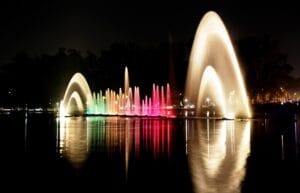
From there, Ibirapuera Park provides a completely different atmosphere. Its lakes, trees, museums, cultural buildings and open spaces demonstrate that São Paulo is not simply a concrete jungle. The park combines nature with major cultural attractions such as MAM, Museu Afro Brasil and OCA.
The Historic Center of São Paulo reveals another side of the city. Praça da Sé, São Paulo Cathedral, Pátio do Colégio, Mosteiro de São Bento, Theatro Municipal and the surrounding streets provide important insight into the city’s origins and development. The official tourism organization included Praça da Sé, Pinacoteca and Estação da Luz among its selection of 100 important places in São Paulo.
Travelers interested in museums have an enormous range of options, including Museum of Art of São Paulo Assis Chateaubriand, Pinacoteca de São Paulo, Museu da Imagem e do Som (MIS), Museu Afro Brasil, MAM and Catavento.
São Paulo is not necessarily a city that reveals itself immediately. It is a city of layers. Its historic center tells one story, its modernist architecture another, its immigrant neighborhoods another, its museums another and its food culture another. The more layers you discover, the more fascinating the city becomes.
For current attractions, cultural programming, events, travel information and official destination guidance, consult the official Visite São Paulo tourism website.
Author

Related posts
Best Places to Visit in Dinant
- 0
- 4,779 words
Best Places to Visit in Dinant, Belgium Dinant is one of the most beautiful small towns in Belgium and one of the...
Read out all
Best Places to Visit in Mont-Saint-Michel
- 0
- 4,964 words
Best Places to Visit in Mont-Saint-Michel , France Mont-Saint-Michel is one of the most extraordinary destinations in France and one of the...
Read out all
UNGA
- 0
- 5,649 words
UNGA (United Nations General Assembly ) The United Nations General Assembly, commonly known as the UN General Assembly or UNGA, is one...
Read out all
Best Places to Visit in Kathmandu
- 0
- 4,089 words
Best Places to Visit in Kathmandu , Nepal Kathmandu, the capital of Nepal, is one of South Asia’s most fascinating travel destinations....
Read out all
Best Places to Visit in Vilnius
- 0
- 5,246 words
Best Places to Visit in Vilnius , Lithuania Vilnius, the capital of Lithuania, is one of the most fascinating destinations in the...
Read out all
Best Places to Visit in Riga
- 0
- 6,005 words
Best Places to Visit in Riga , Latvia Riga, the capital of Latvia, is one of the most fascinating destinations in the...
Read out all