
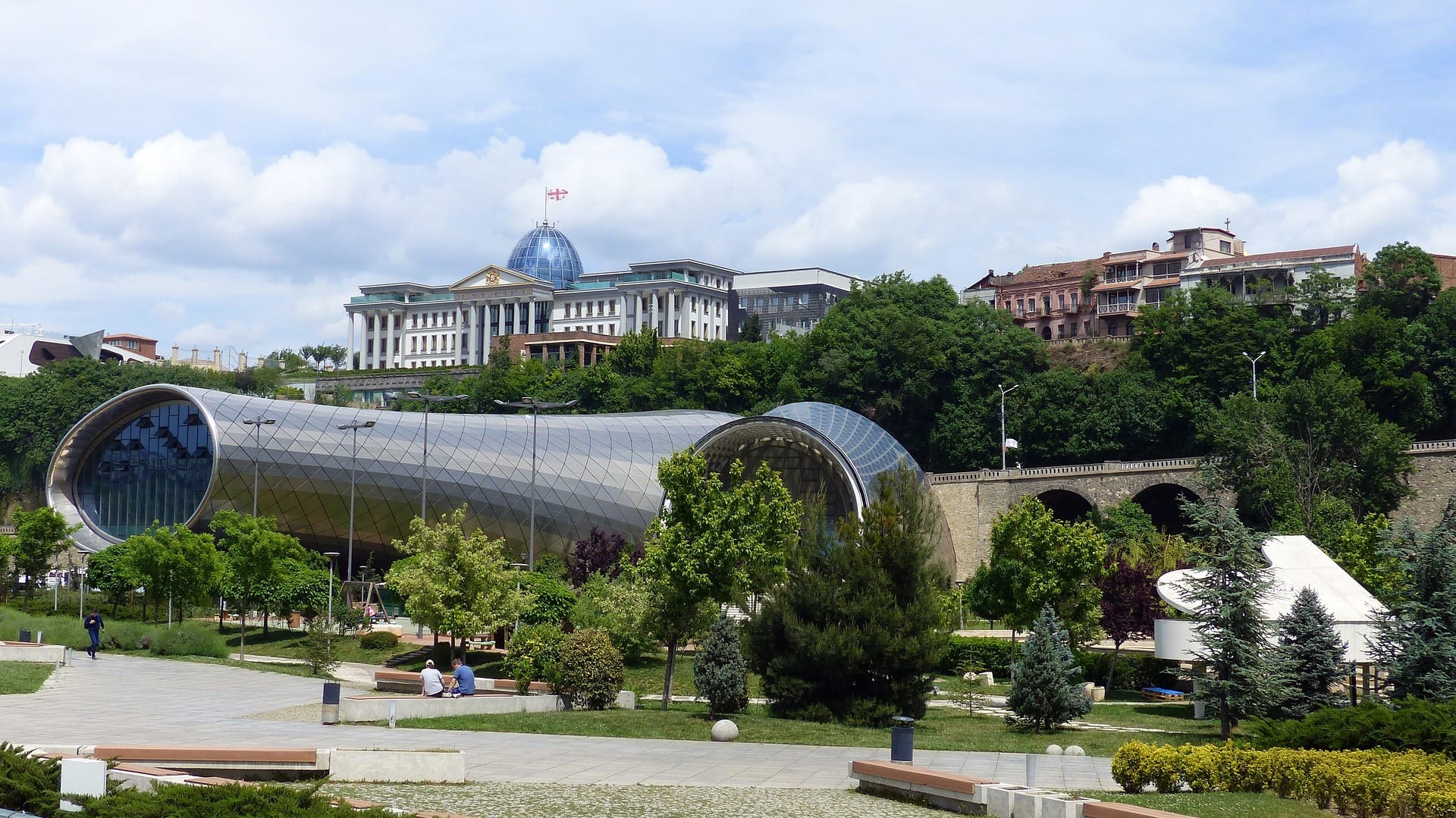
Tbilisi
Tbilisi is the vibrant capital of Georgia and one of Eastern Europe’s most fascinating travel destinations. Situated along the banks of the Mtkvari (Kura) River, Tbilisi is a city where ancient history blends seamlessly with modern architecture, creating a unique atmosphere unlike anywhere else in the world. With its charming Old Town, colorful balconies, historic churches, sulfur baths, lively cafés, and breathtaking hilltop views, Tbilisi attracts travelers seeking culture, history, gastronomy, and authentic local experiences.
Founded more than 1,500 years ago, Tbilisi has served as an important crossroads between Europe and Asia. Throughout its long history, the city has been influenced by Persian, Ottoman, Russian, Byzantine, and Georgian civilizations, creating an extraordinary architectural and cultural heritage.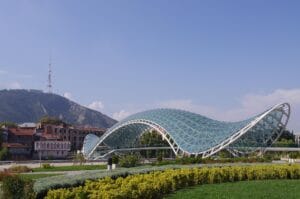
Today, Tbilisi is renowned for its welcoming hospitality, affordable travel experiences, excellent cuisine, growing art scene, and vibrant nightlife. Whether you are interested in history, architecture, photography, food, or wine, Tbilisi offers unforgettable experiences throughout every season.
For official travel information, visit:
Why Is Tbilisi Famous?
Tbilisi is famous for its beautifully preserved Old Town, sulfur baths, medieval churches, hilltop fortresses, traditional Georgian cuisine, and exceptional wine culture.
The city is internationally recognized for its colorful wooden balconies, cobblestone streets, diverse architecture, warm hospitality, and centuries-old history. Tbilisi also serves as the cultural, political, and economic center of Georgia, attracting visitors who wish to experience one of the oldest continuously inhabited cities in the Caucasus region.
Its unique combination of European and Asian influences makes Tbilisi one of the most distinctive capitals in the world.
The History of Tbilisi
The history of Tbilisi dates back to the fifth century when King Vakhtang Gorgasali founded the city.
According to Georgian legend, the king discovered natural hot springs while hunting, inspiring him to establish a settlement in the area. The name “Tbilisi” is derived from the Georgian word meaning “warm,” referring to these famous sulfur springs.
Over the centuries, Tbilisi became an important trading center along the historic Silk Road. The city experienced periods of prosperity as well as invasions by numerous empires, each contributing to its remarkable cultural diversity.
Today, visitors can still see architectural influences from many different historical periods throughout the city.
Explore Old Tbilisi
The historic Old Tbilisi is the heart and soul of the city.
Walking through its narrow cobblestone streets reveals colorful houses with ornate wooden balconies, charming cafés, boutique hotels, artisan workshops, and centuries-old churches. Every corner offers opportunities to discover hidden courtyards, traditional architecture, and beautiful viewpoints overlooking the city.
Old Tbilisi perfectly preserves the city’s rich heritage while remaining a lively neighborhood filled with restaurants, galleries, and local markets.
Exploring this historic district on foot is one of the best ways to experience the authentic character of Tbilisi.
Visit Narikala Fortress
Towering above the city is Narikala Fortress, one of Georgia’s most iconic landmarks.
Originally constructed during the fourth century, the fortress has witnessed nearly every chapter of Tbilisi’s history. Although partially restored, the ancient walls continue to provide spectacular panoramic views of the city, the Mtkvari River, and surrounding mountains.
Visitors can reach the fortress by hiking or riding the cable car, making it one of Tbilisi’s most rewarding sightseeing experiences.
Sunset is especially popular, as the city’s historic buildings and modern skyline become beautifully illuminated.
Visit the Holy Trinity Cathedral
Holy Trinity Cathedral of Tbilisi, commonly known as Sameba Cathedral, is one of the largest Orthodox churches in the world.
Completed in the early twenty-first century, the cathedral combines traditional Georgian architectural elements with modern engineering. Its impressive golden dome dominates the city’s skyline and can be seen from many locations throughout Tbilisi.
Visitors are welcomed into a peaceful interior featuring magnificent frescoes, religious artwork, and elegant stone architecture that reflects Georgia’s strong Christian heritage.
Experience the Famous Sulfur Baths
One of Tbilisi’s most unique attractions is its historic sulfur bath district.
Natural hot sulfur springs have attracted visitors for centuries, providing both relaxation and therapeutic benefits. Traditional bathhouses feature beautifully decorated interiors where visitors can enjoy warm mineral-rich waters in a peaceful atmosphere.
These baths played a central role in the city’s development and continue to represent one of Tbilisi’s most distinctive cultural traditions.
Experiencing a sulfur bath remains an essential part of visiting Georgia’s capital.
Discover Georgian Cuisine
Tbilisi offers one of the finest culinary experiences in the Caucasus.
Georgian cuisine combines fresh ingredients, aromatic herbs, handmade breads, grilled meats, cheeses, walnuts, vegetables, and flavorful spices to create dishes unlike any other in the world.
Traditional restaurants throughout Tbilisi serve authentic recipes passed down through generations while modern establishments introduce creative interpretations of classic Georgian flavors.
Dining in Tbilisi reflects the country’s legendary hospitality, where generous portions and warm service create memorable experiences for every visitor.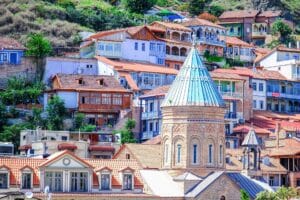
Experience Georgia’s Ancient Wine Culture
Georgia is widely regarded as one of the world’s oldest wine-producing regions.
Archaeological discoveries suggest that wine has been produced here for more than 8,000 years using traditional clay vessels known as qvevri. Tbilisi offers numerous wine bars, tasting rooms, and restaurants where visitors can sample a remarkable variety of locally produced wines.
Learning about Georgia’s ancient winemaking traditions provides valuable insight into one of the country’s most important cultural treasures.
Admire Tbilisi’s Architecture
Tbilisi’s architecture reflects centuries of cultural exchange.
Medieval churches, Persian-style bathhouses, Art Nouveau buildings, Soviet-era structures, and modern glass architecture stand side by side throughout the city. This remarkable diversity creates one of Europe’s most visually interesting urban landscapes.
Photographers and architecture enthusiasts particularly appreciate the colorful balconies, historic courtyards, winding streets, and beautifully restored buildings that define Tbilisi’s unique identity.
Explore Local Markets
Traditional markets provide an authentic glimpse into daily life in Tbilisi.
Visitors can browse fresh produce, spices, cheeses, handmade crafts, antiques, textiles, ceramics, and locally produced wines while interacting with friendly vendors. These markets offer excellent opportunities to purchase authentic Georgian souvenirs and experience local culture beyond the city’s major tourist attractions.
Many visitors consider exploring Tbilisi’s markets one of the highlights of their trip.
Why Tbilisi Should Be on Every Traveler’s Bucket List
Tbilisi offers an extraordinary combination of ancient history, vibrant culture, remarkable architecture, outstanding cuisine, and genuine hospitality.
From wandering through Old Tbilisi and exploring Narikala Fortress to relaxing in traditional sulfur baths and discovering Georgia’s legendary wine culture, every visitor finds memorable experiences throughout the city.
Its affordability, welcoming atmosphere, and fascinating history make Tbilisi one of Europe’s most rewarding and underrated travel destinations.
Visit the Bridge of Peace
One of Tbilisi’s most recognizable modern landmarks is the Bridge of Peace. This striking pedestrian bridge spans the Mtkvari River and symbolizes the city’s blend of historic heritage and contemporary design.
Constructed from steel and glass, the bridge is particularly impressive after sunset when thousands of LED lights illuminate its elegant curved structure. Visitors enjoy walking across the bridge while admiring panoramic views of Old Tbilisi, the river, Narikala Fortress, and the surrounding cityscape.
The Bridge of Peace connects the historic district with Rike Park, making it both an important transportation link and one of the city’s favorite photography locations.
Explore Mtatsminda Park
Located on the summit of Mount Mtatsminda, Mtatsminda Park is one of the city’s most popular recreational attractions.
Visitors can reach the park by riding the historic funicular railway, which offers spectacular panoramic views of Tbilisi during the ascent. At the summit, visitors discover amusement rides, restaurants, cafés, gardens, observation points, and entertainment suitable for families and travelers of all ages.
The breathtaking views from Mtatsminda Park are especially beautiful during sunset and after dark when the entire city becomes illuminated.
Ride the Tbilisi Cable Car
One of the most enjoyable sightseeing experiences in Tbilisi is riding the cable car that connects Rike Park with Narikala Fortress.
The short journey provides stunning aerial views of the Mtkvari River, Old Tbilisi, colorful rooftops, churches, and the surrounding hills. It is an excellent way to appreciate the city’s unique layout while avoiding the steep walk up to the fortress.
Many visitors choose to ride the cable car uphill and walk back down through the historic streets, allowing them to experience both the modern attraction and the city’s ancient neighborhoods.
Visit the Chronicle of Georgia
Among Tbilisi’s lesser-known landmarks is the impressive Chronicle of Georgia.
Often referred to as Georgia’s “Stonehenge,” this monumental structure consists of enormous stone pillars decorated with intricate carvings illustrating important events in Georgian history and Christianity.
Located on a hill overlooking the Tbilisi Sea, the monument offers magnificent views while providing visitors with fascinating insights into the nation’s rich cultural and religious heritage.
Although less crowded than many other attractions, it remains one of the city’s most remarkable landmarks.
Shopping in Tbilisi
Tbilisi offers excellent shopping opportunities that combine traditional craftsmanship with modern retail experiences.
Visitors can browse boutique shops, artisan workshops, local markets, shopping centers, antique stores, and designer boutiques throughout the city. Popular souvenirs include handmade ceramics, Georgian wine, traditional textiles, wooden crafts, jewelry, spices, tea, honey, and locally produced artwork.
Shopping in Tbilisi allows travelers to support local artisans while bringing home authentic Georgian products.
Experience Tbilisi’s Nightlife
Tbilisi has developed one of Eastern Europe’s most vibrant nightlife scenes.
The city offers rooftop bars, wine bars, live music venues, jazz clubs, theatres, cultural performances, and modern cafés that remain lively well into the night. Many venues combine traditional Georgian hospitality with contemporary entertainment, creating memorable evenings for visitors.
The city’s growing reputation as a cultural destination continues to attract artists, musicians, and travelers from around the world.
Best Time to Visit Tbilisi
Tbilisi is an attractive destination throughout the year.
Spring, from April to June, offers pleasant temperatures, blooming parks, and ideal sightseeing conditions. Autumn, from September to October, provides comfortable weather, beautiful landscapes, and the opportunity to experience Georgia’s famous grape harvest season.
Summer can be warm but remains popular for festivals and outdoor activities, while winter offers festive markets, occasional snowfall, and fewer tourist crowds.
Many travelers consider spring and autumn the best times to explore the city.
Is Tbilisi Expensive?
Tbilisi is considered one of Europe’s most affordable capital cities.
Accommodation, dining, transportation, entertainment, and sightseeing generally cost significantly less than in many Western European destinations. Budget travelers can enjoy comfortable hotels, excellent local cuisine, and efficient public transportation without spending large amounts.
Luxury hotels and fine dining establishments are also available for visitors seeking premium experiences.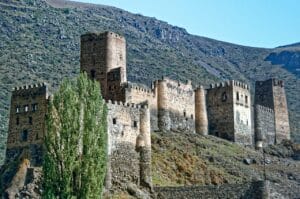
This excellent value for money contributes greatly to Tbilisi’s growing popularity among international travelers.
How Many Days Do You Need in Tbilisi?
A stay of three to five days is ideal for most visitors.
This allows enough time to explore Old Tbilisi, Narikala Fortress, Sameba Cathedral, sulfur baths, the Bridge of Peace, Mtatsminda Park, museums, local markets, and Georgian restaurants while enjoying the city’s relaxed atmosphere.
Travelers planning day trips to nearby wine regions or mountain destinations may wish to extend their visit.
Transportation Around Tbilisi
Tbilisi has a reliable and affordable public transportation system.
The city’s metro, buses, cable car, taxis, and ride-hailing services make it easy to reach major attractions. Walking remains one of the best ways to explore Old Tbilisi, where narrow streets, historic buildings, and charming courtyards reward curious visitors.
The city’s compact layout makes sightseeing both convenient and enjoyable.
Discover Hidden Gems
Beyond its famous attractions, Tbilisi offers numerous hidden treasures waiting to be explored.
Quiet hillside neighborhoods, historic courtyards, independent art galleries, traditional bakeries, family-owned wine cellars, peaceful gardens, and small museums provide authentic experiences away from the busiest tourist areas.
Exploring these lesser-known locations allows visitors to appreciate the city’s everyday life while discovering unique aspects of Georgian culture.
Is Tbilisi Safe for Tourists?
Tbilisi is widely regarded as a safe destination for international travelers.
The city’s welcoming atmosphere, relatively low crime rate, and friendly local population contribute to a comfortable travel experience. Visitors should exercise normal precautions, remain aware of their belongings in crowded areas, and respect local customs and religious sites.
Most travelers enjoy a safe and memorable stay while exploring Georgia’s capital.
Why Tbilisi Is Worth Visiting
Tbilisi successfully combines more than fifteen centuries of history with a vibrant modern lifestyle.
Visitors can admire medieval fortresses, relax in historic sulfur baths, experience world-famous Georgian hospitality, taste exceptional cuisine and ancient wines, and discover remarkable architecture reflecting numerous civilizations.
Its affordability, authenticity, cultural richness, and welcoming atmosphere make Tbilisi one of Europe’s most rewarding travel destinations.
Conclusion
Tbilisi is a remarkable city where ancient history, cultural diversity, stunning architecture, and genuine hospitality come together to create an unforgettable travel experience. Visitors can wander through the charming streets of Old Tbilisi, admire panoramic views from Narikala Fortress, visit the magnificent Holy Trinity Cathedral of Tbilisi, and cross the iconic Bridge of Peace.
Whether you are interested in history, architecture, photography, gastronomy, wine, or simply exploring one of Europe’s most underrated capitals, Tbilisi offers experiences that are both authentic and unforgettable. Its rich cultural heritage, affordable travel opportunities, and warm Georgian hospitality ensure that every visitor leaves with lasting memories.
For official travel information, visit:
Author

Related posts
Best Places to Visit in Dinant
- 0
- 4,779 words
Best Places to Visit in Dinant, Belgium Dinant is one of the most beautiful small towns in Belgium and one of the...
Read out all
Best Places to Visit in Mont-Saint-Michel
- 0
- 4,964 words
Best Places to Visit in Mont-Saint-Michel , France Mont-Saint-Michel is one of the most extraordinary destinations in France and one of the...
Read out all
UNGA
- 0
- 5,649 words
UNGA (United Nations General Assembly ) The United Nations General Assembly, commonly known as the UN General Assembly or UNGA, is one...
Read out all
Best Places to Visit in Kathmandu
- 0
- 4,089 words
Best Places to Visit in Kathmandu , Nepal Kathmandu, the capital of Nepal, is one of South Asia’s most fascinating travel destinations....
Read out all
Best Places to Visit in Vilnius
- 0
- 5,246 words
Best Places to Visit in Vilnius , Lithuania Vilnius, the capital of Lithuania, is one of the most fascinating destinations in the...
Read out all
Best Places to Visit in Riga
- 0
- 6,005 words
Best Places to Visit in Riga , Latvia Riga, the capital of Latvia, is one of the most fascinating destinations in the...
Read out all