
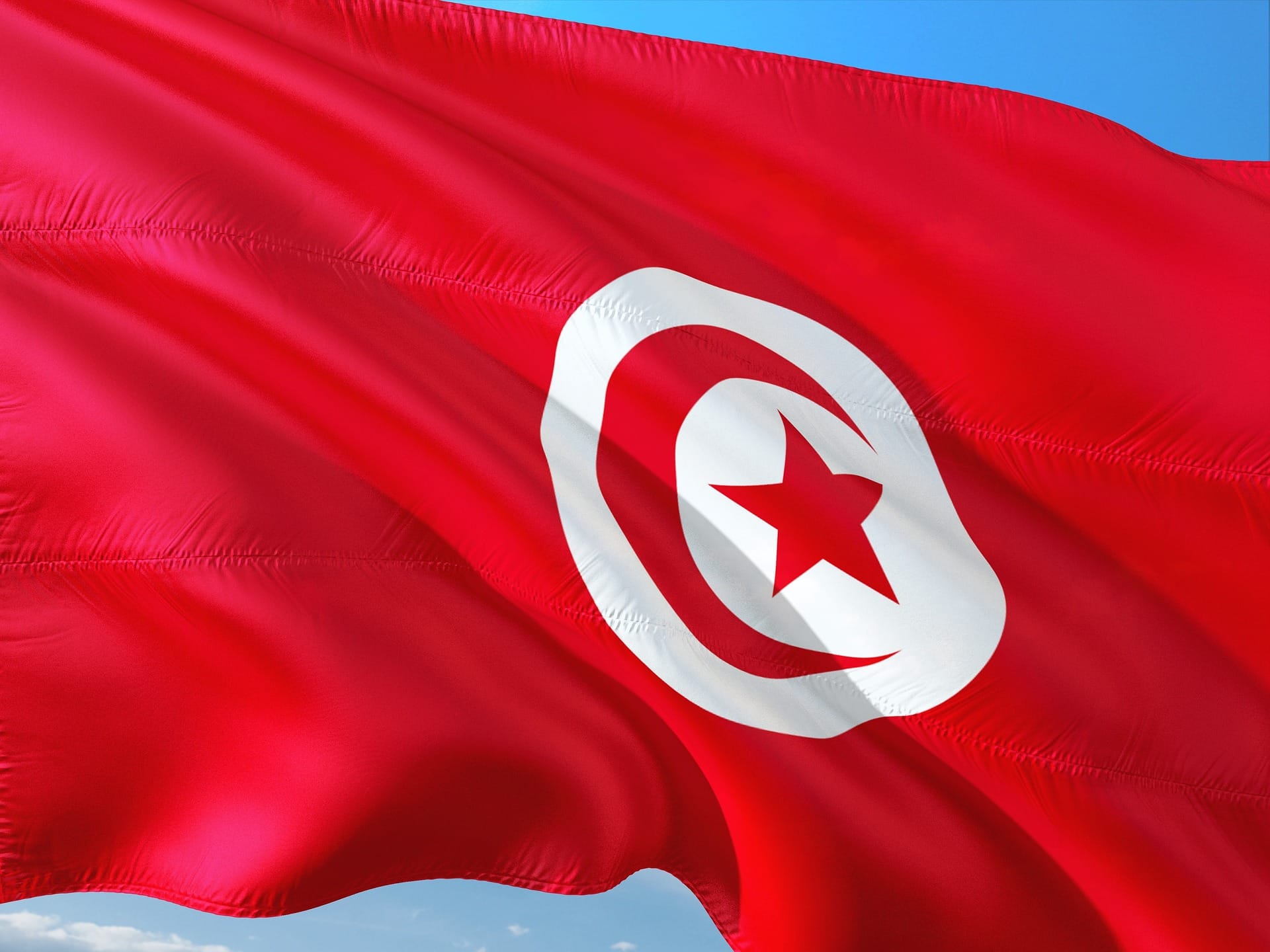
Tunisia
Tunisia is one of North Africa’s most captivating travel destinations, offering a remarkable blend of ancient history, Mediterranean beaches, Roman ruins, desert landscapes, vibrant cities, and rich cultural traditions. Located between Algeria and Libya with a long coastline along the Mediterranean Sea, Tunisia has served as a crossroads of civilizations for thousands of years.
From the bustling streets of Tunis and the whitewashed beauty of Sidi Bou Said to the vast Sahara Desert and remarkably preserved Roman monuments, Tunisia offers experiences that appeal to history enthusiasts, beach lovers, food lovers, photographers, and adventure seekers alike.
Its welcoming hospitality, affordable travel costs, and diverse attractions make Tunisia one of the Mediterranean’s most rewarding destinations.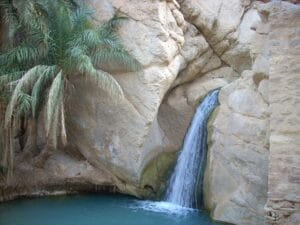
For official travel information, visit:
Why Visit Tunisia?
Tunisia is famous for its extraordinary combination of historical heritage, Mediterranean beauty, and diverse natural landscapes.
The country is home to UNESCO World Heritage Sites, ancient Roman cities, Islamic architecture, beautiful beaches, traditional markets, mountain villages, fertile olive groves, and dramatic desert scenery. Visitors can explore archaeological treasures dating back thousands of years before relaxing along the Mediterranean coastline or venturing into the Sahara.
Unlike many other Mediterranean destinations, Tunisia combines authentic cultural experiences with relatively affordable travel, making it an attractive destination for international visitors.
Geography and Climate of Tunisia
Tunisia possesses remarkable geographical diversity despite being one of North Africa’s smaller countries.
The northern regions feature fertile farmland, forests, rolling hills, and Mediterranean coastlines. Central Tunisia gradually transitions into semi-arid plains before giving way to the vast Sahara Desert in the south. This diversity creates an impressive variety of landscapes, ecosystems, and outdoor experiences.
Tunisia enjoys a Mediterranean climate along the coast with warm summers and mild winters, while southern desert regions experience hotter temperatures and much drier conditions.
These varied environments contribute significantly to the country’s appeal as a year-round travel destination.
A Brief History of Tunisia
Tunisia’s history spans more than three thousand years and reflects the influence of numerous civilizations.
Ancient Berber communities first inhabited the region before the establishment of the powerful Phoenician city of Carthage. Following the Punic Wars, Tunisia became an important province of the Roman Empire before later experiencing Byzantine, Arab, Ottoman, French, and modern Tunisian rule.
Each civilization left a lasting legacy visible through archaeological sites, architecture, language, cuisine, and cultural traditions that continue shaping Tunisia today.
The country’s remarkable historical diversity provides endless opportunities for cultural exploration.
Discover Tunis
Tunis serves as Tunisia’s capital, largest city, and cultural heart.
Situated along the Mediterranean coast, Tunis combines historic architecture, modern business districts, lively markets, museums, beautiful mosques, and vibrant cafés. Visitors enjoy exploring both the ancient medina and the city’s modern neighborhoods, experiencing centuries of history alongside contemporary Tunisian life.
The city’s strategic location also makes it an excellent starting point for exploring nearby archaeological sites, coastal towns, and other regions throughout the country.
Tunis offers an outstanding introduction to Tunisia’s rich cultural heritage.
Explore the Medina of Tunis
One of Tunisia’s greatest treasures is the Medina of Tunis.
Recognized as a UNESCO World Heritage Site, this historic district contains hundreds of narrow streets, traditional homes, mosques, palaces, madrasas, artisan workshops, markets, and courtyards dating back centuries.
Visitors wander through lively souks selling handcrafted jewelry, ceramics, leather goods, textiles, perfumes, spices, and traditional Tunisian products while admiring remarkable examples of Islamic architecture.
The Medina offers one of North Africa’s finest preserved historic urban environments.
Learn more at:
Visit the Ancient City of Carthage
Carthage Archaeological Site ranks among the world’s most significant archaeological destinations.
Founded by Phoenician settlers in the ninth century BC, Carthage became one of the Mediterranean’s greatest civilizations before its famous conflicts with Rome during the Punic Wars. Today, visitors explore ancient Roman baths, theaters, villas, harbors, temples, and archaeological remains overlooking the Mediterranean Sea.
Walking through Carthage provides fascinating insight into one of history’s most influential civilizations while enjoying spectacular coastal scenery.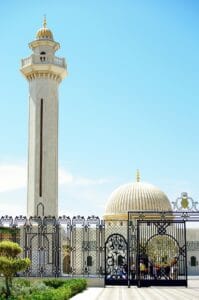
The site’s historical importance continues attracting scholars and travelers from around the world.
Experience the Beauty of Sidi Bou Said
Just outside Tunis lies the picturesque village of Sidi Bou Said.
Famous for its whitewashed buildings, blue doors, cobbled streets, colorful flowers, and breathtaking sea views, Sidi Bou Said has inspired artists, writers, and photographers for generations.
Visitors stroll through charming alleyways lined with cafés, galleries, artisan shops, and traditional homes while enjoying panoramic views of the Mediterranean coastline.
The peaceful atmosphere and striking architecture make Sidi Bou Said one of Tunisia’s most photographed destinations.
Discover Tunisian Cuisine
Tunisian cuisine reflects centuries of Mediterranean, Arab, Berber, and North African influences.
Traditional meals feature olive oil, couscous, seafood, lamb, grilled meats, vegetables, fresh herbs, dates, almonds, citrus fruits, and the country’s famous spicy harissa. Local restaurants serve authentic regional dishes prepared using recipes passed through generations.
Fresh Mediterranean ingredients combine with aromatic spices to create flavorful cuisine that represents one of Tunisia’s greatest cultural treasures.
Dining in Tunisia offers visitors an excellent opportunity to experience local traditions through food.
Explore Traditional Souks and Markets
Markets remain central to everyday life throughout Tunisia.
Historic souks offer colorful displays of handcrafted carpets, leather goods, ceramics, jewelry, perfumes, spices, brassware, woven baskets, textiles, and locally produced foods. Shopping in these lively markets provides opportunities to meet artisans, observe traditional craftsmanship, and purchase authentic souvenirs.
Bargaining remains a common and enjoyable part of the shopping experience while supporting local businesses and preserving traditional crafts.
Tunisia’s markets reflect the country’s rich commercial history stretching back thousands of years.
Why Tunisia Should Be on Every Traveler’s Bucket List
Tunisia offers one of North Africa’s richest combinations of history, culture, architecture, Mediterranean beauty, and authentic travel experiences.
Visitors can explore the historic Medina of Tunis, discover the ancient ruins of Carthage Archaeological Site, admire the charming streets of Sidi Bou Said, experience delicious cuisine, and enjoy welcoming local hospitality.
Its remarkable historical legacy, beautiful landscapes, and diverse cultural attractions make Tunisia one of the Mediterranean’s hidden gems.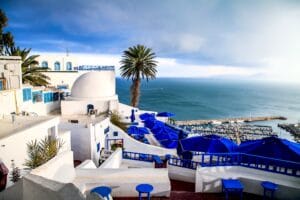
Explore the El Jem Amphitheatre
One of Tunisia’s most spectacular historical landmarks is El Jem Amphitheatre, one of the best-preserved Roman amphitheaters in the world.
Constructed during the third century AD, the massive stone arena could accommodate tens of thousands of spectators who gathered to watch gladiatorial contests, public ceremonies, and theatrical performances. Today, visitors can explore the impressive seating areas, underground chambers, corridors, and upper levels while admiring the remarkable engineering skills of the Roman Empire.
Its exceptional state of preservation and historical significance have earned it recognition as a UNESCO World Heritage Site, making it one of Tunisia’s most visited attractions.
Walking through the amphitheater offers an unforgettable glimpse into Roman civilization.
Experience the Sahara Desert
No journey through Tunisia is complete without exploring the magnificent Sahara Desert.
Southern Tunisia offers dramatic sand dunes, rocky plateaus, vast open landscapes, traditional Berber villages, and unforgettable desert adventures. Visitors can experience camel trekking, four-wheel-drive excursions, overnight desert camps, stargazing, and breathtaking sunsets across the endless dunes.
The peaceful silence and immense beauty of the Sahara create one of North Africa’s most memorable travel experiences.
Many travelers also visit famous desert filming locations that have appeared in internationally renowned movies.
Visit the Holy City of Kairouan
Kairouan is one of Islam’s most important historic cities and another UNESCO World Heritage Site.
Founded during the seventh century, Kairouan became a major religious, educational, and cultural center for the Islamic world. Visitors admire its magnificent mosques, ancient city walls, beautiful courtyards, traditional houses, and historic streets while learning about centuries of Islamic scholarship and architecture.
The city’s most famous landmark, the Great Mosque of Kairouan, represents one of the oldest and most influential Islamic monuments in North Africa.
Kairouan remains a destination of profound historical and spiritual significance.
Relax on Tunisia’s Mediterranean Beaches
Tunisia boasts hundreds of kilometers of beautiful Mediterranean coastline.
Golden sandy beaches, crystal-clear waters, luxury resorts, family-friendly destinations, and charming fishing villages provide excellent opportunities for swimming, sunbathing, sailing, diving, and water sports. Coastal destinations such as Djerba, Hammamet, and Sousse are especially popular among visitors seeking both relaxation and cultural exploration.
The combination of pleasant weather, warm seas, and welcoming hospitality has made Tunisia a favorite Mediterranean holiday destination for decades.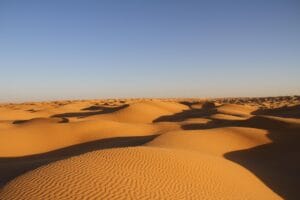
Its beaches offer an ideal balance between leisure and adventure.
Best Time to Visit Tunisia
Tunisia is a year-round destination, although each season offers unique travel experiences.
Spring is considered one of the best times to visit because temperatures are comfortable, landscapes are green, and historical sites can be explored pleasantly. Summer attracts beach lovers who enjoy the warm Mediterranean climate and lively coastal resorts.
Autumn offers mild weather ideal for sightseeing, archaeological exploration, and desert excursions, while winter remains relatively mild along the coast and provides comfortable conditions for visiting museums and historic cities.
Choosing the best season depends on the activities travelers wish to experience.
Transportation Around Tunisia
Traveling throughout Tunisia is convenient thanks to an extensive transportation network.
Modern highways connect major cities, while trains provide comfortable travel between important destinations including Tunis, Sousse, Sfax, and Gabès. Shared taxis, buses, domestic flights, and rental vehicles offer additional flexibility for exploring coastal regions, historical sites, and the Sahara Desert.
Many organized tours also simplify visits to remote attractions while providing expert historical and cultural interpretation.
Efficient transportation makes it easy to experience Tunisia’s remarkable geographical diversity.
Hidden Gems of Tunisia
Beyond its famous attractions, Tunisia offers numerous lesser-known destinations waiting to be discovered.
Mountain villages, oasis towns, traditional Berber settlements, peaceful coastal communities, Roman ruins, scenic valleys, local artisan workshops, and quiet archaeological sites provide authentic travel experiences away from larger tourist crowds.
These hidden locations allow visitors to experience Tunisia’s genuine hospitality while discovering landscapes and cultural traditions that remain relatively untouched by mass tourism.
Exploring beyond the main attractions often creates the most memorable travel experiences.
Safety and Travel Tips
Tunisia welcomes visitors from around the world and continues to invest in its tourism infrastructure.
Travelers should remain informed about current travel advisories, follow local guidance, and respect cultural customs, particularly when visiting religious sites. Lightweight clothing is suitable for much of the year, although modest attire is recommended when entering mosques and traditional communities.
Carrying sun protection, staying hydrated, and planning transportation in advance contribute to a comfortable journey, especially when traveling into desert regions.
Learning a few basic Arabic or French greetings is appreciated by local residents and enhances cultural interactions.
Why Tunisia Is Worth Visiting
Tunisia offers an extraordinary combination of ancient civilizations, Mediterranean beauty, Islamic heritage, Roman monuments, desert adventures, and warm hospitality.
Whether exploring the historic Medina of Tunis, discovering the remarkable ruins of Carthage Archaeological Site, admiring the white-and-blue streets of Sidi Bou Said, visiting the impressive El Jem Amphitheatre, or experiencing the vast Sahara Desert, visitors encounter unforgettable experiences throughout the country.
Its remarkable diversity makes Tunisia one of North Africa’s most rewarding travel destinations.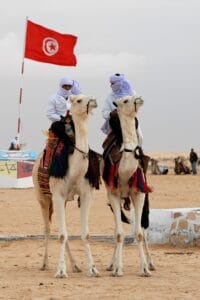
Conclusion
Tunisia is a country where ancient history, vibrant culture, Mediterranean coastlines, and breathtaking desert landscapes come together to create an unforgettable travel experience. From the bustling streets of Tunis and the UNESCO-listed Medina of Tunis to the legendary ruins of Carthage Archaeological Site and the spectacular Roman architecture of El Jem Amphitheatre, every destination reveals another chapter of Tunisia’s remarkable story.
Whether relaxing on Mediterranean beaches, exploring the sacred city of Kairouan, wandering through the picturesque streets of Sidi Bou Said, or venturing deep into the Sahara Desert, travelers discover a country filled with extraordinary diversity, welcoming hospitality, and timeless beauty.
For more travel information, visit:
Author

Related posts

OPEC
- 0
- 5,679 words
OPEC OPEC stands for the Organization of the Petroleum Exporting Countries. It is an intergovernmental organization created by major oil-producing countries to...
Read out all
How Do I Find Reliable Wholesale Suppliers
- 0
- 9,103 words
How Do I Find Reliable Wholesale Suppliers ? Finding reliable wholesale suppliers is one of the most important tasks for anyone starting...
Read out all
What Is Happening in the World?
- 0
- 5,355 words
What Is Happening in the World? The world is currently experiencing a period of overlapping crises and opportunities. Political disputes, military conflicts,...
Read out all
BRICS
- 0
- 5,794 words
BRICS : History, Members, Economy, Goals, Expansion and Global Influence BRICS is an international grouping of major emerging economies and developing countries...
Read out all
United Kingdom
- 0
- 5,089 words
United Kingdom The United Kingdom, commonly known as the UK, is one of Europe’s most fascinating travel destinations. Officially called the United...
Read out all
Bhutan
- 0
- 4,154 words
Bhutan Travel Guide Bhutan is one of the most fascinating travel destinations in Asia, offering an extraordinary combination of Himalayan landscapes, Buddhist...
Read out all