
Best Things to Do in Baku
Baku, the vibrant capital of Azerbaijan, is one of the most fascinating travel destinations in the Caucasus region. Located on the western shore of the Caspian Sea, Baku is a city where centuries-old history meets futuristic architecture. Visitors are captivated by its UNESCO-listed Old City, iconic Flame Towers, elegant seaside promenade, world-class museums, luxury shopping districts, and rich Azerbaijani culture.
As Azerbaijan’s political, economic, and cultural center, Baku has transformed into a modern metropolis while carefully preserving its historical heritage. Ancient stone walls, medieval palaces, and traditional caravanserais stand alongside striking skyscrapers, innovative cultural centers, and contemporary entertainment venues.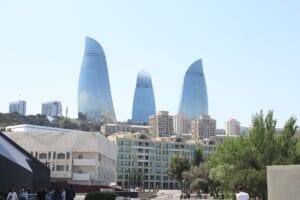
Whether you are interested in history, architecture, photography, gastronomy, or cultural exploration, Baku offers unforgettable experiences throughout the year.
For official travel information, visit:
Why Is Baku Famous?
Baku is famous for its remarkable blend of ancient heritage and modern innovation. Often referred to as the “City of Winds,” Baku is known for its spectacular skyline, the UNESCO World Heritage-listed Old City, the futuristic Flame Towers, the iconic Heydar Aliyev Center, and its location on the Caspian Sea.
The city has also gained international recognition for hosting major sporting and cultural events, including Formula 1 races, international music festivals, and global conferences. Rich in history and energy resources, Baku has evolved into one of the fastest-growing tourism destinations in Eastern Europe and Western Asia.
Visitors appreciate Baku’s unique atmosphere, where traditional Azerbaijani hospitality meets world-class infrastructure and modern urban development.
The History of Baku
Baku has a history spanning more than two thousand years.
Its strategic location along ancient trade routes made it an important commercial center connecting Europe, Asia, and the Middle East. Throughout history, the city was influenced by Persian, Arab, Turkish, Russian, and Azerbaijani civilizations, each leaving lasting marks on its architecture and culture.
During the late nineteenth century, Baku became one of the world’s leading oil-producing cities, attracting international investment and transforming into a major industrial center. Today, visitors can still admire magnificent historic buildings constructed during the city’s oil boom while also experiencing its impressive modern redevelopment.
Explore Icherisheher (Old City)
The historic Icherisheher, also known as the Old City, is the heart of Baku and one of Azerbaijan’s most treasured cultural landmarks.
Protected by ancient defensive walls, Icherisheher features narrow cobblestone streets, beautifully restored stone buildings, charming courtyards, traditional restaurants, artisan workshops, boutique hotels, and historic mosques. Walking through the Old City feels like stepping back several centuries while discovering the rich history of Azerbaijan.
Visitors can spend hours exploring hidden alleys, photographing medieval architecture, shopping for handmade crafts, and enjoying authentic Azerbaijani cuisine within this remarkable historic district.
The Walled City of Baku, including Icherisheher, is recognized as a UNESCO World Heritage Site for its outstanding cultural significance.
Visit the Maiden Tower
Among Baku’s most recognizable landmarks is the Maiden Tower.
This mysterious cylindrical stone tower dates back to the twelfth century, although some historians believe parts of the structure may be even older. The exact purpose of the tower remains uncertain, contributing to its enduring fascination.
Visitors can climb to the observation platform for panoramic views of the Caspian Sea, the Old City, and Baku’s modern skyline. Inside, informative exhibitions explain the tower’s history, legends, and archaeological discoveries.
The Maiden Tower has become one of Azerbaijan’s national symbols and is among the country’s most photographed attractions.
Discover the Palace of the Shirvanshahs
The magnificent Palace of the Shirvanshahs represents one of the finest examples of medieval Azerbaijani architecture.
Built during the fifteenth century, the palace complex served as the residence of the Shirvanshah rulers. Today, visitors can explore beautifully preserved courtyards, royal chambers, ceremonial halls, tombs, bathhouses, and a historic mosque.
Intricate stone carvings, elegant domes, and impressive architectural details reflect the artistic achievements of medieval Azerbaijan.
The palace remains one of the highlights of any visit to Baku and provides valuable insight into the country’s royal history.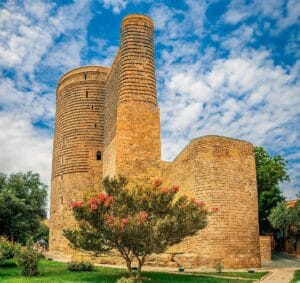
Walk Along Baku Boulevard
Baku Boulevard stretches for several kilometers along the Caspian Sea and serves as one of the city’s most popular recreational areas.
Originally established in the early twentieth century, the boulevard features landscaped gardens, fountains, cafés, restaurants, museums, public art installations, and scenic walking paths. Visitors enjoy leisurely strolls while admiring beautiful views of the Caspian Sea and Baku’s impressive skyline.
The boulevard is particularly attractive during the evening when modern buildings illuminate the waterfront and create a spectacular atmosphere.
Experience Azerbaijani Cuisine
Baku offers one of the Caucasus region’s richest culinary traditions.
Azerbaijani cuisine combines influences from Central Asia, Persia, Turkey, and the Middle East while emphasizing fresh herbs, grilled meats, aromatic rice dishes, vegetables, nuts, yogurt, and fragrant spices.
Traditional restaurants throughout Baku serve authentic recipes prepared using centuries-old cooking methods. Visitors can enjoy delicious meals while experiencing Azerbaijan’s famous hospitality, where generous portions and warm service create memorable dining experiences.
Exploring local cuisine is an essential part of discovering Baku’s cultural identity.
Discover Azerbaijani Culture
Culture plays a central role in everyday life throughout Baku.
Visitors can enjoy traditional mugham music performances, colorful folk dances, art galleries, museums, theaters, literary festivals, and cultural exhibitions that celebrate Azerbaijan’s rich heritage.
Throughout the city, historical monuments stand alongside contemporary cultural institutions, reflecting Azerbaijan’s successful balance between preserving tradition and embracing innovation.
Learning about local customs allows visitors to gain a deeper appreciation of the country’s fascinating history and identity.
Visit Museums and Art Galleries
Baku is home to numerous museums covering history, archaeology, literature, carpet weaving, modern art, and natural sciences.
These museums showcase valuable collections illustrating Azerbaijan’s cultural evolution, ancient civilizations, artistic achievements, and economic development. Many exhibitions feature rare artifacts, traditional textiles, historical documents, and contemporary artworks.
Art enthusiasts will find excellent opportunities to explore both classical Azerbaijani art and modern creative expression throughout the city.
Why Baku Should Be on Every Traveler’s Bucket List
Baku successfully combines ancient history, remarkable architecture, world-class cultural attractions, excellent cuisine, and breathtaking Caspian Sea views into one unforgettable destination.
Whether exploring the UNESCO-listed Old City, climbing the Maiden Tower, visiting the Palace of the Shirvanshahs, walking along Baku Boulevard, or experiencing Azerbaijani hospitality, every visitor discovers something unique.
Its fascinating blend of East and West, affordability, safety, and rapidly growing tourism infrastructure make Baku one of the most exciting destinations to visit in the Caucasus region.
Visit the Flame Towers
One of the most recognizable symbols of modern Baku is the Flame Towers. Rising high above the city skyline, these three glass-covered skyscrapers are designed to resemble flames, reflecting Azerbaijan’s long-standing association with natural fire and its nickname, the “Land of Fire.”
During the day, the towers shimmer against the Caspian Sea, while at night they come alive with one of the world’s largest LED lighting displays. The animated lights create images of flames, the Azerbaijani flag, and artistic visual effects that can be seen from many parts of the city.
The Flame Towers house luxury hotels, premium residences, offices, restaurants, and observation areas, making them one of the most visited modern attractions in Baku.
Explore the Heydar Aliyev Center
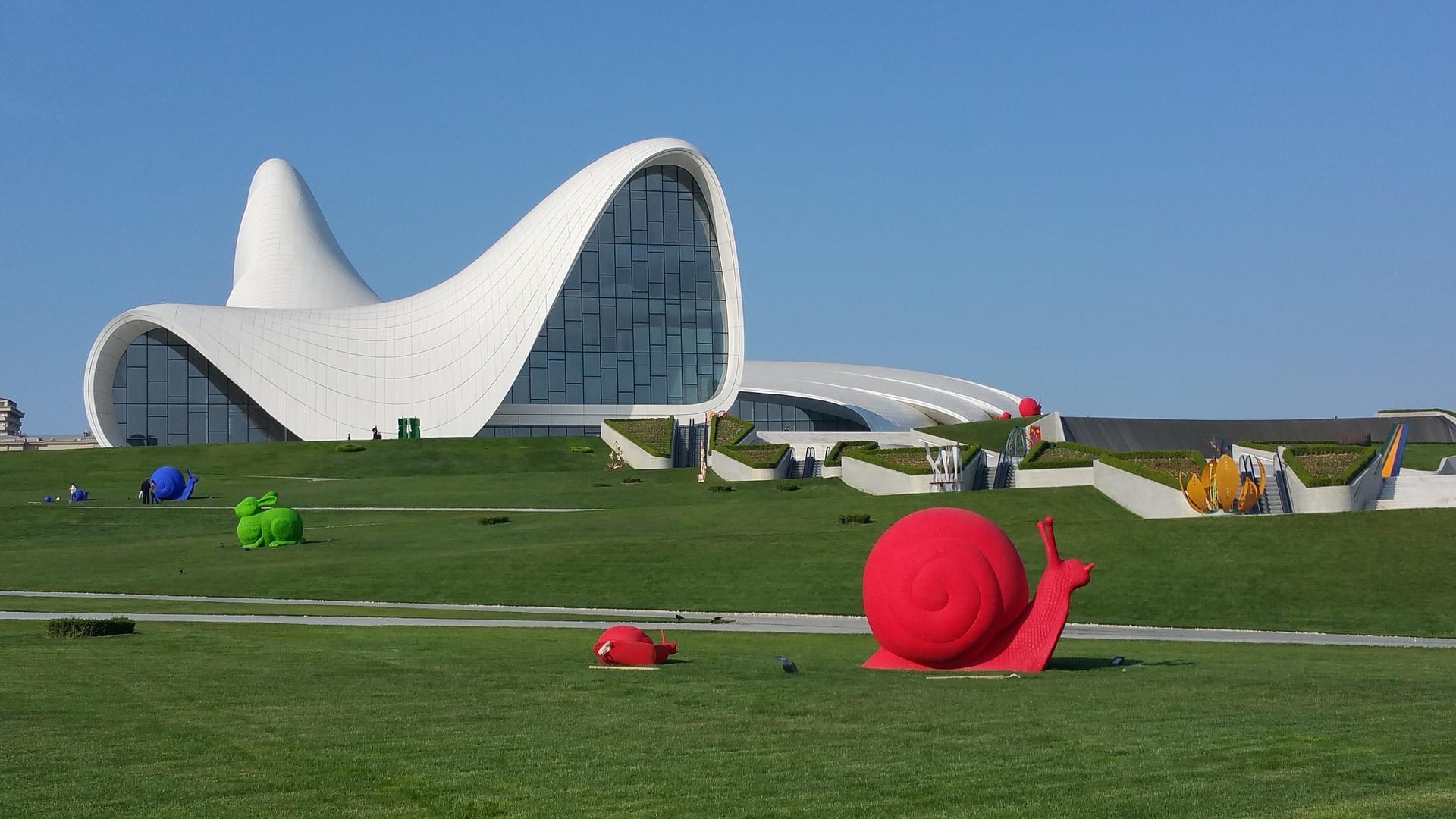
The Heydar Aliyev Center is widely regarded as one of the finest examples of contemporary architecture in the world. Designed by the renowned architect Zaha Hadid, the building is famous for its flowing curves and futuristic appearance.
Inside, visitors will find museums, art galleries, cultural exhibitions, conference halls, and educational displays that highlight Azerbaijan’s history, culture, and achievements. The center regularly hosts international exhibitions, concerts, and cultural events, making it one of Baku’s leading attractions.
Its innovative design has earned numerous international awards and has become one of Azerbaijan’s most photographed landmarks.
Visit Ateshgah Fire Temple
Located in the Surakhani district, the Ateshgah Fire Temple is one of Azerbaijan’s most historically significant religious monuments.
Built on a site where natural gas once fueled eternal flames, the temple served as an important place of worship for Zoroastrians, Hindus, and Sikhs. Visitors can explore restored temple buildings, ancient inscriptions, traditional living quarters, and museum exhibits explaining the site’s fascinating history.
The Fire Temple reflects Azerbaijan’s deep historical connection with naturally occurring flames and its role as a crossroads of civilizations.
Discover Gobustan Rock Art Cultural Landscape
A short drive from Baku brings visitors to the remarkable Gobustan Rock Art Cultural Landscape.
Recognized as a UNESCO World Heritage Site, Gobustan contains thousands of prehistoric rock carvings created by early human civilizations over many thousands of years. The petroglyphs depict hunting scenes, animals, rituals, boats, and daily life, providing extraordinary insight into prehistoric culture.
Visitors can also explore the modern museum, which explains the archaeological discoveries and significance of the site through interactive exhibits.
Gobustan is one of Azerbaijan’s most important historical attractions and a must-visit destination for archaeology enthusiasts.
Experience the Caspian Sea Waterfront
The Caspian Sea plays an essential role in Baku’s identity.
Visitors can enjoy scenic boat rides, relaxing waterfront walks, seaside cafés, and spectacular sunset views while experiencing the peaceful atmosphere along the coast. The waterfront also offers excellent opportunities for photography, cycling, and evening entertainment.
The combination of modern architecture and the beautiful shoreline creates one of the city’s most attractive recreational areas.
Shopping in Baku
Baku offers an outstanding shopping experience that combines traditional craftsmanship with modern retail.
Visitors can explore luxury shopping malls, local bazaars, artisan workshops, and boutique stores selling handmade carpets, silk scarves, ceramics, copperware, jewelry, spices, tea, sweets, souvenirs, and Azerbaijani fashion.
Traditional carpets remain among Azerbaijan’s most famous cultural products, with many shops demonstrating centuries-old weaving techniques passed down through generations.
Shopping in Baku provides excellent opportunities to purchase authentic locally made products while supporting traditional artisans.
Best Time to Visit Baku
Baku can be visited throughout the year, although spring and autumn are generally considered the most comfortable seasons.
From April to June, pleasant temperatures and blooming parks create ideal sightseeing conditions. September and October offer warm weather, fewer crowds, and excellent opportunities for outdoor activities.
Summer is lively with festivals and waterfront events, although temperatures can become quite warm. Winter is relatively mild compared to many European destinations and offers a quieter travel experience with lower accommodation prices.
Is Baku Expensive?
Baku offers excellent value compared with many major European capitals.
Travelers can find accommodation ranging from affordable guesthouses to luxurious five-star hotels. Dining options also cater to every budget, from traditional family-owned restaurants to upscale international establishments.
Public transportation is inexpensive, and many of the city’s major attractions are located close together, allowing visitors to explore comfortably without significant travel expenses.
This balance between quality and affordability makes Baku an increasingly popular destination for international travelers.
How Many Days Do You Need in Baku?
A visit of four to five days allows travelers to experience Baku’s major attractions comfortably.
This provides enough time to explore the UNESCO-listed Old City, the Flame Towers, Heydar Aliyev Center, Maiden Tower, Palace of the Shirvanshahs, Baku Boulevard, Ateshgah Fire Temple, Gobustan National Park, museums, shopping districts, and local restaurants.
Visitors wishing to explore additional regions of Azerbaijan may consider extending their trip to one week or more.
Transportation Around Baku
Baku has a modern and efficient transportation network.
The city’s metro system, buses, taxis, ride-hailing services, and pedestrian-friendly streets make it easy to reach major attractions. Many visitors enjoy walking through the historic center while using public transport or taxis for destinations farther from the Old City.
Baku’s international airport also provides convenient connections with destinations across Europe, Asia, and the Middle East.
Discover Hidden Gems
Beyond its famous landmarks, Baku offers many lesser-known attractions waiting to be explored.
Quiet neighborhoods, traditional tea houses, small art galleries, hidden courtyards, historic mosques, local bakeries, scenic viewpoints, and peaceful seaside parks provide authentic experiences away from the busiest tourist locations.
These hidden gems allow visitors to experience everyday Azerbaijani life while discovering unique cultural traditions and local hospitality.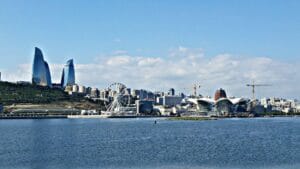
Is Baku Safe for Tourists?
Baku is widely considered one of the safest capitals in the Caucasus region.
The city welcomes millions of visitors every year and offers a well-developed tourism infrastructure. Travelers should exercise normal precautions, remain aware of their belongings in crowded areas, and respect local customs, particularly when visiting religious or historical sites.
Overall, visitors consistently report positive experiences thanks to the city’s friendly residents and welcoming atmosphere.
Why Baku Is Worth Visiting
Baku successfully blends more than two thousand years of history with remarkable modern development.
Visitors can admire medieval fortresses, explore UNESCO World Heritage Sites, experience Azerbaijani cuisine, discover world-class architecture, relax beside the Caspian Sea, and enjoy exceptional hospitality—all within one destination.
Its unique combination of Eastern traditions and contemporary innovation makes Baku one of the most exciting cities in the Caucasus and a rewarding destination for travelers interested in history, architecture, culture, and food.
Conclusion
Baku is a remarkable city where ancient heritage and modern ambition exist side by side. From wandering through the historic streets of Icherisheher to admiring the illuminated Flame Towers, exploring the architectural masterpiece of the Heydar Aliyev Center, and discovering the fascinating history of the Ateshgah Fire Temple, every visitor finds something memorable.
Whether you are planning a cultural vacation, a historical journey, or a city break by the Caspian Sea, Baku offers an outstanding combination of attractions, affordability, and hospitality. Its UNESCO-listed landmarks, dynamic skyline, vibrant food scene, and rich traditions make it one of the most rewarding destinations in the Caucasus.
For official travel information, visit:
Author

Related posts
Best Places to Visit in Dinant
- 0
- 4,779 words
Best Places to Visit in Dinant, Belgium Dinant is one of the most beautiful small towns in Belgium and one of the...
Read out all
Best Places to Visit in Mont-Saint-Michel
- 0
- 4,964 words
Best Places to Visit in Mont-Saint-Michel , France Mont-Saint-Michel is one of the most extraordinary destinations in France and one of the...
Read out all
UNGA
- 0
- 5,649 words
UNGA (United Nations General Assembly ) The United Nations General Assembly, commonly known as the UN General Assembly or UNGA, is one...
Read out all
Best Places to Visit in Kathmandu
- 0
- 4,089 words
Best Places to Visit in Kathmandu , Nepal Kathmandu, the capital of Nepal, is one of South Asia’s most fascinating travel destinations....
Read out all
Best Places to Visit in Vilnius
- 0
- 5,246 words
Best Places to Visit in Vilnius , Lithuania Vilnius, the capital of Lithuania, is one of the most fascinating destinations in the...
Read out all
Best Places to Visit in Riga
- 0
- 6,005 words
Best Places to Visit in Riga , Latvia Riga, the capital of Latvia, is one of the most fascinating destinations in the...
Read out all