
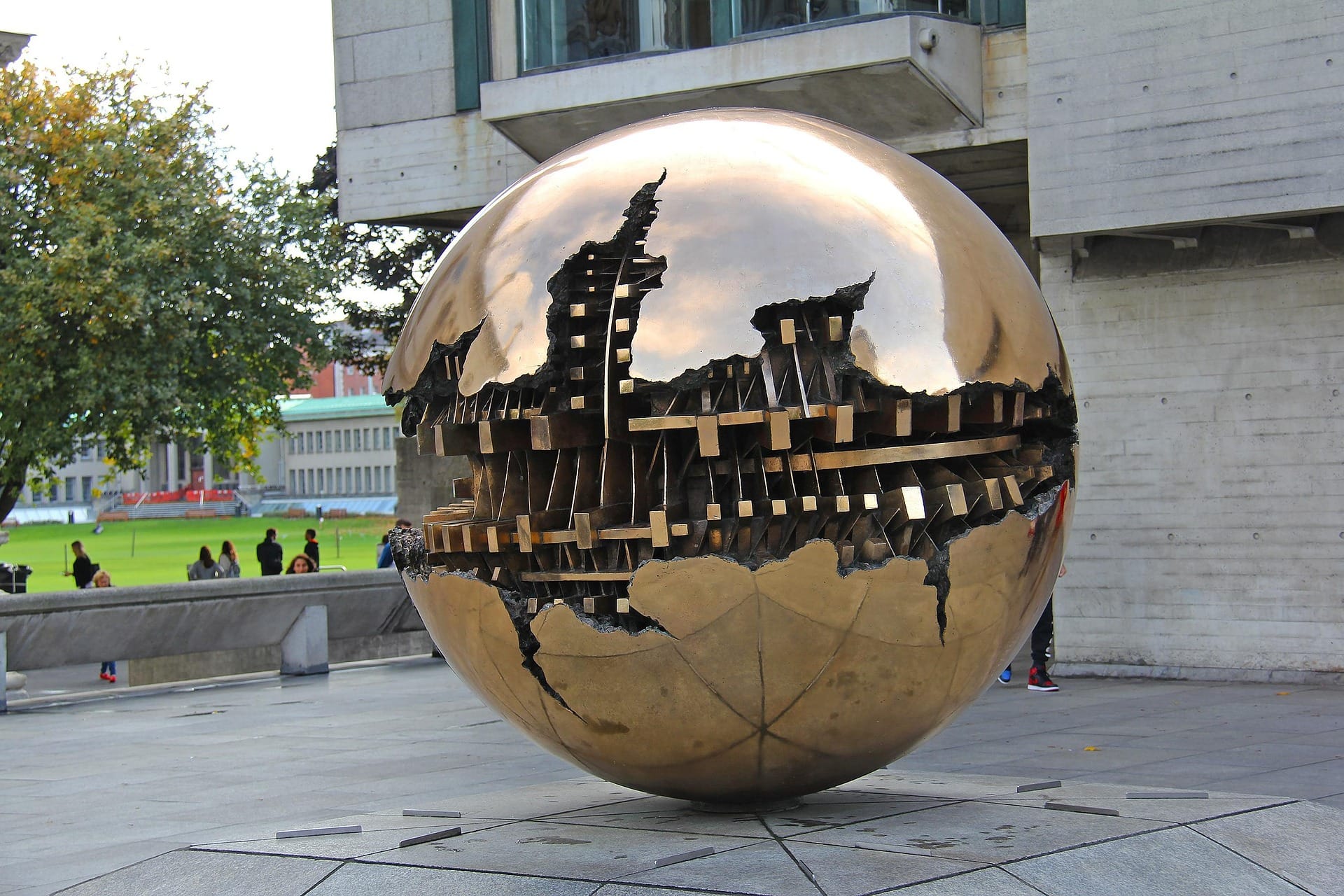
What Are the Best Things to Do in Dublin?
Dublin is the vibrant capital of Ireland and one of Europe’s most welcoming travel destinations. Rich in history, literature, music, architecture, and culture, Dublin attracts millions of visitors every year. Located on Ireland’s east coast along the River Liffey, the city perfectly blends medieval landmarks with modern attractions, lively entertainment, and traditional Irish hospitality.
Whether you’re interested in exploring centuries-old castles, discovering world-famous museums, enjoying authentic Irish pubs, or strolling through beautiful parks, Dublin offers experiences for every type of traveler. Its compact city center also makes it easy to explore many major attractions on foot, creating an enjoyable and convenient sightseeing experience.
Official travel information is available at:
Why Is Dublin Famous?
Dublin is internationally recognized for its literary heritage, historic landmarks, vibrant nightlife, traditional Irish music, and welcoming atmosphere. The city has produced world-renowned writers such as James Joyce, Oscar Wilde, Samuel Beckett, and W. B. Yeats.
Dublin is also famous for the iconic Guinness, whose brewery has become one of Ireland’s most visited attractions. Visitors are drawn to its medieval castles, Georgian architecture, beautiful cathedrals, lively pubs, and cultural festivals throughout the year.
The city’s combination of history, culture, and entertainment makes it one of Europe’s top travel destinations.
Explore Trinity College Dublin
One of Dublin’s most famous attractions is Trinity College Dublin, Ireland’s oldest university, founded in 1592 by Elizabeth I.
The university’s historic campus features elegant courtyards, beautiful architecture, and one of the world’s most celebrated libraries. Visitors enjoy walking through its peaceful grounds while experiencing centuries of academic history.
Trinity College remains one of Ireland’s most prestigious educational institutions and an essential stop for visitors exploring Dublin.
Official information:
Discover the Book of Kells
Inside Trinity College is the world-famous Book of Kells, an extraordinary illuminated manuscript created by Celtic monks around the ninth century.
The beautifully illustrated Gospel manuscript represents one of Ireland’s greatest cultural treasures. Visitors can admire its intricate artwork before entering the magnificent Long Room Library, which houses hundreds of thousands of historic books.
The exhibition offers fascinating insight into Ireland’s religious, artistic, and scholarly history.
Visit Dublin Castle
Dublin Castle has played a central role in Irish history for over 800 years. Originally constructed in the early 13th century, it served as the seat of British administration in Ireland until Irish independence.
Today, visitors can explore the beautifully restored State Apartments, medieval foundations, gardens, and exhibition spaces that illustrate the castle’s long and fascinating history.
The castle remains one of Dublin’s most significant historic landmarks.
Explore St Patrick’s Cathedral
Founded in 1191, St Patrick’s Cathedral is Ireland’s largest cathedral.
Its magnificent Gothic architecture, stained-glass windows, impressive interior, and beautiful gardens attract visitors from around the world. The cathedral is also closely associated with Jonathan Swift, author of Gulliver’s Travels, who served as its dean.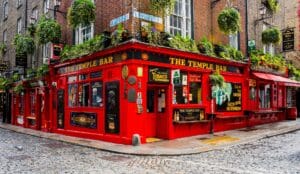
The cathedral offers visitors an opportunity to appreciate Ireland’s religious history and architectural heritage.
Visit Christ Church Cathedral
Another architectural masterpiece is Christ Church Cathedral, founded nearly a thousand years ago.
Its medieval crypt, beautiful nave, and historical exhibitions provide insight into Dublin’s Viking and medieval past. Visitors can admire remarkable craftsmanship while learning about the cathedral’s role throughout Irish history.
Christ Church remains one of the city’s most treasured landmarks.
Experience Temple Bar
No visit to Dublin is complete without exploring Temple Bar.
Known for its cobbled streets, colorful buildings, lively pubs, restaurants, street performers, and cultural venues, Temple Bar is Dublin’s most famous entertainment district.
During both day and evening, visitors can experience traditional Irish music, local cuisine, art galleries, and a vibrant atmosphere that reflects Dublin’s welcoming spirit.
Temple Bar has become one of Ireland’s most photographed neighborhoods.
Tour the Guinness Storehouse
The Guinness Storehouse is Ireland’s most visited tourist attraction.
Located at the historic St. James’s Gate Brewery, the seven-story interactive museum tells the story of Guinness, from brewing ingredients to global success. Visitors learn about the brewing process, advertising history, and the famous Guinness brand before enjoying panoramic city views from the Gravity Bar.
Even travelers who do not drink beer often appreciate the exhibition’s engaging design and historical significance.
Official information:
Visit Kilmainham Gaol
Kilmainham Gaol is one of Ireland’s most important historical sites.
The former prison played a significant role during Ireland’s struggle for independence, housing many political prisoners and revolutionary leaders.
Guided tours explain the prison’s history while highlighting key moments in Ireland’s journey toward independence.
The emotional experience provides valuable historical context for visitors interested in Irish history.
Walk Along the River Liffey
The River Liffey divides Dublin into its north and south sides.
Walking along the river allows visitors to admire historic bridges, modern architecture, public art, and lively waterfront cafés. The scenic riverfront offers excellent photography opportunities while connecting many of the city’s major attractions.
Evening walks along the illuminated quays provide a particularly memorable experience.
Visit Phoenix Park
Phoenix Park is one of Europe’s largest enclosed urban parks.
The expansive green space contains walking trails, cycling routes, historic monuments, gardens, and herds of wild deer that freely roam the park.
Phoenix Park is also home to Dublin Zoo and the official residence of the President of Ireland.
The park provides a peaceful escape from the city’s busy streets.
Explore Dublin Zoo
Established in 1831, Dublin Zoo ranks among the world’s oldest zoological parks.
Visitors can observe hundreds of animal species while learning about conservation and wildlife protection through educational exhibits.
Families especially enjoy the zoo’s spacious habitats and interactive experiences.
Visit the National Museum of Ireland
The National Museum of Ireland – Archaeology houses one of Europe’s finest collections of archaeological treasures.
Its exhibitions include prehistoric artifacts, Viking discoveries, medieval objects, and beautifully preserved Celtic gold.
Admission is free, making it one of Dublin’s best-value cultural attractions.
Experience Irish Music and Culture
Traditional Irish music forms an essential part of Dublin’s identity.
Throughout the city, visitors can enjoy live performances featuring fiddles, flutes, accordions, bodhráns, and traditional singing. Many pubs host nightly music sessions where local musicians perform timeless Irish folk songs.
Experiencing live traditional music allows visitors to appreciate Ireland’s rich cultural heritage while enjoying Dublin’s famously friendly atmosphere.
Enjoy Traditional Irish Cuisine
Dublin’s culinary scene has evolved dramatically while maintaining strong connections to traditional Irish cooking.
Visitors can enjoy classics such as Irish stew, seafood chowder, soda bread, fish and chips, shepherd’s pie, smoked salmon, black pudding, and locally produced cheeses.
Modern restaurants also combine Irish ingredients with international influences, making Dublin an exciting destination for food lovers.
The city’s cafés, bakeries, and farmers’ markets further showcase Ireland’s excellent local produce.
Explore Grafton Street
One of the most famous shopping streets in Dublin is Grafton Street. This lively pedestrian street is lined with luxury boutiques, Irish fashion stores, bookstores, cafés, restaurants, and souvenir shops. It is also well known for its talented street musicians, many of whom have gone on to achieve international success.
Walking along Grafton Street provides an authentic Dublin experience, where visitors can enjoy shopping while listening to live music and admiring the city’s elegant Georgian architecture. Seasonal decorations during Christmas make the street especially beautiful and one of the city’s most photographed locations.
Visit St. Stephen’s Green
Adjacent to Grafton Street lies St. Stephen’s Green, one of Dublin’s most beautiful public parks. Covering approximately 22 acres, the Victorian park features walking paths, ornamental lakes, colorful flower gardens, fountains, sculptures, and peaceful seating areas.
Both locals and visitors enjoy relaxing here after exploring the busy city center. During spring and summer, blooming flowers and mature trees create a tranquil atmosphere that contrasts with the surrounding shopping district.
The park is an excellent place for photography, picnics, or simply enjoying Dublin’s natural beauty.
Discover Merrion Square
Merrion Square is one of Dublin’s finest Georgian squares and is surrounded by beautifully preserved eighteenth-century townhouses.
The square is closely associated with Oscar Wilde, whose childhood home overlooks the park. Visitors can also admire the colorful doors that have become iconic symbols of Dublin’s architecture.
Its peaceful gardens and artistic atmosphere make Merrion Square one of the city’s most charming locations.
Explore EPIC The Irish Emigration Museum
EPIC The Irish Emigration Museum offers an interactive experience that tells the story of Irish emigration and its global impact.
Using digital exhibits, multimedia presentations, and personal stories, the museum explains how millions of Irish people influenced countries around the world through science, politics, literature, music, sports, and business.
Rather than displaying traditional artifacts, the museum creates engaging experiences suitable for visitors of all ages.
Experience Dublin’s Literary Heritage
Dublin proudly holds the designation of a UNESCO City of Literature.
Throughout the city, visitors can discover landmarks connected to celebrated authors such as James Joyce, Samuel Beckett, W. B. Yeats, and Oscar Wilde.
Literary walking tours, museums, bookstores, and annual festivals celebrate Dublin’s extraordinary contribution to world literature, making the city a must-visit destination for book lovers.
Best Time to Visit Dublin
Dublin is an attractive destination throughout the year, although each season offers a different experience.
Spring brings mild temperatures and blooming parks, making it ideal for sightseeing. Summer offers the warmest weather, long daylight hours, outdoor festivals, and lively pub gardens, attracting the highest number of visitors.
Autumn features comfortable temperatures, fewer crowds, and colorful parks, while winter transforms the city with Christmas markets, festive lights, and cozy traditional pubs.
Many travelers consider late spring and early autumn the best times to explore Dublin comfortably.
Is Dublin Expensive for Tourists?
Compared with many European capitals, Dublin is considered moderately expensive. Accommodation in the city center can be costly, particularly during peak tourist seasons. Restaurant prices, transportation, and attractions are generally comparable to those of other major Western European cities.
Budget-conscious travelers can reduce expenses by booking accommodation in advance, using public transportation, visiting free museums, exploring public parks, and dining at local cafés rather than tourist-focused restaurants.
Despite higher costs, Dublin’s rich cultural experiences and welcoming atmosphere make it excellent value for many visitors.
How Many Days Should You Spend in Dublin?
A stay of three to four days allows visitors to experience Dublin’s major attractions comfortably. During this time, travelers can visit Trinity College, Dublin Castle, Temple Bar, the Guinness Storehouse, museums, parks, and historic neighborhoods without feeling rushed.
Visitors wishing to explore the surrounding countryside or take day trips to other parts of Ireland may prefer staying five to seven days.
Dublin also serves as an excellent base for discovering Ireland’s spectacular landscapes.
Public Transportation in Dublin
Dublin’s public transportation network makes traveling around the city convenient and affordable.
Services include buses operated by Dublin Bus, the Luas tram network, commuter rail services, and the DART coastal railway.
Many city-center attractions are within walking distance of one another, making walking one of the best ways to experience Dublin.
Official transportation information:
Best Day Trips from Dublin
Dublin’s location makes it easy to explore some of Ireland’s most beautiful destinations.
Visitors frequently take day trips to Cliffs of Moher, one of Ireland’s most spectacular natural attractions. Other popular destinations include Glendalough, famous for its early medieval monastery and scenic hiking trails, and Kilkenny, known for its medieval streets and impressive castle.
The nearby Wicklow Mountains also offer outstanding opportunities for hiking, photography, and exploring Ireland’s natural beauty.
Shopping in Dublin
Shopping enthusiasts will find a wide variety of options throughout Dublin.
In addition to Grafton Street, visitors often explore Henry Street, shopping centers, local markets, independent boutiques, and artisan craft stores.
Popular souvenirs include Irish wool sweaters, handmade jewelry, crystal, whiskey, chocolates, books, and traditional Celtic crafts.
Many visitors also purchase locally produced skincare products made using natural Irish ingredients.
Experience Dublin’s Nightlife
Dublin’s nightlife is internationally renowned for its friendly atmosphere and traditional Irish hospitality.
Visitors can enjoy live folk music, contemporary bands, comedy clubs, theaters, rooftop bars, whiskey tastings, and lively pubs throughout the city.
Temple Bar remains the best-known nightlife district, although many locals recommend exploring neighborhoods beyond the tourist center for more authentic Irish pub experiences.
The city’s welcoming social atmosphere makes it easy for visitors to enjoy memorable evenings.
Hidden Gems in Dublin
Beyond its famous landmarks, Dublin offers numerous lesser-known attractions.
Visitors often enjoy exploring Marsh’s Library, Ireland’s oldest public library, wandering through the peaceful Iveagh Gardens, or discovering contemporary art at smaller independent galleries.
Exploring residential neighborhoods also reveals beautiful Georgian architecture, local cafés, and quiet parks away from the busiest tourist areas.
These hidden gems provide a deeper appreciation of Dublin’s character.
Is Dublin Safe for Tourists?
Dublin is generally considered a safe destination for international visitors.
The city welcomes millions of tourists every year, and the main sightseeing areas are well developed and easy to navigate. As with any major city, travelers should remain aware of their surroundings, safeguard personal belongings, and exercise normal precautions in crowded areas or late at night.
Following standard travel advice allows visitors to enjoy Dublin comfortably and confidently.
Why Dublin Is Worth Visiting
Dublin offers a remarkable combination of history, literature, music, architecture, culture, and hospitality.
Visitors can explore medieval castles, admire centuries-old cathedrals, discover world-famous museums, experience authentic Irish music, enjoy excellent cuisine, and meet some of Europe’s friendliest people.
Its compact size makes sightseeing convenient, while nearby coastal towns, mountains, and historic sites provide excellent opportunities for day trips.
Whether visiting for culture, history, food, or entertainment, Dublin consistently leaves a lasting impression on travelers.
Conclusion
Dublin is much more than Ireland’s capital city—it is the cultural heart of the country and one of Europe’s most rewarding destinations. From exploring the historic campus of Trinity College and viewing the priceless Book of Kells to enjoying traditional Irish music in Temple Bar and discovering the fascinating history of Dublin Castle, the city offers unforgettable experiences at every turn.
Its literary heritage, welcoming atmosphere, outstanding museums, beautiful parks, excellent restaurants, and vibrant nightlife make Dublin suitable for solo travelers, couples, families, and history enthusiasts alike. Combined with easy access to Ireland’s breathtaking countryside, Dublin provides the perfect introduction to the Emerald Isle.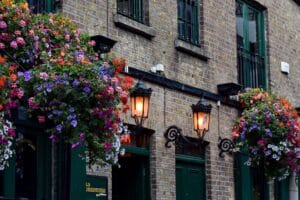
Whether planning a short city break or an extended Irish adventure, Dublin continues to captivate visitors with its unique blend of tradition, culture, and modern energy.
For official travel planning, visit:
Author

Related posts
Best Places to Visit in Dinant
- 0
- 4,779 words
Best Places to Visit in Dinant, Belgium Dinant is one of the most beautiful small towns in Belgium and one of the...
Read out all
Best Places to Visit in Mont-Saint-Michel
- 0
- 4,964 words
Best Places to Visit in Mont-Saint-Michel , France Mont-Saint-Michel is one of the most extraordinary destinations in France and one of the...
Read out all
UNGA
- 0
- 5,649 words
UNGA (United Nations General Assembly ) The United Nations General Assembly, commonly known as the UN General Assembly or UNGA, is one...
Read out all
Best Places to Visit in Kathmandu
- 0
- 4,089 words
Best Places to Visit in Kathmandu , Nepal Kathmandu, the capital of Nepal, is one of South Asia’s most fascinating travel destinations....
Read out all
Best Places to Visit in Vilnius
- 0
- 5,246 words
Best Places to Visit in Vilnius , Lithuania Vilnius, the capital of Lithuania, is one of the most fascinating destinations in the...
Read out all
Best Places to Visit in Riga
- 0
- 6,005 words
Best Places to Visit in Riga , Latvia Riga, the capital of Latvia, is one of the most fascinating destinations in the...
Read out all