

Best Things to Do in Santiago , Chile
Santiago, Chile, is a fascinating capital city where modern urban life meets historic neighborhoods, world-class museums, traditional markets, vibrant restaurants, beautiful parks, and the spectacular Andes Mountains. For travelers searching for the best things to do in Santiago, Chile, the city offers a remarkable combination of culture, history, gastronomy, nature, architecture, shopping, nightlife, and outdoor adventure. Located in the central valley of Chile and surrounded by mountains, Santiago is not simply a gateway to the rest of the country. It is a destination worth exploring in its own right.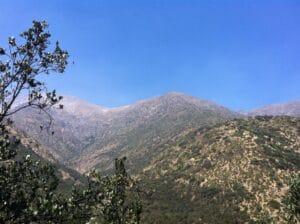
Founded in 1541, Santiago has developed into the economic and cultural heart of Chile. The city combines historic buildings and traditional neighborhoods with modern skyscrapers, contemporary restaurants, sophisticated shopping centers, art galleries, and extensive public transportation. Official Chile Travel information describes Santiago as a metropolis at the foot of the Andes, with historic neighborhoods, museums, gastronomic districts, parks, hills, and cultural attractions spread throughout the capital.
One of the greatest advantages of visiting Santiago is the variety of experiences available within a relatively manageable area. You can begin your morning by exploring Plaza de Armas and Santiago’s historic center, visit the Metropolitan Cathedral and Palacio de La Moneda, spend the afternoon climbing Cerro San Cristóbal or Cerro Santa Lucía, and finish your day with dinner in Bellavista, Lastarria, Providencia, or Barrio Italia.
Why Santiago, Chile Is Worth Visiting
Santiago is worth visiting because it offers an unusual combination of city experiences and dramatic natural scenery. The Andes Mountains are visible from many parts of the city on clear days, creating an impressive backdrop to the urban landscape.
The city also provides a useful introduction to Chilean culture. Museums explain the country’s history and artistic traditions, while traditional markets and restaurants introduce visitors to Chilean food. Historic neighborhoods reveal Santiago’s architectural development, while contemporary districts demonstrate the country’s modern identity.
Another reason Santiago is worth visiting is its location. The city is close enough to mountain resorts, wine valleys, the Pacific coast, and historic Valparaíso to make several excellent day trips possible. Chile Travel describes the wider Santiago, Valparaíso, and Wine Valleys area as a region where visitors can travel from the Andes to the sea while experiencing cities, beaches, mountains, valleys, and vineyards.
Explore Santiago’s Historic Center
Exploring the historic center is one of the best things to do in Santiago, Chile, especially for first-time visitors. The central district provides an introduction to the city’s history and contains some of its most important landmarks.
The heart of the historic center is Plaza de Armas, traditionally regarded as the center of Santiago. The surrounding streets contain historic buildings, churches, museums, shops, cafés, restaurants, and public spaces.
Chile Travel describes the historic center as an area preserving Santiago’s foundational and republican heritage, with Plaza de Armas, the Metropolitan Cathedral, Palacio de La Moneda, Cerro Santa Lucía, museums, and traditional gastronomy forming important parts of the experience.
Walking through the historic center is particularly rewarding because the attractions are connected by streets and public spaces. Rather than simply photographing individual landmarks, travelers can observe how historic Santiago functions as a living part of the modern city.
Visit Plaza de Armas
Plaza de Armas is one of the most important public spaces in Santiago and an excellent starting point for sightseeing.
The square is surrounded by historic and civic buildings and has long served as a gathering place in the capital. Visitors can sit in the square, observe local life, admire the surrounding architecture, and continue walking toward nearby museums and historic landmarks.
The area is particularly interesting for travelers who want to understand Santiago’s development from its colonial origins into the modern capital of Chile.
See the Metropolitan Cathedral of Santiago
The Metropolitan Cathedral is one of the most important religious buildings in Santiago and stands prominently on Plaza de Armas.
Its architecture reflects different periods of Chilean history and contributes significantly to the visual character of the historic center.
Visitors interested in architecture and religious history can spend time observing the interior details, artwork, chapels, and architectural elements.
Because it remains an active place of worship, visitors should behave respectfully and follow any visitor instructions.
Visit Palacio de La Moneda
Palacio de La Moneda is one of Santiago’s most recognizable buildings and an important symbol of Chilean government and political history.
The neoclassical palace serves as the seat of the country’s government and is located near the historic center.
Even when visitors do not enter the building, the surrounding civic area is worth exploring. The architecture, public spaces, and historical significance make Palacio de La Moneda an essential stop on a Santiago sightseeing itinerary.
Explore Plaza de la Constitución
Plaza de la Constitución sits near Palacio de La Moneda and forms an important part of Santiago’s civic landscape.
The square is surrounded by government buildings and provides a useful perspective on the country’s political and architectural history.
Combining Plaza de la Constitución with La Moneda, the historic center, and nearby museums can create a natural walking route through central Santiago.
Visit the Museum of Memory and Human Rights
The Museum of Memory and Human Rights is an important cultural institution dedicated to preserving and presenting Chile’s recent history.
The museum focuses on human rights violations and historical experiences associated with Chile’s dictatorship period. It provides visitors with an opportunity to engage with difficult but important aspects of the country’s modern history.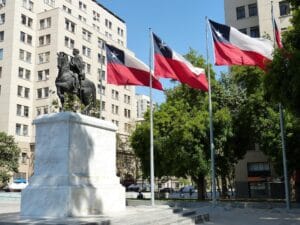
A visit requires more time and emotional attention than a conventional tourist attraction, but it can provide valuable context for understanding contemporary Chile.
Visit the Chilean Museum of Pre-Columbian Art
The Chilean Museum of Pre-Columbian Art is one of the most important museums in Santiago for understanding Indigenous cultures and civilizations of the Americas.
Its collections explore artistic and cultural traditions that existed before European colonization.
The museum is particularly valuable for travelers who want to understand the broader cultural history of Chile and Latin America rather than focusing only on modern Santiago.
Explore the National Museum of Fine Arts
The National Museum of Fine Arts, known as Museo Nacional de Bellas Artes, is one of Santiago’s leading cultural attractions.
The museum’s collection includes paintings, sculptures, and other works connected with Chilean and international art. Chile Travel describes it as Chile’s leading center for visual arts and highlights its impressive architecture and glass dome.
Its location near Parque Forestal also makes it easy to combine a museum visit with a relaxing walk through one of central Santiago’s green spaces.
Walk Through Parque Forestal
Parque Forestal is one of the most pleasant green spaces in central Santiago.
The park stretches through an area near the Mapocho River and connects several cultural attractions and neighborhoods.
Walking through Parque Forestal allows visitors to experience Santiago at a slower pace. Trees, open spaces, pathways, sculptures, and nearby architecture create a pleasant environment for walking, photography, and people-watching.
The park is particularly attractive when combined with the National Museum of Fine Arts and the Lastarria neighborhood.
Explore Barrio Lastarria
Barrio Lastarria is one of the most attractive neighborhoods in Santiago for travelers interested in culture, cafés, restaurants, architecture, and urban atmosphere.
The neighborhood has a bohemian character and contains bookstores, galleries, restaurants, cafés, cultural venues, boutique businesses, and historic architecture.
Chile Travel identifies Lastarria as one of Santiago’s important cultural and bohemian areas and highlights its proximity to Parque Forestal, Cerro Santa Lucía, and the National Museum of Fine Arts.
Lastarria is an excellent place to visit during the afternoon and remain into the evening for dinner.
Discover Barrio Bellavista
Barrio Bellavista is one of Santiago’s most famous neighborhoods and a popular destination for nightlife, restaurants, murals, art, and cultural experiences.
The neighborhood is located near Cerro San Cristóbal and provides a lively contrast to the historic center.
Bellavista is particularly enjoyable after exploring San Cristóbal because visitors can descend from the hill and continue into the neighborhood for food, drinks, cafés, and evening entertainment.
Chile Travel specifically recommends Bellavista for its bars, murals, terraces, restaurants, and nightlife.
Visit La Chascona
La Chascona is one of the homes associated with the famous Chilean poet Pablo Neruda.
Located in Bellavista, the house offers insight into Neruda’s personal life, artistic interests, and distinctive personality.
The unusual architecture, rooms, objects, and collections make La Chascona different from a conventional museum.
For literature lovers, visiting La Chascona is one of the best things to do in Santiago. Even travelers unfamiliar with Neruda’s poetry may find the house fascinating because it provides a glimpse into twentieth-century Chilean cultural history.
Explore Cerro San Cristóbal
Cerro San Cristóbal is one of the most iconic attractions in Santiago.
The hill forms part of Parque Metropolitano, one of the largest urban parks in Latin America. According to Chile Travel, the park covers more than 720 hectares and includes trails, bicycle paths, the historic funicular, cable car, Japanese Garden, National Zoo, picnic areas, viewpoints, and the Sanctuary of the Immaculate Conception.
The summit provides spectacular views across Santiago toward the Andes.
A visit to Cerro San Cristóbal is therefore ideal for travelers who want to combine nature, exercise, sightseeing, photography, and panoramic city views.
Ride the Historic Funicular
The historic funicular is one of the most memorable ways to reach Cerro San Cristóbal.
Instead of climbing the entire hill on foot, visitors can use the funicular to ascend quickly while enjoying the changing landscape.
Chile Travel’s current suggested itinerary notes that walking to the summit can take around 60 to 90 minutes, while the historic funicular journey is much shorter.
The funicular is especially useful for travelers who want to conserve their energy for exploring the summit and other attractions within Parque Metropolitano.
Take the Santiago Cable Car
The Santiago Cable Car provides another spectacular way to experience Cerro San Cristóbal and Parque Metropolitano.
The cable car offers elevated views over the park and city and can be combined with the funicular to create a scenic loop.
One enjoyable approach is to ascend by funicular and descend by cable car, allowing you to experience different perspectives of the park.
Visit the Sanctuary of the Immaculate Conception
At the summit of Cerro San Cristóbal stands the Sanctuary of the Immaculate Conception and the famous Virgin statue.
The location is both religiously significant and visually impressive.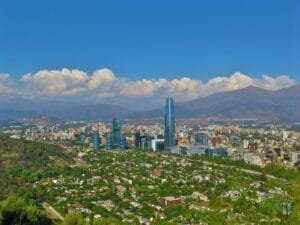
The surrounding viewpoints provide some of the best opportunities to appreciate Santiago’s scale and the Andes Mountains beyond the city.
Visit the Japanese Garden
The Japanese Garden inside Parque Metropolitano is one of the city’s most peaceful attractions.
The carefully designed landscape provides a quiet contrast to Santiago’s busy streets.
Chile Travel includes the Japanese Garden among the major attractions within Parque Metropolitano and recommends visiting it as part of a day exploring Cerro San Cristóbal.
The garden is especially suitable for photography and relaxation.
Enjoy Views of the Andes Mountains
The Andes are one of the defining visual features of Santiago.
On clear days, the mountains create a dramatic backdrop behind the city.
Several viewpoints offer excellent perspectives, but Cerro San Cristóbal and Sky Costanera are among the most accessible choices.
Air quality and weather can significantly influence visibility, so travelers hoping for mountain photography should check conditions before heading to a viewpoint.
Visit Sky Costanera
Sky Costanera is one of the best places to see Santiago from above.
Located approximately 300 meters above the ground, it is officially described by Chile Travel as the tallest viewpoint in South America. The observation area provides 360-degree panoramic views, including the Andes and Cerro San Cristóbal.
The experience begins with high-speed elevators that take visitors to the upper levels in less than a minute.
Watch Sunset from Sky Costanera
Sunset can be one of the most spectacular times to visit Sky Costanera.
As daylight fades, Santiago changes from a bright metropolitan landscape into a city illuminated by thousands of lights.
Chile Travel specifically recommends sunset as an ideal time to experience the viewpoint because visitors can watch the capital light up beneath them.
Visibility depends heavily on weather and air quality, so checking conditions before visiting is worthwhile.
Explore Costanera Center
Costanera Center is one of Santiago’s major modern commercial complexes.
The complex provides shopping, restaurants, entertainment, and access to Sky Costanera.
It offers a striking contrast to the historic architecture of central Santiago and demonstrates the city’s modern identity.
Travelers who enjoy shopping can combine a visit to Sky Costanera with time inside the mall.
Explore Barrio Italia
Barrio Italia is one of Santiago’s most fashionable and interesting neighborhoods.
The area combines old houses, independent shops, restaurants, cafés, design stores, galleries, and creative businesses.
Unlike some of Santiago’s larger tourist attractions, Barrio Italia is best experienced slowly.
Walking through its streets, stopping for coffee, browsing design stores, and enjoying lunch or dinner provides a more local neighborhood experience.
Experience Santiago’s Café Culture
Santiago has a growing café culture, particularly in neighborhoods such as Lastarria, Bellavista, Providencia, and Barrio Italia.
Travelers can enjoy Chilean coffee culture alongside pastries, cakes, sandwiches, and contemporary desserts.
Cafés also provide a useful break from sightseeing, especially during warmer afternoons.
For travelers who enjoy photography and urban exploration, independent cafés inside historic buildings can be particularly appealing.
Visit Mercado Central
Mercado Central is one of Santiago’s most famous traditional markets.
The market is associated with Chilean seafood and traditional cuisine and provides visitors with an opportunity to see an important part of the city’s culinary culture.
Travelers can explore stalls selling fish, shellfish, produce, and other foods before sitting down for a traditional meal.
Chile Travel identifies Mercado Central as one of Santiago’s important gastronomic destinations.
Try Chilean Seafood
Chile’s long Pacific coastline has strongly influenced its cuisine.
Santiago’s restaurants and markets provide access to seafood dishes using fish, shellfish, and other marine ingredients.
Visitors who enjoy seafood should take the opportunity to try Chilean preparations rather than relying exclusively on international cuisine.
Taste Empanadas
Empanadas are among Chile’s most recognizable foods.
Traditional Chilean empanadas can be filled with ingredients such as meat, onions, egg, olives, cheese, or seafood depending on the variety.
They make an easy snack during sightseeing and can be found in restaurants, bakeries, markets, and casual food establishments.
Try Pastel de Choclo
Pastel de choclo is a traditional Chilean dish made with a sweet corn topping and a savory filling.
The combination of sweet and savory flavors makes it a distinctive part of Chilean cuisine.
Travelers interested in traditional food should look for restaurants specializing in Chilean dishes rather than limiting their culinary experience to international restaurants.
Explore the Casablanca Valley
Casablanca Valley is another well-known wine-producing area within reach of Santiago.
The region is particularly associated with cool-climate wine production.
A Casablanca Valley trip can be combined with coastal destinations depending on the itinerary.
Wine enthusiasts can spend the day visiting vineyards, tasting wines, and learning about the influence of Chile’s geography and climate on wine production.
Take a Day Trip to Valparaíso
Valparaíso is one of the most popular day trips from Santiago.
The colorful coastal city is famous for its hills, historic architecture, street art, funiculars, viewpoints, and bohemian atmosphere.
Chile Travel describes Valparaíso as a heritage treasure within the wider central Chile region.
Travelers can explore the historic streets, ride one of the city’s traditional elevators, photograph murals, and enjoy views over the Pacific Ocean.
Visit Viña del Mar
Viña del Mar offers a very different experience from Santiago and Valparaíso.
The coastal city is known for beaches, gardens, modern architecture, and seaside attractions.
Because of its proximity to Valparaíso, the two cities can often be visited together as part of a full-day excursion from Santiago.
Visit Farellones
Farellones is another mountain destination near Santiago and is particularly associated with winter activities.
The mountain village provides access to snow-based recreation and scenic landscapes.
Travelers should allow additional travel time because mountain roads can be affected by weather.
Visit El Colorado
El Colorado is another ski area in the Andes near Santiago.
The destination is primarily attractive during the winter season when snow conditions allow skiing and snowboarding.
For visitors planning a winter trip to Santiago, checking the current ski conditions and operating status before departure is essential.
Explore Cerro Santa Lucía
Cerro Santa Lucía is a historic hill in central Santiago and one of the easiest viewpoints to visit during a city sightseeing itinerary.
The hill is closely associated with Santiago’s history and offers gardens, pathways, architectural features, and viewpoints.
Because it is located near central neighborhoods, it is easy to combine with Lastarria, Parque Forestal, museums, and the historic center.
Chile Travel identifies Cerro Santa Lucía as one of the important landmarks connected with the city’s foundation and historic center.
Enjoy the View from Cerro Santa Lucía
The viewpoints at Cerro Santa Lucía provide a different perspective from the much higher Cerro San Cristóbal.
The hill is smaller and more central, making it particularly convenient for travelers with limited time.
It is an excellent place to take photographs of Santiago’s historic and modern architecture.
Explore the Mapocho River
The Mapocho River runs through Santiago and forms an important geographical feature of the city.
Several parks, roads, cultural attractions, and neighborhoods are located along or near the river.
Walking along sections of the river can provide an alternative way to experience Santiago beyond the main tourist attractions.
Visit the Gabriela Mistral Cultural Center
The Gabriela Mistral Cultural Center, commonly known as GAM, is an important cultural venue in Santiago.
It hosts artistic and cultural activities and contributes to the city’s contemporary cultural scene.
Its location near Lastarria makes it easy to combine with museums, cafés, restaurants, and Cerro Santa Lucía.
Explore Santiago’s Contemporary Art Scene
Santiago’s art scene extends beyond major museums.
Independent galleries, cultural centers, creative neighborhoods, public art, and temporary exhibitions provide opportunities to discover contemporary Chilean artists.
Travelers interested in modern culture should check current exhibitions and cultural calendars before visiting.
Visit Museo de la Solidaridad Salvador Allende
The Museo de la Solidaridad Salvador Allende is an important institution for travelers interested in political history and modern art.
The museum’s collections are connected with the history of solidarity movements and Chile’s twentieth-century political context.
It provides another perspective on Chilean cultural history beyond traditional fine-art museums.
Explore Barrio Yungay
Barrio Yungay is one of Santiago’s historic neighborhoods and is particularly interesting for travelers who want to experience architecture and local life outside the most visited tourist districts.
The neighborhood contains historic houses, cultural spaces, cafés, and traditional streets.
Exploring Yungay can provide a deeper sense of Santiago’s urban history.
Discover Quinta Normal
Quinta Normal is a large urban park and cultural area in Santiago.
The park is surrounded by museums and provides green space for residents and visitors.
Travelers interested in museums can combine several cultural attractions in this area.
Visit the Museum of Natural History
The National Museum of Natural History is located in Quinta Normal and offers exhibitions related to Chile’s biodiversity, geology, and natural environment.
The museum can be particularly interesting for families and travelers planning to explore Chile’s deserts, mountains, forests, and Patagonia because it provides useful scientific context.
Explore Providencia
Providencia is one of Santiago’s most popular modern neighborhoods.
The district contains hotels, restaurants, shopping centers, offices, parks, cafés, and convenient transportation connections.
It is a good base for travelers who prefer a modern urban environment while still wanting easy access to the historic center and major attractions.
Visit Pueblito Los Dominicos
Pueblito Los Dominicos provides an opportunity to discover traditional Chilean crafts and handmade products.
Visitors can browse workshops and stores selling pottery, textiles, jewelry, woodwork, artwork, and other crafts.
It is a useful place to purchase souvenirs that have a stronger connection to Chilean culture than generic tourist merchandise.
Buy Chilean Souvenirs
Travelers looking for authentic souvenirs from Santiago can consider Chilean handicrafts, textiles, pottery, artwork, wine, food products, and locally produced items.
Markets and artisan centers can provide more interesting choices than conventional souvenir shops.
Wine is also a popular gift, although travelers should check airline and customs requirements when transporting bottles internationally.
Explore Santiago’s Shopping Malls
Santiago has numerous modern shopping centers.
Costanera Center is particularly well known because it also provides access to Sky Costanera.
Other shopping areas throughout Providencia, Las Condes, Vitacura, and surrounding districts offer fashion, electronics, restaurants, cafés, and entertainment.
Shopping malls can also provide useful indoor spaces during very hot or rainy weather.
Experience Santiago’s Nightlife
Santiago has a diverse nightlife scene ranging from cocktail bars and wine bars to live music venues, restaurants, clubs, and neighborhood pubs.
Bellavista is particularly famous for nightlife, while Lastarria, Providencia, Barrio Italia, and other districts offer more relaxed evening experiences.
Visitors should choose nightlife areas carefully, remain aware of their surroundings, and use reliable transportation after dark.
Explore Santiago at Night
Walking through Santiago after sunset can reveal a different side of the city.
Historic buildings become illuminated, restaurants become busier, and neighborhoods such as Lastarria and Bellavista develop a lively evening atmosphere.
A good evening itinerary might begin with dinner, continue with a walk through a cultural neighborhood, and finish with a rooftop or cocktail bar.
Enjoy Chilean Restaurants
Santiago’s restaurant scene ranges from traditional Chilean food to international cuisine and contemporary gastronomy.
Travelers should try at least one traditional Chilean restaurant during their stay.
At the same time, the city’s modern culinary scene provides opportunities to experience innovative dishes using Chilean seafood, meat, vegetables, wine, and local ingredients.
Experience Santiago’s Food Markets
Food markets are excellent places to understand everyday Chilean life.
Markets allow visitors to observe local shopping habits while discovering seafood, fruits, vegetables, spices, meats, pastries, and prepared foods.
Mercado Central is the most famous option for tourists, but smaller neighborhood markets can also be rewarding for travelers who have additional time.
Best Time to Visit Santiago
Santiago can be visited throughout the year, but the ideal season depends on your interests.
Spring and autumn are particularly pleasant for city sightseeing because temperatures are generally comfortable.
Summer is useful for travelers who want long days, outdoor activities, and mountain excursions, although temperatures in the city can become high.
Winter is ideal for travelers interested in snow and skiing in the Andes, while the city itself offers museums, restaurants, shopping, and cultural attractions.
Santiago in Spring
Spring brings warmer weather, blooming gardens, and pleasant conditions for walking through Santiago’s neighborhoods and parks.
It is a good season for combining city sightseeing with outdoor excursions.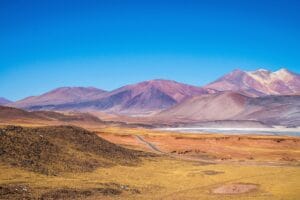
The mountains and surrounding landscapes can also be particularly attractive.
Best Three-Day Santiago Itinerary
A three-day Santiago itinerary can begin with the historic center. Spend the first morning exploring Plaza de Armas, the Metropolitan Cathedral, Palacio de La Moneda, and nearby museums. Continue through the afternoon toward Cerro Santa Lucía and Lastarria.
On the second day, visit Cerro San Cristóbal and Parque Metropolitano. Ride the funicular or cable car, explore the summit, visit the Japanese Garden, and then descend toward Bellavista. Finish the day with La Chascona, dinner, and nightlife.
On the third day, explore modern Santiago. Visit Sky Costanera, explore Providencia or Vitacura, enjoy lunch, and spend the afternoon in Barrio Italia or another cultural neighborhood.
Best Four-Day Santiago Itinerary
With four days, add a full-day wine excursion.
The first three days can focus on Santiago itself, while the fourth day can be dedicated to the Maipo Valley or Casablanca Valley.
This itinerary provides a balanced combination of city culture, history, food, nature, views, and wine.
Best Five-Day Santiago Itinerary
Five days allows you to include a day trip to Valparaíso and Viña del Mar in addition to a vineyard excursion.
You can dedicate three days to Santiago, one day to wine country, and one day to the coast.
This is an excellent option for travelers who want a broad introduction to central Chile without spending too much time moving between destinations.
Santiago for Couples
Santiago offers many experiences suitable for couples.
Watching sunset from Sky Costanera, enjoying dinner in Lastarria, exploring Barrio Italia, visiting vineyards, walking through Parque Forestal, and taking a mountain excursion can all create memorable experiences.
Couples who enjoy wine can consider a private vineyard tour, while those who prefer city experiences can focus on restaurants, cultural venues, and rooftop views.
Where to Stay in Santiago
Choosing the right neighborhood can significantly improve your Santiago experience.
Lastarria is ideal for travelers who want culture, cafés, restaurants, museums, and walkability.
Bellavista is suitable for visitors who prioritize nightlife and a bohemian atmosphere.
Providencia is a convenient choice for modern hotels, restaurants, shopping, and transportation.
Las Condes and Vitacura are particularly attractive for travelers who prefer modern infrastructure, upscale restaurants, shopping, and business-oriented areas.
The historic center is convenient for sightseeing but should be evaluated based on your preferred atmosphere and travel plans.
What to Eat in Santiago
A Santiago food itinerary should include traditional Chilean dishes alongside contemporary cuisine.
Empanadas, pastel de choclo, seafood, completos, Chilean meats, seasonal vegetables, local desserts, Chilean wine, and pisco-based cocktails all deserve consideration.
Food markets are particularly useful for travelers who want to sample several dishes without committing to a formal restaurant meal.
What to Buy in Santiago
Popular Chilean souvenirs include wine, handicrafts, textiles, jewelry, pottery, artwork, food products, and locally made crafts.
Pueblito Los Dominicos is particularly interesting for travelers looking for traditional crafts.
Wine is another popular souvenir, especially for visitors who have toured the Maipo or Casablanca valleys.
Best Things to Do in Santiago at Night
Santiago at night is best experienced through its restaurants, cafés, bars, cultural venues, and neighborhood streets.
Bellavista is particularly lively, while Lastarria and Barrio Italia offer more relaxed evening atmospheres.
A sunset visit to Sky Costanera followed by dinner is another excellent way to experience Santiago after dark.
Best Things to Do Near Santiago
The area around Santiago offers numerous excursions.
Wine valleys, the Andes Mountains, ski resorts, Valparaíso, Viña del Mar, and other central Chile destinations can all be explored from the capital.
This makes Santiago an excellent base for travelers who want to experience several sides of Chile without changing hotels every night.
Best Day Trips from Santiago
The best day trips from Santiago include the Maipo Valley, Casablanca Valley, Valparaíso, Viña del Mar, and the Andes mountain resorts.
Each destination offers something different.
Wine valleys are ideal for gastronomy and wine, Valparaíso is perfect for history and art, Viña del Mar is suited to coastal relaxation, and the Andes provide mountain scenery and outdoor adventure.
Visit Santiago and Valparaíso Together
Combining Santiago and Valparaíso creates a particularly rewarding Chile itinerary.
Santiago provides the capital’s museums, historic architecture, restaurants, neighborhoods, and mountain views, while Valparaíso adds Pacific coast scenery, colorful hills, street art, and historic architecture.
The contrast between the two cities demonstrates the geographical and cultural diversity of central Chile.
Visit Santiago and the Wine Valleys
A Santiago and wine valley itinerary is ideal for travelers interested in gastronomy.
Spend several days exploring the city before visiting vineyards in Maipo or Casablanca.
The combination of urban culture, Chilean food, mountain landscapes, and wine provides one of the most complete introductions to central Chile.
Santiago Travel Tips for First-Time Visitors
First-time visitors should avoid trying to see everything in a single day.
Santiago is best experienced by dividing attractions geographically. Spend one day around the historic center and Lastarria, another around Cerro San Cristóbal and Bellavista, and another exploring modern districts such as Providencia, Vitacura, and the Costanera area.
Travelers should also remember that Santiago’s elevation and dry climate can feel different from tropical South American destinations. Staying hydrated is useful, particularly during outdoor activities.
Sustainable Travel in Santiago
Travelers can support sustainable tourism by using public transportation, respecting parks, avoiding litter, supporting local businesses, and purchasing locally made crafts.
When hiking or visiting mountain areas, visitors should remain on designated trails and follow conservation instructions.
Supporting local restaurants, markets, artisans, museums, and cultural organizations also helps contribute to Santiago’s local economy.
Why Santiago Is One of South America’s Best City Breaks
Santiago deserves consideration as one of South America’s most interesting city-break destinations because it combines metropolitan convenience with extraordinary geography.
Few capitals offer such easy access to mountains, vineyards, coastline, cultural attractions, parks, and historic neighborhoods.
The city also works well as a starting point for exploring Chile’s enormous geographical diversity.
Conclusion
Santiago is a destination that rewards travelers who take time to explore beyond the obvious attractions. The city may initially appear to be a modern South American capital surrounded by mountains, but closer exploration reveals layers of history, art, food, architecture, culture, nature, and everyday Chilean life.
For first-time visitors, the historic center is the natural place to begin. Plaza de Armas, the Metropolitan Cathedral, Palacio de La Moneda, museums, traditional restaurants, and historic streets introduce travelers to Santiago’s origins and its development as the capital of Chile. The historic center remains one of the most important places to visit in Santiago and provides a strong foundation for understanding the city.
Cerro San Cristóbal is another essential experience. The combination of Parque Metropolitano, the funicular, cable car, Japanese Garden, summit, sanctuary, and panoramic viewpoints makes the hill one of Santiago’s most memorable attractions. Official Chile Travel information describes Parque Metropolitano as the city’s principal green lung and one of Latin America’s largest urban parks.
For authoritative outbound links, use Chile Travel, the official tourism platform of Chile. Its Santiago destination guide covers the city’s historic neighborhoods, museums, gastronomy, nightlife, shopping, cultural attractions, and mountain access.
Chile Travel – Santiago Capital
Chile Travel – Santiago Historic Center
Chile Travel – Cerro San Cristóbal
Author

Related posts
Best Places to Visit in Dinant
- 0
- 4,779 words
Best Places to Visit in Dinant, Belgium Dinant is one of the most beautiful small towns in Belgium and one of the...
Read out all
Best Places to Visit in Mont-Saint-Michel
- 0
- 4,964 words
Best Places to Visit in Mont-Saint-Michel , France Mont-Saint-Michel is one of the most extraordinary destinations in France and one of the...
Read out all
UNGA
- 0
- 5,649 words
UNGA (United Nations General Assembly ) The United Nations General Assembly, commonly known as the UN General Assembly or UNGA, is one...
Read out all
Best Places to Visit in Kathmandu
- 0
- 4,089 words
Best Places to Visit in Kathmandu , Nepal Kathmandu, the capital of Nepal, is one of South Asia’s most fascinating travel destinations....
Read out all
Best Places to Visit in Vilnius
- 0
- 5,246 words
Best Places to Visit in Vilnius , Lithuania Vilnius, the capital of Lithuania, is one of the most fascinating destinations in the...
Read out all
Best Places to Visit in Riga
- 0
- 6,005 words
Best Places to Visit in Riga , Latvia Riga, the capital of Latvia, is one of the most fascinating destinations in the...
Read out all