
Best Things to Do in Lisbon
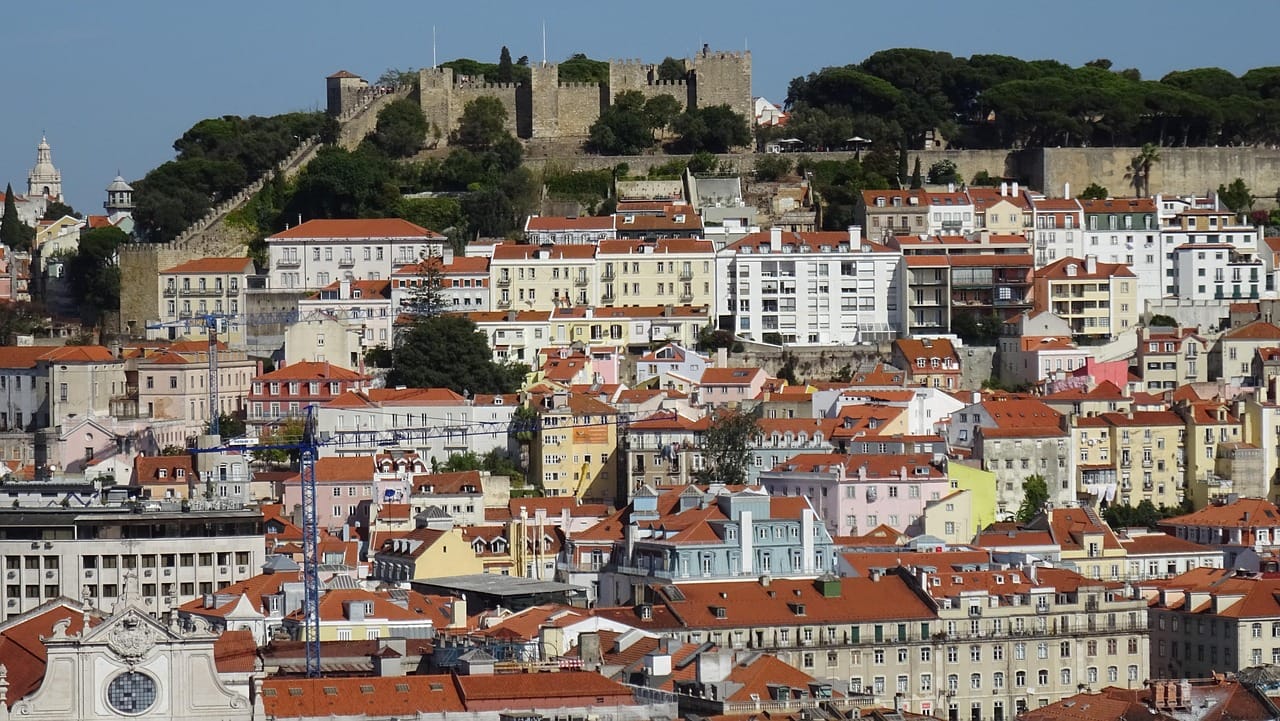
Lisbon is one of Europe’s most beautiful and historic capitals. Located along the Atlantic coast of Portugal, the city is famous for colorful streets, yellow trams, hilltop viewpoints, seafood cuisine, historical neighborhoods, music culture, and breathtaking river scenery. Travelers from around the world visit Lisbon because it combines old-world charm with modern creativity and relaxed Mediterranean lifestyle.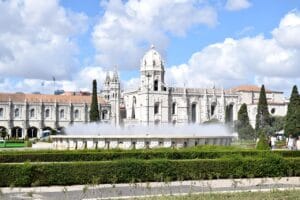
The city is built across seven hills overlooking the Tagus River, creating dramatic viewpoints and picturesque landscapes throughout the urban area. Lisbon’s architecture reflects centuries of Roman, Moorish, medieval, and maritime history that shaped Portugal into one of the world’s great seafaring nations.
According to Visit Lisboa Official Tourism Website, Lisbon continues growing as one of Europe’s most popular travel destinations because of its history, climate, food, culture, and affordability.
Exploring the Historic Alfama District
Alfama is Lisbon’s oldest and most historic neighborhood. The district survived the devastating 1755 earthquake and still preserves its medieval atmosphere with narrow streets, colorful buildings, tiled walls, hidden courtyards, and traditional Portuguese homes.
Walking through Alfama feels like traveling back in time. Visitors discover local cafés, churches, viewpoints, music venues, and small family-owned restaurants throughout the district.
The neighborhood is especially famous for Fado music, Portugal’s emotional traditional music style recognized by UNESCO as cultural heritage.
Many travelers consider Alfama the soul of Lisbon because of its authentic atmosphere and deep cultural identity.
According to UNESCO Intangible Cultural Heritage Fado Music, Fado represents one of Portugal’s most important cultural traditions.
Riding the Famous Tram 28
The tram climbs steep hills and travels through narrow streets impossible for large vehicles, providing visitors with unique sightseeing opportunities.
Originally designed as public transportation, Tram 28 has become one of Lisbon’s most famous tourist attractions because it offers scenic views of historical buildings, churches, squares, and local life.
Travel photographers frequently describe the Lisbon tram system as one of Europe’s most charming urban transport experiences.
Visiting Belém Tower
The tower symbolizes Portugal’s maritime history and global exploration era when Portuguese navigators sailed across Africa, Asia, and South America.
Its Manueline architectural style includes detailed stone carvings, balconies, arches, and maritime decorative elements.
Visitors can climb the tower for panoramic river views while learning about Portugal’s naval history and international trade expansion.
Belém Tower represents one of the greatest examples of Portuguese maritime architecture.
Discovering Jerónimos Monastery
The monastery was built to celebrate Vasco da Gama’s successful voyage to India and reflects Portugal’s wealth during the Age of Exploration.
The structure features extraordinary Manueline architecture filled with detailed carvings, columns, arches, cloisters, and maritime symbolism.
Vasco da Gama and famous Portuguese poet Luís de Camões are buried within the monastery.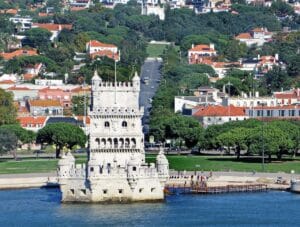
Travelers interested in architecture, religion, and European history frequently rank Jerónimos Monastery among Portugal’s most impressive attractions.
Enjoying Lisbon’s Famous Viewpoints
These panoramic terraces overlook rooftops, rivers, churches, bridges, and neighborhoods spread across the city landscape.
Popular viewpoints include Miradouro da Senhora do Monte, Miradouro de Santa Catarina, and Miradouro das Portas do Sol.
Visitors often spend evenings relaxing at these viewpoints while enjoying sunsets, street music, and city lights.
Lisbon’s viewpoints provide some of Europe’s most beautiful urban panoramas and remain favorite destinations for photographers and travelers.
Walking Through Baixa and Rossio Square
The area features elegant squares, symmetrical streets, grand buildings, cafés, and shopping avenues reflecting eighteenth-century urban planning.
Rossio Square serves as one of Lisbon’s busiest public gathering places and contains fountains, monuments, and traditional Portuguese pavement designs.
Walking through Baixa allows travelers to experience Lisbon’s urban energy while exploring restaurants, shops, historical landmarks, and cultural sites.
The district connects several important attractions throughout central Lisbon.
Exploring São Jorge Castle
Originally built by the Moors before Christian reconquest, the castle played major defensive and royal roles throughout Portuguese history.
Visitors walk through stone walls, towers, gardens, and archaeological ruins while enjoying panoramic views of Lisbon.
The castle area also provides insight into Lisbon’s medieval and Islamic history before Portuguese unification.
History enthusiasts frequently describe São Jorge Castle as one of Lisbon’s most important historical sites.
Experiencing Portuguese Cuisine
One of Lisbon’s most famous foods is the pastel de nata, a traditional Portuguese custard tart enjoyed throughout the country.
Seafood dishes including grilled sardines, octopus, codfish, and shellfish remain extremely popular because of Portugal’s maritime culture.
The Time Out Market Lisbon has become a major food destination where visitors can experience both traditional and modern Portuguese cuisine.
Many travelers consider Lisbon one of Europe’s top cities for affordable and high-quality dining experiences.
According to Time Out Market Lisbon, Lisbon’s food culture combines local tradition with modern culinary creativity.
Listening to Traditional Fado Music
Performed with Portuguese guitar and expressive vocals, Fado songs often explore themes of longing, love, nostalgia, and destiny.
Many restaurants and music venues throughout Alfama and Bairro Alto host live Fado performances during evening hours.
Visitors frequently describe Fado experiences as deeply emotional and uniquely Portuguese.
The music tradition helps preserve Portugal’s cultural identity and storytelling heritage.
Visiting the MAAT and Modern Lisbon
While Lisbon is famous for history, the city also embraces modern architecture and contemporary culture.
The Museum of Art, Architecture and Technology, commonly called MAAT, represents Lisbon’s modern artistic identity.
Located beside the Tagus River, the museum features futuristic architecture and exhibitions focused on technology, energy, design, and contemporary art.
The building itself has become one of Lisbon’s most photographed modern landmarks.
Lisbon successfully balances ancient traditions with innovation and creative development.
Discovering Bairro Alto Nightlife
Bairro Alto transforms dramatically after sunset and becomes one of Lisbon’s busiest nightlife districts.
The neighborhood contains bars, music venues, rooftop lounges, restaurants, and late-night gathering spots attracting both locals and tourists.
Unlike many modern nightlife districts, Bairro Alto preserves historical architecture while offering energetic entertainment scenes.
Visitors often enjoy walking between venues because the narrow streets create lively social atmospheres throughout the night.
Lisbon nightlife remains popular because it combines affordability, safety, music, and cultural diversity.
Exploring the LX Factory Creative District
LX Factory represents Lisbon’s growing creative and artistic scene.
Built inside former industrial warehouses, the district now contains bookstores, cafés, restaurants, art studios, design shops, and coworking spaces.
Street art, murals, and creative installations give the area modern urban character different from Lisbon’s historic districts.
Young travelers and digital nomads especially enjoy LX Factory because of its artistic atmosphere and modern cultural energy.
The district reflects Lisbon’s transformation into one of Europe’s most creative capitals.
Taking a Day Trip to Sintra
Many visitors to Lisbon also take day trips to Sintra, a magical town filled with castles, palaces, forests, and mountain scenery.
Pena Palace remains Sintra’s most famous attraction because of its colorful fairy-tale architecture overlooking the surrounding hills.
Sintra’s cooler climate and natural landscapes provide refreshing contrast to Lisbon’s urban environment.
The town is recognized as a UNESCO World Heritage Site because of its romantic architecture and cultural significance.
Travel experts frequently rank Sintra among Europe’s most beautiful small towns.
According to UNESCO Sintra Cultural Landscape, Sintra represents one of Europe’s most important romantic landscapes.
Riding the Santa Justa Lift
The Santa Justa Lift is one of Lisbon’s most recognizable engineering landmarks.
Built during the early twentieth century, the iron elevator connects lower streets with higher neighborhoods while providing scenic city views.
The structure reflects industrial-era architecture influenced by European engineering styles of the period.
Visitors ride the elevator both for transportation and sightseeing opportunities.
The viewing platform offers excellent panoramic perspectives across Lisbon’s rooftops and historical districts.
Why Lisbon Is One of Europe’s Best Cities
Lisbon attracts travelers because it offers history, affordability, climate, food, music, architecture, beaches, nightlife, and culture within one compact and walkable city.
The city appeals to solo travelers, couples, backpackers, digital nomads, photographers, food enthusiasts, and luxury tourists alike.
Compared to many Western European capitals, Lisbon often provides better value for accommodation, dining, and entertainment.
Its combination of Atlantic scenery, colorful architecture, and relaxed atmosphere creates unforgettable travel experiences. Tourist also like to visit Sintra, Portugal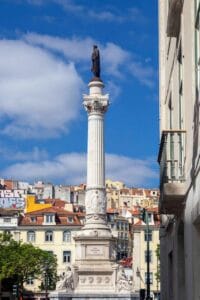
Conclusion
Lisbon remains one of Europe’s most captivating destinations because of its rich history, beautiful neighborhoods, river views, music culture, and welcoming atmosphere. From Alfama and Belém Tower to Tram 28, Fado music, seafood restaurants, viewpoints, and nearby Sintra, the Portuguese capital offers extraordinary experiences for every traveler.
The city successfully combines ancient traditions with modern creativity while preserving its authentic cultural identity.
Whether visitors come for architecture, history, cuisine, nightlife, photography, or relaxation, Lisbon delivers unforgettable memories filled with beauty, culture, and discovery.
🇪🇺 Visit Europe — Official Travel Portal of Europe
Visit Europe — Official Tourism Portal
It is operated by the European Travel Commission (ETC) and provides destination information, travel inspiration, regions, events, attractions, and travel-planning guidance across Europe.
Useful official links
- Europe Travel Guides: Visit Europe Guides — destination ideas, seasonal guides, food, culture, nature and travel inspiration.
- Plan Your Trip: Visit Europe Travel Tips — entry information, safety, currency, accommodation and transportation guidance.
- European Countries: Visit Europe Countries — official tourism information organized by European country.
- EU Travel & Entry Information: Travel to Europe — European Commission — official information about EES and ETIAS.
- EU Travel Rights: Your Europe — Travel — official EU information on travel documents, passenger rights, driving, luggage and other travel rules.
Author

Related posts
Best Places to Visit in Dinant
- 0
- 4,779 words
Best Places to Visit in Dinant, Belgium Dinant is one of the most beautiful small towns in Belgium and one of the...
Read out all
Best Places to Visit in Mont-Saint-Michel
- 0
- 4,964 words
Best Places to Visit in Mont-Saint-Michel , France Mont-Saint-Michel is one of the most extraordinary destinations in France and one of the...
Read out all
UNGA
- 0
- 5,649 words
UNGA (United Nations General Assembly ) The United Nations General Assembly, commonly known as the UN General Assembly or UNGA, is one...
Read out all
Best Places to Visit in Kathmandu
- 0
- 4,089 words
Best Places to Visit in Kathmandu , Nepal Kathmandu, the capital of Nepal, is one of South Asia’s most fascinating travel destinations....
Read out all
Best Places to Visit in Vilnius
- 0
- 5,246 words
Best Places to Visit in Vilnius , Lithuania Vilnius, the capital of Lithuania, is one of the most fascinating destinations in the...
Read out all
Best Places to Visit in Riga
- 0
- 6,005 words
Best Places to Visit in Riga , Latvia Riga, the capital of Latvia, is one of the most fascinating destinations in the...
Read out all