
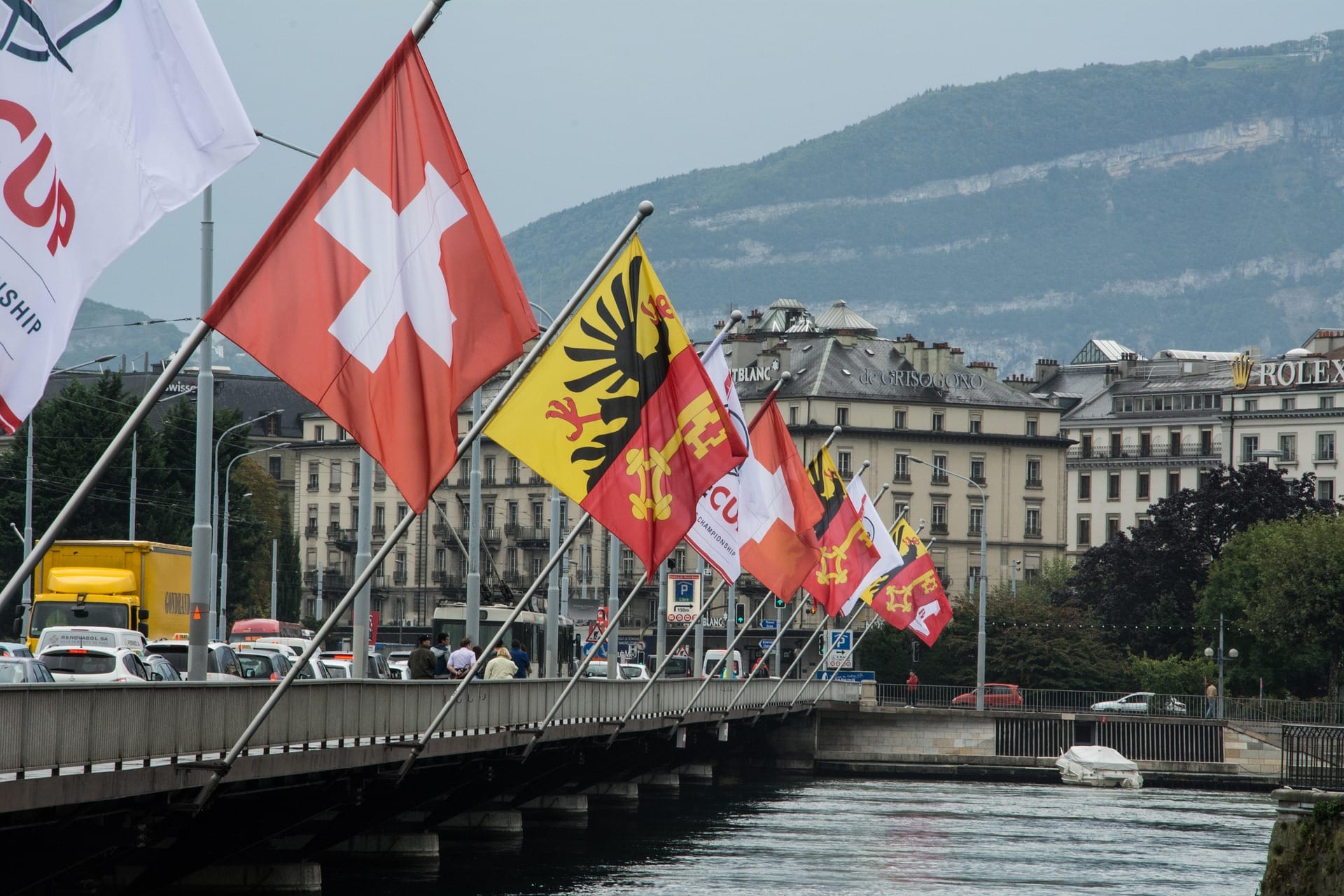
Best Things to Do in Geneva , Switzerland
Geneva is one of Switzerland’s most fascinating cities, combining an elegant lakeside setting, international culture, historic architecture, world-class museums, fine watchmaking, Swiss cuisine, beautiful parks, and spectacular views of the Alps. Situated at the western end of Lake Geneva, the city offers a distinctive combination of urban sophistication and natural beauty. Travelers can explore historic streets in the morning, admire the famous Jet d’Eau beside the lake, visit internationally important scientific and humanitarian institutions, and finish the day enjoying Swiss food overlooking the water.
For travelers searching for the best things to do in Geneva, Switzerland, the city offers much more than luxury shopping and international organizations. Geneva’s Old Town tells centuries of history, Lake Geneva provides opportunities for cruises and waterfront walks, and attractions such as CERN introduce visitors to some of the world’s most important scientific discoveries. The city is also an excellent destination for art lovers, history enthusiasts, families, couples, photographers, and travelers looking for a sophisticated European city break.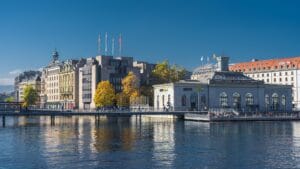
Geneva Tourism highlights the city’s combination of historic attractions, museums, parks, Lake Geneva scenery, international institutions, outdoor activities, shopping, food, and neighborhood experiences. Its official tourism platform also provides suggested one-day and two-day itineraries for visitors with limited time.
Why Visit Geneva?
Geneva deserves a place on a Switzerland travel itinerary because it offers a different experience from destinations such as Zurich, Lucerne, or Interlaken. Its identity is strongly connected to Lake Geneva, diplomacy, humanitarian history, science, watchmaking, international organizations, and the Protestant Reformation.
The city is compact enough to explore many central attractions without spending the entire day traveling between them. Visitors can move from the lakefront into the Old Town and then continue toward museums, gardens, shopping streets, and historic monuments.
Another major advantage is Geneva’s location. The city provides access to surrounding vineyards, mountains, countryside, and other destinations around Lake Geneva. This means travelers can combine a city vacation with outdoor experiences and scenic excursions.
See the Famous Jet d’Eau
The Jet d’Eau is arguably the most recognizable landmark in Geneva. Rising dramatically from Lake Geneva, the enormous fountain has become a symbol of the city and one of the most photographed attractions in Switzerland.
According to Geneva Tourism, the modern Jet d’Eau reaches approximately 140 metres in height, with water projected at around 200 kilometres per hour. Its history began in the nineteenth century when a hydraulic installation needed to release excess pressure. What began as a technical solution eventually became an attraction, and the fountain was later moved to its present position in the harbour.
The Jet d’Eau is best appreciated from several perspectives. Visitors can see it from the lakeshore, the waterfront promenade, bridges, boats, and viewpoints around the harbour. On sunny days, the water spray can create beautiful photographic effects, while the fountain becomes particularly dramatic when viewed against the surrounding mountains.
Travelers should remember that the fountain’s operation can depend on weather and operational conditions, so it is sensible to check official Geneva information before planning a visit specifically around it.
Walk Along Lake Geneva
Walking beside Lake Geneva is one of the simplest and most enjoyable things to do in Geneva. The waterfront provides an opportunity to experience the city without needing an expensive attraction ticket.
The lakefront combines views of the water, mountains, boats, parks, historic monuments, and Geneva’s elegant urban landscape. On clear days, the surrounding Alpine scenery can dramatically change the appearance of the city.
A lakeside walk is particularly enjoyable in the morning or late afternoon. Travelers can combine it with the Jardin Anglais, the Flower Clock, the Jet d’Eau, the Paquis waterfront, and nearby cafés.
Explore the Jardin Anglais
The Jardin Anglais, or English Garden, is one of Geneva’s most recognizable public parks. Located beside Lake Geneva, the park is an ideal place to slow down after exploring the city center.
The garden is especially famous for its Flower Clock, which has become an important symbol of Geneva’s connection with watchmaking. The combination of flowers, landscaping, lake views, and the city’s historic waterfront makes the park a popular stop for photographers.
Visitors can use the Jardin Anglais as part of a walking route between the Old Town and the lake. It is also a pleasant place to take photographs and enjoy the atmosphere around the harbour.
See the Geneva Flower Clock
The Flower Clock, or L’Horloge Fleurie, is one of the most photographed landmarks in Geneva. It combines the city’s watchmaking heritage with its reputation for beautiful gardens.
Located in the Jardin Anglais, the clock demonstrates how Geneva’s identity connects precision engineering and horticulture. Seasonal flowers contribute to its appearance, making it particularly attractive for photographs.
For travelers interested in Swiss watches, the Flower Clock is an easy attraction to combine with a visit to watch boutiques, museums, and other watchmaking-related experiences around the city.
Explore Geneva Old Town
Geneva’s Old Town is one of the most rewarding areas to explore on foot. Its narrow streets, historic buildings, squares, churches, museums, cafés, and hidden passages provide a strong contrast to the modern international district.
The Old Town is dominated by St. Peter’s Cathedral and contains many layers of Geneva’s religious and political history. Geneva Tourism describes the Old Town as Switzerland’s largest historic city centre and highlights its relationship with the Reformation.
Instead of rushing through the Old Town, travelers should allow time to wander. The atmosphere changes from busy streets to quiet lanes, small squares, historic courtyards, and unexpected viewpoints.
Visit St. Pierre Cathedral
St. Pierre Cathedral is one of the most important historic landmarks in Geneva. The cathedral is closely associated with John Calvin and the Protestant Reformation, making it particularly significant for visitors interested in European religious history.
The building itself contains architectural elements from different periods, reflecting Geneva’s long history. Travelers can explore the interior and, when access is available, climb the towers for panoramic views over the city and Lake Geneva.
The tower experience is particularly valuable for photographers because it provides an elevated perspective of the Old Town, lake, rooftops, and surrounding landscape.
Discover the Archaeological Site Beneath St. Pierre Cathedral
Beneath St. Pierre Cathedral lies an archaeological site that provides insight into Geneva’s much older history. Visitors can explore remains from different periods and understand how the area developed before the present cathedral took its current form.
This attraction is especially interesting for travelers who want more than a quick architectural visit. The archaeological remains help connect modern Geneva with its Roman and earlier history.
Combining the archaeological site with the cathedral and Old Town creates a deeper understanding of Geneva’s historical development.
Walk Through Place du Bourg-de-Four
Place du Bourg-de-Four is one of the most atmospheric squares in Geneva’s Old Town. Surrounded by historic architecture, cafés, and narrow streets, it provides a natural place to stop during an Old Town walking tour.
The square has a long history and has remained an important gathering place within the city. Today, visitors can enjoy its cafés and observe the movement of people exploring the surrounding historic district.
The square is especially pleasant during warmer months when outdoor seating creates a lively European atmosphere.
Discover the Reformation Wall
The Reformation Wall, located in Parc des Bastions, is one of Geneva’s most important historical monuments. It commemorates major figures and events connected to the Protestant Reformation.
The monument is particularly relevant because Geneva became an important center of Reformation thought during the sixteenth century. Visitors interested in European history can use the monument as a starting point for understanding Geneva’s transformation during this period.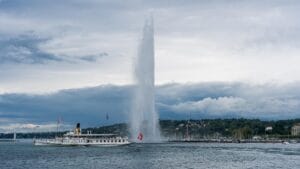
The surrounding Parc des Bastions also provides a pleasant green space for walking and relaxing.
Relax in Parc des Bastions
Parc des Bastions is one of Geneva’s most attractive central parks. It combines lawns, mature trees, pathways, historic monuments, and recreational areas with easy access to the Old Town.
The park is a good place to take a break during a city sightseeing day. Travelers can walk through the gardens after visiting St. Pierre Cathedral and the Reformation Wall.
The contrast between the peaceful park and the surrounding historic and urban environment makes Parc des Bastions one of the most enjoyable free things to do in Geneva.
Visit the International Red Cross and Red Crescent Museum
Geneva’s international identity is strongly connected with humanitarian work, and the International Red Cross and Red Crescent Museum provides an opportunity to explore that history.
The museum examines humanitarian action, conflict, human suffering, and international efforts to protect people affected by war and crisis. It is an important cultural attraction for travelers who want to understand why Geneva became a major center of international humanitarian activity.
The museum can be particularly meaningful when combined with a visit to the International District and Palais des Nations.
Explore the Palais des Nations
The Palais des Nations is one of Geneva’s most important international landmarks. Located in the Ariana Park within the International District, it is closely associated with international diplomacy and the work of the United Nations in Geneva.
Visitors interested in international affairs, diplomacy, history, and global cooperation will find the area particularly fascinating.
Official and guided visits can provide deeper information about the building and its international role. Travelers should check current visiting arrangements before arriving because access procedures and tour schedules can change.
See the Broken Chair
The Broken Chair is one of Geneva’s most distinctive public artworks. Located near the Place des Nations, the enormous sculpture represents opposition to landmines and cluster munitions and has become a symbol associated with humanitarian advocacy.
Its location near international institutions makes it especially meaningful. Travelers exploring Geneva’s International District can easily include it in a walking route.
The sculpture is also an interesting example of how Geneva combines art, politics, humanitarian work, and public space.
Explore Geneva’s International District
The International District provides a completely different experience from Geneva’s medieval Old Town. The area contains international organizations, diplomatic institutions, parks, modern buildings, and monuments.
Geneva Tourism recommends exploring the international district as part of guided tours, with attractions including Place des Nations, the Broken Chair, Palais des Nations, international organizations, and the headquarters of the International Committee of the Red Cross.
The district demonstrates why Geneva has become one of the world’s major centers for international cooperation.
Visit CERN
CERN is one of the most fascinating attractions near Geneva for science enthusiasts. The European Organization for Nuclear Research operates one of the world’s leading particle physics research centers.
CERN is famous for major advances in particle physics and for its role in the research that contributed to the discovery of the Higgs boson. Geneva Tourism describes CERN as a major science destination where visitors can explore exhibitions and educational experiences.
A CERN visit can be especially rewarding for families and students because the exhibitions translate complex scientific concepts into interactive experiences.
Because CERN is a working scientific institution, visitors should check current visitor information and reservation requirements before traveling.
Explore the Science Gateway at CERN
The CERN Science Gateway provides visitors with an opportunity to learn about particle physics and the fundamental structure of the universe through exhibitions and educational experiences.
Rather than being a traditional museum, the experience is designed to connect visitors with modern scientific research.
For travelers searching for unusual things to do in Geneva, CERN is one of the strongest options because it offers an experience that is difficult to replicate elsewhere.
Visit the Patek Philippe Museum
Geneva is one of the world’s most famous watchmaking centers, and the Patek Philippe Museum provides an opportunity to explore the history and craftsmanship of fine watches.
The museum presents historic timepieces and examples of watchmaking craftsmanship, making it particularly appealing to visitors interested in horology, engineering, design, and Swiss craftsmanship.
Even travelers who are not serious watch collectors may find the museum interesting because it explains how mechanical watches developed over centuries.
Discover Geneva’s Watchmaking Heritage
Watchmaking is an essential part of Geneva’s identity. The city’s reputation for precision timepieces has influenced its economy, culture, craftsmanship, and international image.
Visitors can discover watchmaking through museums, historic locations, specialist stores, exhibitions, and guided experiences.
For travelers interested in luxury shopping, Geneva provides opportunities to explore prestigious Swiss watch brands while also learning about the technical traditions behind them.
Explore the International Museum of the Reformation
The International Museum of the Reformation focuses on the history and legacy of the Protestant Reformation. Geneva’s relationship with John Calvin and the development of Reformed Christianity makes the museum particularly relevant.
The museum provides historical and cultural context that can make an Old Town visit more meaningful.
Travelers interested in European history, religion, politics, and social change can combine this museum with St. Pierre Cathedral and the Reformation Wall.
Visit the Musée d’Art et d’Histoire
The Musée d’Art et d’Histoire, or Museum of Art and History, is one of Geneva’s major cultural institutions. Its collections cover art, archaeology, and historical objects.
The museum is useful for travelers who want a broad introduction to European and Swiss cultural heritage.
Because Geneva has numerous museums, visitors should choose institutions based on their interests rather than trying to see everything during a short trip.
Explore the Ariana Museum
The Ariana Museum is dedicated to glass and ceramics and is located near the Palais des Nations.
Its collections provide an opportunity to explore decorative arts from different periods and cultures.
The museum’s architecture and surrounding park also make the visit worthwhile for travelers interested in design and visual culture.
Visit the Maison Tavel
Maison Tavel is one of Geneva’s historic buildings and provides insight into the city’s urban and social history.
Located in the Old Town, it is particularly convenient to visit while exploring the surrounding historic streets.
A visit helps travelers understand how Geneva evolved from a fortified medieval settlement into the international city it is today.
Explore the Natural History Museum
Geneva’s Natural History Museum is another attractive option, especially for families and visitors interested in animals, geology, fossils, biodiversity, and the natural world.
Museums such as this are also useful alternatives when rain or cold weather makes outdoor sightseeing less attractive.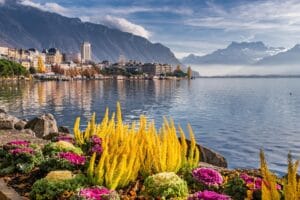
Families can combine a museum visit with nearby parks and other central attractions.
Enjoy a Boat Cruise on Lake Geneva
A boat cruise on Lake Geneva is one of the best ways to experience the city from a different perspective. From the water, visitors can see Geneva’s skyline, waterfront parks, Jet d’Eau, surrounding mountains, and lakeside communities.
Geneva Tourism highlights boat tours and cruises as one of the city’s major activities and notes that visitors can enjoy views of Lake Geneva and the Rhône from the water.
A short cruise is ideal for visitors with limited time, while longer excursions can be incorporated into a day trip around the lake.
Take a Ride on a Mouette Water Bus
The small yellow Mouette water buses are a distinctive part of Geneva’s transportation network. They cross Lake Geneva and provide a scenic alternative to conventional public transportation.
For travelers, the boats offer an inexpensive way to experience the lake while moving between different parts of the city.
Geneva Tourism includes crossing the harbour aboard a Mouette as part of its suggested one-day Geneva itinerary.
Relax at Bains des Pâquis
Bains des Pâquis is a popular lakeside area where visitors can experience Geneva’s relationship with Lake Geneva more directly.
The area is associated with swimming, relaxation, food, and waterfront life. During warm weather, it becomes one of the city’s most enjoyable places to spend time beside the lake.
The atmosphere is different from Geneva’s luxury shopping districts, making it a good place to experience a more casual side of the city.
Explore Les Pâquis
Les Pâquis is one of Geneva’s most diverse neighborhoods. Located near the lake and central railway station, it combines restaurants, cafés, hotels, shops, and multicultural influences.
The neighborhood offers a contrast to the formal atmosphere of the international district and luxury shopping areas.
Travelers who want to experience everyday urban Geneva should spend some time walking through Les Pâquis.
Discover Carouge
Carouge is one of Geneva’s most distinctive neighborhoods. Known for its Mediterranean-influenced atmosphere, colorful architecture, cafés, boutiques, and relaxed streets, it feels different from the historic Old Town.
Geneva Tourism specifically highlights Carouge as one of the city’s neighborhoods with its own distinctive atmosphere.
Carouge is particularly appealing to travelers who enjoy independent shops, cafés, architecture, and photography.
Explore Plainpalais
Plainpalais is another lively Geneva district with a different personality from the Old Town. The area is associated with markets, cultural activity, restaurants, and public events.
Depending on the day, visitors may encounter food, antiques, clothing, books, or other market offerings.
The neighborhood is particularly useful for travelers looking for a less formal and more local experience.
Visit the Geneva Museum of Natural History
The Geneva Museum of Natural History provides an educational experience focused on animals, nature, geology, and biodiversity.
It is an excellent choice for families and anyone looking for indoor attractions in Geneva.
The museum can also be useful during rainy weather, allowing travelers to continue sightseeing without depending entirely on outdoor conditions.
Explore Geneva’s Parks
Geneva contains numerous green spaces that provide opportunities to escape the city’s busy streets. Parks around the lake, Old Town, and international district create a strong connection between urban life and nature.
Parc des Bastions, Jardin Anglais, Parc de la Perle du Lac, and Ariana Park each offer different experiences.
Travelers who enjoy walking should incorporate several parks into their Geneva itinerary rather than treating them only as places to pass through.
Visit Parc de la Perle du Lac
Parc de la Perle du Lac is located beside Lake Geneva and offers beautiful waterfront views.
The park is particularly attractive for travelers looking for a quiet place to enjoy the lake away from the busiest tourist areas.
It is also an excellent location for photography because the water, mountains, trees, and city landscape can be combined in a single view.
Discover the Conservatory and Botanical Garden
Geneva’s Conservatory and Botanical Garden provides another opportunity to experience the city’s natural side.
The gardens contain diverse plant collections and landscaped areas that appeal to travelers interested in botany, horticulture, photography, and peaceful outdoor experiences.
The attraction is particularly useful for visitors who want something different from museums and historic buildings.
Enjoy Swiss Chocolate in Geneva
No Geneva travel experience would be complete without trying Swiss chocolate. Geneva has a strong chocolate-making tradition, and visitors can discover artisan chocolatiers, specialty shops, cafés, and tasting experiences.
Geneva Tourism promotes chocolate-related experiences that allow visitors to discover local chocolate makers and taste Swiss specialties.
Chocolate is also one of the easiest Swiss souvenirs to take home, although travelers should consider storage conditions during warm weather.
Taste Swiss Fondue
Fondue is one of Switzerland’s most famous culinary experiences, and Geneva is an excellent place to try it.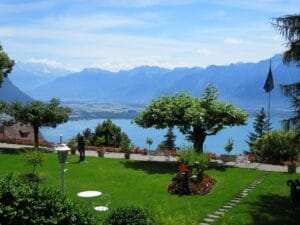
Traditional cheese fondue is typically served hot and accompanied by bread. The dish is particularly enjoyable during cooler weather, although it remains popular throughout the year.
Travelers should choose restaurants based on atmosphere, location, and reviews rather than assuming every fondue restaurant offers the same experience.
Try Raclette in Geneva
Raclette is another famous Swiss cheese dish. Traditionally, melted cheese is served with potatoes and accompaniments.
For visitors who want to explore Swiss cuisine beyond chocolate and fondue, raclette provides another important taste of the country’s culinary culture.
Trying regional Swiss food can make a Geneva trip more memorable because food offers an additional way to understand local traditions.
Explore Geneva’s Culinary Scene
Geneva has a diverse food scene influenced by Switzerland’s multicultural population and international character.
Visitors can find Swiss restaurants alongside French, Italian, Asian, Middle Eastern, Mediterranean, and other cuisines.
Geneva Tourism describes the city’s gastronomic scene as diverse, ranging from traditional fondue to fine dining and international food.
Enjoy Geneva’s Café Culture
Cafés are an important part of Geneva’s urban lifestyle. Sitting outside on a pleasant day provides an opportunity to observe the city rather than constantly moving between attractions.
Cafés around the Old Town, Carouge, Plainpalais, and lakefront offer different atmospheres.
A relaxed coffee break can be particularly valuable during a walking itinerary because Geneva’s attractions are best experienced at a comfortable pace.
Explore Geneva Shopping Streets
Geneva is well known for luxury shopping, particularly watches, jewelry, fashion, and Swiss craftsmanship.
Rue du Rhône is one of the city’s most prestigious shopping areas. Travelers interested in luxury brands can explore the boutiques while visitors searching for more affordable souvenirs can explore department stores, local shops, markets, and specialty food stores.
Shopping in Geneva can be an experience in itself because the city’s commercial identity is closely connected to Swiss craftsmanship and luxury.
Buy Swiss Watches
A Swiss watch can be one of the most memorable souvenirs from Geneva. The city is internationally associated with watchmaking, and visitors can explore both luxury brands and specialist retailers.
However, travelers should research prices, warranties, taxes, and international customs requirements before purchasing an expensive timepiece.
The watchmaking museums are also worth visiting even if you are not planning to buy a watch because they provide historical context for Geneva’s reputation.
Explore Geneva’s Local Markets
Markets offer an alternative way to experience the city and discover local products.
Depending on the day and season, travelers may encounter fresh produce, cheeses, flowers, antiques, clothing, crafts, and prepared food.
Markets are particularly useful for travelers who want to experience everyday Geneva rather than only visiting major monuments.
Photograph Geneva
Geneva is an excellent destination for photographers because it combines lake scenery, mountains, architecture, historic streets, parks, bridges, fountains, and modern international buildings.
The Jet d’Eau is the obvious photographic subject, but the Old Town, St. Pierre Cathedral, Jardin Anglais, Flower Clock, Carouge, and International District provide many additional opportunities.
Sunrise and sunset can produce especially attractive light over Lake Geneva and the surrounding mountains.
Enjoy Geneva at Sunrise
Early morning is one of the most peaceful times to experience Geneva. The lakefront is quieter, the streets are less crowded, and the mountains can appear especially dramatic in clear conditions.
Photographers can walk around the Jardin Anglais, Jet d’Eau, and lakefront before the city becomes busy.
Sunrise also provides a good opportunity to create a relaxed itinerary before museums and other attractions open.
Experience Geneva at Sunset
Sunset is another excellent time to explore Geneva. The changing light over Lake Geneva creates attractive views, while the city gradually transitions into its evening atmosphere.
Visitors can watch the sunset from the lakeside, take a boat cruise, or find a suitable elevated viewpoint.
After sunset, travelers can continue with dinner in the Old Town, Carouge, or another central neighborhood.
Explore Geneva at Night
Geneva’s nighttime atmosphere is elegant rather than overwhelmingly busy. Visitors can enjoy restaurants, bars, cultural performances, lakeside walks, and illuminated landmarks.
The Jet d’Eau and city waterfront can look particularly impressive after dark, although visitors should check current conditions and operating schedules.
The Old Town also becomes atmospheric in the evening as restaurants and cafés create a warmer environment around the historic streets.
Best Free Things to Do in Geneva
Geneva can be expensive, but travelers can experience many attractions without spending much money.
Walking around the Old Town, exploring Parc des Bastions, visiting the lakeside, photographing the Jet d’Eau, seeing the Flower Clock, exploring public parks, and walking through different neighborhoods can all be incorporated into a low-cost itinerary.
Geneva Tourism also promotes the Geneva City Pass, which provides free or discounted access to numerous activities over 24, 48, or 72 hours.
Use the Geneva City Pass
The Geneva City Pass can be useful for travelers planning several paid attractions. According to Geneva Tourism, the pass provides access to 60 free or discounted activities for periods of 24, 48, or 72 hours.
Whether it represents good value depends on how many attractions you plan to visit. Travelers should compare the cost of individual attractions with the current pass price before purchasing.
For visitors planning museums, cruises, guided tours, and other activities, a city pass can simplify itinerary planning.
Best Things to Do in Geneva for Families
Geneva can be a rewarding family destination because it combines museums, science, parks, lake activities, and outdoor spaces.
CERN is particularly attractive for older children and teenagers interested in science. Natural history museums can appeal to younger children, while boat rides and lakeside parks provide outdoor entertainment.
Families should balance indoor and outdoor activities rather than planning a full day of museums.
Best Things to Do in Geneva for Couples
Geneva provides plenty of opportunities for couples to enjoy a romantic city break.
A day could begin with a lakeside walk, continue with the Old Town and St. Pierre Cathedral, and finish with a boat cruise or sunset beside Lake Geneva.
Dinner featuring Swiss fondue or another regional specialty can provide a traditional ending to the day.
Best Things to Do in Geneva for Solo Travelers
Geneva is well suited to solo travelers who enjoy walking, museums, history, architecture, food, and photography.
The compact central area makes it possible to explore many attractions independently without needing a car.
Solo travelers can also join guided city tours when they want additional historical context or social interaction.
Best Things to Do in Geneva for First-Time Visitors
First-time visitors should prioritize the Jet d’Eau, Lake Geneva, Jardin Anglais, Flower Clock, Old Town, St. Pierre Cathedral, Parc des Bastions, and at least one major museum or international attraction.
If time permits, CERN provides a completely different perspective on Geneva.
The official Geneva Tourism website provides one-day and two-day itineraries designed for visitors who want to see the city’s major attractions within a short stay.
Best Time to Visit Geneva
Geneva can be visited throughout the year, but the ideal season depends on what travelers want to experience.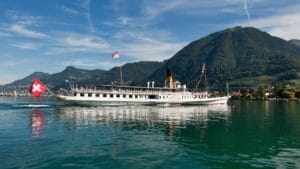
Spring brings flowers and increasingly pleasant temperatures, making it attractive for walking and gardens. Summer is ideal for lake activities, outdoor dining, and longer daylight hours.
Autumn provides changing colors and comfortable sightseeing conditions, while winter can create a beautiful atmosphere around the lake and mountains and is especially appealing to travelers combining Geneva with a broader Swiss winter holiday.
Geneva in Summer
Summer is one of the most popular seasons for visiting Geneva. The longer days encourage lake cruises, outdoor dining, walking, swimming, and sightseeing.
The waterfront becomes especially lively, and visitors can enjoy the city’s parks and outdoor spaces.
Because summer is popular, travelers should reserve accommodation early and check current attraction schedules.
Geneva in Winter
Winter gives Geneva a quieter and more atmospheric personality. Visitors can explore museums, historic buildings, chocolate shops, cafés, and restaurants while using Geneva as a base for mountain excursions.
The cooler weather also makes traditional Swiss dishes such as fondue and raclette particularly appealing.
Travelers should bring appropriate clothing because temperatures can be cold and weather conditions can change quickly.
How Many Days Do You Need in Geneva?
One day is enough to see several major highlights, particularly the lakefront, Jet d’Eau, Jardin Anglais, Old Town, St. Pierre Cathedral, and Parc des Bastions.
Two days allow visitors to add museums, the International District, additional neighborhoods, and a lake cruise.
Three days provide a more relaxed experience and make it possible to include CERN or a day trip outside the city.
One-Day Geneva Itinerary
A one-day Geneva itinerary can begin beside Lake Geneva with the Jet d’Eau and Jardin Anglais. Continue toward the Old Town and explore St. Pierre Cathedral and Place du Bourg-de-Four.
After lunch, walk through Parc des Bastions and explore the Reformation Wall.
Spend the late afternoon beside the lake or take a short boat ride before finishing with dinner featuring Swiss cuisine.
Two-Day Geneva Itinerary
On the first day, focus on the lakefront and historic center. Visit the Jet d’Eau, Flower Clock, Old Town, St. Pierre Cathedral, Place du Bourg-de-Four, Parc des Bastions, and one historical museum.
On the second day, explore Geneva’s International District and visit the Palais des Nations or Red Cross Museum. Depending on your interests, finish the day with CERN, shopping, a boat cruise, or a neighborhood such as Carouge.
Three-Day Geneva Itinerary
A three-day Geneva trip allows you to explore the city without rushing.
The first day can focus on Lake Geneva and the Old Town. The second day can cover museums and the International District.
The third day can be dedicated to CERN, Carouge, botanical gardens, shopping, or a day trip into the surrounding region.
Day Trips from Geneva
Geneva’s location makes it a convenient base for exploring destinations around Lake Geneva and nearby mountain regions.
Depending on transportation and seasonal conditions, travelers can consider destinations such as Lausanne, Montreux, Chamonix, Annecy, and the Lavaux vineyard region.
International border crossings and transport requirements should be checked before planning day trips outside Switzerland.
Visit Montreux from Geneva
Montreux is one of the most famous destinations around Lake Geneva. The lakeside town is known for mountain views, its waterfront promenade, cultural history, and proximity to the Lavaux vineyards.
A trip to Montreux can provide a scenic contrast to Geneva’s international-city atmosphere.
The journey itself can also be part of the experience because the region around Lake Geneva is famous for its landscapes.
Visit Lausanne from Geneva
Lausanne provides another excellent day-trip option. The city combines a historic center, cathedral, lake views, cultural attractions, and a lively university atmosphere.
Travelers can experience another side of French-speaking Switzerland while remaining close to Geneva.
Visit Annecy from Geneva
Annecy in France is another popular excursion from Geneva. Often associated with canals, historic streets, and a beautiful lake, Annecy provides a charming contrast to Geneva.
Travelers planning the excursion should check current transportation schedules and border requirements.
Visit Chamonix from Geneva
For travelers interested in mountain scenery, Chamonix provides access to one of the most famous Alpine environments near Geneva.
The town is associated with Mont Blanc and offers opportunities for mountain sightseeing and outdoor activities.
Weather and mountain conditions can influence available activities, particularly outside summer.
Geneva for Luxury Travelers
Geneva is one of Europe’s major luxury destinations, particularly for travelers interested in watches, jewelry, fine dining, hotels, private tours, and high-end shopping.
The city’s luxury experience is closely connected to its watchmaking heritage and international population.
However, visitors do not need a luxury budget to enjoy Geneva. Many of the city’s most memorable experiences, including the lakefront, parks, Old Town, and city walks, can be enjoyed for free.
Geneva for Budget Travelers
Budget travelers can enjoy Geneva by prioritizing public parks, walking routes, free attractions, affordable markets, and carefully selected museums.
Accommodation is often one of the largest expenses, so travelers should compare neighborhoods and book early when possible.
The Geneva City Pass can also be worth considering if you plan to visit several attractions.
Getting Around Geneva
Geneva is relatively easy to explore using walking routes and public transportation. The central area contains many attractions within practical walking distance.
Visitors can also use buses, trams, trains, and boats depending on the destination.
Geneva Tourism provides information about public transport, walking, cycling, boats, and the Geneva Transport Card for visitors.
Where to Stay in Geneva
The best area to stay depends on the type of trip.
The Old Town is ideal for travelers who want historic atmosphere and easy access to major landmarks. The lakefront is attractive for visitors prioritizing scenery and waterfront access.
Les Pâquis is convenient for transportation and offers a diverse food scene, while Carouge is better suited to travelers who prefer a more neighborhood-focused atmosphere.
Is Geneva Expensive?
Geneva is generally considered an expensive Swiss destination, particularly for accommodation, dining, and luxury shopping.
However, travelers can control costs by walking, using public transportation, choosing casual restaurants, visiting free attractions, and planning paid activities carefully.
A Geneva trip does not need to be defined by luxury spending. The city’s lake, historic streets, parks, and public spaces provide many memorable experiences without significant costs.
Geneva Travel Photography Tips
Photographers should explore Geneva at different times of day because the city changes dramatically with the light.
Early morning is excellent for quiet lakefront scenes. Afternoon is suitable for Old Town architecture, while sunset is ideal for the lake and mountains.
Night photography around the waterfront and city center can also produce striking images.
Responsible Travel in Geneva
Travelers should respect public spaces, historic buildings, museums, religious sites, and local neighborhoods.
When photographing people, it is good practice to respect privacy. Visitors should also follow environmental guidelines around Lake Geneva and natural areas.
Using public transportation and walking can help reduce the environmental impact of a city trip.
Geneva’s Connection with International Cooperation
One of the most distinctive features of Geneva is the concentration of international organizations and institutions.
The city’s international role has developed over many decades and contributes strongly to its multicultural character.
Exploring the International District provides travelers with an opportunity to understand why Geneva is sometimes described as a global diplomatic center.
Geneva’s Connection with Science
Geneva is also a major scientific destination because of CERN.
The combination of medieval history, international diplomacy, humanitarian institutions, and advanced particle physics makes Geneva unusually diverse for a relatively compact city.
Travelers can move from historic European streets to cutting-edge scientific exhibitions within a single day.
Geneva’s Historic Character
Although Geneva is known today for international organizations and luxury industries, its historic character remains visible throughout the city.
The Old Town, cathedral, parks, fortifications, monuments, and historic neighborhoods preserve evidence of centuries of political, religious, commercial, and social change.
This mixture of old and new is one of the city’s strongest attractions.
Best Things to Do in Geneva During Rain
Rain does not have to ruin a Geneva trip. The city has numerous indoor museums and cultural attractions.
Visitors can explore the Museum of Art and History, International Red Cross and Red Crescent Museum, Reformation Museum, Natural History Museum, Patek Philippe Museum, CERN exhibitions, and other indoor attractions.
A rainy day can also be a good opportunity to explore Swiss chocolate shops, cafés, restaurants, and covered shopping areas.
Best Things to Do in Geneva in 48 Hours
A 48-hour Geneva itinerary can include the city’s essential attractions without becoming too rushed.
The first day should focus on Lake Geneva, the Jet d’Eau, Jardin Anglais, Flower Clock, Old Town, St. Pierre Cathedral, Place du Bourg-de-Four, and Parc des Bastions.
The second day can focus on museums, the International District, CERN, Carouge, or a lake cruise.
Is Geneva Worth Visiting?
Geneva is absolutely worth visiting for travelers interested in a combination of history, nature, science, diplomacy, culture, food, architecture, and Swiss craftsmanship.
The city may not have the dramatic mountain setting of Interlaken or the immediate postcard appearance of Lucerne, but its strength lies in variety.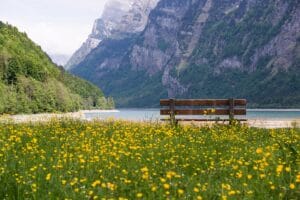
Geneva gives visitors the opportunity to experience Lake Geneva, the Alps, medieval streets, international institutions, world-class science, museums, watchmaking, Swiss cuisine, and cosmopolitan culture within one destination.
Conclution
Geneva is a city that becomes more interesting the longer you explore it. Its most famous attraction, the Jet d’Eau, provides the perfect introduction because it immediately connects the city with Lake Geneva.
From there, travelers can explore the elegant Jardin Anglais, photograph the Flower Clock, walk through the historic Old Town, visit St. Pierre Cathedral, discover the Reformation Wall, and relax in Parc des Bastions.
The International District adds another dimension to the city. The Palais des Nations, Broken Chair, and International Red Cross and Red Crescent Museum demonstrate Geneva’s importance in diplomacy and humanitarian work. CERN then introduces a completely different side of the destination through particle physics and scientific discovery.
These are the strongest authentic sources to reference:
Official Geneva Tourism — See & Do:
Geneva Tourism — Official Travel Guide
Official Geneva Tourism — Attractions:
Geneva Tourism — Attractions
Official Geneva Tourism — Jet d’Eau:
Geneva Tourism — Jet d’Eau
Official Geneva Tourism — City Tours:
Official Geneva City Tours
Author

Related posts
Best Places to Visit in Dinant
- 0
- 4,779 words
Best Places to Visit in Dinant, Belgium Dinant is one of the most beautiful small towns in Belgium and one of the...
Read out all
Best Places to Visit in Mont-Saint-Michel
- 0
- 4,964 words
Best Places to Visit in Mont-Saint-Michel , France Mont-Saint-Michel is one of the most extraordinary destinations in France and one of the...
Read out all
UNGA
- 0
- 5,649 words
UNGA (United Nations General Assembly ) The United Nations General Assembly, commonly known as the UN General Assembly or UNGA, is one...
Read out all
Best Places to Visit in Kathmandu
- 0
- 4,089 words
Best Places to Visit in Kathmandu , Nepal Kathmandu, the capital of Nepal, is one of South Asia’s most fascinating travel destinations....
Read out all
Best Places to Visit in Vilnius
- 0
- 5,246 words
Best Places to Visit in Vilnius , Lithuania Vilnius, the capital of Lithuania, is one of the most fascinating destinations in the...
Read out all
Best Places to Visit in Riga
- 0
- 6,005 words
Best Places to Visit in Riga , Latvia Riga, the capital of Latvia, is one of the most fascinating destinations in the...
Read out all