

Best Things to Do in Busan?
Busan is South Korea’s second-largest city and one of Asia’s most exciting coastal destinations. Known for its beautiful beaches, vibrant seafood markets, colorful cultural villages, historic temples, and impressive skyline, Busan offers a perfect blend of natural beauty, modern attractions, and rich Korean culture.
Located on the southeastern coast of the Korean Peninsula, Busan serves as South Korea’s largest port city and an important international trade hub. The city attracts millions of domestic and international visitors every year who come to enjoy its beaches, mountain scenery, delicious cuisine, festivals, and welcoming atmosphere.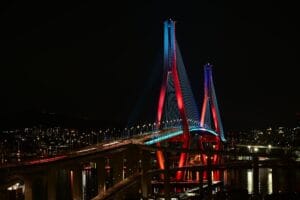
Whether you are looking for relaxation by the sea, authentic Korean street food, historical landmarks, or breathtaking coastal views, Busan provides unforgettable experiences for every traveler.
For official travel information, visit:
Why Is Busan Famous?
Busan is famous for its spectacular coastline, fresh seafood, international film festival, traditional markets, cultural attractions, and relaxed seaside atmosphere.
Unlike Seoul’s fast-paced urban environment, Busan offers visitors a combination of modern city life and beautiful natural landscapes. The city is internationally recognized for its beaches, seafood markets, mountain hiking trails, Buddhist temples overlooking the ocean, and colorful neighborhoods.
Busan also hosts the world-renowned Busan International Film Festival (BIFF), one of Asia’s most prestigious film events, attracting filmmakers and movie enthusiasts from around the globe.
The History of Busan
Busan has served as an important port for centuries and has played a significant role in Korean history.
Its strategic coastal location made it an essential center for trade, fishing, and international commerce. During the Korean War, Busan became one of the few major cities that remained under South Korean control and temporarily served as the nation’s capital.
Today, visitors can explore historical sites, museums, monuments, and cultural districts that preserve the city’s remarkable heritage while experiencing one of South Korea’s most modern and dynamic metropolitan areas.
Relax at Haeundae Beach
One of Busan’s most iconic attractions is Haeundae Beach.
Widely regarded as South Korea’s most famous beach, Haeundae attracts millions of visitors every year with its soft golden sand, clear waters, modern skyline, luxury hotels, restaurants, and entertainment facilities.
During the summer months, the beach becomes a lively destination for swimming, sunbathing, beach sports, concerts, and cultural festivals. In the evenings, visitors enjoy walking along the beautifully illuminated beachfront while admiring the city’s impressive skyline.
Haeundae Beach perfectly captures Busan’s reputation as South Korea’s premier coastal destination.
Explore Gamcheon Culture Village
Gamcheon Culture Village is one of Busan’s most colorful and photogenic neighborhoods.
Originally established as a hillside residential community, the village has been transformed into a vibrant cultural destination featuring brightly painted houses, artistic murals, creative sculptures, galleries, cafés, and narrow winding streets.
Visitors enjoy wandering through its charming alleyways while discovering local artwork, unique architecture, and panoramic views of the surrounding city and coastline.
Gamcheon Culture Village has become one of Busan’s most photographed attractions and provides an excellent example of successful urban cultural revitalization.
Visit Jagalchi Market
Seafood lovers should not miss Jagalchi Market, South Korea’s largest seafood market.
The market offers an extraordinary selection of fresh fish, shellfish, octopus, crab, seaweed, and many other marine products delivered daily by local fishermen. Visitors can watch seafood auctions, browse hundreds of market stalls, and enjoy freshly prepared meals at restaurants located within the market.
Experiencing Jagalchi Market provides valuable insight into Busan’s maritime culture while allowing visitors to sample some of Korea’s freshest seafood.
Its lively atmosphere makes it one of the city’s most memorable attractions.
Experience Busan’s Seafood and Street Food
Busan is widely celebrated for its outstanding food culture.
The city’s coastal location provides abundant fresh seafood that forms the foundation of many traditional Korean dishes. Visitors can enjoy grilled fish, spicy seafood stews, raw fish, seafood pancakes, noodles, dumplings, and numerous street food specialties prepared using fresh local ingredients.
Bustling food streets, markets, and neighborhood restaurants serve authentic Korean cuisine that reflects generations of culinary tradition. Dining in Busan is considered one of the highlights of any visit.
Food enthusiasts often travel specifically to experience the city’s famous seafood culture.
Discover Gukje Market
Gukje Market is one of Busan’s oldest and largest traditional markets.
Originally established following the Korean War, the market has grown into an enormous shopping district offering clothing, electronics, household goods, souvenirs, traditional crafts, antiques, cosmetics, food, and local specialties.
Walking through Gukje Market provides visitors with an authentic glimpse into everyday life while offering countless opportunities to discover unique products and enjoy traditional Korean street food.
Its energetic atmosphere reflects Busan’s rich commercial heritage.
Visit Busan’s Museums and Cultural Attractions
Busan offers a wide variety of museums and cultural institutions celebrating Korean history, maritime heritage, contemporary art, and local traditions.
Visitors can explore exhibitions featuring archaeological discoveries, traditional Korean crafts, historical artifacts, fine art collections, science displays, and interactive educational experiences suitable for all ages.
These museums provide deeper understanding of Busan’s development while complementing the city’s natural attractions and historic neighborhoods.
Enjoy Busan’s Beautiful Coastal Views
One of Busan’s greatest strengths is its spectacular coastal scenery.
Throughout the city, visitors discover scenic walking trails, observation decks, seaside cafés, cliffs, beaches, harbors, and parks offering panoramic views of the East Sea.
Whether watching fishing boats return to the harbor, admiring dramatic sunrises over the ocean, or enjoying peaceful coastal walks, Busan’s shoreline offers endless opportunities for relaxation and photography.
The combination of mountains meeting the sea creates some of South Korea’s most beautiful urban landscapes.
Experience Korean Hospitality
Visitors consistently praise Busan for its warm and welcoming atmosphere.
Local residents are known for their friendliness, helpfulness, and pride in sharing their city’s attractions and traditions with international travelers. Restaurants, hotels, cafés, and markets provide excellent service while introducing visitors to authentic Korean culture.
Experiencing this hospitality greatly enhances every visit and leaves many travelers eager to return.
Why Busan Should Be on Every Traveler’s Bucket List
Busan offers an exceptional combination of beaches, culture, history, seafood, shopping, and breathtaking scenery.
From relaxing on Haeundae Beach and exploring the colorful streets of Gamcheon Culture Village to enjoying fresh seafood at Jagalchi Market and shopping at Gukje Market, the city offers unforgettable experiences for every traveler.
Its beautiful coastline, rich cultural heritage, excellent cuisine, and welcoming people make Busan one of Asia’s finest travel destinations.
Visit Haedong Yonggungsa Temple
One of Busan’s most remarkable landmarks is Haedong Yonggungsa, a stunning Buddhist temple dramatically situated along the rocky coastline overlooking the East Sea.
Unlike many Korean temples located deep within mountain forests, Haedong Yonggungsa offers breathtaking ocean views that create a peaceful and unforgettable atmosphere. Founded in the fourteenth century, the temple features beautiful pagodas, stone lanterns, Buddha statues, colorful prayer halls, and scenic walking paths leading visitors toward the shoreline.
The temple is especially popular during sunrise, when the first rays of sunlight illuminate the ocean and temple buildings, creating one of South Korea’s most spectacular photography locations. Throughout the year, visitors also come here to experience traditional Buddhist ceremonies and admire the temple’s tranquil surroundings.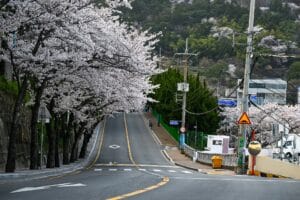
Explore Taejongdae Resort Park
Nature lovers should not miss Taejongdae Resort Park, one of Busan’s most beautiful coastal parks.
Located on the southern tip of Yeongdo Island, the park features dramatic cliffs, dense forests, scenic walking trails, observation decks, rocky coastlines, and panoramic ocean views. Visitors can enjoy peaceful hikes while watching ships travel through Busan’s busy harbor and observing seabirds soaring above the coastline.
The park’s lighthouse and observation areas offer spectacular views of the surrounding sea, making Taejongdae one of the city’s most popular destinations for photographers and outdoor enthusiasts.
Relax at Gwangalli Beach
Another of Busan’s famous beaches is Gwangalli Beach.
Although smaller than Haeundae Beach, Gwangalli is renowned for its relaxed atmosphere and stunning views of the illuminated Gwangan Bridge. During the evening, colorful lights reflecting across the water create one of Busan’s most picturesque waterfront scenes.
Visitors enjoy swimming, paddleboarding, cycling, beach cafés, restaurants, and waterfront walks while experiencing a more relaxed atmosphere than some of the city’s busier attractions.
Throughout the year, concerts, festivals, fireworks displays, and cultural events frequently take place along the beach, making it one of Busan’s most vibrant destinations.
Discover Busan’s Shopping Districts
Busan offers outstanding shopping opportunities ranging from luxury brands to traditional Korean products.
Modern shopping centers feature international fashion, electronics, cosmetics, jewelry, and designer goods, while traditional shopping streets offer handcrafted souvenirs, Korean ceramics, clothing, tea, beauty products, and local specialties.
Neighborhoods such as Seomyeon, Nampo-dong, and Centum City attract shoppers from around the world, offering everything from department stores to independent boutiques.
Whether searching for Korean skincare products, fashion, gifts, or local handicrafts, Busan provides shopping experiences suitable for every budget.
Experience Busan’s Nightlife
Busan transforms into a lively entertainment destination after sunset.
Waterfront restaurants, rooftop cafés, live music venues, karaoke bars, night markets, and illuminated beaches create an energetic atmosphere that continues well into the evening.
Visitors enjoy dining beside the ocean, exploring vibrant neighborhoods, attending seasonal festivals, and admiring Busan’s spectacular skyline illuminated against the coastline.
The city’s relaxed coastal atmosphere gives its nightlife a unique character compared with other major Korean cities.
Best Time to Visit Busan
Busan is an excellent destination throughout the year, although each season offers unique experiences.
Spring brings comfortable temperatures and beautiful cherry blossoms throughout parks and historic sites. Summer attracts beach lovers who come to enjoy Haeundae and Gwangalli beaches during the warm weather.
Autumn offers mild temperatures and colorful foliage, making it ideal for sightseeing, hiking, and exploring coastal parks. Winter remains relatively mild compared with many other parts of Korea and features beautiful seasonal illuminations and seafood specialties.
Many travelers consider spring and autumn the best seasons for visiting Busan due to pleasant weather and fewer crowds.
Is Busan Expensive?
Busan generally offers excellent value compared with many other major international cities.
Travelers can choose from luxury hotels, boutique accommodations, guesthouses, and budget-friendly hostels. Dining ranges from affordable street food and local restaurants to upscale seafood establishments and international cuisine.
Public transportation is inexpensive, efficient, and easy to use, while many beaches, parks, temples, and scenic viewpoints are free to visit.
Overall, Busan accommodates travelers with a wide variety of budgets.
How Many Days Do You Need in Busan?
Most visitors find that four to five days allows enough time to experience Busan’s major attractions comfortably.
This provides opportunities to visit Haeundae Beach, Gwangalli Beach, Gamcheon Culture Village, Jagalchi Market, Gukje Market, Haedong Yonggungsa, Taejongdae Resort Park, museums, shopping districts, and local restaurants without rushing.
Travelers interested in nearby islands or additional hiking opportunities may choose to extend their visit for a week.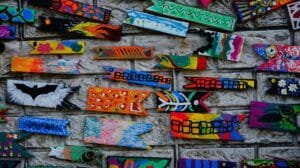
Transportation Around Busan
Busan has one of South Korea’s most efficient public transportation systems.
Modern subway lines, buses, taxis, and trains connect virtually every major attraction throughout the city. The subway system is particularly convenient for tourists because stations are clearly marked in Korean and English.
Walking is also an enjoyable way to explore neighborhoods such as Haeundae, Gwangalli, and Nampo-dong, where many attractions are located close together.
High-speed KTX trains connect Busan with Seoul and other major Korean cities, making regional travel convenient and efficient.
Discover Hidden Gems
While Busan’s famous attractions deserve their popularity, the city also offers many lesser-known locations worth exploring.
Visitors can discover peaceful coastal walking trails, small fishing villages, hidden cafés overlooking the sea, neighborhood temples, quiet parks, independent art galleries, and local food markets that provide authentic cultural experiences beyond the main tourist routes.
Exploring these hidden gems allows travelers to appreciate Busan’s local character while avoiding larger crowds.
Is Busan Safe for Tourists?
Busan is widely regarded as one of the safest cities in Asia for international visitors.
South Korea’s excellent public infrastructure, low crime rates, efficient transportation, and friendly residents contribute to a secure travel environment. Visitors should continue to follow normal travel precautions, especially in crowded areas, but most travelers enjoy a comfortable and worry-free experience throughout their stay.
The city’s welcoming atmosphere makes it particularly attractive for solo travelers, couples, and families.
Why Busan Is Worth Visiting
Busan successfully combines beautiful beaches, modern attractions, rich history, delicious cuisine, and outstanding hospitality.
Visitors can admire the coastal beauty of Haeundae Beach, explore the colorful streets of Gamcheon Culture Village, experience authentic Korean seafood at Jagalchi Market, discover centuries of Buddhist heritage at Haedong Yonggungsa, and enjoy spectacular coastal scenery at Taejongdae Resort Park.
Its unique combination of natural beauty and urban excitement makes Busan one of South Korea’s most rewarding destinations.
Conclusion
Busan offers visitors an unforgettable blend of stunning beaches, fascinating history, vibrant markets, delicious seafood, and welcoming Korean culture. Whether you are relaxing along the golden sands of Haeundae Beach, wandering through the artistic streets of Gamcheon Culture Village, exploring the lively atmosphere of Jagalchi Market, or enjoying breathtaking ocean views from Haedong Yonggungsa, every experience highlights the city’s unique charm.
With its efficient transportation, outstanding cuisine, beautiful coastline, cultural richness, and friendly atmosphere, Busan has become one of Asia’s premier travel destinations. Whether visiting for a few days or an extended vacation, Busan offers memorable experiences that appeal to history enthusiasts, food lovers, adventure seekers, photographers, and families alike.
For official travel information, visit:
Author

Related posts
Best Places to Visit in Dinant
- 0
- 4,895 words
Best Places to Visit in Dinant, Belgium Dinant is one of the most beautiful small towns in Belgium and one of the...
Read out all
Best Places to Visit in Mont-Saint-Michel
- 0
- 4,974 words
Best Places to Visit in Mont-Saint-Michel , France Mont-Saint-Michel is one of the most extraordinary destinations in France and one of the...
Read out all
UNGA
- 0
- 5,649 words
UNGA (United Nations General Assembly ) The United Nations General Assembly, commonly known as the UN General Assembly or UNGA, is one...
Read out all
Best Places to Visit in Kathmandu
- 0
- 4,089 words
Best Places to Visit in Kathmandu , Nepal Kathmandu, the capital of Nepal, is one of South Asia’s most fascinating travel destinations....
Read out all
Best Places to Visit in Vilnius
- 0
- 5,246 words
Best Places to Visit in Vilnius , Lithuania Vilnius, the capital of Lithuania, is one of the most fascinating destinations in the...
Read out all
Best Places to Visit in Riga
- 0
- 6,005 words
Best Places to Visit in Riga , Latvia Riga, the capital of Latvia, is one of the most fascinating destinations in the...
Read out all