
Best Places to Visit in Warsaw, Poland
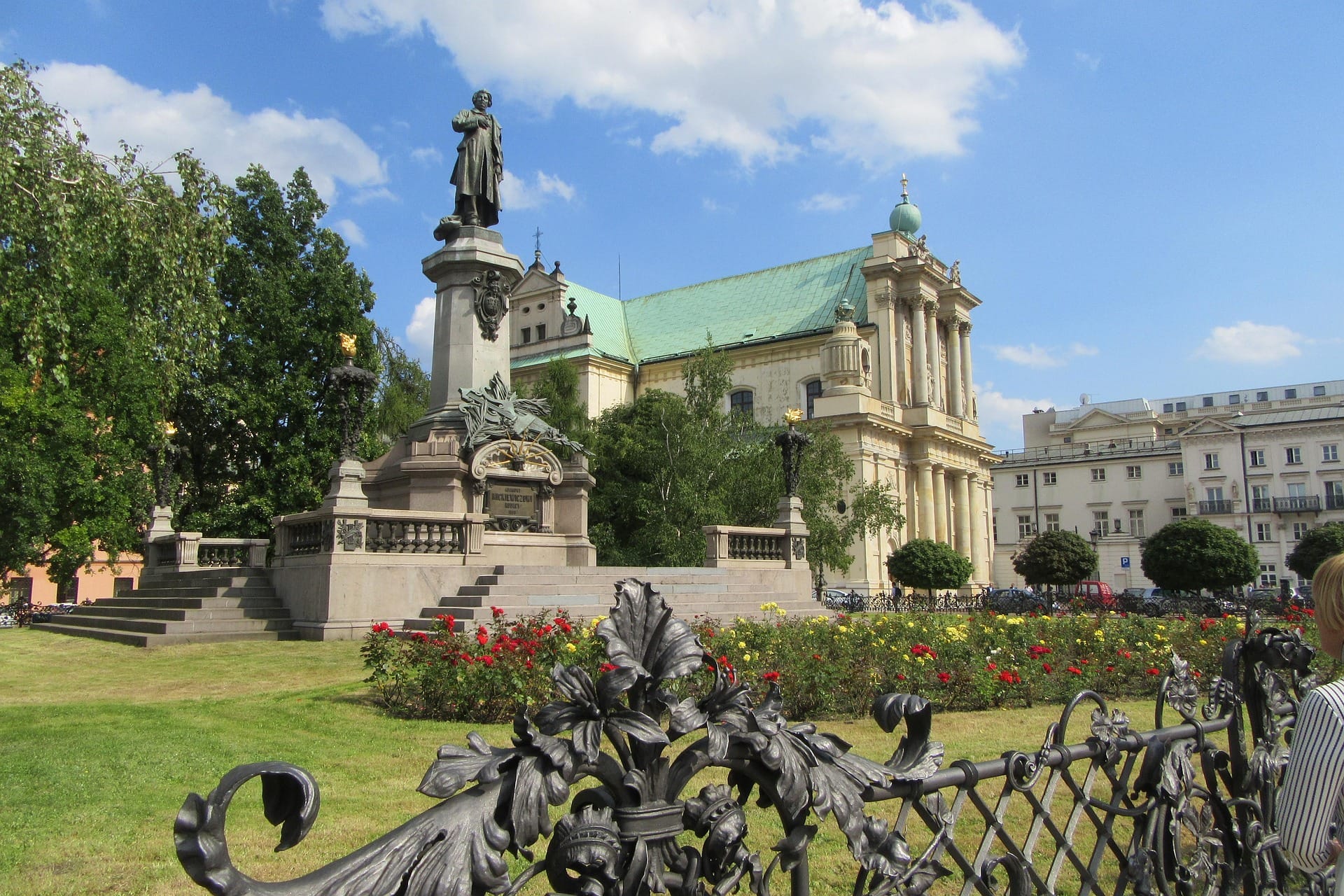
Warsaw, the capital of Poland, is one of Central Europe’s most fascinating cities and a destination where centuries of history meet modern European life. Located on the Vistula River, Warsaw combines a beautifully reconstructed historic center, magnificent royal residences, impressive museums, lively streets, contemporary architecture, green parks and a rapidly developing cultural scene. For travelers searching for the best places to visit in Warsaw, Poland, the city offers an unusually diverse experience because its historic identity and modern character exist side by side.
Warsaw’s story is also one of remarkable resilience. Large parts of the city were destroyed during the Second World War, including much of the historic center. After the war, Warsaw was painstakingly rebuilt using historical documents, paintings, photographs and architectural records. The reconstruction of the Old Town was so carefully executed that Warsaw’s historic center was eventually inscribed on the UNESCO World Heritage List. Poland’s official tourism organization describes Warsaw’s Old Town as having been meticulously reconstructed after the war and identifies it as one of the city’s essential attractions.
Today, Warsaw is not simply a city of historical monuments. It is a major economic, academic, cultural and tourism center with modern skyscrapers, contemporary museums, restaurants, cafés, nightlife, public parks and an increasingly attractive Vistula waterfront. Poland’s official tourism website describes Warsaw as a dynamic European metropolis characterized by its history, open-minded residents, the Vistula River and distinctive cuisine.
If you are planning a Warsaw city break, a first visit can focus on the Old Town and Royal Route, while a longer trip can include Łazienki Park, Wilanów Palace, POLIN Museum, Warsaw Uprising Museum, Palace of Culture and Science, the Vistula Boulevards and several neighborhoods away from the traditional tourist center.
Warsaw Old Town: The Historic Heart of Poland’s Capital
Warsaw Old Town, known in Polish as Stare Miasto, is the best place to begin exploring the city. Its colorful façades, narrow streets, historic squares, churches, cafés and restored buildings create the atmosphere many visitors associate with historic Warsaw. The Old Town is also one of the most important examples of postwar reconstruction in Europe.
The official Poland Travel website explains that Warsaw’s Old Town has a history going back around 700 years, although much of the area was destroyed during World War II and later reconstructed using historical sources, including paintings by Canaletto. The extraordinary accuracy of this reconstruction contributed to its UNESCO World Heritage status.
Walking through the Old Town is one of the best things to do in Warsaw because the area is compact enough to explore on foot. Visitors can move between Castle Square, the Royal Castle, Old Town Market Square, the Warsaw Mermaid, St. John’s Cathedral and the Barbican without needing public transportation.
The Old Town is especially atmospheric in the evening when the historic buildings are illuminated and restaurants and cafés become busy. During summer, outdoor seating makes the squares particularly lively, while winter brings festive lighting and a completely different atmosphere.
Old Town Market Square: The Center of Historic Warsaw
Old Town Market Square is one of Warsaw’s most recognizable public spaces. Colorful historic townhouses surround the square, while the Warsaw Mermaid stands in the center as one of the city’s most famous symbols.
The square is a natural place to stop during a walking tour because several attractions are located nearby. The Museum of Warsaw occupies historic buildings around the square and tells the story of the city and its residents through collections of historical objects.
Restaurants and cafés around the square make it an appealing location for experiencing traditional Polish food. Visitors can try pierogi, Polish soups, cakes and other local dishes while sitting in an environment surrounded by reconstructed historic architecture.
Although the square can be busy with tourists, it remains one of the essential places to visit in Warsaw for first-time visitors.
Warsaw Mermaid: The Symbol of the City
The Warsaw Mermaid, or Syrenka, is one of the most recognizable symbols of Warsaw. The figure traditionally represents a mermaid holding a sword and shield and is associated with the city’s identity and legends.
The most famous statue stands in Old Town Market Square, making it an easy stop during an Old Town walking tour. Another mermaid sculpture can be found near the Vistula River.
The official Poland Travel guide identifies the mermaid as the symbol of Warsaw and places the famous statue at the center of Old Town Market Square.
For travelers interested in photography, the statue is an excellent place to capture a classic Warsaw image, particularly when combined with the colorful buildings around the square.
Royal Castle in Warsaw: A Must-See Landmark
The Royal Castle is one of the most important historic buildings in Warsaw and one of the best places to visit in Poland’s capital. Located at Castle Square on the edge of the Old Town, the castle was historically connected with the Polish monarchy and the political life of the country.
The Royal Castle contains historic interiors, works of art and royal collections. Poland Travel notes that it served as the official residence of Polish kings from the sixteenth century and contains works by artists including Rembrandt, Canaletto and Matejko.
A visit to the castle provides much more than an opportunity to admire its exterior. Exploring the interiors helps visitors understand the political and cultural history of Warsaw and Poland.
The castle is also strategically positioned at the beginning of the Royal Route, making it easy to combine with Krakowskie Przedmieście, Nowy Świat and Łazienki Park.
Castle Square and Sigismund’s Column
Castle Square, or Plac Zamkowy, is one of Warsaw’s most important meeting points. The square connects the Old Town with the Royal Route and provides excellent views of the Royal Castle.
At the center stands Sigismund’s Column, one of Warsaw’s most famous monuments. The monument honors King Sigismund III Vasa, who moved Poland’s capital from Kraków to Warsaw in the late sixteenth century.
Poland Travel describes Sigismund’s Column as one of the city’s most important monuments and notes its long history dating from the seventeenth century.
Castle Square is particularly impressive when viewed from the surrounding streets because the combination of the column, castle façade and historic Old Town architecture creates a classic Warsaw panorama.
St. John’s Archcathedral: Historic Warsaw Architecture
St. John’s Archcathedral is one of the most important churches in Warsaw’s Old Town. Its history is closely connected with the development of the city and the political and religious life of Poland.
The cathedral contains historic tombs, memorials and chapels and has been reconstructed following the destruction of World War II.
Poland Travel identifies St. John’s Cathedral as one of the historic treasures of the Old Town and highlights its connections to Polish historical figures and events.
For visitors interested in architecture and history, the cathedral provides another important layer to the Old Town experience.
Warsaw Barbican: Medieval Fortifications
The Warsaw Barbican is one of the most distinctive remnants of the city’s historic defensive system. The structure forms part of the old fortifications surrounding the historic center and provides a dramatic transition between the Old Town and New Town.
Warsaw Barbican is especially interesting for visitors who enjoy historic architecture because its brick walls and curved defensive structure contrast with the colorful buildings of the Old Town.
Walking through the Barbican area is an easy part of an Old Town itinerary, and the surrounding streets are particularly attractive for photography.
Warsaw New Town: A Quieter Historic District
New Town, or Nowe Miasto, lies immediately north of Warsaw’s Old Town. Although the name suggests a modern district, the area itself has centuries of history.
The streets around New Town Market Square provide a quieter atmosphere than the central Old Town and contain churches, historic buildings, cafés and small public spaces.
Poland Travel recommends continuing from the Old Town toward New Town to see its market square, historic attractions and the nearby Maria Skłodowska-Curie Museum.
This makes New Town an excellent extension of an Old Town walking tour.
The Royal Route: One of Warsaw’s Best Walking Experiences
The Royal Route is one of the best ways to understand Warsaw’s historic geography. It connects the Royal Castle and Old Town with important streets and royal residences extending south toward Łazienki and Wilanów.
The route includes Krakowskie Przedmieście and Nowy Świat, two of Warsaw’s most attractive central streets. Along the way, visitors encounter historic churches, palaces, university buildings, monuments, cafés and government buildings.
Poland Travel describes the Royal Route as a historic axis lined with important royal and governmental buildings, including the Presidential Palace, University of Warsaw and former royal residences.
Walking the Royal Route is especially enjoyable because it connects several major attractions into one continuous journey rather than requiring separate trips across the city.
Krakowskie Przedmieście: Historic Warsaw at Its Best
Krakowskie Przedmieście is one of Warsaw’s most elegant historic streets and an important section of the Royal Route. The avenue is lined with churches, monuments, palaces, cafés and historic institutions.
Visitors can walk south from Castle Square while gradually moving from the medieval atmosphere of the Old Town into the grander architecture associated with Warsaw’s royal and academic history.
The street is also closely connected with the history of Fryderyk Chopin, one of Poland’s most famous cultural figures.
Nowy Świat: Cafés, Architecture and City Life
Nowy Świat, meaning New World, continues the Royal Route southward. It is one of the city’s most pleasant streets for walking, dining and experiencing contemporary Warsaw alongside historic architecture.
Restaurants, cafés and shops make the street particularly attractive in the afternoon and evening.
Travelers who want to explore Warsaw beyond museums will appreciate Nowy Świat because it demonstrates how the city’s historic center functions as a living urban environment rather than simply a collection of monuments.
Presidential Palace: A Landmark on the Royal Route
The Presidential Palace is one of the most prominent buildings along Krakowskie Przedmieście. The building has played an important role in Poland’s political history and is today the official residence of the President of Poland.
Poland Travel identifies the Presidential Palace as one of the major buildings along the Royal Route and notes its long political history.
Its location makes it an easy sight to include while walking between Castle Square and Nowy Świat.
Royal Łazienki Park: Warsaw’s Most Beautiful Green Space
Royal Łazienki Park is one of the best places to visit in Warsaw for travelers who want to combine history, gardens, architecture and nature.
The park is an extensive historic garden complex containing palaces, monuments, ponds, sculptures, bridges and wooded areas. Its centerpiece is the Palace on the Isle, one of Warsaw’s most recognizable neoclassical buildings.
Poland Travel describes Łazienki as one of Europe’s major garden complexes and highlights its combination of classical architecture, gardens, ponds, sculptures and waterways.
The park is especially beautiful during spring and summer when the gardens are green and visitors can spend several hours walking between the different attractions.
Palace on the Isle in Łazienki Park
The Palace on the Isle is the architectural centerpiece of Royal Łazienki Park. It is also known as the Palace on the Water because of its location beside a large pond.
Palace on the Isle provides visitors with an opportunity to explore historic royal interiors while enjoying the surrounding parkland.
The building’s neoclassical architecture contrasts beautifully with the water and gardens around it, making it one of the best photography locations in Warsaw.
Chopin Monument in Łazienki Park
The monument to Fryderyk Chopin is one of the most famous sculptures in Warsaw. It stands beneath a stylized willow tree and is one of the city’s most recognizable tributes to Poland’s famous composer.
During summer, Chopin’s music becomes part of the park experience through open-air piano concerts held near the monument.
Poland Travel notes that free Chopin concerts are held during summer Sundays at the monument, attracting both locals and visitors.
For music lovers, this is one of the most memorable cultural experiences available in Warsaw.
Wilanów Palace: The Royal Residence at the End of the Route
Wilanów Palace is one of Warsaw’s most important royal residences and one of the best places to visit in the city for architecture and history lovers.
The Baroque palace was built for King Jan III Sobieski and is surrounded by gardens and parkland. Unlike much of central Warsaw, the palace survived World War II with comparatively little damage.
Poland Travel describes Wilanów as the former residence of King Jan III Sobieski and highlights its vivid Baroque architecture, decorated interiors and gardens.
The palace is located in southern Warsaw and represents the final major destination of the historic Royal Route.
Wilanów Gardens: A Peaceful Escape in Warsaw
The gardens surrounding Wilanów Palace provide a pleasant place to walk after visiting the palace interiors.
Formal gardens, lawns, sculptures and water features create a landscape that contrasts with the dense urban environment of central Warsaw.
During different seasons, the gardens have different atmospheres. Summer provides greenery and flowers, while winter can bring special illuminated installations.
Poland Travel recommends Wilanów as part of a Warsaw city break itinerary combining royal history and outdoor exploration.
POLIN Museum of the History of Polish Jews
The POLIN Museum is one of the most important museums in Warsaw and one of the best places to visit for travelers who want to understand the history of Jewish life in Poland.
The museum presents the history and heritage of Polish Jews over centuries, covering cultural, social and political developments.
Poland Travel describes the museum as a place where visitors can explore the shared history of Polish and Jewish communities through artifacts, models, memorabilia and works of art.
The museum is also located in a historically significant part of Warsaw connected with the former Jewish district and Warsaw Ghetto.
Warsaw Ghetto Heritage Sites
Warsaw’s Jewish heritage extends beyond the POLIN Museum. The surrounding area contains memorials, fragments of former structures, historical markers and locations connected with the Warsaw Ghetto.
The history is difficult and emotionally powerful, but understanding it is essential to understanding twentieth-century Warsaw.
Poland Travel highlights the historical route through the former Jewish district, including the Umschlagplatz, a surviving fragment of the former ghetto wall and markings showing where the ghetto boundary once stood.
Visitors should approach these sites respectfully because they represent the suffering and deaths of hundreds of thousands of people.
Monument to the Ghetto Heroes
The Monument to the Ghetto Heroes stands near POLIN Museum and commemorates those who fought in the Warsaw Ghetto Uprising.
Monument to the Ghetto Heroes is one of the most significant memorial sites in Warsaw.
The monument is particularly meaningful when visited together with POLIN Museum because the museum provides historical context for the events represented by the memorial.
Warsaw Uprising Museum
The Warsaw Uprising Museum is one of the most important museums in Poland and a must-visit attraction for anyone interested in Warsaw’s twentieth-century history.
The museum documents the 1944 Warsaw Uprising, when Polish resistance fighters attempted to liberate the city from German occupation before Soviet forces took control of the area.
Warsaw Uprising Museum uses photographs, documents, objects, recordings and multimedia exhibitions to tell the story of the uprising and its participants.
Poland Travel describes the museum as documenting the 63-day struggle of Warsaw residents and explains how the events of 1944 fundamentally changed the city.
Palace of Culture and Science
The Palace of Culture and Science is one of the most recognizable buildings in modern Warsaw. Rising dramatically above the city center, the building is a major landmark and one of the city’s most controversial architectural symbols.
Palace of Culture and Science was constructed during the socialist era and combines monumental architecture with elements associated with Art Deco and socialist realism.
Poland Travel describes the building as rising more than 230 metres and notes that it contains theaters, cinemas, museums, cafés and an observation deck.
The observation deck provides an excellent panorama of Warsaw, particularly because it allows visitors to see both the historic center and the modern skyscraper district.
Warsaw’s Modern Skyline
One of the most fascinating aspects of Warsaw is the contrast between historic buildings and modern skyscrapers.
The city center has undergone rapid development, producing a skyline that looks dramatically different from the traditional Old Town.
The contrast is particularly impressive from elevated viewpoints. Visitors can see historic churches and reconstructed neighborhoods alongside modern office towers.
Poland Travel’s recent Warsaw guide describes the city as a place where historic areas coexist with contemporary architecture and identifies new developments in the city center as important parts of modern Warsaw.
Varso Tower and Modern Warsaw
Varso Tower has become one of the most prominent additions to Warsaw’s skyline. Its observation experience offers another way to see the city from above.
Poland Travel’s recent Warsaw guide notes that the Highline Warsaw observation deck is around 230 metres above the ground and describes it as the highest observation deck in the European Union.
For travelers interested in modern architecture and city photography, the area around Varso Tower provides a strong contrast with the historic Old Town.
Vistula River Boulevards
The Vistula River is one of Warsaw’s defining geographical features and has become an increasingly important recreational part of the city.
The riverfront includes walking and cycling paths, observation areas, beaches, marinas and spaces for relaxing outdoors.
Poland’s official tourism organization highlights the Vistula waterfront as one of Warsaw’s major attractions and describes its beaches, boulevards, bicycle routes and marinas as popular with locals and visitors.
A walk along the Vistula is particularly enjoyable during warm weather and can provide a welcome break from museums and historic buildings.
Vistula Beaches
Warsaw is unusual among European capitals because visitors can find sandy river beaches within the city.
During summer, the Vistula beaches become popular places for relaxation, informal sports and social gatherings.
The beaches offer a completely different experience from the formal architecture of the Royal Route. Instead of palaces and monuments, travelers encounter open river landscapes and views toward the opposite bank.
For travelers looking for free things to do in Warsaw, spending time beside the Vistula can be an excellent option.
Copernicus Science Centre
The Copernicus Science Centre is one of Warsaw’s most interesting attractions for families, students and anyone interested in science and technology.
Its interactive exhibitions encourage visitors to experiment with scientific concepts rather than simply reading information displayed behind glass.
Poland Travel includes the Copernicus Science Centre among Warsaw’s major museums and describes it as an interactive destination where visitors can experiment and learn through experience.
The center is particularly suitable for families traveling with children because it provides an educational experience in an engaging environment.
National Museum in Warsaw
The National Museum in Warsaw is one of Poland’s most important art museums. Its collection covers Polish and international art across a long historical period.
Poland Travel states that the museum holds around 830,000 works and includes Polish and international art ranging from antiquity to modern times.
Art lovers should allow several hours for the museum because the collection is extensive.
The National Museum is also conveniently positioned near central Warsaw, making it easy to combine with the Royal Route, Nowy Świat and Vistula waterfront.
Fryderyk Chopin Museum
Warsaw is closely associated with Fryderyk Chopin, one of the most influential composers of the nineteenth century. Chopin was born near Warsaw and spent important years of his early life in the city.
The Fryderyk Chopin Museum is therefore one of the most relevant cultural attractions for visitors interested in Polish music and European classical music.
Poland Travel notes that visitors can encounter Chopin’s presence throughout Warsaw, including through musical benches located at places connected with his life.
However, travelers planning a visit in 2026 should check the museum’s official information before traveling because Poland Travel currently states that the museum is closed for renovation during 2026.
Chopin’s Heart at Holy Cross Church
One of the most unusual Chopin-related places in Warsaw is the Church of the Holy Cross on Krakowskie Przedmieście.
Chopin’s heart was placed inside a pillar of the church after his death, according to the long-established tradition associated with his final resting wishes.
The church is located directly along the Royal Route, making it an easy stop during a walking tour.
This location demonstrates how Chopin’s legacy is integrated into Warsaw’s streets rather than confined to a single museum.
Warsaw University and Its Historic Campus
The University of Warsaw is one of Poland’s most important academic institutions and occupies a prominent position along the Royal Route.
Walking through the surrounding area gives visitors an opportunity to see historic university buildings alongside cafés and modern city life.
The university’s central location also makes it convenient to combine with Krakowskie Przedmieście, Nowy Świat and the Old Town.
Saxon Garden
Saxon Garden, or Ogród Saski, is one of Warsaw’s historic public parks and a peaceful place to relax near the city center.
The park’s history is connected with Warsaw’s royal and urban development, while its pathways, trees and monuments provide a pleasant break from the surrounding streets.
For visitors staying in central Warsaw, Saxon Garden can be incorporated into a walking itinerary between the Royal Route and other central attractions.
Tomb of the Unknown Soldier
The Tomb of the Unknown Soldier is one of Poland’s most important national memorials.
Tomb of the Unknown Soldier stands beneath the surviving fragment of the former Saxon Palace colonnade and commemorates unidentified Polish soldiers who died in war.
The site is especially meaningful for travelers interested in Polish history and national identity.
It is also conveniently located near Saxon Garden and other central Warsaw landmarks.
Krakowskie Przedmieście at Night
Warsaw’s historic center becomes particularly atmospheric after sunset.
Krakowskie Przedmieście, Castle Square and the Old Town are illuminated, creating opportunities for evening photography and relaxed walks.
The city is generally much quieter in the historic center late at night than during the busiest daytime hours, making an evening walk an enjoyable way to see Warsaw from another perspective.
Praga District: A Different Side of Warsaw
Praga, on the eastern side of the Vistula, provides a different atmosphere from the reconstructed Old Town.
The district has a reputation for historic streets, prewar buildings, creative spaces, restaurants, cafés and alternative cultural venues.
Praga is particularly interesting for travelers who have already seen the major central attractions and want to experience a more local side of Warsaw.
The district also offers opportunities to explore Warsaw’s twentieth-century urban history and postindustrial heritage.
Neon Museum
The Neon Museum is one of Warsaw’s more unusual cultural attractions.
Neon Museum preserves historic neon signs and explores the visual culture associated with Poland’s socialist-era urban landscape.
The colorful signs make the museum particularly attractive to photographers and travelers interested in graphic design, advertising and twentieth-century popular culture.
It also offers a different perspective on Warsaw’s history compared with traditional museums focused on war, royalty or fine art.
Polish Vodka Museum
Polish vodka is an important part of the country’s culinary and cultural history, and Warsaw has a museum dedicated to this subject.
Polish Vodka Museum is located in the Koneser complex in Praga.
The museum provides information about the history, production and cultural role of Polish vodka. Visitors interested in Polish food and drink can combine the museum with exploration of the surrounding Koneser area.
Koneser: Modern Culture in Historic Industrial Spaces
Koneser is an example of Warsaw’s transformation of former industrial areas into modern cultural and commercial districts.
The complex combines historic industrial architecture with restaurants, shops, cultural spaces and entertainment.
This type of redevelopment reflects the broader transformation of Warsaw from a heavily damaged postwar capital into a modern European city.
For travelers looking for alternative things to do in Warsaw, Koneser provides an interesting contrast to the Old Town.
Warsaw’s Food Culture
Food is an important part of experiencing Warsaw. Polish cuisine includes famous dishes such as pierogi, żurek, barszcz, bigos, placki ziemniaczane and various cakes and pastries.
Poland Travel specifically recommends trying pierogi during a Warsaw city break and notes that they are widely available throughout the historic center.
Visitors should also explore modern Polish cuisine because Warsaw’s restaurant scene extends well beyond traditional dishes.
The city has developed a diverse food culture influenced by both Polish traditions and international culinary trends.
Best Places to Eat Traditional Polish Food in Warsaw
Traditional Polish food is particularly enjoyable when experienced in historic districts and local neighborhoods rather than exclusively in tourist-oriented restaurants.
Travelers should look for restaurants serving freshly prepared pierogi, traditional soups, Polish meat dishes and seasonal ingredients.
Food markets and modern Polish restaurants can also provide opportunities to experience how traditional recipes are being adapted for contemporary tastes.
Warsaw for Architecture Lovers
Warsaw is one of Europe’s most interesting cities for architecture because it contains several distinct periods within a relatively compact urban environment.
The Old Town represents reconstructed historic architecture. The Royal Route contains Baroque, neoclassical and nineteenth-century buildings. Socialist-era architecture appears in areas such as the Palace of Culture and Science. Modern skyscrapers dominate the contemporary city center.
This architectural diversity makes Warsaw particularly rewarding for visitors who enjoy urban photography and design.
Warsaw for History Lovers
History is arguably the strongest reason to visit Warsaw.
The city has experienced royal rule, partitions, foreign occupation, World War II, the Warsaw Ghetto, the Warsaw Uprising, postwar communist rule and rapid transformation after 1989.
Museums such as POLIN and the Warsaw Uprising Museum help visitors understand these events, while the Old Town, Royal Castle and historic streets provide physical connections to earlier periods.
Warsaw for Families
Warsaw is a good destination for families because it combines parks, interactive museums, historic attractions and open public spaces.
The Copernicus Science Centre is particularly suitable for children, while Łazienki Park provides space to walk and relax.
The Old Town also works well for families because most of the principal attractions are within walking distance of each other.
Warsaw for Couples
Couples can enjoy Warsaw through evening walks, historic squares, restaurants, parks and riverfront sunsets.
Łazienki Park provides a peaceful environment for a romantic walk, while the Vistula waterfront offers opportunities to watch the city at sunset.
The illuminated Old Town and Royal Route are also particularly attractive for an evening together.
Warsaw for Solo Travelers
Warsaw is well suited to solo travel because many major attractions are concentrated around walkable central districts.
Museums, cafés, parks, public transportation and pedestrian streets make it relatively easy to explore independently.
A solo traveler can spend one day in the Old Town and Royal Route, another day exploring museums and Łazienki, and additional time discovering neighborhoods such as Praga.
Best Time to Visit Warsaw
Warsaw can be visited throughout the year, but each season provides a different experience.
Spring brings flowers and fresh greenery to parks such as Łazienki. Summer is ideal for outdoor cafés, riverfront walks, cycling and open-air concerts. Autumn creates colorful landscapes in Warsaw’s parks, while winter brings Christmas decorations, illuminated streets and a quieter atmosphere.
Poland Travel’s current summer guide emphasizes outdoor life, parks, cafés, the Vistula and walking routes during the warmer months.
Travelers should therefore choose the season according to the experience they want rather than assuming there is only one ideal period.
How Many Days Do You Need in Warsaw?
A two-day Warsaw itinerary can cover the Old Town, Royal Castle, Royal Route and Łazienki Park.
Three days provides enough time to add POLIN Museum, Warsaw Uprising Museum, Palace of Culture and Science and the Vistula waterfront.
Four or five days allows travelers to explore Praga, Wilanów, additional museums, restaurants, parks and less touristy neighborhoods.
For a first visit, three days is a strong balance between major attractions and relaxed exploration.
One Day in Warsaw
A one-day Warsaw itinerary should begin in the Old Town.
Start around Castle Square and the Royal Castle, walk through the Old Town Market Square, see the Warsaw Mermaid and continue toward the Barbican and New Town.
After lunch, follow the Royal Route through Krakowskie Przedmieście and Nowy Świat.
Finish the day with an evening walk around the city center or Vistula waterfront.
Although one day is not enough to understand Warsaw completely, this route provides an excellent introduction to the city.
Two Days in Warsaw
With two days, the first day can focus on the Old Town and Royal Route.
Begin with the Royal Castle and Castle Square, explore the Old Town Market Square and Barbican, then walk along Krakowskie Przedmieście and Nowy Świat.
On the second day, explore Royal Łazienki Park in the morning and visit one of Warsaw’s major museums in the afternoon.
POLIN Museum and the Warsaw Uprising Museum are particularly valuable choices for understanding the city’s history.
Three Days in Warsaw
Three days provides a much more complete Warsaw experience.
The first day can focus on the Old Town and Royal Route.
The second day can combine Łazienki Park with the National Museum and Vistula waterfront.
The third day can focus on Warsaw’s twentieth-century history, including POLIN Museum and the Warsaw Uprising Museum, followed by an evening in Praga or around Koneser.
This itinerary balances royal history, modern culture, museums and outdoor spaces.
Four Days in Warsaw
A four-day visit allows travelers to add Wilanów Palace and explore more of Warsaw’s neighborhoods.
The first three days can follow the major attractions already described, while the fourth day can focus on Wilanów, Praga, the Neon Museum or other cultural attractions.
This slower itinerary is particularly good for travelers who enjoy photography, food and neighborhood exploration.
Getting Around Warsaw
Warsaw has an extensive public transportation system that makes it possible to reach attractions outside the central walking districts.
However, many of the most important historic attractions can be explored on foot.
The Old Town, Royal Route and central museums are especially suitable for walking.
For attractions farther south such as Wilanów Palace or locations across the Vistula, public transportation can save considerable time.
Why Warsaw Is One of Europe’s Most Interesting City Breaks
Warsaw offers something unusual among European capitals: a city that has reconstructed its historic identity while simultaneously embracing modern architecture and contemporary culture.
A visitor can walk through a UNESCO-listed historic center in the morning, explore a world-class museum in the afternoon, see a skyline filled with modern skyscrapers and spend the evening beside the Vistula.
That combination makes Warsaw different from many other European destinations.
Conclusion
The best places to visit in Warsaw, Poland demonstrate the extraordinary range of Poland’s capital. The UNESCO-listed Old Town provides the essential introduction, with Castle Square, the Royal Castle, Old Town Market Square, the Warsaw Mermaid, St. John’s Cathedral and the Barbican forming the historic core.
The Royal Route then connects the Old Town with some of the city’s most important historic and cultural landmarks. Krakowskie Przedmieście and Nowy Świat offer elegant architecture, restaurants, cafés and monuments before the route continues toward Royal Łazienki Park and Wilanów Palace.
Poland Travel – Official Warsaw Guide: Poland Travel: Warsaw — official national tourism information covering Warsaw’s Old Town, Royal Route, museums, Vistula and major attractions.
Poland Travel – Warsaw City Break: Official Warsaw City Break Guide — useful official itinerary information for Old Town, Wilanów, museums and other attractions.
Poland Travel – Warsaw in Summer: Warsaw in Summer – Official Poland Travel — current information about summer attractions, Vistula activities, Old Town, Łazienki, Wilanów and museums.
UNESCO World Heritage: Historic Centre of Warsaw – UNESCO — authoritative source for the UNESCO-listed historic center and its reconstruction.
Author

Related posts
Best Places to Visit in Dinant
- 0
- 4,895 words
Best Places to Visit in Dinant, Belgium Dinant is one of the most beautiful small towns in Belgium and one of the...
Read out all
Best Places to Visit in Mont-Saint-Michel
- 0
- 4,974 words
Best Places to Visit in Mont-Saint-Michel , France Mont-Saint-Michel is one of the most extraordinary destinations in France and one of the...
Read out all
UNGA
- 0
- 5,649 words
UNGA (United Nations General Assembly ) The United Nations General Assembly, commonly known as the UN General Assembly or UNGA, is one...
Read out all
Best Places to Visit in Kathmandu
- 0
- 4,089 words
Best Places to Visit in Kathmandu , Nepal Kathmandu, the capital of Nepal, is one of South Asia’s most fascinating travel destinations....
Read out all
Best Places to Visit in Vilnius
- 0
- 5,246 words
Best Places to Visit in Vilnius , Lithuania Vilnius, the capital of Lithuania, is one of the most fascinating destinations in the...
Read out all
Best Places to Visit in Riga
- 0
- 6,005 words
Best Places to Visit in Riga , Latvia Riga, the capital of Latvia, is one of the most fascinating destinations in the...
Read out all