
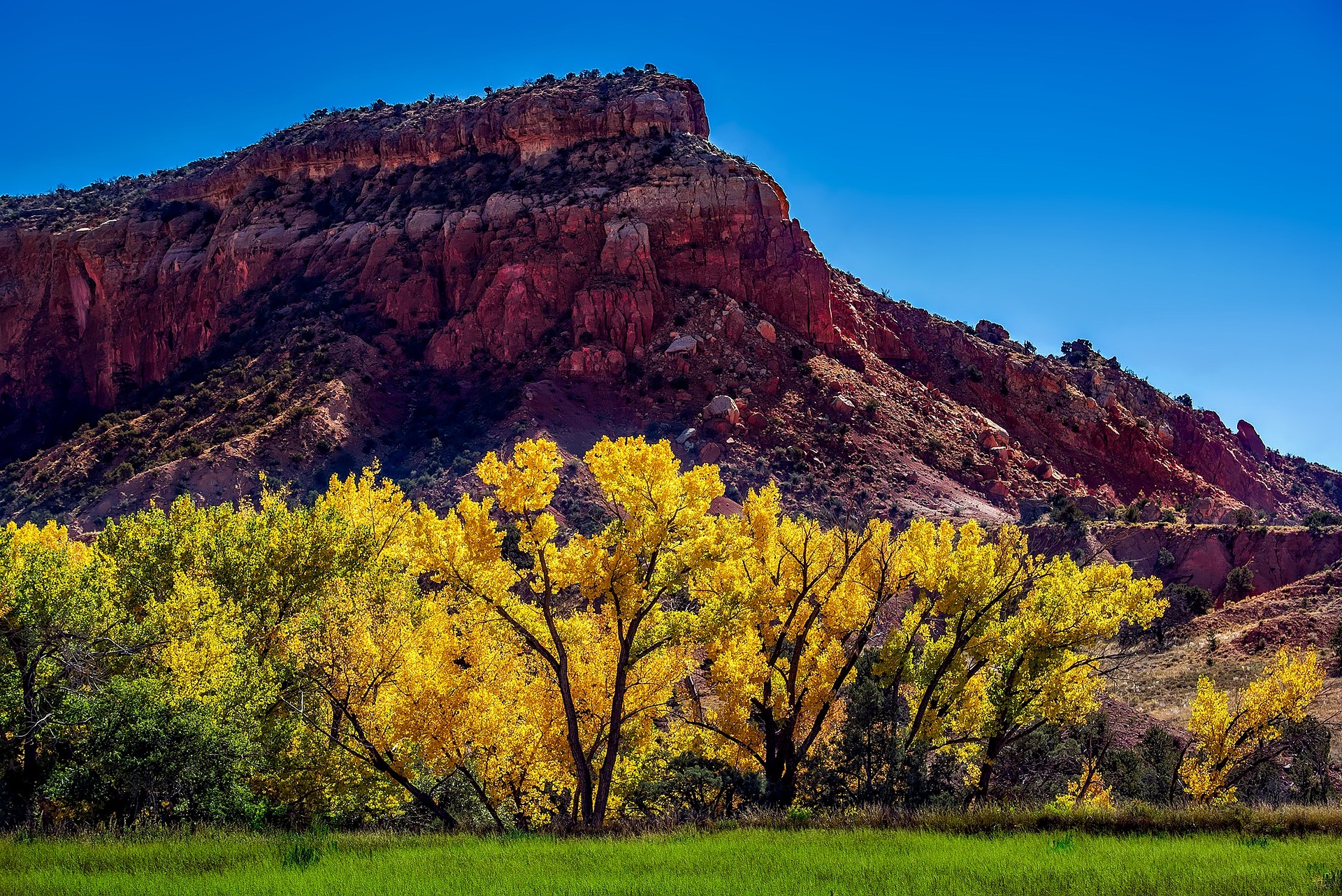
Chaco Culture, New Mexico : A Complete Travel Guide to Ancient Puebloan Heritage
Chaco Culture is one of the most remarkable archaeological and cultural destinations in the United States. Located in the remote high-desert landscape of northwestern New Mexico, Chaco Culture National Historical Park preserves the remains of a sophisticated ancestral Puebloan civilization that developed monumental buildings, ceremonial spaces, extensive roads, and impressive architectural systems more than a thousand years ago. The destination is especially important for travelers interested in Native American history, ancient architecture, archaeology, astronomy, cultural heritage, and the natural beauty of the American Southwest.
The archaeological landscape of Chaco Canyon is unlike many other historical destinations in North America. Instead of a single monument or isolated ruin, visitors discover a network of ancient settlements and great houses spread across a broad canyon environment. These structures demonstrate remarkable planning, engineering, craftsmanship, and organization. Their carefully constructed walls, multi-story buildings, circular ceremonial spaces, and relationship with the surrounding landscape provide evidence of a society with extensive regional connections.
Chaco flourished as a major center of ceremonial, political, and economic activity from approximately 850 CE to 1250 CE. Its influence extended far beyond the canyon itself, connecting communities throughout the Four Corners region of the American Southwest. Archaeological evidence indicates that Chacoan communities participated in extensive exchange networks and maintained connections with distant settlements.
Where Is Chaco Culture National Historical Park Located?
Chaco Culture National Historical Park is located in northwestern New Mexico, United States, within the traditional cultural landscape of several Indigenous communities. The park is situated in a remote desert region surrounded by mesas, sandstone formations, open plains, and rugged high-desert terrain. Its isolated location is part of what makes visiting Chaco special, but it also means travelers need to plan their journey carefully.
The park is not located directly beside a major city or interstate highway. Visitors generally travel by car from regional communities such as Farmington, Bloomfield, Aztec, or Albuquerque. The final approach involves unpaved roads, and road conditions can change considerably following rainfall or snow.
Chaco Canyon is part of the wider San Juan Basin and the broader ancestral Puebloan cultural region. Its location allowed communities to develop connections with other settlements across what is now New Mexico, Arizona, Colorado, and Utah. The archaeological remains reveal a landscape that was connected through trade, ceremonial practices, architecture, and regional movement.
Travelers should understand that Chaco is a remote national park rather than a conventional roadside attraction. Fuel, food, mobile connectivity, and visitor services are limited compared with destinations in larger cities. Planning transportation, checking road conditions, carrying water, and allowing enough time for the journey are essential parts of a successful visit.
For official directions, park access information, and current travel conditions, consult the National Park Service Chaco Culture visitor information.
The History of Chaco Culture: Understanding the Ancient Puebloan World
Chaco Canyon became an important cultural center during the ninth century, when ancestral Puebloan communities began constructing large buildings that eventually developed into monumental great houses. These structures were considerably more complex than ordinary residential buildings and reflected a high level of architectural planning and social organization.
Between approximately 850 CE and 1250 CE, Chaco developed into a regional center associated with ceremonies, trade, administration, and community gatherings. Its architecture included large masonry buildings, circular kivas, enclosed plazas, and carefully designed spaces. Many structures were constructed in stages, with builders adding rooms and architectural features over generations.
The history of Chaco is also connected to the living traditions of Pueblo peoples and other Indigenous communities. The archaeological remains should not be viewed simply as abandoned ruins. They represent the history and heritage of Indigenous peoples whose descendants continue to maintain cultural, spiritual, and historical relationships with the region.
For a deeper historical introduction, visit the National Park Service’s official Chaco history and culture resources.
UNESCO World Heritage Site: Why Chaco Culture Is Globally Important
Chaco Culture was inscribed on the UNESCO World Heritage List in 1987 because of its exceptional archaeological and cultural significance. The designation recognizes the importance of the ancestral Puebloan civilization centered in Chaco Canyon and the remarkable architecture, ceremonial buildings, regional connections, and cultural landscape preserved there.
The UNESCO World Heritage property is broader than the central national park. It includes Chaco Canyon and several associated archaeological sites across northwestern New Mexico, including Aztec Ruins National Monument and other locations. This wider landscape helps demonstrate the scale of Chacoan cultural influence.
For international travelers, UNESCO recognition makes Chaco one of the most important heritage destinations in the United States. It is especially appealing to visitors interested in ancient civilizations, archaeological landscapes, Native American history, and world cultural heritage.
The official UNESCO World Heritage Centre page for Chaco Culture provides details about the property’s history, significance, and protected sites.
Pueblo Bonito: The Most Famous Archaeological Attraction in Chaco Canyon
Pueblo Bonito is the most celebrated archaeological site in Chaco Culture National Historical Park and a highlight for almost every visitor. Its enormous architectural complex demonstrates the impressive construction abilities and organizational achievements of the ancestral Puebloan people. The structure contains hundreds of rooms arranged around large plazas and ceremonial spaces, creating one of the most extraordinary ancient building complexes in the American Southwest.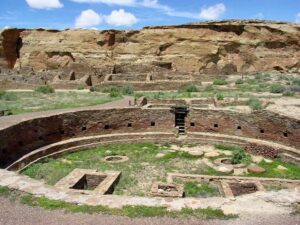
The name Pueblo Bonito is commonly translated as “Beautiful Village.” Its architectural remains include multi-story sections, carefully constructed masonry walls, passageways, rooms, and ceremonial kivas. The scale and arrangement of the building reveal a sophisticated approach to architecture and public space.
Pueblo Bonito is also important because it helps researchers understand Chaco’s wider regional role. Its size, construction quality, and ceremonial spaces suggest that the settlement was much more than an ordinary residential village. It was part of a complex cultural landscape that connected people and communities across the Southwest.
The National Park Service identifies Pueblo Bonito as one of the park’s essential places to visit and provides information about its designated walking route. Explore the official Chaco Culture places to go guide.
Chetro Ketl: Explore One of Chaco Canyon’s Largest Great Houses
Chetro Ketl is another major archaeological attraction in Chaco Culture National Historical Park. It is one of the largest great houses in the canyon and provides an excellent opportunity to examine the architectural traditions of the ancestral Puebloan civilization.
The complex covers a substantial area and contains a large plaza, multiple rooms, ceremonial spaces, and distinctive masonry. One of its most interesting architectural features is the elevated plaza, which demonstrates the builders’ ability to organize different levels of space within a monumental structure.
Chetro Ketl also contains a great kiva and elevated kivas. These circular spaces are important features of ancestral Puebloan architecture and are generally understood to have served ceremonial and community purposes. Their presence helps visitors recognize the importance of shared religious and cultural activities within Chacoan settlements.
Casa Rinconada: A Remarkable Great Kiva and Ceremonial Site
Casa Rinconada is one of the most fascinating places to visit in Chaco Culture because of its distinctive ceremonial architecture. Unlike many of the great houses positioned near canyon walls, Casa Rinconada stands in a more open area on the southern side of the canyon.
The site is best known for its large great kiva, a substantial circular ceremonial structure that provides insight into the religious and communal traditions of ancestral Puebloan society. Its size and construction make it one of the most recognizable ceremonial features in the park.
Kivas are important elements of Puebloan architectural traditions. They are generally associated with ceremonial activities, community gatherings, and spiritual practices. Their precise uses varied across communities and periods, and visitors should avoid assuming that every ancient circular structure had exactly the same purpose.
Una Vida: Discover an Ancient Great House Near the Visitor Center
Una Vida is one of the most accessible archaeological sites in Chaco Culture National Historical Park. Its location near the visitor center makes it an excellent first destination for visitors who want to begin exploring the canyon’s archaeological landscape without immediately traveling along the entire loop road.
Una Vida is a Chacoan great house containing the remains of rooms, masonry walls, a plaza, and a great kiva. Unlike some of the more extensively excavated buildings in the park, Una Vida remains largely in a natural state of preservation. Much of the structure is still covered by wind-blown sand and vegetation, giving visitors a sense of how archaeological sites can appear before extensive excavation.
The walking route also provides opportunities to observe petroglyphs carved into nearby sandstone surfaces. These images contribute to the wider cultural landscape and demonstrate that the canyon contains more than monumental buildings.
Hungo Pavi: An Unexcavated Example of Chacoan Architecture
Hungo Pavi is an important archaeological site that provides a different experience from the extensively exposed ruins of Pueblo Bonito and Chetro Ketl. The great house remains largely unexcavated, with sections of the structure protected beneath sand and natural vegetation.
The site contains more than 150 rooms, a great kiva, and an enclosed plaza. These features demonstrate the monumental scale of Chacoan architecture while preserving a more natural archaeological appearance.
Hungo Pavi is especially interesting for travelers who want to understand archaeological preservation. Excavation can reveal important information, but leaving some structures covered can also protect fragile remains from weathering and other environmental damage.
Pueblo del Arroyo : A Distinctive Chacoan Great House
Pueblo del Arroyo is another important archaeological attraction within Chaco Canyon. It is particularly interesting because of its architectural layout and the presence of a tri-wall structure, a relatively unusual building form within the wider ancestral Puebloan region.
The great house contains multiple rooms and ceremonial spaces arranged around an organized architectural complex. Although smaller than some of the canyon’s largest structures, it provides valuable evidence of the variety of buildings constructed during the Chacoan period.
Visitors can follow the designated walking route and observe the remaining walls, room arrangements, and architectural features. The site is a useful stop for people who want to compare different great houses and understand how their layouts varied.
Fajada Butte : A Dramatic Natural Landmark of Chaco Canyon
Fajada Butte is one of the most recognizable natural features in Chaco Canyon. This prominent sandstone formation rises above the surrounding landscape and creates a dramatic visual landmark for visitors exploring the archaeological park.
The butte is especially significant because of its association with discussions of ancient astronomy and the Chacoan understanding of the sky. Archaeological research has identified features at the site that have been interpreted in connection with solar observations. However, access to sensitive areas is restricted, and visitors should not attempt to climb the butte or approach protected archaeological features without authorization.
The relationship between Chaco’s architecture and astronomical phenomena is one of the most fascinating subjects in the study of the ancient civilization. Researchers have examined the orientation of buildings, ceremonial spaces, and other features to better understand how ancestral Puebloan communities observed seasonal cycles and incorporated knowledge of the sky into cultural practices.
Petroglyph Trail: Discover Ancient Rock Art in Chaco Canyon
The Petroglyph Trail is an important attraction for travelers interested in the artistic and symbolic traditions of ancestral Puebloan communities. Throughout Chaco Canyon, sandstone surfaces contain petroglyphs and pictographs created by Indigenous peoples over different periods.
Petroglyphs are images carved or pecked into rock surfaces, while pictographs are painted images. These forms of rock art can include human-like figures, animals, geometric designs, and other symbols. Their meanings are not always known, and interpretation requires careful archaeological and cultural understanding.
The rock art provides another dimension to Chaco’s cultural landscape. While the great houses demonstrate architectural achievements, the petroglyphs reveal aspects of artistic expression and the ways people interacted with the canyon’s natural surfaces.
Peñasco Blanco: A Remote Archaeological Hiking Destination
Peñasco Blanco is an important archaeological destination for visitors interested in exploring beyond the main canyon loop. The site is associated with a larger network of Chacoan remains and offers an opportunity to experience the canyon’s remote archaeological landscape.
Reaching the area requires a longer hike than visiting several of the main roadside great houses. The route can include exposed desert terrain, uneven surfaces, and limited shade, so preparation is essential. Visitors should carry sufficient drinking water, wear suitable hiking footwear, protect themselves from the sun, and check current trail information before departure.
The Peñasco Blanco area is particularly valuable because it helps visitors understand that Chaco’s cultural landscape extends beyond the largest monumental buildings. Archaeological features, rock art, and the surrounding environment are all part of the broader story of ancestral Puebloan life.
Wijiji: Explore a Smaller Chacoan Great House
Wijiji is an archaeological site located away from the main concentration of great houses in Chaco Canyon. It provides another example of the distinctive architectural traditions associated with the Chacoan world. The site is often discussed in relation to its relatively regular architectural arrangement. Its design offers a useful contrast with the larger and more complex structures found near the center of the canyon. Reaching Wijiji involves a designated hiking route, so visitors should check trail conditions and allow sufficient time for the return journey. The desert environment can be demanding, particularly during hot weather, and there are limited facilities along the route..
Kin Kletso: Discover Another Layer of Chacoan Architecture
Kin Kletso is another notable great house in Chaco Canyon and an interesting stop for visitors studying the architectural development of the ancient settlement. Its remains contribute to the variety of masonry styles and building arrangements that can be observed throughout the park.
The site provides an opportunity to compare its architectural features with those of Pueblo Bonito, Chetro Ketl, and Pueblo del Arroyo. These comparisons help visitors understand that Chacoan buildings were not identical structures but reflected different construction histories and design choices.
Kin Kletso also adds to the experience of exploring the canyon as a connected archaeological landscape. The relationship between buildings, roads, natural features, and ceremonial spaces is central to understanding Chaco’s importance.
Chacoan Roads: Understanding the Ancient Transportation Network
One of the most fascinating features of Chaco Culture is its network of ancient roads. Archaeological research has identified routes extending from the canyon toward distant communities, demonstrating that Chaco was connected to a much wider regional landscape.
These roads were not simply ordinary footpaths. Some were deliberately constructed with distinctive alignments and features that suggest organized planning. Their scale and distribution indicate that movement between communities played an important role in the Chacoan world.
The purpose of the roads remains an important subject of archaeological discussion. They may have supported ceremonial travel, communication, exchange, administration, and movement between settlements. Different roads may have served different purposes, and their meaning cannot always be reduced to modern transportation functions.
Chaco’s Ancient Astronomy: Architecture and the Night Sky
Chaco Culture is famous for its association with astronomy and the relationship between architecture and celestial events. The orientation of certain buildings and the presence of distinctive landscape features have attracted significant research into how ancestral Puebloan communities observed the sun, moon, and seasonal cycles.
The study of Chacoan astronomy is complex. Researchers have investigated possible solar and lunar alignments, architectural orientations, and the use of prominent natural landmarks. These studies help explain how knowledge of the sky may have influenced ceremonial practices, seasonal activities, and the organization of cultural spaces.
Fajada Butte is especially well known in discussions of Chaco’s astronomical significance. However, sensitive archaeological features at the butte are protected, and visitors should appreciate the site from authorized viewpoints rather than attempting to access restricted areas.
Visitors interested in astronomy should check the park’s current night-sky programs and regulations. The National Park Service provides information about Chaco’s dark-sky designation and astronomy opportunities through its official park website.
Chaco Culture Visitor Center: The Best Place to Begin Your Visit
The Chaco Culture National Historical Park Visitor Center is an essential first stop for travelers. It provides historical context, interpretive exhibits, maps, and practical information that can make the archaeological sites easier to understand.
The museum introduces visitors to ancestral Puebloan daily life, the Chacoan landscape, and the history of archaeological research. Its exhibits help explain how communities constructed great houses, used ceremonial spaces, and participated in regional exchange networks.
The park store offers books and educational resources that can help visitors learn more about archaeology, Native American history, and the wider Chacoan world.
Gallo Campground: Staying Overnight in the Chaco Landscape
Gallo Campground provides an opportunity to stay inside Chaco Culture National Historical Park and experience the desert environment after daytime visitors have departed. Located close to the visitor center, the campground is surrounded by sandstone cliffs, rugged terrain, and a landscape that reflects the region’s archaeological and geological character.
Camping in Chaco offers a different experience from visiting the park for only a few hours. Visitors can enjoy the quiet atmosphere, observe the changing light across the canyon, and experience the dark night sky when weather conditions are suitable.
The campground offers designated sites for tents and recreational vehicles, although facilities and site availability are limited compared with larger developed campgrounds. Reservations are recommended, and visitors should confirm current regulations, fees, and operating arrangements through the official booking system.
For current campsite information and booking details, visit the official Chaco campground page.
Aztec Ruins National Monument: Explore the Wider Chacoan World
Aztec Ruins National Monument is one of the most important nearby heritage destinations for travelers interested in Chaco Culture. Although it is not located inside Chaco Canyon, it forms part of the wider UNESCO World Heritage property associated with the Chacoan cultural complex.
The monument preserves the remains of an ancestral Puebloan community with impressive architectural features, ceremonial spaces, and masonry traditions. Its structures demonstrate connections with the wider Chacoan world while also reflecting the development of regional communities over time.
Visitors can explore the archaeological remains and learn about the relationships between different ancestral Puebloan settlements. The site is particularly valuable for travelers who want to understand how Chacoan architectural traditions extended beyond the main canyon.
Aztec Ruins is located near the community of Aztec in northwestern New Mexico, making it more accessible than the remote archaeological center of Chaco Canyon. Travelers can visit it as part of a wider road trip through the Four Corners region.
The National Park Service manages Aztec Ruins National Monument and provides official visitor information through its Aztec Ruins National Monument website.
Salmon Ruins: Another Important Archaeological Destination in New Mexico
Salmon Ruins is another interesting destination for travelers exploring the ancestral Puebloan heritage of northwestern New Mexico. Located near Bloomfield, the archaeological site provides insight into the regional communities that developed in the wider San Juan Basin.
The site contains the remains of an ancestral Puebloan settlement and offers opportunities to learn about architecture, community organization, daily life, and archaeological research. Its museum and interpretive resources help visitors understand the broader cultural environment in which Chaco developed.
Salmon Ruins can be a useful addition to a longer journey through the region, especially for travelers interested in comparing different archaeological sites rather than visiting only the largest monuments.
Before visiting, travelers should check the attraction’s official website for opening hours, admission information, tours, and special events.
Bisti/De-Na-Zin Wilderness: Discover New Mexico’s Unusual Desert Landscapes
The Bisti/De-Na-Zin Wilderness is a striking natural destination in northwestern New Mexico. It is famous for its unusual rock formations, eroded sandstone, hoodoos, colorful geological layers, and dramatic desert scenery.
Although Bisti/De-Na-Zin is not part of Chaco Canyon’s archaeological complex, it can be an interesting addition to a wider New Mexico road trip. Its landscape provides a dramatic contrast to the ancient masonry and ceremonial architecture of Chaco Culture.
The wilderness area is popular with photographers and hikers interested in geological formations. Some features resemble natural sculptures, while eroded ridges and isolated rock shapes create unusual photographic opportunities.
Visitors should be aware that this is a remote wilderness area without the developed facilities found in national parks. There may be no marked routes to every formation, and mobile phone reception can be limited. Travelers should prepare carefully, carry enough water, use offline navigation, and avoid entering the wilderness during extreme heat or severe weather.
For a combined heritage and nature trip, Chaco Canyon and Bisti/De-Na-Zin can provide two very different perspectives on the landscapes of northwestern New Mexico.
Farmington: A Convenient Base for Exploring Chaco Culture
Farmington is one of the larger communities in northwestern New Mexico and can serve as a practical base for travelers exploring the region. The city provides accommodation, restaurants, shopping facilities, fuel, and other services that may be difficult to find close to Chaco Canyon.
Visitors staying in Farmington can organize day trips to archaeological and natural attractions throughout the Four Corners region. These may include Chaco Culture, Aztec Ruins, Salmon Ruins, and selected outdoor destinations.
Farmington also provides access to the wider San Juan Basin and surrounding landscapes. Travelers can use the city as a starting point for a longer road trip through New Mexico, Colorado, Arizona, and Utah.
Because Chaco is remote, visitors should not underestimate the time required for a day trip from Farmington. The journey includes unpaved access roads, and changing weather can affect driving conditions. It is important to check current park alerts before departure and carry essential supplies.
Albuquerque: A Major Gateway for a New Mexico Road Trip
Albuquerque is one of New Mexico’s largest cities and an important gateway for travelers arriving by air or planning a wider journey through the state. It offers a broad selection of hotels, restaurants, museums, cultural attractions, rental-car services, and transport connections.
Travelers can use Albuquerque as a starting point for a road trip toward Chaco Culture, although the drive requires several hours and should be planned carefully. Visitors should consider staying closer to the park before or after their visit if they want to avoid a long return journey.
The city itself offers opportunities to explore New Mexican culture, historic neighborhoods, museums, traditional cuisine, and the region’s distinctive desert setting. It can be combined with destinations such as Santa Fe, Farmington, and other archaeological attractions.
For travelers coming from outside the United States, Albuquerque may be a convenient arrival point before continuing into the Four Corners region.
Best Time to Visit Chaco Culture National Historical Park
The best time to visit Chaco Culture depends on weather conditions, road accessibility, hiking preferences, and the type of experience travelers want. The park is located in a high-desert environment where temperatures can vary significantly between seasons and between daytime and nighttime.
Spring and autumn are often attractive periods for exploring the archaeological sites because daytime temperatures may be more comfortable for walking. These seasons can provide pleasant conditions for photography and outdoor sightseeing, although wind, rain, and sudden weather changes remain possible.
Summer brings longer daylight hours but can also produce high temperatures, intense sunlight, and thunderstorms. Travelers visiting during summer should start outdoor activities early, carry plenty of drinking water, and avoid strenuous hiking during the hottest part of the day.
Winter offers a quieter experience but can bring freezing temperatures, snow, ice, and difficult road conditions. Because the park is reached by unpaved roads, even relatively small amounts of precipitation can affect accessibility.
There is no single season that guarantees perfect conditions. Travelers should check official alerts, road reports, and weather forecasts immediately before departure.
How to Reach Chaco Culture National Historical Park
Reaching Chaco Culture requires careful planning because the park is not connected directly to a major paved highway. Most visitors arrive by private vehicle or rental car after traveling through regional communities in northwestern New Mexico.
The final access roads are unpaved and may contain rough surfaces, ruts, loose gravel, and sections that become difficult or impassable after rain or snow. Visitors should not assume that a route recommended by a standard GPS application is safe or authorized.
The park’s official directions page describes the available access routes and warns visitors about changing conditions. As of the National Park Service update dated September 30, 2026, the north road, County Road 7950, is inaccessible as an entry point because of severe storm damage. The south road is the only stated access route for the foreseeable future. Visitors should check for further updates because conditions can change.
The southern route includes a substantial unpaved section and may be rough. The National Park Service advises travelers to call ahead for current road conditions. Large recreational vehicles are not recommended on the southern access roads.
There is no public transportation service directly to Chaco Canyon. Travelers without a vehicle should arrange suitable transportation before beginning their journey.
For current directions and road alerts, use the National Park Service official directions page and the park’s alerts and conditions page.
Stargazing at Chaco Culture: Experience an Exceptional Dark Sky
Chaco Culture is one of the most rewarding destinations in the American Southwest for travelers interested in astronomy and stargazing. Its remote location and limited artificial lighting create conditions that can reveal an impressive night sky when weather and atmospheric conditions are favorable.
Visitors may observe stars, constellations, planets, and the Milky Way under suitable conditions. The experience can be especially memorable for travelers who live in cities where light pollution makes it difficult to see faint celestial objects.
The night sky also adds meaning to Chaco’s cultural history. Archaeologists have studied possible relationships between the architecture, landscape, and celestial observations of ancestral Puebloan communities. Although the precise interpretations of individual features can be complex, the connection between Chaco and the sky remains one of the most interesting topics associated with the site.
Native American Heritage and the Living Cultural Importance of Chaco
Chaco Culture is not simply an archaeological attraction. It is a place of deep cultural, historical, and spiritual significance for Pueblo peoples and other Indigenous communities throughout the American Southwest.
The buildings, roads, ceremonial spaces, and surrounding landscape are connected to histories and traditions that remain important today. Descendant communities maintain relationships with ancestral places, and these connections should be recognized when interpreting the archaeological remains.
Visitors should approach Chaco with respect and understand that some features may have cultural meanings that are not fully explained through conventional tourist interpretation. Archaeological research can provide valuable information, but it does not replace the perspectives and knowledge of Indigenous communities.
Best Time of Day to Explore Chaco Culture
The best time of day to explore Chaco Culture depends on the season, temperature, daylight, and planned activities. Early morning is often a comfortable time to begin walking because the desert has not yet reached its highest daytime temperatures.
Morning light can also create attractive conditions for photography. The sandstone formations and ancient masonry may appear particularly striking as the sun rises over the surrounding landscape. Midday can be hot, especially during summer. Visitors should plan indoor activities, take breaks, and avoid long exposed hikes during extreme heat. The visitor center provides a useful opportunity to rest and learn more about the archaeological sites. Late afternoon can provide beautiful light across the canyon, but travelers must pay close attention to closing times. The park’s loop road entrance gate closes before the park itself, allowing visitors time to leave the archaeological area before closing.
During winter, shorter daylight hours require additional planning. Visitors should check seasonal operating times and avoid starting long walks too late in the day.
Accommodation Near Chaco Culture National Historical Park
Accommodation options close to Chaco Canyon are limited because of the park’s remote location. The most convenient option for visitors who want to stay inside the park is Gallo Campground, which offers designated camping facilities in a high-desert setting.
Travelers who prefer hotels, motels, restaurants, and more developed services may choose to stay in Farmington, Bloomfield, Aztec, or other regional communities. These towns provide a broader selection of accommodation and can serve as bases for exploring northwestern New Mexico.
Some visitors choose to stay in Albuquerque before and after visiting Chaco. This option is practical for travelers arriving by air or planning a longer road trip, although the drive to the park requires considerable time.
When choosing accommodation, consider the distance to the park entrance, availability of fuel and food, road conditions, and the time needed to reach the archaeological sites. Staying closer to Chaco can reduce driving pressure, but visitors should not assume that remote accommodation includes the same facilities available in larger towns.
Reservations are particularly important during popular travel periods. Always confirm current opening arrangements, cancellation policies, and access conditions before departure.
Food and Dining: What to Prepare for a Visit to Chaco Canyon
Food planning is an important part of visiting Chaco Culture because the park is remote and has limited visitor services. Travelers should not expect the variety of restaurants, supermarkets, or cafés available in larger towns.
Visitors can purchase food and supplies in regional communities before entering the park. Bringing drinking water, snacks, lunch, and other essentials can make a day trip more comfortable.
Travelers who plan to camp should prepare meals in advance and follow all campground rules. Food storage and waste disposal should be managed responsibly to avoid attracting wildlife or creating environmental problems. New Mexico’s regional cuisine can add another enjoyable dimension to the wider trip. Travelers may want to sample dishes featuring green chile, red chile, beans, corn, tortillas, and other ingredients associated with the state’s culinary traditions. Farmington and Albuquerque provide more dining choices than the immediate Chaco area. Visitors can use these communities to experience local restaurants before or after exploring the archaeological park.
Responsible Tourism: Protecting Chaco’s Archaeological Heritage
Responsible tourism is essential at Chaco Culture because its archaeological remains are fragile and irreplaceable. Ancient walls, pottery fragments, rock art, and other cultural features can be damaged by careless behavior, even when visitors do not intend to cause harm.
Travelers should remain on designated trails and avoid climbing on walls or entering restricted structures. Removing artifacts or disturbing archaeological deposits is prohibited and damages the historical record that researchers and descendant communities rely upon.
Photography should be carried out without touching or altering cultural features. Visitors should also follow instructions concerning restricted locations, special cultural areas, and any temporary closures. Respect for Indigenous communities is another important part of responsible tourism. The park is connected to living cultural traditions, and visitors should avoid treating sacred places as entertainment settings. Learning about the history and heritage of descendant communities can help create a more respectful experience.
Is Chaco Culture Suitable for Families?
Chaco Culture can be an educational and memorable destination for families interested in history, archaeology, architecture, and outdoor exploration. Children can learn about ancient communities, observe impressive stone structures, and discover how people adapted to the desert environment.
However, families should consider the remote location, unpaved access roads, limited facilities, and exposed walking routes. Younger children may find some trails challenging, particularly during hot weather or when the ground is uneven.
Parents should carry enough drinking water, snacks, sun protection, and suitable clothing. Children should remain close to adults around archaeological structures, steep terrain, and designated viewpoints.
The visitor center can provide an accessible introduction to the park’s history and help children understand what they will see outside. Shorter walks around major sites may be more suitable for families than long backcountry hikes.
Is Chaco Culture Worth Visiting?
Chaco Culture is absolutely worth visiting for travelers who appreciate archaeology, Indigenous heritage, ancient architecture, astronomy, and remote natural landscapes. It is not a conventional destination built around shopping districts, restaurants, or entertainment facilities. Instead, its appeal comes from the opportunity to experience an extraordinary historical landscape.
Pueblo Bonito, Chetro Ketl, Casa Rinconada, and the other great houses provide a powerful sense of the achievements of ancestral Puebloan communities. The ancient roads and wider regional sites reveal how Chaco was connected to a much larger cultural network.
The park’s remoteness also contributes to its character. Visitors experience a landscape that is relatively quiet and open, with dramatic sandstone formations and expansive desert skies. For many travelers, the combination of archaeological discovery and natural scenery makes Chaco one of the most memorable places in New Mexico.
However, the journey requires preparation. Visitors should be comfortable with unpaved roads, limited services, and a relatively self-directed sightseeing experience. Those who plan carefully are likely to find the trip rewarding.
Best Places to Visit in Chaco Culture for History Lovers
Travelers interested in history should prioritize Pueblo Bonito, Chetro Ketl, Casa Rinconada, and Pueblo del Arroyo. These sites provide a broad introduction to Chacoan architecture, ceremonial spaces, and the development of ancient settlements.
The visitor center is also important because it provides historical context and helps explain the significance of individual structures. Without this background, some archaeological remains may appear difficult to interpret.
Visitors with more time can explore Una Vida, Hungo Pavi, and selected backcountry locations. These sites demonstrate that Chaco’s architectural landscape was diverse and that the cultural center extended across a much larger area than the most famous great houses.
Aztec Ruins National Monument and Salmon Ruins can add further context to a wider trip through northwestern New Mexico. Together, these destinations help travelers understand the regional connections that shaped ancestral Puebloan history.
Best Places to Visit in Chaco Culture for Nature and Photography Lovers
Although Chaco is best known for its archaeological heritage, its natural environment is equally important to the visitor experience. Fajada Butte, sandstone cliffs, desert vegetation, open plains, and dramatic skies provide excellent opportunities for nature observation and photography.
The canyon’s changing light creates different photographic moods throughout the day. Visitors can capture ancient masonry against the desert landscape, while the wider setting offers opportunities to photograph rock formations and distant mesas.
Practical Travel Tips for Visiting Chaco Culture
A successful trip to Chaco begins with checking official park conditions before departure. Road access can change after storms, and unpaved roads may become unsafe or impassable. Travelers should use the National Park Service’s official directions and alerts rather than relying only on third-party navigation applications.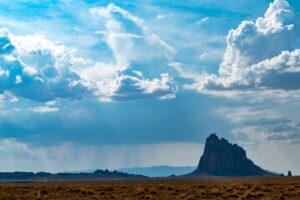
It is important to carry sufficient drinking water, food, fuel, and emergency supplies. The park is remote, and visitors should not assume that shops, fuel stations, or restaurants will be available nearby. Comfortable walking shoes are essential for exploring archaeological sites and trails. Sun protection, hats, sunglasses, and lightweight clothing are useful during warmer months, while warm layers are important for cooler mornings and evenings.
Conclusion
Chaco Culture National Historical Park is one of the most extraordinary heritage destinations in the United States. Its ancient great houses, ceremonial kivas, distinctive masonry, regional road networks, and dramatic desert setting reveal the achievements of ancestral Puebloan communities who created a sophisticated cultural center in the American Southwest.
The best places to visit in Chaco Culture include Pueblo Bonito, Chetro Ketl, Casa Rinconada, Una Vida, Hungo Pavi, Pueblo del Arroyo, Fajada Butte viewpoints, and the park’s petroglyph areas. Each attraction contributes to a deeper understanding of the ancient civilization and the remarkable landscape in which it developed.
UNESCO World Heritage – Chaco Culture
National Park Service – Places to Go
Chaco attractions and archaeological sites
National Park Service – Plan Your Visit
National Park Service – History and Culture
National Park Service – Directions
National Park Service – Alerts and Conditions
Current road and park conditions
National Park Service – Camping
National Park Service – Aztec Ruins
Author

Related posts
Places to Visit in Bisotun
- 0
- 5,002 words
Places to Visit in Bisotun , Iran Bisotun, also spelled Behistun or Bistoun, is one of the most important archaeological destinations in...
Read out all
Places to Visit in Pirin National Park
- 0
- 5,730 words
Places to Visit in Pirin National Park , Bulgaria Pirin National Park is one of the most remarkable destinations in Bulgaria for...
Read out all
Best Places to Visit in Dinant
- 0
- 4,895 words
Best Places to Visit in Dinant, Belgium Dinant is one of the most beautiful small towns in Belgium and one of the...
Read out all
Best Places to Visit in Mont-Saint-Michel
- 0
- 4,974 words
Best Places to Visit in Mont-Saint-Michel , France Mont-Saint-Michel is one of the most extraordinary destinations in France and one of the...
Read out all
UNGA
- 0
- 5,649 words
UNGA (United Nations General Assembly ) The United Nations General Assembly, commonly known as the UN General Assembly or UNGA, is one...
Read out all
Best Places to Visit in Kathmandu
- 0
- 4,089 words
Best Places to Visit in Kathmandu , Nepal Kathmandu, the capital of Nepal, is one of South Asia’s most fascinating travel destinations....
Read out all